
Some highway stops look purely practical in daylight, built for fuel, food, or a short break before the next stretch of road. After dark, the same places can feel more atmospheric, with neon, empty parking lots, desert silence, or late-night crowds changing the mood.
That shift is part of what keeps classic road travel interesting. A stop that seems ordinary at noon can feel theatrical, nostalgic, or strangely calm once headlights replace sun and the landscape fades at the edges.
These 10 stops stand out because night changes how travelers experience them. In some places, the appeal comes from historic signs and old highway character. In others, it comes from scale, lighting, or the sense that the road itself has taken over again.
1. South of the Border, South Carolina
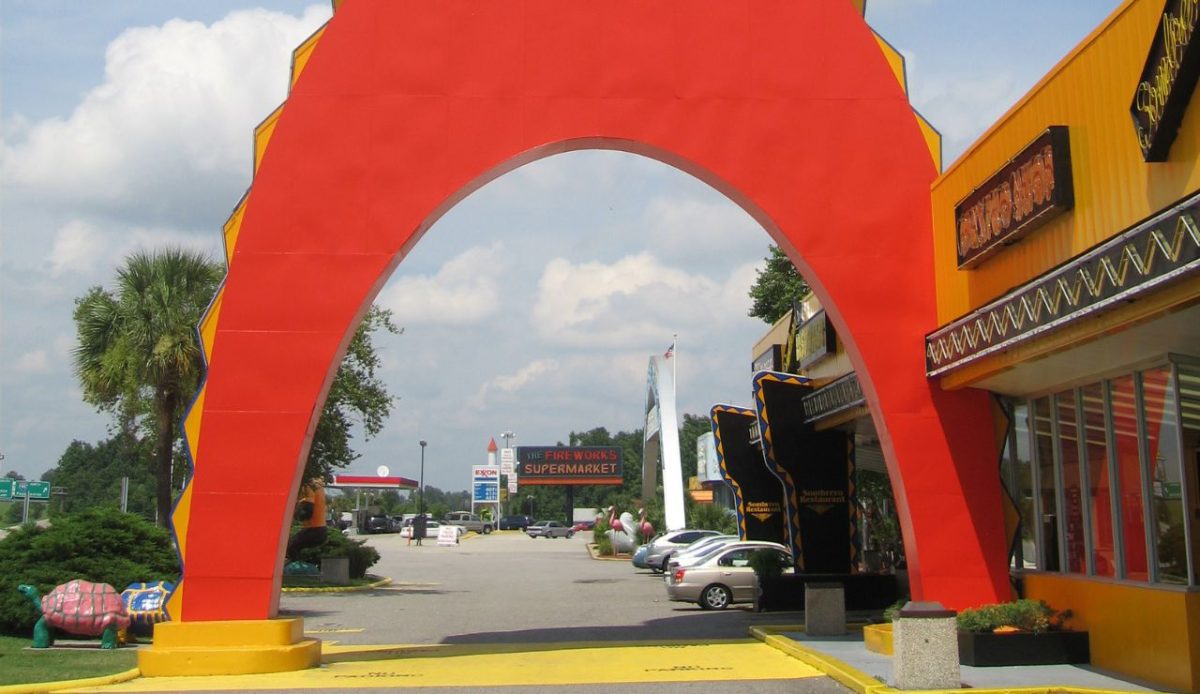
South of the Border has spent decades catching drivers on the I-95 corridor with oversized signs, bright colors, and a layout that feels closer to a roadside mini-town than a single stop. By day, it can read as a busy throwback built for impulse breaks and family photos.
At night, the place shifts into something stranger and more memorable. The lighting isolates its towers, shops, and attractions against a dark highway backdrop, making the whole complex feel bigger than it does in full sun.
That contrast is why the stop lingers in road-trip memory. Its appeal after dark is not subtle beauty but scale, glow, and the feeling of stumbling into a long-running piece of American highway theater.
2. Buc-ee’s, Luling, Texas
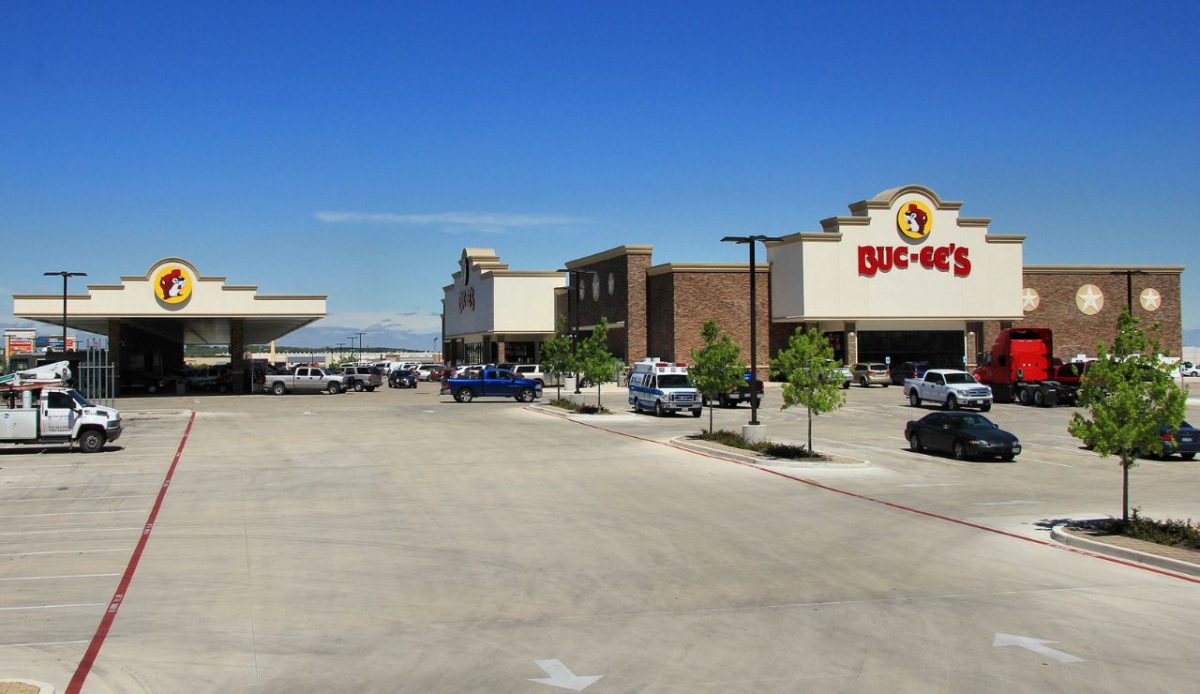
Buc-ee’s in Luling is famous for excess done with precision. The company calls this location the world’s largest convenience store at 75,593 square feet, a size that already makes it feel less like a quick stop and more like a destination built around movement.
After sunset, that scale becomes the main event. The fuel canopies, bright interior, and steady flow of travelers make the site feel almost urban in the middle of highway travel, with the store acting like a giant island of light.
That is why the mood changes so sharply at night. Instead of blending into the Texas roadside, the stop becomes a beacon, and even routine purchases start to feel tied to the rhythm of long-distance travel.
3. Iowa 80 Truckstop, Walcott, Iowa
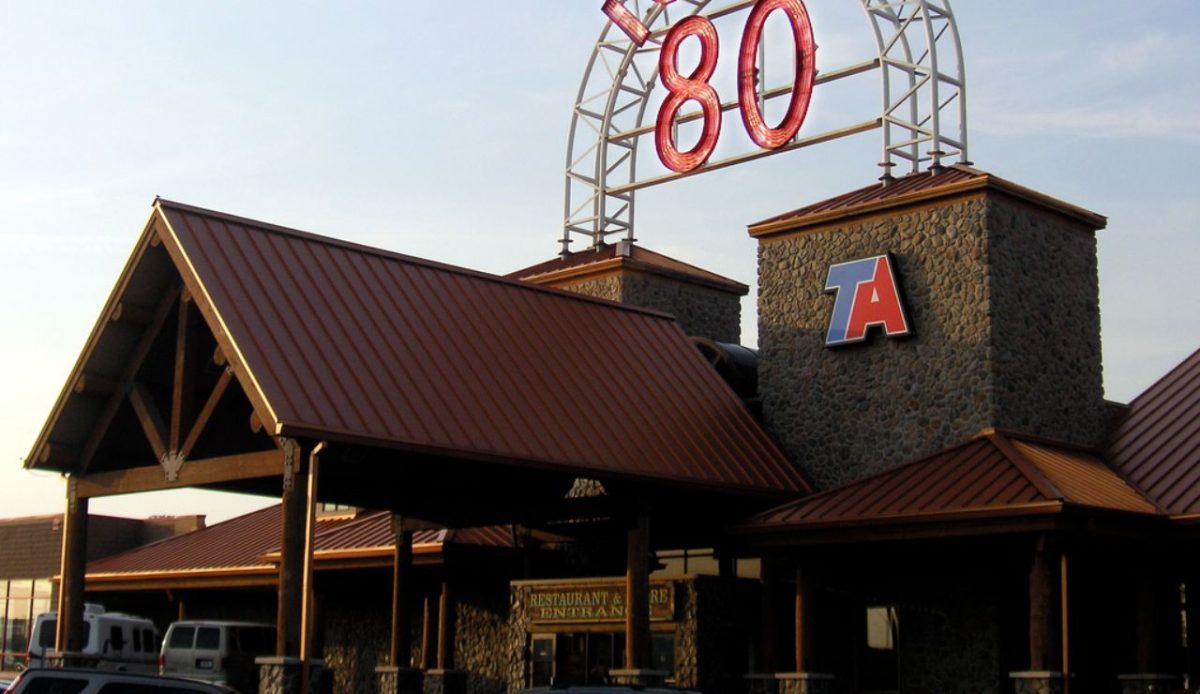
Iowa 80 presents itself as the World’s Largest Truckstop, and its long history on I-80 has made it more than a fuel stop for passing drivers. The place is designed as a full-service pause in the journey, with enough size and activity to feel like a small roadside district.
In daylight, that can seem impressive but straightforward. After dark, bright signs, and nonstop movement change the tone completely, turning the stop into a working nightscape shaped by schedules, freight, and continuous motion.
That is what makes it feel different after sunset. The place stops reading like a novelty and starts feeling like a visible piece of the national highway system still doing its real job while most travelers are just passing through.
4. Little America, Wyoming
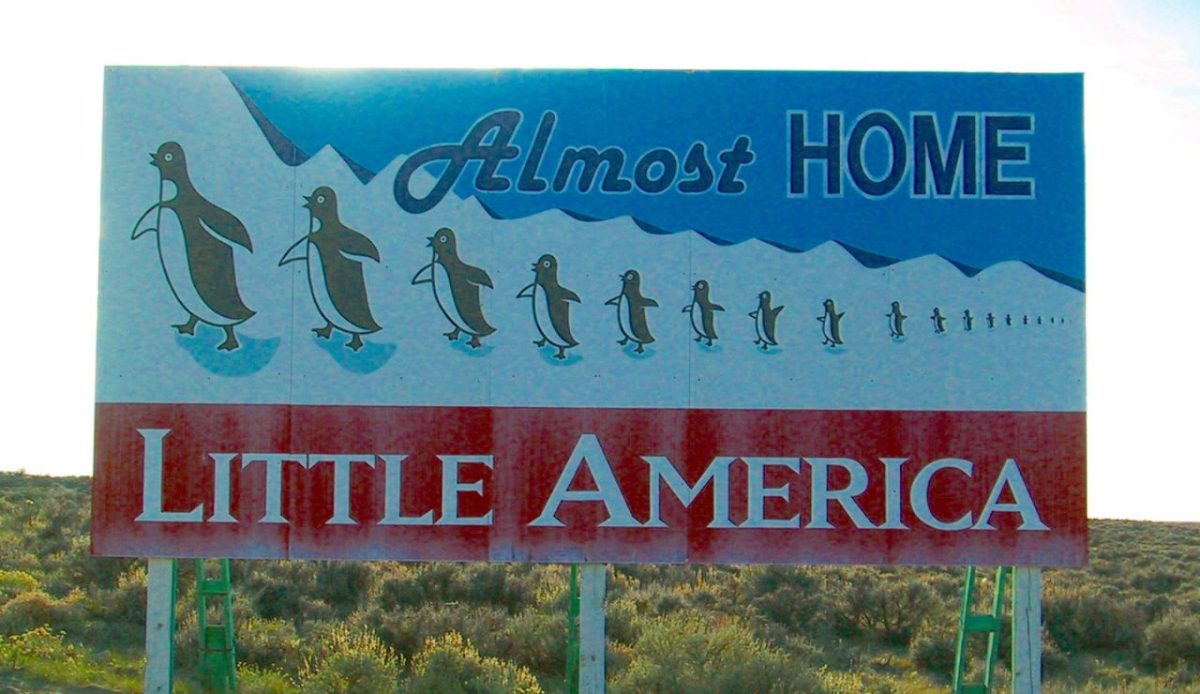
Little America on I-80 in Wyoming is a classic long-haul stop built around openness, fuel, and relief from distance. Its travel center operates 24 hours a day and includes 16 fueling islands, making it a practical landmark on one of the West’s most exposed interstate corridors.
That setting matters more after dark. In a state where weather, wind, and long empty stretches shape the drive, a brightly lit stop can feel less like a convenience and more like a temporary base camp in the middle of the route.
The result is a stop with a stronger nighttime identity than daytime one. Once the sky goes black, the lights, diner-style familiarity, and sheer isolation make arrival feel more significant than the map suggests.
5. Wall Drug, South Dakota
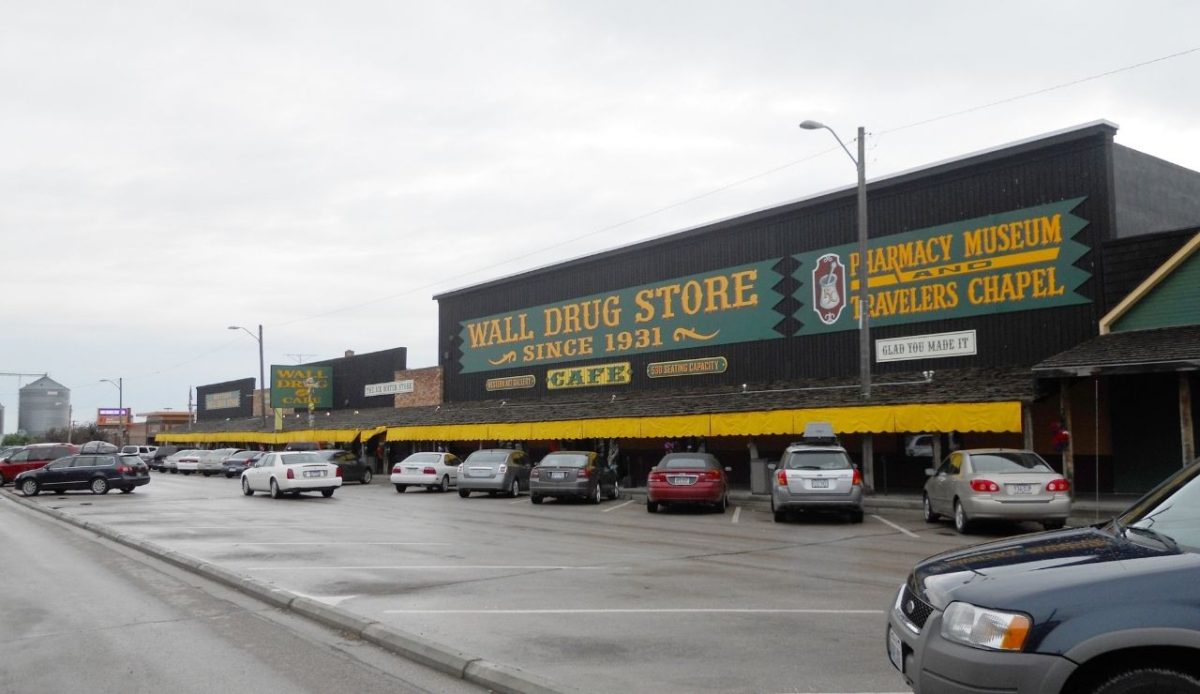
Wall Drug began as a small business in 1931 and grew into one of the country’s best-known roadside attractions, helped along by its famous signs and promises of free ice water. In daylight, it can feel like exactly what it is: a large, busy, highly organized stop for travelers near the Black Hills.
At night, the mood changes because the stop feels less like a crowded attraction and more like a lit refuge on the plains. The old-school branding, storefront glow, and reduced visual clutter give it a more classic highway personality.
That makes Wall Drug one of those places where darkness improves the illusion. You notice the old road-trip DNA more clearly once the surrounding landscape recedes and the signage takes control of the scene.
6. Cadillac Ranch, Amarillo, Texas
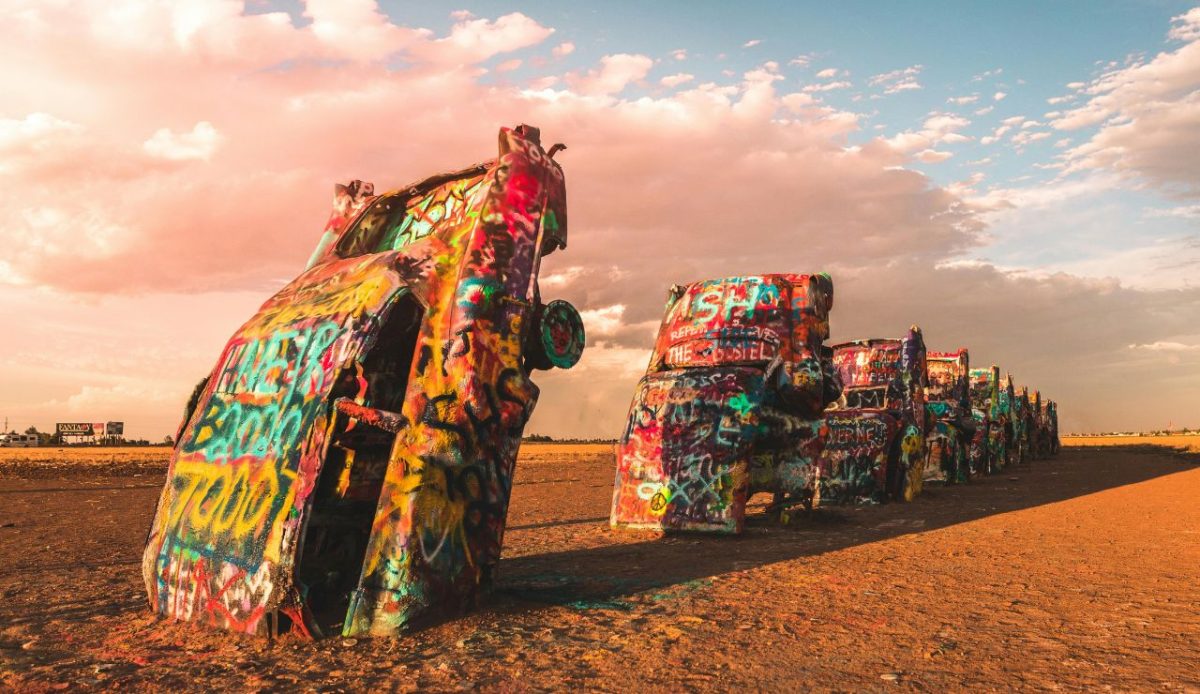
Cadillac Ranch is not a service plaza in the usual sense, but it functions like a true highway stop because drivers pull off I-40 specifically to experience it. The installation’s 10 Cadillacs buried nose-down in the ground have turned it into one of Amarillo’s defining roadside landmarks.
By day, it reads as a famous photo stop with open sky and constant turnover. At night, the atmosphere becomes less playful and more cinematic, with taillights, painted metal, and the darkness of the Texas Panhandle changing the scale of the work.
That is when the stop feels most tied to the road itself. The cars look less like a public art piece and more like a strange marker planted beside the highway, waiting for the next set of headlights to arrive.
7. The Big Texan, Amarillo, Texas
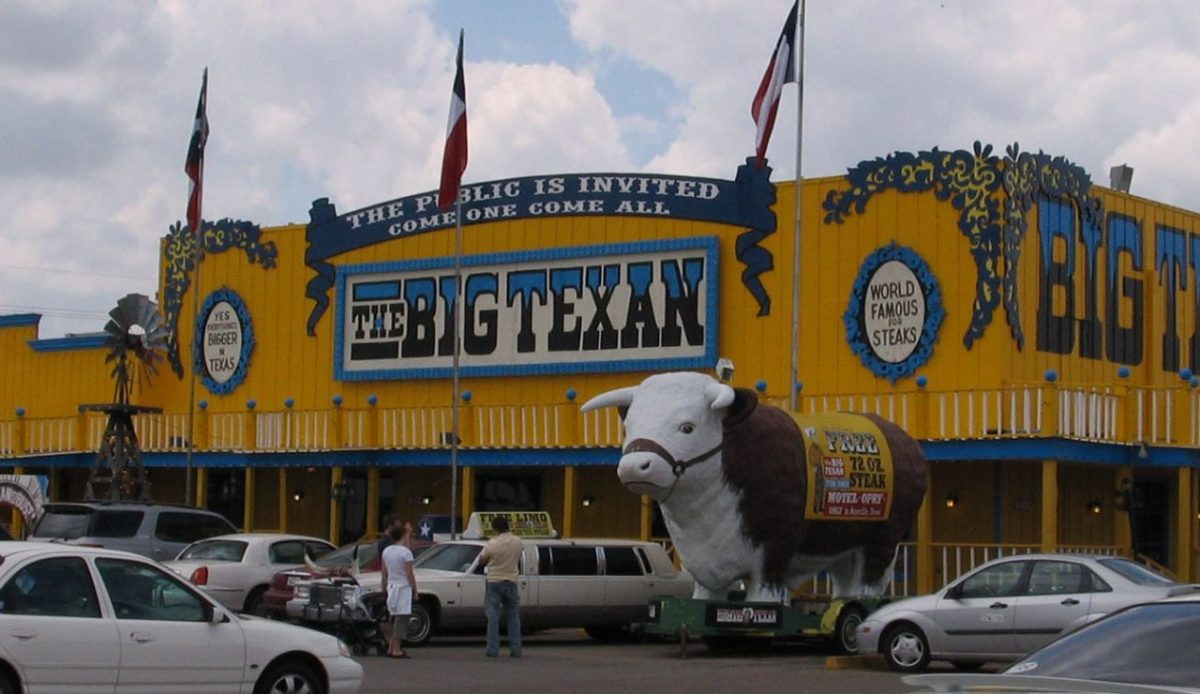
The Big Texan has been serving travelers on historic Route 66 in Amarillo since 1960, and its reputation rests on giant portions, western styling, and the long-running 72-ounce steak challenge. In daylight, it can feel like a well-known stop built to entertain and feed volume traffic.
After dark, the showmanship fits the setting much better. The illuminated signage, parking-lot energy, and late-hour appetite of road travelers make the whole place feel like a performance staged for people still in motion.
That is why it lands differently at night. The stop becomes less about novelty and more about timing, because a highly theatrical meal stop makes the most sense when the road is already starting to feel surreal.
8. Meteor Crater, Arizona
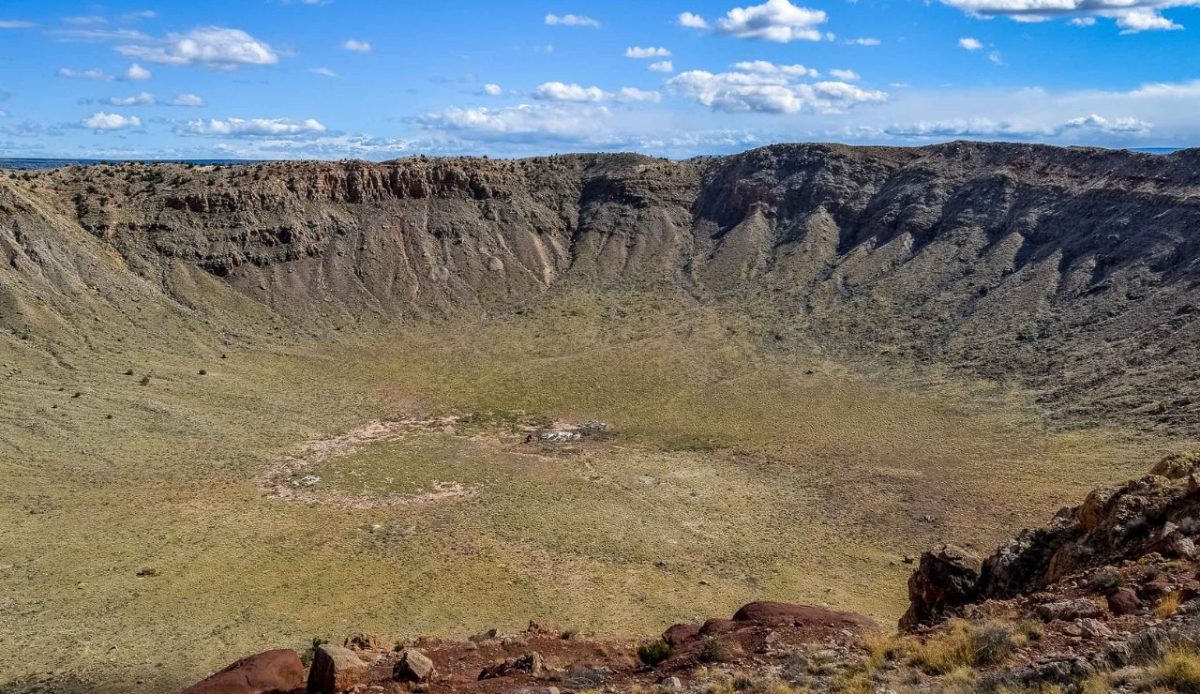
Meteor Crater sits just off I-40 in northern Arizona and is widely promoted as the best-preserved meteorite impact site on Earth. In full daylight, its appeal is educational and geological, with guided tours and broad views helping visitors understand its scale.
After sunset, even the approach feels different. The surrounding high plains go quiet, the horizon empties out, and the site gains a stronger sense of remoteness than it has when tour groups and daylight flatten the experience.
That matters because the crater is really about scale and isolation. Once the evening closes in, travelers feel more clearly that they have left the ordinary roadside and pulled over beside something shaped by forces far older than the highway.
9. Wigwam Motel, Holbrook, Arizona
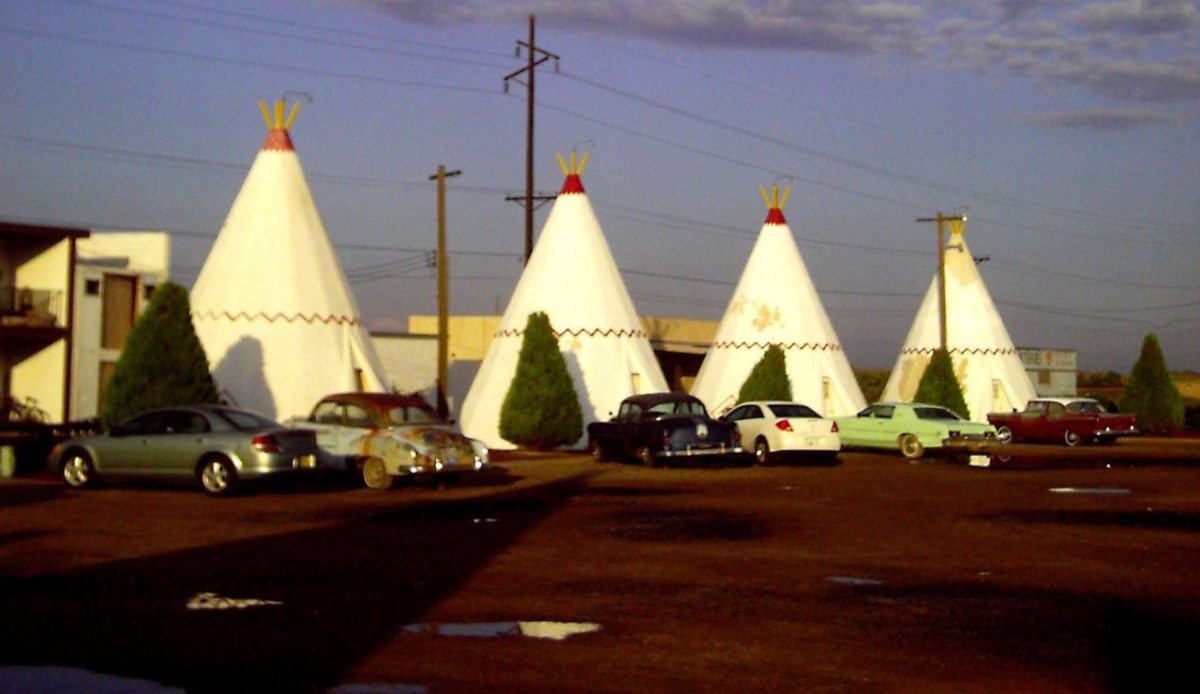
The Wigwam Motel in Holbrook turns a standard overnight stop into a preserved Route 66 image. Its concrete wigwams, vintage styling, and long connection to the historic road make it an easy landmark in daylight, especially for travelers moving between Arizona desert attractions.
At night, though, the place does what old roadside lodging was built to do. The individual units, parked classic cars, and low lighting create a quieter, more self-contained atmosphere than most chain hotels near the interstate.
That shift is the whole point of staying there. After dark, the motel stops feeling quirky and starts feeling coherent, as if the visual language of mid-century highway travel only fully makes sense once the neon and darkness return.
10. Blue Swallow Motel, Tucumcari, New Mexico
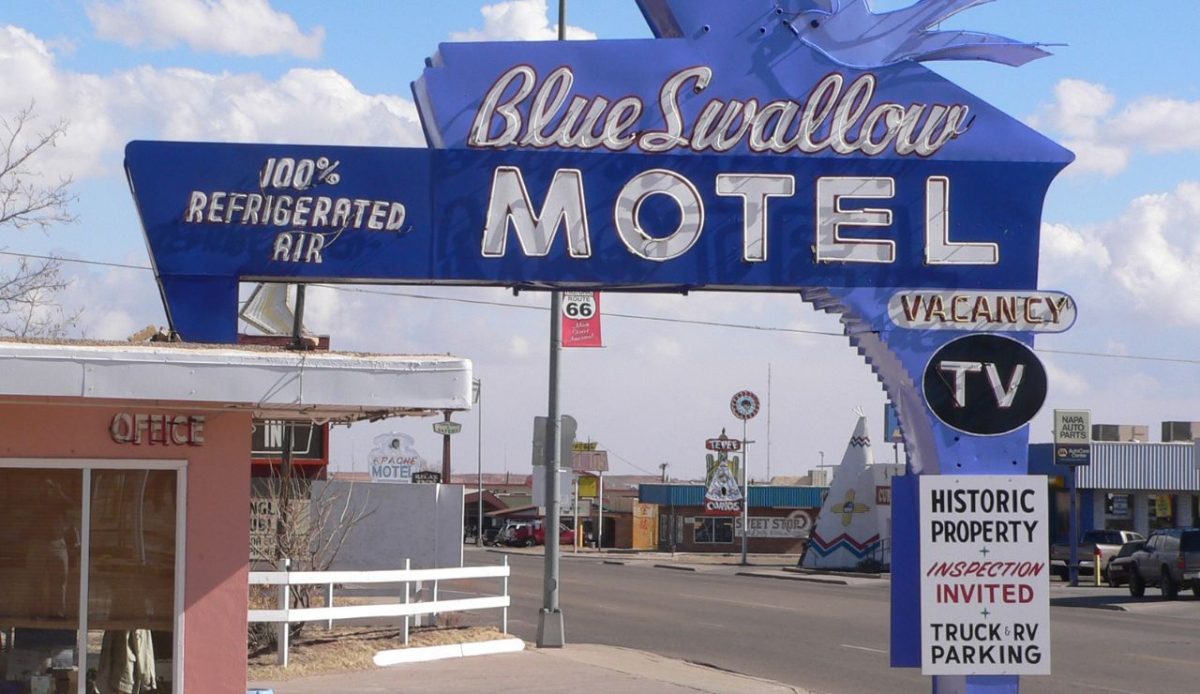
The Blue Swallow Motel has welcomed Route 66 travelers since 1939, and its continued appeal rests on preservation rather than reinvention. In daylight, it is easy to admire as a historic property, but its details can still feel like part of a familiar nostalgia package.
After sunset, the motel’s identity sharpens. The neon sign, motor-court layout, and quieter pace of Tucumcari make it feel less like a museum piece and more like a functioning fragment of an earlier travel era.
That is why it belongs on this list. Some stops become louder at night, but Blue Swallow becomes more complete, proving that certain highway places were always designed to be seen when the road has gone dark.
