
Travel planning in 2026 is being shaped less by airfare and more by risk alerts, embassy drawdowns, and fast-changing entry decisions.
In this article, “travel ban countries” refers to destinations now facing fresh or renewed do-not-travel warnings from major governments, not just formal border closures. That distinction matters because a trip can stay technically legal while becoming difficult to insure, reroute, or support in an emergency.
For travelers booking far ahead, the smartest move is to treat official advisories as part of the itinerary, alongside passports, visas, and weather. A destination’s status can change before departure, during transit, or after arrival.
1. Afghanistan

Afghanistan remains one of the clearest examples of a destination that can derail 2026 travel planning before a ticket is even issued.
The latest U.S. advisory, updated in February 2026, keeps the country at Level 4, with warnings tied to civil unrest, terrorism, kidnapping, wrongful detention, crime, natural disasters, and limited medical care. That combination affects more than safety on the ground.
It also shapes whether airlines, insurers, and corporate travel managers will support the trip at all. For most international travelers, Afghanistan is not simply a difficult journey in 2026. It is a destination where practical backup options may barely exist once plans go wrong.
2. Lebanon

Lebanon has moved back into sharper focus for 2026 travelers after a February 2026 U.S. update kept the country at Level 4 and reflected the ordered departure of non-emergency government personnel and family members.
The advisory cites crime, terrorism, civil unrest, kidnapping, unexploded landmines, and the risk of armed conflict, with border areas carrying even higher concern. For ordinary travelers, that means uncertainty can extend beyond one city or region.
Flight schedules, insurance terms, and embassy assistance may all become harder to rely on. Even where entry is still possible, Lebanon now sits in the category of trips that demand constant monitoring rather than routine vacation planning.
3. Mali
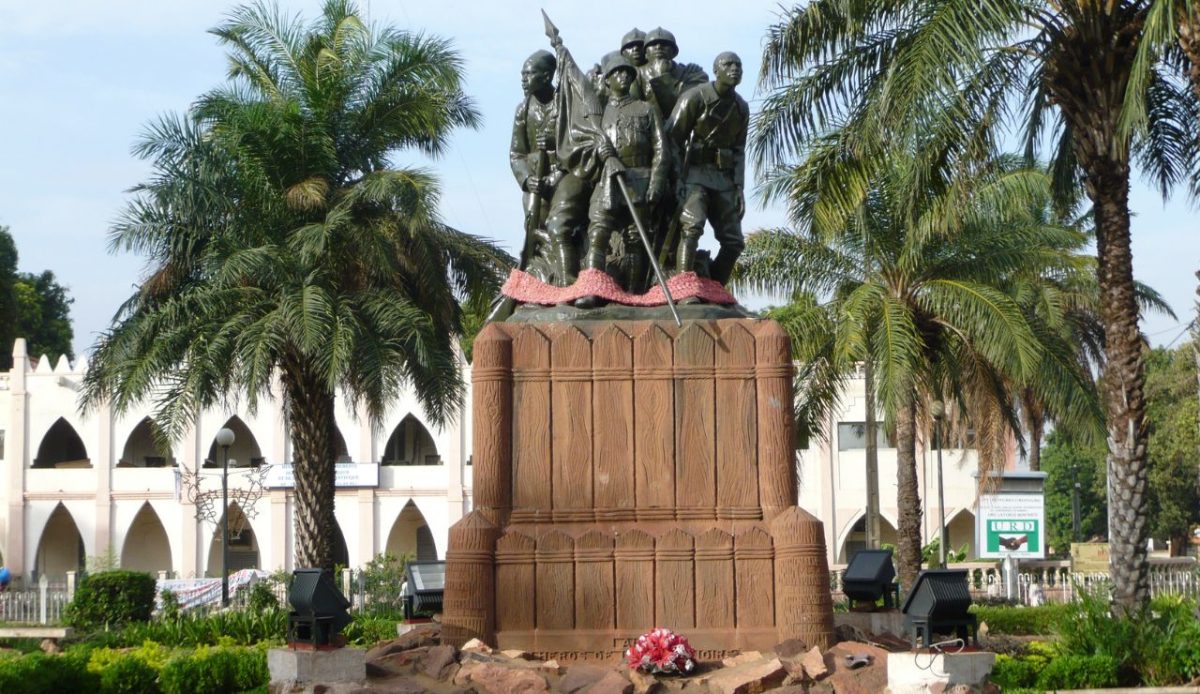
Mali is another country affecting 2026 itineraries because the latest U.S. advisory, updated in January 2026, keeps a Level 4 warning in place.
The notice points to crime, terrorism, kidnapping, unrest, and health risks, and it notes that non-emergency U.S. personnel and family members had previously been ordered to leave due to safety concerns. For travelers, that is a major signal that the issue is not just isolated incidents.
It reflects a broader operating environment where official support can narrow quickly. In practical terms, Mali is the kind of destination that can turn from a complicated trip into an unsupported one, especially if conditions change while a traveler is already in country.
4. Niger
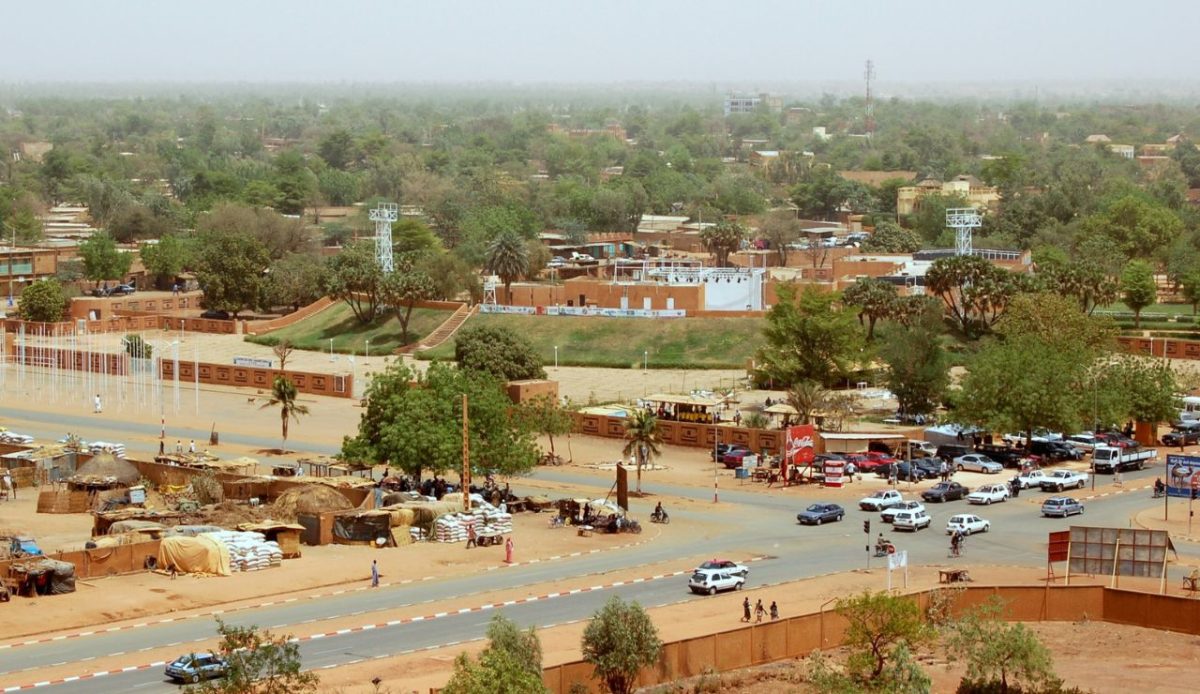
Niger is firmly on the list of countries reshaping 2026 international travel plans after a January 2026 U.S. advisory kept a Level 4 warning in place.
Official guidance points to unrest, crime, health concerns, kidnapping, and terrorism, while also warning that terrorists continue to plot attacks and use kidnapping for ransom. That language matters because it affects far more than sightseeing decisions.
It can change whether a traveler’s employer approves a trip, whether an insurer will honor a policy, and whether evacuation planning is realistic. For anyone building a multi-country Africa itinerary, Niger is a reminder that one high-risk stop can complicate the entire route, not just the local leg of the journey.
5. Central African Republic

The Central African Republic is another destination that can quietly disrupt 2026 travel planning because the latest U.S. guidance tells travelers not to go for any reason.
The January 2026 advisory points to unrest, crime, kidnapping, health risks, terrorism, and other dangers. That broad wording is important. It signals a country where risk is not limited to one tourist corridor or one border zone, but spreads across the wider travel environment.
For visitors, that can mean fewer reliable transport options, thinner consular support, and little room to improvise when conditions worsen. In short, the Central African Republic is not just a difficult destination in 2026. It is one that many travelers will need to remove from plans entirely.
6. Syria
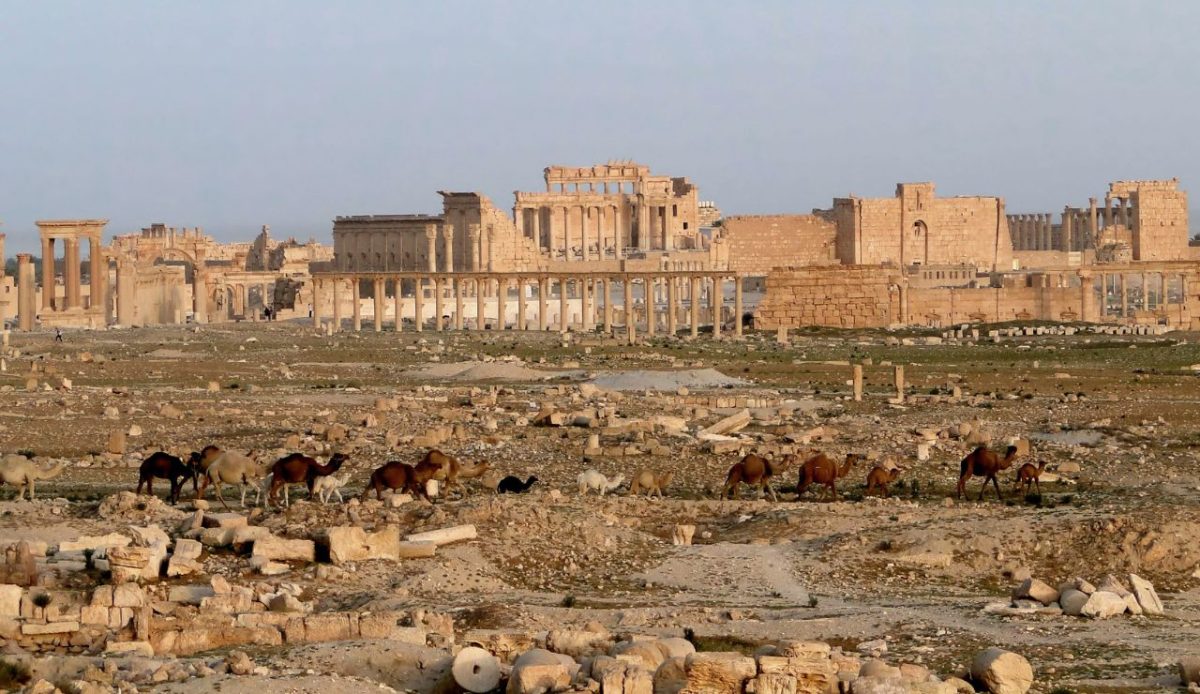
Syria continues to sit among the most severe travel warnings affecting 2026 trips, with the U.S. maintaining a Level 4 advisory renewed in December 2025.
Officials warn against travel for any reason because of terrorism, civil unrest, kidnapping, hostage taking, crime, and armed conflict. Even though the advisory wording did not change, its continuing force matters for 2026 bookings. It tells travelers that the risks remain active rather than historical.
For insurers, tour operators, and families coordinating international travel, Syria is not a destination that can be treated as uncertain but manageable. It remains a place where emergency help, secure movement, and normal tourism infrastructure may not be available when needed.
7. Venezuela

Venezuela is affecting 2026 travel decisions in a different way because the U.S. advisory does not simply warn against visiting. It says travelers should not travel to or remain in the country.
Reissued in December 2025, the Level 4 notice cites wrongful detention, torture in detention, terrorism, kidnapping, arbitrary enforcement of local laws, crime, civil unrest, and poor health infrastructure. That is especially relevant for travelers who assume a legal entry route guarantees a manageable visit.
In practice, Venezuela now sits in the category where personal risk can continue after arrival, not just in transit. For 2026 trip planning, it is a clear example of a destination many travelers should avoid rather than merely postpone.
8. Yemen

Yemen remains one of the clearest examples of a destination that can drop out of 2026 travel planning.
The U.S. renewed its Level 4 advisory in December 2025, warning against travel because of terrorism, unrest, crime, health risks, kidnapping, and landmines. That mix of threats means the problem is not only violence but also the lack of dependable infrastructure if something goes wrong.
Travelers cannot assume normal medical access, flexible rerouting, or routine assistance from officials. In practical terms, Yemen represents severe travel disruption, where even experienced travelers face conditions that make contingency planning unusually thin. For most people, 2026 is a year to watch from a distance, not add to an itinerary.
