
Many visitors love traveling in the U.S., but day-to-day routines around flights, hotels, and road trips can feel unfamiliar. Some habits come from the country’s size, car culture, and service economy, while others are just local norms that Americans rarely explain out loud. None of these quirks are “right” or “wrong,” but they can surprise first-time travelers.
This guide highlights common travel behaviors that often make international guests pause, ask questions, or laugh later. Knowing them in advance can make trips smoother and help you read situations faster.
Think of these as cultural “speed bumps”: small moments that can affect timing, budgeting, and expectations, especially in big cities and tourist hubs.
1. Tipping as a standard part of the bill
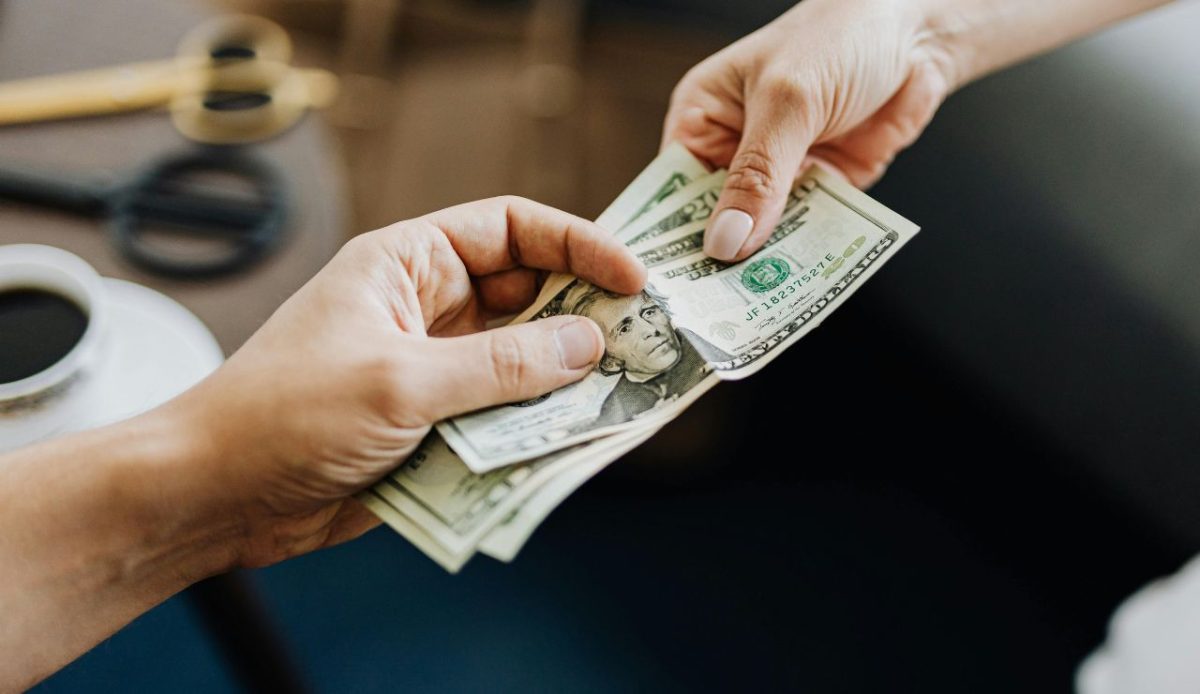
In many U.S. cities, visitors learn fast that the menu price is not the final cost. Restaurant servers, bartenders, rideshare drivers, and hotel staff often rely on tips as a major part of pay, so guests are expected to add extra.
That expectation can extend beyond dining. Valet parking, housekeeping, bell service, tour guides, and even coffee counters may prompt a tip screen, which can feel pushy if you’re used to “service included.”
The easiest move is to budget for it up front and follow local norms. When in doubt, ask politely what’s typical, staff usually prefer a quick question over awkward guessing. On tours, a tip at the end is common too.
2. Sales tax showing up only at checkout
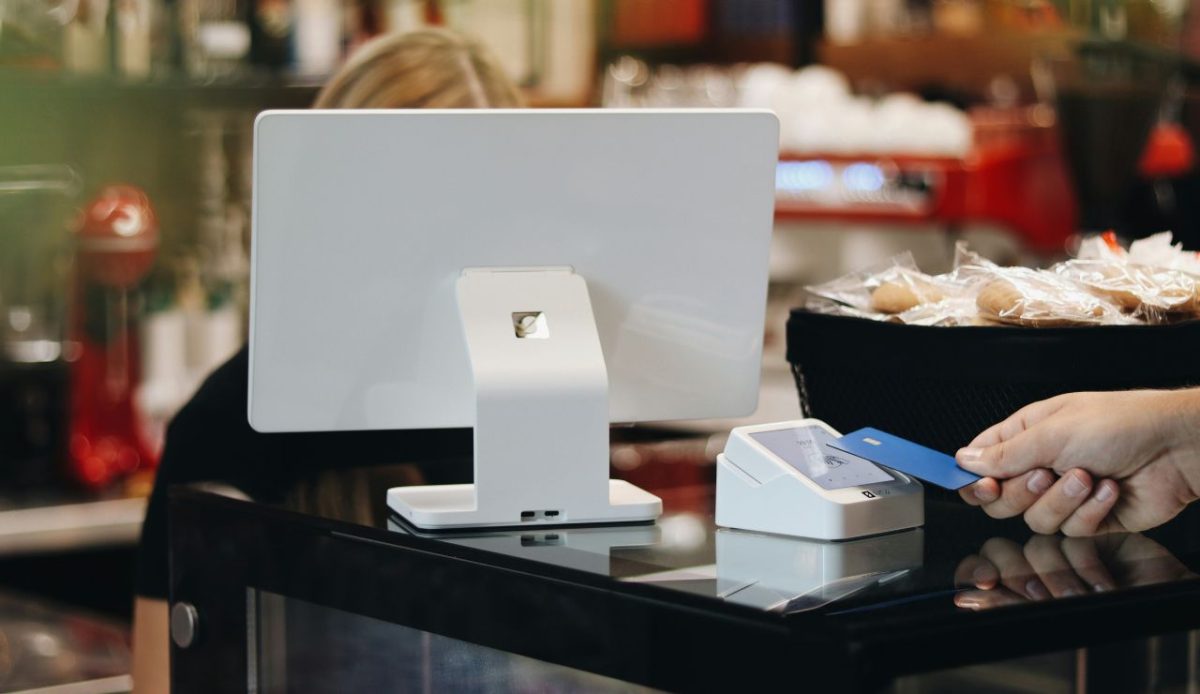
Many international travelers assume the shelf price includes tax, but in most U.S. states it doesn’t. The number on the tag is the pre-tax amount, and the final total changes depending on local and state rates.
That means two stores in the same metro area can charge different totals for the exact same item. It also makes quick budgeting harder, especially when you’re grabbing snacks, souvenirs, or last-minute essentials.
Locals mentally add a little extra and move on, but visitors often feel tricked. If you want fewer surprises, keep a small “tax cushion” in your daily spend and remember that groceries and prepared foods can be taxed differently.
3. Driving “short distances” that aren’t short
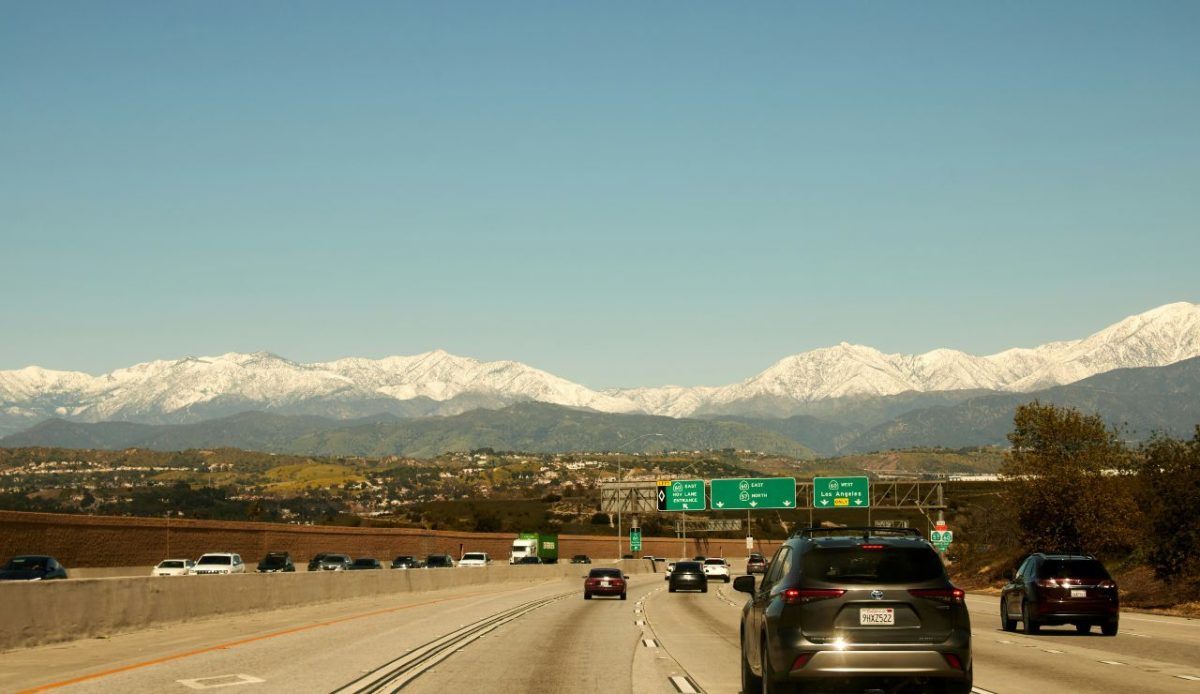
Americans often describe places as “just a quick drive,” even when it’s an hour away. The country is huge, highways are fast, and many people grow up measuring trips in time, not kilometers or miles.
For visitors, this can turn into accidental marathon days: multiple attractions spread out, long stretches with few services, and sudden traffic that doubles the timeline. Public transit may be limited outside major cores.
Before you say yes to an itinerary, check the map and the parking situation. In many areas, your real travel plan is the road, and it deserves the same attention as the destination. Gas stops, tolls, and rest breaks add up quickly.
4. Free refills and giant portions at casual spots
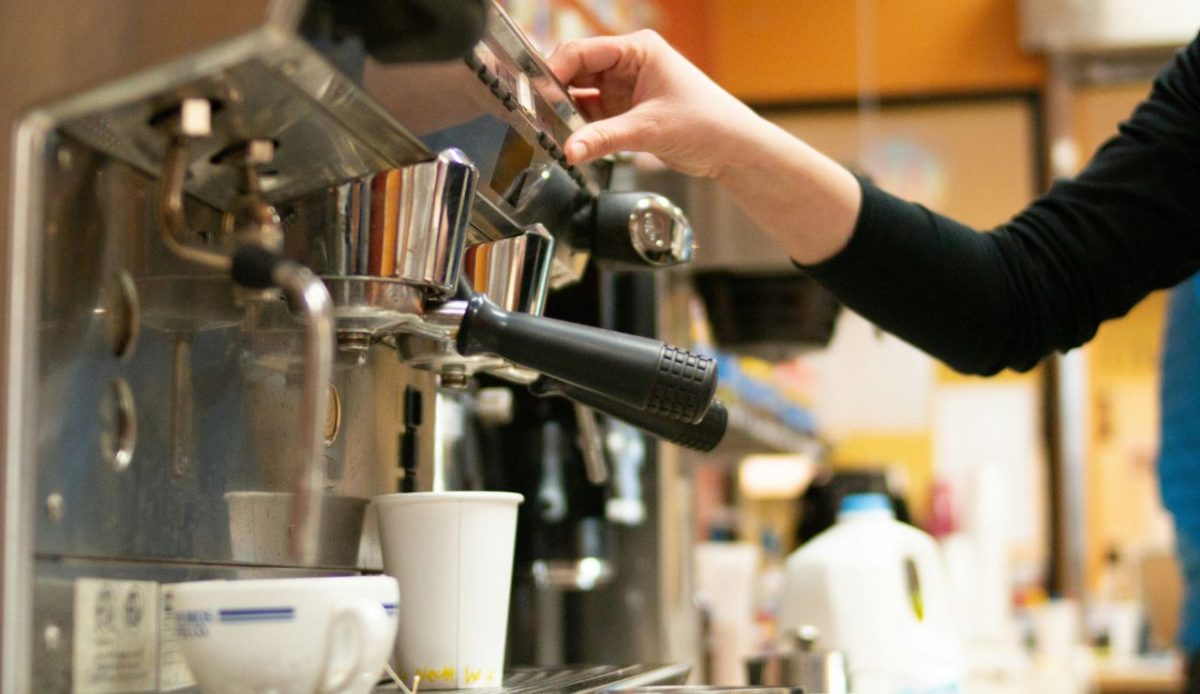
At many casual restaurants, soda, iced tea, and drip coffee come with free refills, and portions can be big enough for two meals. For visitors, it can feel like a bargain, or like a challenge you didn’t train for.
The flip side is that “value sizing” is normal, and staff may offer upgrades automatically. Tourists sometimes over-order because the portion scale is hard to judge from a menu photo.
If you want to avoid waste, ask what a typical serving looks like or share dishes. Taking leftovers is common too, and most places will happily bring a to-go box without judgment. In hotels, mini-fridges are often there for exactly that reason, especially on longer stays.
5. Ice water everywhere, even in winter
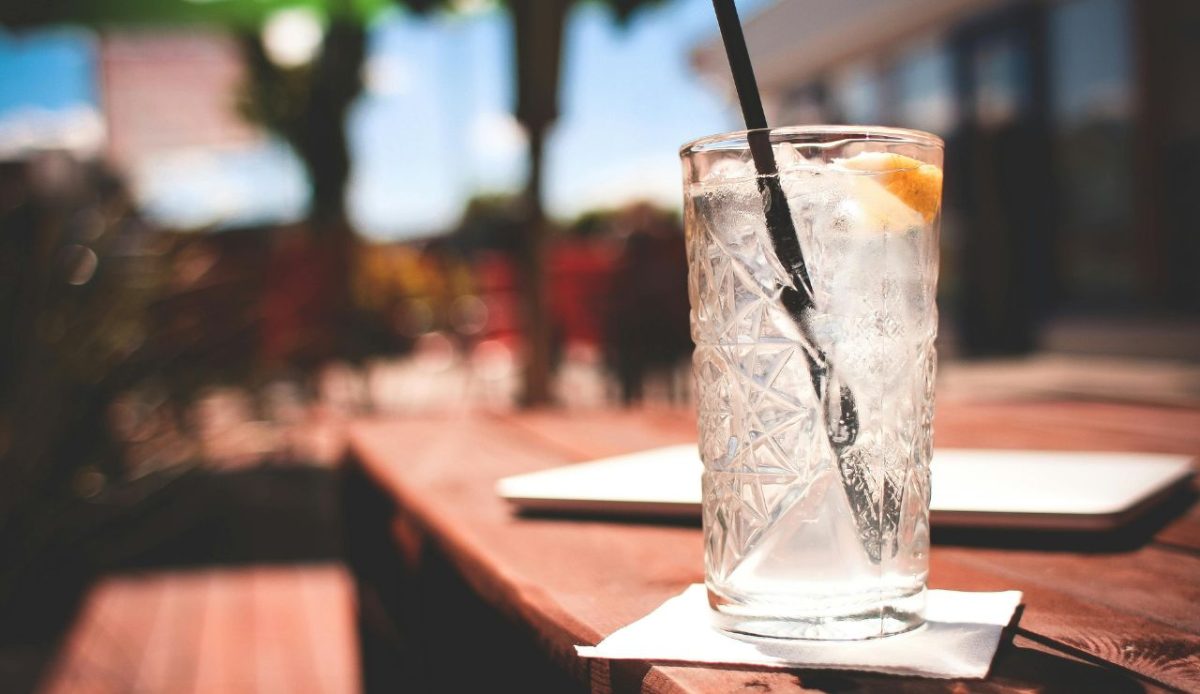
In the U.S., many restaurants automatically serve a large glass of ice water as soon as you sit down. It’s usually free, constantly refilled, and treated as basic hospitality rather than a special request.
Visitors from places where water is bottled, paid, or served without ice can find it odd, especially when it’s cold outside. Some travelers worry about tap water quality, even though it’s generally regulated.
If you prefer no ice or bottled water, just ask directly; it’s normal. The surprise is more about the default assumption: Americans expect water at the table, fast, and in a big cup. If you’re walking a lot, this habit can be a real win.
6. Hotel pricing that hides fees until the end
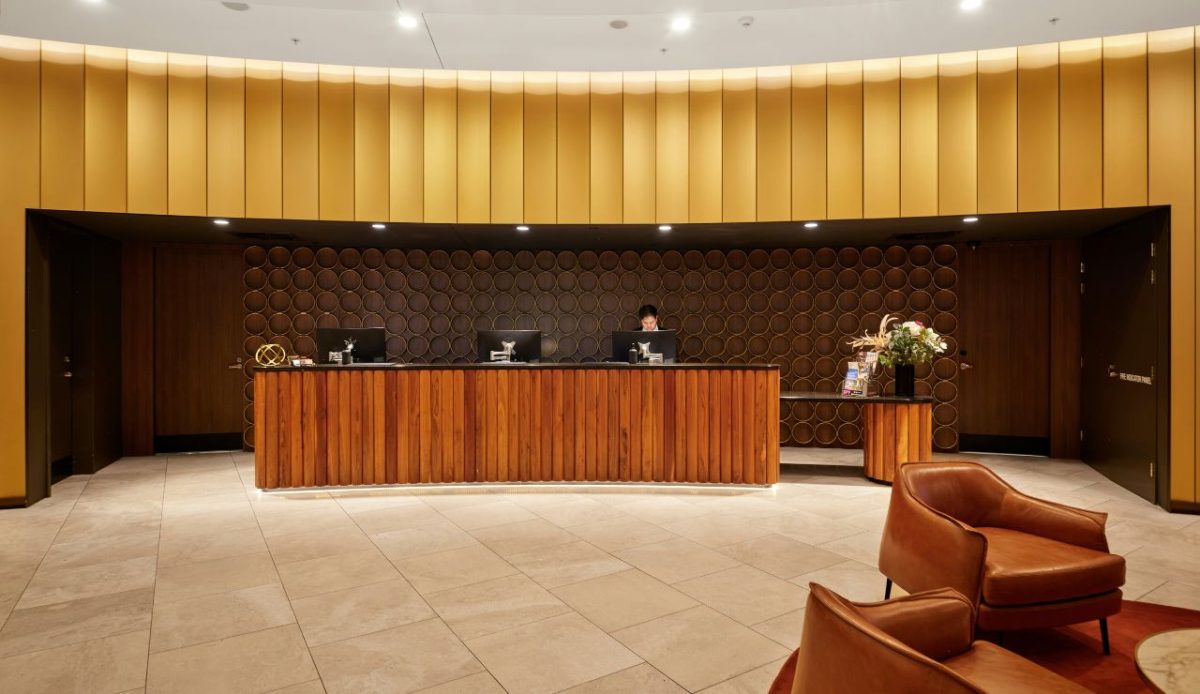
Hotel rates in the U.S. can look reasonable online and then jump at checkout. Taxes, destination charges, parking, and “resort fees” may be added separately, even at properties that don’t feel like resorts.
For international travelers used to all-in pricing, the extra line items can feel like a bait-and-switch. It also complicates comparing hotels, because two identical nightly rates can land at different totals.
To avoid getting burned, read the fee breakdown before booking and ask about parking and incidental holds. The sticker shock isn’t your imagination; it’s a common part of the system. Some fees are mandatory even if you never use the “included” facilities.
7. Security routines that feel intense and rule-heavy
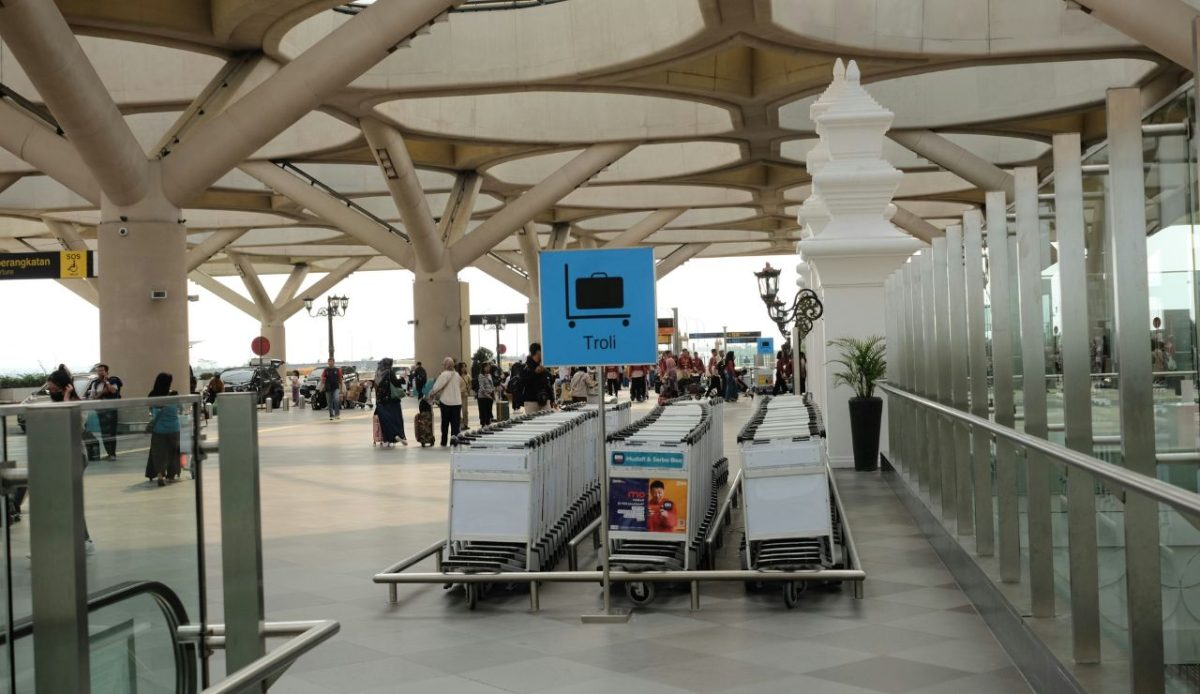
U.S. airport security can feel stricter and more procedural than what many visitors expect. Shoes off, liquids in tiny containers, laptops out, and long lines are common, and the rules can change by lane or airport.
Because the process is so standardized, travelers move quickly and get impatient when someone pauses to ask what to do. For newcomers, that pressure can make the whole experience more stressful than it needs to be.
Arrive early, keep essentials easy to access, and watch the people ahead of you. Once you know the rhythm, it’s mostly just a fast-moving checklist, loud, but manageable. PreCheck-style lanes exist, but visitors often can’t use them.
8. Carrying big drink cups while walking or driving
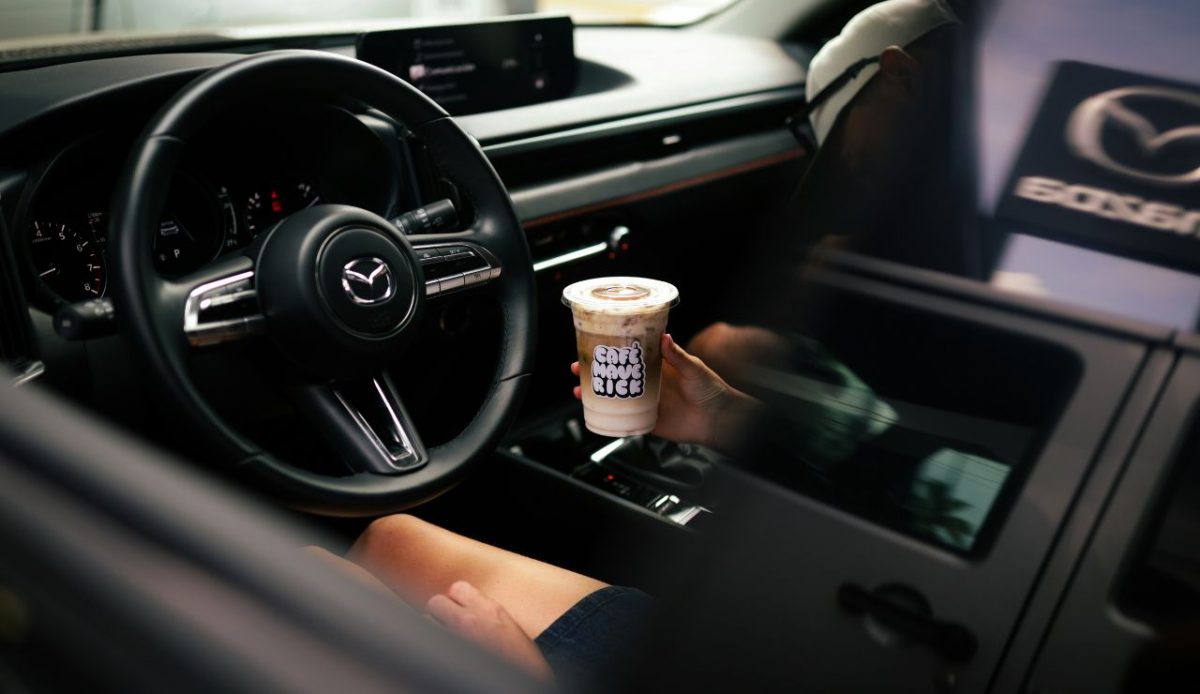
You’ll notice oversized coffee tumblers and huge fountain drinks everywhere, including behind the wheel. Americans often treat beverages as travel companions, not something you finish at a café or at home.
For visitors, it can look unsafe or distracting, but it’s tied to long commutes and drive-thru culture. Even short errands can come with a drink, and cup holders are basically a design feature of the country.
If you rent a car, you’ll understand the logic instantly. Just remember that public drinking rules vary by city, and alcohol in open containers is a different category with stricter enforcement. Outside festivals or stadium zones, it’s usually a no.
9. Planning around chain brands and loyalty points
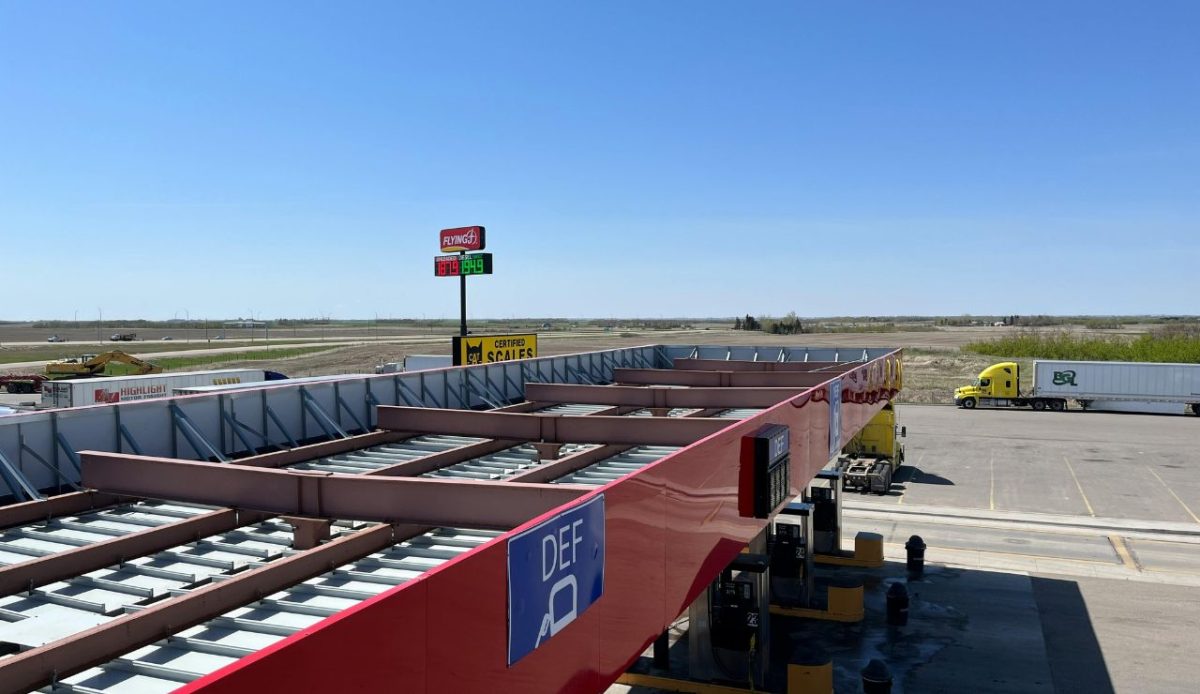
Many U.S. travelers choose hotels, airlines, and car rentals based on points and status, not just price or charm. Chains dominate highways and airports, and loyalty programs can genuinely change costs through perks and upgrades.
International visitors sometimes expect more independent options near attractions, then find the same big brands repeating from state to state. It can feel monotonous, but it also creates predictable standards for rooms, parking, and amenities.
If you want local flavor, you may need to search harder or stay slightly outside the main corridors. If you want convenience, following the chains will make the trip easier, by design. Either way, book early near national parks and big event weekends.
10. Friendly small talk with strangers in travel spaces

Americans often chat with strangers in lines, elevators, and hotel lobbies, especially about travel plans, sports, or the weather. For visitors from more reserved cultures, it can feel unusually personal or overly familiar.
Service workers may also use upbeat scripts, “How are we doing today?”, and expect a quick, friendly answer. Tourists sometimes take the question literally and feel confused when it’s clearly not a real check-in.
You don’t have to match the energy, but a simple reply keeps things smooth. In many places, friendliness is treated as basic social lubrication, not an invitation to become best friends. A smile and a short answer is the local “password.”
