
Crowded scenic roads are pushing land managers to manage traffic, protect fragile landscapes, and keep emergency access open. The result is a growing patchwork of timed-entry permits, vehicle reservations, and parking bookings tied to specific drives.
For travelers, the big change is that “show up early” is no longer the only strategy. Many routes now require you to secure a slot before you start the engine, often through Recreation.gov or a local operator’s system.
The drives below are still worth the planning, but rules can shift by season and time of day. Always confirm current requirements and entry windows before you go, and keep a backup plan.
1. Cadillac Summit Road, Acadia National Park, Maine
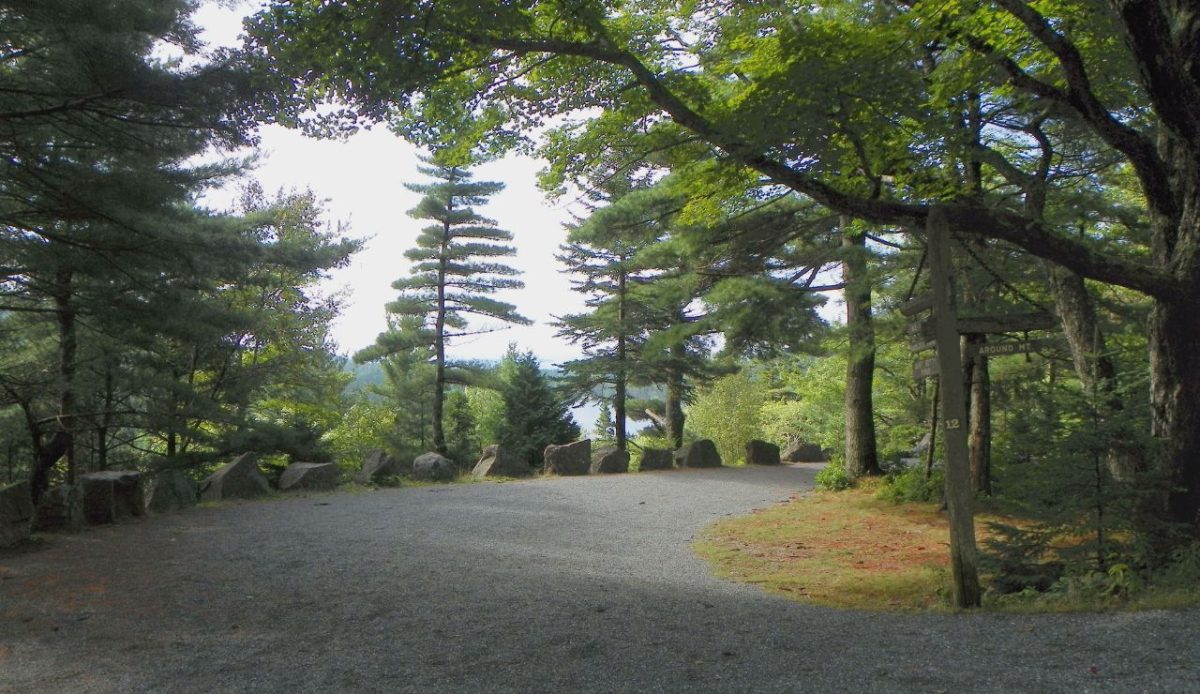
Cadillac Mountain’s summit road is short but extremely popular, especially around sunrise. To prevent gridlock on the narrow approach, drivers must book a vehicle reservation for a specific day and entry window during the May 20 to Oct. 25, 2026 season.
Without a reservation, you can still explore Acadia’s Park Loop Road, ocean overlooks, and carriage roads, but you won’t be able to drive Cadillac Summit Road when reservations are required.
Bring your park pass too, this reservation is separate from the park entrance fee. Reservations are released in advance and close out quickly, so aim to arrive within your scheduled window even on weekdays.
2. Bear Lake Road Corridor, Rocky Mountain National Park, Colorado
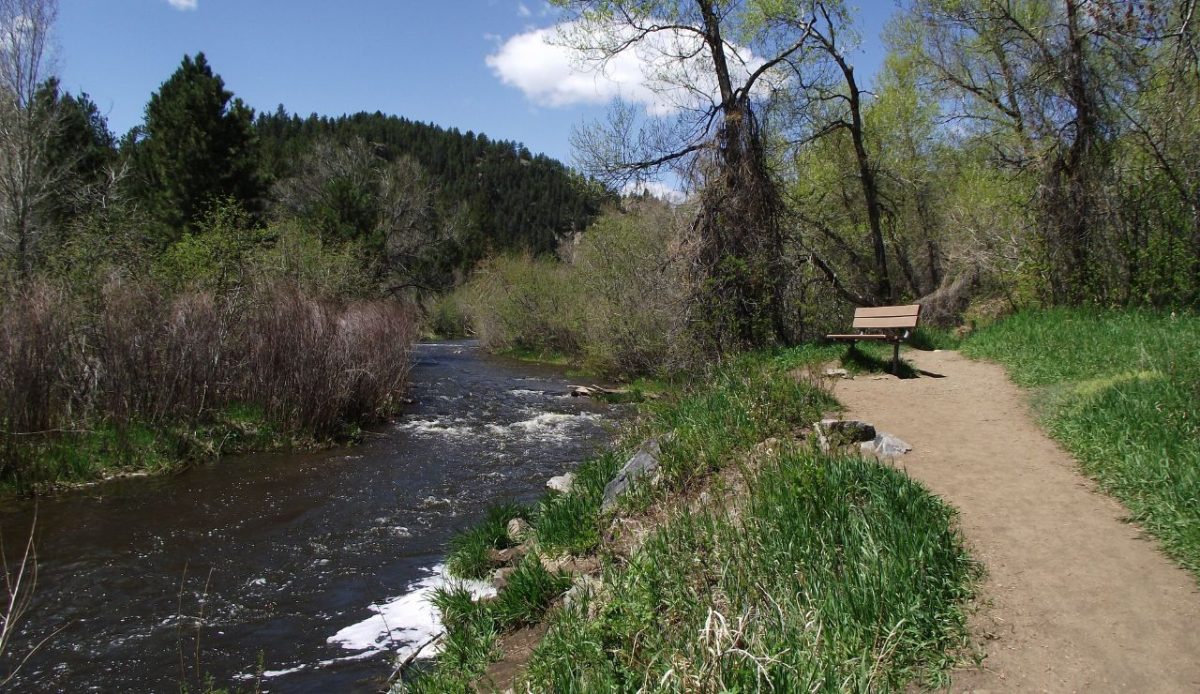
Rocky Mountain’s Bear Lake Road Corridor packs trailheads, lakes, and viewpoints into one busy stretch, so lines build fast on summer mornings. In 2026, the park requires a Timed Entry+ Bear Lake Road reservation to enter the corridor during peak hours from May 22 through Oct. 18.
This is separate from the entrance fee. The reservation controls when your vehicle can pass the access point, helping manage parking lots that can fill before breakfast.
The park also sells a standard timed-entry option for other areas, so choose the correct product for your route. Entering very early or later in the evening can reduce the need for a reservation too.
3. Mount Blue Sky Scenic Byway, Colorado
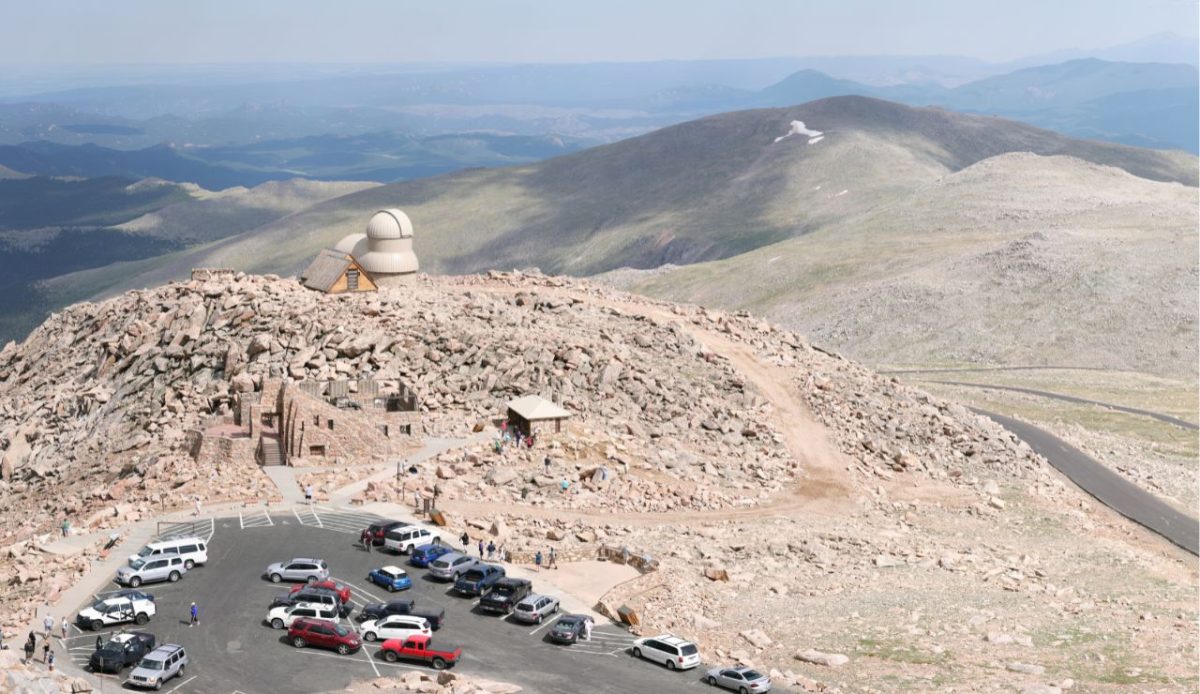
Mount Blue Sky’s high-altitude byway climbs above treeline to developed stops like Mount Goliath, Summit Lake, and the summit area, where roadway space and parking are limited. Timed-entry reservations on Recreation.gov are required for private vehicles during the operating season, generally between 8 a.m. and 6 p.m.
Your ticket is tied to a two-hour entry window. Once you enter, you can stay longer, but arriving early or late won’t substitute for the correct slot.
Openings depend on weather and seasonal operations, with the road typically reopening around Memorial Day weekend. Check road status and ticket releases before driving up from the Front Range.
4. Pikes Peak Highway
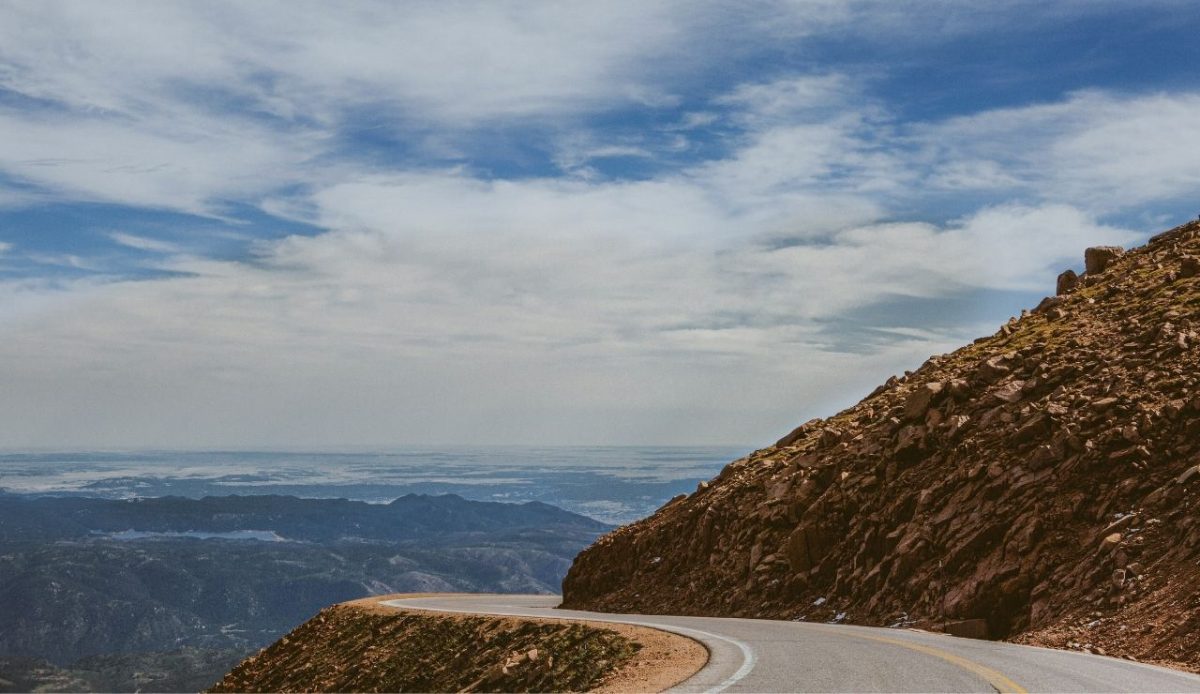
Pikes Peak’s paved highway is one of the classic American summit drives, but summer demand can overwhelm gates, pullouts, and summit parking. To spread arrivals out, the highway requires a timed-entry permit for private vehicles during the peak season, typically May 23 through Sept. 30.
You reserve online ahead of time, then enter during your assigned window as you climb beyond Mile 7 toward the top. Admission fees are separate from the timed-entry permit.
Build in extra time for altitude breaks and sudden weather shifts. Even with a reservation, thunderstorms, construction delays, or low visibility can slow travel or prompt temporary holds.
5. Haleakalā Summit Road, Haleakalā National Park, Hawaiʻi
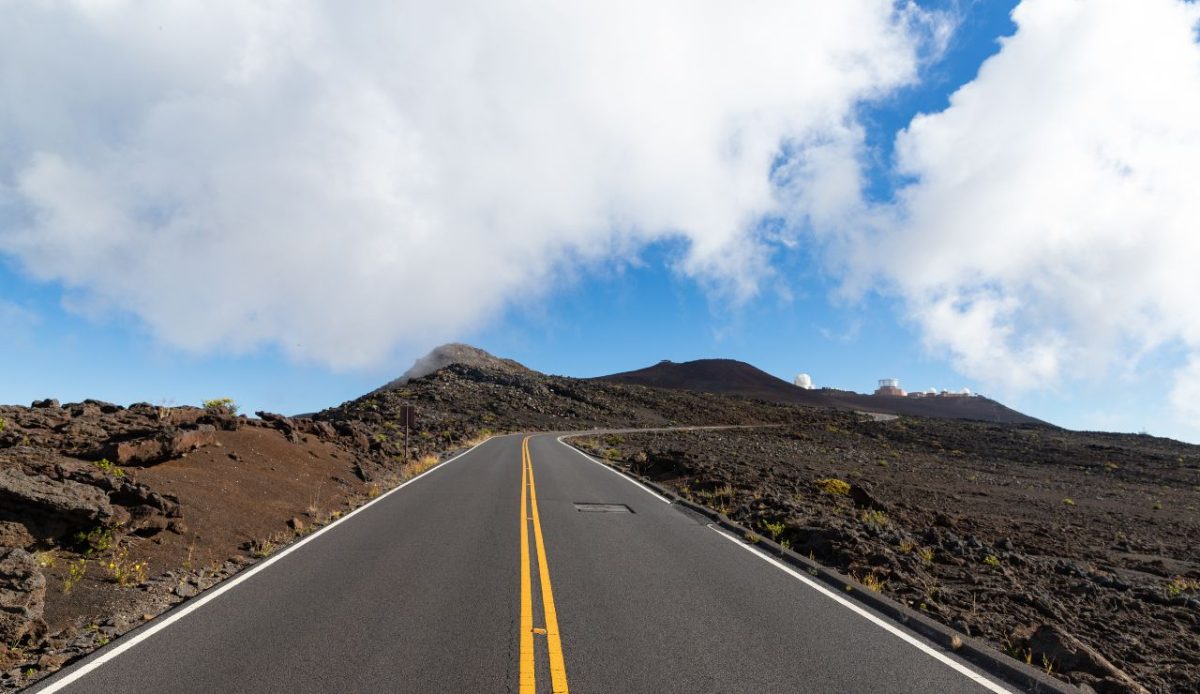
Haleakalā’s sunrise is famous enough to create pre-dawn traffic on the long, winding summit road. The park requires a sunrise reservation for any vehicle entering between 3 a.m. and 7 a.m., year-round, in addition to the standard entrance fee or park pass.
Treat it like a permit for the early-morning drive: you need it in advance, it’s per vehicle, and you can’t buy it at the entrance station once you arrive. Some tickets are released well ahead, with additional drops close to the date.
If you don’t have a reservation, you can still drive up later for daylight views and hiking. Plan for cold temperatures, strong winds, and long stretches of road with minimal lighting.
6. Muir Woods Drive-In Access, Muir Woods National Monument, California
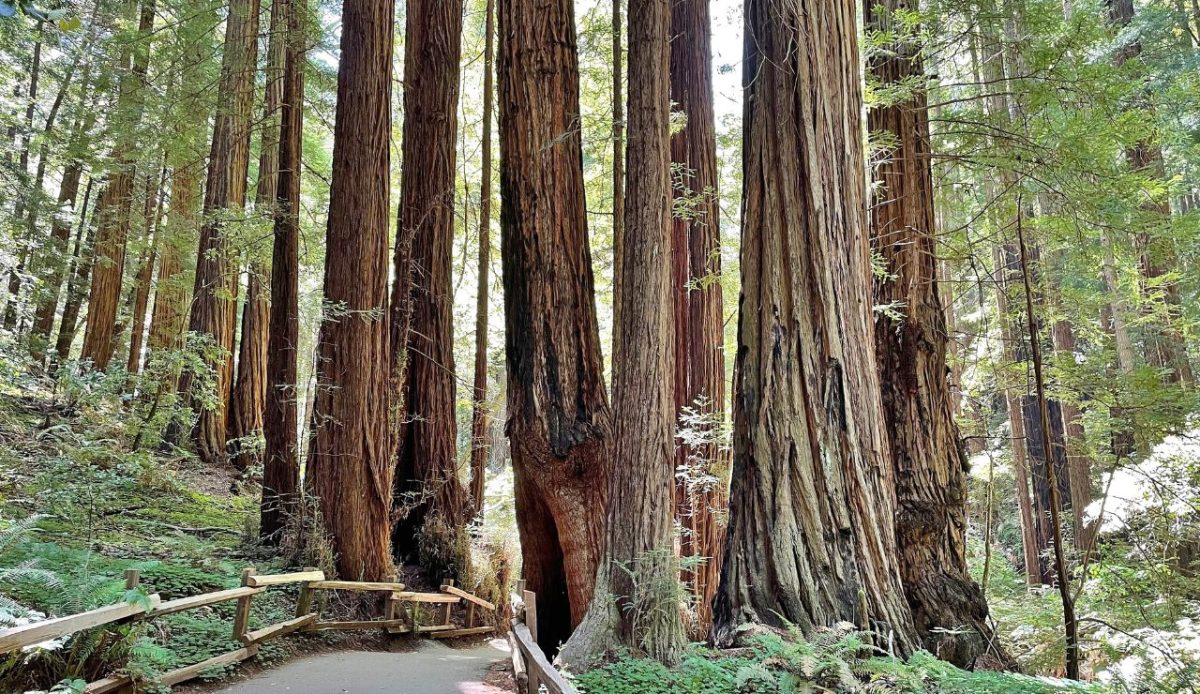
Muir Woods isn’t a long drive, but the approach through Marin’s narrow canyon roads makes congestion and roadside parking a safety issue. To control traffic, parking reservations are required for all vehicles, and shuttle riders also reserve seats in advance, typically year-round.
The booking works like a permit for the drive-in experience, without it, there’s no on-site parking lottery waiting for you, and cell service can be limited near the monument.
Reservation fees are separate from the monument entrance fee. Give yourself buffer time because late arrivals can forfeit a reserved slot. Once parked, the redwood trails are straightforward, but weekends can still feel busy even with reservations.
7. Scenic Stops Along Smokies Park Roads, Great Smoky Mountains National Park, Tennessee–North Carolina
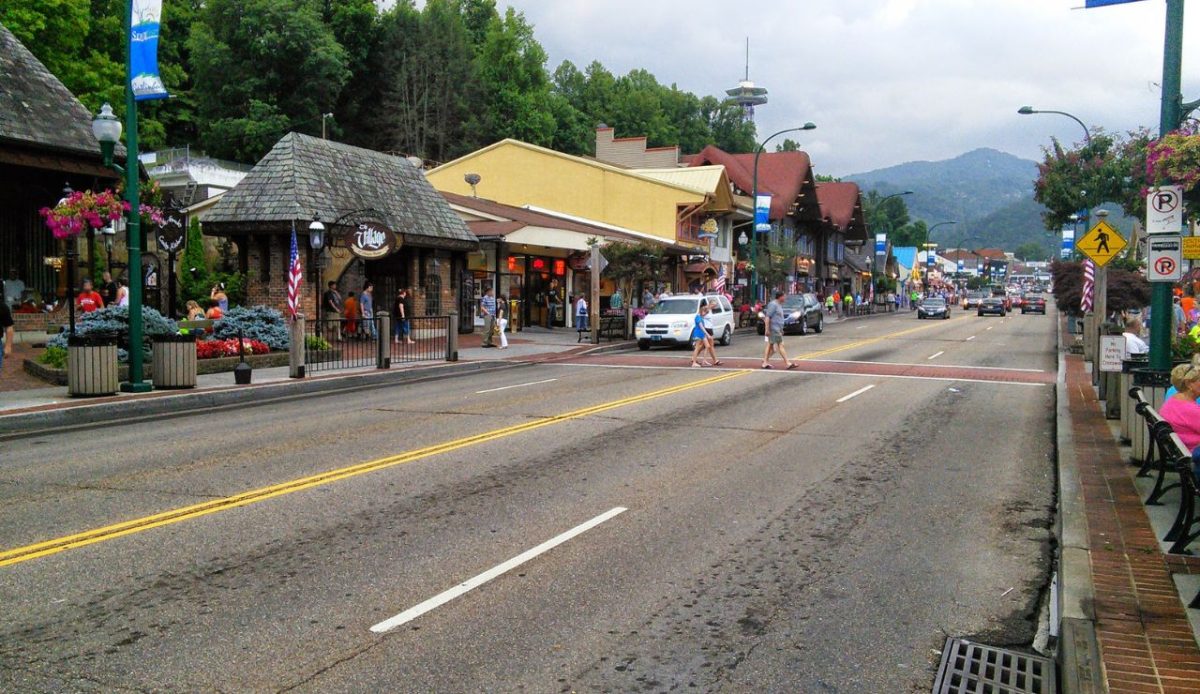
Great Smoky Mountains National Park doesn’t charge an entrance fee, but it requires a parking tag for any vehicle that parks longer than 15 minutes. For road-trippers who plan to stop at overlooks or trailheads along Newfound Gap Road, Little River Road, or Cades Cove, that tag becomes essential.
Daily and weekly tags can be purchased in advance online, which is the easiest way to avoid last-minute hassle at kiosks. Tags aren’t location-specific, so one tag covers the whole park.
If you’re only passing through without stopping, you don’t need one. If you’re pulling over for photos, picnic areas, or hikes, buy the tag before you start the drive.
