
Vacation budgets aren’t just about hotel rates and gas anymore. In many places, the cost of protecting a home, condo, or rental property has been rising, and those increases often flow into nightly rates, cleaning fees, and “damage waiver” add-ons.
Insurers point to bigger disasters, higher rebuilding costs, and more expensive reinsurance. In high-risk zones, some owners face higher deductibles, tighter coverage, fewer carriers, or a push into state “last-resort” plans.
Here are 10 popular U.S. vacation areas where insurance pressure is a growing part of the travel price tag, and what travelers should watch for when comparing total trip costs.
1. Coastal Florida (Keys and South Florida barrier islands)
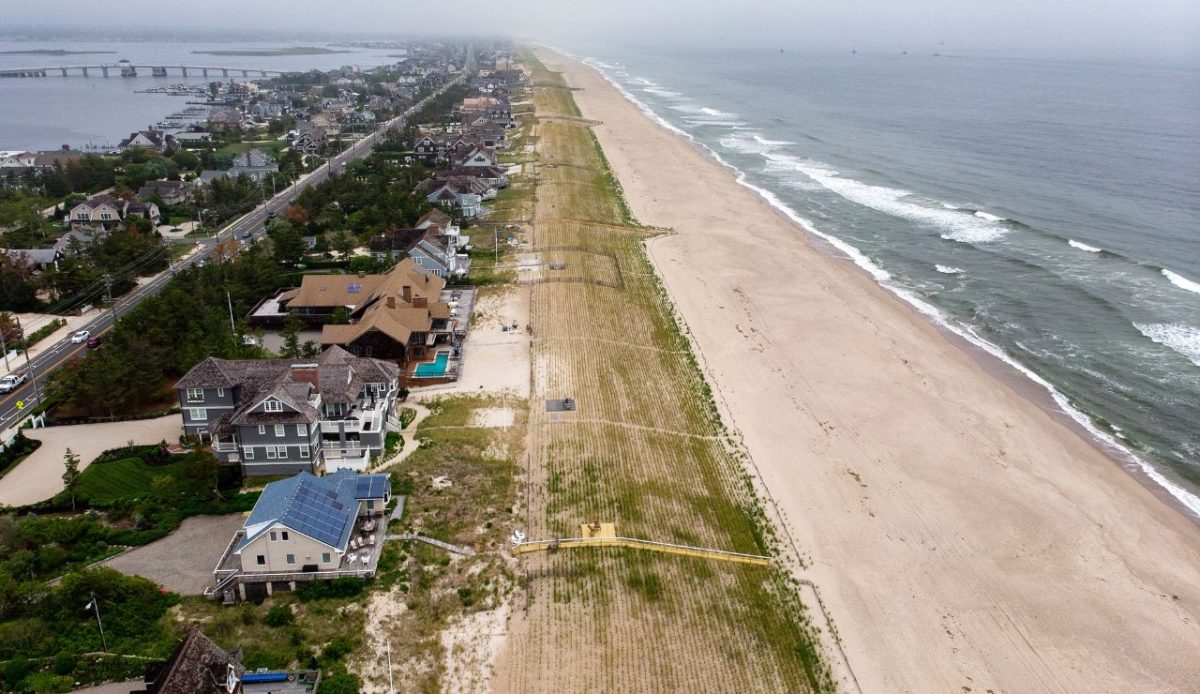
Coastal Florida stays in demand for beaches, fishing, and winter sun, but it also sits in hurricane and flood country. When storms get pricier, insurers reprice risk, and owners feel it at renewal time across barrier islands and low-lying neighborhoods near the water.
Condos and older homes can see extra scrutiny around roofs, wind mitigation, plumbing, and building codes. Even when coverage is available, higher deductibles and separate wind or flood pieces can push the total annual bill up.
For travelers, that pressure can show up as higher nightly rates, stricter damage deposits, and more “insurance included” fees baked into short-term rental pricing.
2. New Orleans and the Louisiana Gulf Coast
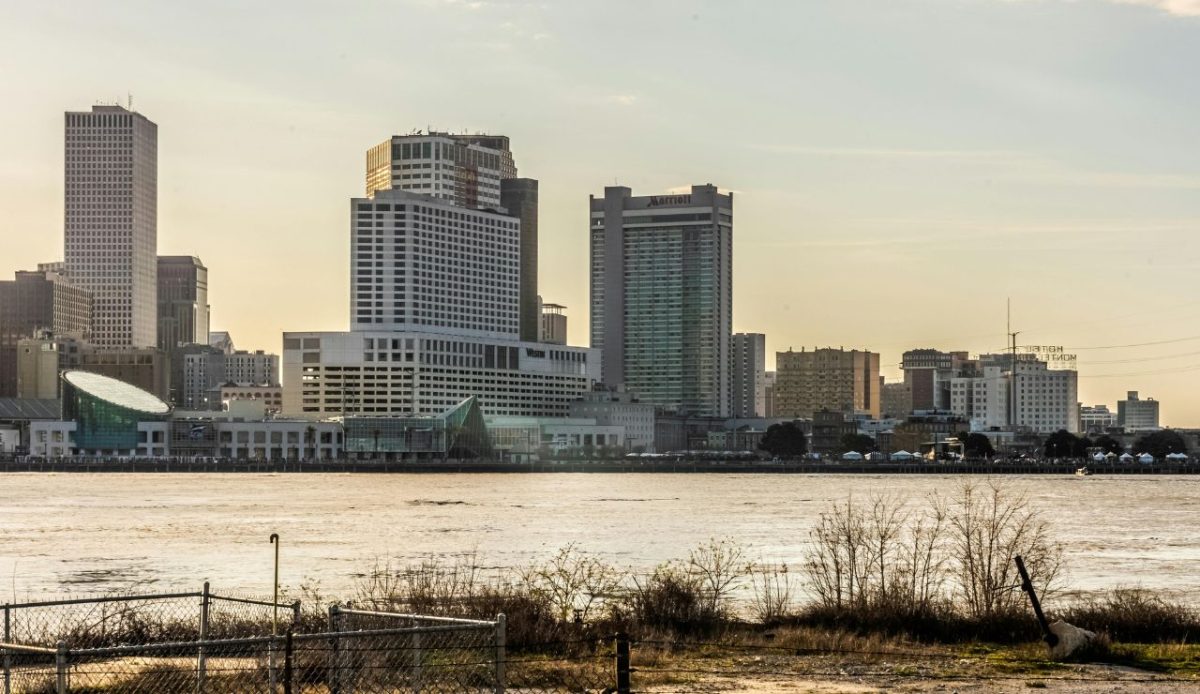
New Orleans and the surrounding Gulf Coast offer food, festivals, and bayou day trips, but the region’s storm and flood exposure is a constant insurance headache. When catastrophe models worsen, prices rise, and renewals can come with new exclusions or bigger deductibles.
Homes in lower-elevation areas may need separate flood coverage, and rebuilding can be costly when materials and labor spike after major events. Some owners also face fewer carrier choices, which reduces competition and makes shopping around harder.
Vacation rentals often respond by raising base rates or adding mandatory protection add-ons, especially for peak season weekends, major events, and summer travel windows.
3. Texas Gulf Coast (Galveston-area beach towns and bays)
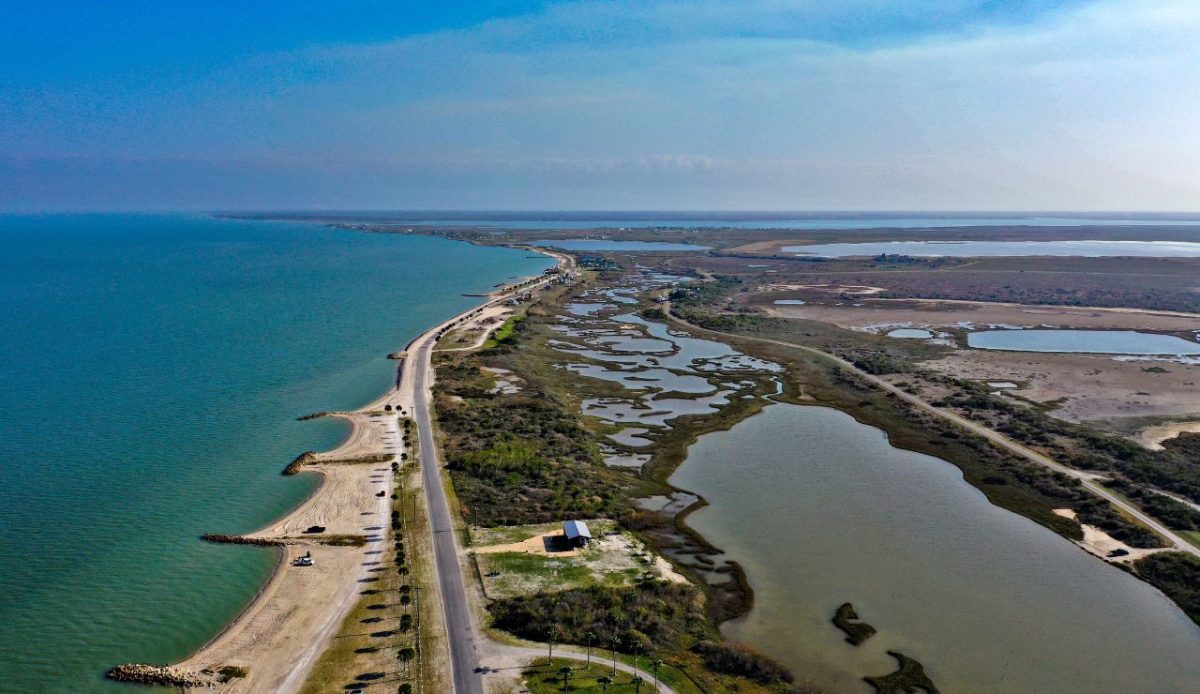
Beach towns on the Texas Gulf Coast draw families for warm water, fishing piers, and easy drives from big cities. But coastal wind, flooding, and severe convective storms can make property coverage more expensive year to year, especially near the shoreline and bays.
Insurers also factor in replacement cost inflation, what it actually costs to rebuild after a claim. As that number climbs, so does the insured value, and premiums tend to follow. Some owners add separate flood coverage on top of standard policies.
Travelers may notice higher cleaning and service fees, stricter cancellation terms, or higher minimum stays as hosts try to stabilize costs.
4. North Carolina’s Outer Banks
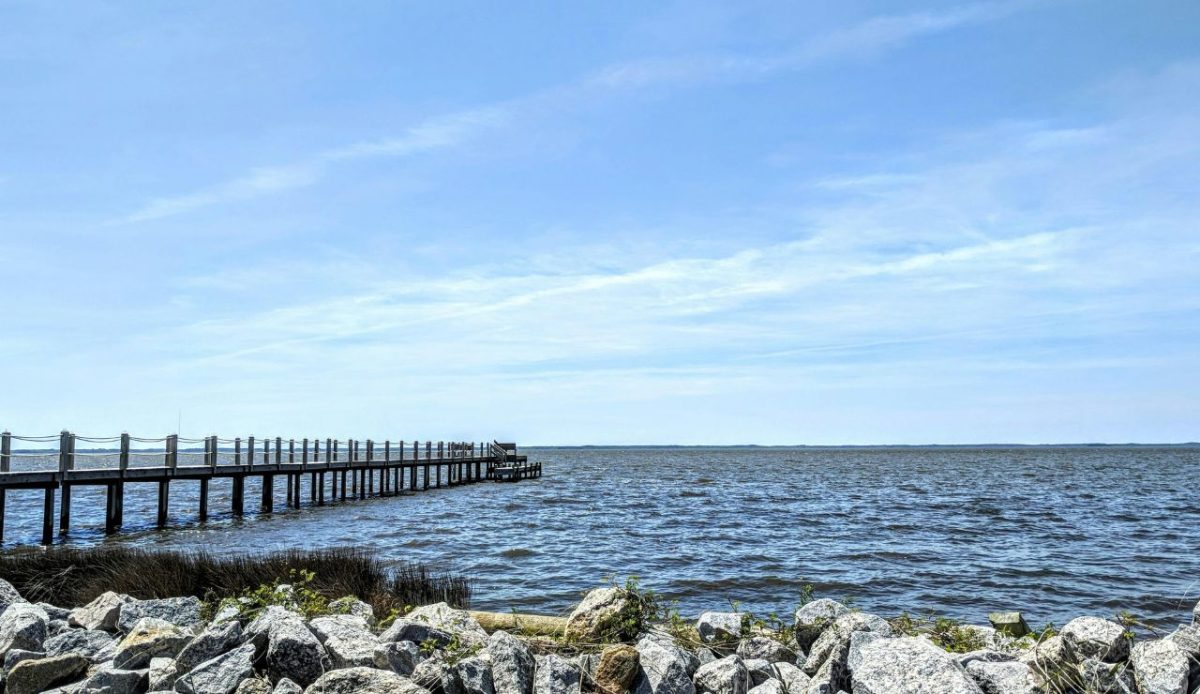
The Outer Banks are famous for wide beaches, lighthouses, and rental homes stacked along narrow barrier islands. That geography is also the problem: wind, storm surge, and coastal flooding can translate into higher insurance costs for owners and investors.
As risks increase, lenders and insurers may require stronger coverage, higher deductibles, or more detailed inspections. Flood policies can be a separate line item, and elevation, distance to water, and building age can all shift pricing in a big way.
Visitors won’t see the insurance bill directly, but it can influence nightly rates and the size of security deposits during the busiest summer weeks.
5. New Jersey Shore beach towns
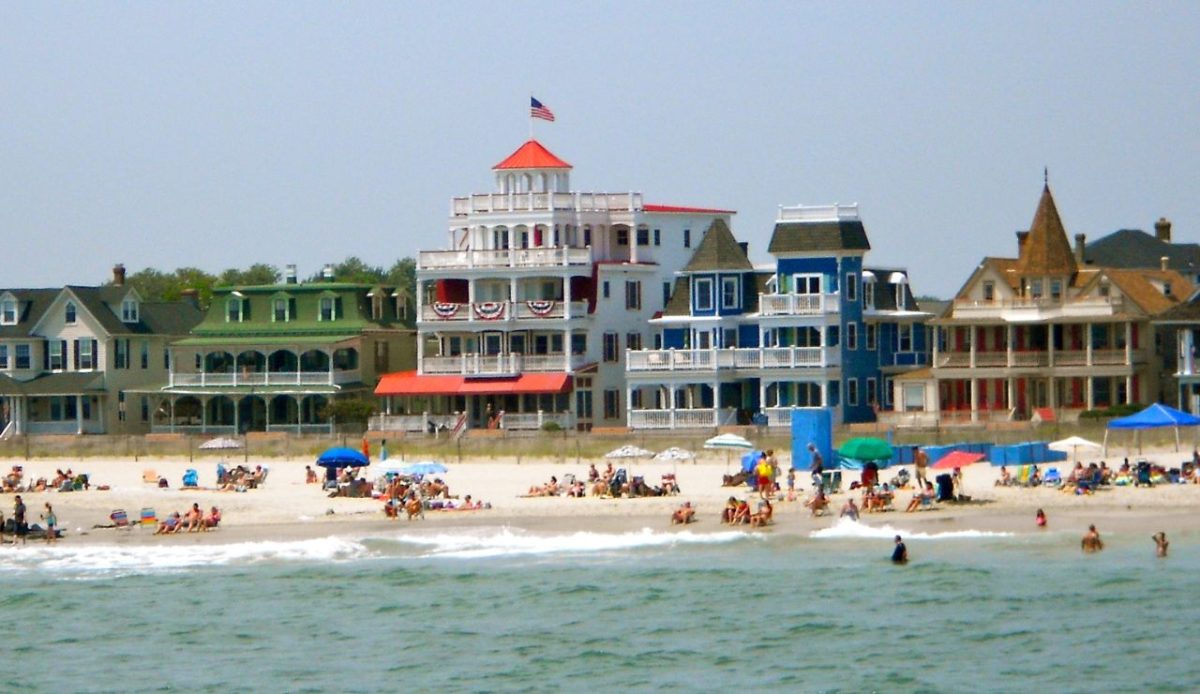
From Cape May to Long Beach Island, the Jersey Shore mixes boardwalk towns with quieter beach blocks and bayfront cottages. Coastal storm surge and flooding risk often mean owners juggle multiple policies, not just one, to satisfy lenders and landlords.
Standard homeowners coverage may exclude flood, pushing people toward separate flood insurance. If premiums rise or coverage rules change, the combined cost can jump quickly, especially for older homes that need upgrades to wiring, roofs, or foundations.
For travelers, the effect is subtle but real: higher shoulder-season rates, added protection fees, or more restrictive rules around parties and occupancy.
6. Hawaii resort areas (Maui and condo-heavy markets)
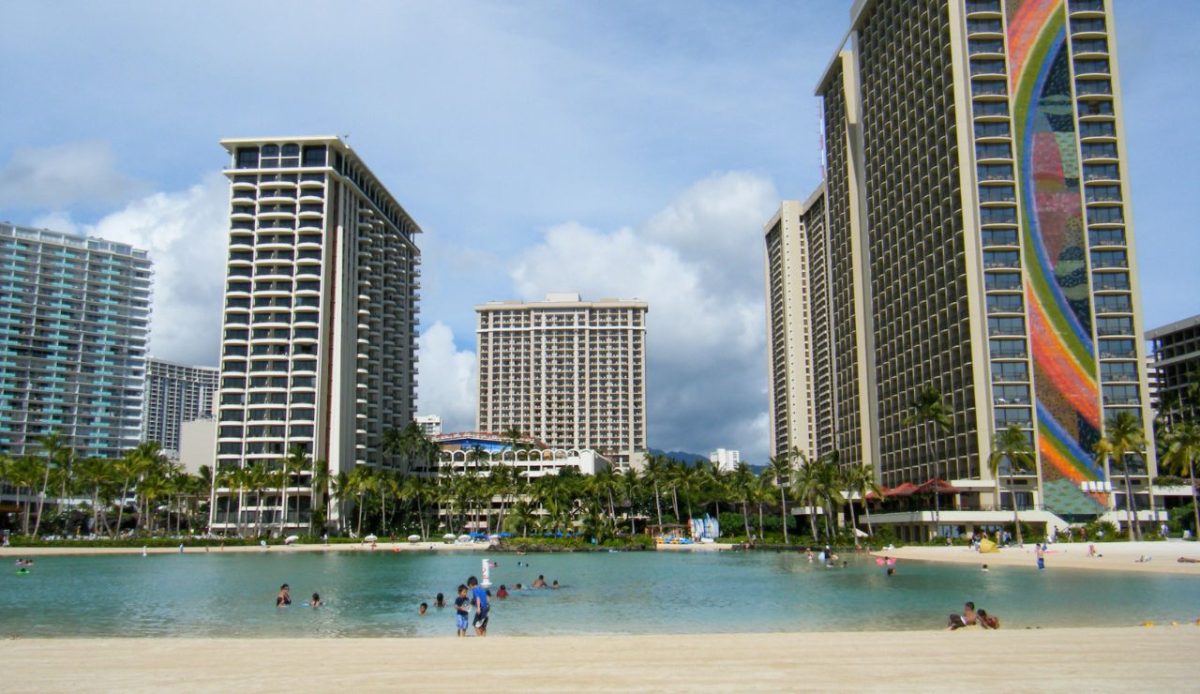
Hawaii’s resort markets depend heavily on condos and vacation rentals, and insurance is a key operating cost for those buildings. Wildfire risk, wind events, and the high cost of shipping materials can all raise the price of repairing damage.
When insurers tighten terms, associations may face higher premiums, larger deductibles, or requirements to improve building resilience. Those costs can filter into HOA dues and then into nightly rental pricing, even for units that look “the same” online.
Travelers may notice higher resort fees, steeper cleaning charges, or more emphasis on trip protection during booking, especially in peak winter travel months.
7. Lake Tahoe and nearby Sierra cabin towns
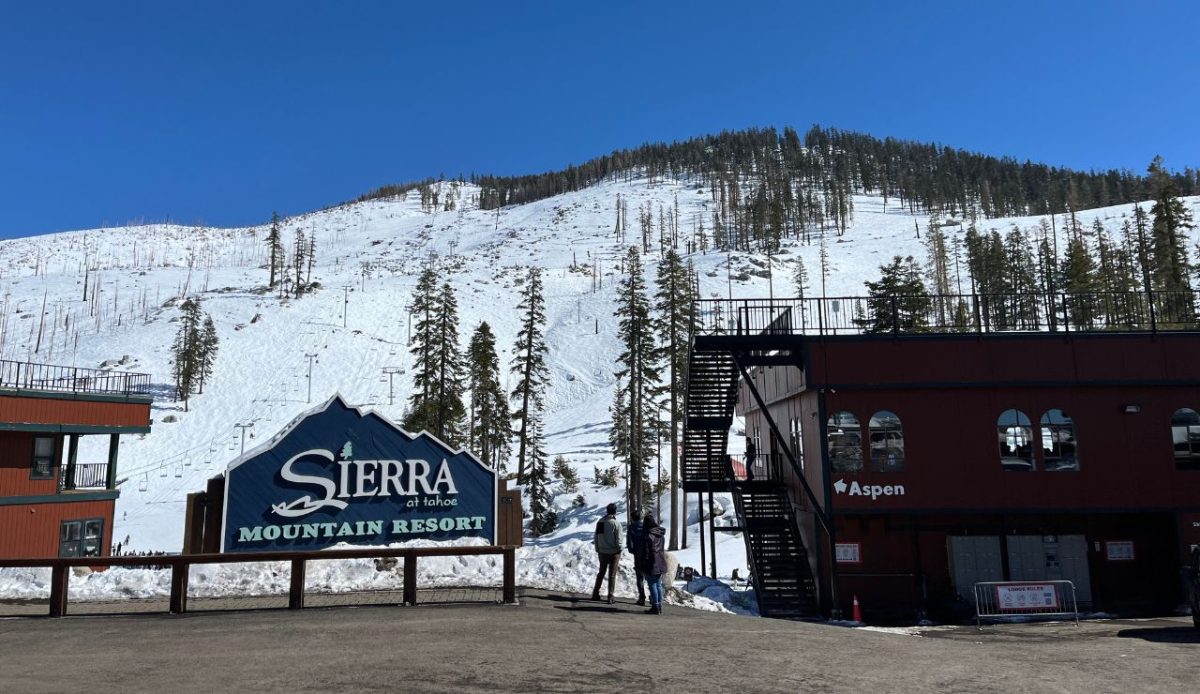
Lake Tahoe and nearby Sierra towns sell the mountain dream, ski weekends, summer lake days, and cabin vibes. They also sit in the wildland-urban interface, where wildfire risk can drive insurer pullbacks, higher prices, and more paperwork.
Even when a home doesn’t burn, smoke and ember exposure can still create costly claims, and insurers may demand defensible space, roof standards, or updated vents. Some owners end up piecing together coverage or paying more for specialty policies.
That volatility shows up in rental economics: fewer available homes, higher nightly rates during fire season, and stricter refund policies when air quality turns bad.
8. Northern California wine country and foothill getaways
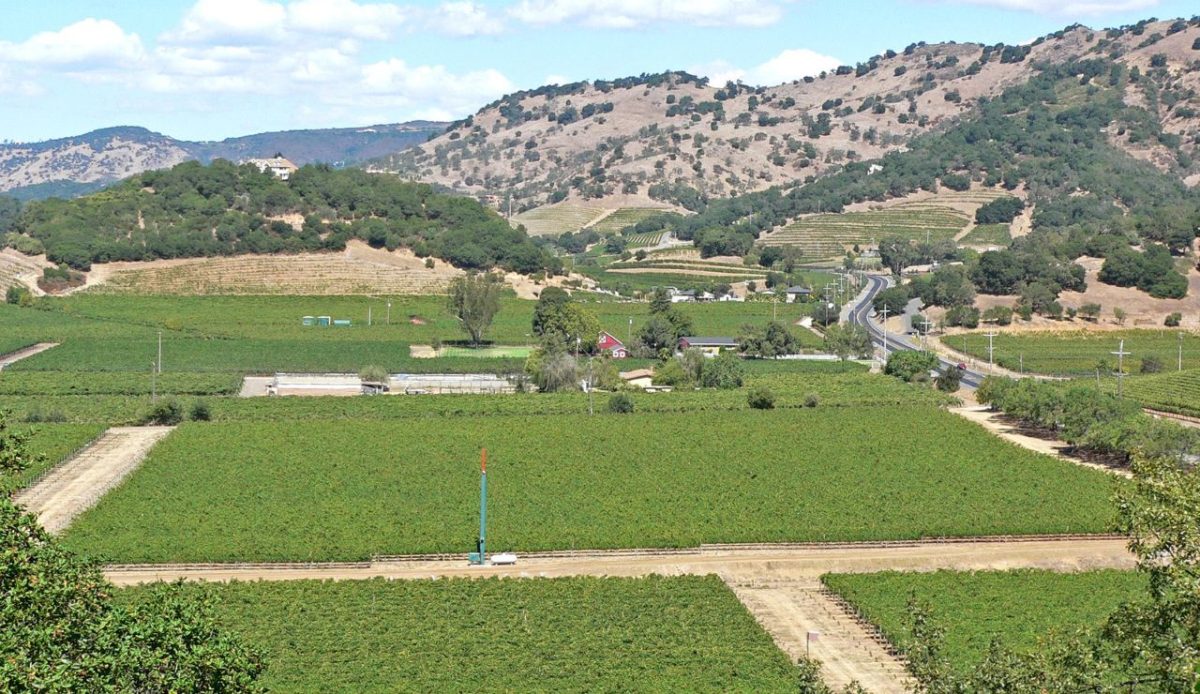
Northern California’s wine country and nearby foothill getaway towns offer tastings, redwood drives, and weekend cabins. But repeated wildfire seasons have reshaped the insurance market, with some owners pushed toward higher-priced “last resort” coverage.
Premiums can rise alongside requirements for home hardening, clearing brush, upgrading vents, using fire-resistant roofing, or improving access for firefighters. Even if a property is well-maintained, the surrounding risk map can still influence pricing.
For visitors, the impacts are usually indirect: higher lodging rates, more mandatory fees, and a shift toward hotels or larger properties that can spread insurance costs across many rooms.
9. Colorado mountain resorts and cabin communities
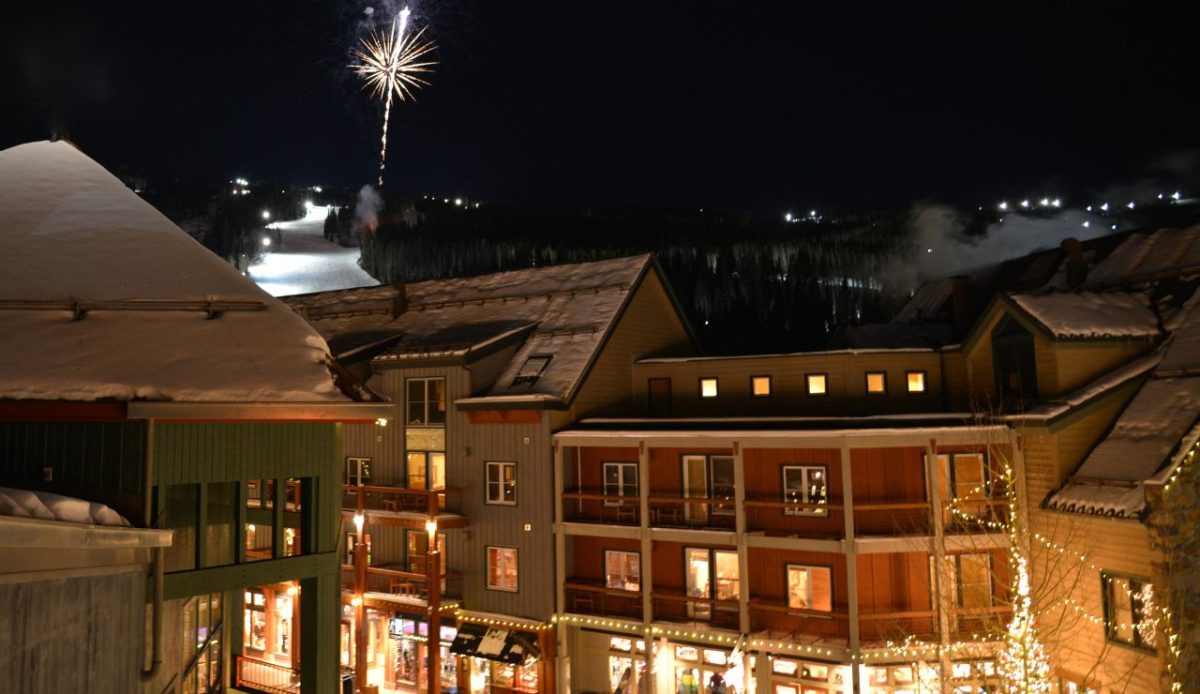
Colorado’s mountain resorts, from ski towns to Front Range cabin communities, face a mix of risks that insurers care about: wildfire potential, hailstorms, heavy snow loads, and expensive rebuilds in remote areas with limited contractors.
As repair costs climb, so does replacement value, and premiums can follow even without a headline disaster in a specific town. Some owners also report tougher inspections and stricter rules on older roofs and exterior materials, especially after major hail events.
Travelers may see higher holiday pricing, fewer last-minute deals, and more detailed rental agreements as hosts try to control risk and keep coverage in place.
10. Arizona high-country escapes (Sedona and Flagstaff area)
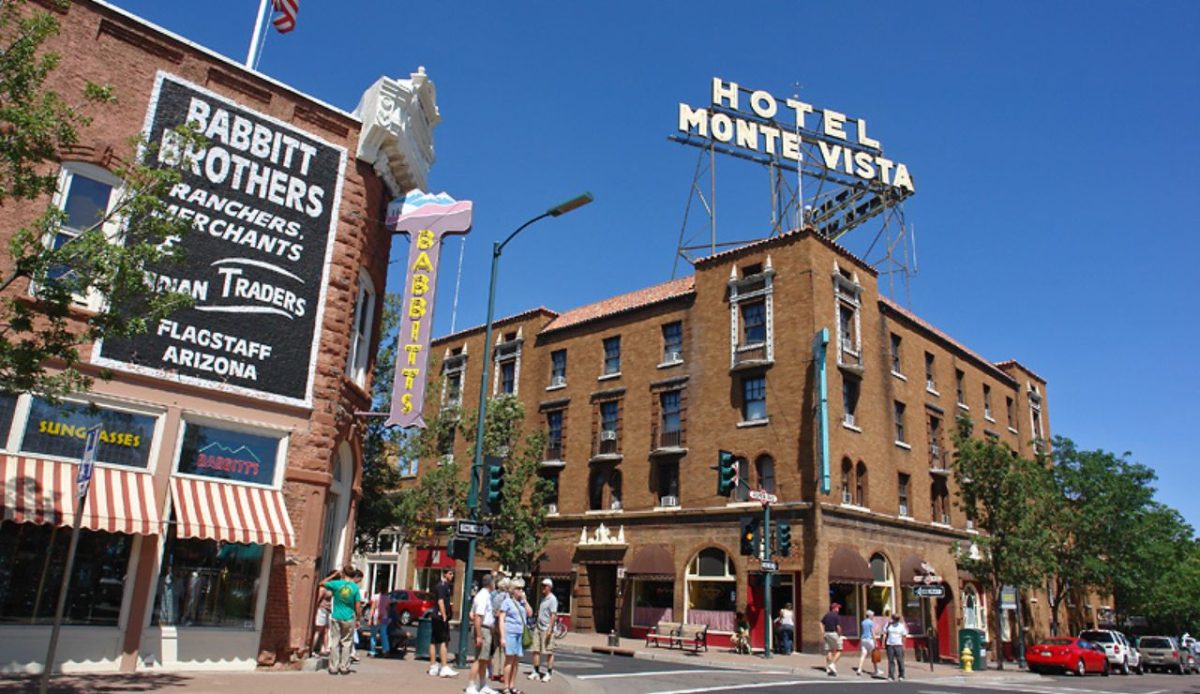
Sedona, Flagstaff, and other Arizona high-country escapes attract travelers for cooler summers, red-rock hikes, and easy access to national parks. Many of these communities border forested land, where drought and wildfire conditions can raise insurance concerns.
When insurers view an area as higher risk, owners may face premium increases, nonrenewals, or requirements to improve defensible space and building materials. The cost isn’t only wildfire, wind damage, monsoon-driven storms, but rising construction prices can also push coverage higher.
For visitors, that can translate into higher nightly rates and tighter rules on outdoor fires, grills, and smoking, especially during dry-season travel.
