
For many U.S. families, a road trip used to be the fallback vacation that felt manageable. Parents could drive a familiar car, set their own pace, and control spending with a cooler, free rest stops, and modest motels. Planning often centered on maps and mileage, not on price swings tied to demand. When kids were small, a last-minute change of route rarely changed the budget much. That expectation is being challenged as prices climb in areas that travelers cannot easily avoid, including fuel, lodging, and meals purchased away from home. It is also harder to predict total months, which makes saving for the trip feel riskier.
A trip that once required rough math now demands a detailed budget, especially for households balancing rent, groceries, childcare, and insurance. Rates can jump around holidays, summer weekends, and school breaks, while service charges may appear late in the checkout process. Small costs add up quickly, from toll roads to paid parking near beaches and downtowns. Even basic supplies, like sunscreen or a forgotten phone charger, can cost more at tourist stops. Breaking the journey into core expenses shows why some families question the value of driving for vacation year to year. For many, the fun is still there, but the margin is smaller.
Fuel Price Swings And Real World Driving
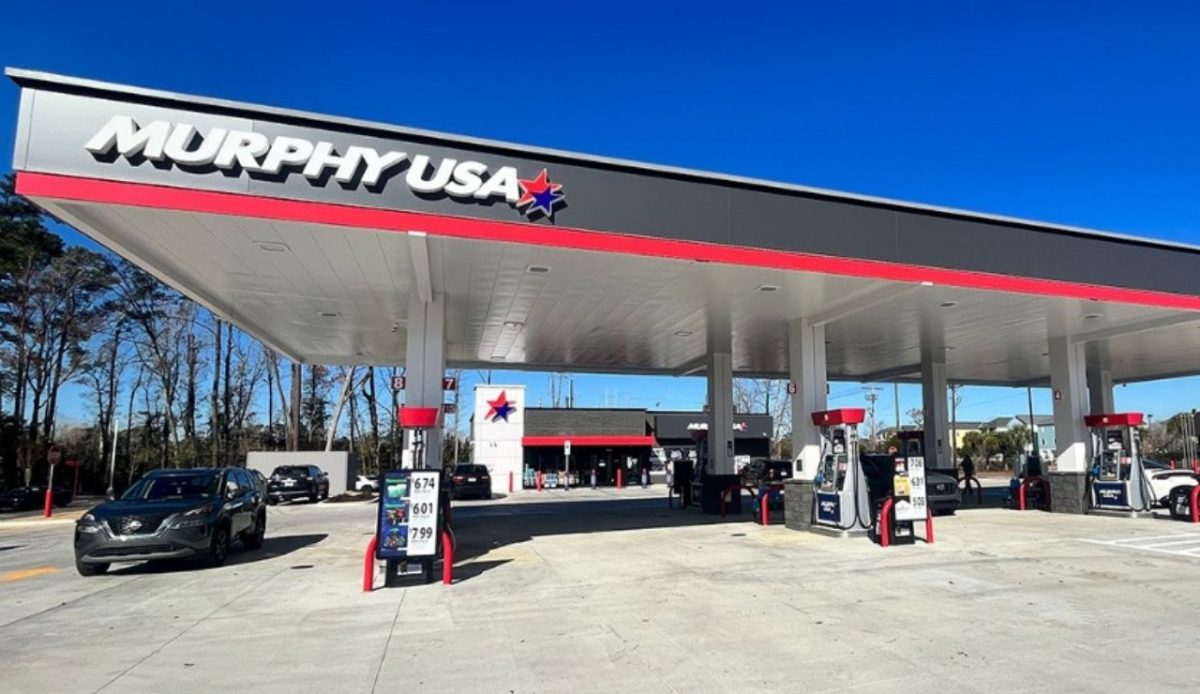
Fuel is the line item families watch first, yet it is also the hardest to control once the trip starts. A longer route, traffic around major cities, and idling at crowded park entrances can raise consumption quickly. A 2,000-mile loop in a vehicle that gets about 22 miles per gallon uses roughly 91 gallons. At $3.25 per gallon, the total is about $296, but at $4.50 it becomes about $410, before any extra driving. Detours for views, closed roads, and missed exits are often added without being noticed until receipts are checked. That uncertainty makes it tougher to set a firm budget weeks in advance, even for families who plan carefully.
Regional gaps matter as much as the national average. Drivers often face higher prices on the West Coast and in parts of the Northeast, while some Midwest corridors run lower. Families in larger SUVs or minivans pay more because of weight and air conditioning load, and premium fuel may be required for some engines. Discount apps and club cards can help, but savings are limited when options are scarce near parks or rural stretches. For households on tight margins, a swing of $50 can decide whether an extra day is booked or dropped. Many also try to time fill-ups near larger towns, but busy weekends can still push prices upward.
Lodging Rates And Added Fees

Lodging can turn a budget road trip into a major expense, since most families need space, safety, and decent sleep. Peak season rates near beaches, national parks, and college towns have climbed, and last-minute availability is often limited. Even when a base rate looks reasonable, extra charges may be added for parking, Wi Fi, early check-in, or a second bed. Free breakfast has been reduced at some properties, so a perk that once saved money may be missing. Taxes and local tourism fees are applied on top, so the total is higher than the first number shown online. Two rooms may be required for larger families, and that doubles the hit.
Short-term rentals can feel like a solution because kitchens reduce meal spending, and multiple kids can share rooms. Yet cleaning fees and service charges can push the per-night cost above that of a hotel, especially on shorter stays. Families are also faced with stricter cancellation rules, and deposits may be held for days after checkout. In popular areas, minimum stay requirements can force an extra night to be paid even if plans do not need it. When five nights are booked, small nightly increases can add hundreds of dollars, squeezing the activity budget. Parents sometimes choose farther suburbs, but longer drives, which then add fuel and time costs.
Food Costs Away From Home

Food spending often surprises families because it is spread across many small stops rather than one big bill. A quick breakfast sandwich, bottled drinks, and snacks for the back seat can cost more than expected at highway exits. Tourist districts price meals higher, and portion sizes do not always match the markup. Tipping is expected at many counters now, which adds a few dollars each time. If a family of four buys two restaurant meals a day at $20 per person, daily food can reach $160 before treats. When food prices away from home rise, the same itinerary produces a larger total without any upgrade in quality.
Grocery runs and packed coolers can lower totals, but they require planning and storage space that is not always available. Rooms without refrigerators or microwaves limit what can be saved, and ice must be replaced every day or two. Diet needs for young kids can include specialty items that cost more when bought in small quantities. Picnic meals work well in parks, yet rain or smoke can force an indoor option at the last minute. If the cooler plan fails, fast-food stops can still cost far more than a weeknight dinner at home. In many vacation zones, limited competition keeps prices up, so even groceries feel inflated.
Vehicle Wear And Hidden Route Charges
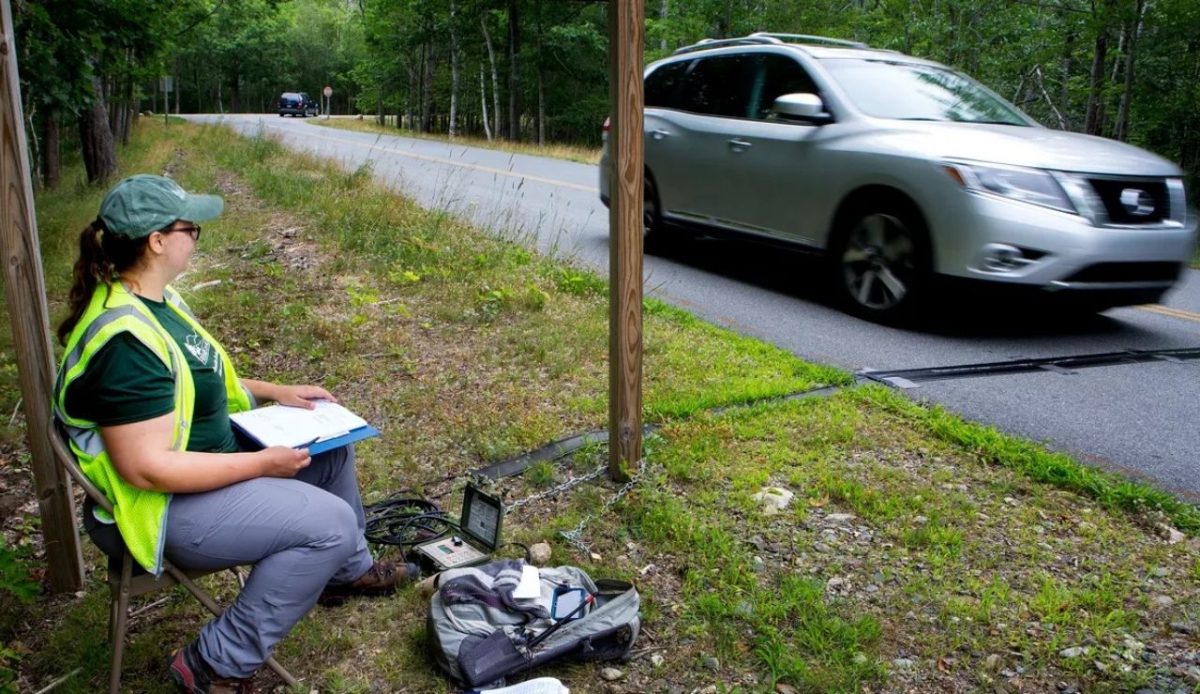
Road trips also carry costs that are not paid at a front desk or a pump. Long drives add miles quickly, which brings oil changes, tire wear, and brake checks sooner than expected. If maintenance is delayed, a breakdown risk is increased, and emergency repairs on a trip are often priced higher. Some families rent a vehicle to avoid wear, yet daily rates, insurance add-ons, and taxes can rival a flight. Even when nothing fails, extra depreciation is real, especially for households trying to keep a car for many years. Roadside assistance may be renewed, and a spare key or battery jump can be billed at premium rates.
Fees along the route can be easy to overlook while planning, because each one feels small on its own. Toll roads, bridge charges, and express lanes can take $30 to $150 on some East Coast or Florida drives. Parking near stadiums, downtown attractions, and crowded trailheads is often paid by the hour, and apps may add processing fees. Admission for museums, zoos, and theme parks stacks quickly, while gear rentals add another layer. By the time receipts are totaled, the trip can feel expensive even if the gas budget was met. Families with younger kids may also pay for timed entry reservations or shuttle passes in busy park areas.
What Families Do When Budgets Tighten

Whether a road trip is too expensive depends on how the cost compares with everyday bills and with other vacation options. Families are adjusting by traveling in shoulder seasons, choosing state parks over resort towns, and booking refundable rooms early. Many plan fewer paid attractions and build the route around free beaches, hikes, and local festivals. Mileage limits are set so gas stays predictable, and drivers are rotated to avoid an extra hotel night from fatigue. Camping or cabin stays are being used more, though gear and permits can add their own costs. Shared groceries and a simple breakfast plan can protect the rest of the budget.
Prices are also changing what counts as a good deal for a household that is watching every category. When flights are discounted, and a rental car is needed at the destination, a drive may still win for larger groups. But for long distances, the math can favor flying if hotel nights are reduced, points are used, or family is hosted by relatives. Budget apps help track spending daily, and limits can be enforced before the card balance grows. This signals that spontaneous road trips are being replaced by careful cost control. For many middle-income parents, the trip is still taken, but it is planned like a major purchase with tradeoffs.
