
For years, many Americans built overseas trips around famous capitals like Paris, London, and Rome. Those cities still draw visitors, yet crowded streets, timed entry systems, and high hotel rates have changed expectations. Travelers now judge the whole week, from the airport ride to the last dinner, not only the landmark photo. Smaller international cities are being chosen because the pace is calmer and daily plans can stay flexible. A museum can be visited without a two-hour queue, and a meal can happen without fighting for a table near the main square. It also feels easier to notice local habits when streets are not jammed.
This shift is helped by cheaper connections to secondary airports, smoother rail links, and apps that make local transit clear. Short videos and trip journals often point to cities that were overlooked in older guidebooks. When fewer tour buses arrive, time is spent on markets, neighborhood cafés, and small museums instead of long lines. For many U.S. travelers, comfort, control, and value now matter more than a famous name on a suitcase tag. The trip can be built around a region, with day trips to nearby towns, rather than rushing through a capital in two days. Many also prefer places where English is less needed for basics.
Cheaper Places To Stay And Eat

Capitals often price travel around peak demand. Rooms near central districts can cost more than a full day’s budget, and restaurant bills rise when menus are aimed at short-term visitors. In smaller cities, midrange hotels and rentals tend to be available closer to the center, so taxis are used less, and walking becomes practical. City taxes and service charges may also be lower outside the capital zone. Grocery stores, bakeries, and casual cafés are easier to reach, which lets families and students control costs without skipping good meals. Even simple costs like bottled water and metro tickets add up less.
Lower prices do not mean less culture. Regional cities may have a major art museum, an old cathedral, and a lively concert hall, yet entry fees are often lower, and reservations are simpler to get. A set lunch can be found where locals eat on workdays, so the meal feels tied to the area. With money saved on lodging, Americans can add a cooking class, a harbor cruise, or an extra night that makes jet lag easier. Discounts on local passes are also more common when demand is steady. The same budget can cover two neighborhoods instead of one tourist strip. That extra room in spending brings less worry during the trip.
Less Crowded Sights
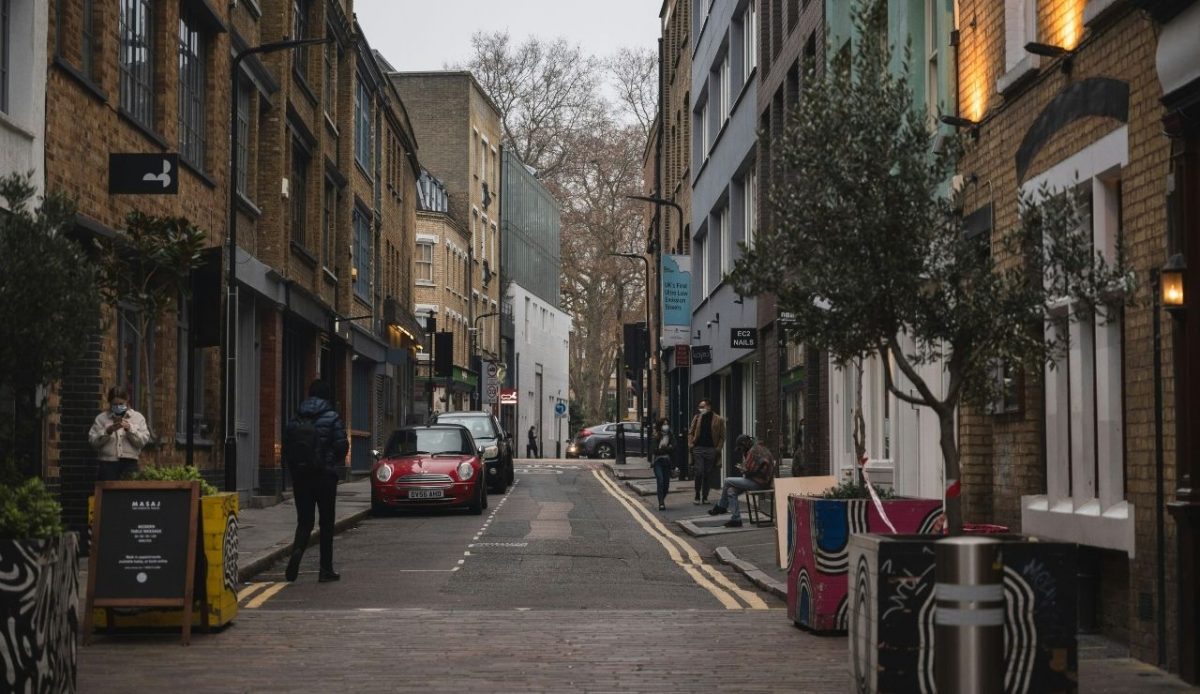
Famous capitals face heavy visitor pressure, and it is felt from morning to night. Timed tickets, security checks, and packed sidewalks can turn simple plans into a series of waits. In some districts, short-term rentals and tour buses have reshaped daily life, and crowd control rules are posted at entrances. Many Americans say they leave with fewer memories of the city itself and more memories of managing lines. Smaller international cities usually spread visitors across more normal streets, so museums and viewpoints stay enjoyable. It also reduces the chance that a single sold-out site ruins the day.
When streets are quieter, a slower style of travel becomes possible. Travelers can browse a market, take a long lunch, and return later for a sunset walk without racing past storefronts. Noise levels tend to be lower, and trains or trams are less stressful at peak hours. Parks and waterfront paths can be used as locals use them, not only as a photo stop. This matters for older travelers, parents with kids, and anyone who wants rest built into the schedule. With fewer bottlenecks, dinner reservations and taxi pickups are easier too. A relaxed pace often leads to better sleep and steadier energy on long trips.
More Local Moments

In a smaller city, visitors are more likely to share space with residents going about their normal lives. A café may serve commuters in the morning and students after school, so the tone feels less staged for tourists. Americans often notice that shop owners have time for brief chats and practical advice, like which bakery is best on Sundays. Because crowds are lighter, it is easier to return to the same spot twice and be recognized. These small exchanges make the trip feel personal and can point travelers toward parks, galleries, or side streets missed in guides. That feeling is harder to get in districts built around bus tours.
Local culture can also be easier to spot outside a capital. Regional food, accents, and holiday customs stand out, since national institutions are not pulling attention away. Instead of only visiting a landmark, travelers can attend a match, a neighborhood festival, or a weekly street market. Cooking styles and opening hours often reflect the region more than the global tourist calendar. Even when the language is unfamiliar, routines are simpler, and that builds confidence for first-time international visitors. Many Americans say they learn more when the setting is less rushed. Small museums and craft shops keep stories tied to local homes.
Getting Around Is Simpler
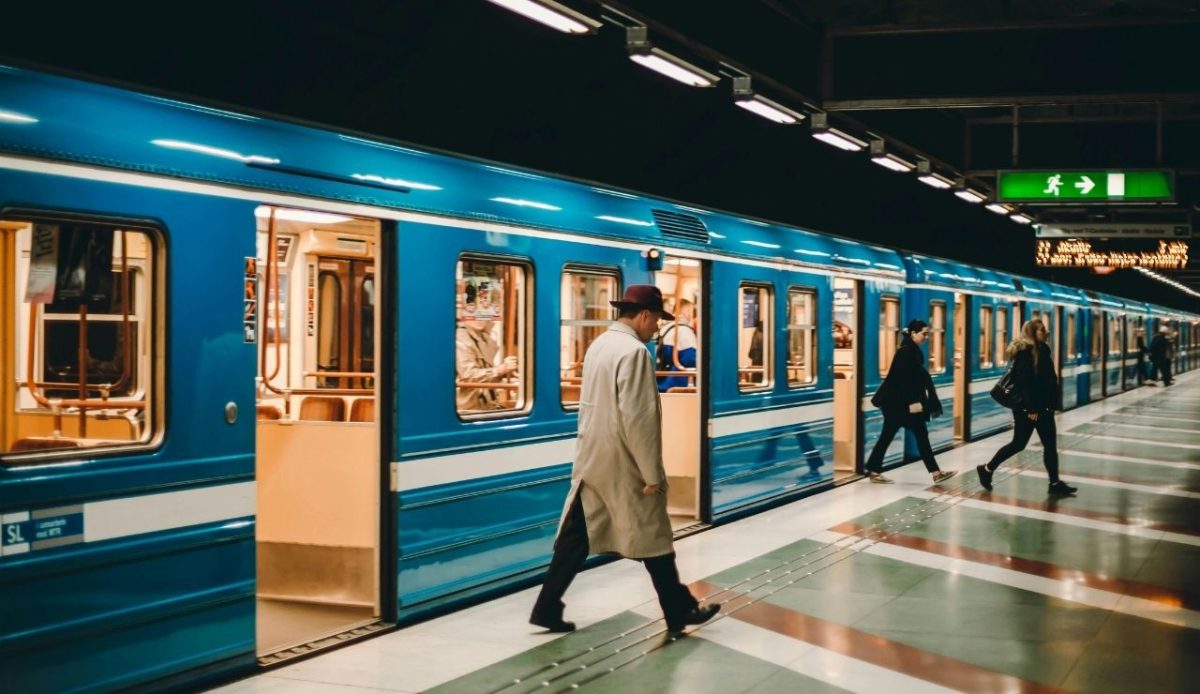
Many smaller cities are built on a scale that suits walking. Historic centers are compact, and key sights can be reached without long subway rides or pricey rideshares. For Americans who feel nervous in huge transit hubs, fewer lines and clearer station layouts reduce mistakes. Regional airports and train stations are often less chaotic, so arrivals with luggage feel smoother. A wrong turn is easier to fix when distances are short, and travel days feel less like a test of planning skills. Maps are simpler because there are fewer neighborhoods, and street names repeat less. Hotel staff can explain routes in a minute, and directions stick.
Transportation savings show up in time as well as money. In big cities, a morning museum and an afternoon neighborhood may require transfers, crowded platforms, and peak-hour delays. In a smaller city, the same plan might be done on foot, by bike share, or with a single tram ride. Shorter commutes also reduce pickpocket risk that rises in dense crowds. This leaves space for spontaneous stops, like a bookstore or a bakery, which often become the most remembered parts of the day. When travel is easier, early starts are avoided, and evenings can last longer. Americans who visit with parents or kids say the trip feels lighter.
Better For Long Stays And Remote Work

Longer trips have become more common, especially for Americans who can work online or combine a vacation with family visits. In a capital, rent for a short-stay apartment can be high, and daily life may feel crowded even on weekdays. Restaurants near major sites may close early or require bookings, which complicates a normal schedule. Smaller cities often offer better weekly rates, quieter streets at night, and groceries that fit a routine. That makes it easier to live like a temporary resident instead of running from one attraction to the next. With less pressure to see everything, rest days can be added without guilt.
Work-friendly travel also depends on basics that are easy to miss in trip planning. Reliable internet, calm cafés, and public libraries are often easier to use when seating is available. Smaller cities may have coworking rooms aimed at locals, not just visitors, so prices stay reasonable. After work hours, a river walk, a bus ride to a nearby town, or a local gym can be reached quickly, which supports health. Americans who stay longer often report a stronger sense of place than they would after a rushed capital weekend. It also helps when local parks and bakeries are close enough for daily breaks.
