
Amusement parks look permanent because seasons repeat and payrolls return each spring. Still, closures can land fast when debt, leases, or ownership strategy changes. That shock hits staff first and then local hotels, diners, and suppliers.
Some shutdowns were announced only weeks before the last operating day or were revealed in a single press release. Others ended between seasons after a parent company restructured. In every case, guests lost a place that anchored summer routines.
The parks below were chosen for documented abruptness, clear dates, and strong local impact. Each entry notes the trigger that made the closure feel sudden rather than a slow fade. That helps readers separate surprise from simple decline.
1. Six Flags AstroWorld, Houston, Texas
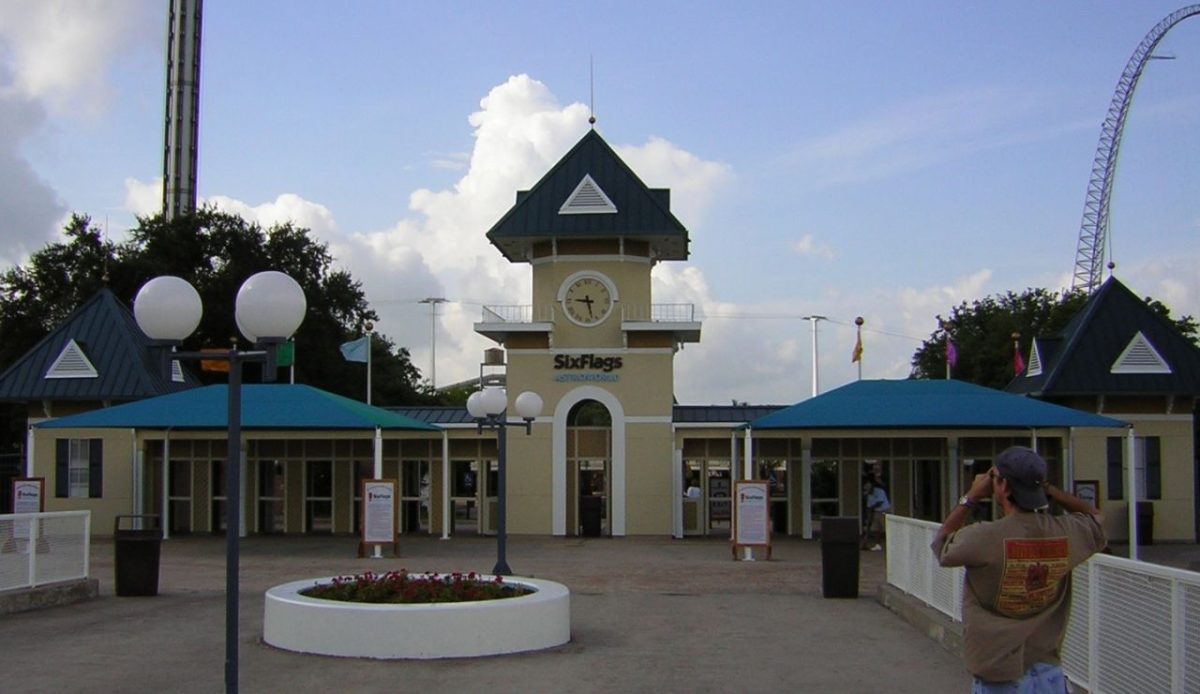
AstroWorld opened in 1968 beside the Astrodome complex and became a major Houston draw. On September 12, 2005, Six Flags said the park would close when the season ended. Many passholders learned after visits were already planned.
Company statements pointed to the value of the land and limited parking tied to nearby stadium uses. The park kept running through late October, yet there was no multi-year wind-down. Staff finished the season while preparing for the final teardown.
Demolition started in 2006, and the 57-acre site was cleared soon after. The decision was framed as a business move, not a safety issue. For locals, the timing felt abrupt because the park had been operating normally days before the announcement.
2. Geauga Lake, Aurora, Ohio
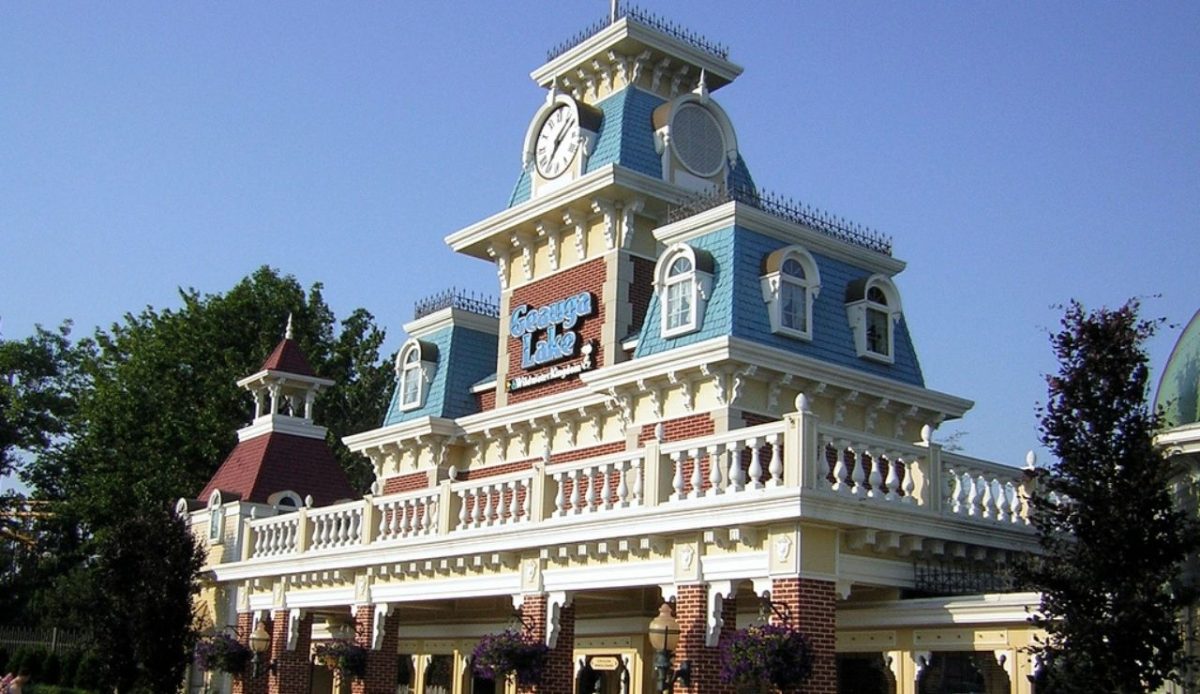
Geauga Lake traced its roots to the 1880s and grew into a large regional property with major rides. After years of ownership changes, Cedar Fair ran it in the mid 2000s. The amusement side closed after the 2007 season, surprising many families.
Cedar Fair cited performance and overlap with other Ohio parks as key factors. Guests saw a full summer schedule, then learned the dry park would not return. There was no long public campaign that signaled a permanent end.
Ride removals followed, and the site was rapidly reduced. The water park portion lingered under a different name for a time, which added confusion. The closure stands out because a century-scale park lost its main identity in a single offseason shift.
3. Hard Rock Park, Myrtle Beach, South Carolina
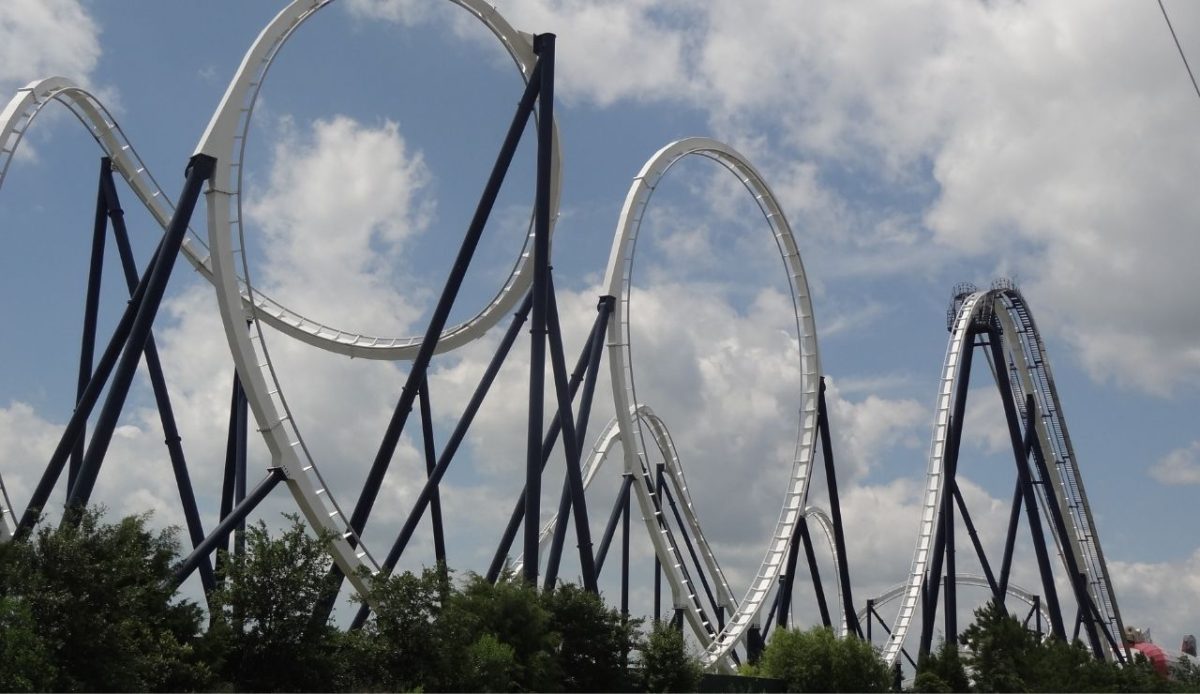
Hard Rock Park opened in April 2008 with a music theme and a price tag widely reported as above 400 million dollars. Attendance fell short, and the company entered bankruptcy that same year. The park closed in September 2008 after one season.
A rebrand reopened it briefly in 2009 as Freestyle Music Park, but the second run failed quickly. Workers and nearby businesses had expected a durable anchor for Myrtle Beach tourism. Instead, the property went dark with little time for planning.
The speed mattered because new parks rarely close so soon. Large themed structures and rides were left idle, then partly repurposed. The collapse shows how financing risk can end a project before it builds a stable local audience.
4. Joyland Amusement Park, Wichita, Kansas
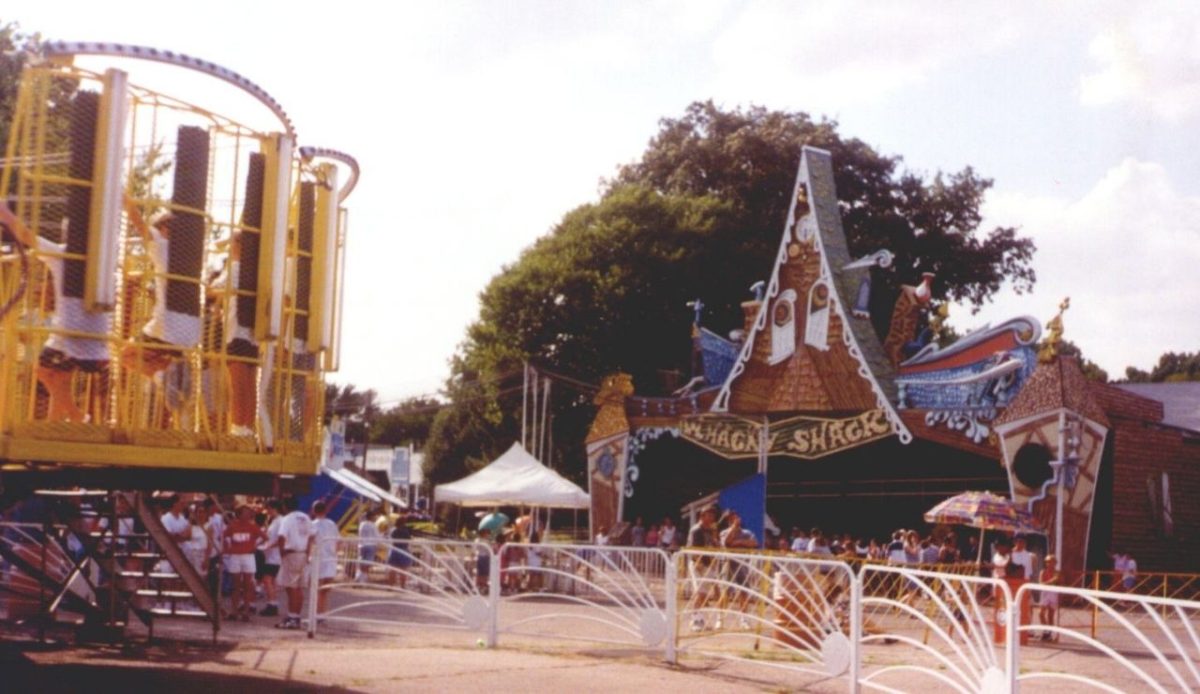
Joyland ran from 1949 and was long known for the wooden Nightmare coaster. By the early 2000s, safety upgrades and insurance costs strained budgets. The park closed after 2004, reopened briefly, then shut for good in 2006.
Residents heard rumors, yet there was no clear final season message that reached everyone. Employment ended quickly, and the grounds sat unused for years. That gap between local tradition and sudden closure made the loss feel sharper.
The site deteriorated and was later demolished, removing a rare Kansas amusement landmark. The end was driven less by a single accident than by compliance and cash flow. It remains a case where a familiar park disappeared without a planned farewell year.
5. Opryland USA, Nashville, Tennessee
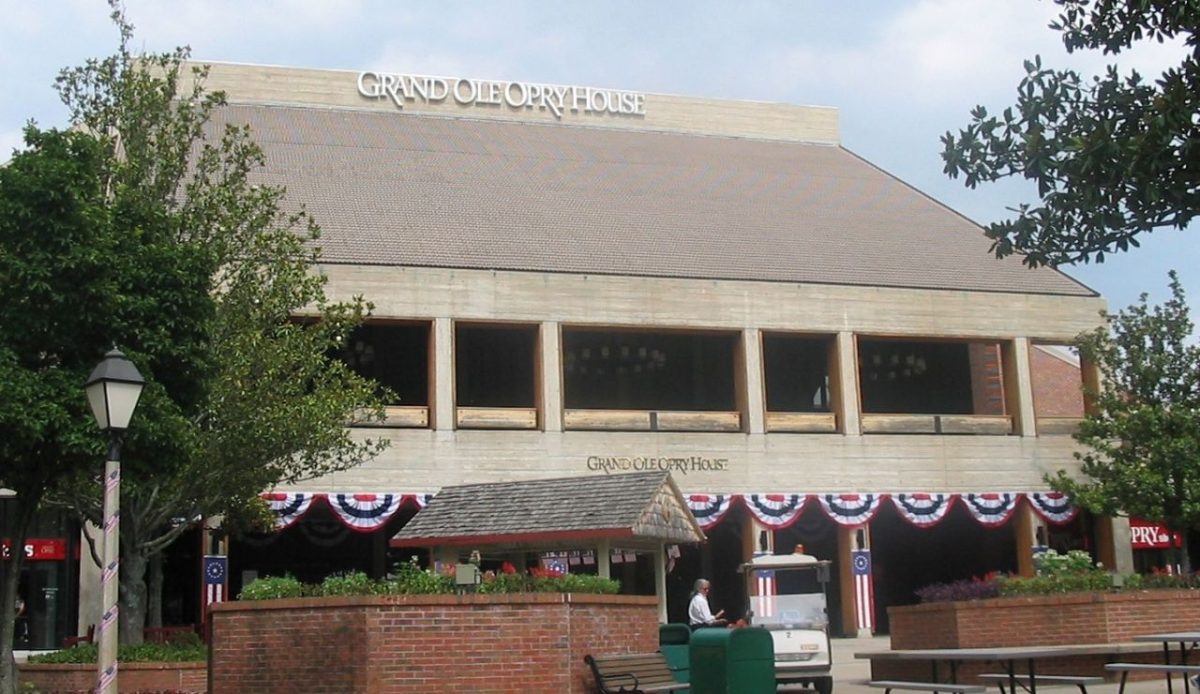
Opryland USA operated from 1972 to 1997 with rides and music-focused shows near the Grand Ole Opry. In 1997, Gaylord announced the park would close at the end of the season. Many locals expected expansion, not shutdown.
The stated reason was a pivot toward hotel and convention development, later tied to Opry Mills. Attendance was still strong enough that the decision felt sudden to longtime visitors. There was no extended countdown to prepare seasonal staff.
The park was demolished soon after closing, and the site changed rapidly. Fans have debated the business logic, yet the timing is clear. It stands as an example where a major destination ended quickly because land strategy outweighed amusement revenue.
6. Wildwater Kingdom, Aurora, Ohio
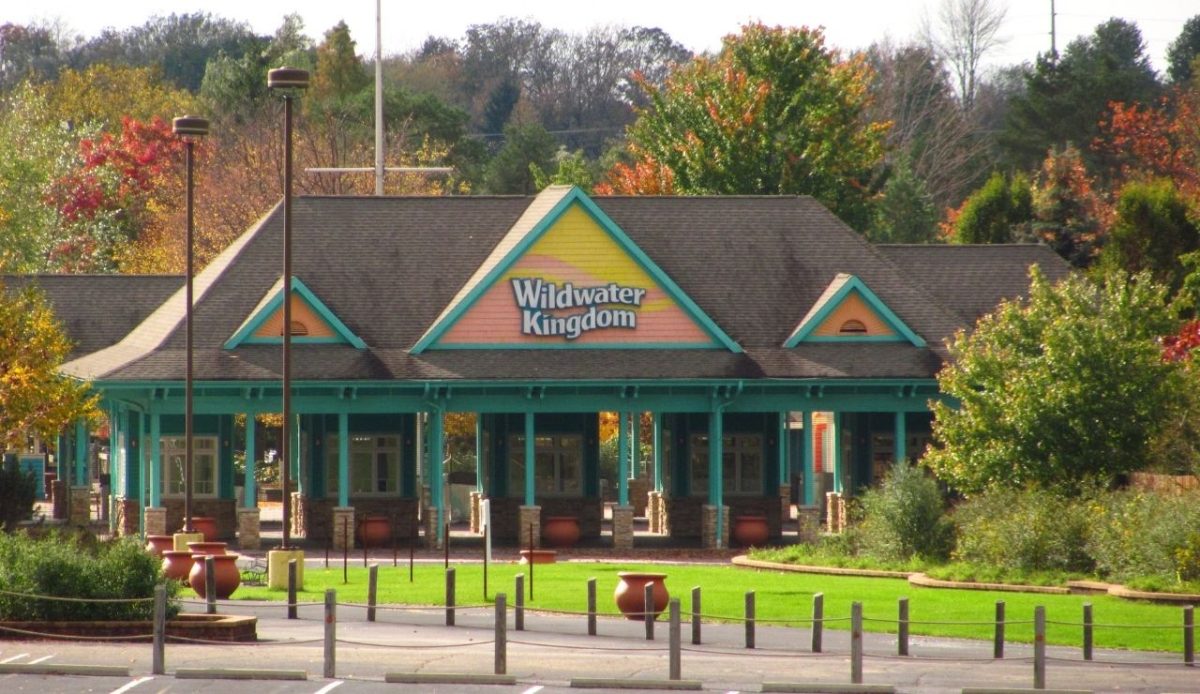
Wildwater Kingdom operated on part of the former Geauga Lake property as a water park. In August 2016, Cedar Fair said it would not reopen after Labor Day weekend that year. The announcement came during the active season.
Families who had treated it as an annual tradition had only weeks of notice. The park closed on September 5, 2016, ending another layer of the once-huge complex. For the region, it felt like the final door closing on an era.
Slides and structures were removed, and the site moved toward new uses. Cedar Fair framed the move as a portfolio decision rather than a safety response. The short lead time is why this closure is often remembered as abrupt, even by casual visitors.
