
Parking has become a bigger part of trip planning than many travelers expect, especially where curb space is shrinking and demand is rising. Construction, delivery zones, and event surges can turn a quick stop into loops and pricey garages.
That doesn’t mean you should skip these destinations, but it does mean arriving with a strategy. Common pain points include limited public lots, short meter limits, permit-only blocks, and enforcement that moves quickly when signage is easy to miss.
The places below are popular for a reason, yet parking can be the stress multiplier. Expect higher prices near headline attractions, fewer all-day options, and more reliance on apps, reservations, and park-and-ride setups to keep your itinerary on track.
1. Manhattan, New York City
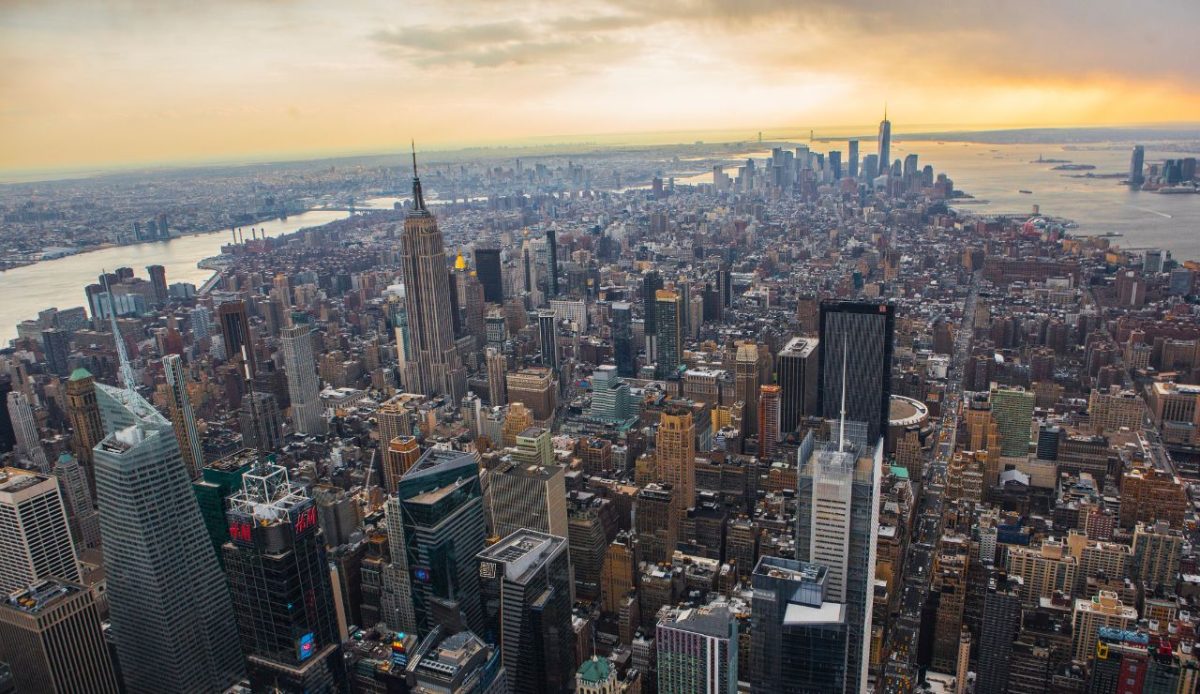
Manhattan’s density leaves little slack for visitors arriving by car. Street spots are scarce, meters fill early, and many blocks shift to permit-only rules that don’t help short-term travelers. Garages exist, but rates jump near major landmarks.
Traffic patterns add another layer: rideshare zones, bus lanes, and constant deliveries reduce legal curb space. Signage can change mid-block, and restrictions vary by day and time, which raises the risk of tickets or towing.
For many itineraries, the least stressful approach is to park once outside the core and use transit. If you must drive in, reserve a garage in advance and aim for off-peak arrival so your first hour isn’t spent circling.
2. San Francisco, California
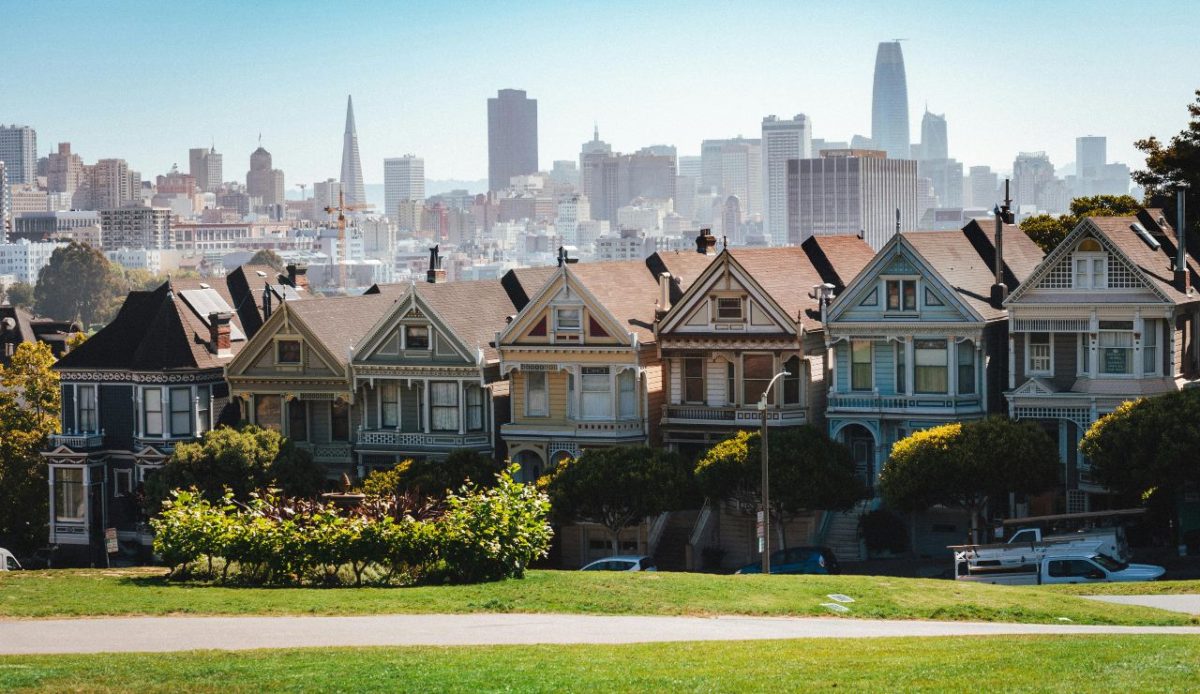
San Francisco combines high visitation with tight street geometry. Steep hills and dense neighborhoods limit legal spaces, while permit-only blocks surround many popular areas. Even when you find a spot, strict time limits and street-cleaning rules can cut a visit short.
Downtown garages and lots help, but demand spikes around tourist corridors and large events. Pricing can vary by location and time, and mobile payments mean you may be managing the meter as much as the itinerary.
A practical plan is to leave the car at your hotel or a transit-friendly garage and rely on Muni, BART, or walking. If driving is unavoidable, read every sign, set reminders for limits, and avoid stopping in loading or bus zones.
3. Boston, Massachusetts
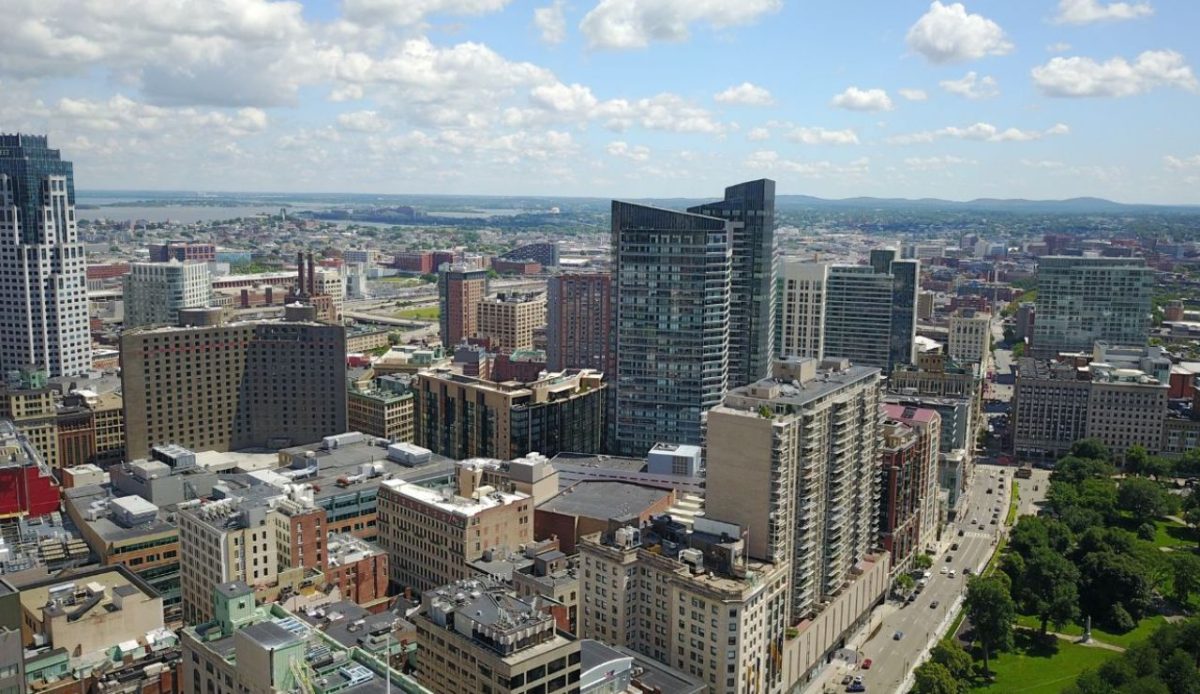
Boston’s older street layout wasn’t built for modern visitor traffic, and parking reflects that. One-way roads and short blocks make it easy to miss an open space and hard to circle back without wasting time. Many neighborhoods also prioritize resident permits over visitor parking.
Popular draws like the Freedom Trail, Fenway Park, and the waterfront concentrate demand in a small footprint. Garages can fill during events, and rates tend to climb the closer you get to the busiest districts.
Most visitors do better using park-and-ride options on subway lines, then walking for short hops. If you need a garage, reserving ahead and choosing one near the edge of downtown can reduce both cost and congestion.
4. Washington, D.C.
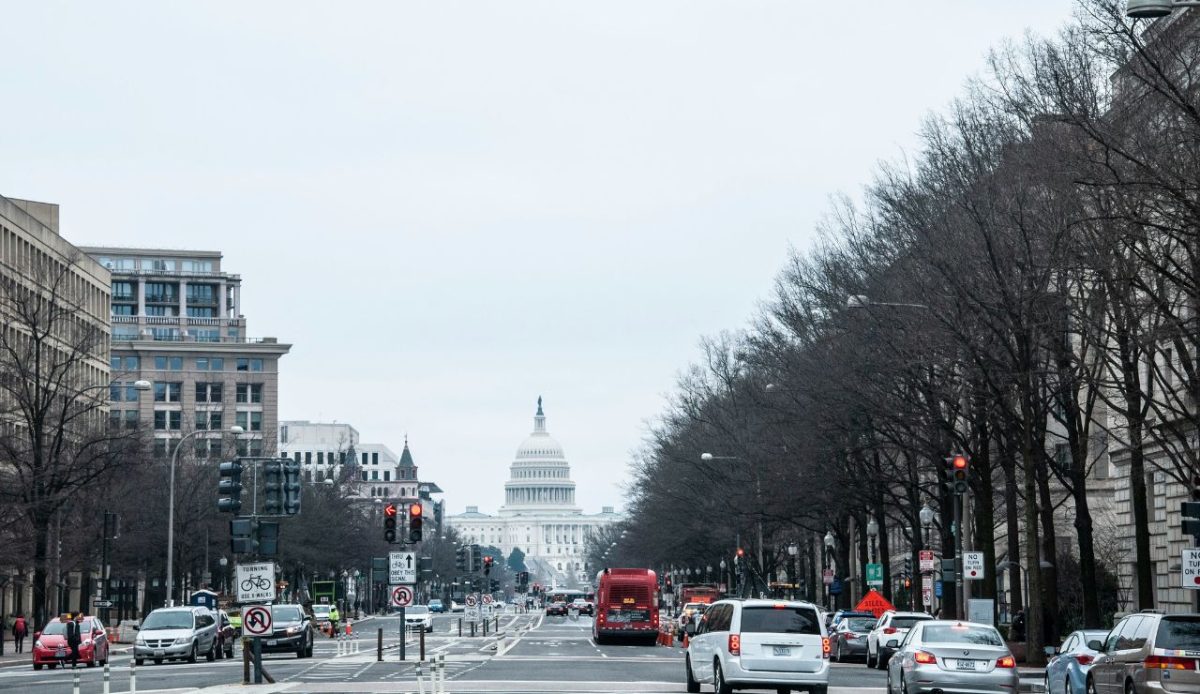
Washington, D.C. has plenty to see in a compact area, but parking near the big sights can be surprisingly limited. Around the National Mall, spaces are constrained by security zones, tour-bus activity, and heavy pedestrian traffic. Metered spots turn over fast, especially mid-day.
Rules can also feel inconsistent from block to block, with restrictions tied to peak-hour lanes, permitted zones, or special events. A legal spot can become a ticket risk if you miss a single posted window or park too close to a curb cut.
Many travelers find it easier to park outside the core and use Metrorail to reach museums and monuments. If you drive in, pick one main garage stop, budget extra time, and double-check signs before leaving the car.
5. Miami Beach, Florida
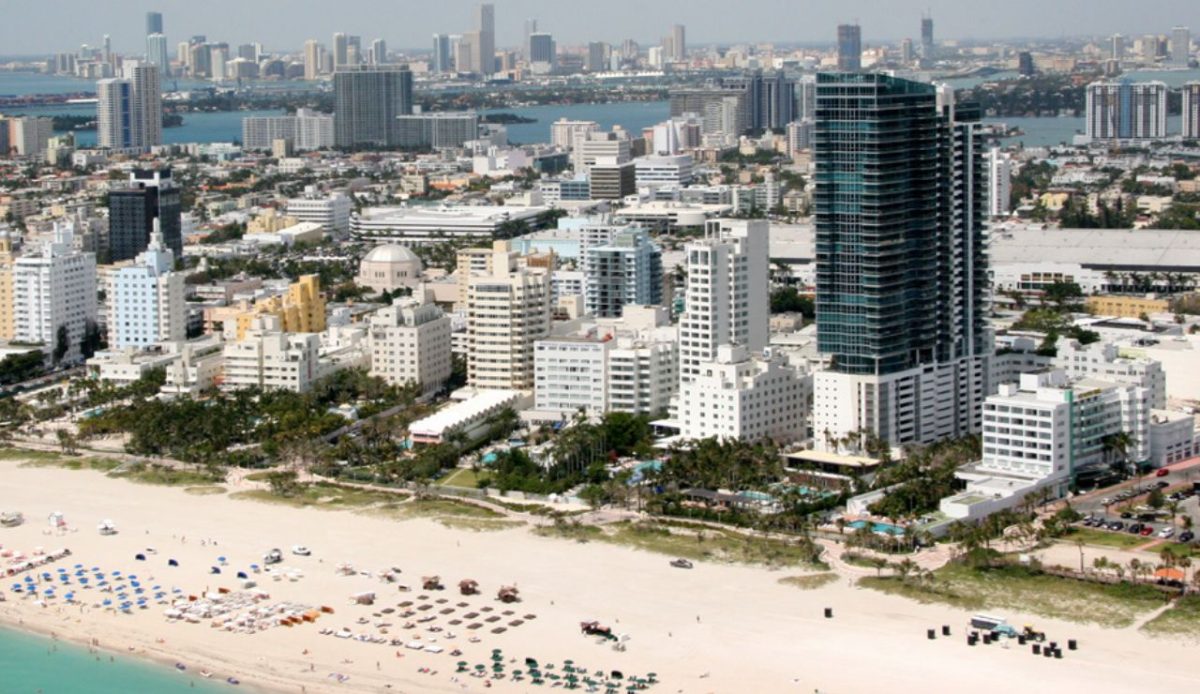
Miami Beach draws drivers for beach days and nightlife, but the barrier-island layout creates bottlenecks and limited supply. Street spaces disappear quickly, and lots near the sand can be full early. Many visitors end up in paid garages or private lots, which can add cost to a short stop.
Enforcement is a big factor. Time limits, tow-away zones, and no-parking periods are common, and signs can be easy to overlook when traffic is crawling. On busy weekends and during festivals, prices and availability can shift fast.
To reduce stress, pick a garage you can keep for most of the day and plan to walk, bike, or use local transit. If you street-park, confirm the rules on both ends of the block before you leave the car.
6. New Orleans, Louisiana
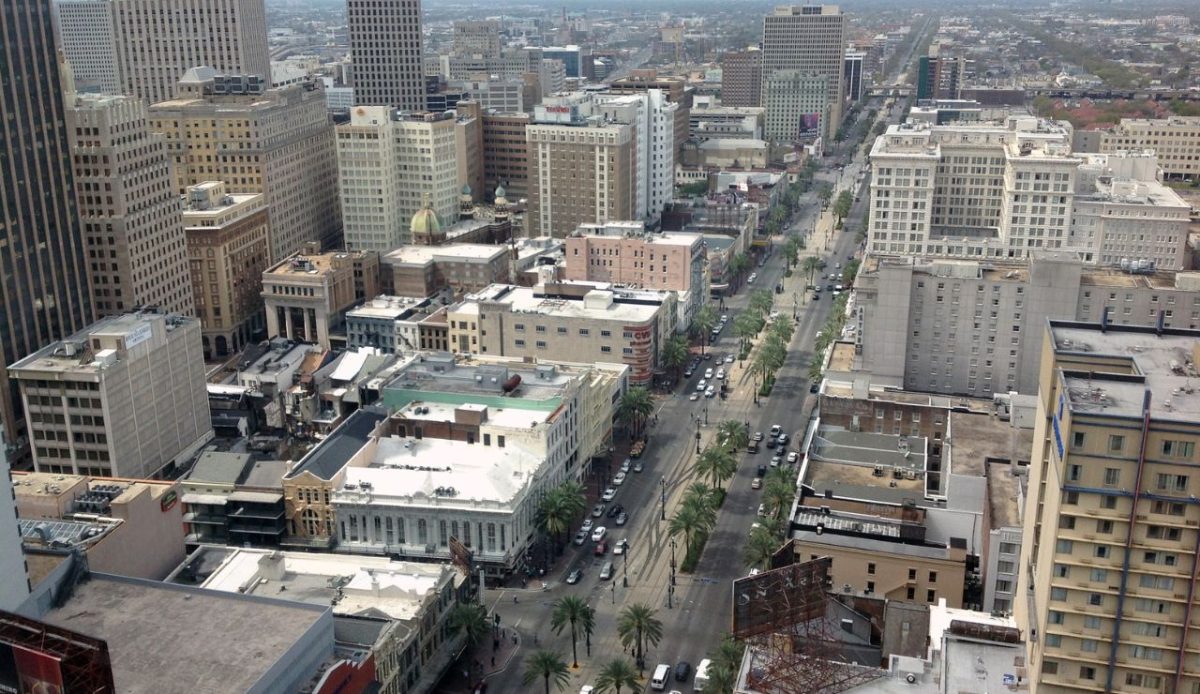
The French Quarter’s compact streets are part of its charm, but they make parking a constant puzzle. Many blocks are narrow, traffic moves slowly, and legal street spaces are limited. Hotel valet is common, yet it can be expensive and may limit in-and-out access.
Lots and garages sit near the Quarter, but demand rises at night and during major events, pushing rates up and filling spaces quickly. Drivers also have to watch for loading zones and permit-only stretches that are enforced closely.
One workable approach is to park outside the Quarter and use walking, streetcars, or short rides to move around. If you drive in, choose a reputable garage, keep valuables out of sight, and budget extra time.
7. Nashville, Tennessee
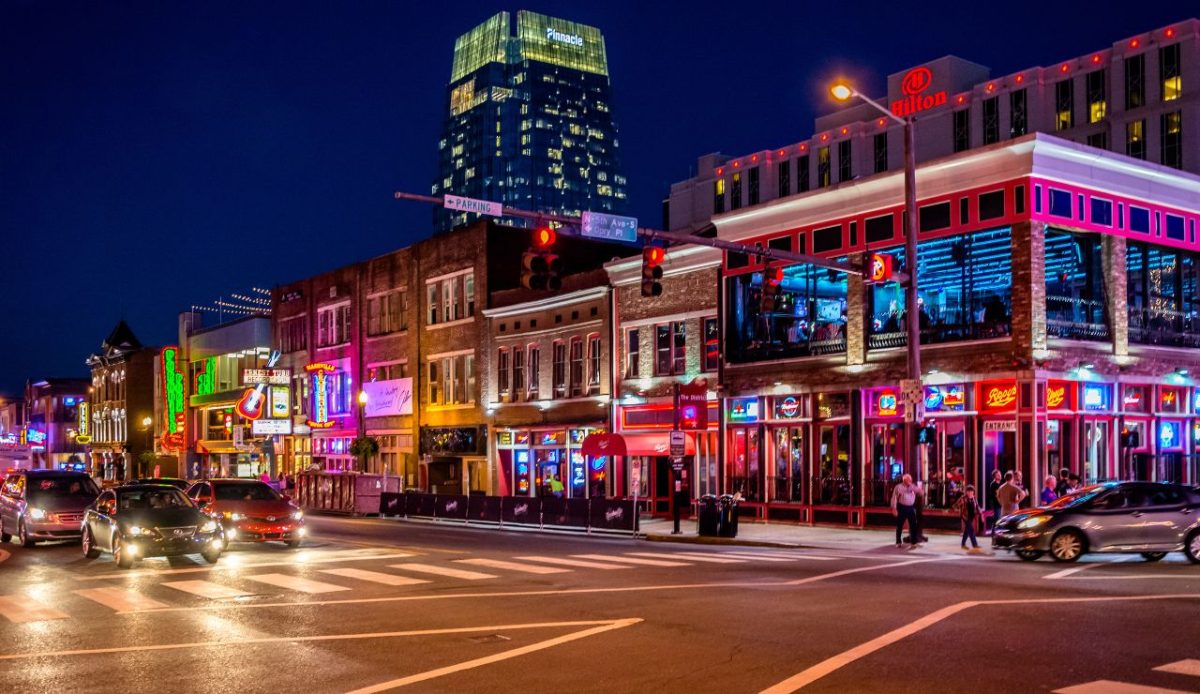
Downtown Nashville is built for crowds, and parking feels the squeeze when Broadway, arenas, and convention spaces are active. Public garages exist, but they can fill quickly and get expensive during concerts or big weekends. Street parking is limited and often timed, which doesn’t match longer sightseeing plans.
Another challenge is the patchwork of private lots with strict rules. Some use towing or wheel boots for violations, and terms may be posted in small print when you’re focused on traffic and pedestrians.
To cut frustration, park in a larger garage a few blocks off the busiest strip and walk in, or use shuttles and rides from your hotel area. If you choose a private lot, read the entrance sign and keep your receipt handy.
8. Chicago, Illinois
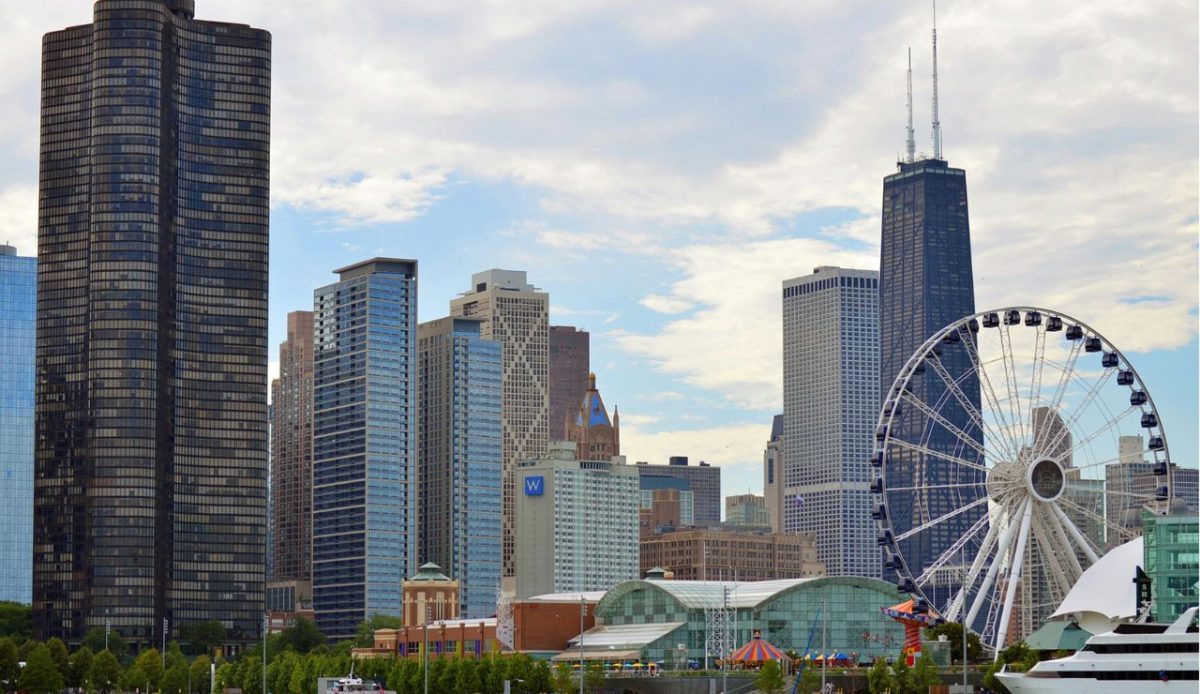
Chicago has plenty of garages and meters, but the busiest areas still punish last-minute parking. In the Loop and near the Magnificent Mile, street spaces turn over quickly and can be restricted by rush-hour rules or permits. Garages close to major attractions often cost more and may have slow entry lines.
Signage and enforcement add pressure. Meter zones can change by block, and some streets add temporary restrictions for festivals, construction, or loading. A spot that looks fine at arrival can become a ticket if you miss a time window.
A steady plan is to pick one garage as a base and use the ‘L’ or walking for multiple stops. If you street-park, use mobile payment where available, and set alarms so you don’t get caught by limits.
9. Yellowstone National Park, Wyoming

Yellowstone isn’t a city, but parking can still control the day. Major sights like geyser basins and waterfalls attract heavy vehicle volume, and lots fill quickly once tour buses and day visitors arrive. When spaces run out, traffic backs up as drivers wait or circle.
Road shoulders and pullouts have rules, and stopping in unsafe or unmarked areas creates hazards for other drivers and for wildlife. Larger vehicles also struggle to find spaces that fit without blocking lanes.
To avoid the worst congestion, start early, prioritize one or two key areas, and expect slower travel between stops. If a lot is full, move to a less-crowded viewpoint and return later instead of idling in a queue.
