
Extreme weather is reshaping classic American road trips. Heat waves strain drivers and vehicles, wildfire smoke can drop visibility fast, and sudden downpours can turn a scenic route into a flood detour.
Risk doesn’t mean “don’t go.” It means planning for rapid shifts: flexible timing, extra fuel and water, offline maps, and alerts for closures, wind, lightning, and smoke.
These ten drives are still popular, but they’re increasingly exposed to storms, fires, flooding, and temperature extremes. Treat each as a reminder to check forecasts often and build a backup route before you roll out, not after.
1. Pacific Coast Highway (California)
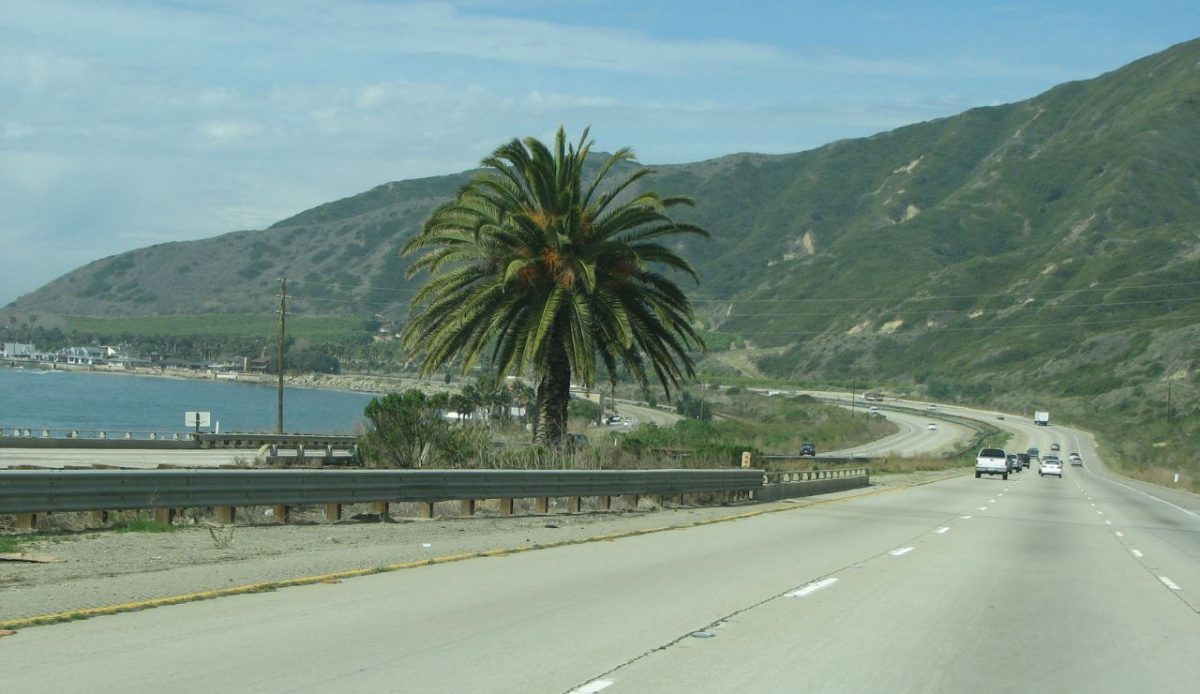
Coastal storms and heavy rain can destabilize cliffs and burn-scar slopes along California’s Pacific Coast Highway, leading to rockslides, mudflows, and sudden multi-day closures overnight that require cleanup and slope inspections.
High surf and king tides can also push water and debris onto low sections, while detours often mean long inland miles on smaller roads with limited services.
Go with time cushions and alternate routes preloaded. Keep fuel high, avoid driving during peak wind advisories, and treat closure notices as hard stops rather than “maybe it clears,” especially after major rainfall.
2. U.S. 101 Oregon–Washington Coast Loop
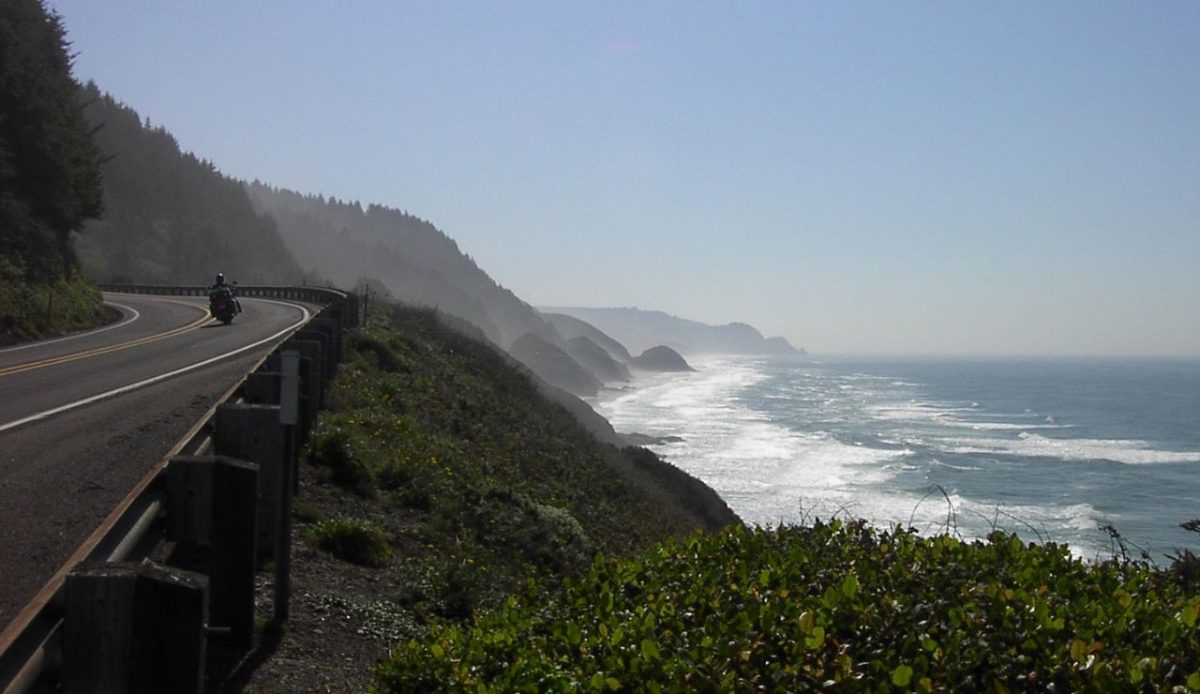
The Oregon and Washington coast loop on U.S. 101 is exposed to Pacific windstorms that can drop trees, blow sand across lanes, and knock out power to small towns.
Heavy rain can flood low spots and trigger small landslides on saturated slopes, while storm surge and king tides can leave driftwood, gravel, and debris where the pavement meets the beach.
Plan shorter driving days and keep daylight on your side. With patchy cell service in places, download maps and note fuel stops ahead of time. Check wind and surf advisories before committing to remote stretches, and pivot inland early if conditions ramp up.
3. I-70 Across the Rockies (Colorado–Utah)
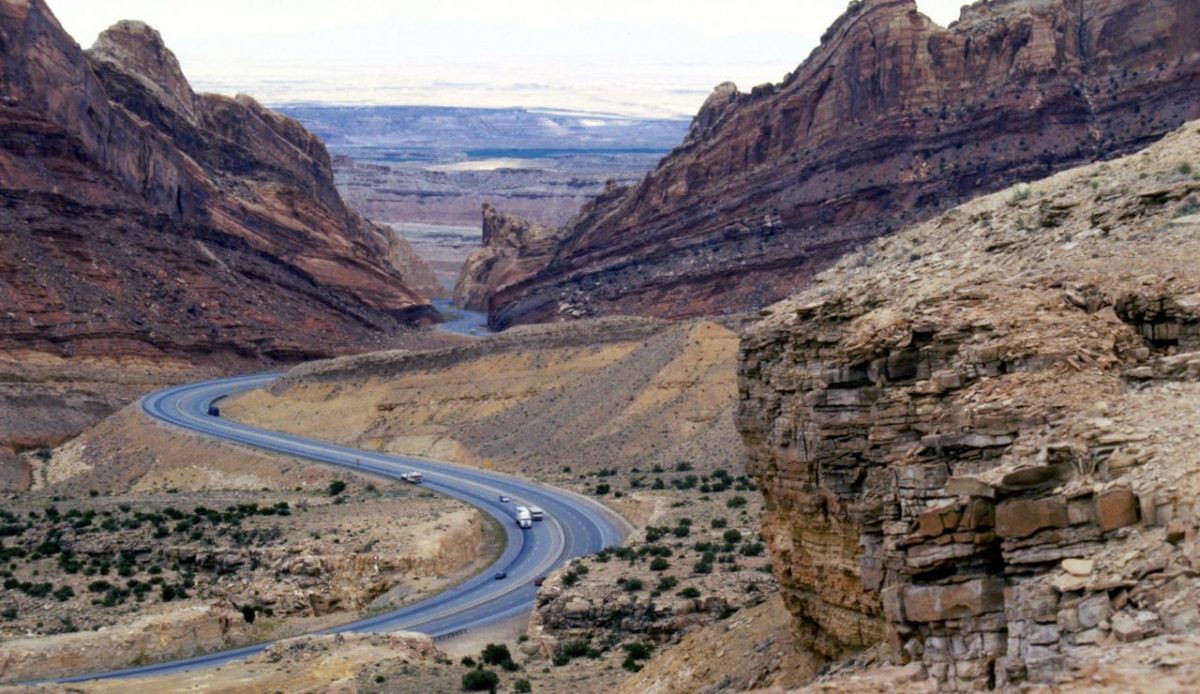
I-70 across the Rockies can flip from clear to hazardous fast. Heavy snow bursts, whiteouts, and blowing drift can force chain laws, slow travel to a crawl, or close high passes entirely.
Shoulder seasons bring their own problems: freeze-thaw cycles create black ice on bridges, and spring storms can dump wet snow that grips less than it looks. In summer, intense thunderstorms can trigger localized flash flooding and rockfall in steep cuts.
Check pass conditions before you climb and again during stops, not just once in the morning. Carry legal traction gear, keep warm layers and water handy, and treat alternate lower-elevation routes as part of the plan, not a last resort.
4. I-10 Gulf Coast Drive (Texas to Florida Panhandle)
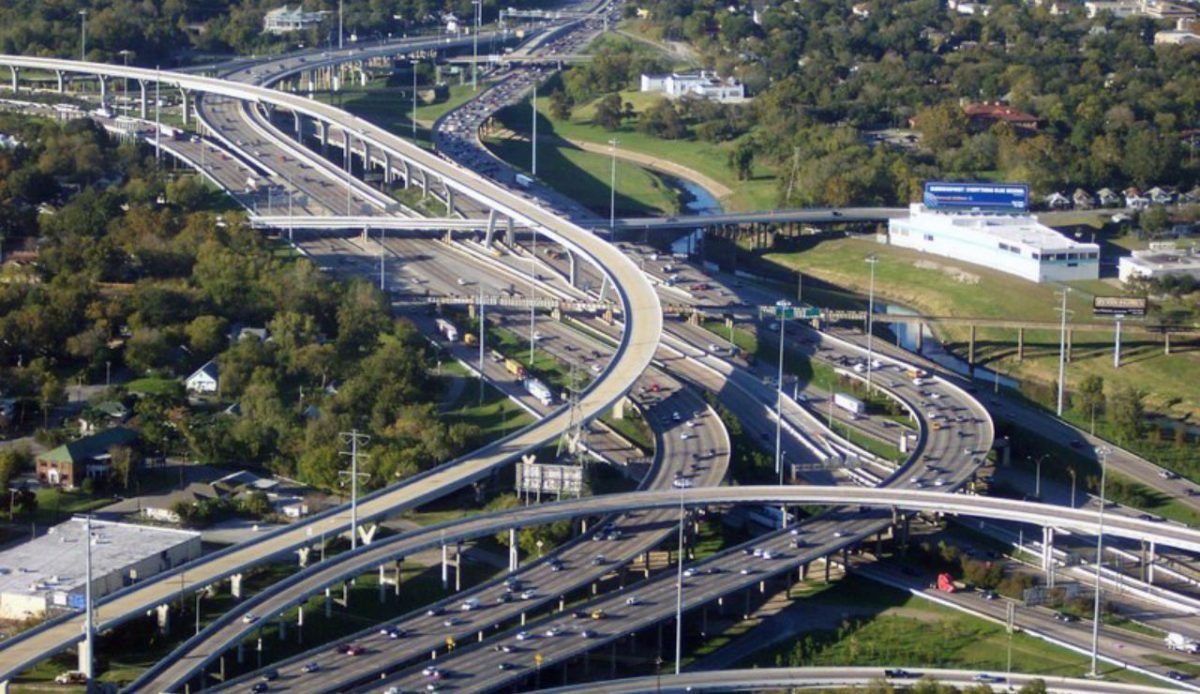
The I-10 Gulf Coast run is increasingly shaped by stronger tropical systems and the heavy rain bands that can spread far beyond the shoreline. Flooded frontage roads and underpasses can appear quickly and unexpectedly.
Severe thunderstorms can bring lightning, damaging wind, and brief tornado risk, while extreme humidity and heat raise fatigue on long, flat segments with few breaks.
Build a “turn north” option before you leave, with planned stops on higher ground. Keep your tank above half, watch official watches and warnings, and reroute early rather than trying to time a storm window at highway speed.
5. Florida Keys Overseas Highway (U.S. 1)
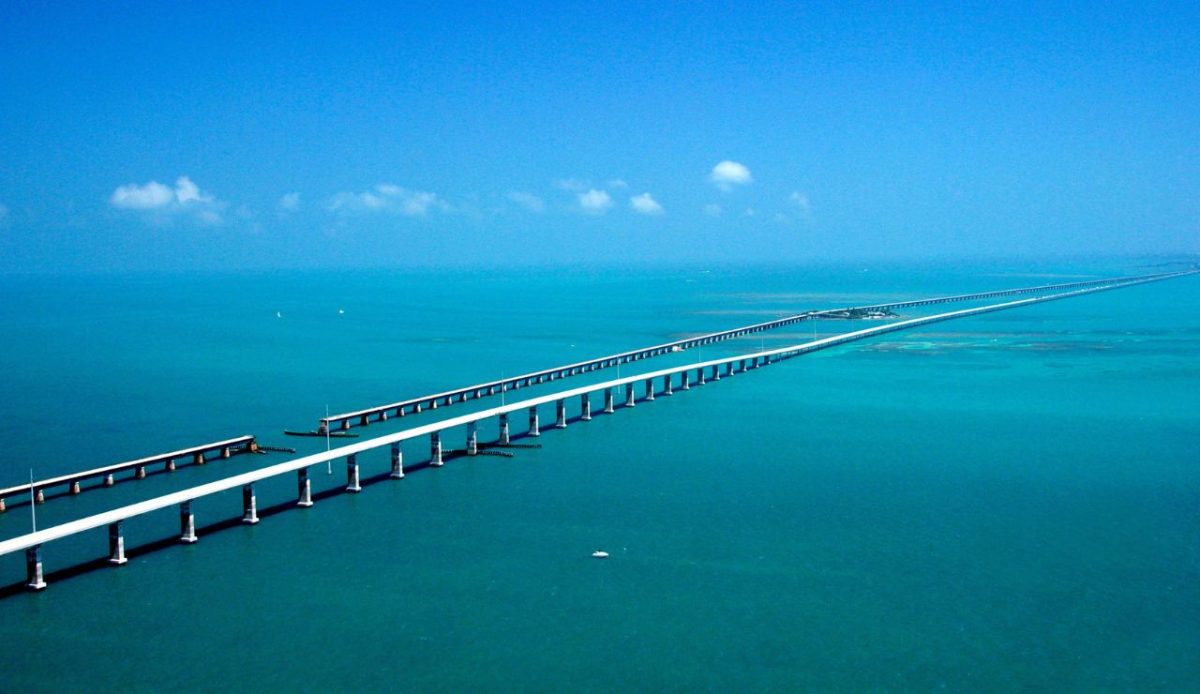
The Overseas Highway to the Florida Keys is a narrow chain of bridges with open water on both sides, so tropical storms, squalls, and storm surge can affect the entire route at once.
Even outside hurricanes, strong crosswinds and heavy downpours reduce traction, while saltwater flooding can close lanes and limit access to services like fuel pumps and grocery stores. Evacuation traffic can also turn a short drive into hours.
Avoid tight schedules and travel with flexible lodging. Keep fuel topped off on the mainland, carry drinking water, and watch forecast updates for wind, tide, and surge, because there’s no parallel road to bail you out.
6. Route 66 Southwest Stretch (New Mexico–Arizona)
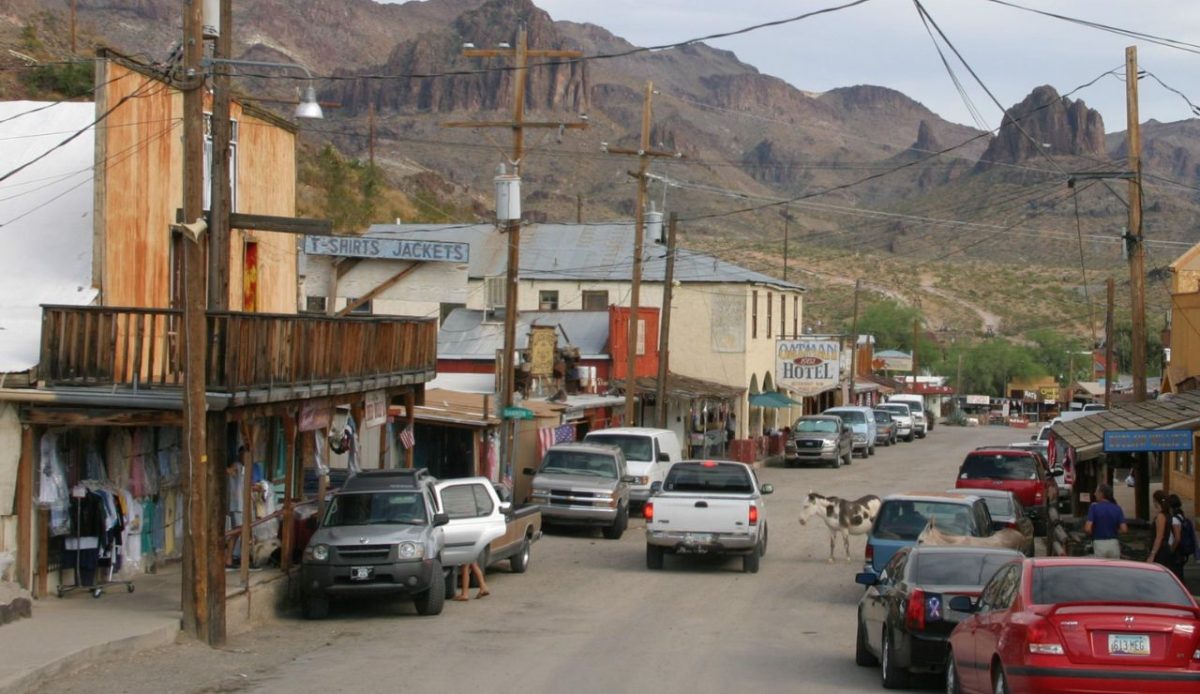
Route 66’s New Mexico–Arizona stretch crosses the high desert, where extreme heat is becoming more common. Long gaps between towns mean a cooling issue or tire blowout can become a safety problem, not just an inconvenience.
Late-summer monsoon storms can dump rain quickly, turning dry washes into flash floods and leaving mud on low crossings. Dust storms can also drop visibility to near zero with little warning.
Start driving early, carry extra water, and keep sun protection reachable. If dust thickens, pull fully off the roadway and wait it out. Plan fuel stops ahead, because “next exit” may not have services.
7. Great River Road (Along the Mississippi River)
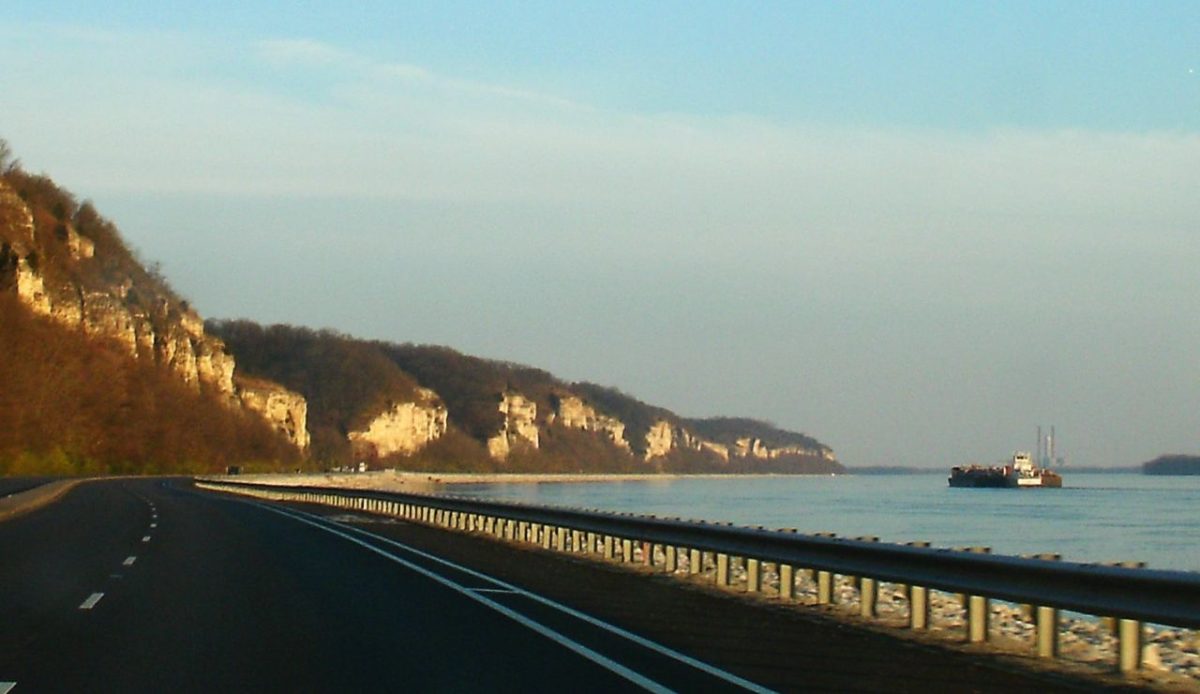
The Great River Road follows the Mississippi’s bends, which makes it vulnerable to both high-water flooding and severe thunderstorm outbreaks. Riverside spurs and low bridges can close when water rises.
In warm months, slow-moving storm cells can dump heavy rain that overwhelms drainage in small towns. Saturated ground also increases the odds of trees coming down in gusty weather.
Use river gauge information alongside the forecast, especially in spring. Choose lodging on higher ground, avoid nighttime driving during active storm watches, and expect detours that add time even when the main highway looks clear on a map.
8. Blue Ridge Parkway and Skyline Drive (Appalachians)
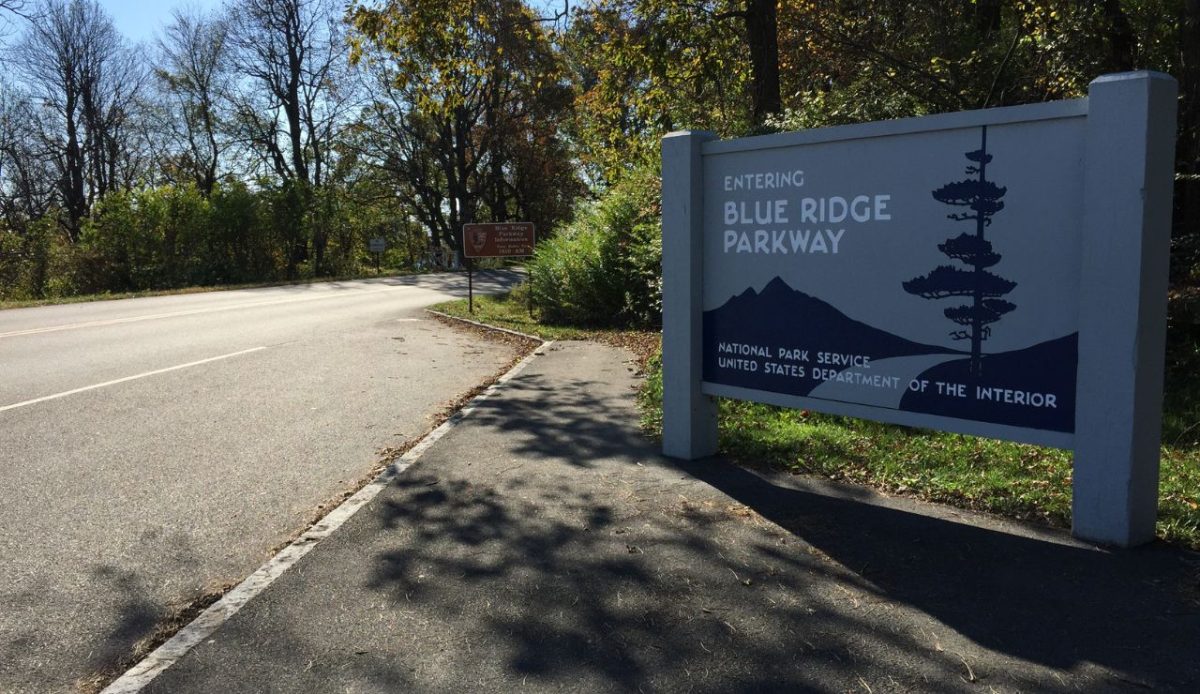
The Blue Ridge Parkway and Skyline Drive sit high enough to amplify weather swings. Fog can settle fast on ridgelines, wiping out sightlines on curves and making wildlife or stopped cars hard to spot.
Heavy rain can leave slick leaf litter and small washouts near overlooks, while winter brings freezing drizzle and black ice that lingers in shaded sections long after the sun returns.
Treat speed limits as a ceiling for perfect conditions, not a target. Keep headlights on in fog, use pullouts to reset if visibility drops, and plan a parallel valley route in case sections close for ice, debris, or repairs.
9. I-90 Northern Plains (South Dakota to Montana)
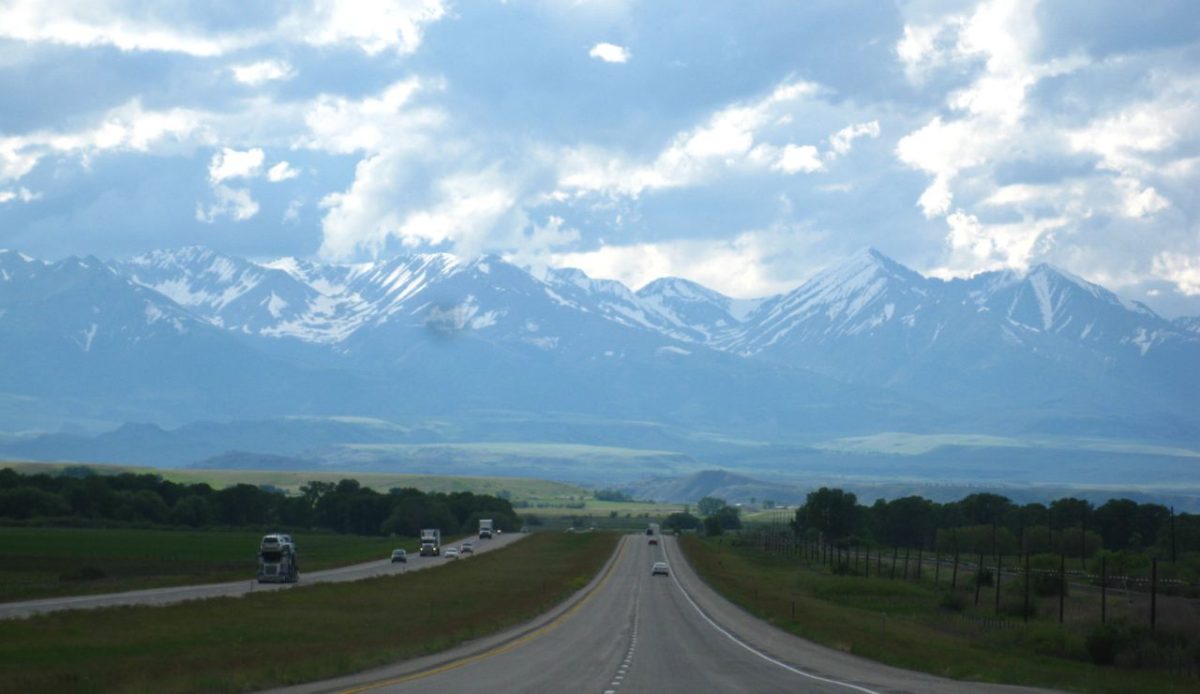
I-90 across the Northern Plains looks straightforward, but extreme weather travels fast over open ground. Blizzards can create long whiteout stretches with few shelters, and strong crosswinds can push high-profile vehicles during passing.
In warmer seasons, severe thunderstorms can bring hail and sudden downpours that cause hydroplaning at highway speeds. Regional wildfire smoke can also settle in for days, lowering visibility and irritating eyes and lungs.
Keep more fuel than you think you need because services can be widely spaced. Watch wind advisories, slow down before conditions force you to, and stop in a town early rather than waiting until the shoulder feels like the only option.
10. Natchez Trace Parkway (Mississippi–Tennessee)
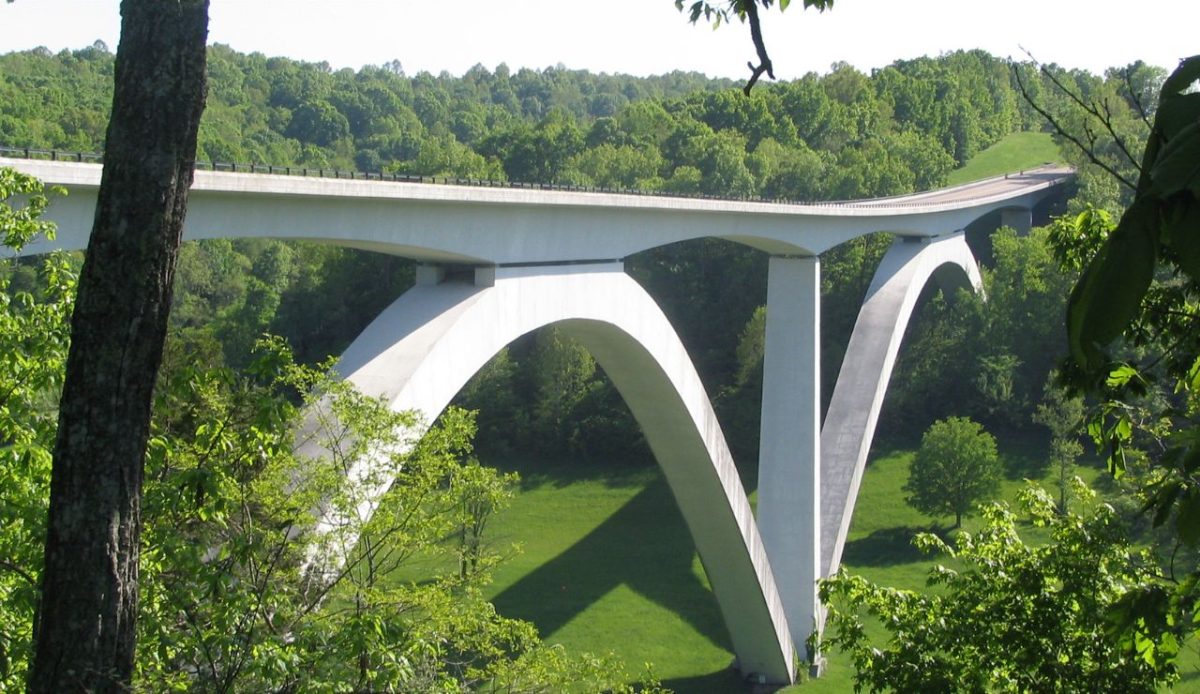
Natchez Trace Parkway cuts through wooded hills and creek crossings where severe storms can turn quickly. In spring, tornado warnings and straight-line winds can drop limbs and trees onto the narrow roadway.
When tropical moisture pushes inland, rain can overwhelm drainage and create spot flooding, and fog can form in valleys after downpours. Summer heat and humidity raise fatigue, and long stretches with limited services make delays harder.
Check the radar before entering remote segments and note exits to nearby towns. Avoid driving during severe-weather watches, keep water handy, and slow down early when visibility drops, shoulders are tight, and trees crowd the edges.
