
A long connection can cost as much as a checked bag once meals, coffee, and small purchases stack up. Many travelers budget for airfare and hotels, then get surprised by terminal spending during a three-hour wait.
Concession leases, security screening, and limited competition raise the price of everyday items. Even water, phone chargers, and a quick sandwich can run high, while lounge day passes add another large line item.
The airports below are major hubs where these pressures show up most often. Each section explains what tends to drive layover bills higher and what travelers commonly pay for while killing time. Costs also rise when terminals are spread out, and switching concourses is impractical.
1. New York John F Kennedy International Airport
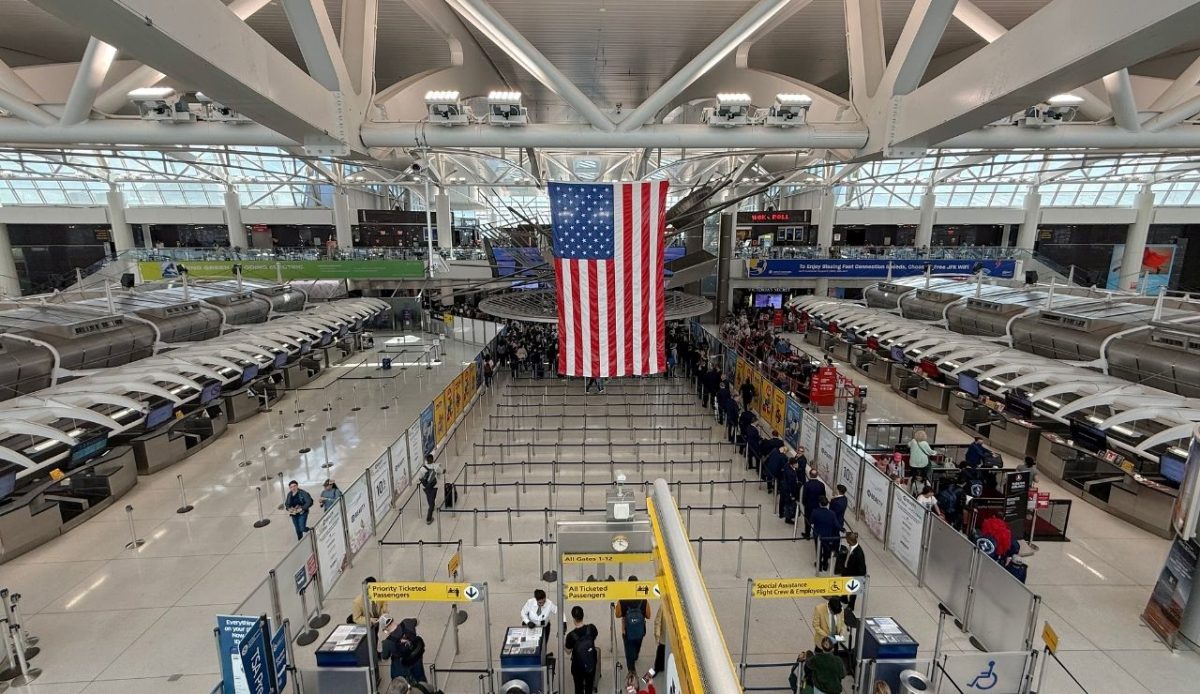
JFK sits in a high-cost metro area, and that baseline shows up in terminal menus and grab-and-go cases. Even simple breakfast items and bottled drinks are often priced like midtown storefronts.
The Port Authority uses a street pricing approach, but the comparison set is New York retail, not national averages. Taxes, tip prompts, and card surcharges can lift the final receipt, especially for sit-down dining.
International connections often add time in multiple terminals, so travelers buy more than once. Paid lounges, premium cocktails, luggage storage, and pricey ground transport to nearby hotels can turn a layover into a major expense fast.
2. Newark Liberty International Airport
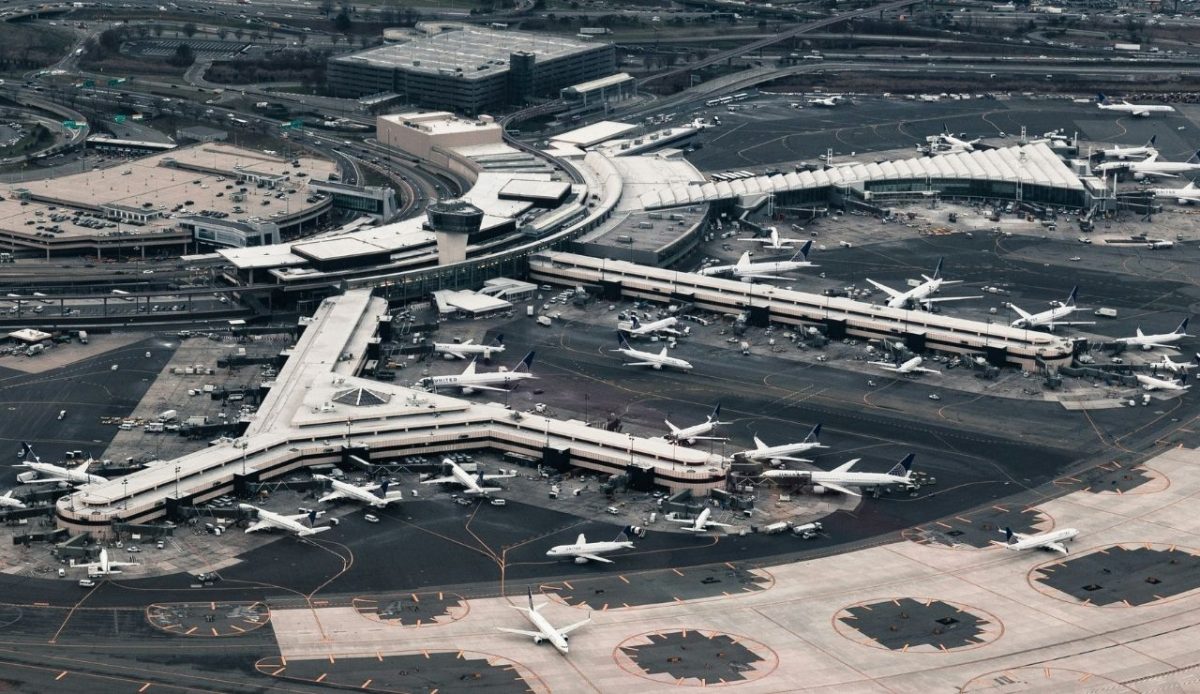
Newark serves the same pricey region as New York City, so concession costs and labor rates start high. Recent redevelopment also means many vendors operate under premium rent structures.
Food courts have fewer low-cost options once security is cleared, and brand names still charge airport markups. Coffee drinks, sandwiches, and bottled water can look modest on the menu yet add up quickly after tax and tip screens.
Many itineraries connect through Newark for Europe or the West Coast, which increases dwell time. When delays hit, paid WiFi tiers, charging kiosks, and lounge day passes stack onto meals, making the wait feel like a second ticket purchase.
3. Los Angeles International Airport
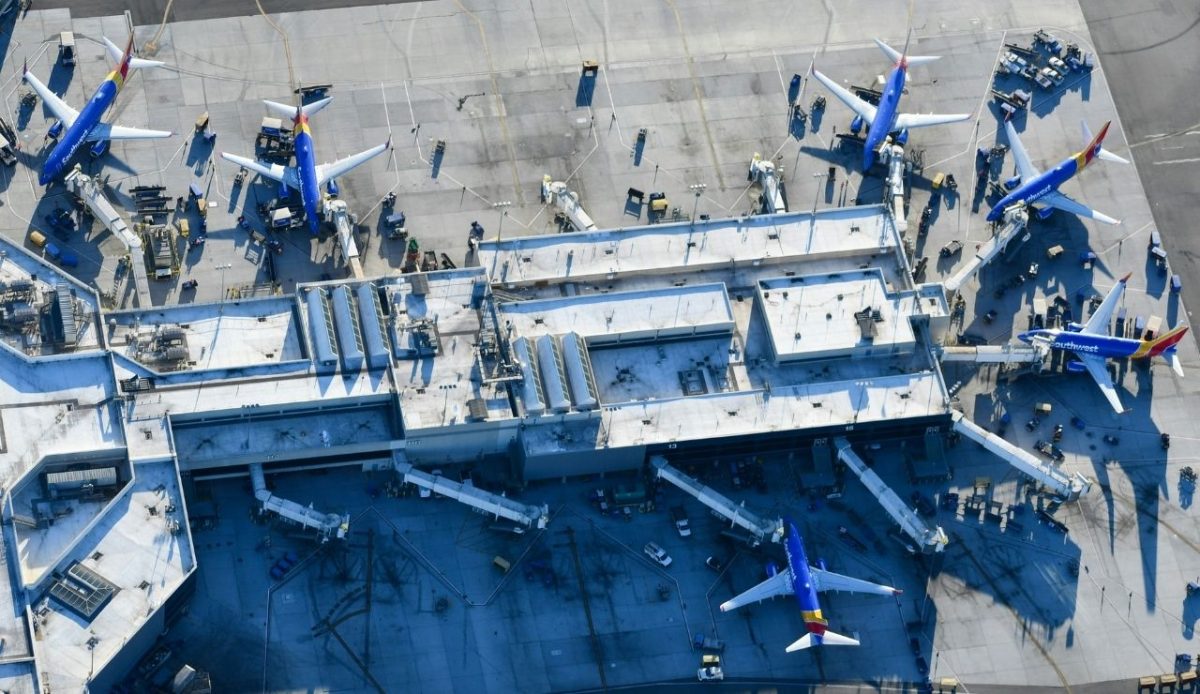
LAX combines Southern California wages with heavy passenger volume, and both factors raise concession pricing. Supply deliveries must pass security, which adds handling costs that show up on receipts.
Terminals are spread across a large footprint, so switching to a cheaper concourse is not always realistic. A casual meal plus a drink can rival a restaurant bill in Los Angeles, while late-night options are limited and priced higher. Small items like fruit cups and energy drinks often surprise newcomers.
Long connections often include time lost to shuttles, gate changes, and security rechecks between buildings. That friction increases impulse buying, and lounge access, ride share fees, or short-term parking can add a second layer of cost.
4. San Francisco International Airport
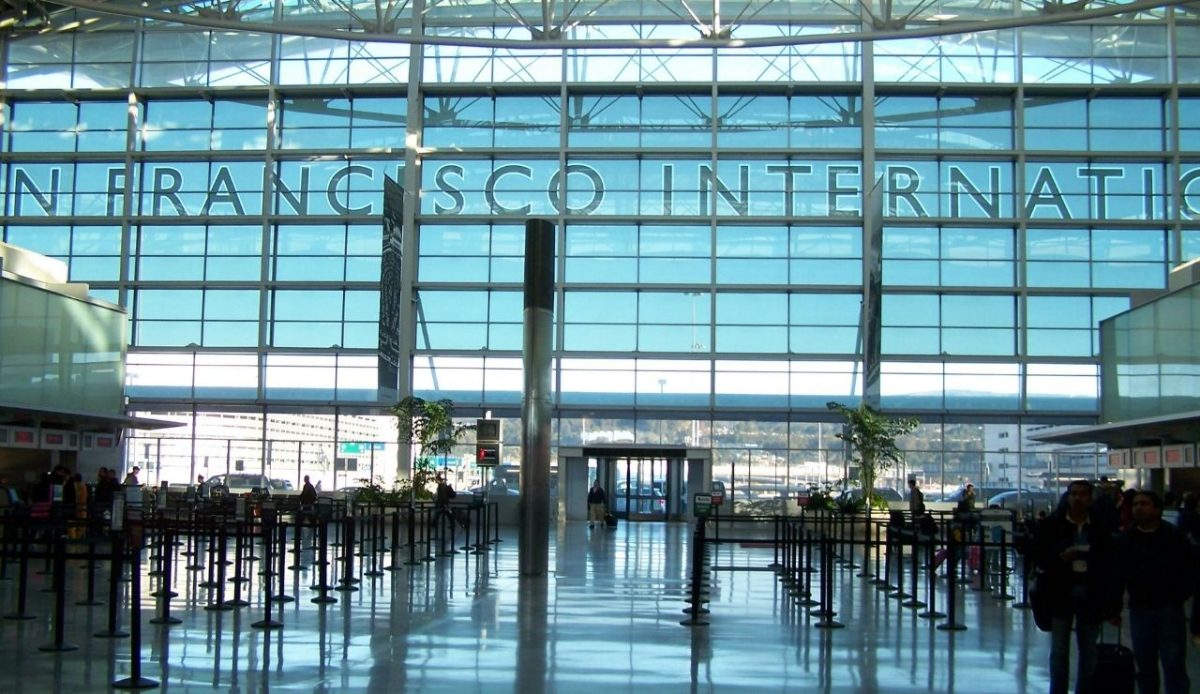
SFO reflects Bay Area costs, including higher wages, rent, and supplier pricing for fresh food and beverages. Security-controlled deliveries add logistics fees that vendors build into menu prices.
Many outlets emphasize local brands and quality ingredients, which can be great, but it raises the baseline spend. Prepared bowls, craft beer, and espresso drinks often land well above what travelers see at inland hubs. A salad, coffee, and snack can approach the cost of a full meal elsewhere once taxes are applied.
International departures and fog-related delays can extend waiting time, increasing repeat purchases. Premium lounges, pricey parking, and costly transit into the city make the stopover feel expensive even without luxury shopping.
5. Chicago O’Hare International Airport
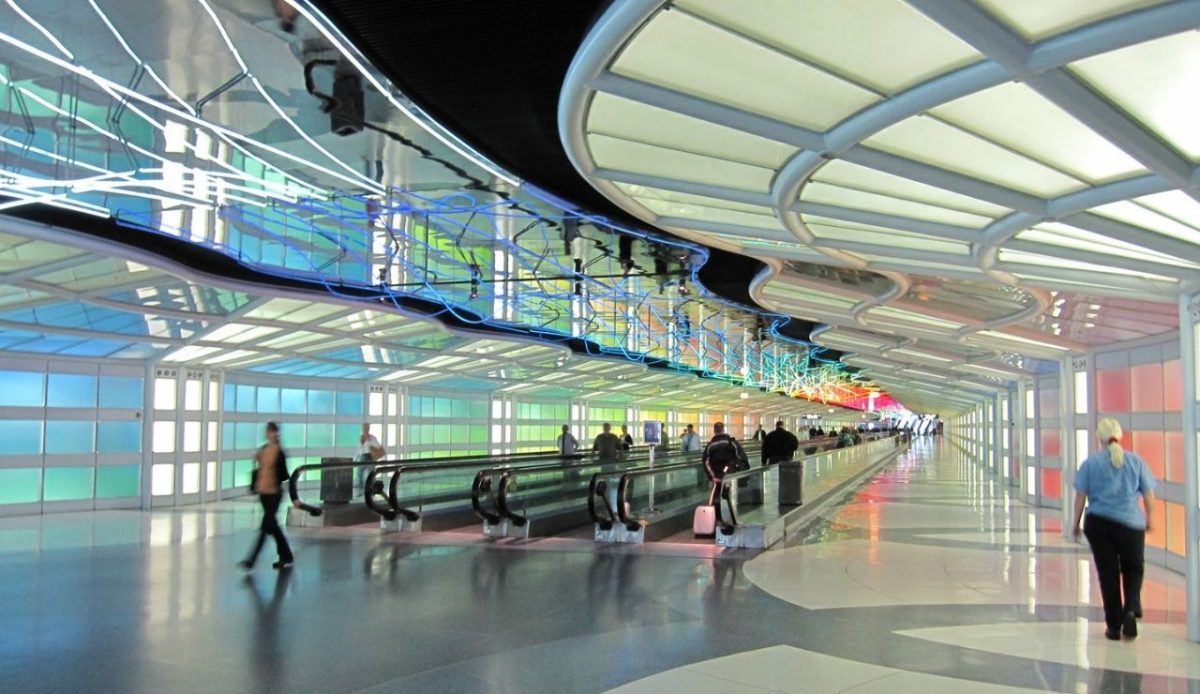
O’Hare is a connection engine, so many travelers spend hours inside even when Chicago is not their destination. Gate areas can be crowded, which nudges people toward cafes where seating is tied to purchasing.
High passenger throughput supports plenty of restaurants, yet airport overhead keeps prices above those in nearby neighborhoods. A quick breakfast combo, bottled drink, and snack can exceed what a diner would charge outside the secure zone. Retail basics like earbuds or chargers are often priced at a premium.
Weather and air traffic programs in the Midwest can trigger holds, turning short connections into long waits. Repeated small purchases, plus paid lounge entry for those without status, can push total spending far beyond expectations.
6. Miami International Airport
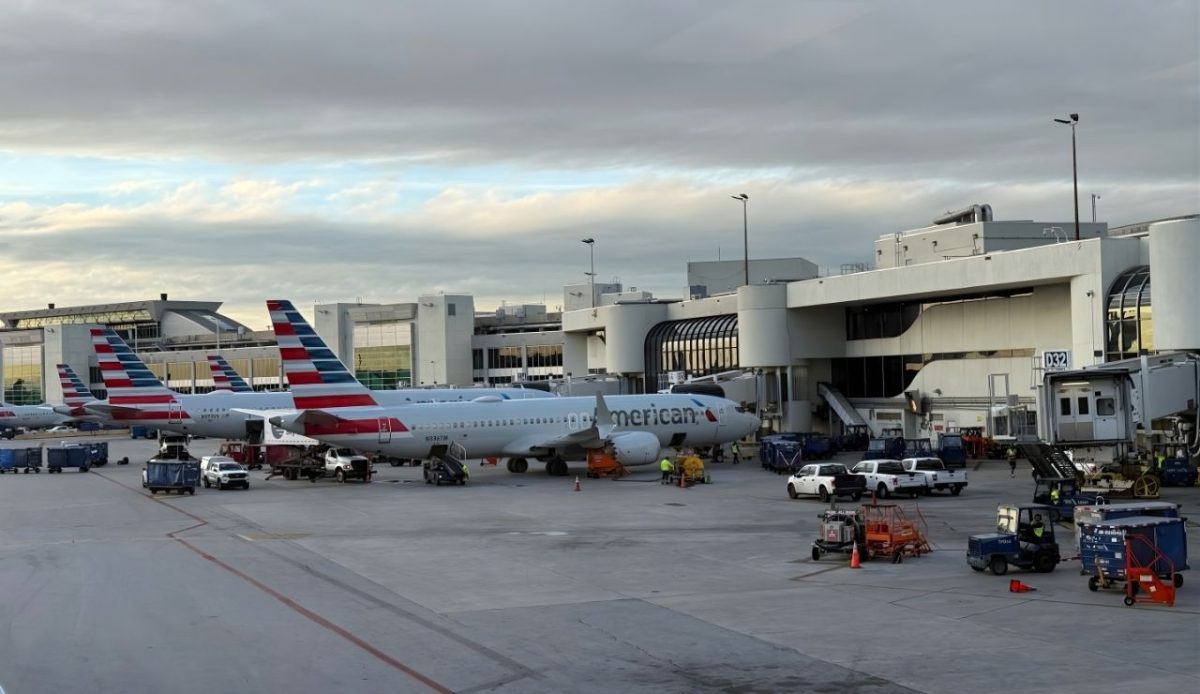
Miami handles heavy international traffic, and the mix of tourism and duty-free retail pushes pricing upward. Many flights arrive in waves, so peak crowding reduces access to the few lower-cost options.
Convenience goods have been widely criticized for extreme markups, which is painful during long waits. Packaged snacks, bottled drinks, and quick sandwiches can cost far more than those in nearby stores in the metro area. Table service locations also add tax and tip prompts that raise the final total.
Transfers often involve extra screening steps and long walks between concourses, extending the time airside. When families buy multiple rounds of food plus lounge access, the layover can become a major part of the trip budget.
7. Boston Logan International Airport
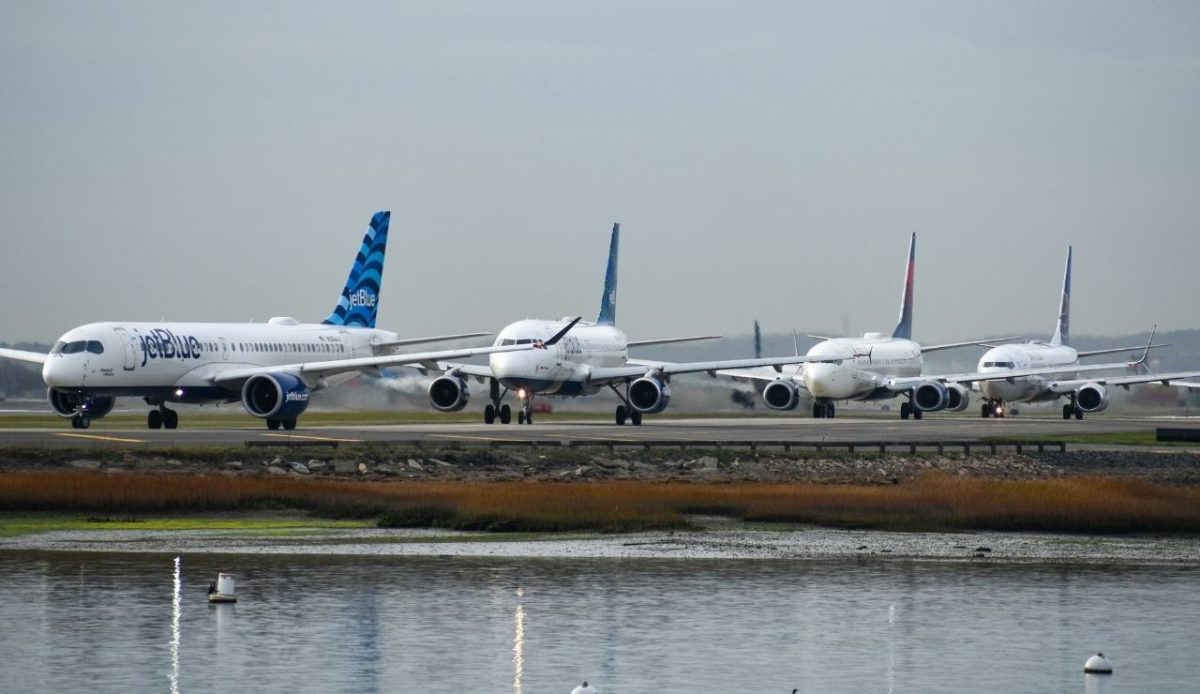
Logan sits next to one of the country’s pricier downtowns, and that regional cost level shows up in terminals. Airport space is limited, so vendors operate with high fixed costs and pass them along.
Menus often mirror Boston restaurant pricing, particularly for seafood, coffee, and grab-and-go meals. Some concourses have fewer alternatives, so even chain outlets sell at elevated rates. Simple items like yogurt, chips, and bottled water can be priced well above supermarket norms after tax.
Transatlantic schedules create long connection windows, especially in winter when weather disrupts arrivals. During extended waits, travelers may pay for lounge entry, baggage storage, or rides into the city, making the stopover unexpectedly expensive.
