
Europe’s external borders are being rebuilt around two EU systems that change how short trips are approved and recorded in 2026. For U.S. passport holders, the trip still looks visa-free on paper, yet new checks will sit behind the scenes.
The Entry Exit System is moving travel history from ink stamps to a shared database with biometrics. ETIAS adds a pre-travel authorization that airlines will verify before you fly, with a start planned for late 2026.
These changes affect timing, paperwork, and how long you can stay across participating countries. If you plan for enrollment steps, passport readiness, and day counts, border control becomes predictable instead of stressful.
1. ETIAS Authorization Before Boarding

ETIAS will become a required travel authorization for visa-exempt travelers, including Americans, once it begins in the last quarter of 2026.
You submit an online form with passport data and security prompts, then pay the required charge. Approval is attached to the passport electronically rather than printed on paper, and it is meant for tourism, family trips, and short business travel.
Airlines will check that authorization before boarding and can refuse travel when it is missing or invalid. EU guidance also describes a transition period after launch, so rules may tighten in steps. Apply early so any manual review ends before your flight.
2. Entry Exit System Fully Active By April 2026
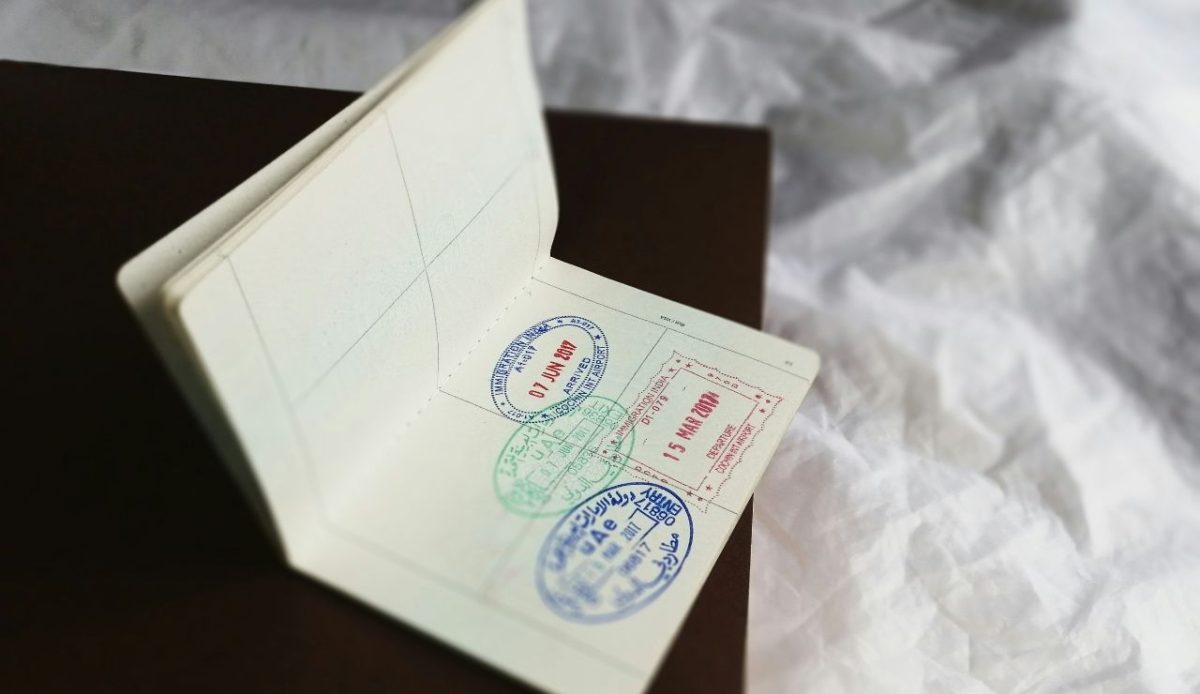
The EU Entry Exit System started operating on October 12, 2025, and is being introduced in stages at external borders.
Government and EU guidance point to full operation in April 2026, so early 2026 trips may be handled differently depending on the airport or land crossing. Expect kiosk-based steps at some terminals, while others still rely more on staffed booths.
Instead of relying on a stamp page, each crossing is stored electronically with time and place data. That shared record supports consistent checks across participating states and reduces disputes about when you arrived or departed.
3. Biometric Enrollment At First Schengen Entry

On your first entry after EES is applied to you, border staff will take a facial image and fingerprints and store them with your travel document data.
That enrollment step can slow the first arrival, especially at busy hubs, because capture and confirmation must be completed before admission is finalized. Build extra time for passport control when landing on long-haul flights that arrive in large waves.
After enrollment, future crossings can be matched against the stored biometrics, which can shorten repeat processing where automated lanes and equipment are in place. The system also stores your entry and exit dates, which supports later checks.
4. Automatic Calculation Of The 90 Day Limit

The rule allowing 90 days in any 180 days for short stays is not new, but the way it is measured is changing. EES logs entry and exit dates precisely for the countries using the system.
Because the count is computed from electronic records, you cannot rely on a rough estimate based on flight dates, hotel receipts, or a missing stamp. A late departure due to weather still counts as time in the country when the exit is recorded.
Track your days across all participating countries in one calendar, and build buffer days for delays, missed flights, or border queues that might shift your exit date. If you plan side trips outside the area, record those dates too, so your total stays accurate.
5. Centralized Records Across EES Countries

EES creates one shared record across the European countries that use the system, so an entry in one state and an exit in another are tied together.
That shared view means internal travel inside the area does not restart your allowance, since movement is still measured against the same stay rule. Switching hotels or crossing by train changes location, not the legal clock.
If you split a trip across several nations, plan your route with the full area in mind and keep proof of onward travel, since officers can see your prior movements quickly. Carry the address of your first stay and return ticket details in case prompts are asked.
6. ETIAS Screening Against Security Databases

ETIAS is designed to run automated checks against EU information systems before travel is authorized, which adds screening before you arrive at the border.
Many applications should be decided quickly, yet some can be routed for extra review when matches or data issues appear. A clarification message can arrive by email, so use an address you monitor and avoid applying to a work inbox that filters messages.
Enter your passport number, name order, and birth data exactly as printed, because a mismatch can slow approval and can also cause airline verification to fail. Double-check suffixes and middle names, since booking records often shorten them.
7. Digital Travel History Shown At The Border

Border officers in EES countries will be able to view your prior entries and exits in the shared system rather than guessing from stamps.
This can lead to faster, more consistent decisions, but it also means past overstays, refusals, or identity issues are easier to spot during routine screening. EES is built to record refusals of entry as part of the stored information.
Travel with a clear purpose of the trip and supporting bookings, and be ready to explain how your itinerary fits the stay rules, since the officer can see your history. Keep hotel confirmations and a return ticket accessible without relying on Wi Fi.
8. Passport Stamps Replaced By Electronic Proof
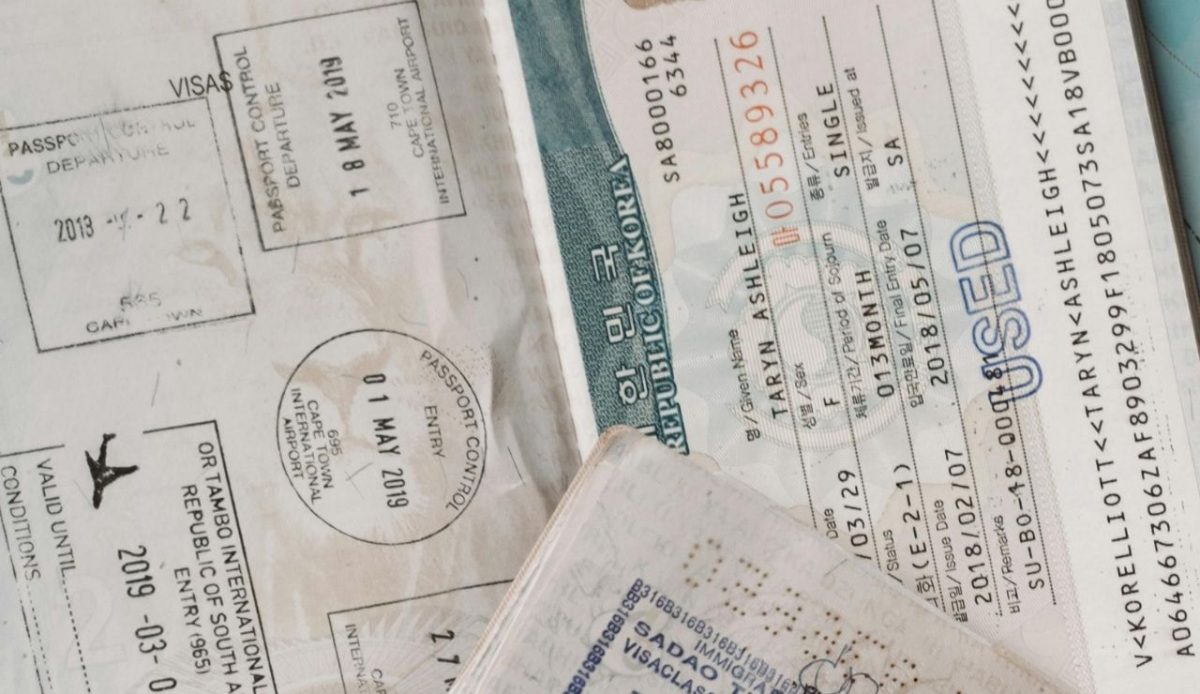
As EES replaces stamping, many travelers will no longer have passport marks to prove the date they entered or left. Instead, the official record is electronic.
If you need to confirm remaining days, you should base your calculation on your recorded travel dates, not on empty stamp pages. Where tools are offered by authorities, use them, but still keep your own notes so you can spot errors quickly.
Keep a personal timeline, including transit days, because hotel nights do not always match border crossings. An itinerary change or missed connection can move your exit, and digital logs will reflect the actual crossing, not the original booking.
9. Variable Processing During The 2026 Transition

During early 2026, border procedures can vary because EES is being rolled out in phases, and each crossing point needs equipment, staffing, and traveler flow changes.
Expect longer lines at peak arrival banks, and avoid tight connections after landing, since biometric enrollment for first-time users can add minutes per person. If you can, choose flights that arrive outside the main morning and early afternoon waves.
Arrive with key bookings saved offline, phones charged, and your passport ready to scan, so you are not searching for documents while standing at a kiosk or interview desk. Small prep steps reduce the chance of missing onward transport.
