
For many drivers, the exit sign used to double as a menu. Chains built for car travel promised quick service, clean restrooms, and familiar prices across states. Their growth tracked the interstate boom after the 1950s, when long trips became routine for families and freight.
That model is being squeezed by labor and lease costs, delivery-focused dining, and tighter franchise economics. When marginal stores close, whole corridors lose long-time staples. A brand may survive on paper while fading from the road outside a few regions.
This list covers classic names whose footprints have shrunk sharply or ended, using closures and current store counts as the test. Each section notes the roadside role and the forces that cut highway presence.
1. Howard Johnson’s Restaurants
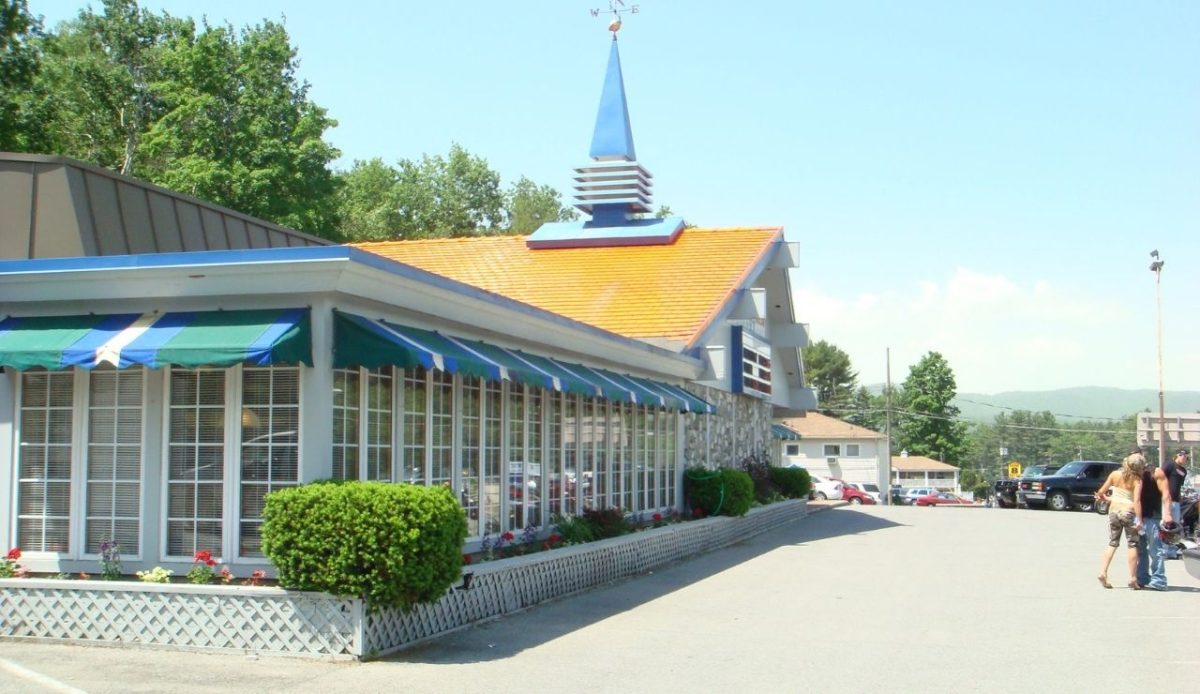
Howard Johnson’s paired bright roadside buildings with motor lodges and was built around the idea of predictable stops. In its peak era, it was among the largest U.S. restaurant systems, and it trained travelers to expect the same menu from New England to Florida.
The brand weakened after ownership changes and the rise of lower-cost quick-service competitors. Locations were sold, rebranded, or left to operate sporadically, which eroded the uniform experience that made it a highway default.
The final U.S. Howard Johnson’s restaurant in Lake George, New York, closed in 2022. With no remaining restaurants to anchor the name, the chain’s highway role has effectively ended rather than merely shrunk.
2. Denny’s
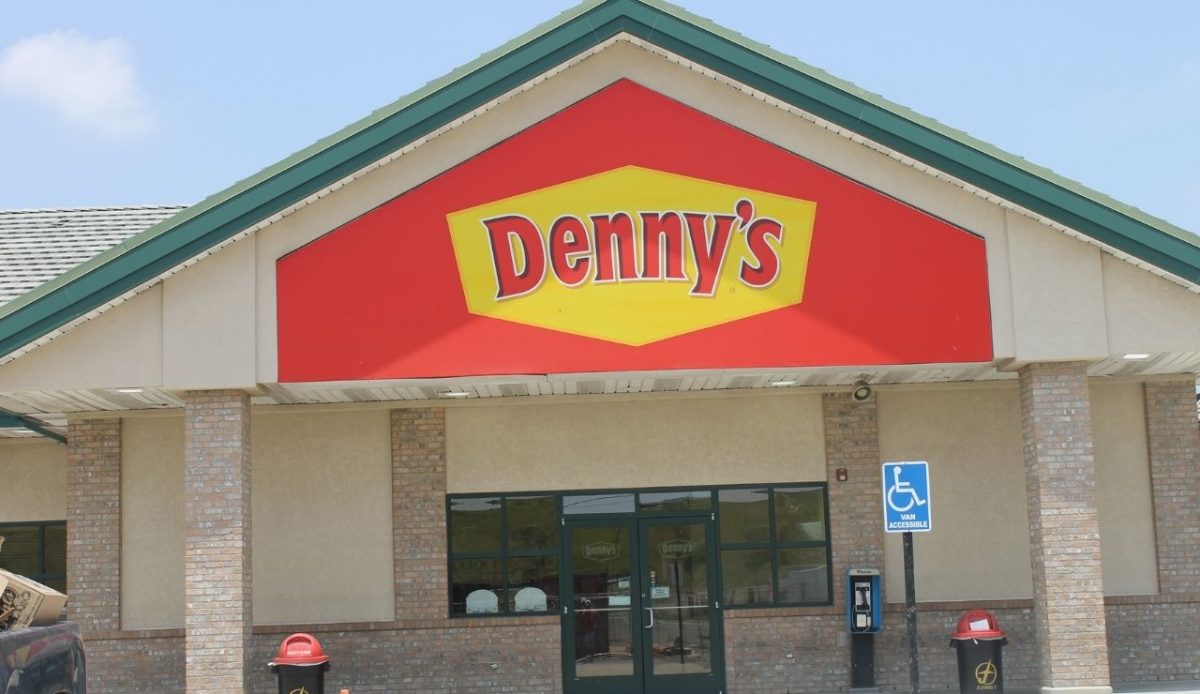
Denny’s became a reliable interchange diner by keeping a broad menu and long hours, often twenty-four hours. Its standardized kitchens made it easy to staff near highways where demand spikes at breakfast and late night.
Recent performance pressure has led to planned contraction. Corporate reporting and coverage indicate that about 150 closures are expected by the end of 2025, aimed at weaker units that cannot meet modern cost targets.
That matters for road travel because closures tend to hit older buildings on costly corners near exits. The brand still operates widely, yet the dense net of familiar yellow signs is thinning on many routes each year.
3. Steak ’n Shake
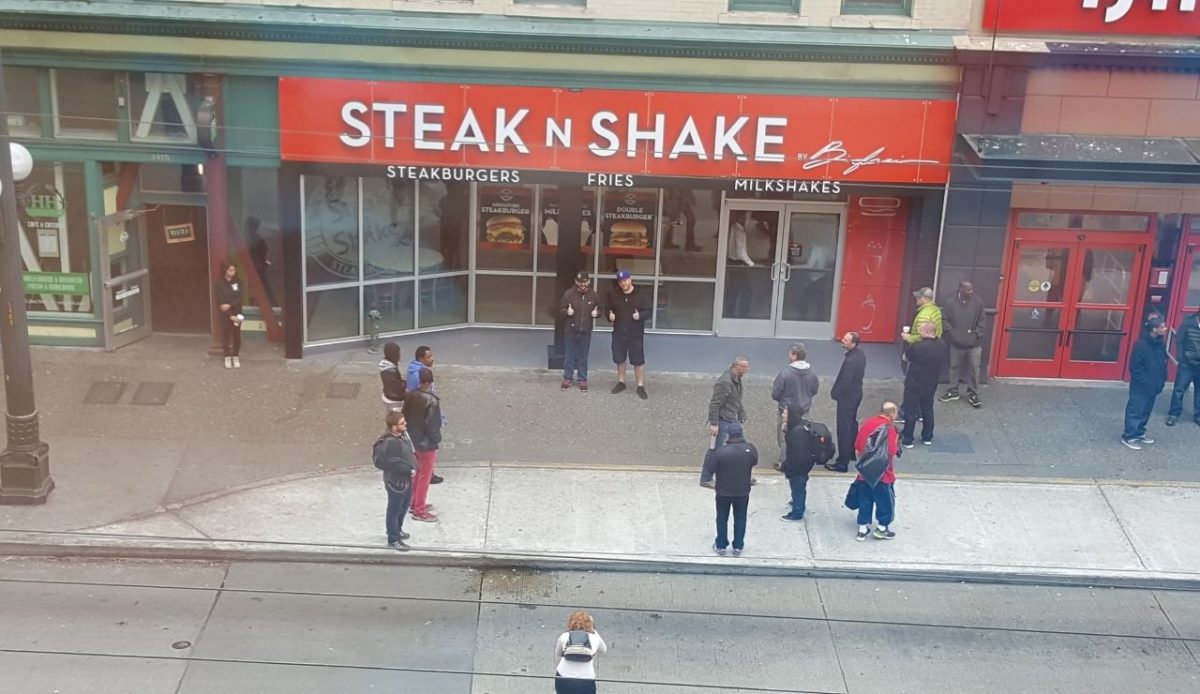
Steak ’n Shake was designed as a sit-down burger stop that still moved fast, which suited long drives. Many stores were built near interstate retail clusters, giving families a full meal break without a long detour.
After a 2018 peak, the chain went through closures, format changes, and a push toward kiosk ordering and franchise partner models. Reports describe roughly two hundred net closures from 2018 through 2024, taking many highway sites off the map.
When a large box closes, it rarely reopens as the same concept because the dining room footprint is costly to run. The result is a visible drop in roadside availability even in states where the brand once felt common.
4. Shoney’s
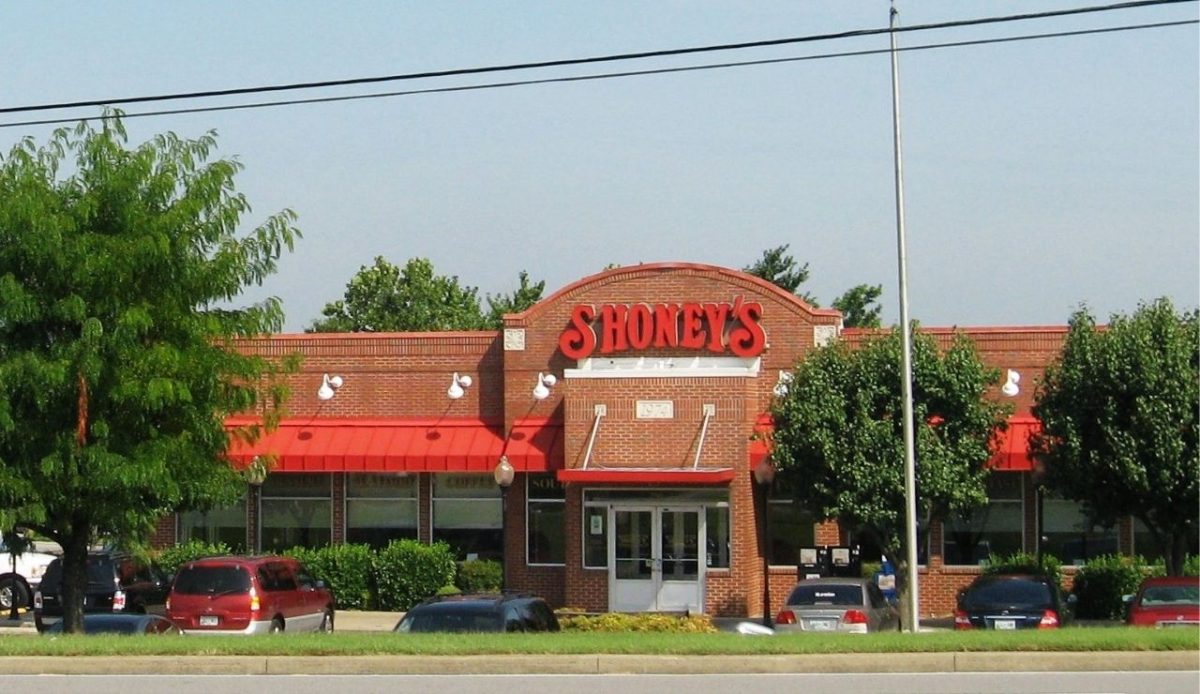
Shoney’s earned its roadside reputation in the Southeast with family dining rooms and buffet service that fit group travel. Tour buses and weekend drivers could count on big seating capacity near exits and predictable comfort food.
As casual dining competition grew and operating costs rose, many locations closed or were converted to other uses. The remaining system is now small compared with its late twentieth-century reach, leaving wide gaps across former strongholds.
For motorists, that shrinkage changes trip planning because a once dependable full-service stop may now be hours away. The chain still exists, but its highway presence has shifted from common to occasional in most states.
5. Long John Silver’s
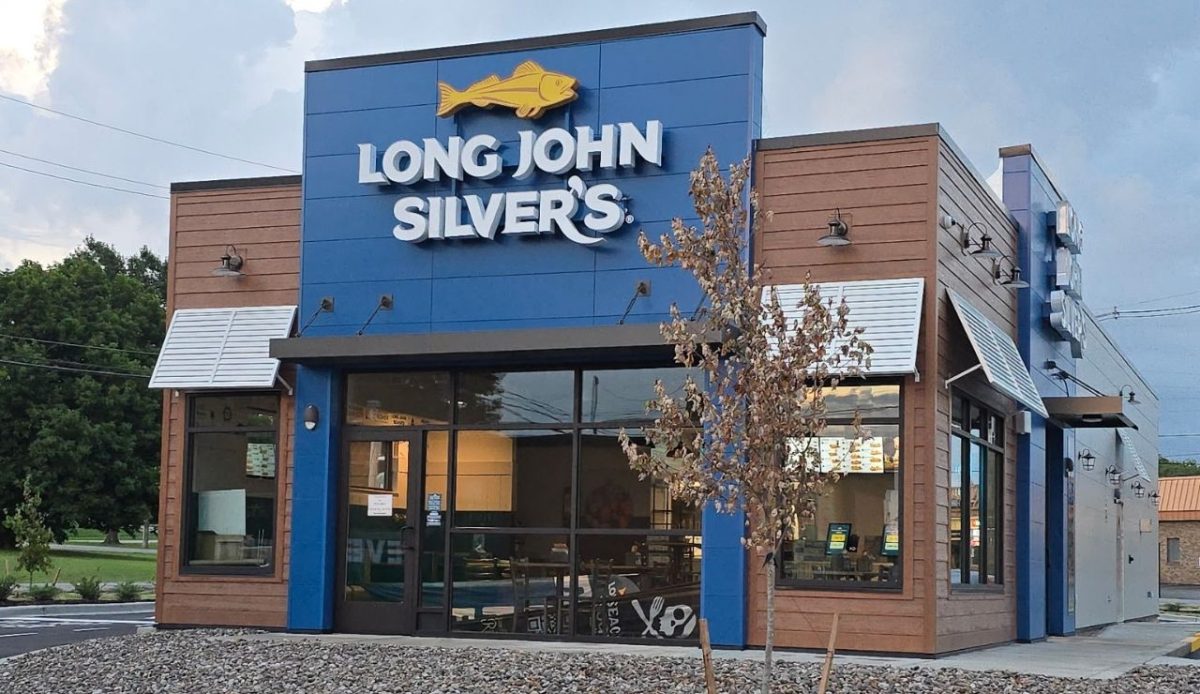
Long John Silver’s offered a rare highway alternative to burgers by selling fried fish, shrimp, and hushpuppies in a quick service format. Its small buildings fit into exit clusters, so it was easy to grab seafood without searching downtown.
Over time, menu costs, aging real estate, and competition from broader fast food players contributed to steady unit declines. Industry tracking places the U.S. store base in the mid-four hundreds after years of net closures.
A shrinking count matters on interstates because the chain was never evenly distributed. When a few units close in a state, an entire corridor can lose the only quick seafood option. That pattern makes the brand feel absent to frequent drivers.
6. Roy Rogers
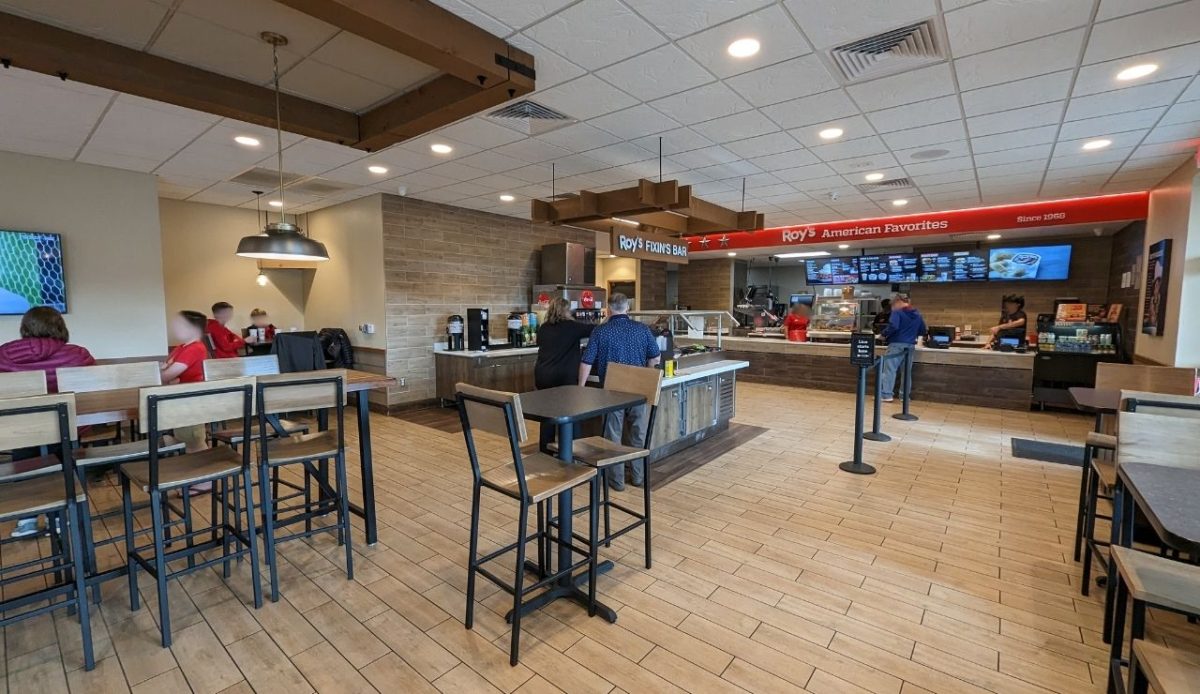
Roy Rogers is tightly linked to turnpikes and travel plazas, especially in the Mid-Atlantic. Its roast beef and fried chicken were built for motorists who needed a fast meal inside a service area without leaving the toll road.
Ownership shifts and a narrower regional strategy reduced the footprint over the decades. Today, the chain operates mainly in a small cluster of states, with several dozen sites compared with its earlier wider reach.
That regional retreat makes it a clear case of a roadside brand disappearing from most American highways. Drivers outside its core area are unlikely to see it at rest stops, and even within the region, some plazas have switched to other operators.
7. Fuddruckers
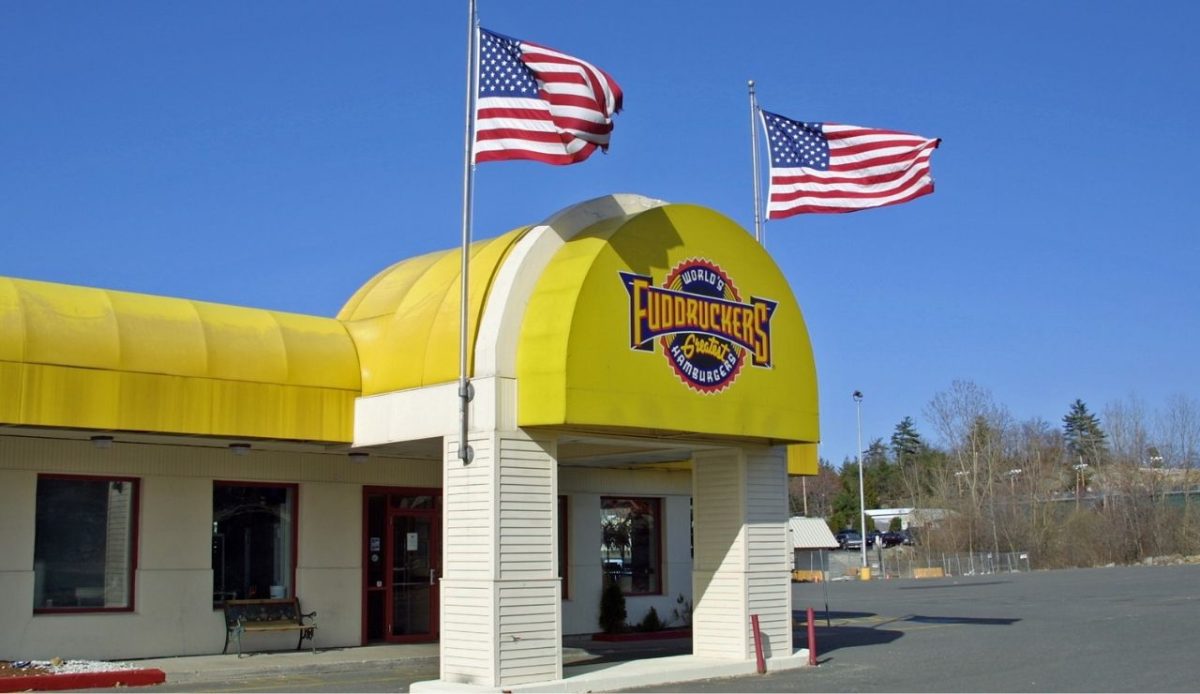
Fuddruckers grew as a destination burger chain with large dining rooms and a build-your-own-toppings bar. Many sites sat near highways in retail zones, which made it convenient for families to stop, stretch, and eat a customized meal.
Financial distress and ownership changes led to widespread closures and a far smaller network. The brand persists through a limited set of remaining restaurants, with roughly dozens of outlets shown in recent directories.
From a highway perspective, that scale change is huge. A chain that once appeared in many metro areas now requires planning to find, and many drivers who remember it from past trips will not see it on current routes.
8. Ponderosa And Bonanza Steakhouses
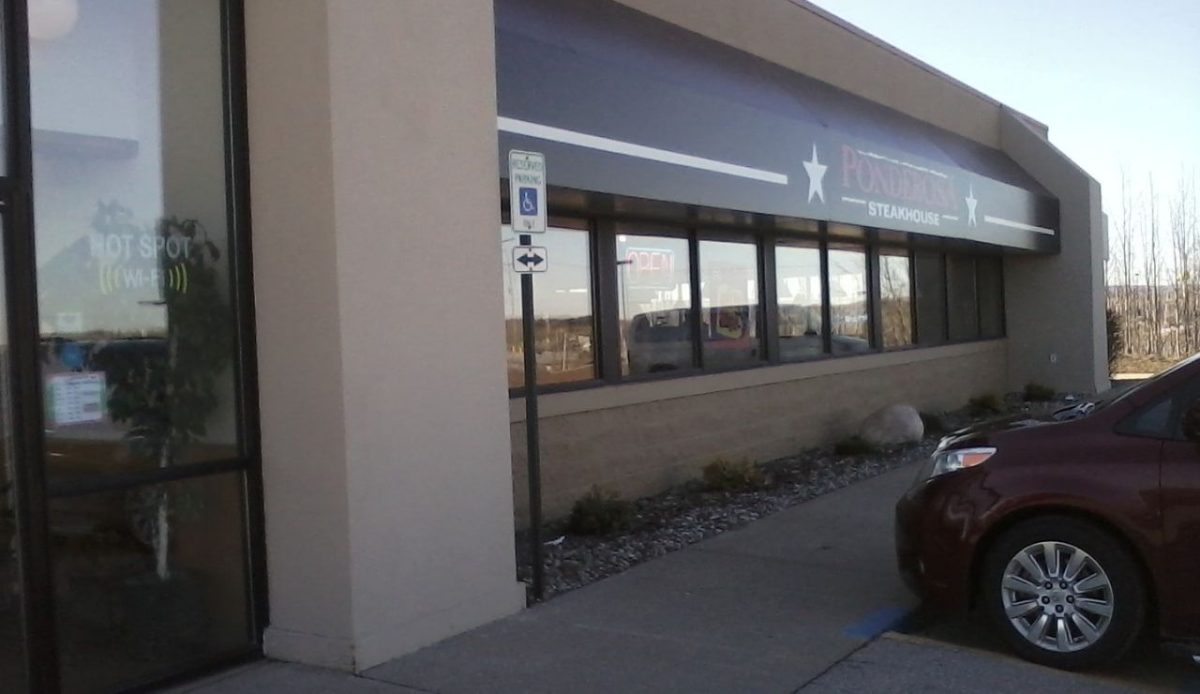
Ponderosa and Bonanza were classic road trip steakhouses for budget-minded families, often paired with buffet lines that served mixed groups quickly. In the late 1980s, the combined system neared seven hundred locations, many placed near major roads.
The buffet model was hurt by shifting tastes and higher labor needs, and the brands shrank for years through closures and restructurings. Public counts as of late 2024 show only a small number left in the United States, around a dozen Ponderosa and three Bonanza.
When a state drops from multiple sites to none, the chain stops being a roadside option and becomes a niche memory. The steep decline fits the idea of disappearing from highways, even though a few outposts still operate.
