
Shorter winters are changing ski town budgets, staffing, and water planning. Warmer nights reduce wet bulb hours, so snow can only be produced in brief bursts, often at higher power costs.
National and regional assessments connect rising temperatures to earlier melt, more midwinter thaws, and a higher rain-to-snow ratio at lower elevations. Reliable openings are being treated as an engineering, permitting, and finance problem.
The towns below show concrete responses such as higher efficiency snow guns, upgraded pipes and pumps, added storage or reclaimed water, and summer products that protect jobs when snow arrives late or ends early by weeks.
1. Vail, Colorado
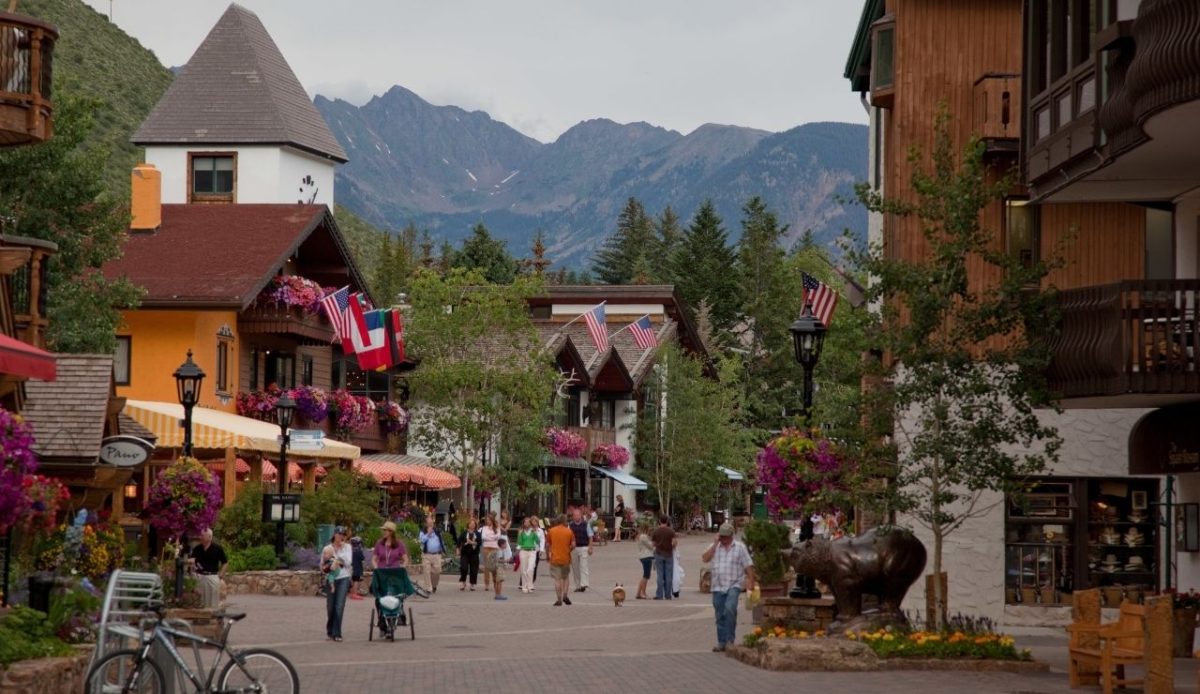
Vail’s operations now depend less on natural storms and more on fast snow production. Large parts of the front side can be covered with high-output fan guns that run when temperatures dip, and humidity cooperates.
Automation helps crews target wet bulb windows and avoid marginal conditions that make slushy piles. Priority routes are built first, so lessons, lifts, and connectors open reliably for holiday travel. Snow is pushed and stored in shaded zones to bridge thaws.
To reduce exposure to mild winters, summer lift access supports biking and alpine sightseeing. That keeps lodging and restaurant demand steadier when the ski season starts late, and staffing costs rise.
2. Aspen Snowmass, Colorado
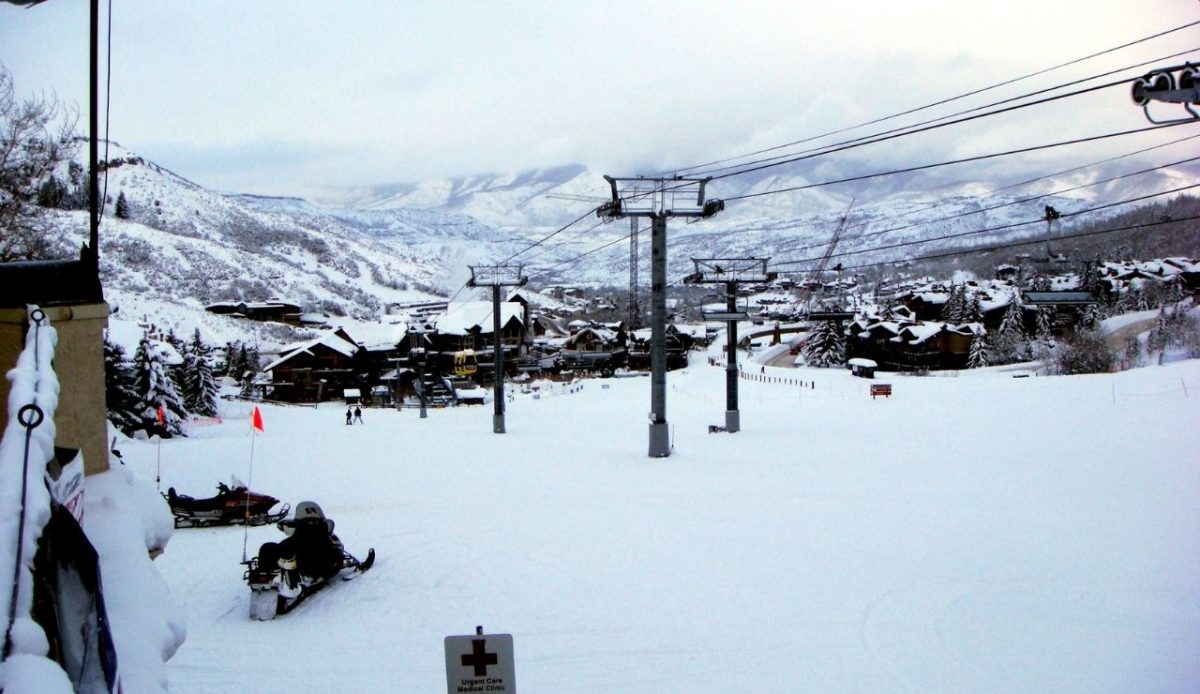
Aspen and Snowmass focus on keeping a durable base on high-use trails during variable starts. Newer snow guns can make smaller droplets, which freeze faster and hold up better through mild spells and sun exposure.
Compressed air and water systems are tuned to improve output per gallon, and pumping schedules are matched to off-peak demand where possible. When cold snaps are brief, crews cover key pods quickly, then rebuild thin spots after rain or wind.
Warm season revenue is being built through lift-served biking, events, and trail access. A stronger summer calendar spreads jobs across the year and lowers dependence on a long winter for local tax receipts.
3. Park City, Utah
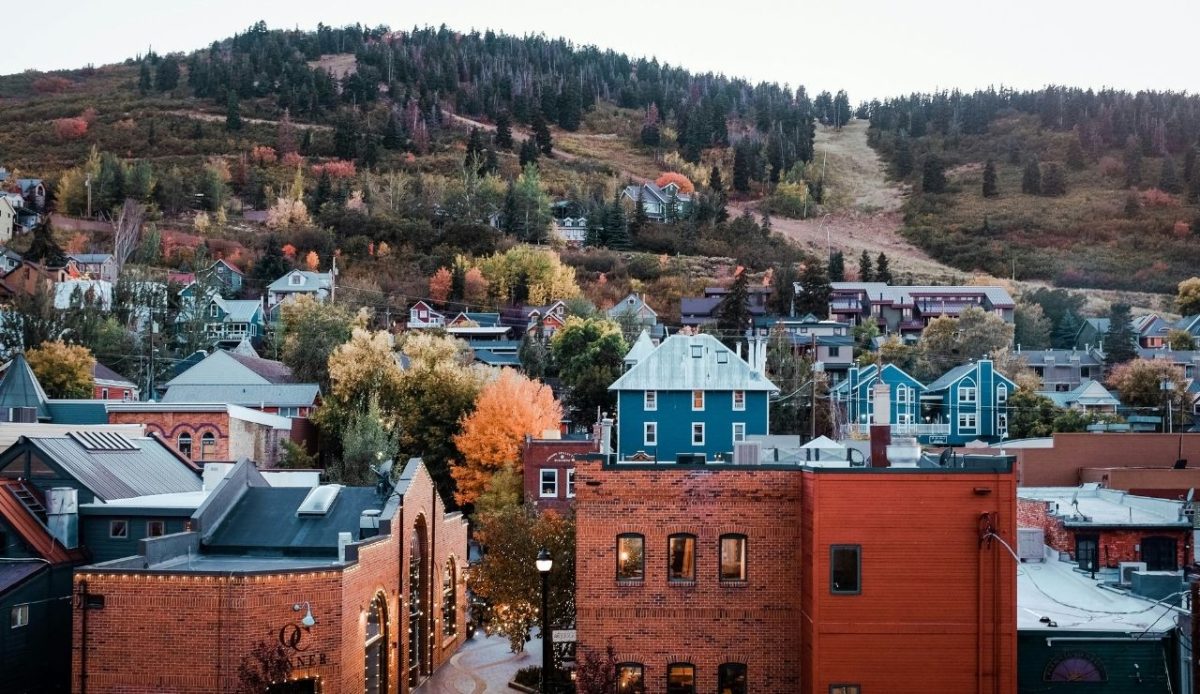
Park City relies on rapid early-season snowmaking to protect holiday bookings. Fan guns and automated controls let teams respond quickly when a cold window opens for only a night or two, which is common in shoulder season.
Base depth is prioritized on beginner terrain and main connectors, since closures there ripple through the whole network. Better metering and nozzle control reduce water loss to wind drift during marginal temperatures, while grooming packs machine snow into a longer-lasting layer.
To balance warmer winters, the town promotes summer lifts, bike parks, and large events. Visitor demand then supports hotels and transit even when natural snowfall is delayed by weeks.
4. Palisades Tahoe, California
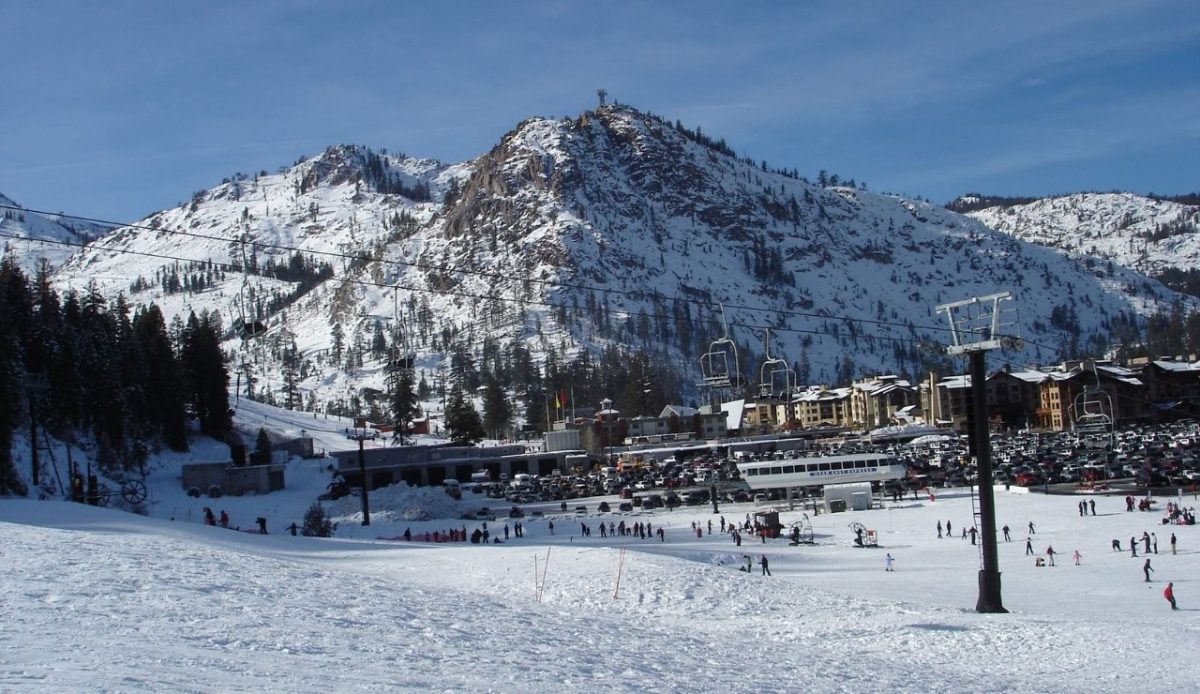
Palisades Tahoe faces big swings because Sierra storms can cluster, then disappear for weeks. Snowmaking has been expanded so core terrain can open without waiting for a deep natural base, especially at lower elevations where rain is more likely.
Water storage and delivery matter in dry starts, and higher efficiency guns help stretch limited flow while cutting power draw per cubic foot. When warm rain hits, operators rebuild key runs with machine snow that resists melt better than fresh powder. Snow is also moved to sun-exposed choke points.
Lake Tahoe towns lean into four-season demand. Summer lake travel, trail use, and bike access keep occupancy higher when winter arrives late or ends early.
5. Stowe, Vermont
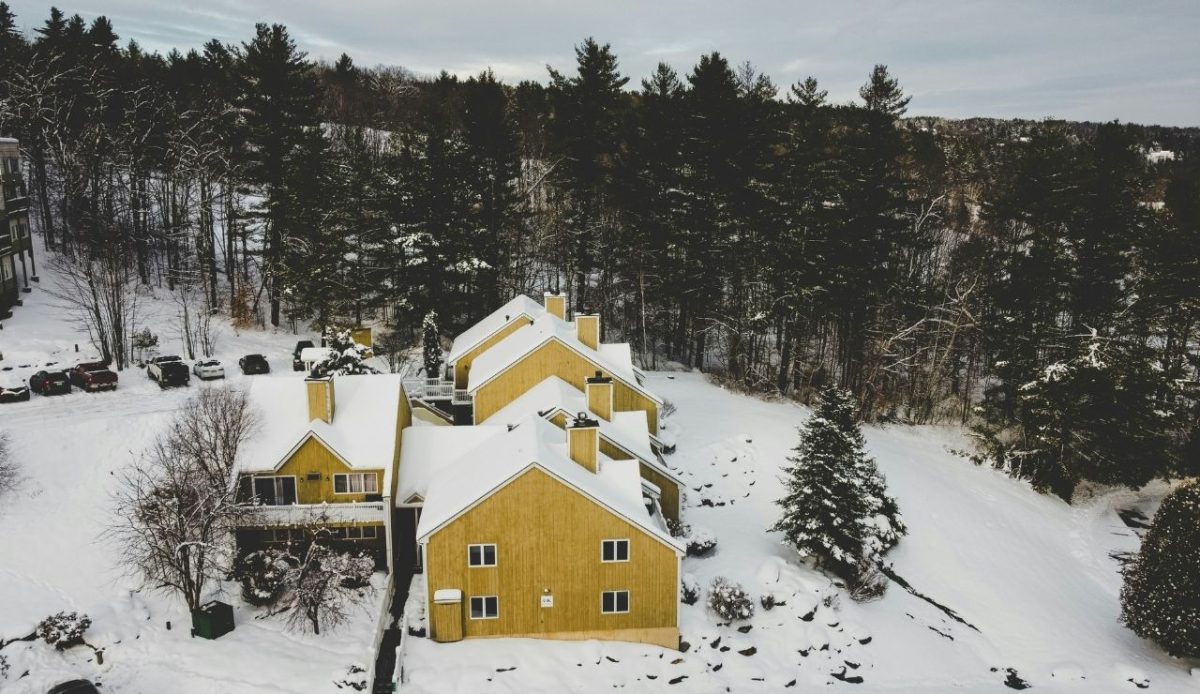
Stowe is a clear example of Eastern skiing adapting to more thaws and rain events. Automated snowmaking allows rapid coverage when temperatures fall below freezing for short periods, even when humidity changes hour to hour.
Machines adjust flow and air ratio based on real-time weather, improving consistency and reducing wasted water. Storage ponds and stronger pumps help deliver volume when cold snaps arrive. A thicker manmade base is maintained through freeze-thaw cycles with frequent grooming and resurfacing.
The town also leans on foliage travel, food weekends, and cycling to support businesses. That broader calendar reduces revenue shocks from shortened winters and protects seasonal jobs.
6. Jackson Hole, Wyoming
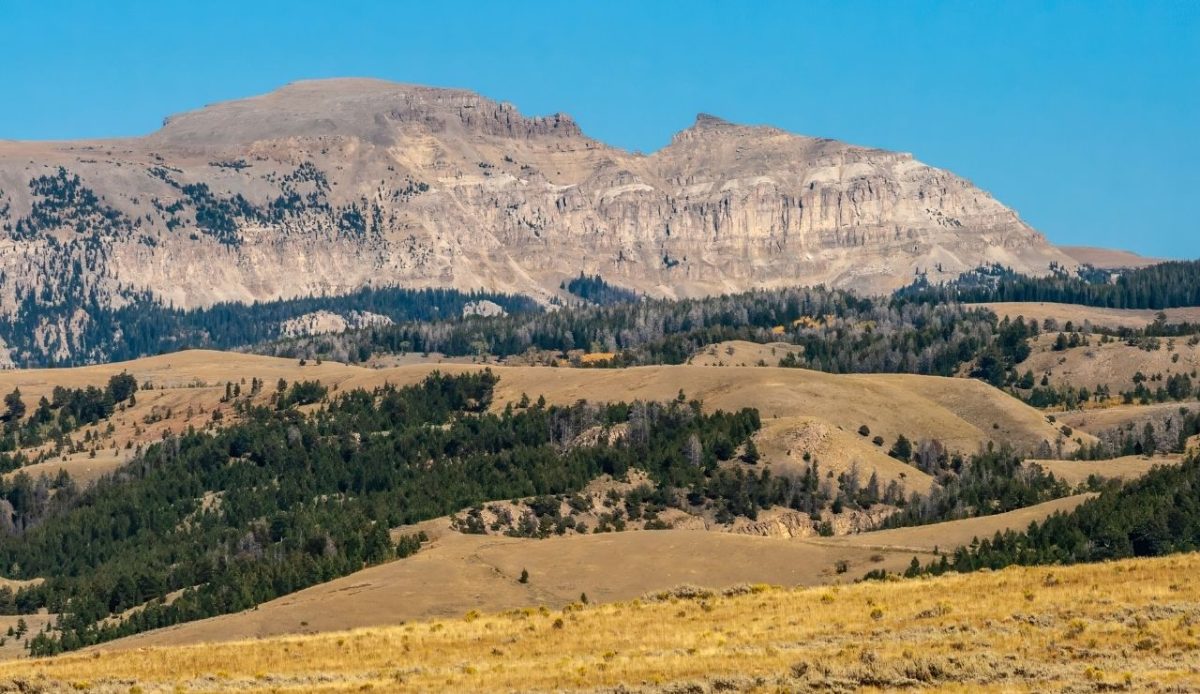
Jackson depends on reliable access runs that link the base area to mid-mountain lifts. Snowmaking on lower elevation routes helps protect openings when early storms miss the valley and when snowlines rise during warm spells.
Because cold windows can be brief, crews focus on compacting machine snow into dense layers that handle sun and wind. Monitoring systems guide start and stop decisions, since making snow above freezing wastes water and power. More efficient guns also reduce the air demand that drives energy use.
The area has built a stronger warm season offer, including hiking services, bike trails, and guided routes. Those activities help local employers keep staff beyond winter and stabilize sales tax collections.
7. Big Sky, Montana
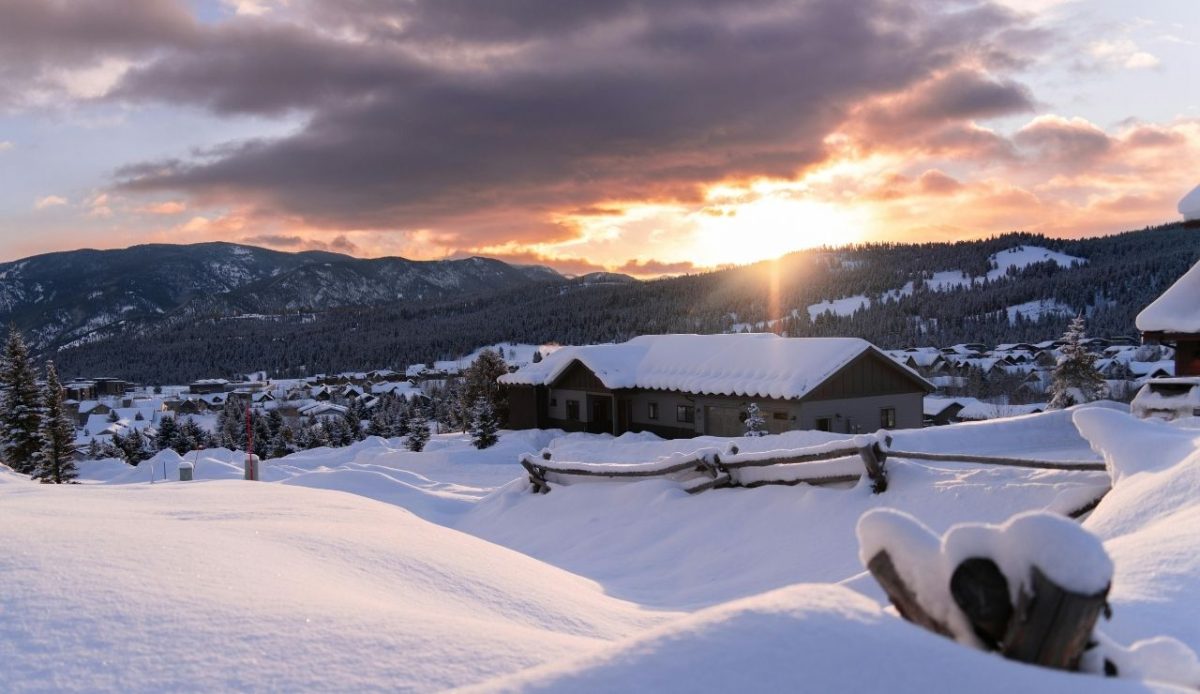
Big Sky has looked at water risk as closely as snowfall risk. Using treated wastewater for snowmaking has been pursued so that limited fresh supplies are not the only option in dry years and during drought restrictions.
Reclaimed water requires careful treatment and monitoring, plus permits tied to discharge and stream standards. It can add resilience when demand peaks during short cold periods. Efficient guns and tighter controls help convert that water into durable snow with less loss to drift and evaporation.
Summer growth reduces winter dependence. Trail networks, lift-served biking, and events bring visitors during warm months, supporting housing and service jobs when winters shrink.
8. Sun Valley, Idaho
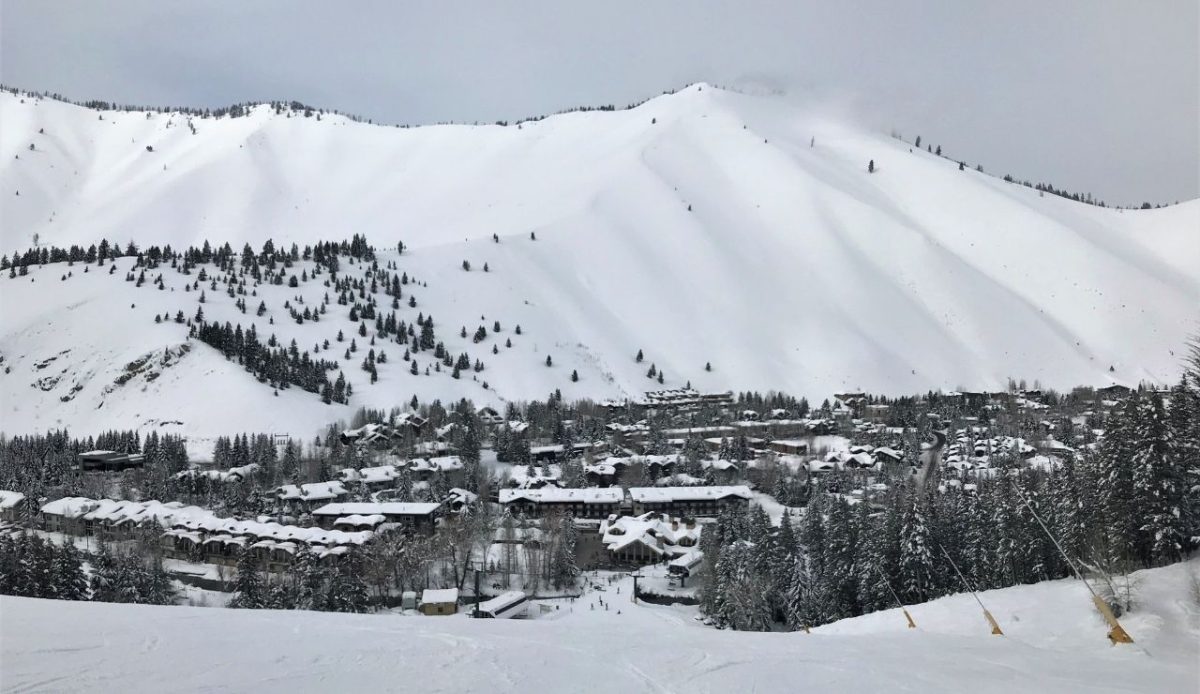
Sun Valley has invested in wider snowmaking coverage to keep signature runs open through variable starts. Newer fan guns can operate at slightly warmer margins, but output still depends on wet bulb limits and wind speed.
Energy and water use are managed through better valves, pumps, and automation that match production to conditions. Crews build an early base, then refresh thin areas after thaws instead of waiting for natural storms. Grooming compacts the surface so it lasts through the sun.
Ketchum and the resort market host summer festivals, cycling, and hiking to hold demand outside winter. That helps hotels and restaurants avoid sharp swings when snow seasons shorten.
9. Whistler, British Columbia
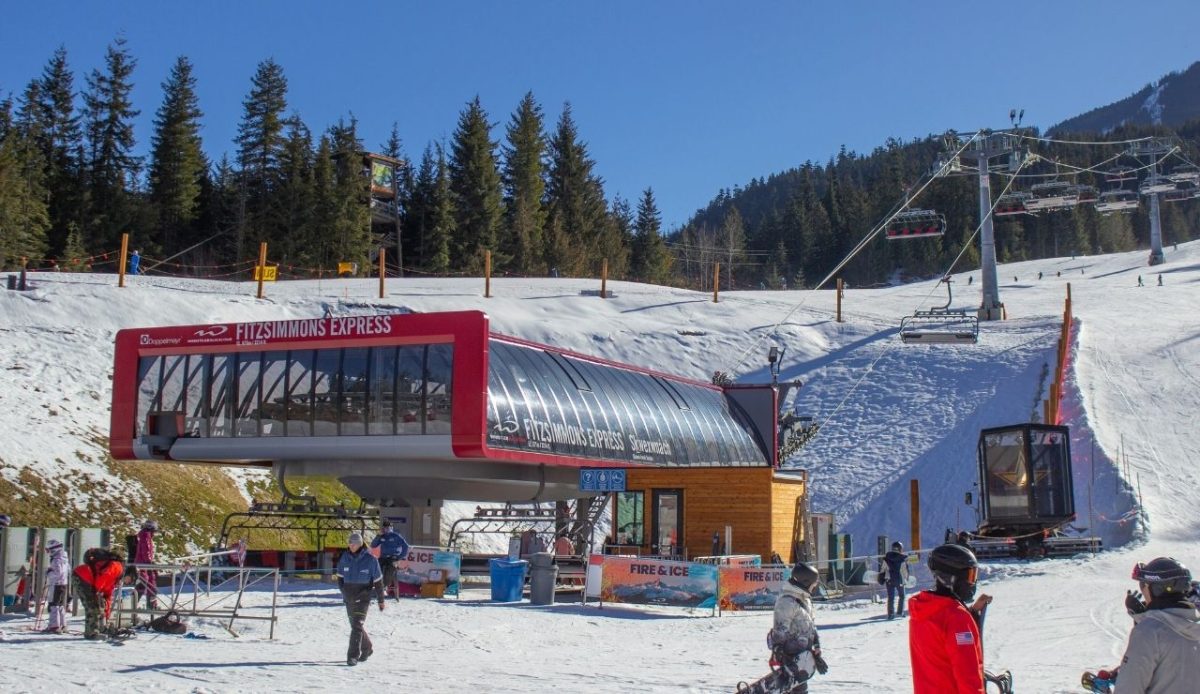
Whistler manages a large vertical range, so warming affects base areas more than upper terrain. Snowmaking is used to secure lower mountain links that are most vulnerable to rain, thaw, and a higher snowline.
Operations rely on forecasting to time production, since coastal humidity and temperature swings can narrow usable hours. Efficient guns, strong pumping, and careful grooming keep high traffic runs skiable during mild spells. Drainage and slope work also reduce damage from rain-on-snow events.
All-season products are central to the local economy. Mountain biking, hiking access, and large events keep visitor volume steadier even when winter starts later than expected.
10. Killington, Vermont
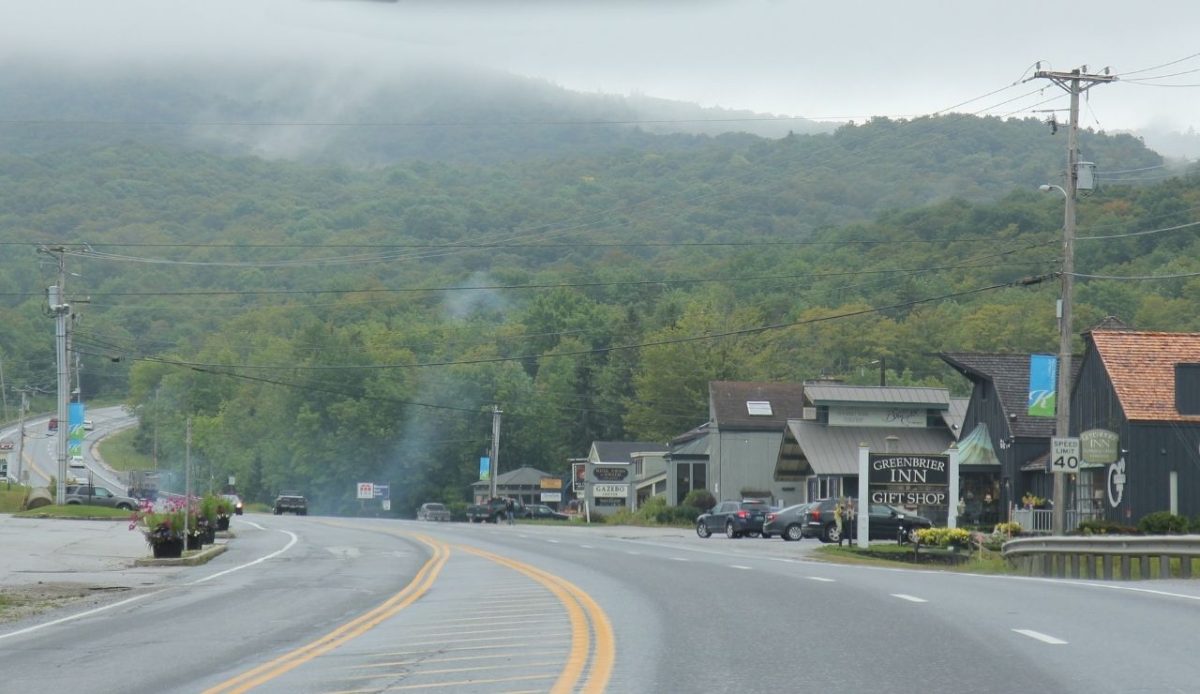
Killington has long depended on snowmaking to extend the season, and warmer winters increase that reliance. Pipe upgrades and modern guns support faster coverage when short freezes appear, especially in November and April.
The goal is a dense base that survives rain and repeated thaw cycles common in the Northeast. Automation helps match output to conditions, reducing wasted water while still reaching target depths on core trails. Snow is also pushed to thin spots to maintain continuity.
Warm-season development matters. Bike parks, events, and lift access keep the town’s lodging and food economy active when winter is shorter and less predictable.
