
U.S. road trips rely on interstates, many states built during the 1956 system buildout and the decades after. Much of the core concrete and steel is now past its original design life for current loads each year.
Today, freight volumes, commuter peaks, and extreme weather stress older pavement, bridges, and slopes. When shoulders are narrow and ramps are short, a small crash can lock up miles.
This guide flags seven corridors where age, geometry, and repair cycles often clash with modern trip planning. Each example is a specific segment where delays, detours, or safety limits are repeatedly documented by state and regional transportation offices.
1. I-10 Calcasieu River Bridge Corridor, Louisiana
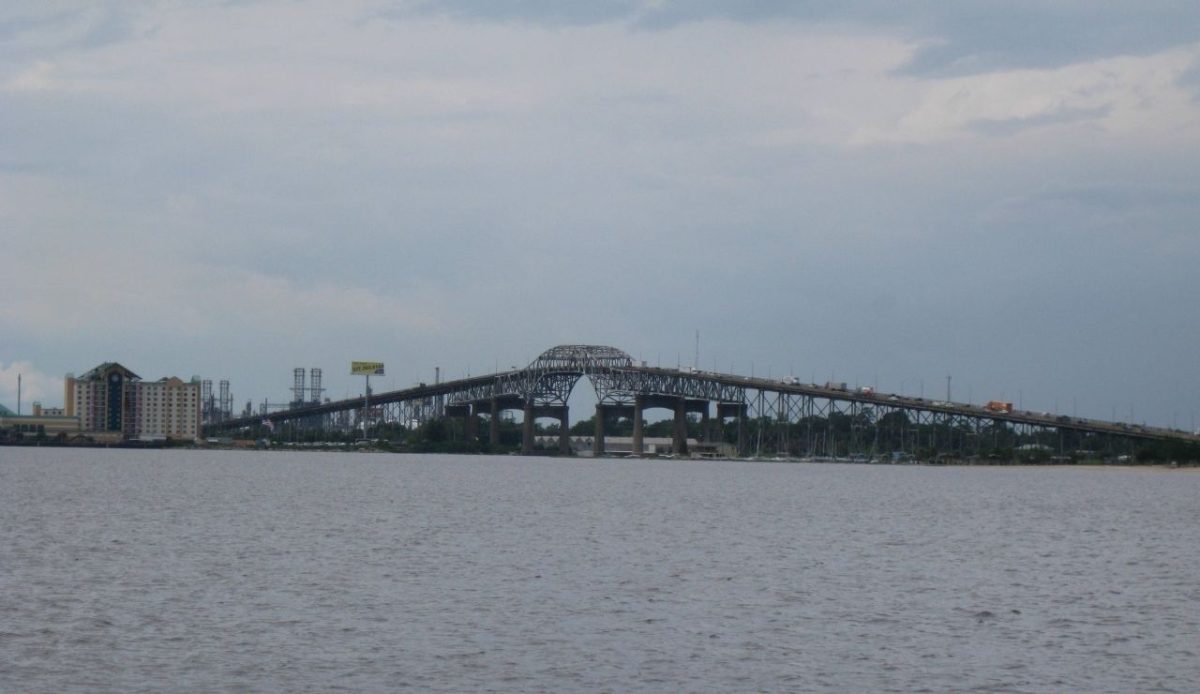
The I-10 Calcasieu River Bridge in Lake Charles dates to 1952 and funnels interstate traffic over a high arch with tight shoulders. Lane width and sight lines reflect mid-century standards, not today’s truck mix or regional growth.
Louisiana planning materials have described the bridge as structurally deficient and functionally obsolete. That combination means more inspection, more work zones, and less tolerance for a disabled vehicle.
For drivers linking Houston to the Florida Panhandle, this single crossing can decide arrival time. Limited alternate routes force long queues when a crash, storm, or routine maintenance closes even one lane.
2. I-40 Pigeon River Gorge, Tennessee And North Carolina
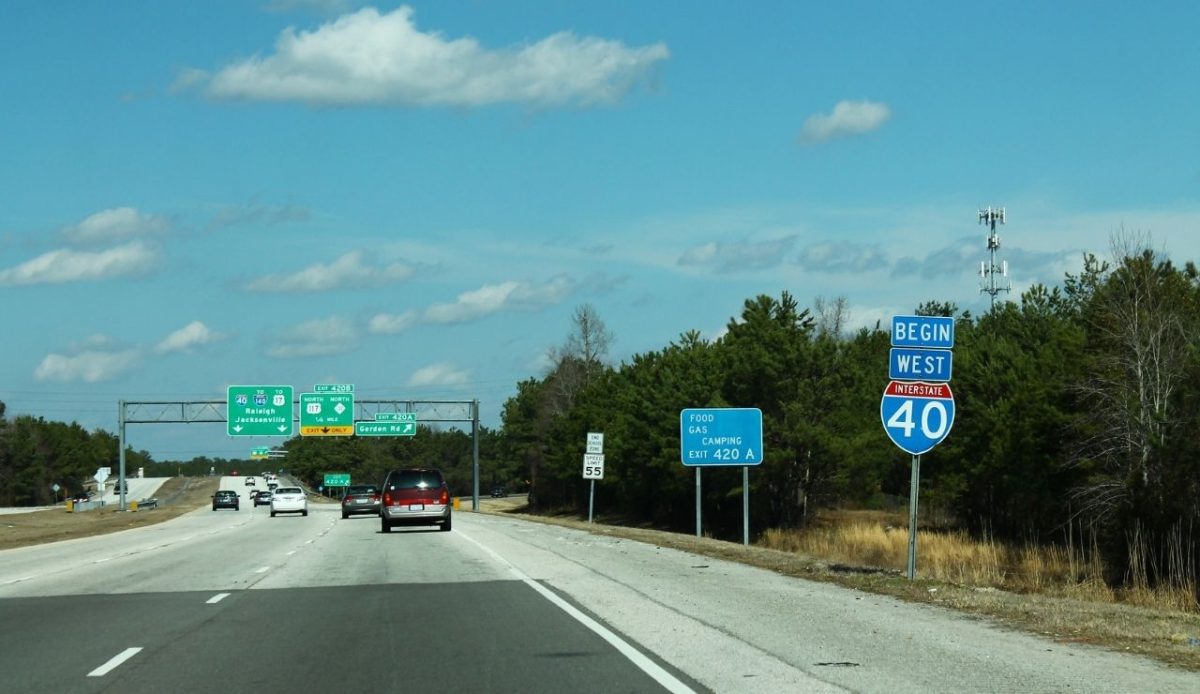
I-40 through Pigeon River Gorge was cut into steep terrain where rock faces sit close to the travel lanes. Older drainage and slope systems are asked to handle heavier downpours and faster runoff across the gorge.
After major flood and slide damage, long closures and narrowed traffic patterns have been used while repairs and stabilization proceed. Even when open, limited shoulders reduce recovery space for crashes and breakdowns.
For modern road trips between Knoxville and Asheville, detours can add hours and push fuel stops out of rhythm. This corridor shows how an aging mountain alignment can turn weather into a trip-wide scheduling problem.
3. I-5 Interstate Bridge Crossing Oregon And Washington
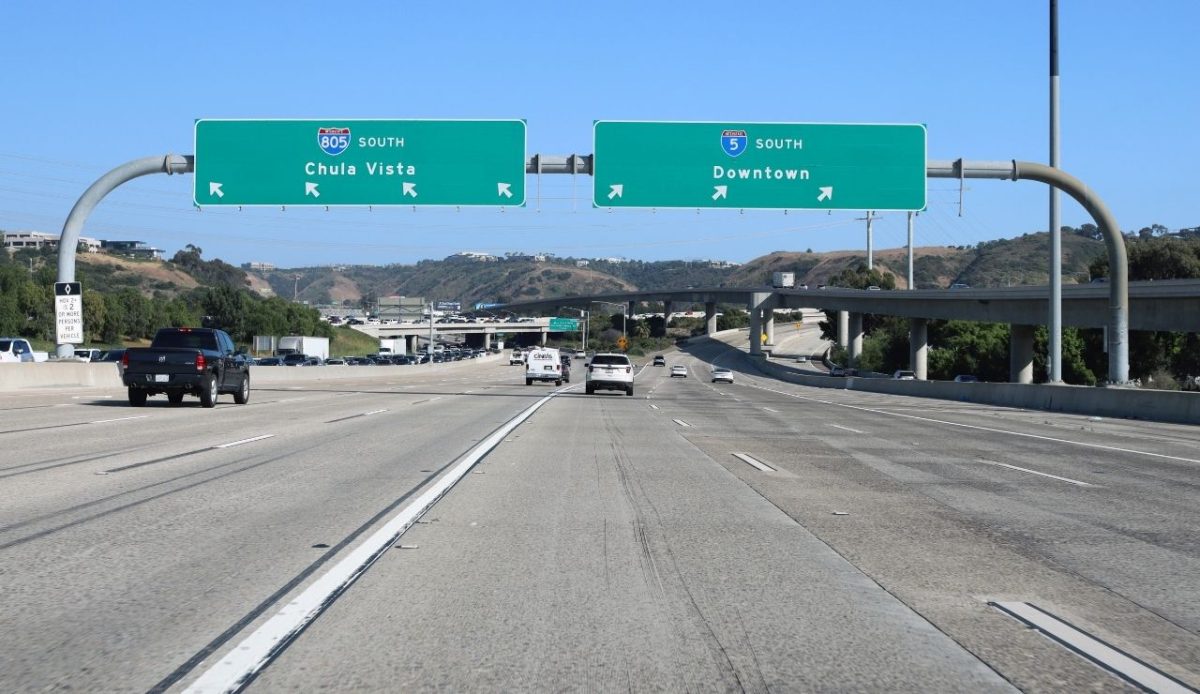
The Interstate Bridge on I-5 links Portland and Vancouver with spans from 1917 to 1958. It includes a lift section and narrow shoulders that still fall short of current interstate design expectations.
Regional replacement planning has highlighted seismic risk and chronic congestion at the crossing and approaches. The bridge also lacks a modern incident management space, so response time can translate into longer backups.
For travelers running the full West Coast, this chokepoint can break a carefully timed day of driving. High commuter demand overlaps with freight, so delays often peak at the same hours road trippers want to pass through there.
4. I-70 Eisenhower Johnson Memorial Tunnels Corridor, Colorado
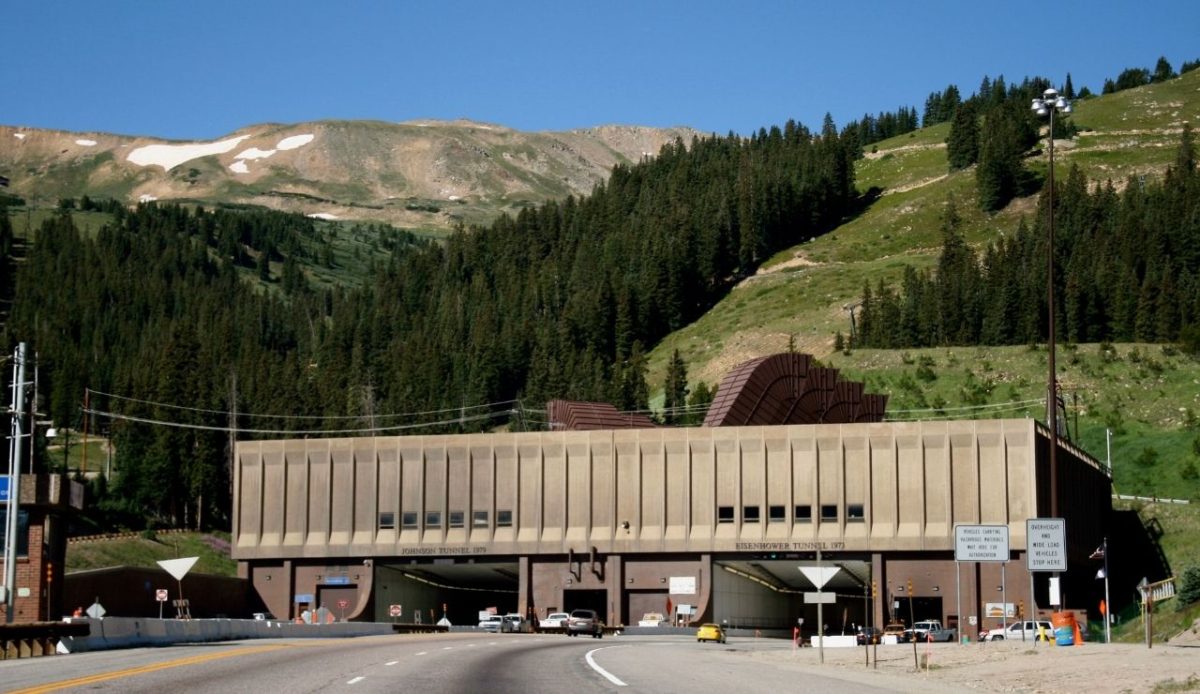
I-70 at the Eisenhower Johnson Memorial Tunnels carries traffic under the Continental Divide at extreme elevation. Opened in the 1970s, the corridor now sees demand from freight and year-round recreation that outpaces early forecasts.
Colorado transportation reports note recurring rehabilitation of tunnel systems, ventilation, lighting, and approach structures. Work is often scheduled overnight, yet closures still affect daytime travel when incidents stack up.
Add snow, chain rules, and steep grades, and a small slowdown can spread quickly through the narrow valley approaches. For road trippers crossing Colorado, the practical issue is reliability, not distance on the map.
5. I-71 And I-75 Brent Spence Bridge Corridor, Ohio And Kentucky
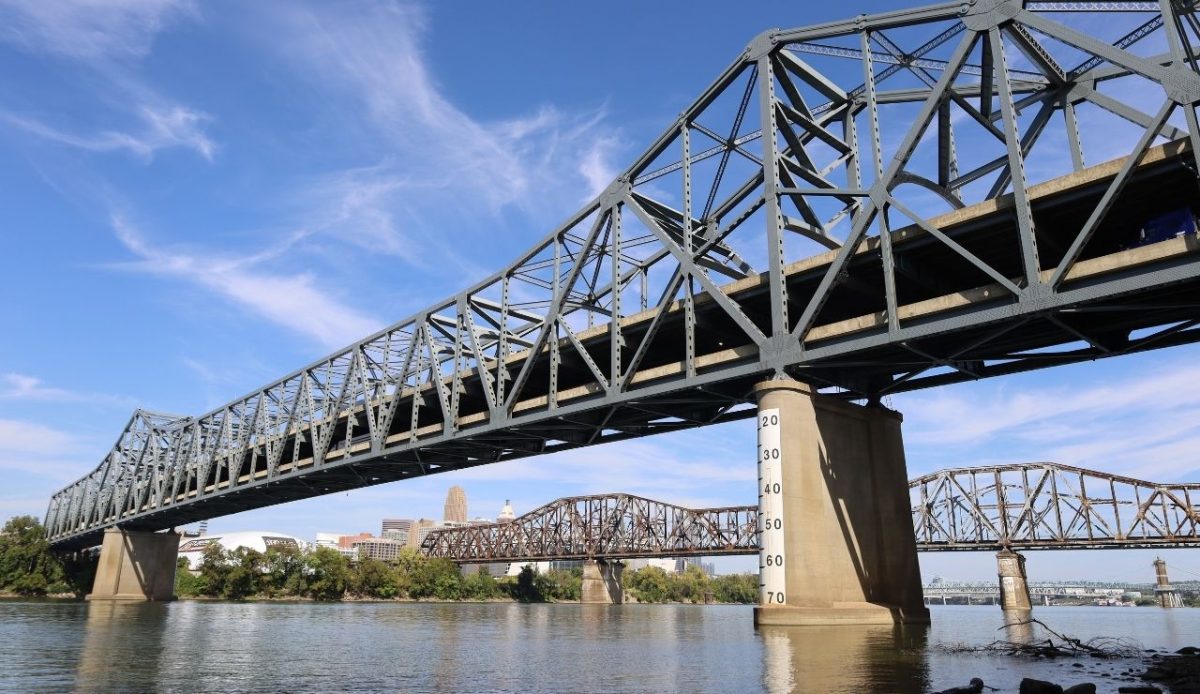
The Brent Spence Bridge carries both I-71 and I-75 across the Ohio River between Cincinnati and Covington. It opened in 1963, was later restriped, and still lacks full-width shoulders that modern incident response depends on.
Traffic counts have long exceeded the bridge’s original design assumptions, with a heavy share of trucks. Regional plans have labeled the corridor functionally obsolete because geometry and capacity no longer match demand.
For a north-south road trip, this pinch point can erase time gained on rural stretches. A stalled vehicle or minor fender bender can block a lane, and the resulting queue can extend for miles in peak periods.
6. I-81 Syracuse Viaduct Corridor, New York
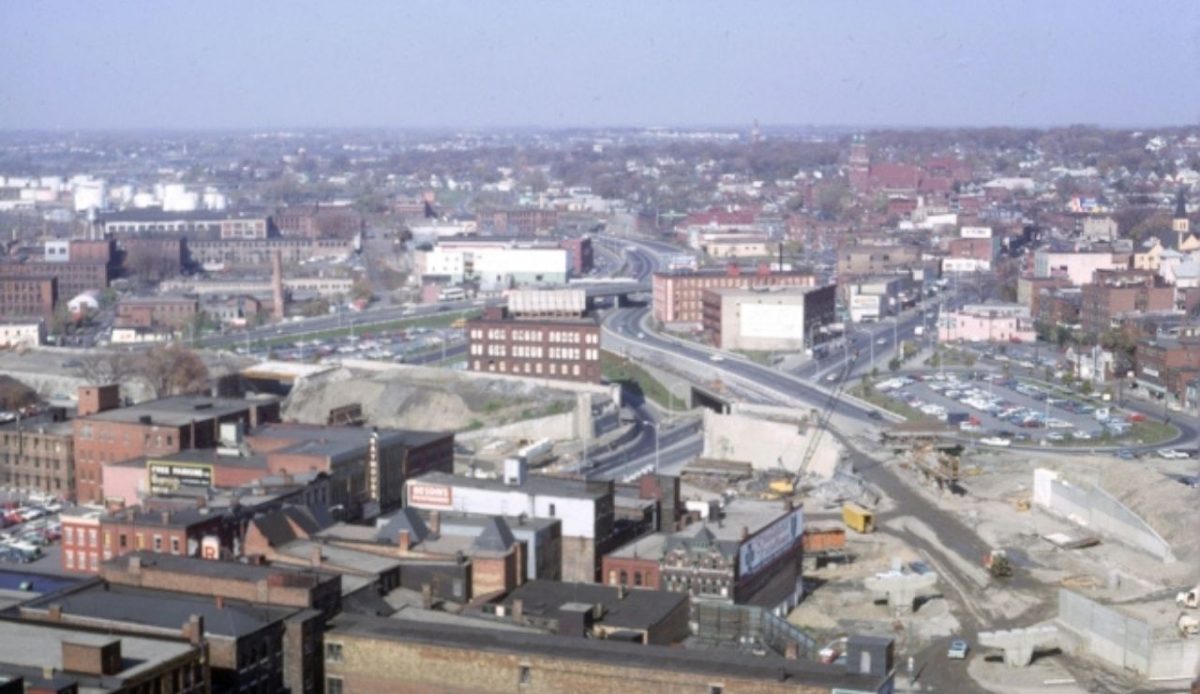
The I-81 viaduct through Syracuse was built in the 1950s and 1960s as an elevated urban freeway. Its aging deck and supports have required repeated repairs while traffic moves within tight work zones. Noise walls and nearby buildings further limit expansion options.
New York’s long-running corridor program is driven by structural condition, plus outdated ramp spacing and left-side merges. Those features increase conflict points and reduce the margin for error at highway speeds.
For travelers crossing upstate New York, lane shifts and detours can change from season to season. The key road trip drawback is inconsistency, since the same route can perform very differently on different weekends.
7. I-195 Washington Bridge, Rhode Island
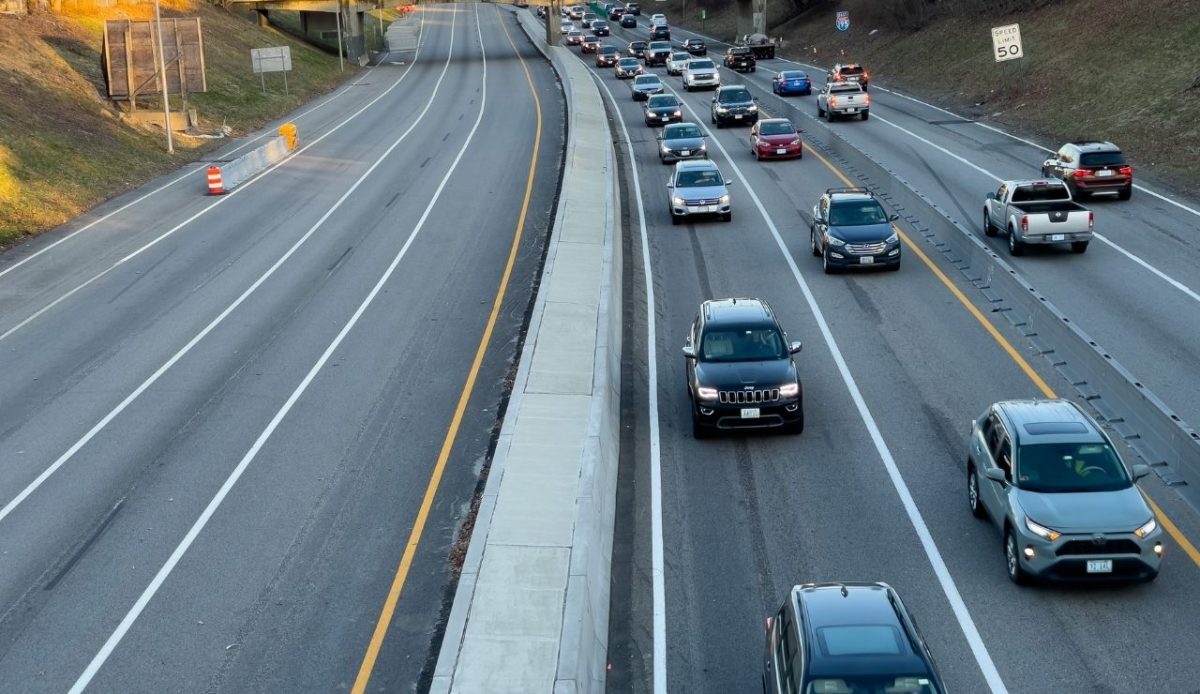
The Washington Bridge on I-195 links Providence with East Providence on a core coastal connector. A major structural problem on the westbound span led to emergency closure and long detours across the metro area.
Once a bridge loses capacity, congestion spreads to alternate routes, ramps, and local streets not designed for interstate loads. Rhode Island’s response has involved extended traffic management and plans for major reconstruction.
For road trippers moving between Boston area routes and southern New England beaches, the risk is sudden delay. This case shows how aging bridge elements can force region-wide rerouting with little warning.
