
Remote work is reshaping how Americans travel to smaller destinations. Instead of quick weekends, many visitors now book two to eight-week stays and work between hikes, museums, or lake days while keeping their home city paychecks.
Weekday occupancy and restaurant lunch traffic tend to rise, and demand grows for reliable broadband, quiet rooms, and flexible check-in. At the same time, long blocks can reduce inventory for short vacations and tighten local rentals.
Tourism offices and city planners have adjusted with work-friendly itineraries, new coworking desks, and revised vacation rental rules. The towns below show the clearest travel shifts tied to remote work patterns.
1. Asheville, North Carolina
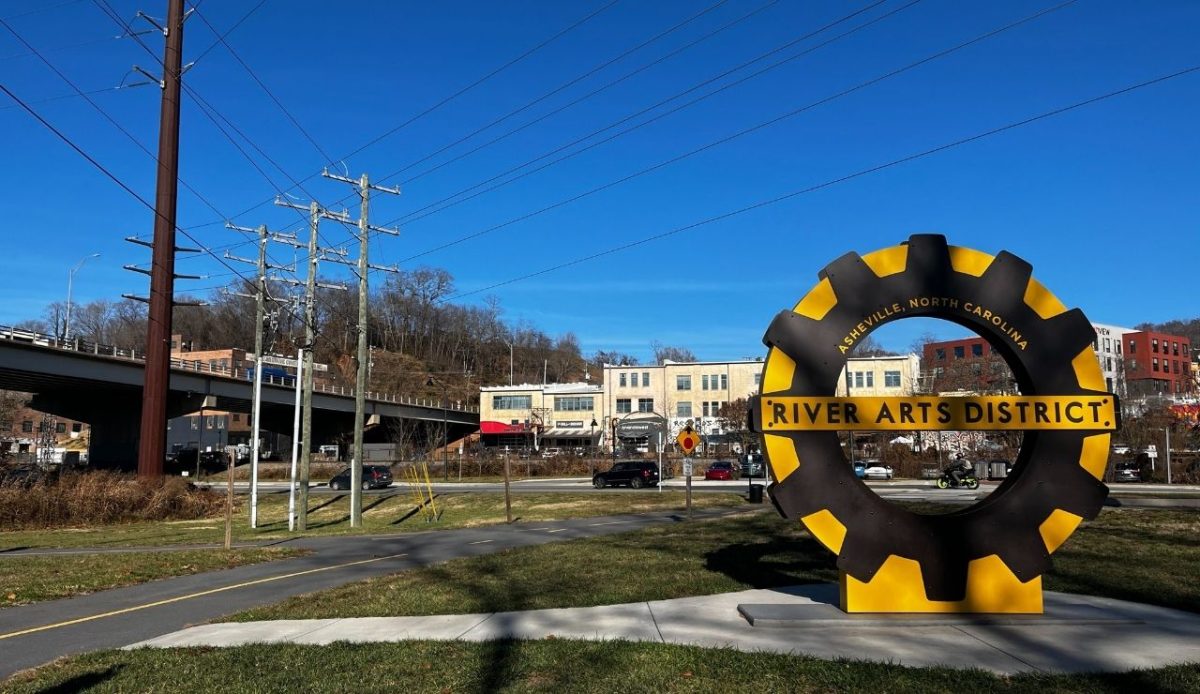
Asheville draws remote workers who want Blue Ridge access with city amenities and a strong food culture. Lodging demand has shifted toward Tuesday through Thursday stays, so hosts price longer blocks and advertise dedicated work corners.
Coworking rooms and private desk rentals have expanded near downtown, West Asheville, and the River Arts area. Cafes see steady laptop traffic outside peak leaf season, which supports lunch service and daytime retail that once lagged.
Long stays can compete with local housing, so rental permitting and enforcement are part of the travel debate. Many visitors now plan around meeting schedules, using Biltmore visits or brewery tours for late afternoons and weekends.
2. Bozeman, Montana
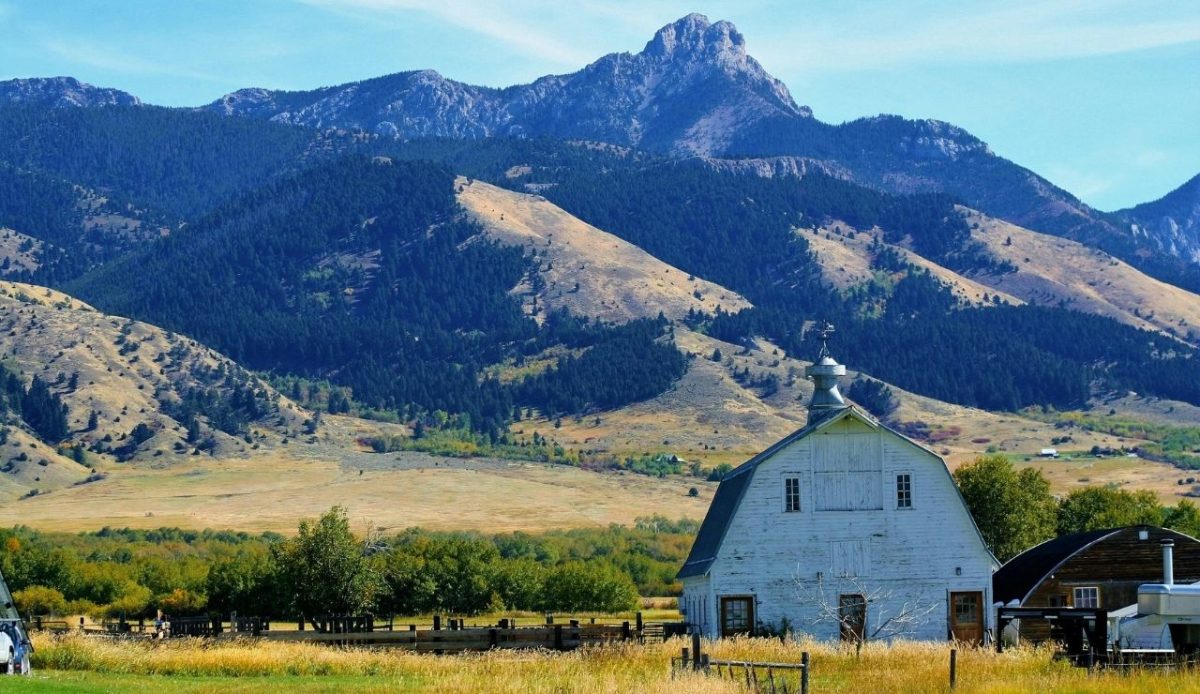
Bozeman sits near Yellowstone gateways and major skiing, and remote employment has increased the share of visitors who stay for a month or more. That stretches demand beyond traditional vacation weeks in the Gallatin Valley.
Hotels and rentals see steadier winter weekdays, not only holiday surges. Listing photos now feature desks, extra monitors, and speed tests, showing that work requirements influence where travelers book and how long they remain.
Housing costs rose quickly, which affects service staffing and the number of homes available for short stays. Local shops gain stable shoulder season sales, while planners weigh growth against water, roads, and airport capacity.
3. Bend, Oregon
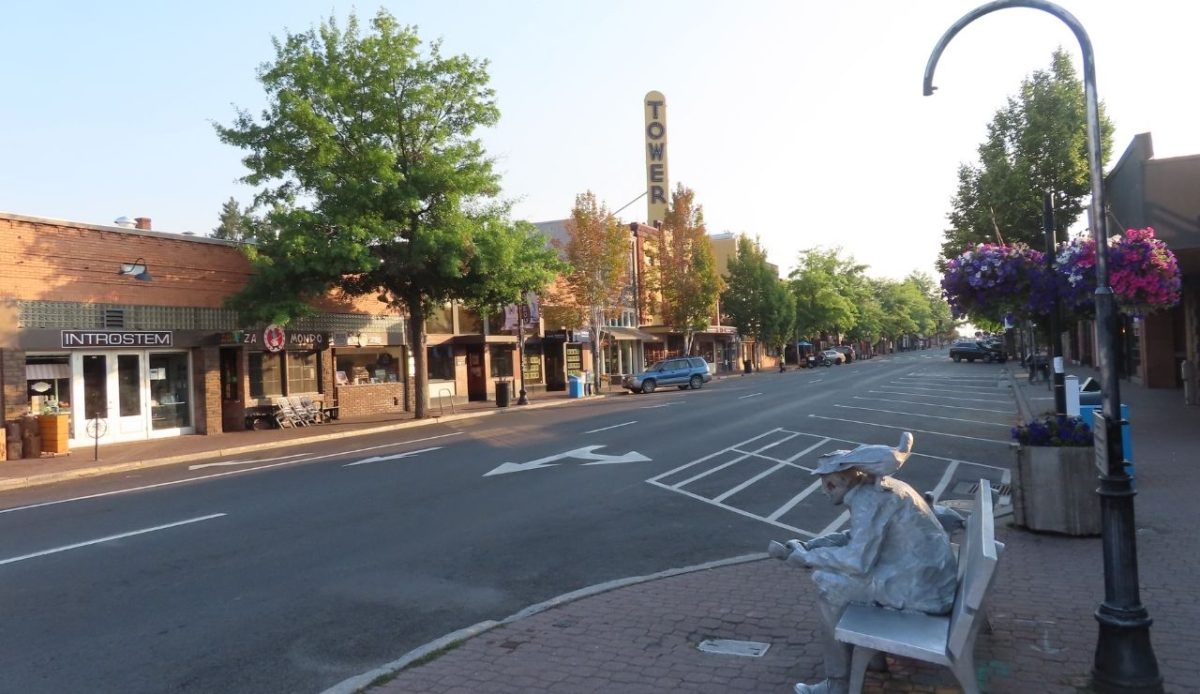
Bend appeals to remote employees who want trails, rivers, and a brewery scene without daily commuting. Travel has shifted from short summer vacations toward longer stays that include full workweeks.
Vacation rentals are frequently booked in monthly blocks, which changes cleaning turnover and pricing. Coworking spaces and quiet rooms have become common add-ons, and weekday cafe demand stays strong during shoulder seasons.
With more residents arriving through remote jobs, housing pressure influences tourism policy. Visitors often schedule outdoor time early or late, keeping afternoons for calls, which spreads spending across more days and neighborhoods.
4. Sedona, Arizona
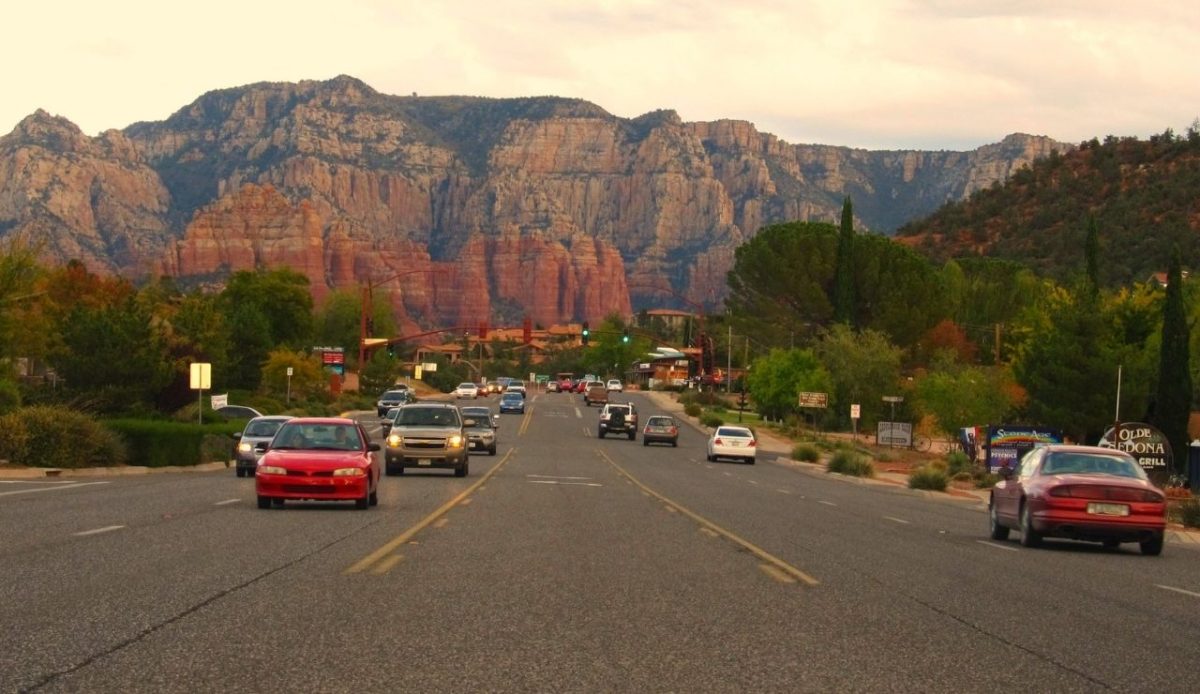
Sedona’s red rock setting once produced heavy weekend spikes, but remote work has lengthened average stays. Many travelers now book eight to fourteen nights to balance workdays with trail time and scenic drives.
Hosts promote quiet units, strong internet, and shaded patios for calls. Coworking and day office options have appeared near the main commercial corridors, helping visitors treat the town as a temporary base with reliable routines.
Sustained demand adds pressure to roads and parking, so visitor management and shuttle use draw more attention. Tour operators report itineraries built around meeting blocks, with sunrise hikes and weekday spa slots filling fast.
5. Park City, Utah
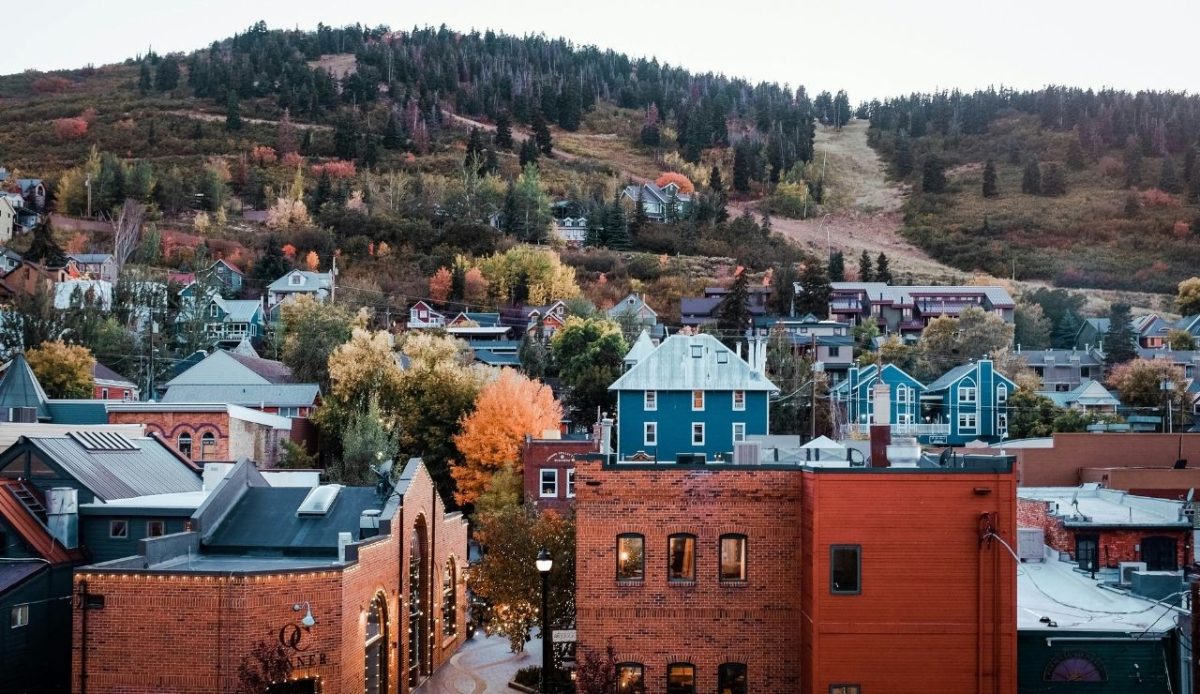
Park City’s ski economy traditionally peaks in winter, yet remote work has broadened demand across the year. Condos that once hosted weekenders now house month-long guests who work weekdays and ride lifts after hours.
Midweek restaurant and grocery traffic has grown, and lodging listings emphasize desk space and quiet bedrooms. Sundance still drives surges, but remote visitors keep trails, galleries, and shops busier through springtime and autumn.
Home prices and rents climbed, which shapes the debate about short-stay permits and workforce housing. With easy access from the Salt Lake City airport, the town now serves as a work base, changing transit and event planning.
6. Traverse City, Michigan
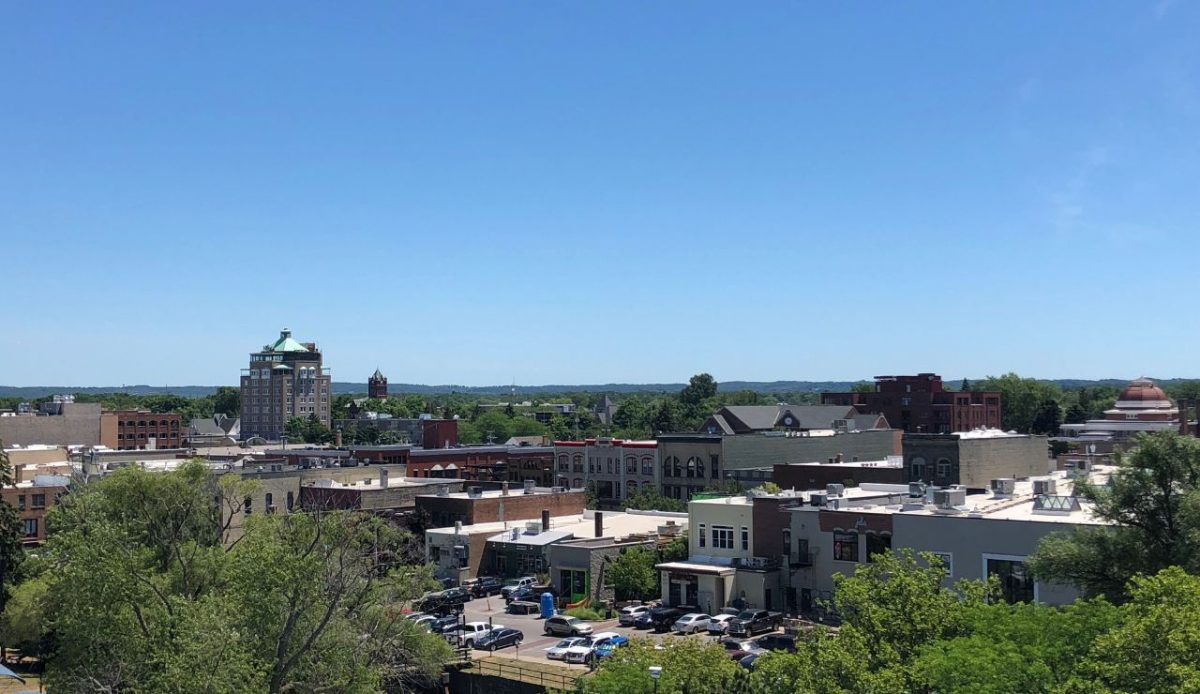
Traverse City used to rely on summer lake travel, yet remote employment has softened the off-season drop. More visitors arrive for multi-week stays, treating the area as a quiet work location near the bay.
Downtown cafes and shared offices see steady weekday use, and lodging operators report longer average bookings in fall and winter. That supports restaurants that once depended on festival weekends and short beach vacations.
Remote relocation can tighten rental supply, affecting seasonal workers and locals. Tourism messaging increasingly highlights slower months, promoting work-ready rooms, reliable internet, and day trips to parks, wineries, and museums.
7. Greenville, South Carolina
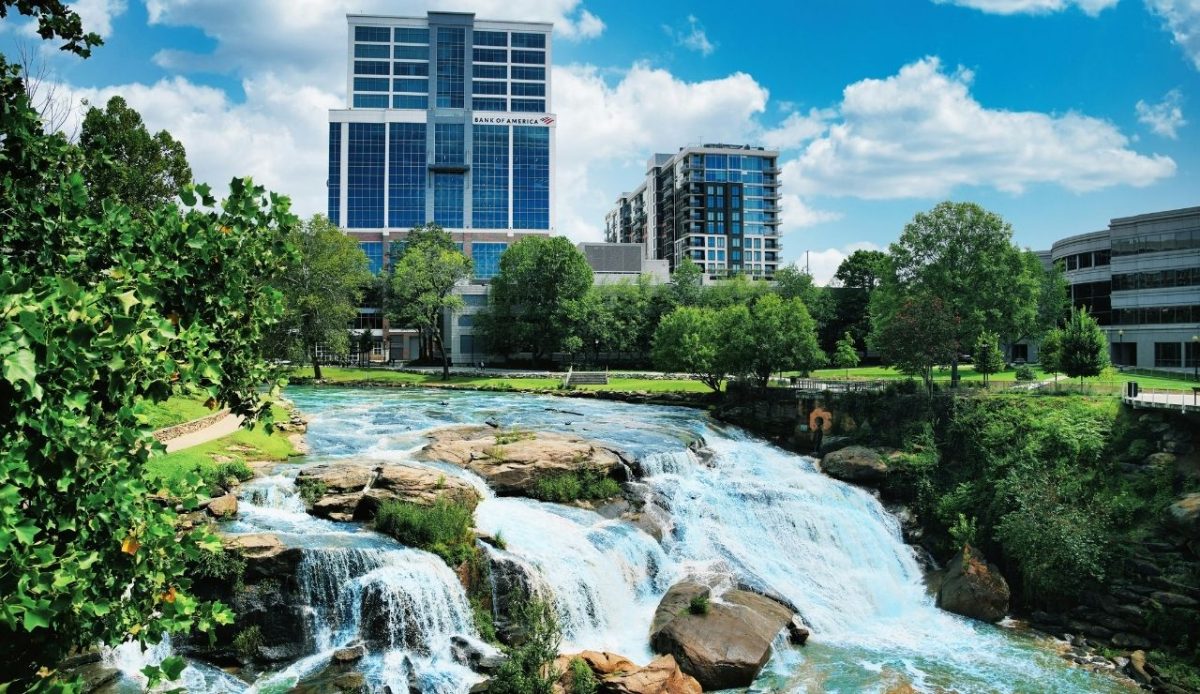
Greenville has attracted remote workers from larger Southeast metros thanks to its walkable downtown, trails, and growing job base. Travel demand shows more weekday hotel stays tied to flexible schedules and longer visits.
Visitors often extend trips to a full workweek, using coffee shops along Main Street and reserving meeting rooms in shared offices. Restaurants benefit from consistent lunch crowds, not only weekend dinners and game day surges.
As more households relocate, policies for vacation rentals and housing costs become part of tourism planning. Friends and family visits rise as newcomers host guests, creating repeat travel that is not driven by a single annual event.
8. Santa Fe, New Mexico
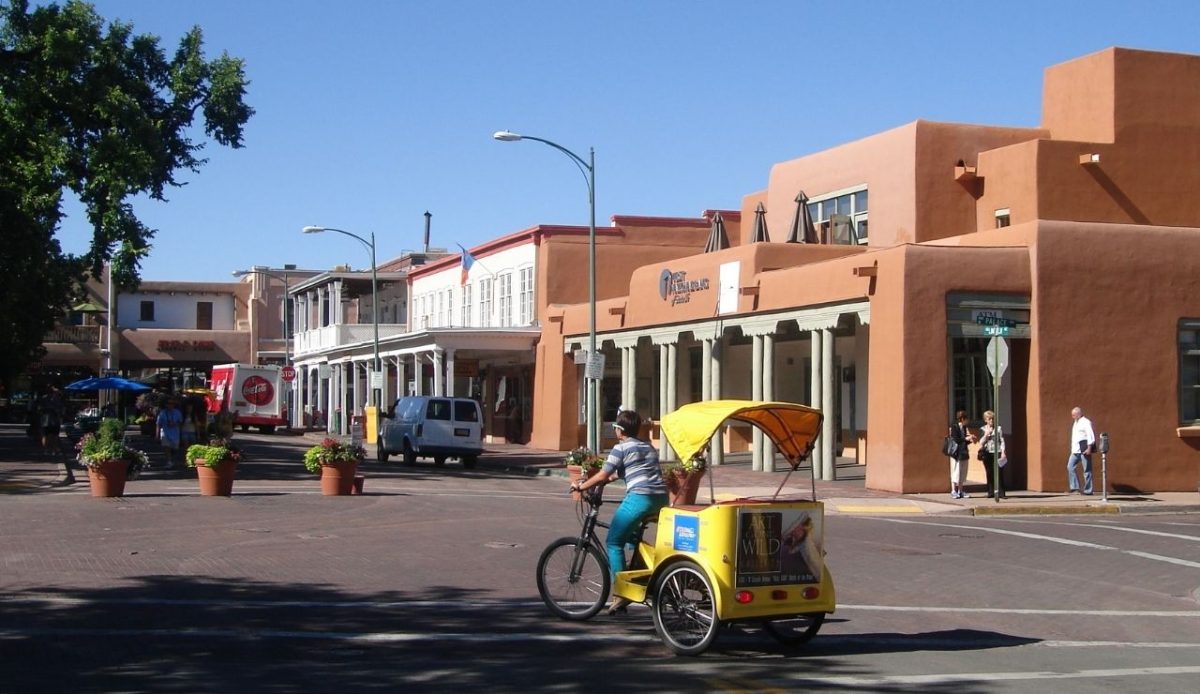
Santa Fe has long drawn art-focused travelers, while remote work has boosted longer visits spanning weekdays. Many guests book rentals for two to six weeks to pair work with museums, galleries, and local markets.
Lodging listings highlight quiet adobe homes, solid internet, and separate rooms for calls. Coworking sites and hotel work lounges support professionals who want reliable space beyond cafes and avoid constant table turnover.
Longer occupancy can reduce short-stay supply and raise prices, so debates include permits and neighborhood impacts. Tourism demand is less seasonal, with winter bookings lifted by remote workers seeking culture, food, and mild weather.
9. St. George, Utah
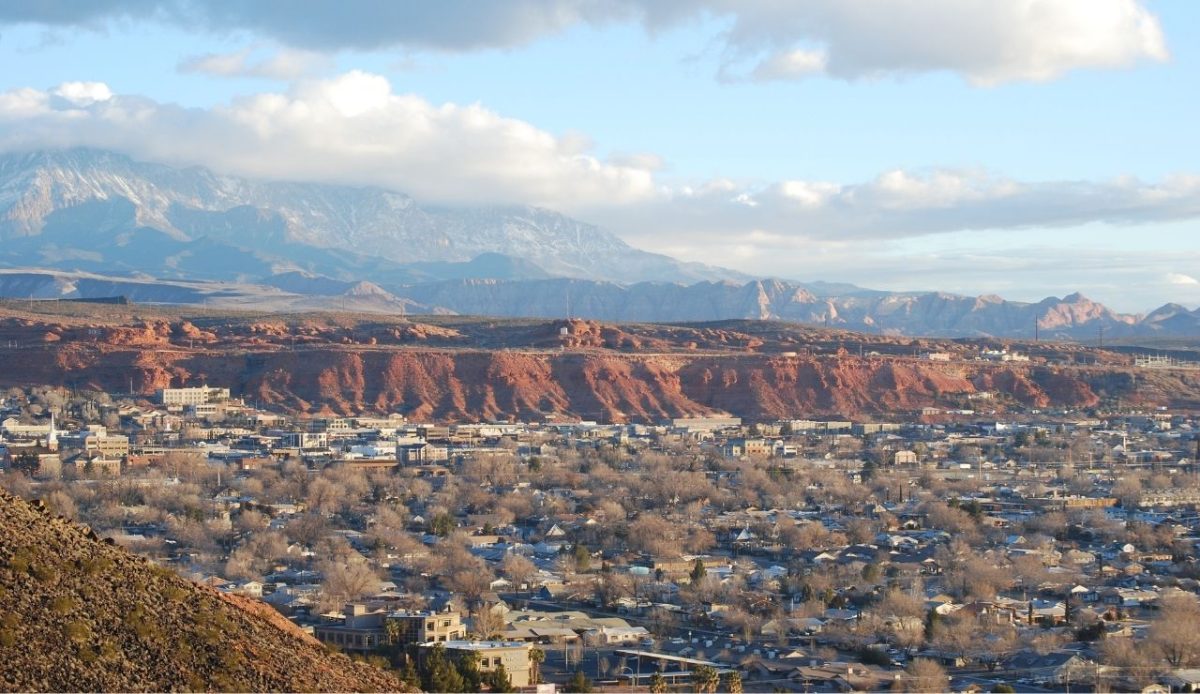
St. George benefits from access to Zion and regional desert parks. Remote employment has altered visit timing, and many travelers now stay through the week, using the city as a base rather than a quick stop on a driving loop.
Extended bookings support weekday tours, restaurants, and grocery stores. Rentals advertise strong Wi Fi and quiet neighborhoods, while coworking options provide meeting rooms for people on multi-week trips.
Rapid migration raises housing demand and shapes how officials manage short-term rentals. Tourism is less concentrated in peak hiking months, with steadier year-round activity as remote visitors arrive outside the busiest periods.
10. Burlington, Vermont
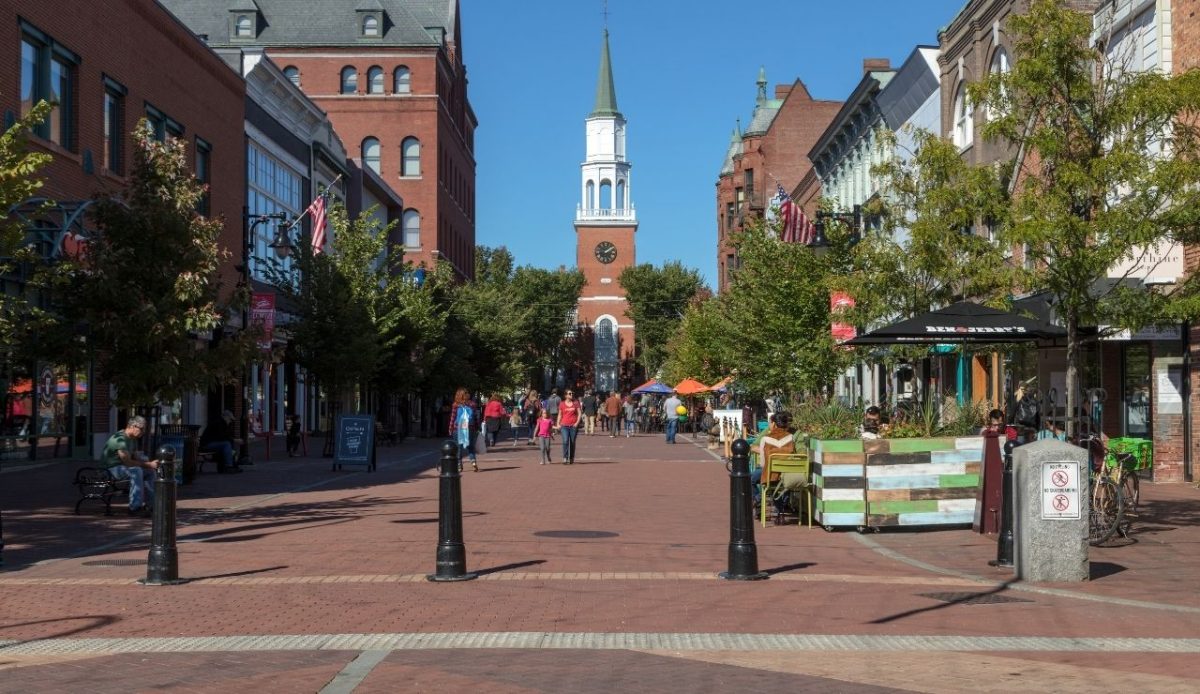
Burlington’s lakefront setting and college town services appeal to people leaving expensive Northeast cities with remote jobs. Travel has shifted toward extended stays that continue through winter, not only foliage weekends.
City center coffee spots and libraries see regular weekday use, and shared offices have added desks and private rooms. Lodging operators market quiet units with reliable internet plus walkable access to shops and the waterfront path.
New demand can strain housing and push up rents, prompting local discussions on vacation rentals. Promotion increasingly focuses on off-peak months, since remote visitors keep spending steadily when traditional tourism slows.
11. Tulsa, Oklahoma
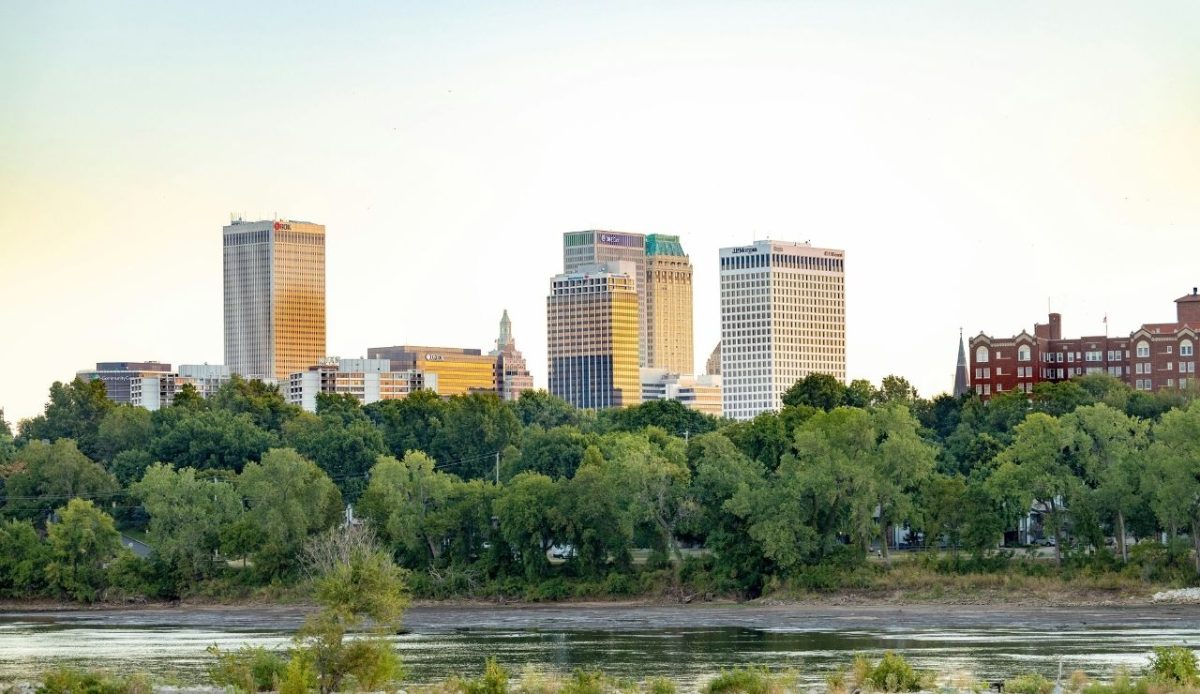
Tulsa changed its travel dynamics by actively recruiting remote workers through the Tulsa Remote program. Participants relocate for months or longer, turning what would be tourism into sustained local spending.
Downtown apartments, extended stay hotels, and short-term rentals see higher weekday demand as newcomers work from home or coworking hubs. Restaurants and events benefit from residents who also host visiting friends.
Because the remote work link is explicit, tourism marketing can target work-friendly stays and community experiences. The city gains steadier demand outside major festivals, while housing and transit planning adjust to ongoing population growth.
