
Ports that handle large cruise calls are tightening limits on exhaust and dockside engine use. New rules focus on shore power connections, low-sulfur fuel, and berth access tied to measured air impacts. The result is fewer free passes for ships that arrive without the right hardware.
On the US coasts, state and port commissions are setting enforceable dates for plugging in at berth. In Europe, several cities link clean air plans with cruise slot reductions, pushing operators to change schedules and deploy cleaner tonnage.
These nine ports show how environmental compliance is being built into cruise operations through required hookups, access restrictions, and fee programs that reward lower emissions.
1. Port Of Los Angeles, California
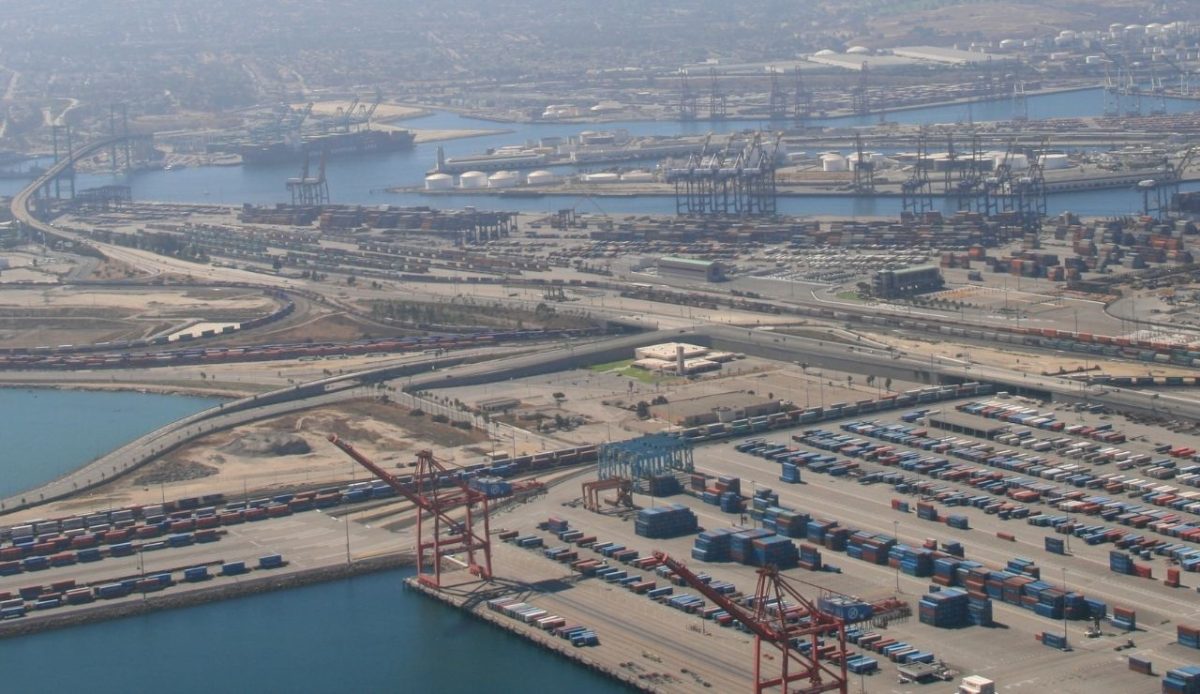
Port of Los Angeles cruise calls fall under California’s At Berth rule that requires emission control at the dock. Shore power is used, so auxiliary engines are not run for hotel electricity. Reporting and enforcement are handled through state systems.
Ships must arrive shore power capable or use an approved alternative control method. Voyage planning now includes berth compatibility, cable handling, and reliable switch-over steps during tight turnaround windows.
Dockside diesel soot and nitrogen oxides are reduced near the harbor, while operators face retrofit costs and fewer options for older tonnage.
2. Port Of Seattle, Washington
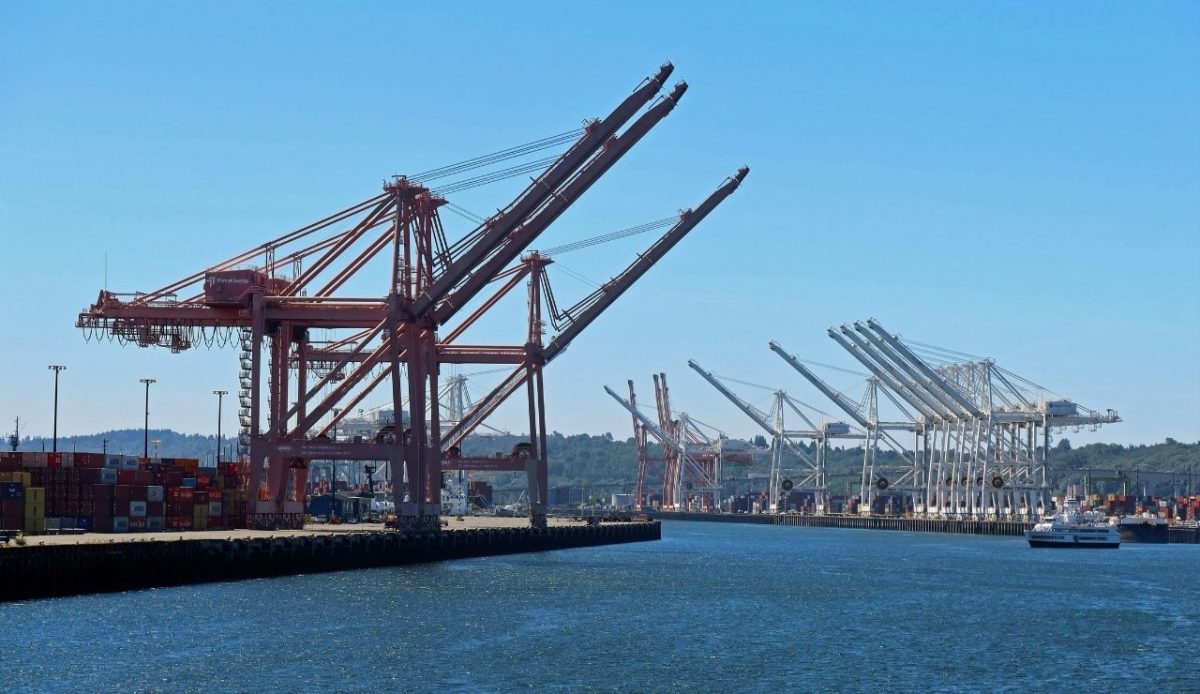
Seattle adopted a commission order requiring homeported cruise vessels to be shore power capable and to use shore power, taking effect in the 2027 season. The policy builds on electrified berths and targets near zero dockside emissions from hoteling engines.
The port reports avoided greenhouse gas and diesel particulate reductions from plug-in operations, and equipment is being added so more calls can connect. Cruise lines must line up compatible ships and crew routines before contracts are set.
This rule changes vessel assignment for the Pacific Northwest and makes failure to connect a compliance problem rather than a public relations issue.
3. Port Of Vancouver, Canada
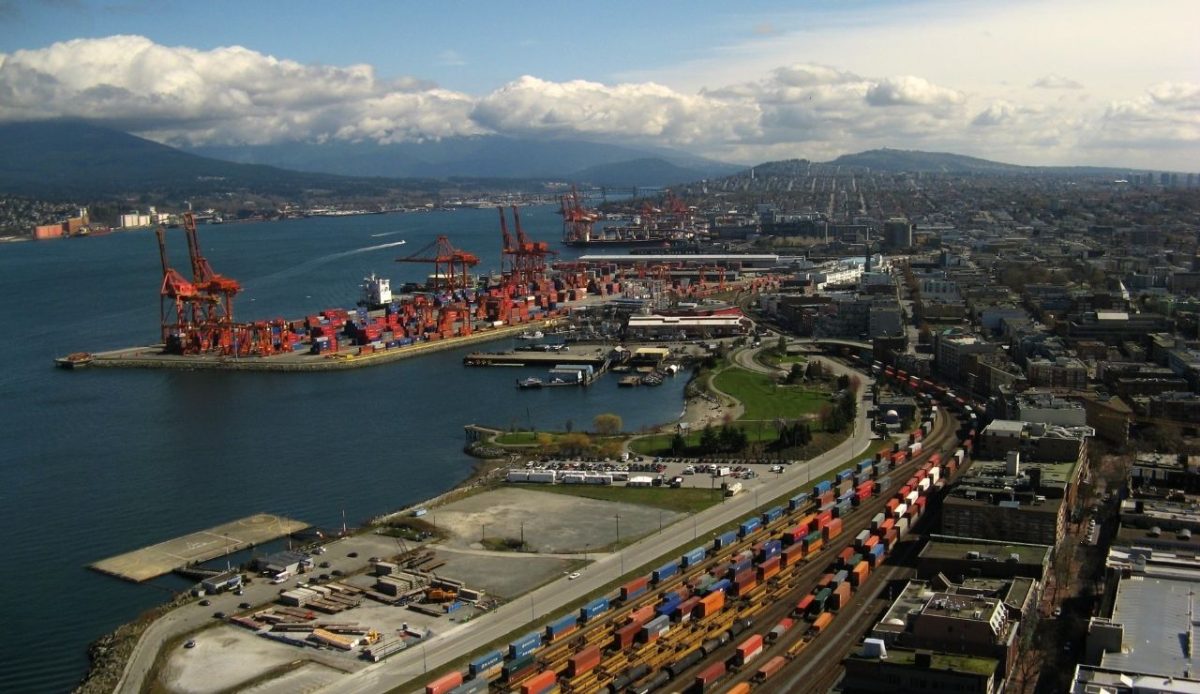
Vancouver offers shore power at cruise terminals and ties its capability to its EcoAction program that adjusts harbor dues using environmental scores. For ships that can connect, plug-in use cuts emissions while alongside in a dense urban area.
Because fees and recognition are linked to performance, cruise lines track connection readiness and actual use, not only installed hardware. Reporting on shore power uptake adds pressure to arrive prepared during the Alaska season rush.
The structure acts like a soft mandate since repeated nonuse can raise costs. It also pushes upgrades through pricing signals rather than bans.
4. Port Of Barcelona, Spain
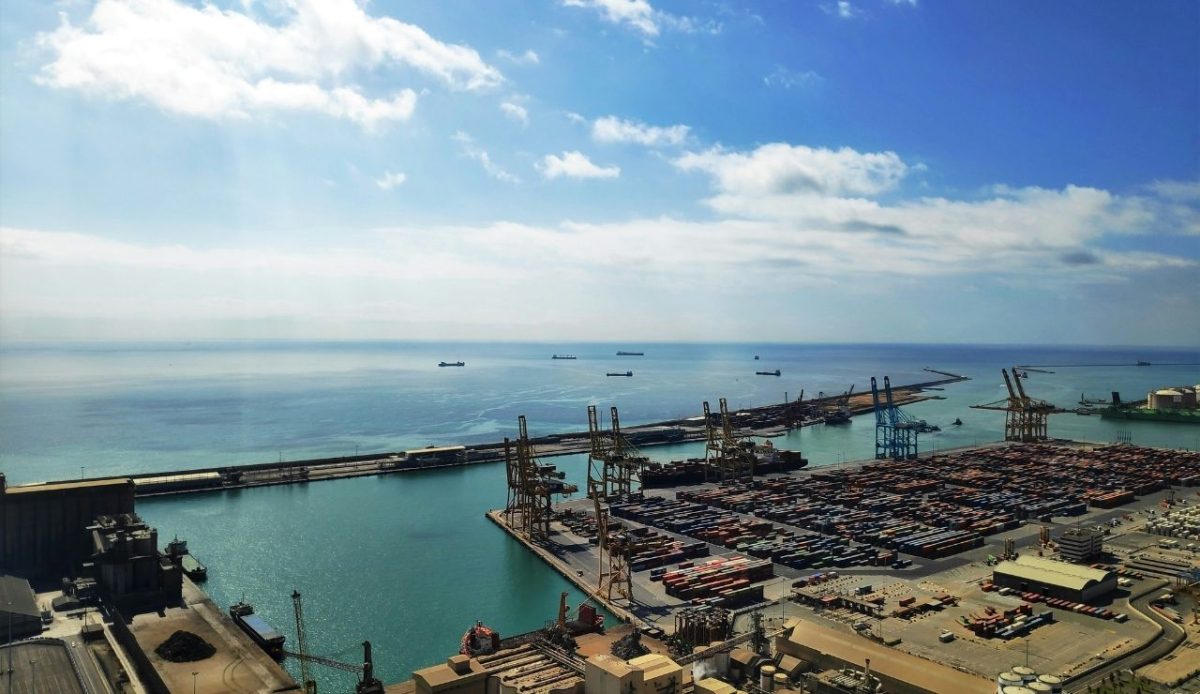
Barcelona is deploying onshore power supply for cruise ships under its energy transition plan. The port selected a contractor to build cruise OPS systems at the Adossat wharf, enabling ships to switch off engines at berth.
OPS already exists at other terminals, so dock electrification is treated as a proven emissions control measure. Cruise lines on Mediterranean routes must match berth connection standards as electrified capacity is phased in.
Once plug-in berths are routine, port access can be prioritized for ships that use them consistently. That turns clean operations into a day-to-day docking requirement.
5. Port Of Southampton, United Kingdom
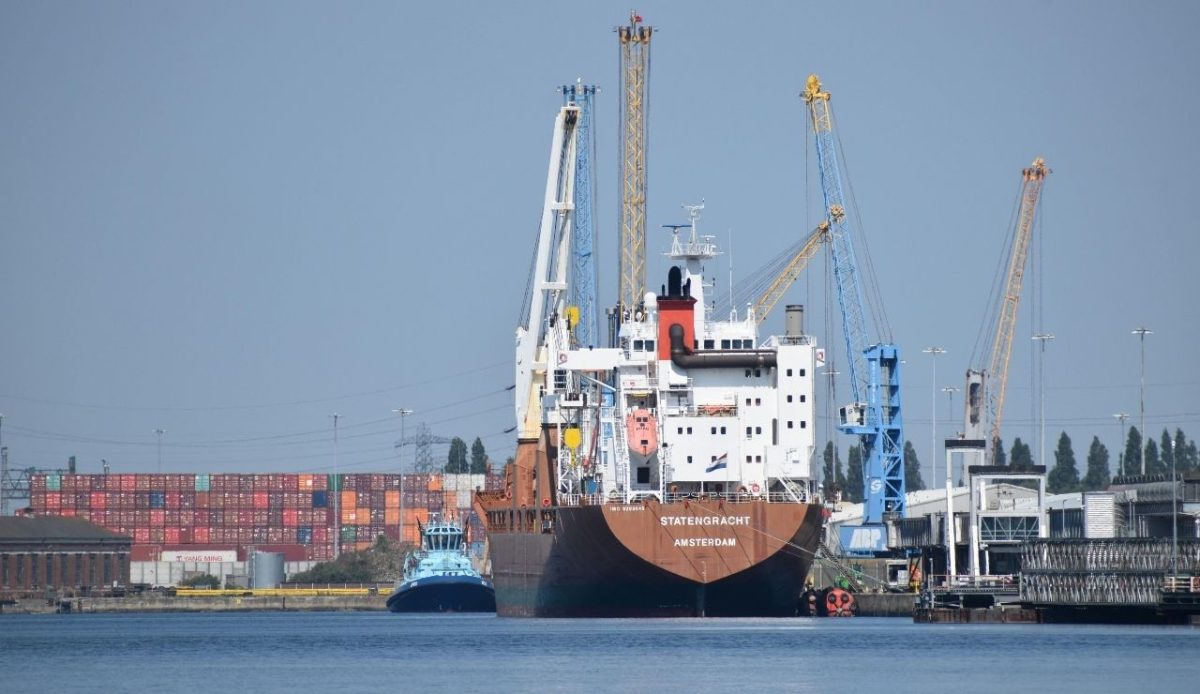
Southampton has shore power at key cruise terminals, letting shore power enabled ships plug in and shut down generators while alongside. That reduces local air pollutants around a major departure hub that runs through much of the year.
The port operator has promoted these facilities and announced added connections, so cruise operators treat plug-in readiness as standard port preparation. Connection capability and reliable changeover steps are built into turnaround plans.
Cleaner ports also align with low-sulfur fuel rules, giving regulators and communities clearer signals that emissions are being controlled.
6. Port Of Venice, Italy
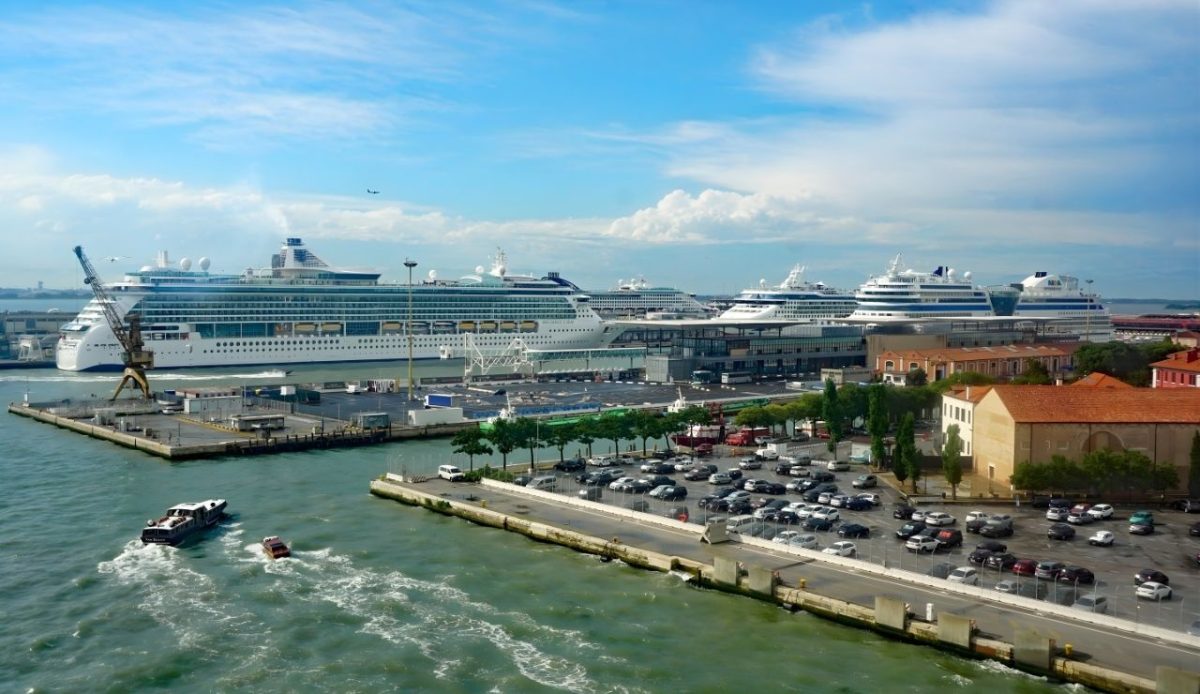
Venice enforces legal limits that keep large cruise ships out of key lagoon waterways. A 2021 decree law barred big vessels from the Venice Lagoon routes used by the largest liners.
Shifting calls away from the historic center reduces wake stress and cuts concentrated exhaust in narrow channels. Cruise lines must redesign calls, deploy smaller ships, or reroute passengers through terminals outside the lagoon.
Because the control is access-based, compliance is judged by where a ship may sail and dock, creating firm itinerary limits for the Adriatic.
7. Port Of Oslo, Norway
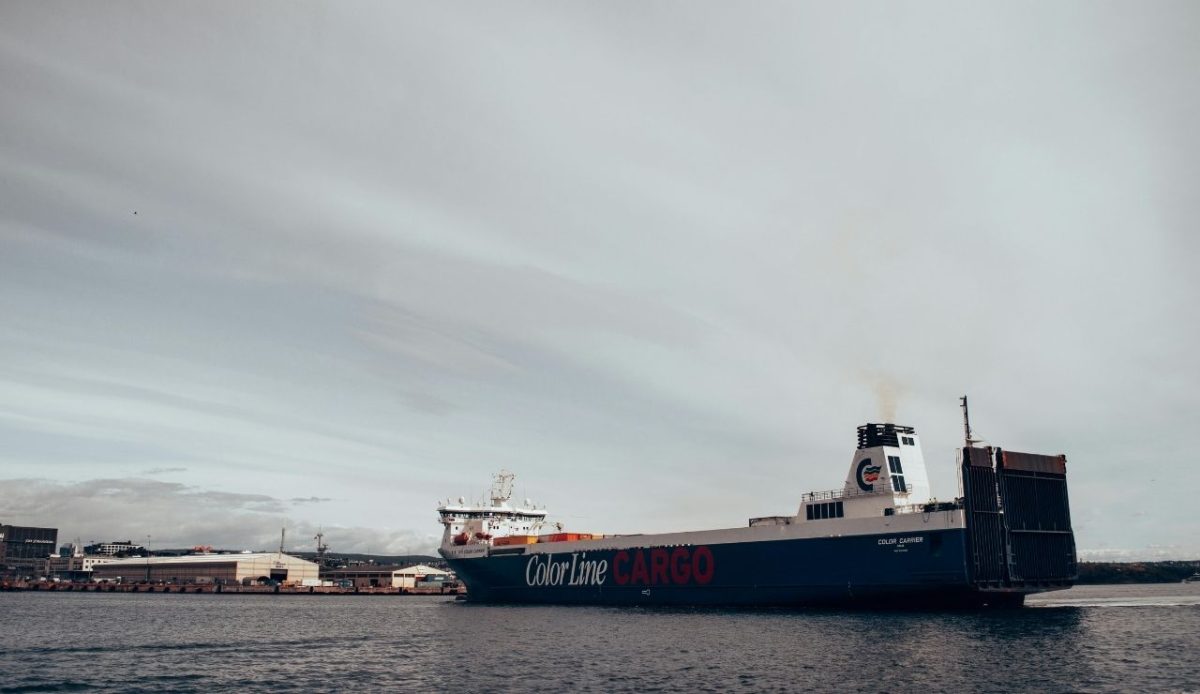
The Port of Oslo is pushing dock electrification with shore power and fee incentives aimed at major emission cuts by 2030. Port guidance frames electrification as essential, and new commercial terms reward ships that operate cleanly while alongside.
From 2026, vessels that sail emission-free in and out of Oslo can be exempt from quay fees when plugged into shore power, with added discounts linked to environmental scoring.
Cruise planners must align ship capability, approach profiles, and connection readiness to stay competitive on price and berth access in the Oslofjord.
8. Port Of Juneau, Alaska
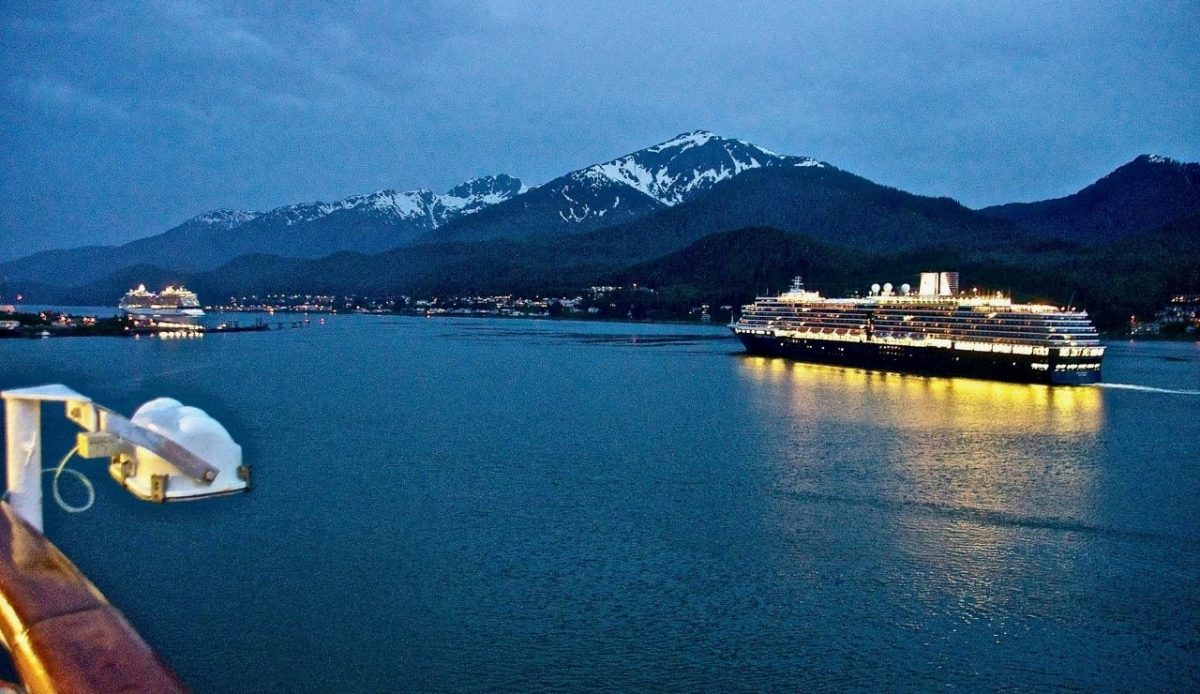
Juneau translated local impacts into a formal cruise limits agreement with major cruise lines. A city memorandum sets daily passenger caps beginning in the 2026 Alaska season, including a lower Saturday cap and limits on port calls.
The caps reduce peak crowding that drives vehicle congestion and concentrated emissions near downtown. Because the terms are written and executed, access depends on coordination and compliance.
For operators, missed allocation can disrupt sailing sequences, so itinerary design must treat Juneau as a capacity-constrained port with enforceable limits.
9. Port Of Amsterdam, Netherlands
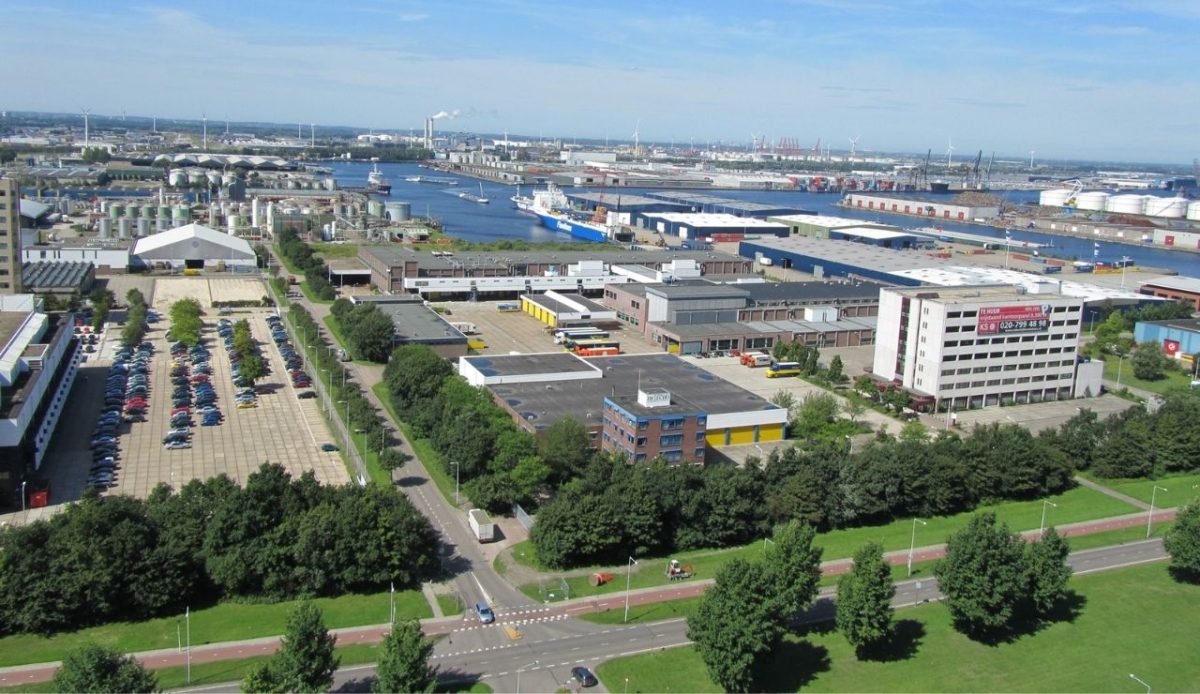
Amsterdam is moving ocean cruise calls under hard limits starting in 2026. Reported terms include one ship per day and a cap of 100 ocean cruise calls per year, plus a shore power use requirement beginning in 2027.
The shift is tied to air quality and crowd control in the city core, turning port access into an environmental gate. Cruise lines face fewer slots and an expectation that ships will connect once shore power rules apply.
Even before any full phase-out, the caps and electrification timeline reshape Northern Europe schedules and favor vessels that can meet stricter city center conditions.
