
Scenic passenger rail in the U.S. often depends on a mix of federal appropriations and state support, so budget fights can land directly on routes travelers use for leisure as much as transportation.
In recent years, national proposals have included significant reductions to Amtrak-related funding, and Amtrak itself has pointed to uncertainty about future support from Congress.
When money gets tight, the first signals are usually practical: fewer daily departures, less onboard staffing, older cars kept in service longer, and deferred track or station work that makes schedules less reliable. For travelers, that can turn a once-easy rail getaway into a trip that needs backup plans.
1. Amtrak Heartland Flyer (Fort Worth–Oklahoma City)
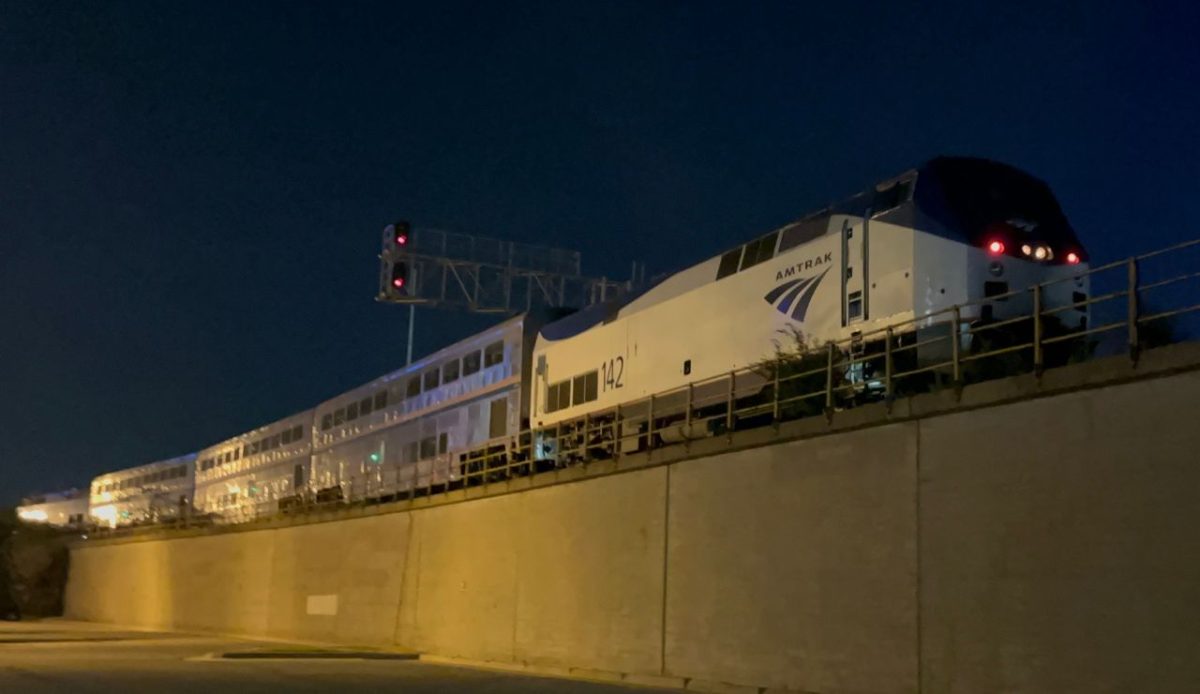
This daylight run between Fort Worth and Oklahoma City is a simple, scenic way to watch the plains open up, and it also connects riders into Dallas–Fort Worth’s wider rail and airport network.
In June 2025, Amtrak warned the Heartland Flyer faced suspension no later than Oct. 1 unless Texas secured its share of operating funding, after costs rose and lawmakers hesitated.
Regional leaders later lined up emergency dollars to keep trains running another year, but a route living on annual rescues is vulnerable to service trims and makes it harder to plan tourism demand tied to big events like 2026. That instability can also affect equipment quality and on-time performance over time.
2. Amtrak Coast Starlight (Seattle–Los Angeles)
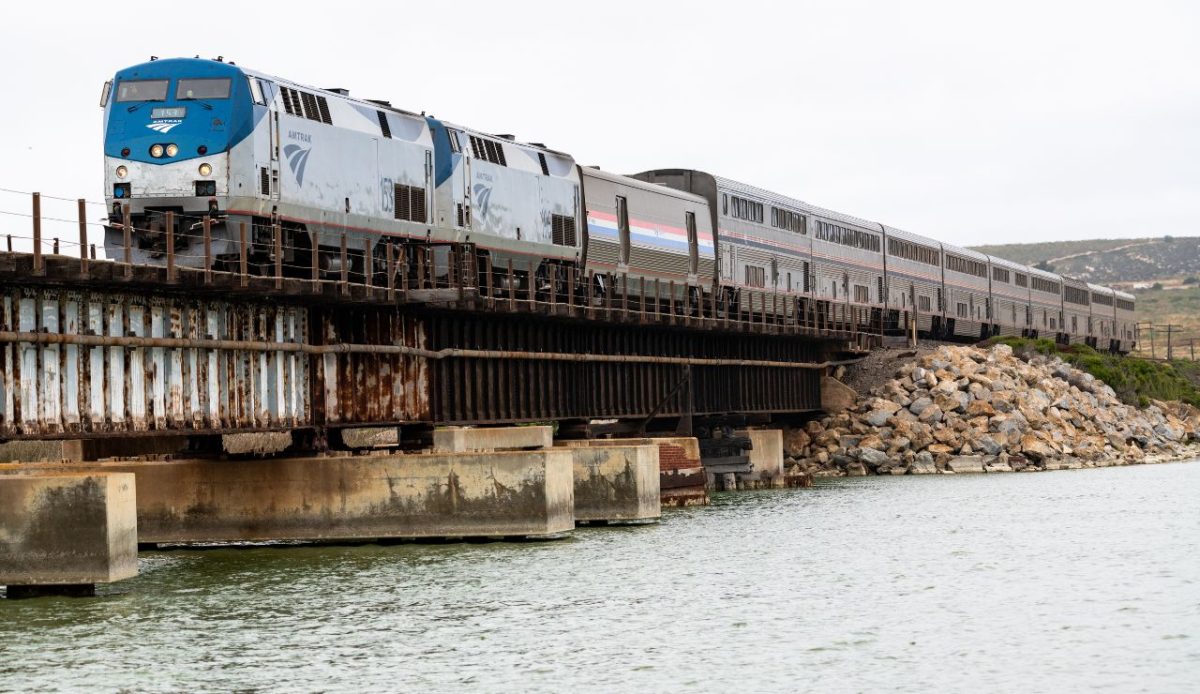
The Coast Starlight is famous for Pacific views, forested valleys, and the long sweep from Seattle to Los Angeles, making it a bucket-list ride rather than a commuter tool.
Long-distance trains like this lean heavily on federal support, so when Congress debates reducing Amtrak funding, passenger-rail groups argue that the network’s most scenic services become easy targets for “right-sizing.”
Amtrak has also talked publicly about cost pressure and uncertainty over future congressional backing, and that kind of climate often shows up first as trimmed amenities, slower refurbishment cycles, and schedules padded to absorb delays. For riders, the view stays, but the overall trip quality can slip.
3. Amtrak California Zephyr (Chicago–Bay Area)
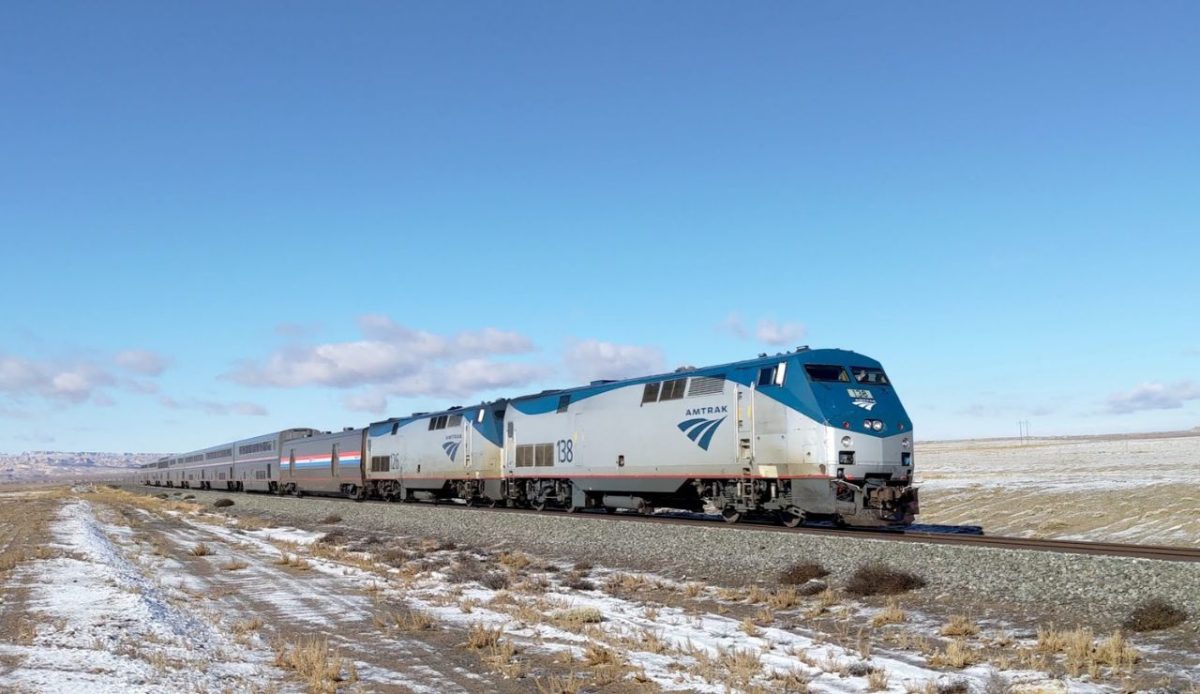
The California Zephyr is often called the most scenic Amtrak ride, crossing the Rockies and Sierra Nevada with long stretches where the train is the only practical way to see the landscape.
Because it’s a long-distance route, its operation is tied to national funding decisions, and passenger advocates have pointed to past budget proposals that sought major reductions in Amtrak support.
When money gets tight, the impact can be subtle but real: older sleepers and diners kept in service longer, fewer staff to manage missed connections, and less flexibility to add cars during peak summer weeks when the train sells out early. That can turn a classic sightseeing trip into a more cramped, less predictable ride.
4. Amtrak Empire Builder (Chicago–Seattle/Portland)
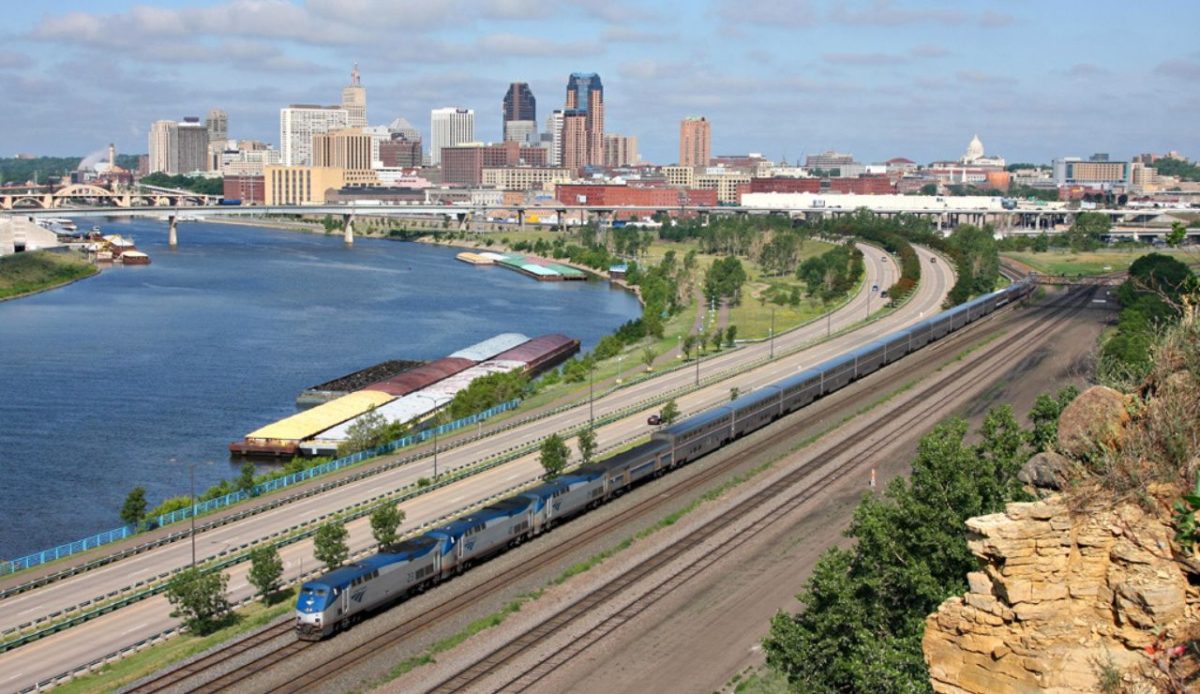
Running from Chicago to the Pacific Northwest, the Empire Builder hugs the edge of Glacier National Park and follows big-sky scenery that’s hard to match by highway.
The route’s size also makes it expensive to run, so funding debates matter: critics sometimes question long-distance train subsidies, while supporters argue the service is essential for smaller towns with limited air or bus options.
If federal support is squeezed, the most likely outcomes are slower equipment renewal and less resilience when freight rail congestion or weather disrupts schedules, which can cascade into overnight delays and missed hotel bookings. Those knock-on costs are what make travelers notice a budget cut in real life.
5. Amtrak Cardinal (New York–Chicago via Appalachia)
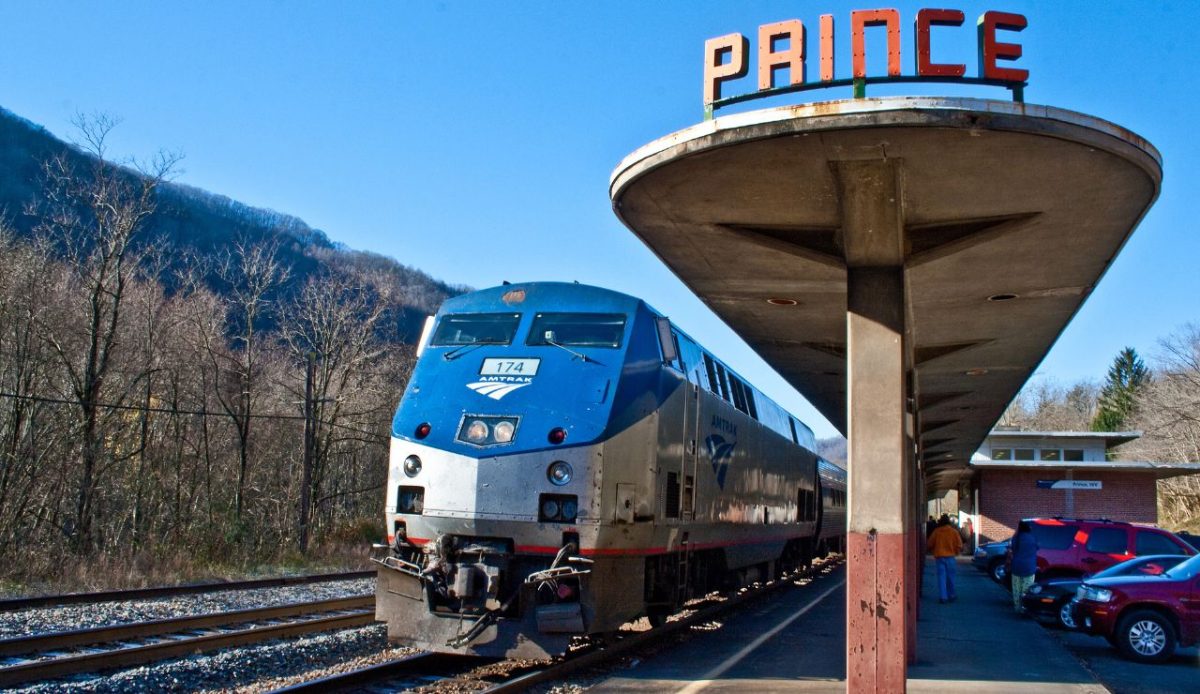
The Cardinal’s claim to fame is the New River Gorge region and Appalachian valleys, a stretch many riders time for fall color when the route feels like a moving overlook.
The train has historically run less than daily, so funding pressure can keep frequency stuck or reduce options for travelers trying to build an itinerary around limited departure days.
When national appropriations debates include proposed cuts to Amtrak, passenger groups warn that routes with fewer trains have less political cushion. That can show up as shorter consists, fewer onboard services, and less schedule recovery when freight congestion or weather knocks the timetable off course.
6. Amtrak Southwest Chief (Chicago–Los Angeles via the Southwest)
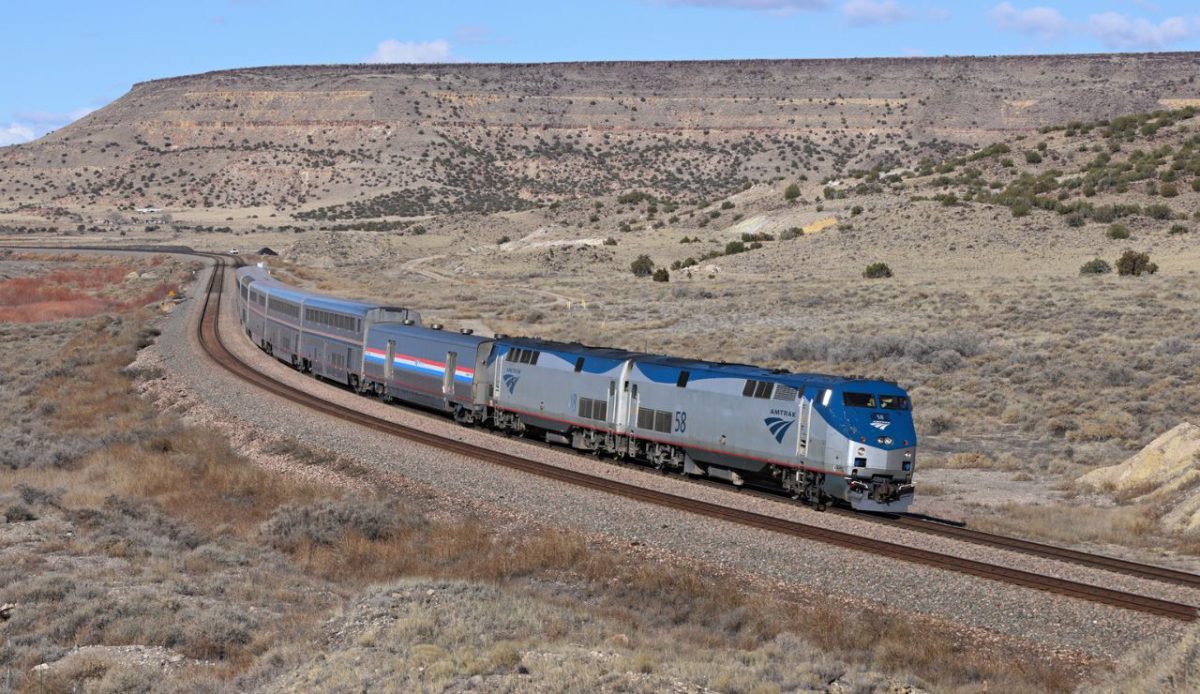
The Southwest Chief is a classic desert-and-high-plains trip, rolling through Kansas, Colorado, New Mexico, and Arizona before reaching Southern California.
Parts of the route have relied on partnerships and infrastructure work to keep passenger service viable, which is why riders watch funding headlines closely when federal rail budgets are on the table.
If support shrinks, the threat isn’t only the timetable. Deferred track upgrades can mean slower running times, more stops for meets with freight trains, and less reliable arrival windows, which matters when travelers plan connections, tours, or rentals. Budget uncertainty also makes it harder to justify investments in stations and onboard accessibility upgrades.
7. Amtrak Sunset Limited (Los Angeles–New Orleans)
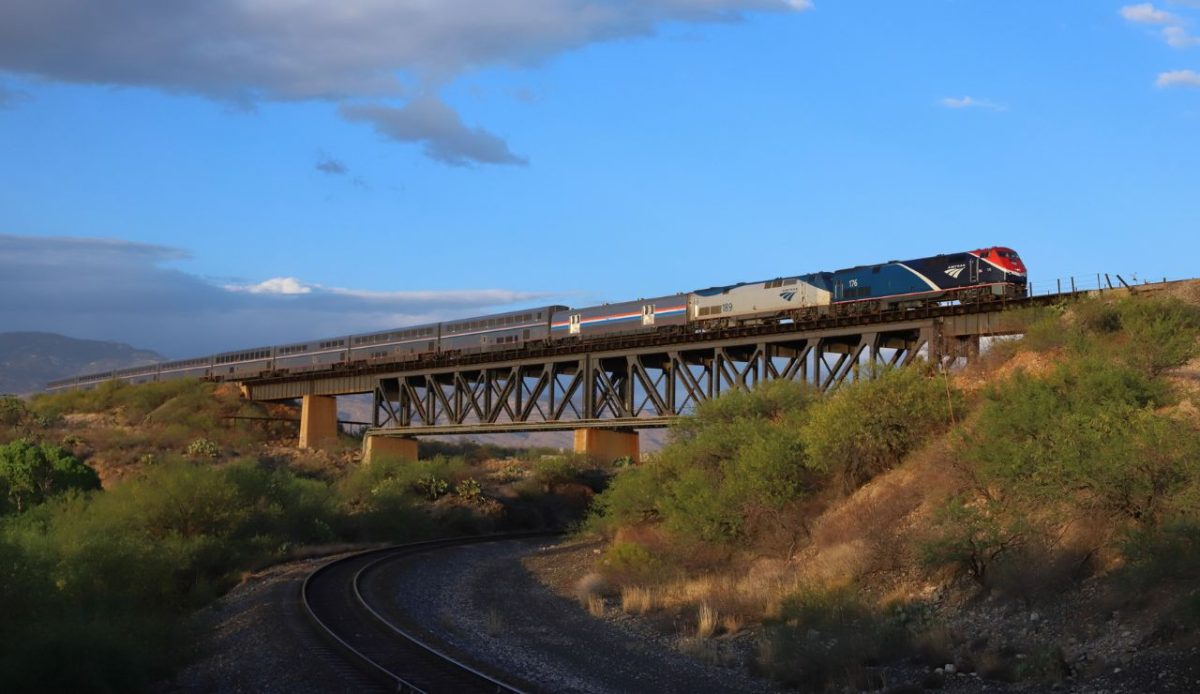
The Sunset Limited strings together desert sunsets in the Southwest with bayous and coastal plains closer to the Gulf, a rare cross-country ride that feels more like slow travel than transport.
Because it’s long-distance and runs on a limited schedule, it is sensitive to any push to reduce operating expenses, especially when political proposals target Amtrak funding levels or specific corridors.
Cuts don’t always look like a full shutdown. They can appear as longer gaps between departures, fewer through-cars, and less capacity to handle disruptions from storms or heat restrictions, which can force travelers into pricier last-minute alternatives.
8. Northeast Corridor Shoreline Segment (Boston–New York)
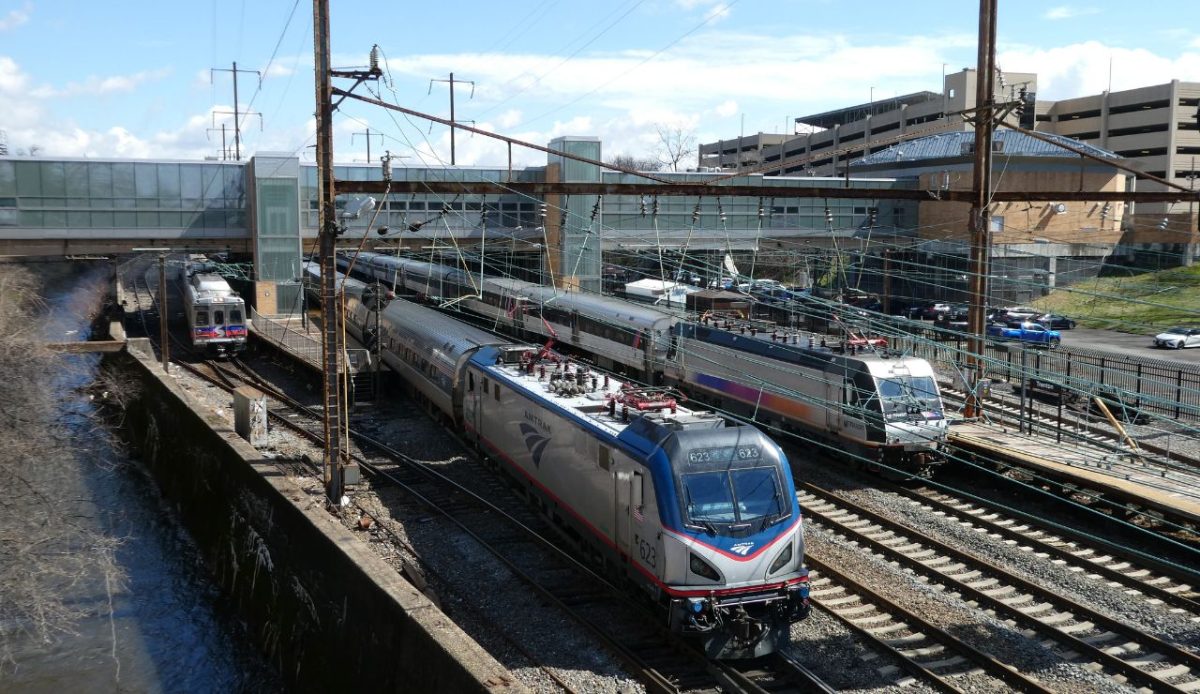
Between Boston and New York, trains on the Northeast Corridor pass marshes, inlets, and the shoreline in Connecticut and Rhode Island, offering water views that surprise first-time riders.
Unlike many routes, the corridor has its own dedicated funding debates. In 2025, reporting on a federal budget proposal described a call for a sizable reduction to Northeast Corridor support, which put a spotlight on how political cycles can hit service.
If funding drops, the likely pain points are maintenance timing and capital projects. That can translate into more slow zones, more crowding when equipment cycles stretch, and a less dependable schedule for weekend leisure trips.
