
Closures at historic attractions reflect stress on preservation, not just changing tastes. Since 2020, lower attendance and higher fixed costs have pushed sites past their margin. When revenue shrinks, maintenance is deferred, and safety risks grow.
Compliance costs can decide outcomes. Fire code upgrades, accessibility work, and insurance premiums often rise faster than donations. A site may still exist, yet public access ends because staffing and repairs cannot be sustained.
The eight cases below show why recent shutdowns happened. Some ended through bankruptcy or corporate strategy, others through structural damage, break-ins, or code violations. Each story shows that history needs caretaking and a workable operating model.
1. Holy Land Experience, Orlando, Florida
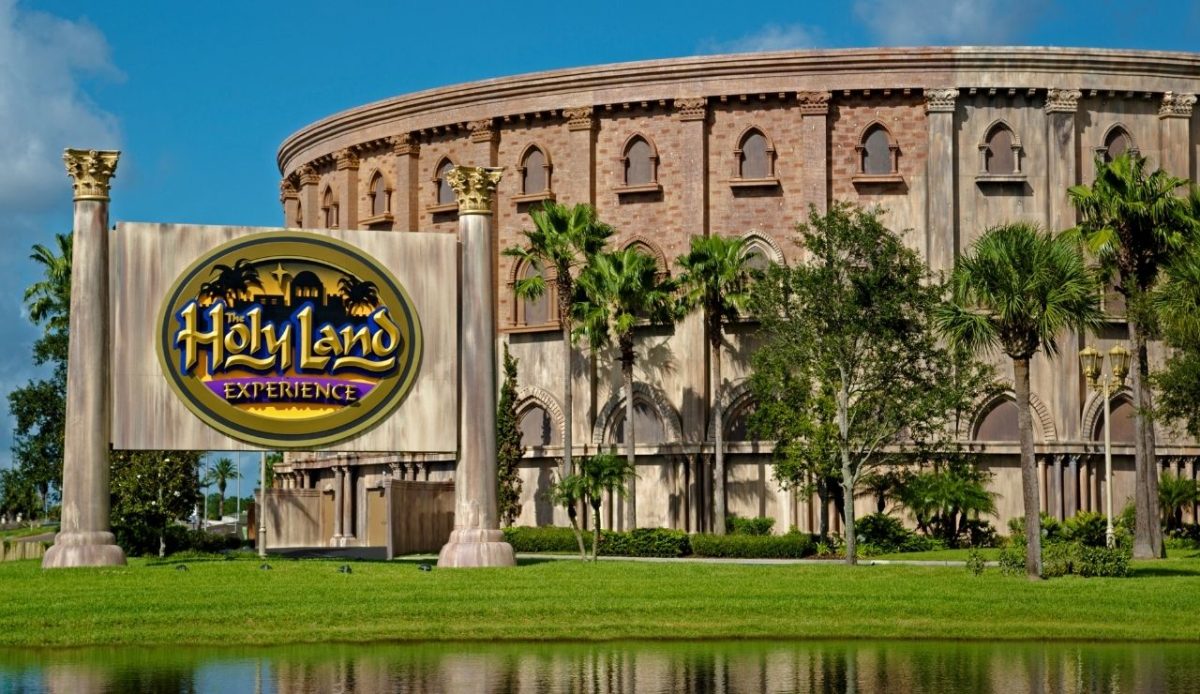
Holy Land Experience opened in 2001 as a Christian theme park with staged Bible-era scenes in Orlando’s tourism corridor. Its business model depended on admissions plus live productions and on-site retail. By early 2020, the operator cited a steep revenue drop and began major layoffs.
Pandemic travel shutdowns removed the remaining cash flow. The park closed in March 2020 and did not restart. High fixed costs for facilities, staff, and specialized sets made a comeback unlikely without new investment.
In 2021, the property was sold to AdventHealth for redevelopment, and demolition began later. The shutdown shows how a heritage-themed venue can collapse when demand falls, and the land is worth more for other uses.
2. Conneaut Lake Park, Pennsylvania
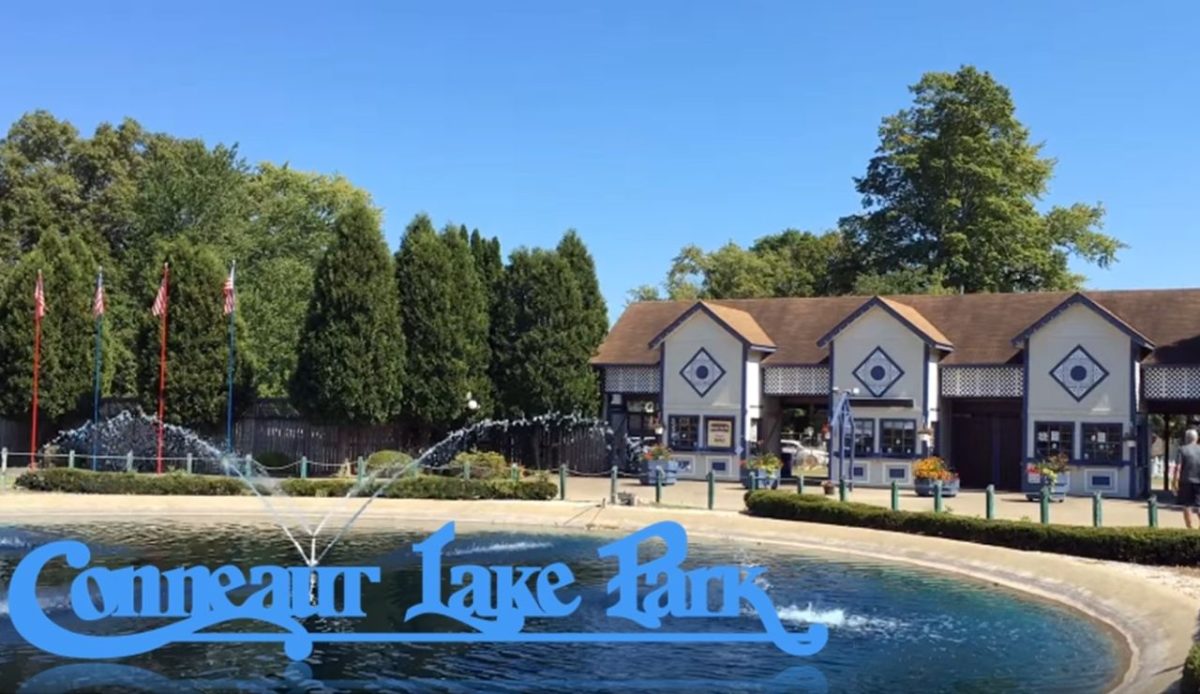
Conneaut Lake Park opened in 1892 and long served as a lakeside amusement anchor in northwest Pennsylvania. Aging rides and utilities required constant spending, yet attendance and revenue were inconsistent for years. The park did not open in 2020, worsening cash pressure.
Bankruptcy and ownership disputes shaped the next phase. In 2022, a controlled burn used during demolition work spread and destroyed the Blue Streak wooden coaster. Losing that signature draw also meant losing future ticket demand.
Afterward, rides were auctioned or removed, and only limited events were discussed. The story shows how historic parks can be undone by debt and repair backlogs, where one incident can erase the last workable business case.
3. Mystery Castle, Phoenix Arizona
Mystery Castle is a handcrafted stone and adobe home built from 1930 to the mid 1940s in Phoenix. It operated as a historic attraction through guided tours that helped fund upkeep. The structure needs maintenance because many elements were salvaged, and the foothill setting is demanding.
After break-ins and vandalism in 2022, tours were suspended. A conditions review later found repairs and safety upgrades would cost millions, far beyond what ticket revenue can cover for a small nonprofit.
The site closed in 2023 and remains threatened without a new owner or major donor. This closure shows how security failures and delayed repairs can cascade, turning a beloved landmark into a liability that cannot be opened safely.
4. Cahokia Mounds Interpretive Center, Illinois
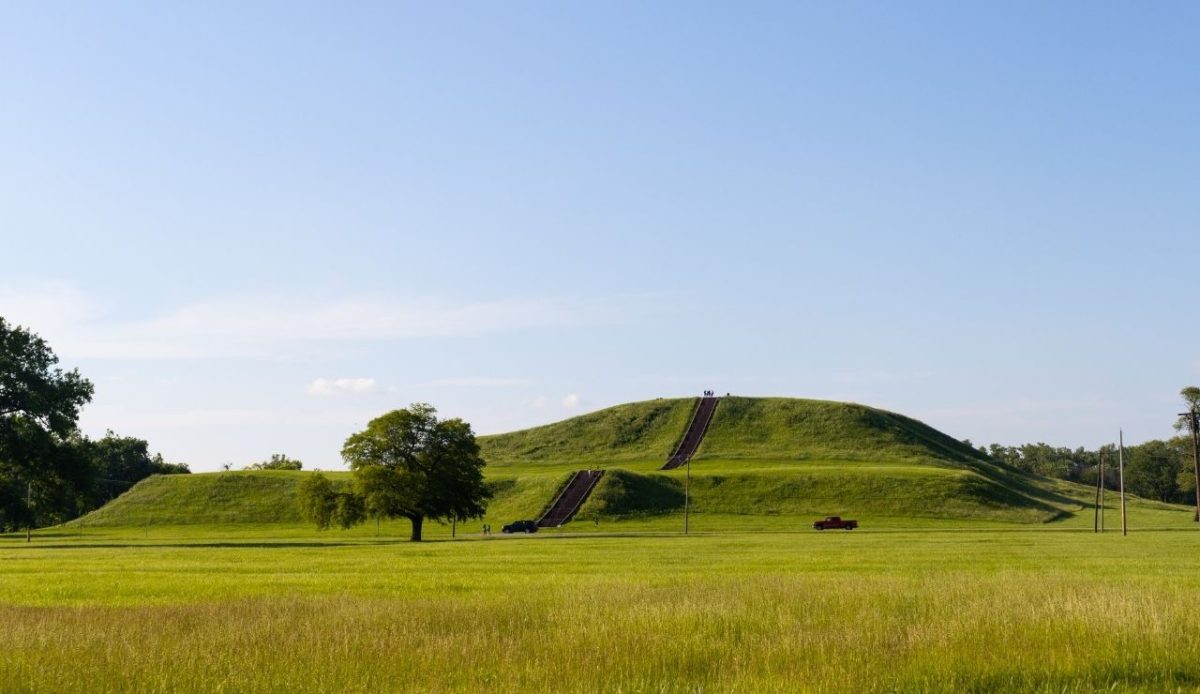
Cahokia Mounds preserves the largest pre-Columbian urban center north of Mexico and is a UNESCO World Heritage Site. The interpretive center matters because it holds artifacts and explains Mississippian society for visitors who otherwise see only earthen forms.
Mechanical failures and building system issues forced the museum to close for renovations. Notices say the center and gift shop are closed for most of 2025, after a long shutdown in 2024, with reopening tied to construction and fundraising.
The grounds remain open from dawn to dusk, but the closure reduces education and cuts revenue that supports stewardship. It shows how a landmark can stay walkable while its interpretation and collections access disappear for years.
5. Stone Mountain Laser Show, Georgia
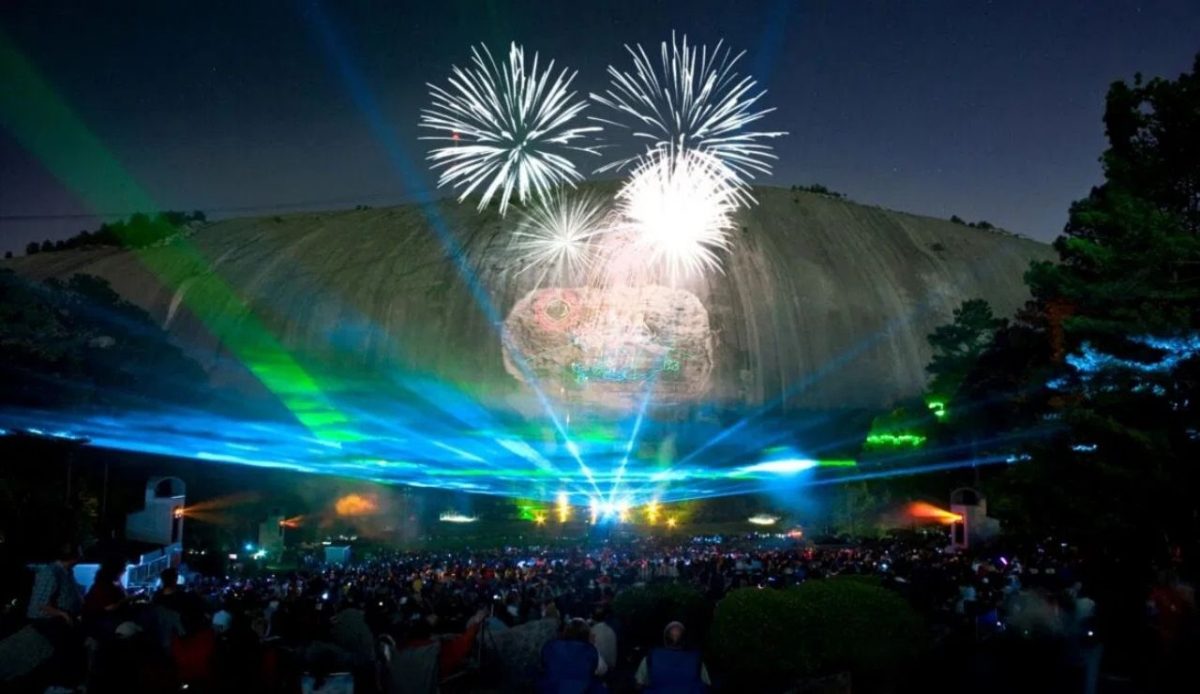
Stone Mountain Park ran the Laser Show Spectacular for decades, projecting imagery onto the granite face that holds a Confederate memorial carving. The show was a summer ritual, yet it remained controversial because the setting is linked to Lost Cause narratives and the site’s past.
In 2023, the park ended the classic laser show and moved to a new summer light program. Coverage tied the change to outdated production needs and pressure to address the attraction’s Confederate context.
The park stays open, but retiring the show removed a major evening draw that shaped trip planning and on-site spending. It shows how social debate and aging entertainment can lead operators to replace a legacy program rather than renew it.
6. Six Flags America, Bowie, Maryland
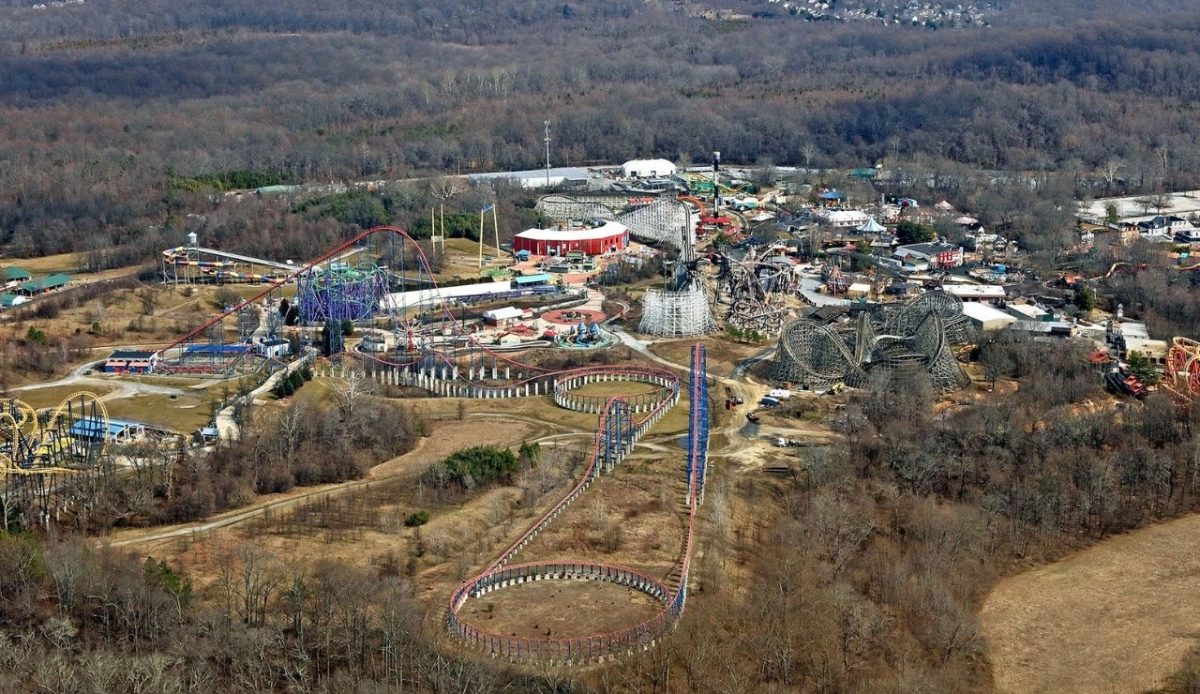
Six Flags America in Bowie began in 1974 as a drive-through safari park and later became a full amusement park with a long Mid-Atlantic history. The closure mattered beyond rides because the property employed seasonal workers and supported nearby restaurants and hotels.
In May 2025, the company announced Six Flags America and Hurricane Harbor would close after the 2025 season. Leaders said the site was not a strategic fit and planned to sell the land. The last operating day was November 2, 2025.
The move shows how portfolio strategy can end a decades-old regional attraction even when demand exists. If land value and debt reduction outweigh ticket margins, continuity and tradition do not protect a site from closure.
7. Panhandle Plains Historical Museum, Canyon, Texas
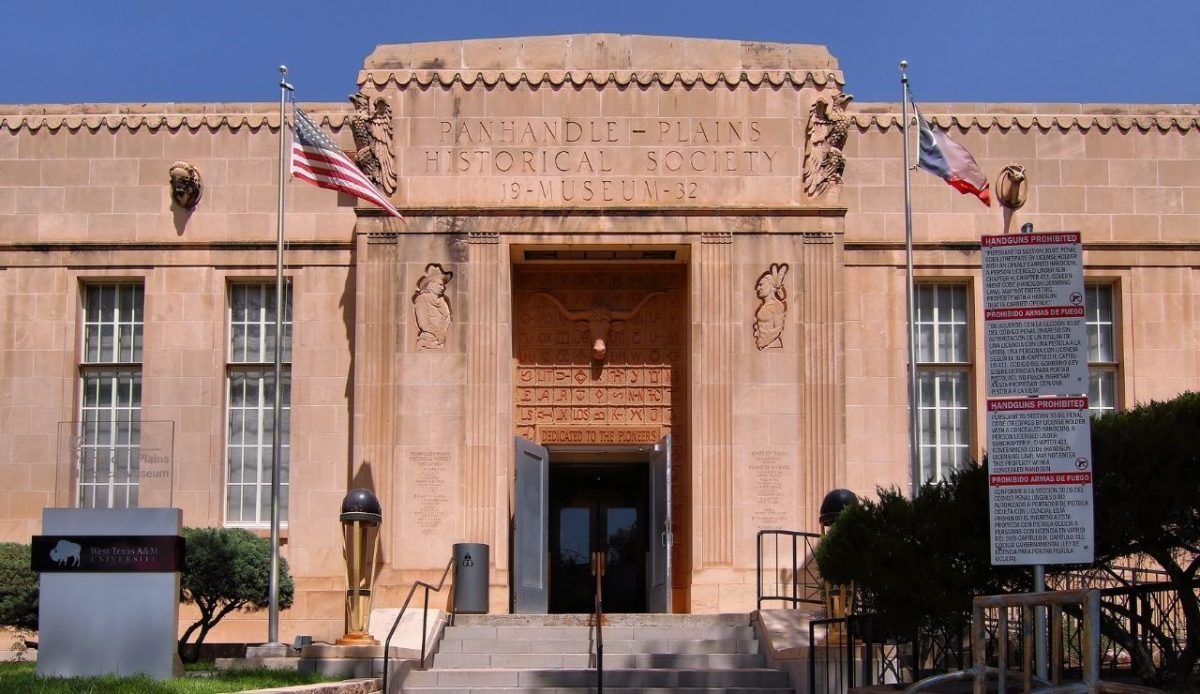
Panhandle Plains Historical Museum in Canyon opened in 1932 and holds a history collection for the Texas Panhandle. Its public role depends on safe facilities. When systems age, the cost of catching up can exceed operating support.
In March 2025, the museum closed after a Texas State Fire Marshal inspection cited widespread fire code violations and other facility concerns. Reports said repairs and modernization could reach about $100 million, beyond what West Texas A and M University said it could fund.
By early 2026, leaders discussed relocating artifacts and ending a long partnership model. The closure shows how delayed capital renewal can force a shutdown even at a major museum once basic life safety standards are not met.
8. Harbor Of Refuge Lighthouse Tours, Delaware
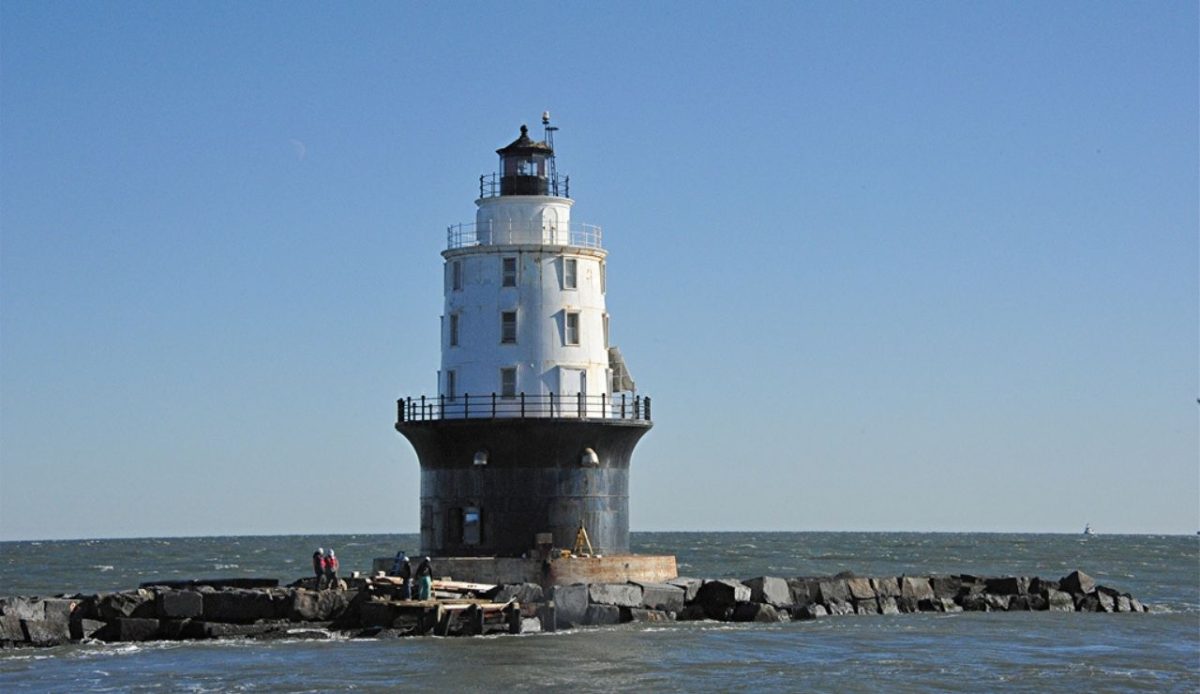
The Harbor of Refuge Lighthouse, also called the Delaware Breakwater Lighthouse, has guided vessels since 1926 near Cape Henlopen. A nonprofit offered public boat tours, giving visitors rare access to an offshore lighthouse and its history.
U.S. Army Corps findings described major breakwater damage from storms and scouring that increased the depths around the structure. Local reporting said access is unsafe and repairs would be extremely costly. Officials said public tours likely will not resume.
The beacon still functions for navigation, but the shutdown ends a signature historic visit for Delaware. It shows how coastal erosion and damaged protective works can stop public heritage use even when a structure remains in service.
