
In 2026, entry costs rose at a small set of U.S. national parks without a new posted vehicle price for most American visitors. The increase came from a $100 nonresident fee charged per person age 16 and older, added on top of the regular entrance fee.
The National Park Service lists 11 parks where the nonresident fee applies, and it started on January 1, 2026. Visitors can avoid the per-person charge by using an Annual or America the Beautiful pass that covers the nonresident fee.
Because the change often appears during online checkout or at the pay station, it can feel like a quiet increase, especially for tour groups. These nine parks are on the official list and are common stops for first-time visitors.
1. Acadia National Park
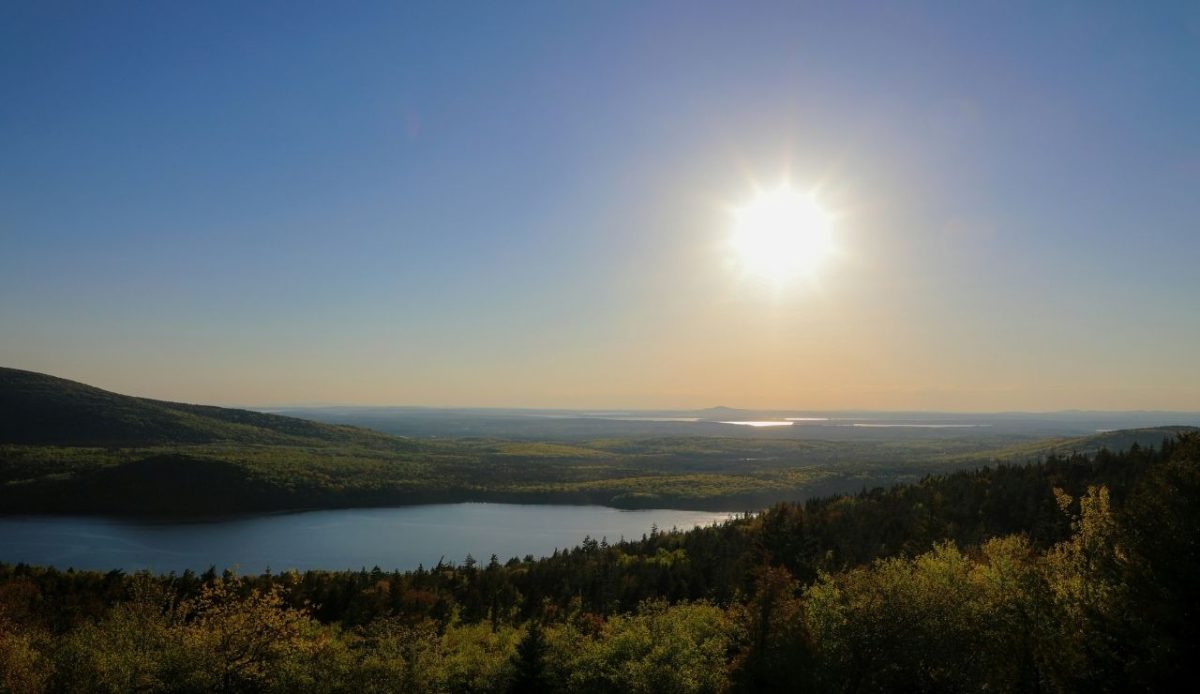
Acadia’s base entrance fee rules did not change for most U.S. residents in 2026, but total entry costs increased for many international visitors. Each non-U.S. resident age 16 and older owes a $100 nonresident fee in addition to the regular entrance fee.
For a family arriving by car, the surcharge stacks by eligible passenger, so the total can jump quickly even on a short visit. The fee is not owed when the group is admitted with an Annual pass or a qualifying America the Beautiful pass.
Acadia already manages heavy seasonal demand around Bar Harbor and Cadillac Mountain access, so payment steps may feel routine. Still, the added line item changes the effective price of entry in 2026, even when the posted vehicle rate looks familiar.
2. Bryce Canyon National Park
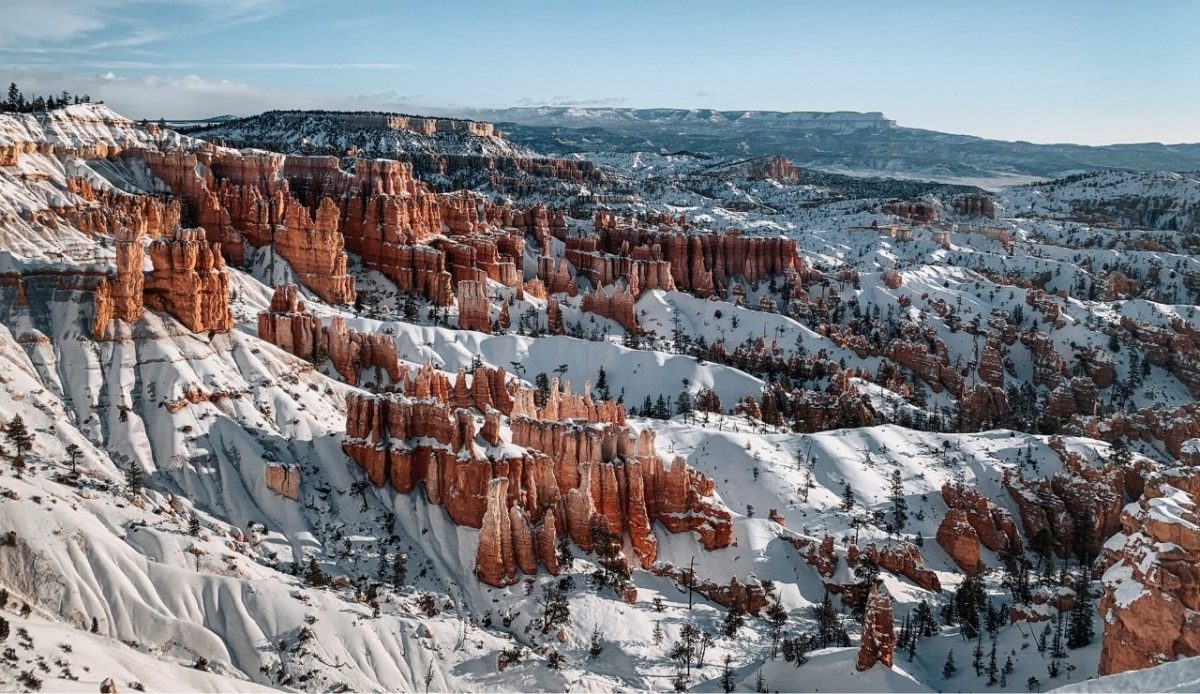
Bryce Canyon was added to the 2026 nonresident fee program, raising what many overseas visitors pay to enter the park. Non-U.S. residents age 16 and older are charged $100 per person on top of the standard entrance fee at the gate.
The policy matters most for international tour groups, where the surcharge applies to each eligible traveler, not per vehicle. If a visitor holds an Annual or America the Beautiful pass that includes nonresident coverage, the per-person fee is waived.
Bryce Canyon’s hoodoo overlooks and short trails attract high summer volumes, so fee collection is part of routine crowd control. In 2026, the increase can be missed until payment, since the base fee schedule still appears unchanged for most U.S. drivers.
3. Everglades National Park
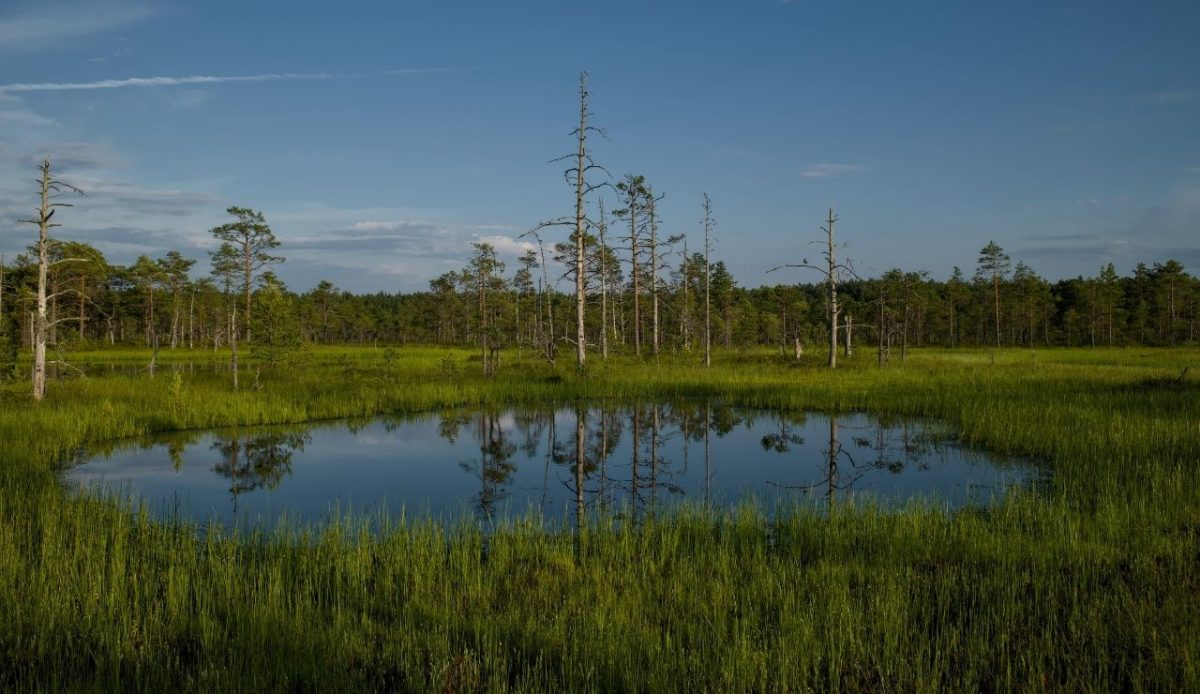
Everglades National Park draws winter visitors from abroad, and 2026 brought a higher total cost for that group. Each non-U.S. resident age 16 and older must pay a $100 nonresident fee in addition to the regular entrance fee.
The surcharge is separate from activity costs such as guided boat tours, so travelers can underestimate the first step of the budget. A qualifying Annual or America the Beautiful pass can cover the nonresident fee, changing the math for multi-park itineraries.
The Everglades has multiple entry areas and staffed fee stations, so the rule is applied at arrival rather than later. The base fee looks the same, but the total paid in 2026 is higher for many foreign visitors.
4. Glacier National Park
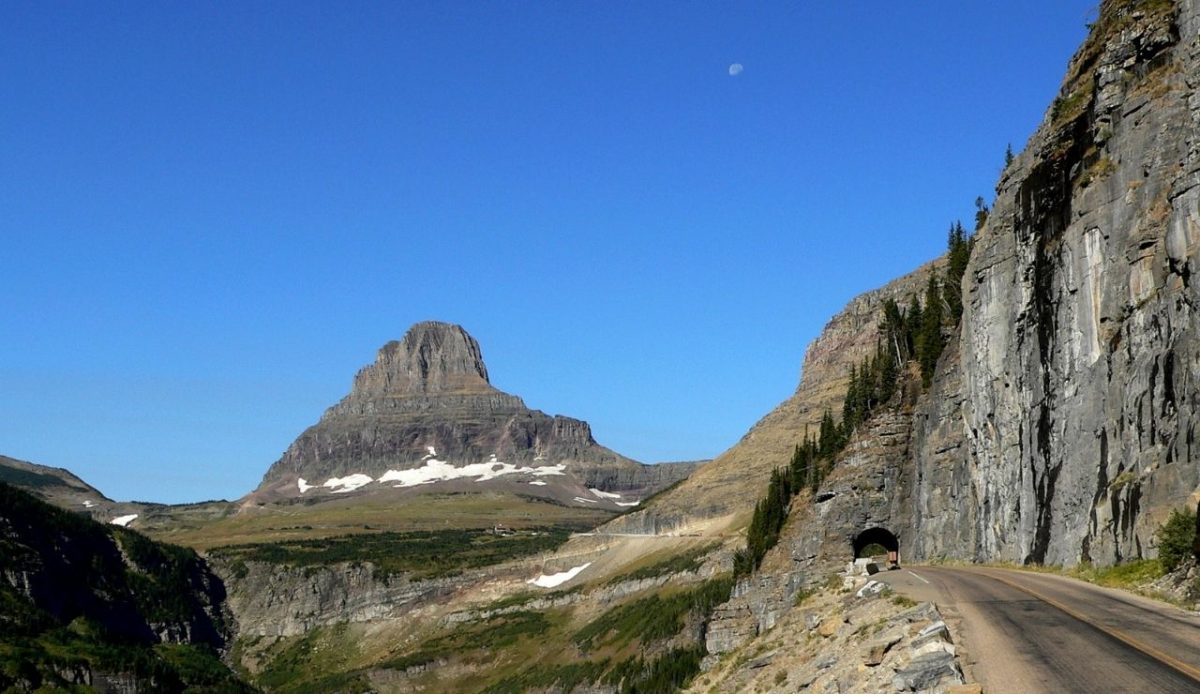
Glacier’s entrance fee schedule remained familiar for U.S. residents in 2026, yet the total paid at entry rose for many international travelers. Each non-U.S. resident age 16 and older is charged a $100 nonresident fee on top of the standard entrance fee.
The added cost can surprise visitors who planned around vehicle pricing, since the surcharge is assessed per eligible person. An Annual or America the Beautiful pass that includes nonresident coverage can waive the extra fee.
Glacier faces peak season congestion near Going to the Sun Road access points, so fee collection is tightly managed. In 2026, the increase is easy to miss until payment because posted rates focus on the base entrance fee.
5. Grand Canyon National Park
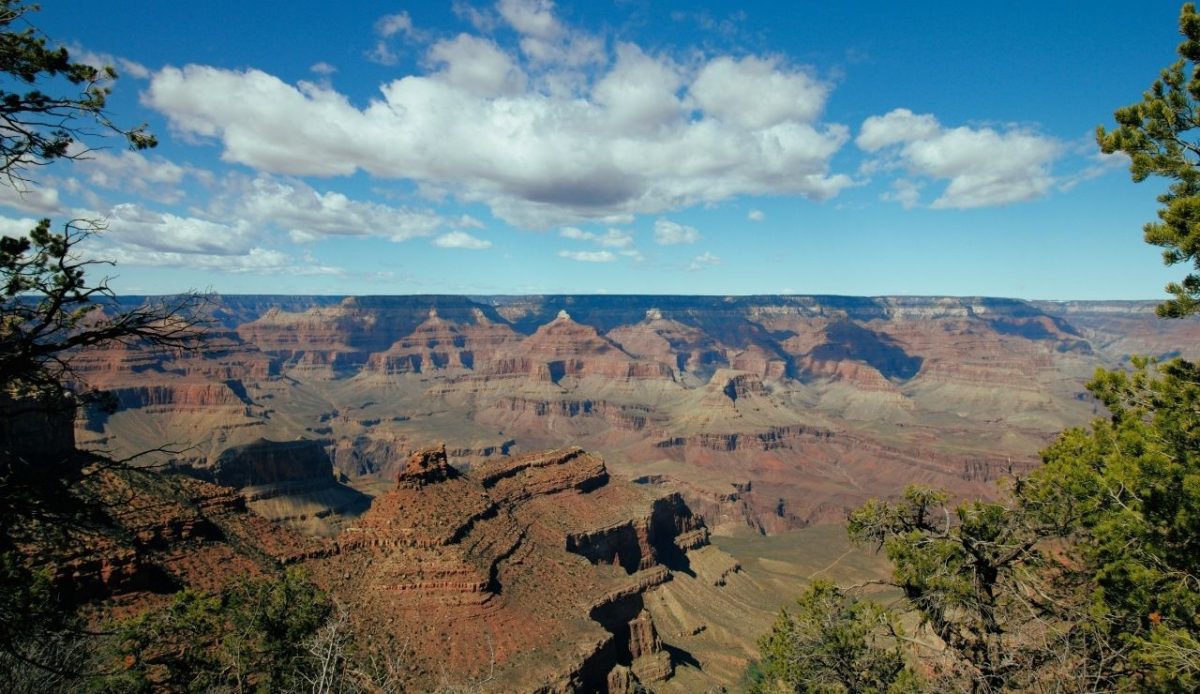
Grand Canyon is on the official 2026 list, where a new nonresident fee increases entry totals for international visitors. Each non-U.S. resident age 16 and older pays $100 per person in addition to the regular entrance fee, unless covered by a pass.
Because many visitors arrive by private vehicle, the base fee can look unchanged on planning pages, while the surcharge is added at purchase. For families, the per-person structure means the total can rise above what a single vehicle fee suggests.
The policy applies at entry points and is separate from optional services like shuttles or guided rim tours. In 2026, the increase can feel quiet because it is layered onto the existing entrance charge rather than replacing it.
6. Grand Teton National Park
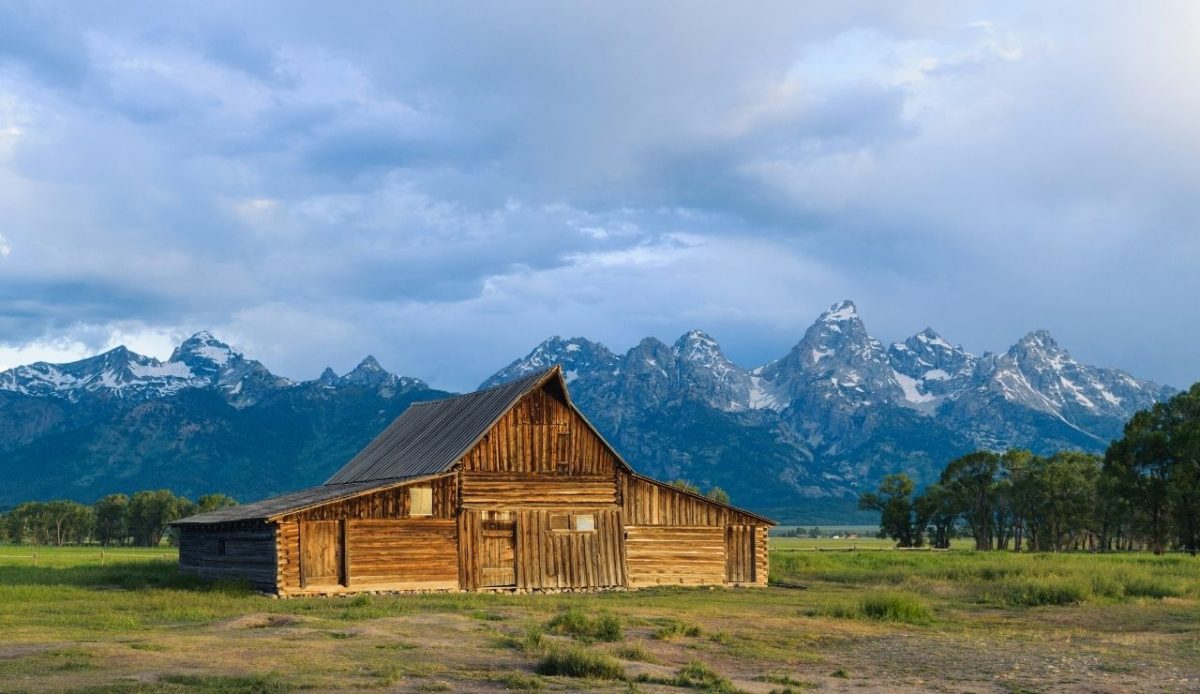
Grand Teton’s entry total increased for many international visitors in 2026 under the National Park Service nonresident fee policy. Each non-U.S. resident age 16 and older is charged $100 per person in addition to the park’s regular entrance fee.
The rule matters for travelers pairing Grand Teton with Yellowstone, since both parks are on the surcharge list and fees can stack across days. A qualifying Annual or America the Beautiful pass can cover the nonresident fee and may reduce the per-stop cost.
The surcharge is assessed at entry and does not replace the base fee schedule for vehicles, motorcycles, or walk-ins. Because the posted entrance fee may look familiar, visitors often notice the higher total only when paying in 2026.
7. Rocky Mountain National Park
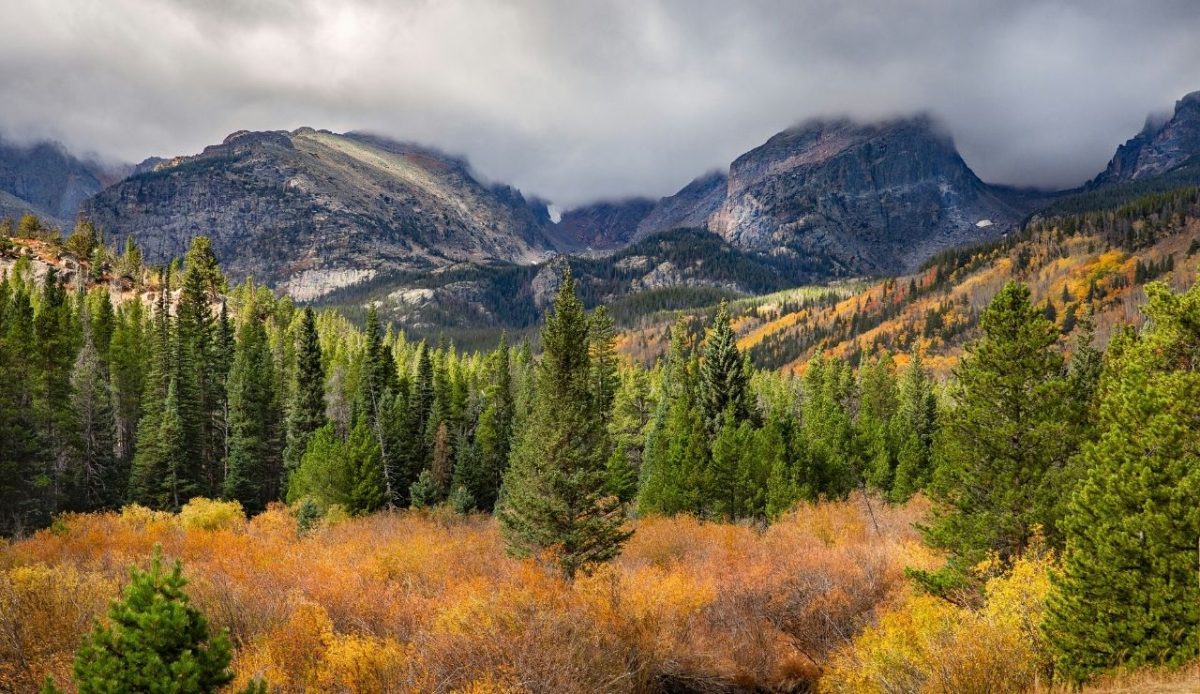
Rocky Mountain National Park is one of the parks where entry totals increased in 2026 for non-U.S. residents. The park charges a $100 nonresident fee per person age 16 and older, added to the regular entrance fee, unless the visitor is covered by a pass.
Because Rocky Mountain already uses timed entry systems in peak periods, many travelers focus on reservations and overlook fee details. The surcharge is still collected at payment and is assessed per eligible person, not per vehicle.
Visitors admitted with an Annual or America the Beautiful pass that includes nonresident coverage do not pay the extra $100. For others, the 2026 change increases the effective price of entry even if the base fee schedule looks unchanged.
8. Yellowstone National Park
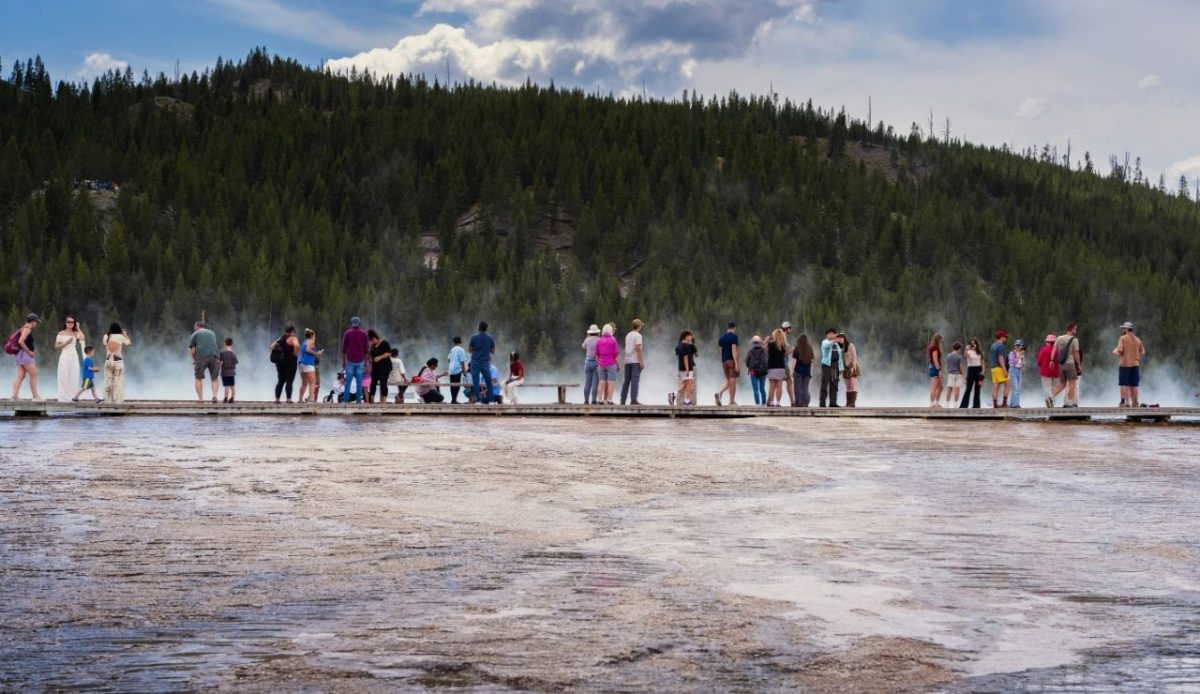
Yellowstone is on the 2026 list, where a new nonresident fee increases the total paid at entry for many overseas visitors. Each non-U.S. resident age 16 and older owes $100 per person in addition to the regular entrance fee.
Since general admission is often discussed as a vehicle charge, the per-person add-on can surprise travelers who budget from the base rate. The extra fee is not charged when the visitor is admitted with a qualifying Annual or America the Beautiful pass.
The surcharge is collected at the gate and is separate from lodging, camping, or commercial tours inside the park. In 2026 the base fee can look unchanged, but the final total rises for non-U.S. residents in the eligible age group.
9. Yosemite National Park
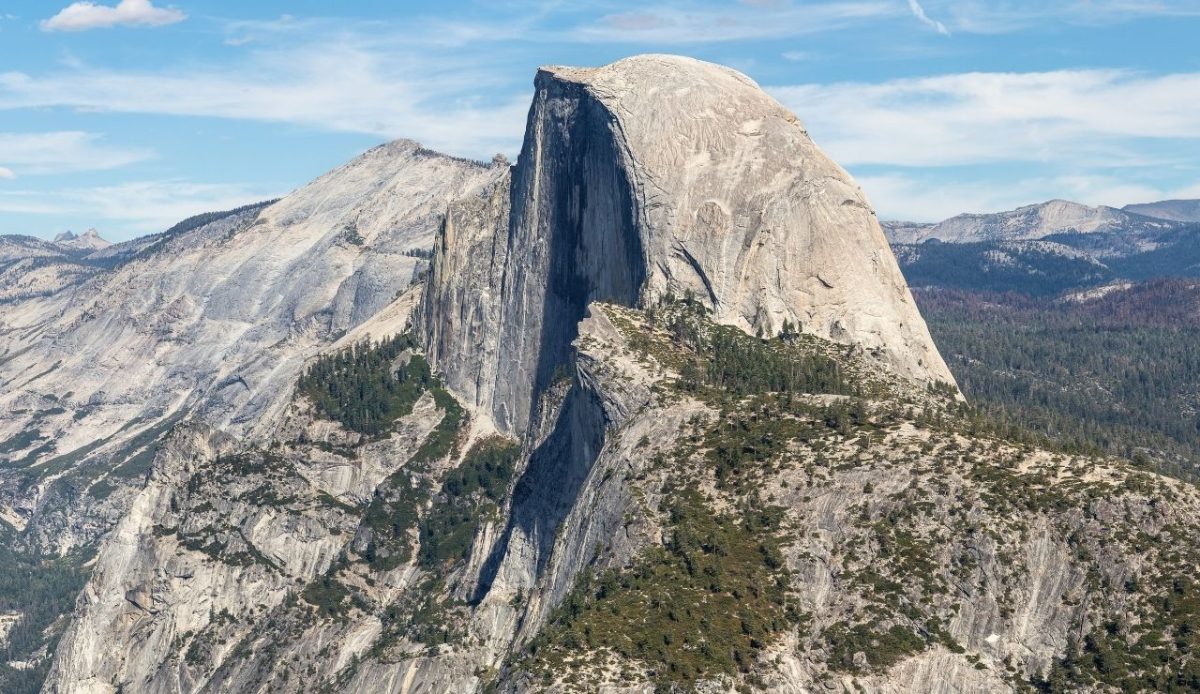
Yosemite’s entry costs increased in 2026 for many international visitors under the National Park Service nonresident fee rule. Each non-U.S. resident age 16 and older must pay $100 per person in addition to the regular entrance fee, unless covered by a pass.
The surcharge is assessed at purchase, so it may appear during online planning or at the entrance station rather than in older trip guides. Because the base fee schedule still applies, the increase can be missed until the final payment.
A qualifying Annual or America the Beautiful pass can waive the extra fee, changing the break-even point for repeat visitors. For others, the 2026 policy raises the effective price of entry without changing the familiar base rate structure.
