
Security lines in the U.S. have started stretching out again, and it’s not always because you showed up late. Higher passenger volumes, checkpoint construction, and uneven staffing can turn a normal morning into a slow shuffle.
Crowds also bunch up when flight banks leave at the same time, weather ripples through schedules, or an equipment issue closes a lane. Even frequent flyers feel it when PreCheck capacity is limited or merged into general screening.
These eight airports are big, busy, and prone to bottlenecks. The fix isn’t panic; it’s planning: arrive earlier, pick the right checkpoint, and treat “quick security” as a nice surprise, not a promise.
1. Atlanta (ATL), Hartsfield-Jackson Atlanta International
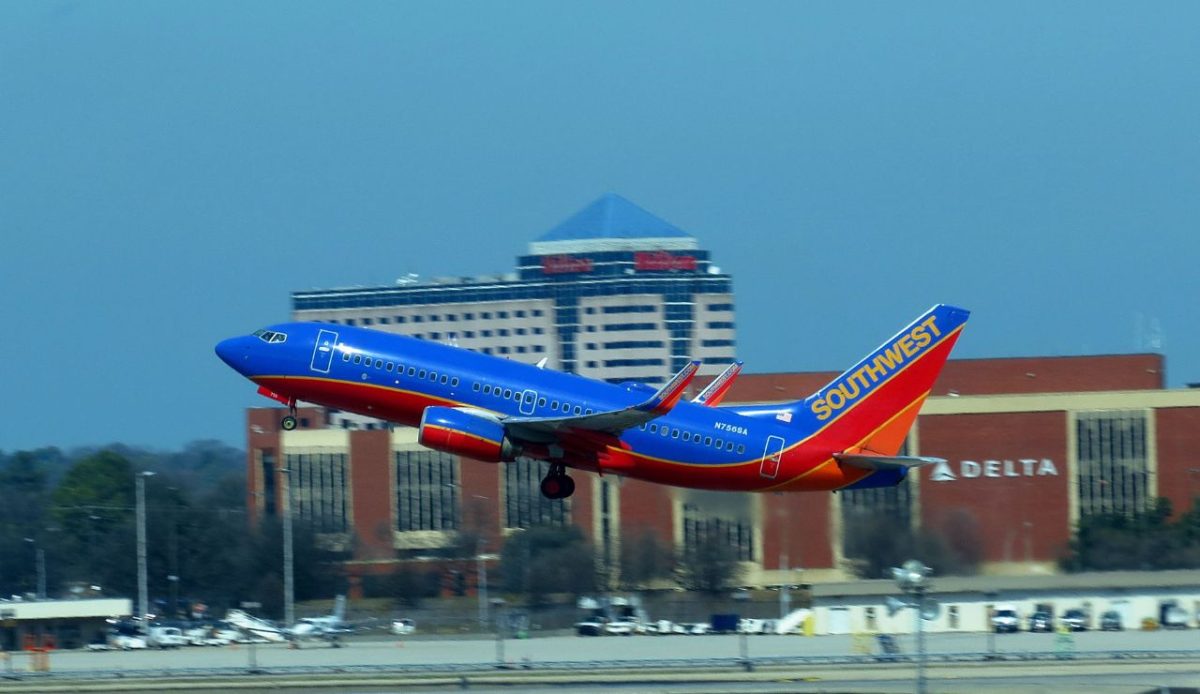
ATL moves huge passenger loads daily, so small disruptions scale fast. When multiple concourses feed the main checkpoint at once, the line can surge in waves rather than steadily.
Early mornings and late afternoons often stack departures, and irregular operations like storms in the Southeast can compress travelers into the same time window. That’s when bins run out, lanes pause, and the queue creeps.
Give yourself extra buffer, especially for tight domestic connections. If you can, use the checkpoint closest to your concourse and avoid last-minute terminal changes that dump you into the busiest lane.
2. Chicago (ORD), O’Hare International
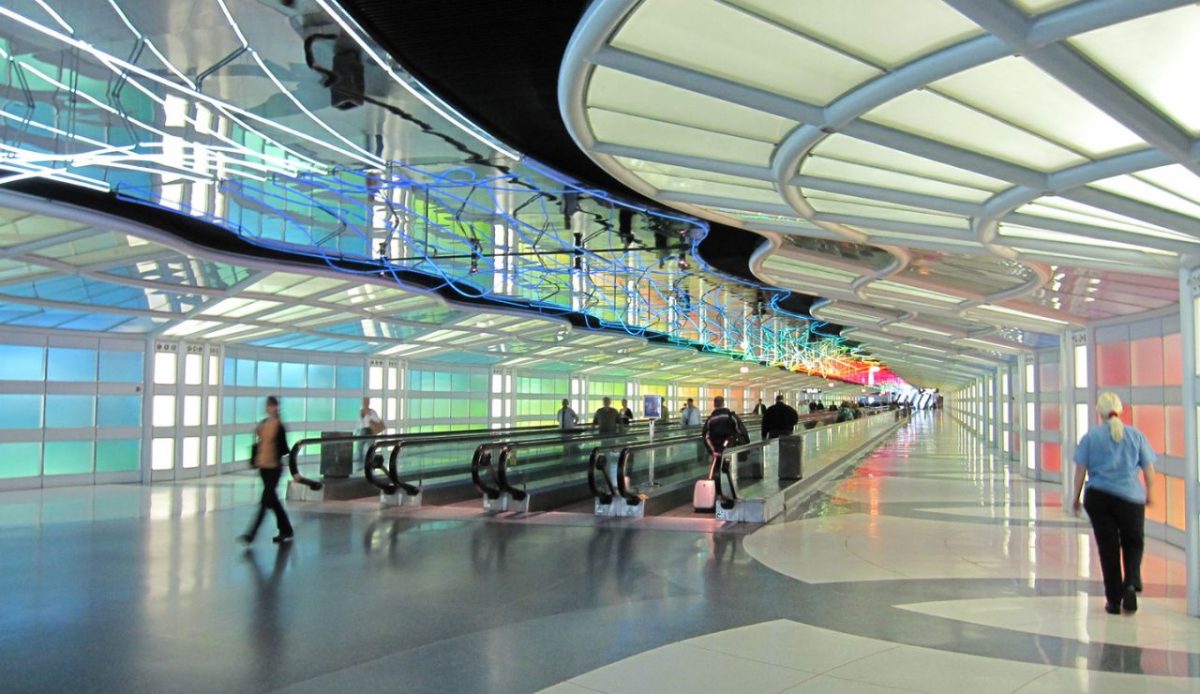
O’Hare’s size is a blessing until it isn’t. With multiple terminals and busy hub schedules, security demand spikes when banks of flights load at the same time, especially in Terminal 1 and Terminal 2.
Weather is a multiplier here: snow and wind delays don’t just slow planes, they push more people into the checkpoint at once as rebooked travelers restart the process. Add construction, a closed lane, or a temporarily shortened PreCheck queue and lines stretch quickly.
Arrive early for morning departures and double-check which checkpoint serves your airline. Walking to a less crowded entry can be faster than standing still, and it’s worth it when every minute counts.
3. Denver International Airport (DEN)
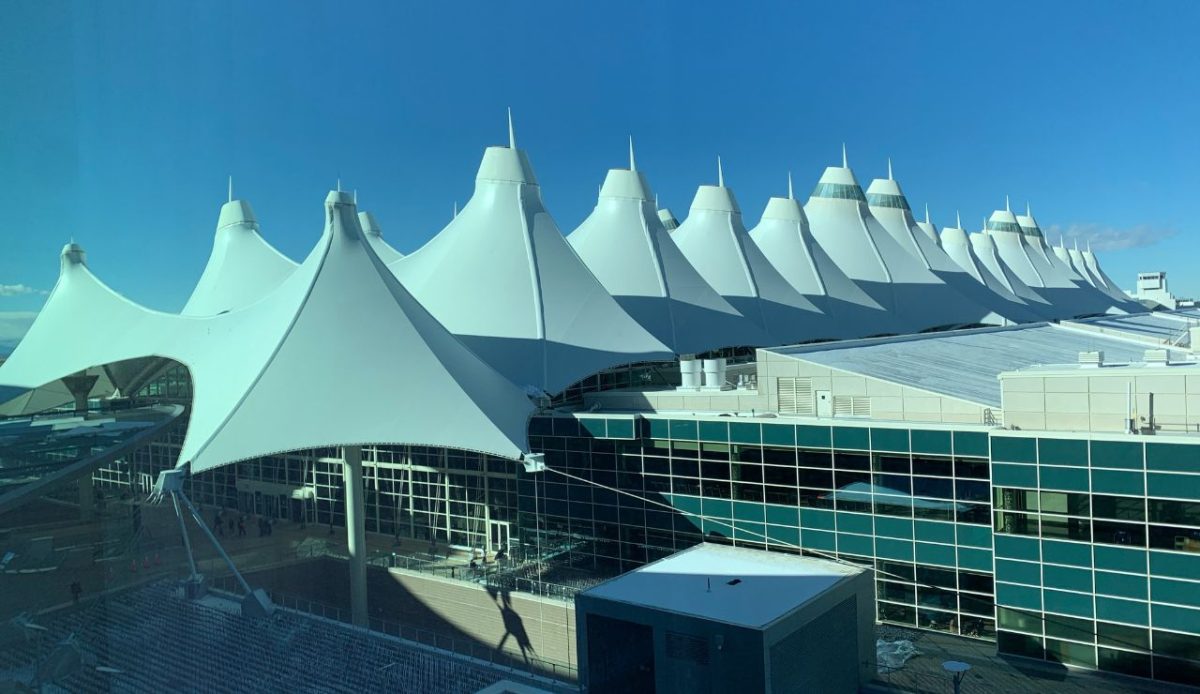
DEN is built for volume, but its central layout means everyone funnels through a limited set of checkpoints. When one area backs up, the line can look like it’s wrapping the whole terminal, even if it’s moving.
Peak ski-season weekends and summer travel add extra bags and families, which slows screening. Weather diversions also reroute passengers through Denver, creating surprise surges that hit security and baggage at the same time.
Plan for longer waits around holiday weekends and early morning waves. If your airline allows it, consider checked bags to reduce carry-on complexity and keep your own screening faster.
4. Los Angeles (LAX), Los Angeles International
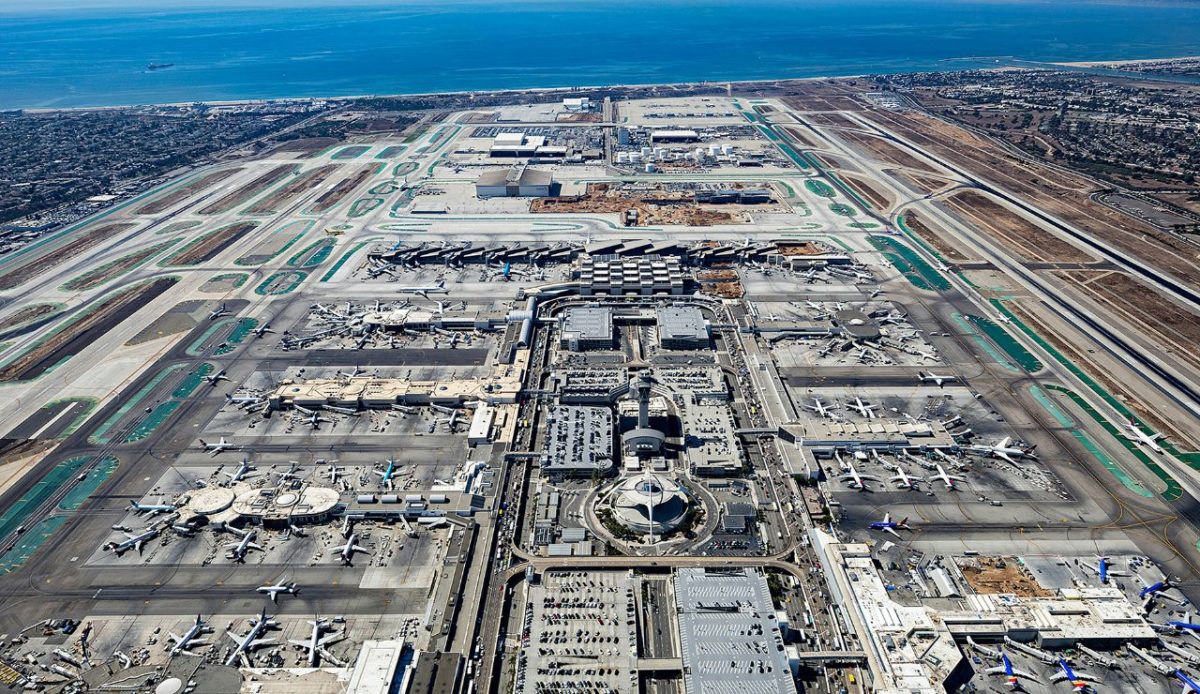
LAX’s terminal-by-terminal design creates uneven lines. One terminal can be fine while the next one is jammed, because each checkpoint is essentially its own world, and staffing isn’t always identical across them.
International departures and heavy rideshare drop-offs also compress crowds into short bursts. If a lane closes or a precheck line is merged into general screening, the backup can snowball fast in peak hours.
Confirm the right terminal early, because switching last minute usually costs time. For domestic trips, arriving a bit earlier than you think you need is often the cheapest “upgrade” you can buy.
5. New York (JFK), John F. Kennedy International
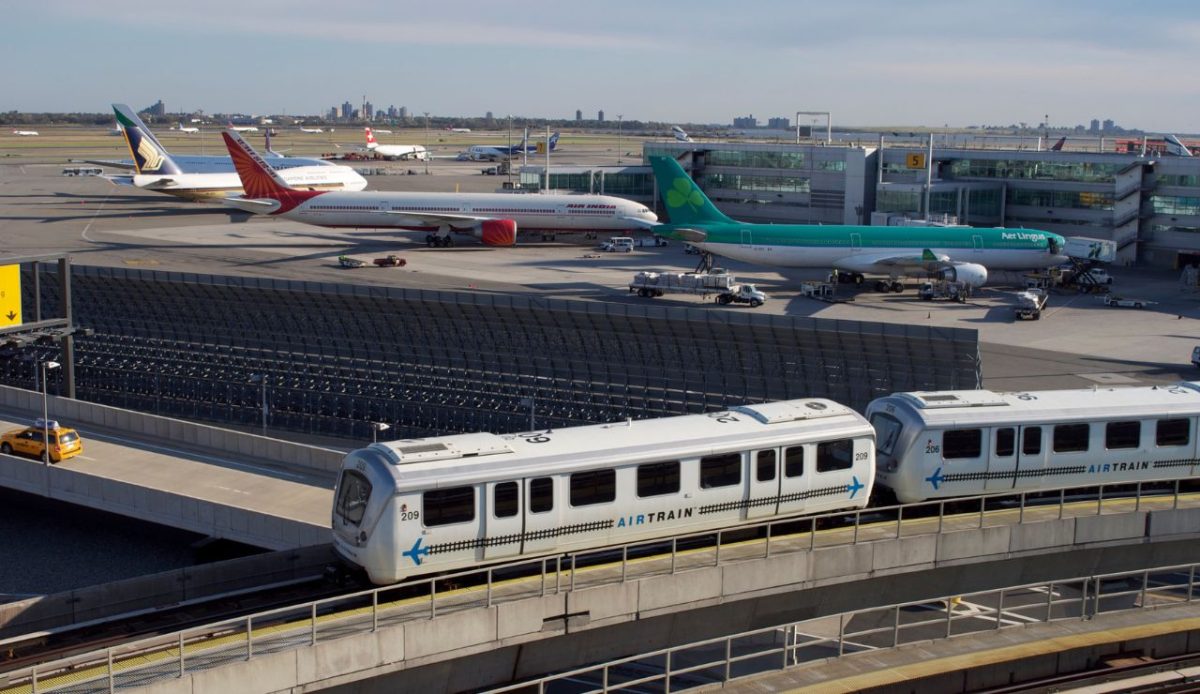
JFK mixes dense local traffic with major international flights, and that combo can overwhelm checkpoints when several widebodies and domestic banks depart close together. Terminal layouts vary, so wait times can swing fast.
Operational hiccups like weather in the Northeast or runway flow changes can push passengers to the same departure window, which means more people hit security at once. Busy curbside drop-offs add friction before you even enter.
Build in extra time for evening international waves and holiday travel. If you have options, pick less congested transit times and keep liquids and electronics easy to pull out to avoid slowing the line behind you.
6. Miami (MIA), Miami International
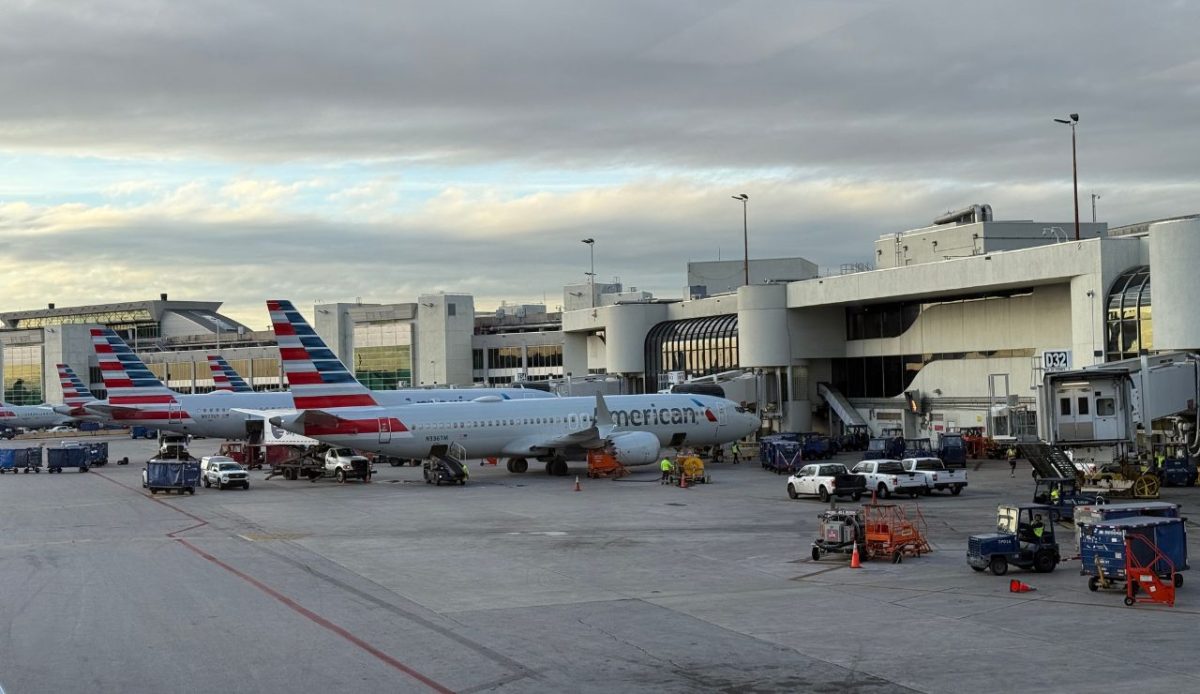
MIA is a major gateway for Latin America and the Caribbean, so international peaks are intense. Large tour groups, families, and heavier luggage loads can slow down screening, and queues grow quickly when flights cluster.
Seasonal travel matters here: winter escapes and spring break bring more infrequent flyers who need extra time at the bins. When one checkpoint gets overwhelmed, the crowd effect feels immediate in the main halls.
Arrive earlier than usual for midday and afternoon departures. If you’re connecting from a cruise or a tour pickup, pad your schedule, because a minor delay outside the airport can turn into a major wait inside it.
7. Seattle (SEA), Seattle-Tacoma International
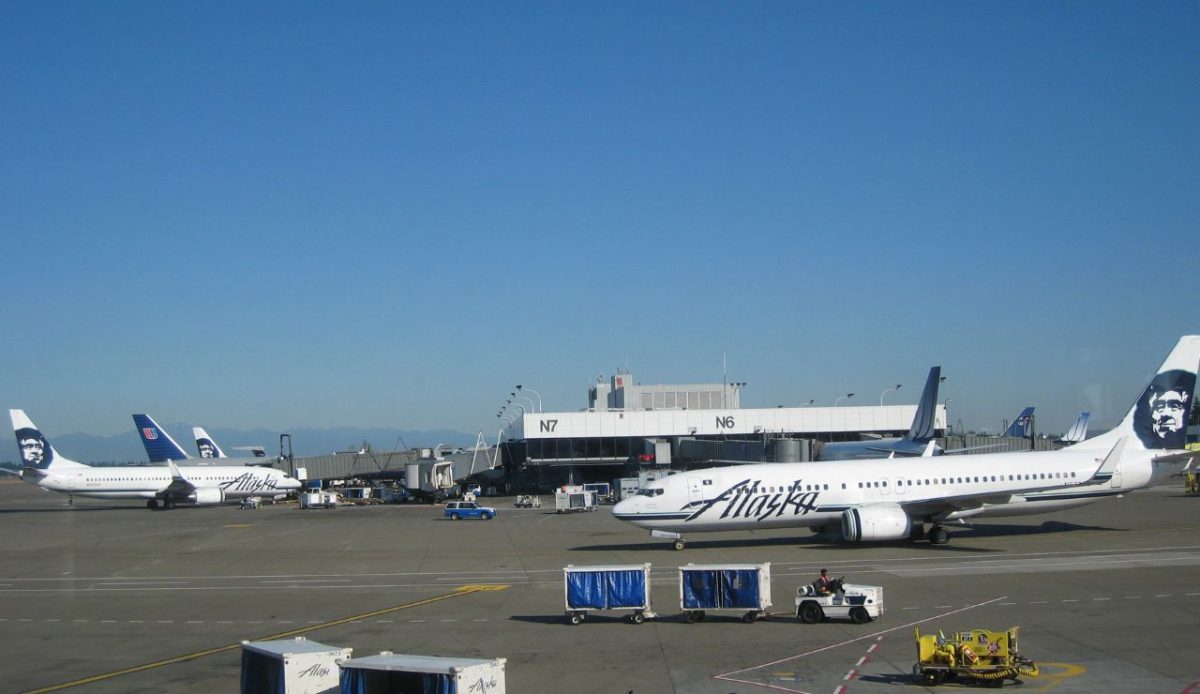
SEA has limited space at certain checkpoints, so lines can look short and still take a while. When a few large flights check in at once, the queue grows quickly and spills into walkways, slowing everyone down.
Summer travel, Alaska cruises, and tech-conference weeks can raise volumes, and any lane reduction for maintenance can make the whole system feel tight. Weather issues on the West Coast can also bunch departures.
Use extra time during early morning departures and peak summer weekends. If you can choose, aim for off-peak midday flights and keep your carry-on simple so you’re not the person wrestling with a bag at the scanner.
8. Las Vegas (LAS) , Harry Reid International
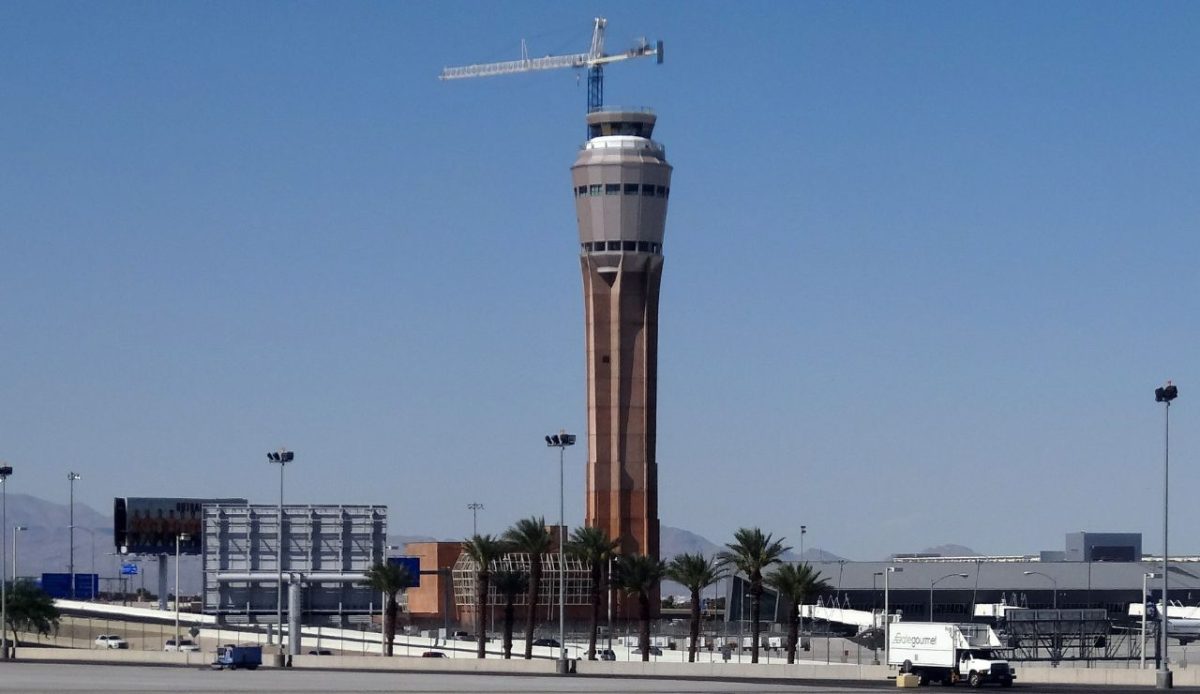
LAS is built around bursts: big convention checkouts, weekend getaways, and holiday party traffic. That means security lines can jump from manageable to long in a short window, especially after major events end.
Travelers often carry souvenirs, liquids, and odd-shaped items, which slows screening and trigger more bag checks. When staffing or lanes don’t match the surge, the line backs up fast near the central checkpoints.
Give yourself a larger buffer on Sundays, after conventions, and around holiday weekends. Pack your carry-on like you’ll be searched, keep items easy to remove, and you’ll help your own pace, and everyone else’s.
