
Caribbean destinations rely on tourism, but heavy arrivals can strain roads, beaches, water systems, and local services. So more governments are adding or increasing visitor taxes, nightly levies, entry fees, or cruise passenger charges, to help manage the impact.
These fees are often framed as “sustainability” or “enhancement” funding. Aruba introduced a Sustainability Fee for air arrivals in 2024, while other places focus on cruise volume, where thousands can land at once.
The pitch isn’t to shame travellers. It’s to keep destinations livable, fund protection, and make tourism pay for the pressures it creates.
Infrastructure costs rise faster than island budgets can handle
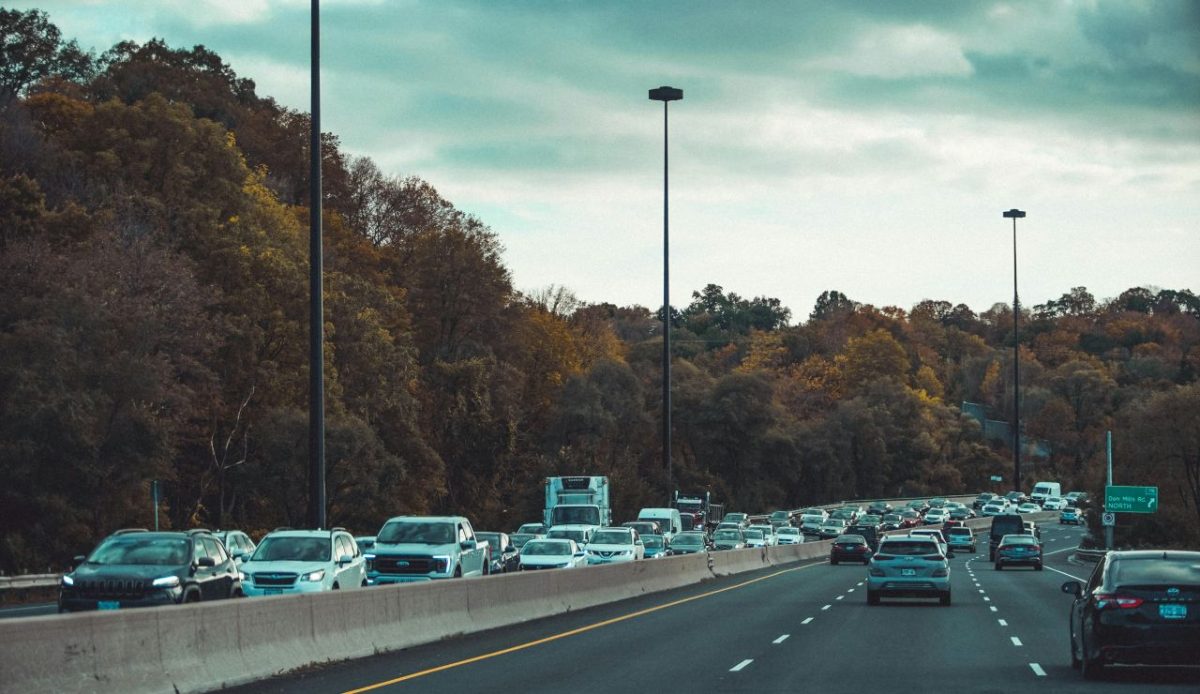
Visitor taxes help pay for basic infrastructure that tourists use heavily. Think wastewater treatment, roads to beaches, public toilets, and emergency services that scale up during peak season, often on tiny budgets.
Small islands have limited land, limited freshwater, and systems that weren’t built for nonstop high demand. When arrivals spike, maintenance costs rise fast, and local budgets can’t always keep up.
By charging visitors directly, governments can earmark money for upgrades instead of pulling from schools or healthcare, and they can fund repairs before breakdowns become headlines for travellers.
Environmental protection needs steady cash, not seasonal donations
Overtourism hits nature first: coral reefs, dunes, mangroves, and marine parks. Fees are increasingly tied to conservation, monitoring, and restoration work that keeps ecosystems from collapsing under heavy use.
Aruba’s Sustainability Fee is positioned as funding for island sustainability projects, and that framing is spreading across the region. It also makes the cost visible before arrival, not hidden in room rates.
The logic is blunt: beaches and reefs are the product, and protecting them costs money. Stable revenue helps staff rangers maintain moorings, manage trails, and respond faster to pollution and storm damage.
Cruise surges create big impacts in a short time window
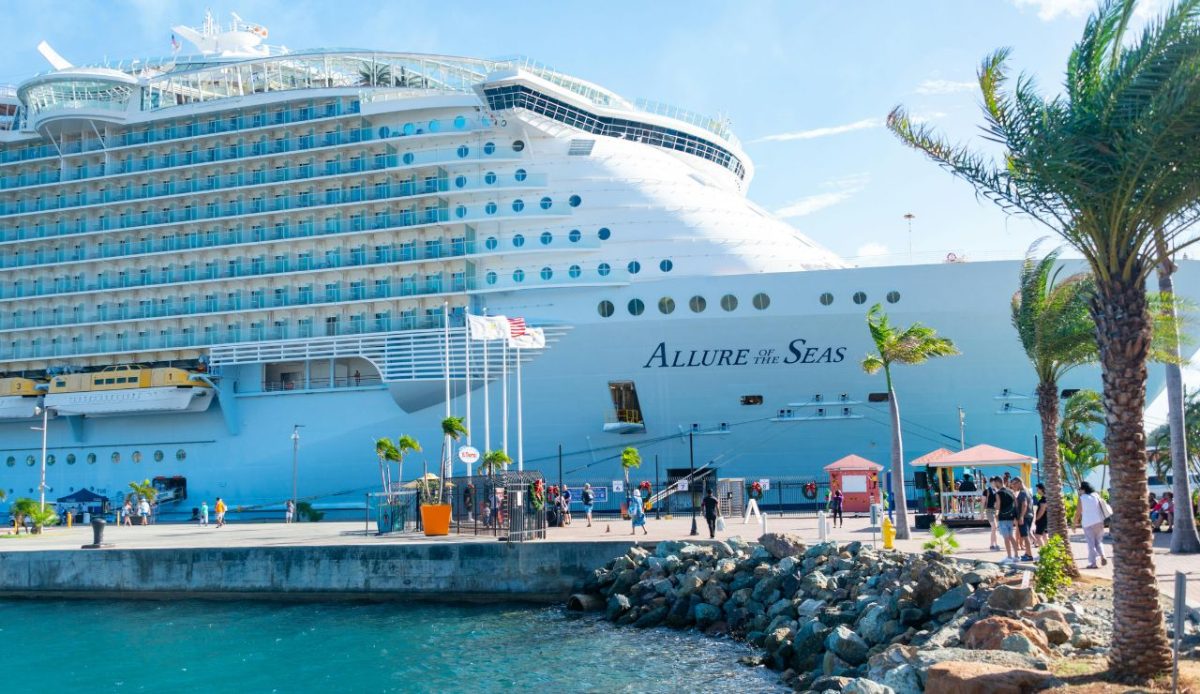
Cruise tourism brings huge daily surges, but spending per passenger can be lower than that of stayover visitors, while ports and towns absorb the crowds. That’s why some governments aim tax increases directly at cruise calls, not just hotel stays.
The Bahamas has raised cruise passenger taxes and added per-person charges that are described as environmental and tourism enhancement fees for cruisers.
These fees help fund port services, waste handling, and crowd control, and they signal that “high volume, low contribution” models will cost more to run in fragile destinations that also need long-term resilience.
Taxes are a political answer to housing pressure and “tourist inflation”
Rising tourism can push up rents, squeeze housing supply, and shift jobs toward low-wage service work. Visitor taxes are one tool to rebalance who benefits when a destination gets too popular.
Some levies are designed to capture revenue from short stays and rentals that add demand for housing, utilities, and local policing.
The political pitch is fairness: if visitors are adding pressure to local costs, they should help pay for mitigation. Used well, revenue can support public spaces, community programs, and services that keep residents from feeling displaced in their own towns and beaches, too.
Fees double as demand management and rule enforcement funding

Taxes also work as a management lever. Even modest fees can nudge demand, spread travel across seasons, and fund the staff needed to enforce rules. Some islands pair fees with timed entry or zoning for tours.
Bonaire requires a visitor entry tax and says the funds support education, infrastructure, tourism development, and sustainability initiatives on the island.
Done transparently, this money can improve signage, regulate vendors, cap sensitive areas, and upgrade booking systems. The best versions make the visitor experience smoother while keeping the destination culturally grounded, with fewer conflicts between residents and visitors.
