
American second-home demand has reshaped housing markets on many Caribbean islands. Small land areas, limited rentals, and high construction costs mean price jumps arrive fast when outside cash targets beach zones.
Officials have answered with permits, licensing boards, value thresholds, and transfer taxes that raise entry costs for non-citizens. These tools rarely name one nationality, yet U.S. buyers are often the largest group affected because they can close quickly and pay in dollars.
This article reviews nine islands where the pushback is visible in statute, regulation, or sustained public campaigns. Each section points to a concrete rule or movement that changes how Americans can buy, hold, or develop land.
1. Puerto Rico
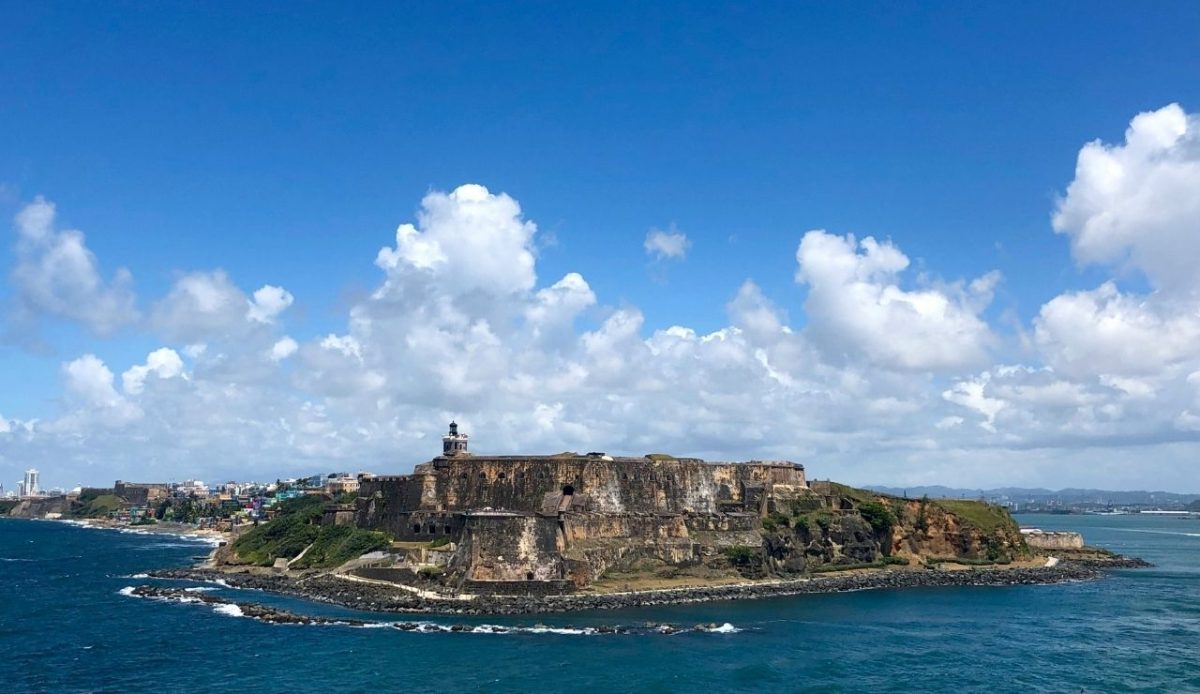
Mainland Americans can buy in Puerto Rico without a foreign buyer permit, yet pushback has grown around Act 60 relocations. Community groups argue that incentive-driven arrivals raise rents, expand short-term rentals, and concentrate demand in coastal districts.
Marches and the phrase Puerto Rico is not for sale keep attention on housing pressure. Activists have urged the legislature to repeal or narrow Act 60, and some members of Congress have criticized the incentives as disruptive to affordability.
Because the island is a U.S. territory, pressure shows up through politics and protest rather than licensing gates. The signal to stateside buyers is direct: purchases are being challenged.
2. Bermuda
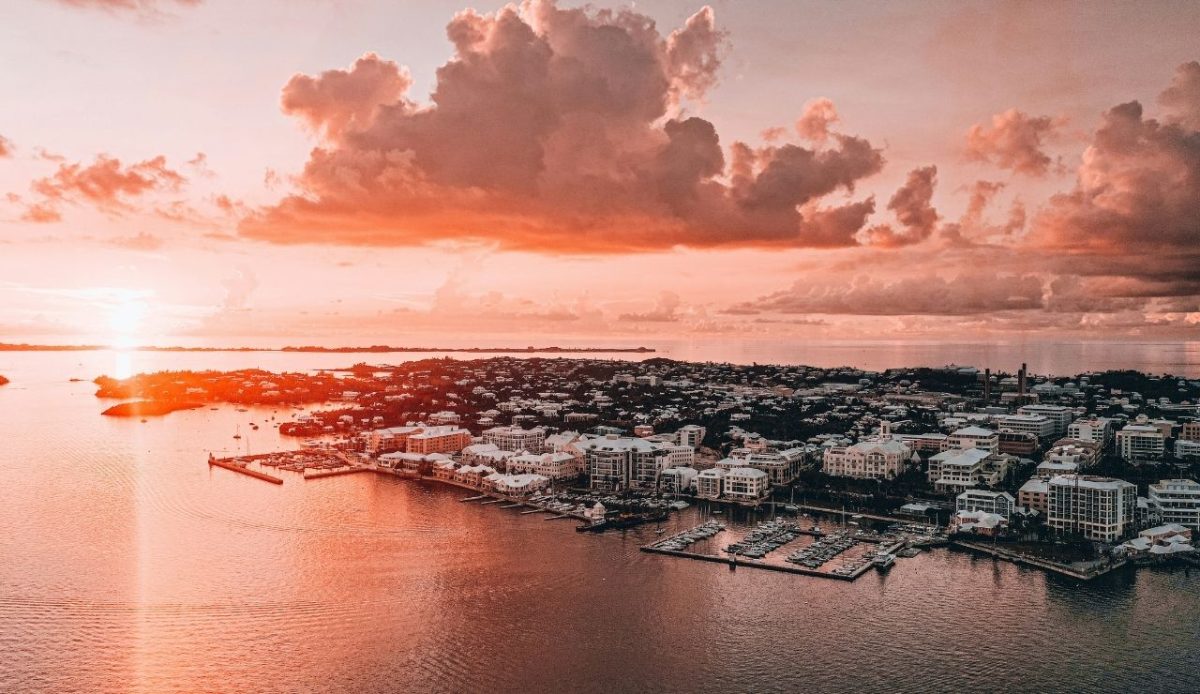
Bermuda limits what non-Bermudians, including Americans, may buy by tying eligibility to Annual Rental Value thresholds. A freehold house must meet a high ARV level, which confines many foreign purchases to a narrow high price tier.
Approval is required through a government licence, and the buyer pays a licence fee set as a percentage of the property value. Processing can take months, and transactions stay conditional until the licence is issued.
The system is intended to protect scarce housing supply for Bermudians while allowing some inflow at the top end. For U.S. buyers, the ARV rule and licence fee operate as a strong brake on market access.
3. The Bahamas
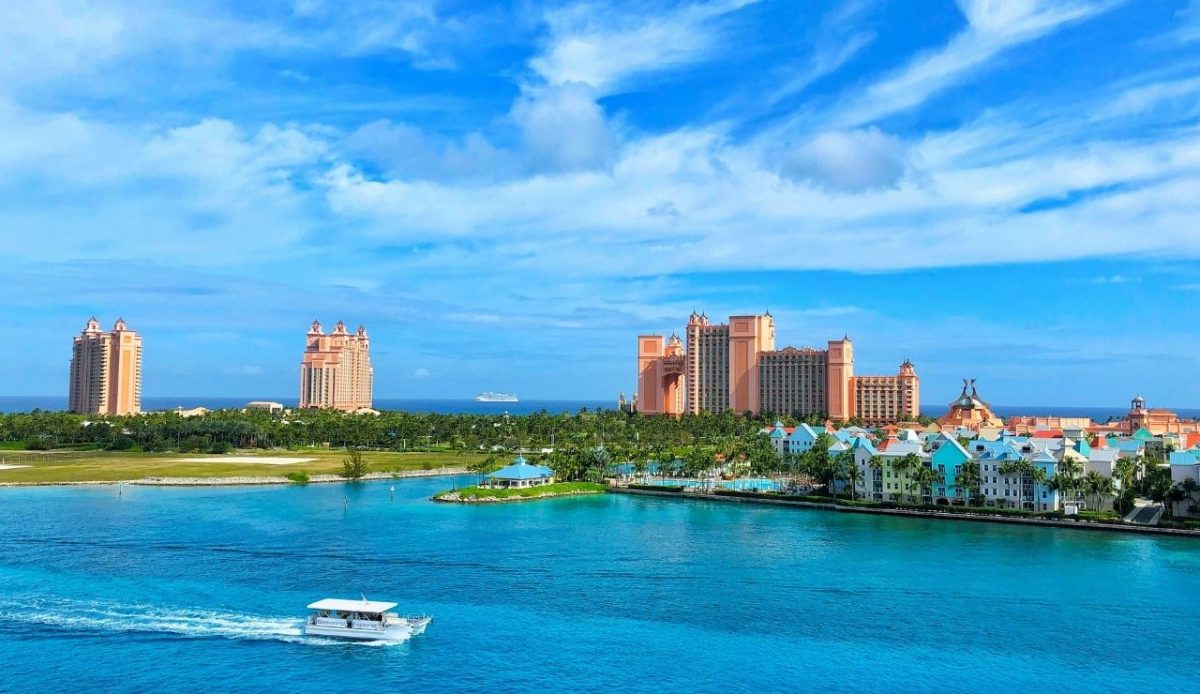
In The Bahamas, Americans are treated as international persons for landholding rules. The International Persons Landholding Act sets a split system where some purchases may proceed without a permit while others require one, depending on the type and scale of the acquisition.
Even when no permit is required, registration steps apply so the government can record the transaction and collect the proper filings. Larger or more complex deals can trigger permit review before the title is finalized.
These requirements are a policy response to heavy foreign demand in resort markets. They do not name Americans, yet U.S. buyers are heavily affected because they make up a large share of outside purchases.
4. British Virgin Islands
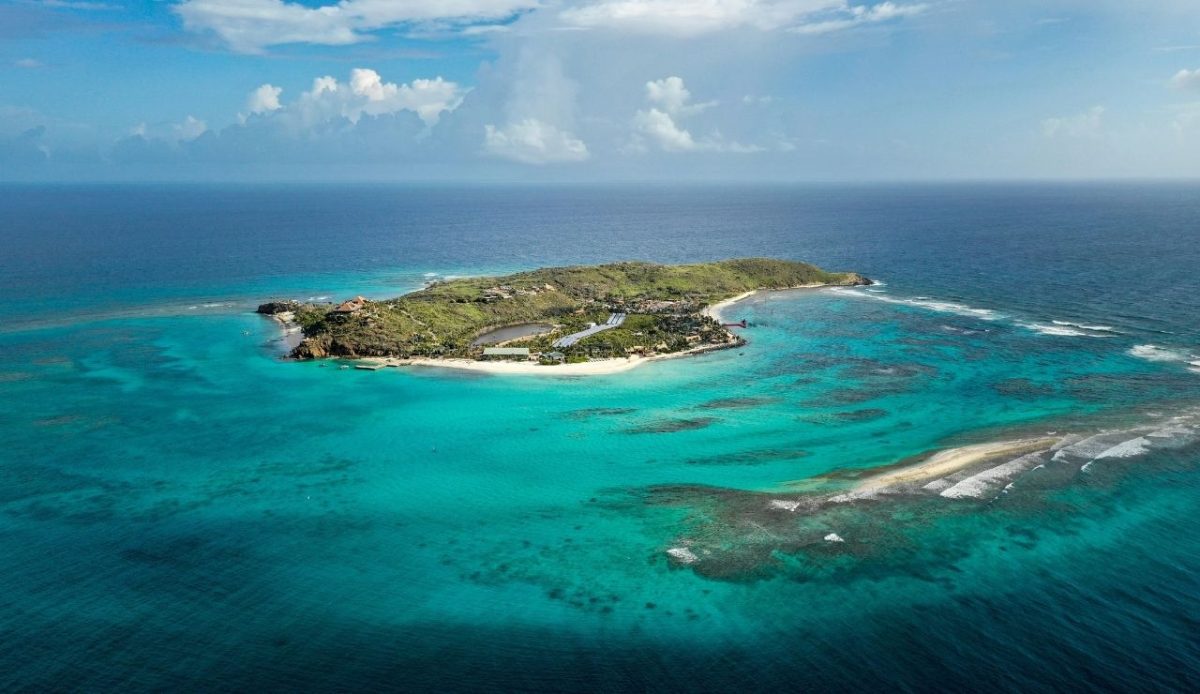
In the British Virgin Islands, Americans fall under the non-belonger category for land ownership. A Non-Belonger Land Holding Licence must be granted before a purchase can be completed, so signing a sale agreement is only the start of the process.
Applicants submit documents and fees to the Ministry, then the file is reviewed and sent to the Cabinet for a decision. For undeveloped land, development details may be required as part of the licensing package.
Time and cost are built into the system on purpose, which limits speculative buying and keeps land transfers visible to the state. U.S. buyers should expect approvals to shape timelines and terms.
5. Anguilla
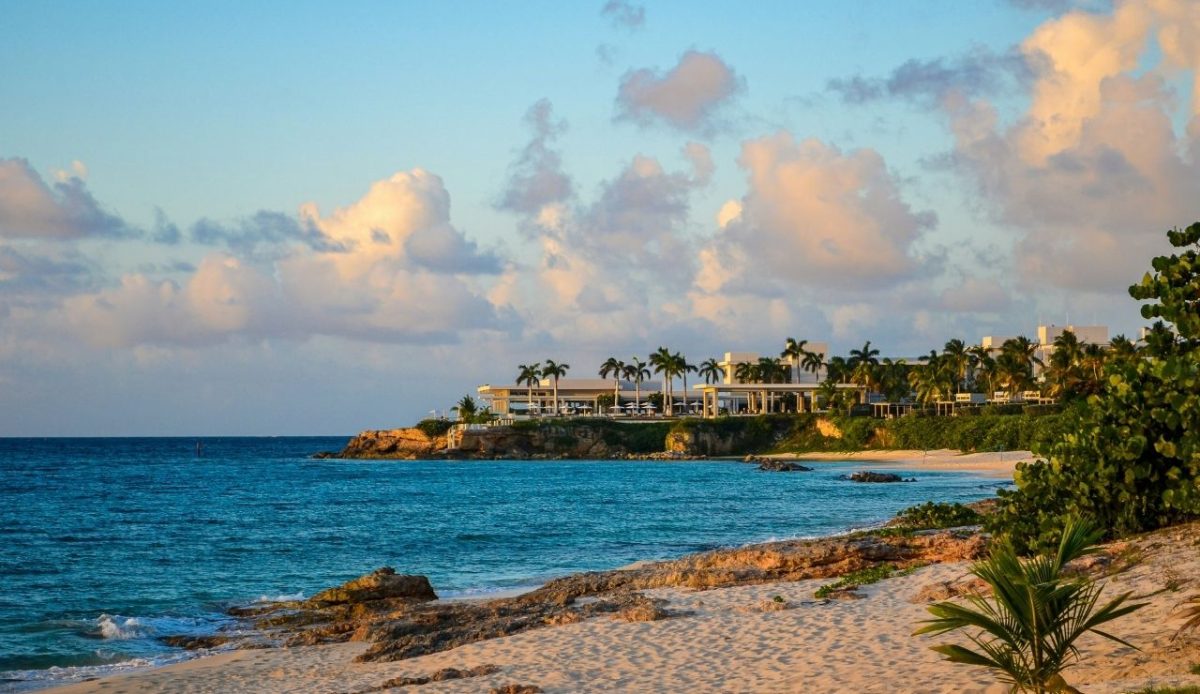
Anguilla requires Americans to obtain an Alien Land Holding Licence under its Aliens Land Holding rules. Guidance notes state that applications go through the Department of Lands and Surveys and must include planning permission for the proposed development at least in outline.
The statute also restricts holding land in trust for an alien without a licence and allows forfeiture risk for non-compliant structures. That creates legal exposure if ownership is attempted through informal arrangements.
These provisions operate as a gate that delays closings and adds fees and documentation duties. For U.S. buyers, the licence functions as a control on who can hold land and under what conditions.
6. Antigua And Barbuda
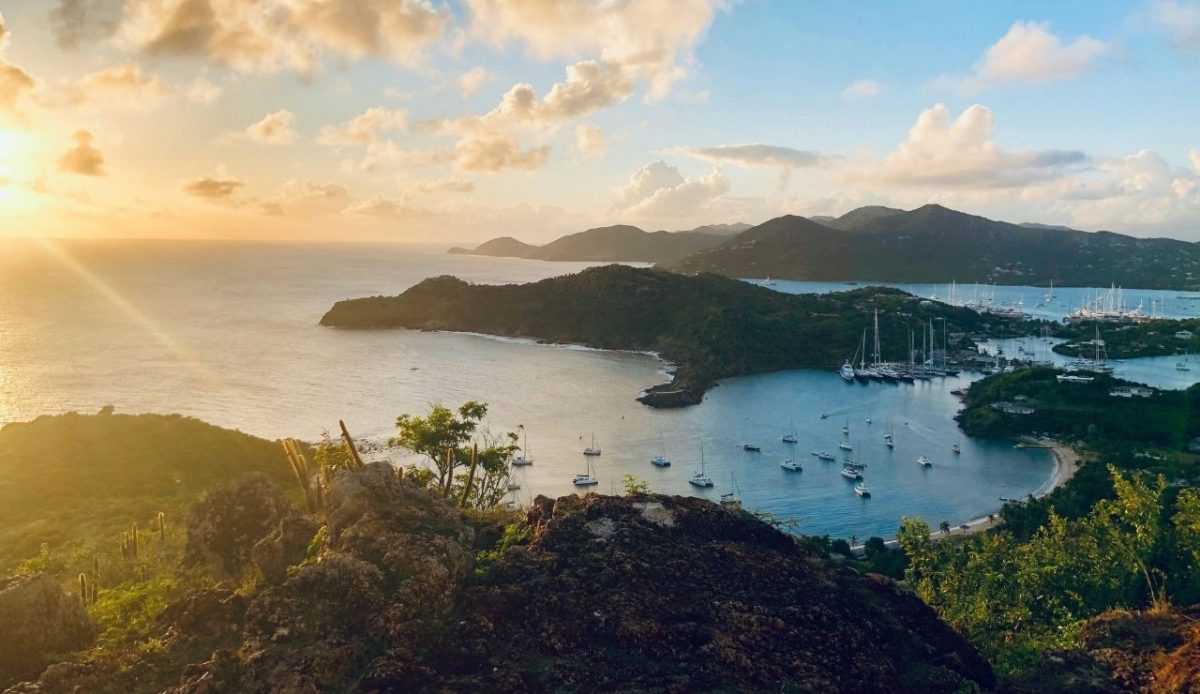
Antigua and Barbuda regulates outside ownership through the Non-Citizens Land Holding law. Americans must obtain a license to hold land, which places Cabinet-level discretion between a buyer and the deed.
The framework has been updated over time through amendment acts that refine the licensing regime and related charges. Applications are handled through prescribed forms and fees, keeping ownership conditional until approval is granted.
Because high-value coastal parcels attract international demand, the licence requirement works as a screening tool rather than a quick filing. For U.S. buyers, the rule adds time, cost, and political review to purchases.
7. Saint Lucia
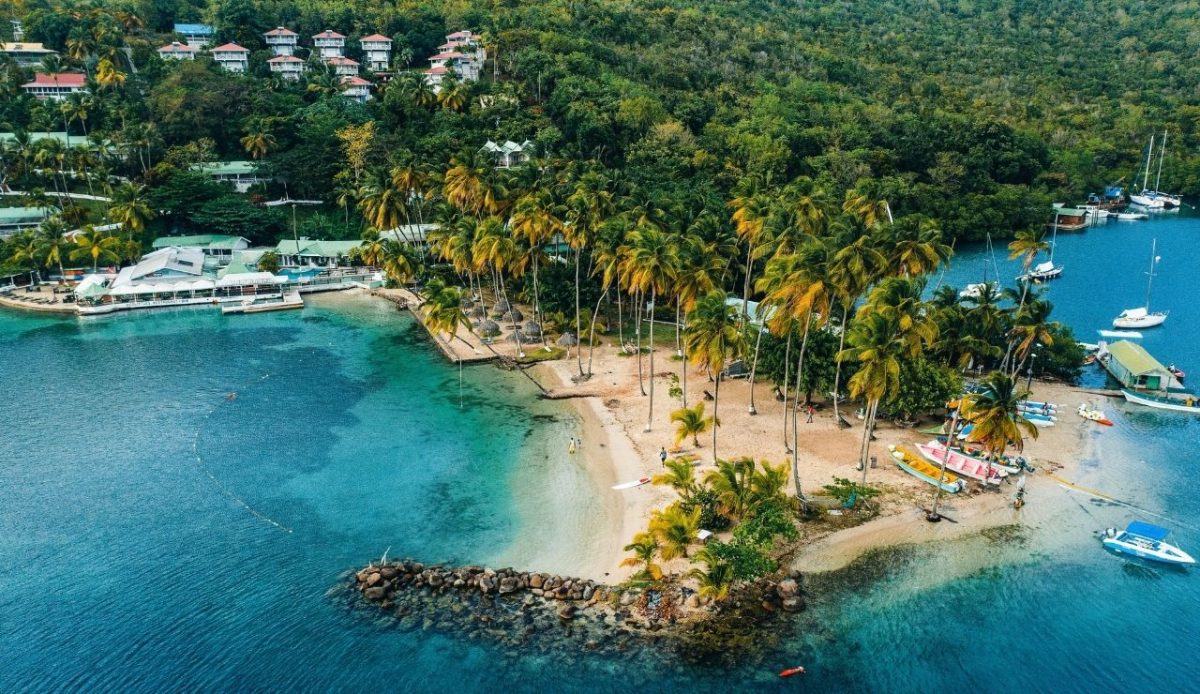
Saint Lucia’s 2020 Alien Landholding Licensing Act sets a two-step pathway for non-citizens, including Americans. The law requires a certificate of eligibility and then an alien landholding licence, creating layered approval before land can be held.
The act establishes administrative bodies with powers to grant, deny, revoke, and set conditions on approvals. It also includes a prohibition on holding land without a valid licence, which makes compliance a legal necessity rather than a choice.
This structure reflects a policy of close oversight of foreign acquisition in a small market. U.S. buyers face an organized gate that can shape timelines, financing clauses, and development plans.
8. Dominica
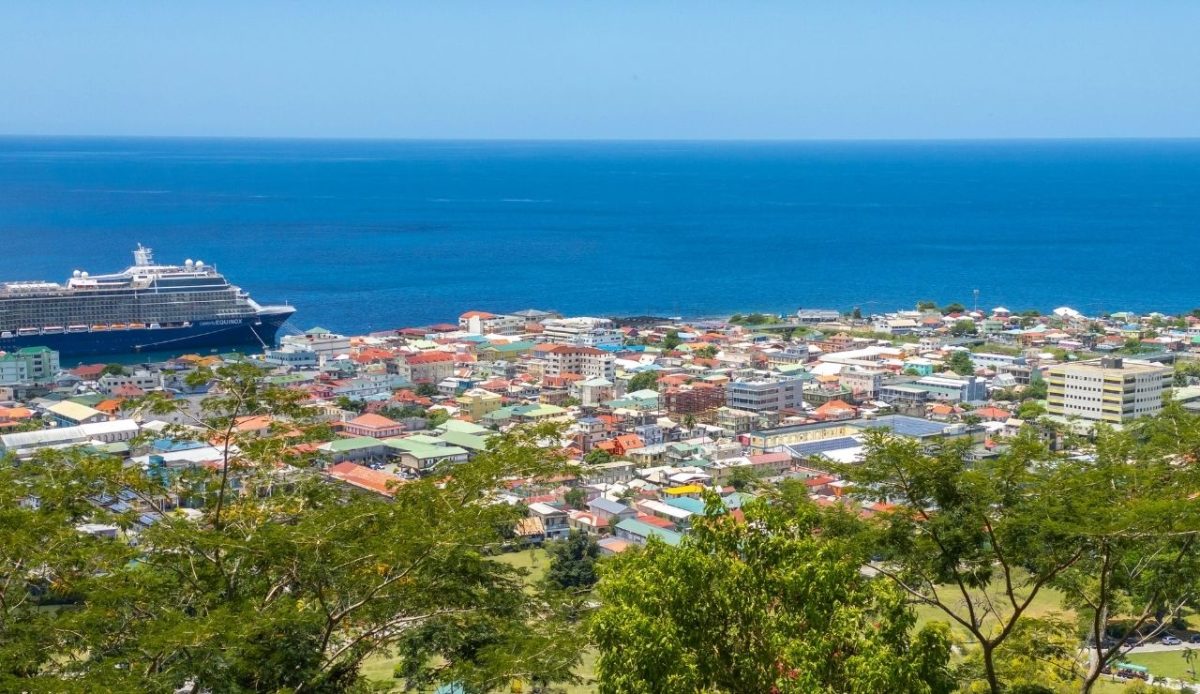
Dominica restricts foreign acquisition through the Aliens Land Holding Regulation Act of 1995. Americans who are not citizens must secure a license for many property interests, which keeps the state involved before the title is finalized.
Amendment acts have updated the framework over time, showing that the licensing regime remains active rather than dormant. Orders and exemptions can be issued under the act, which signals a system built for ongoing administrative control.
These rules are aimed at protecting land sovereignty and managing the limited housing supply during tourism and rebuilding cycles. For U.S. buyers, the licence requirement adds an official checkpoint that cannot be skipped.
9. St Kitts And Nevis
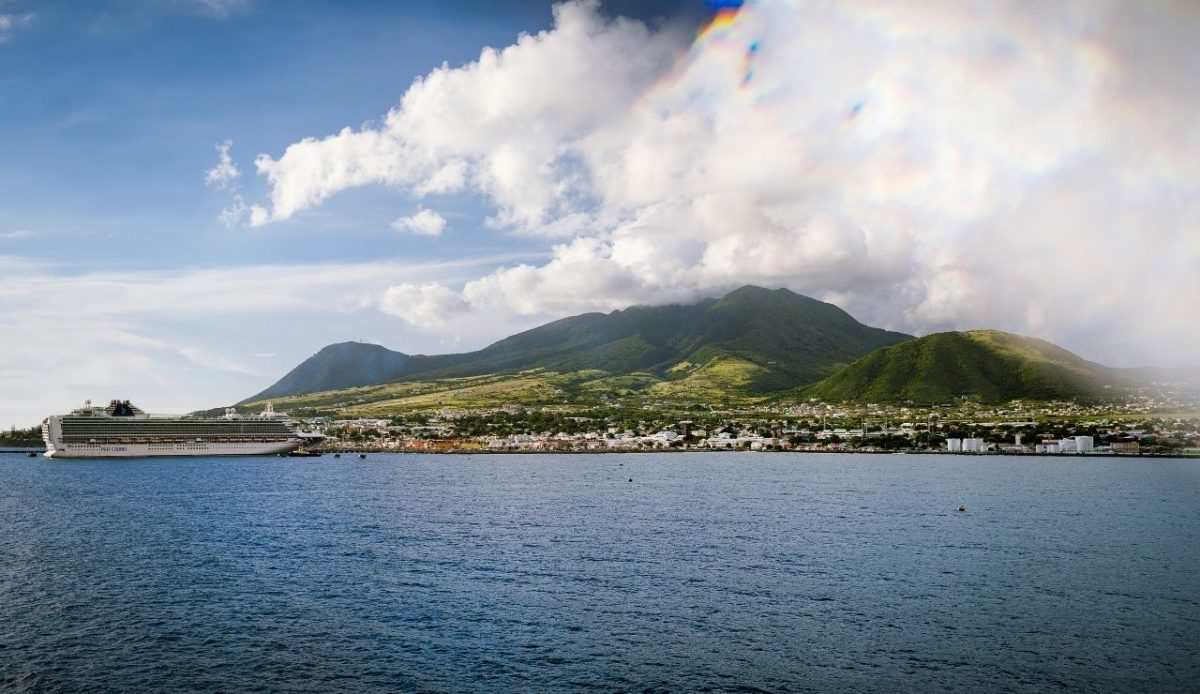
St Kitts and Nevis applies the Aliens Land Holding Regulation Act that governs non-citizen ownership. Americans generally need a licence to hold land or certain related interests, which inserts state approval into transactions that locals can complete directly.
The law has been consolidated in revised editions, indicating continuing legal force and an established administrative system. Buyers must align their purchase structure with the act to avoid ownership that could be treated as unlawful.
By using licensing rather than a blanket ban, the federation can accept capital while retaining control over who holds limited land. For U.S. buyers, the rule adds fees, paperwork, and legal risk if ignored.
