
Cruise ships can bring thousands of visitors at once, and that surge can overwhelm streets, transit, and basic services in places built for smaller daily flows. Local costs can rise when day trippers crowd limited housing.
Across Europe and the United States, residents have organized marches, petitions, and local votes to push back on crowding, noise, and ship emissions near dense waterfront neighborhoods. Some campaigns gained momentum after headline incidents or record seasons.
In response, several ports and city councils adopted concrete limits, such as ship caps, passenger ceilings, terminal reductions, or bans on very large vessels at specific docks. These examples show how policy shifted when local pressure stayed consistent.
1. Venice, Italy
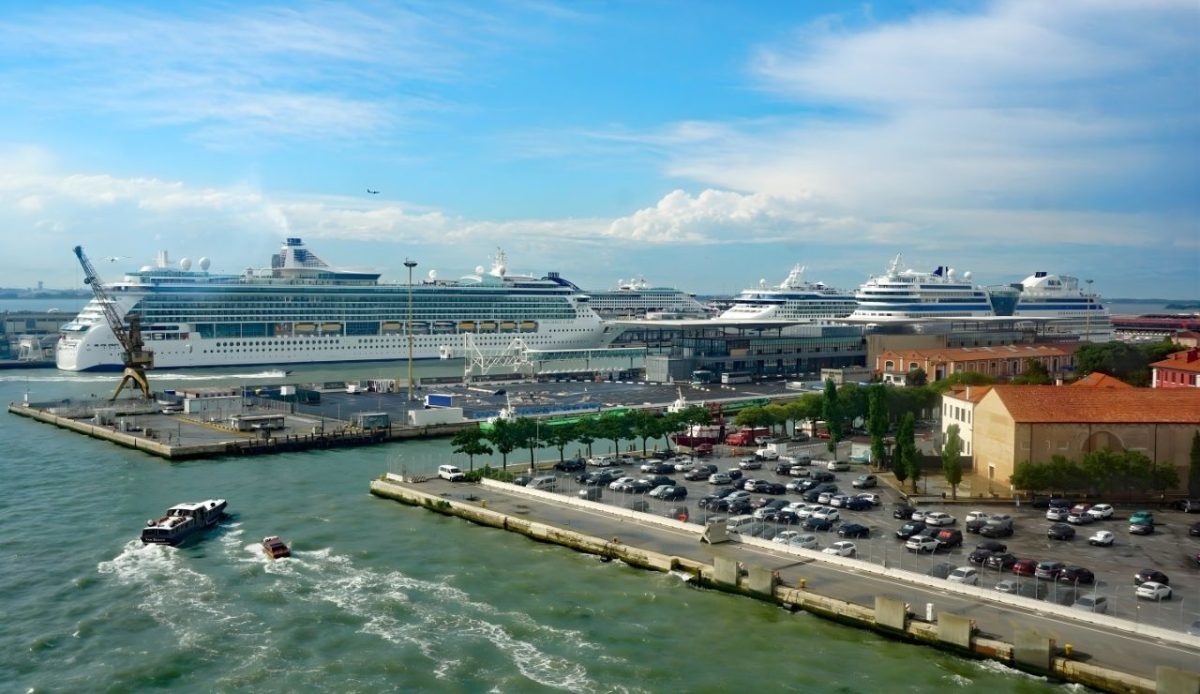
Venice residents spent years protesting giant liners that passed close to the historic core, warning about wake erosion and safety in narrow waterways. UNESCO warnings added pressure as local groups argued the lagoon ecosystem was being put at risk.
On July 13, 2021, Italy approved a ban keeping large cruise liners out of the Venice lagoon, with the measure set to start on August 1 that year. The decree also designated key waterways as a national monument.
The decree was later converted into law, and big ships were redirected to industrial areas outside the old city rather than docking near the center. It sharply reduced direct calls at the historic waterfront.
2. Amsterdam, Netherlands
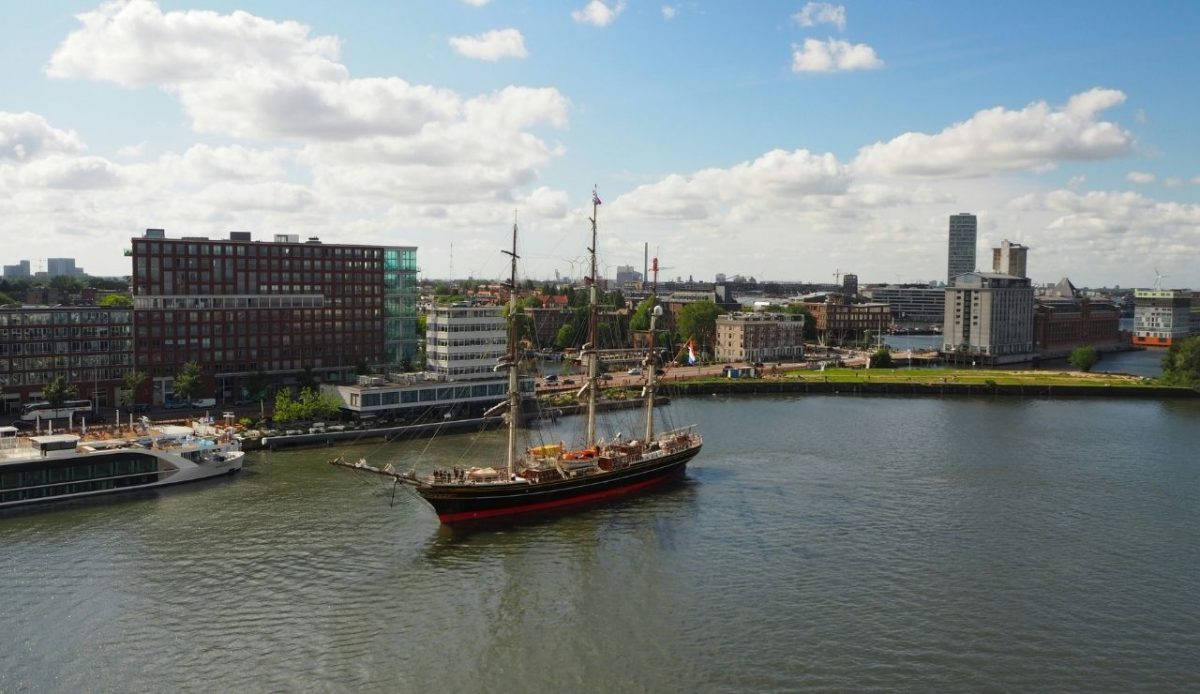
Residents and environmental advocates in Amsterdam have criticized sea cruises for adding crowd surges and exhaust near the compact center. Protest actions have targeted access to the cruise terminal and drawn national attention.
In July 2023, the city council called for a future without sea cruise ships at the current terminal, where about 114 liners and nearly 300,000 passengers were expected that year.
City hall later set out a maximum of 100 sea cruise calls in 2026, down from roughly 190 annually, while longer-term plans include relocating the terminal away from the center over the next decade.
3. Palma De Mallorca, Spain
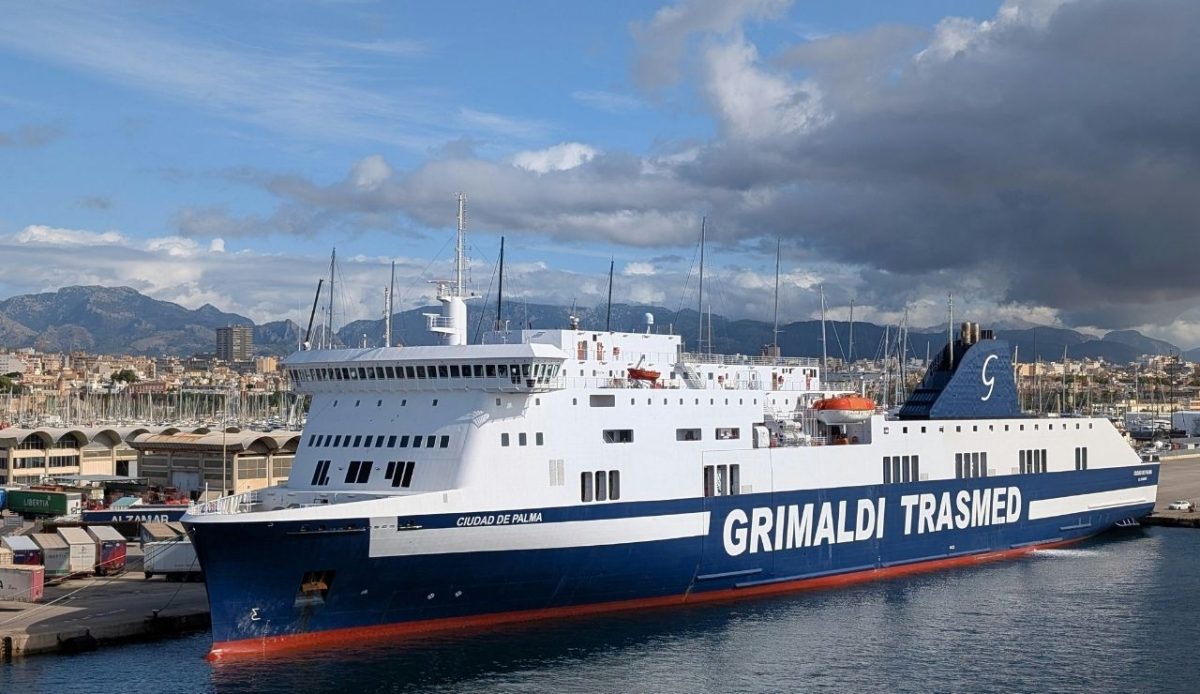
In Palma de Mallorca, residents complained that several ships arriving together packed the old town, causing strained transit and worsened air quality on peak days. Local protest energy around overtourism made cruise schedules a visible target.
In late 2021, the Balearic government and cruise lines agreed to limit the port to three cruise ships per day when possible, with only one megaship over 5,000 passengers.
The rules were described as starting in 2022 and aimed to reduce simultaneous crowding rather than eliminating cruises, making ship visits more predictable for residents and services.
4. Juneau, Alaska, United States
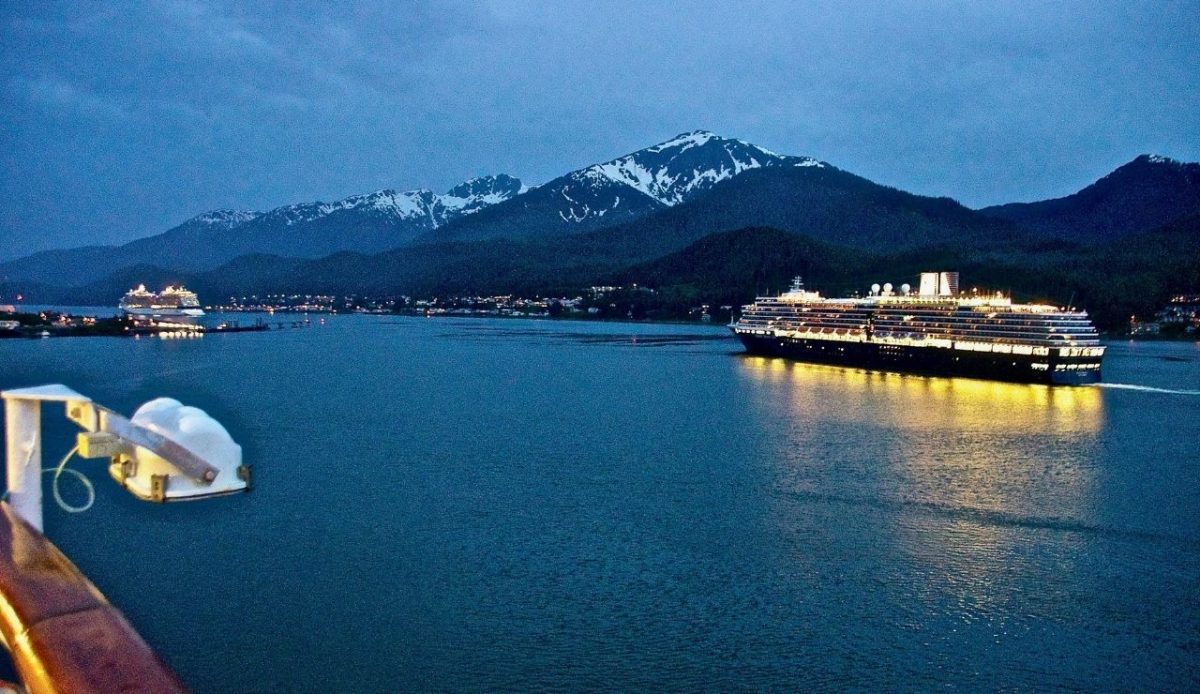
Juneau’s summer cruise days can bring more visitors ashore than the city’s year-round population, creating traffic pinch points and long lines at popular sites. Local debate grew louder after record seasons.
In a memorandum signed in 2023, major cruise lines committed to limiting port calls beginning in the 2024 season to a maximum of five large ships on the same day.
After about 1.6 million cruise visitors in 2023, a later deal set passenger caps starting in 2026, including 16,000 daily from Sunday through Friday and 12,000 on Saturdays, reflecting continued pressure for tighter controls.
5. Key West, Florida, United States
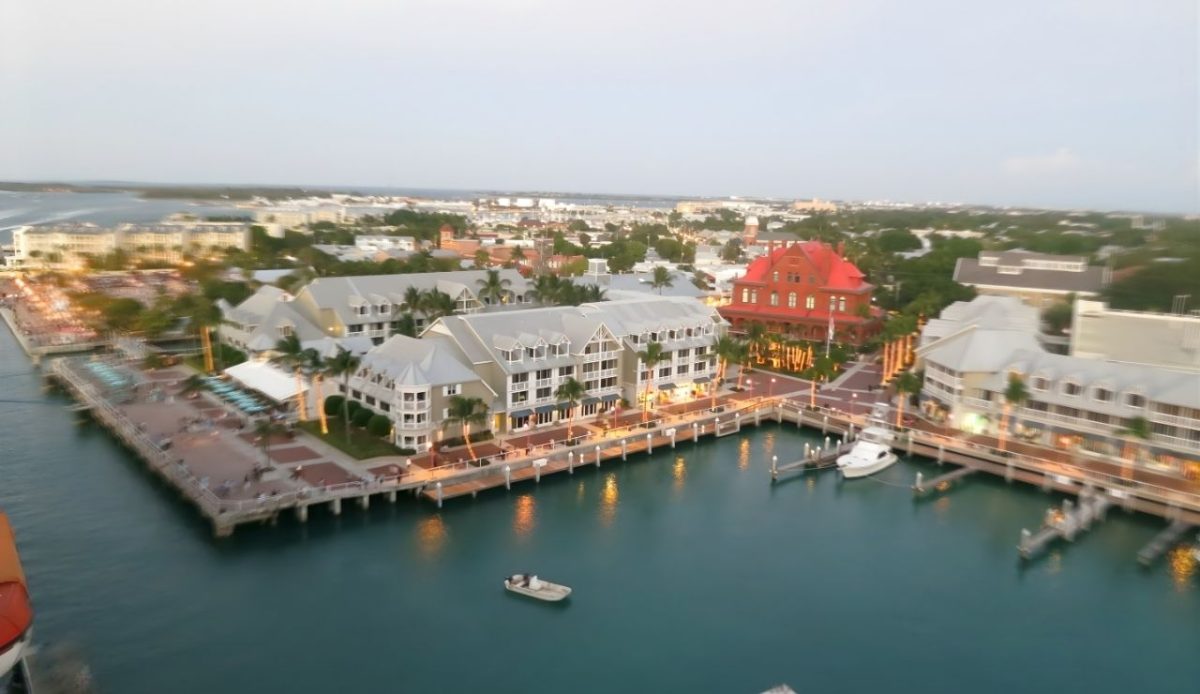
Key West residents organized for years around reef protection and the strain that large ships can place on a small island’s street grid. The dispute culminated in a citywide vote rather than a port authority deal.
In November 2020, voters approved measures that capped daily disembarking passengers at 1,500, blocked ships with a capacity of 1,300 or more from letting passengers off, and set priority for lines with stronger health and environmental records.
Florida lawmakers later passed a bill preempting the local limits, but the referendums show how protest politics pushed the port toward fewer and smaller ship visits.
6. Barcelona, Spain
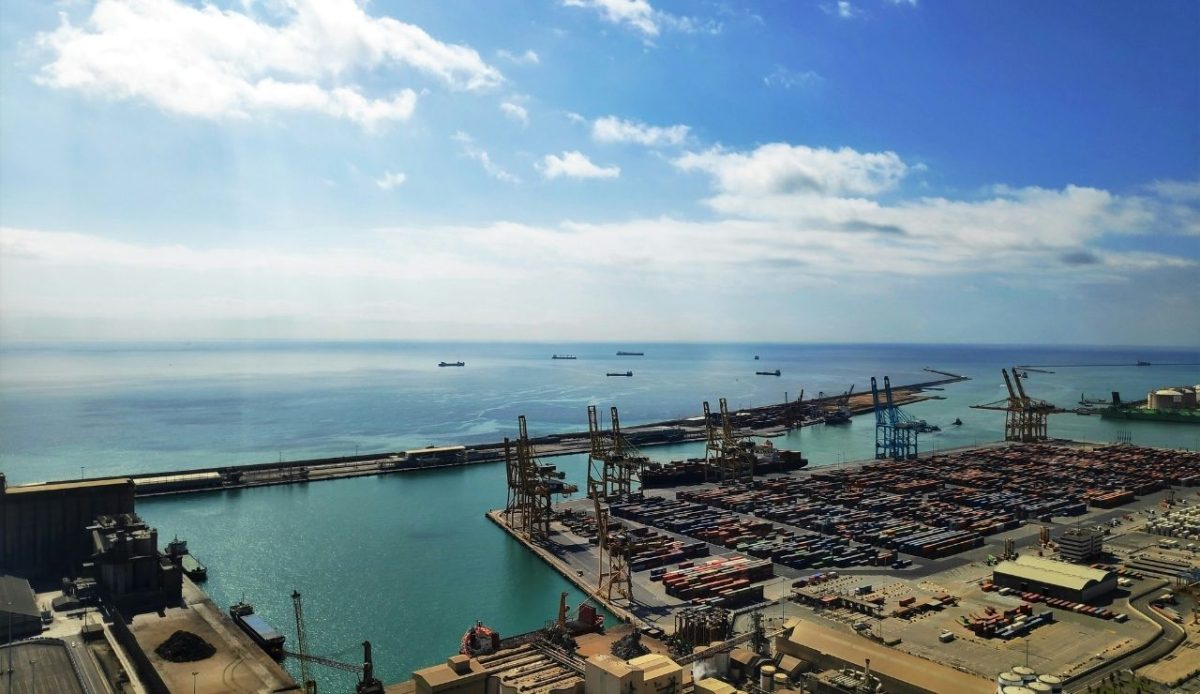
Barcelona has faced recurring street protests over overtourism, and cruise terminals near the waterfront have been cited as a driver of day-trip crowding. City leaders argued that capacity limits were needed to protect livability.
In July 2025, the city and Port of Barcelona agreed to cut the number of cruise terminals from seven to five by 2030, reducing maximum passenger handling capacity from 37,000 to 31,000.
The plan prioritizes home port traffic and includes shore power upgrades, while the headline change is fewer terminals and less simultaneous volume, a direct policy response amid continued local protest pressure.
7. Ibiza, Spain
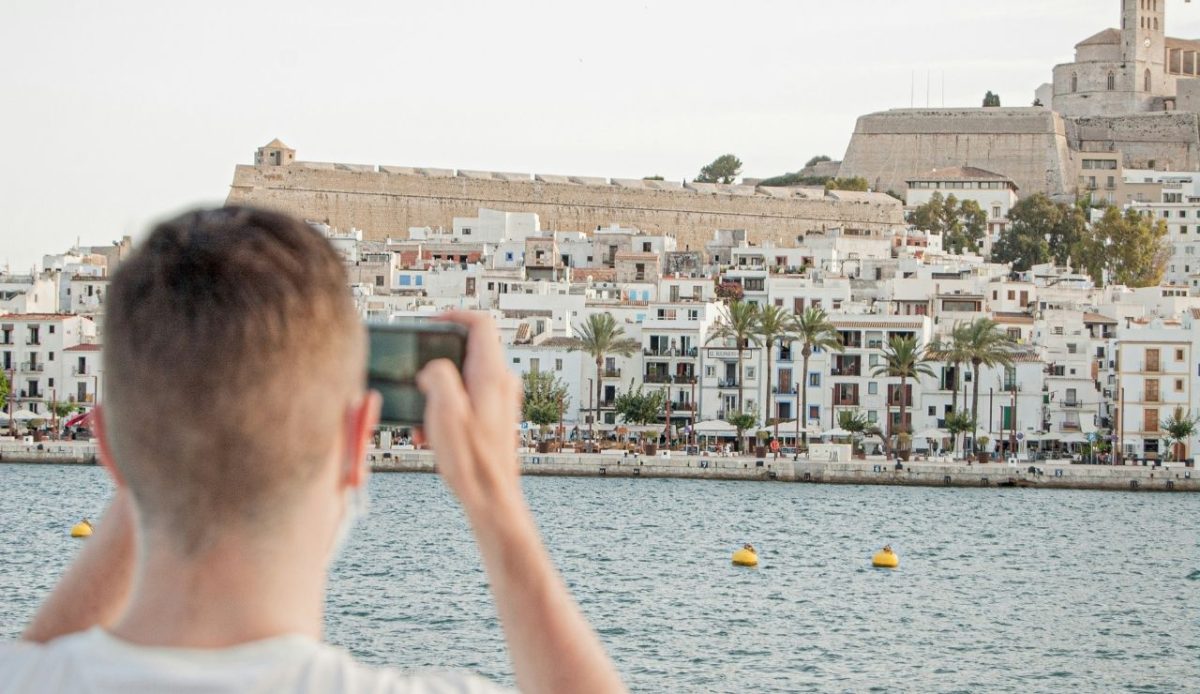
Ibiza saw a wave of public frustration about peak season crowding, with residents in parts of Spain staging demonstrations against tourism pressure and its local costs. Cruise days were criticized for sharp spikes in foot traffic.
In September 2024, the Council of Mayors announced a rule to limit the simultaneous arrival of cruise ships by allowing no more than two to dock at the same time at the port.
By focusing on concurrent calls rather than a full ban, the island reduced peak congestion while keeping cruise tourism in place under tighter controls shaped by resident opposition.
