
Cruise itineraries used to promise “full days” in port, but many travelers now notice shorter stays even when fares don’t move. It can feel like paying the same for less time ashore, especially on sailings sold as destination-heavy.
Port hours are shaped by cost, regulations, and scheduling math. Lines may tighten timetables to cut fuel burn, meet emissions goals, and hit predictable arrival windows that reduce disruption and missed sail-aways for the whole route.
Below are five common drivers behind shorter port calls without cheaper pricing, plus the itinerary details that matter before you book.
Fuel and emissions math rewards tighter schedules
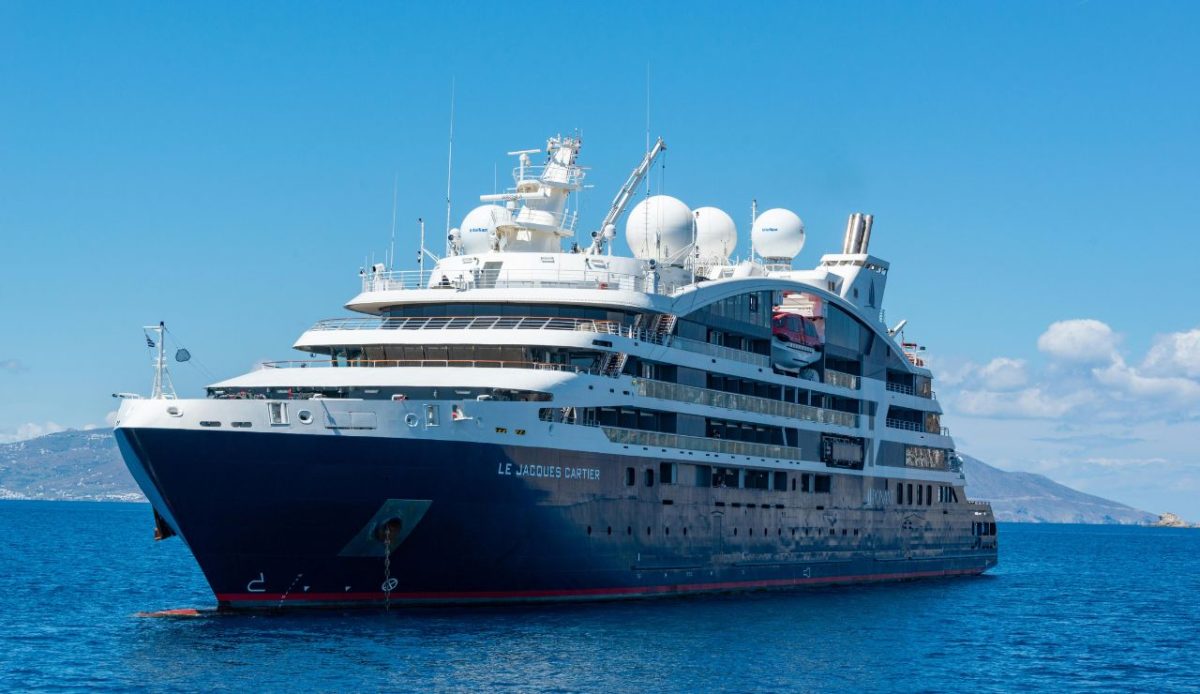
Cruise lines are under pressure to burn less fuel and limit emissions, and one practical lever is speed. If a ship can sail slower between ports, it uses less fuel, but that slower pace often means less time to sit docked all day.
Tighter port calls also reduce the risk of missing pilot, tug, or berth windows. Miss one window and delays can cascade through the rest of the itinerary, turning a single late afternoon into a multi-day headache.
So the schedule gets “optimized”: earlier departures, later arrivals, or shorter stops that keep the ship moving efficiently while the advertised destination list stays the same.
Port slots, congestion, and local limits shrink the usable window
In busy ports, the ship’s time alongside isn’t fully controlled by the cruise line. Berth availability, local traffic limits, and environmental rules can shrink the workable window, especially when multiple ships compete for the same morning arrival.
Tender ports add another constraint: small boats, sea conditions, and port authority cutoffs can limit how long guests can reliably get ashore and back. That pushes ships to set conservative all-aboard times.
When ports impose crowd controls, lines may keep the stop but trim hours to fit the slot they can actually secure, rather than dropping the port entirely.
Reliability and turnaround operations need “buffer time.”
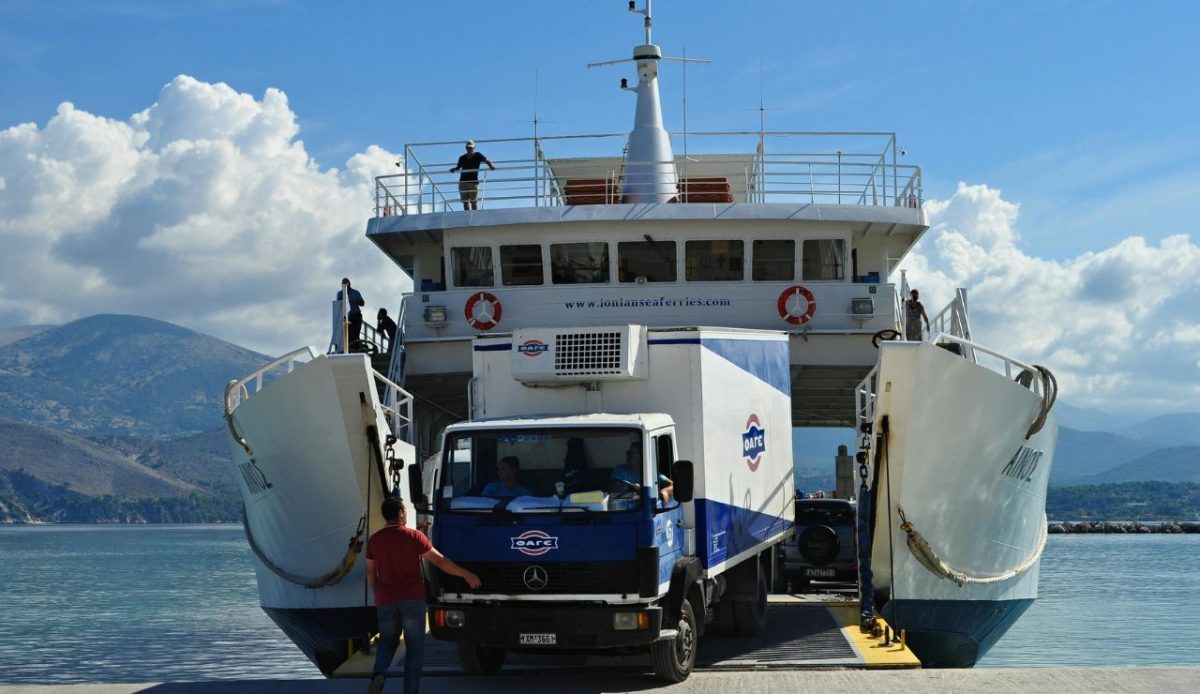
A modern cruise ship is a moving hotel that has to “flip” fast: guests off, guests on, cabins turned, luggage shifted, supplies loaded, and paperwork cleared. To keep embarkation and disembarkation days smooth, lines build buffer into the week.
That buffer often comes from trimming port calls mid-cruise. If one stop runs late, it can snowball into a missed berth window later, delayed docking on the final morning, and airport transfer waves piling up.
Fares don’t drop because the priority is reliability and fewer compensation headaches. Port time becomes the easiest piece to squeeze when the line wants the itinerary on time.
Shorter port time can boost onboard spending
Cruise pricing isn’t just about the itinerary; it’s also about what happens onboard. Shorter port times can keep more guests on the ship during prime hours, which supports revenue from specialty dining, bars, casinos, spas, and attractions.
Some lines also schedule ports to avoid long “dead” afternoons, where people disperse and spend less time onboard. A shorter stop, paired with a later sail-away party or dinner rush, can be commercially attractive.
Fares may stay high because demand stays high, and ships still cost the same to run. Trimming port hours can increase onboard capture without changing the headline route.
Risk management and ticket rules don’t force cheaper fares
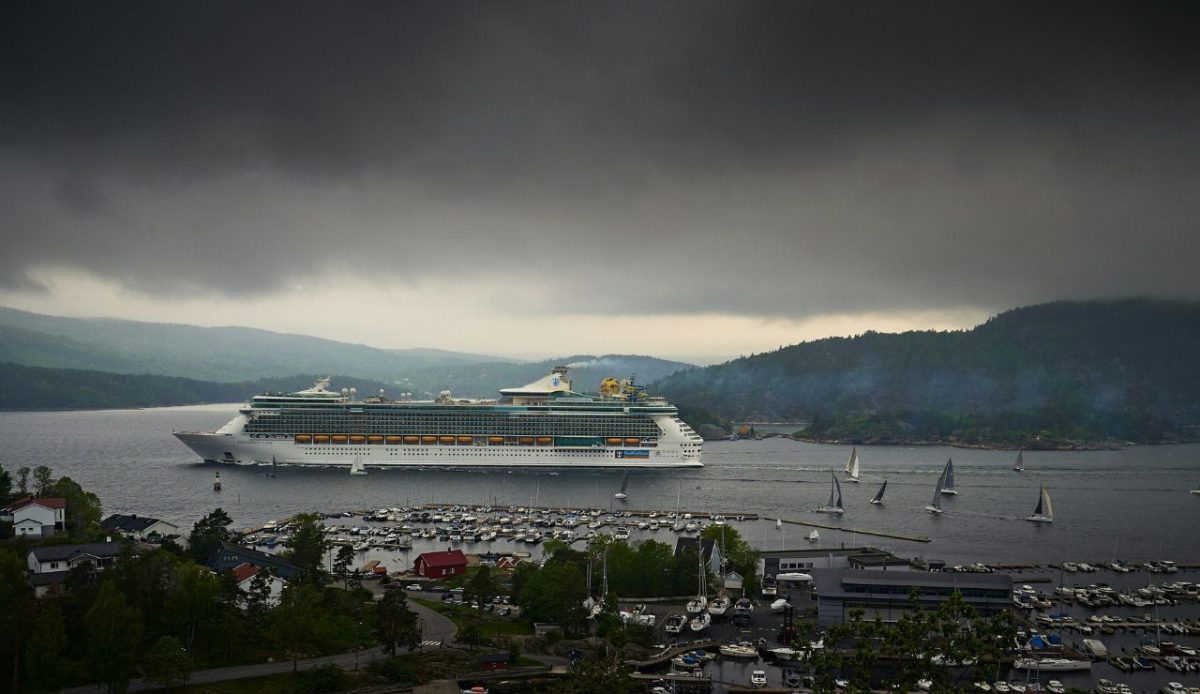
Shorter port calls can bea risk control. Weather, currents, and berth delays are hard to predict, so lines may plan less time ashore and more flexibility at sea. If conditions change, the ship can adjust speed without missing the next day’s slot.
Ticket contracts also matter: most fares allow schedule and port-time changes, so pricing doesn’t drop just because hours shrink. Fares stay tied to demand and operating costs.
Before booking, compare arrival and departure times across sailings, note which stops are tender ports, and check excursion lengths against the clock. A short call can still work if the plan is realistic.
