
U.S. travelers now face more pre-trip digital steps, even on routes that once needed only a passport. Many governments have shifted arrival cards and travel declarations to online portals or mobile apps.
These forms usually capture passport data, flight or lodging details, and customs or health declarations. Airlines can be required to confirm completion at check-in, and border officers can pull the record instantly.
This guide covers ten places where a newer digital entry form affects Americans and explains what must be filed, when it is due, how long it may stay valid, and what can happen if the record is missing at departure or arrival today.
1. United Kingdom Electronic Travel Authorisation

From January 8, 2025, most U.S. visitors to the United Kingdom need an Electronic Travel Authorisation, or ETA, before travel for short stays and for certain transit routings.
The ETA is requested online, then linked to the passport used to book and fly. Carriers may check status before boarding, so approval should be secured well ahead of the flight, especially during peak travel weeks.
An ETA is not a visa, but it is a required entry step. It is issued for multiple trips and is valid for up to two years or until the passport expires. Entry is still decided at the border, and travelers can be asked to show onward travel and a visit address. A new passport usually means a new ETA.
2. Thailand Digital Arrival Card

Thailand will require the Thailand Digital Arrival Card, or TDAC, for foreign nationals starting May 1, 2025. It replaces the paper TM6 card that was once handed out on flights and at land crossings.
U.S. travelers submit passport and itinerary details online before arriving by air, land, or sea. A confirmation record is created and can be reviewed during immigration processing, reducing manual data entry at the counter.
The TDAC does not replace a visa when one is needed. It is an entry declaration step, so travelers should complete it before reaching the airport and keep their confirmation available if staff request it at boarding. Late filing can slow entry.
3. Malaysia Digital Arrival Card
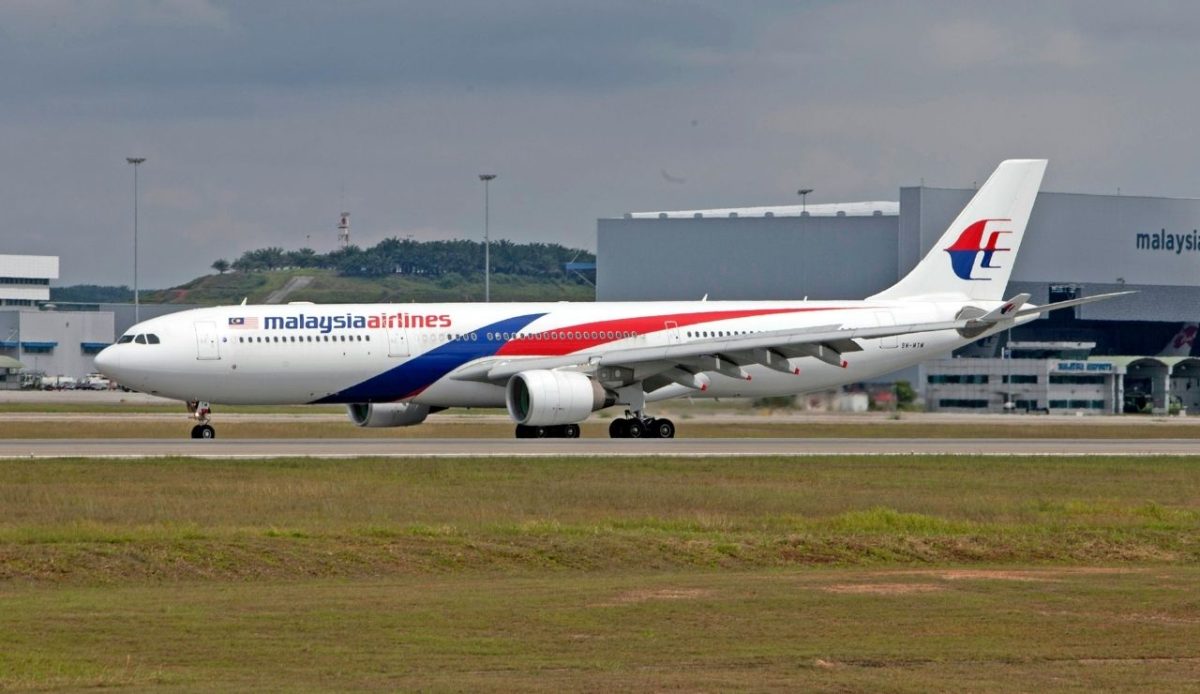
Malaysia requires most foreign visitors to complete the Malaysia Digital Arrival Card, or MDAC, before entry. The online submission is generally expected within three days of arrival.
Americans enter passport details, travel dates, and a local address, then receive a confirmation that immigration can access electronically. This replaces the older paper disembarkation card process at major airports.
MDAC is separate from visa rules, so it applies even when a visa is not required for the stay length. If the form is missed, travelers may be pulled aside for extra checks while the record is created and matched to the passport. It can apply to air, land, and sea entry points.
4. Cambodia e Arrival

Cambodia has rolled out an e-arrival system that merges immigration, customs, and health declarations into a single digital form. It is aimed at replacing multiple paper slips for air arrivals.
U.S. travelers enter passport information, flight data, and basic trip details online, then receive a QR code. That code is presented during entry steps at participating international airports, where officers scan and retrieve the submission.
The platform can also support visa-on-arrival details in the same workflow, depending on traveler eligibility. Because the record is used during inspection, it should be completed before departure to avoid delays at arrival desks.
5. Taiwan Arrival Card

Taiwan has moved its arrival card to mandatory online submission for many inbound visitors, including U.S. travelers on short stays. The electronic card replaces paper forms that were filled out in the arrival hall.
Passengers provide passport data, flight number, and a local contact or stay address shortly before travel. The record is stored digitally and pulled by immigration systems during passport control, which speeds up processing in busy periods.
Travelers should submit within the allowed time window and keep details consistent with the passport and ticket. If flight or passport information changes, the arrival record may need to be updated to avoid mismatches at inspection.
6. South Korea e Arrival Card

South Korea launched an e-arrival card system in February 2025 so travelers can submit the entry declaration online up to three days before arrival. It is designed to replace the paper arrival card for many visitors.
U.S. travelers enter passport details, address in Korea, and flight information, then receive an issue number for retrieval at the border. The form is free and can be filed on a phone or computer.
Government notices and employer advisories state that the e Arrival Card becomes broadly mandatory for foreign nationals from January 1, 2026, with limited exceptions. Some travelers with a valid K ETA may not need a separate arrival card during the exemption period.
7. India e Arrival Card

India introduced a mandatory e-arrival card for foreign nationals starting October 1, 2025, replacing the paper disembarkation form used at immigration counters. U.S. citizens entering India are included.
The online card captures identity and travel details such as passport data, entry city, stay address, and trip purpose. Completion before travel reduces manual processing and can shorten queues at busy airports.
Because airlines and border staff can ask for proof that the form was filed, travelers should submit it before heading to the airport and keep a saved copy. Errors in the passport number or arrival date can trigger extra checks, so each field should be reviewed carefully.
8. Dominica ED Card

Dominica has modernized entry processing with an online immigration form known as the ED Card. U.S. travelers complete it before departure and receive a QR code confirmation.
The submission gathers passport and trip details and supports faster handling at arrival control points. Travelers present the QR code on arrival so officers can pull the completed record without a paper card.
The ED Card does not replace visa requirements when a visa applies, but it is still an entry step for most visitors. Filing early helps avoid airport delays, and keeping the QR code accessible on a device or printout can prevent problems if connectivity is limited during travel or entry checks.
9. New Zealand Traveller Declaration

New Zealand requires the New Zealand Traveller Declaration, or NZTD, for all incoming passengers, including Americans. It is a digital replacement for the paper passenger arrival card.
The NZTD collects immigration answers, customs declarations, and biosecurity disclosures about food, outdoor gear, and animal products. Travelers submit online or in the official app before flying, then receive a reference that can be linked to their trip.
Biosecurity rules are enforced strictly, and inaccurate answers can lead to inspections or fines. Completing the NZTD carefully, using truthful declarations, helps travelers clear the border faster and avoids baggage delays.
10. Indonesia Electronic Customs Declaration
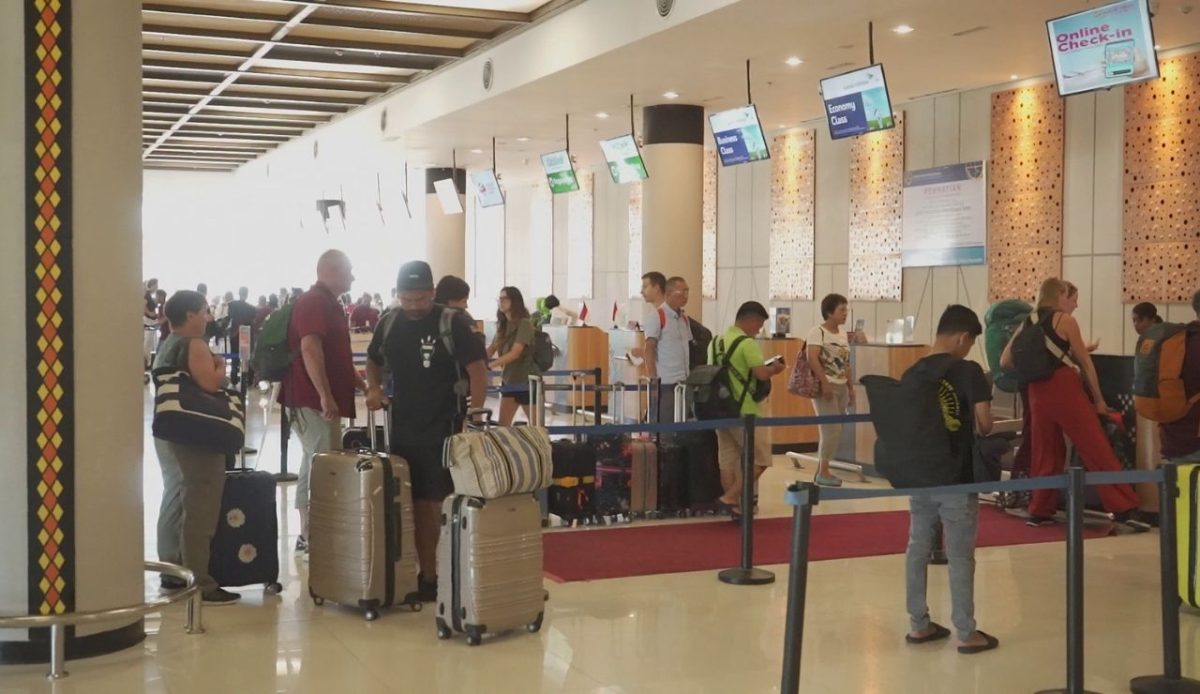
Indonesia uses an Electronic Customs Declaration for international arrivals, replacing the paper customs card at major airports. U.S. travelers are expected to file the form online before reaching the inspection area.
The declaration captures passport details and standard customs questions about goods, currency, and restricted items. After submission, a QR code is generated and scanned by officials during customs screening, which reduces manual form handling.
This digital step does not change visa or entry permit rules, but it is part of the arrival process. Travelers who arrive without a completed record can face longer lines while staff assist with filing or verification.
