
Many Americans still plan European trips around a few famous cities, but prices have shifted fast. Room rates, local taxes, and timed entry tickets now drive the total more than airfare alone. Small add-ons like luggage storage can stack up.
Costs often rise in peak months when short-stay demand is strongest. A higher sticker price is also felt through reservations that must be booked ahead and cannot be changed. Budget options are squeezed as central areas stay sold out.
This list highlights places where U.S. visitors report budget shock. Each city has a different trigger, yet the pattern is similar: daily spending is pushed upward. The focus is on what a visitor pays for sleep, meals, transit, and key sights.
1. Oslo
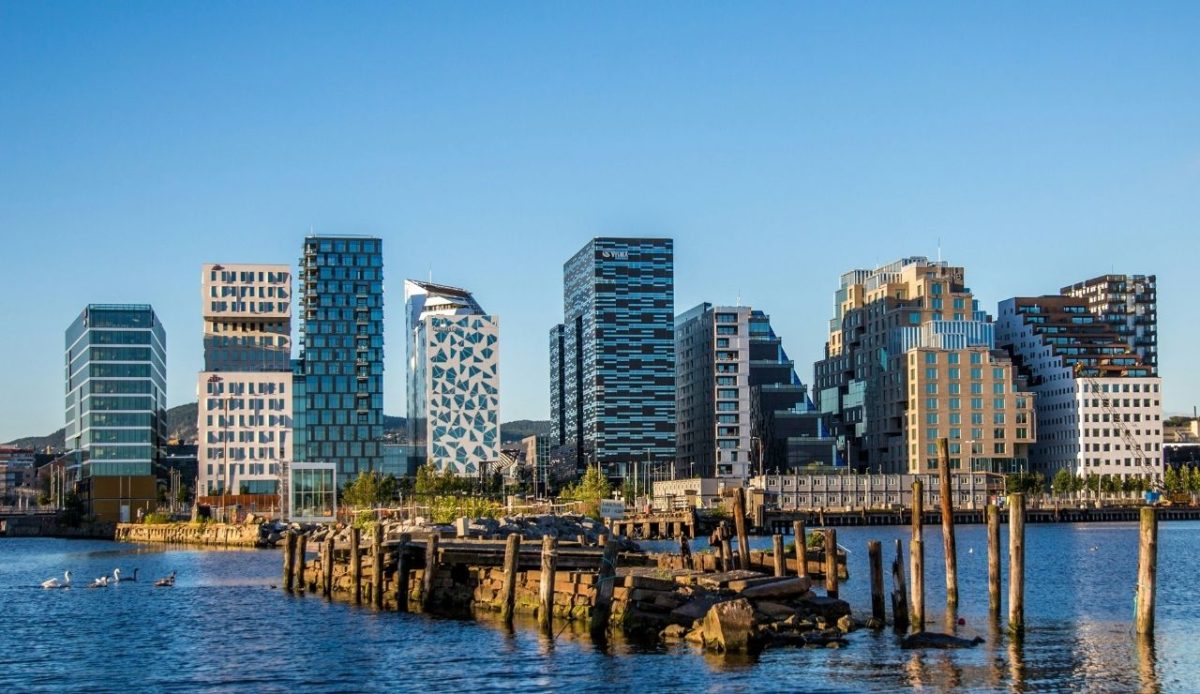
Oslo is often placed near the top of European weekend break cost rankings. Hotels in the center stay expensive, and midrange rooms can be priced like premium rooms elsewhere. When big events land, availability is reduced, and rates climb.
Norway’s pricing is driven by high wages and taxes, so meals and simple groceries can feel steep. Alcohol duties are reflected in bar checks, and a casual night out can cost more than expected. A coffee plus pastry can rival a full U.S. breakfast.
Public transit is clean and reliable, but day passes add up over several days. Museum admissions and fjord cruises are frequently booked by visitors, which raises the trip total. Even budget travelers may find that a paid activity must be skipped to stay on plan.
2. Copenhagen
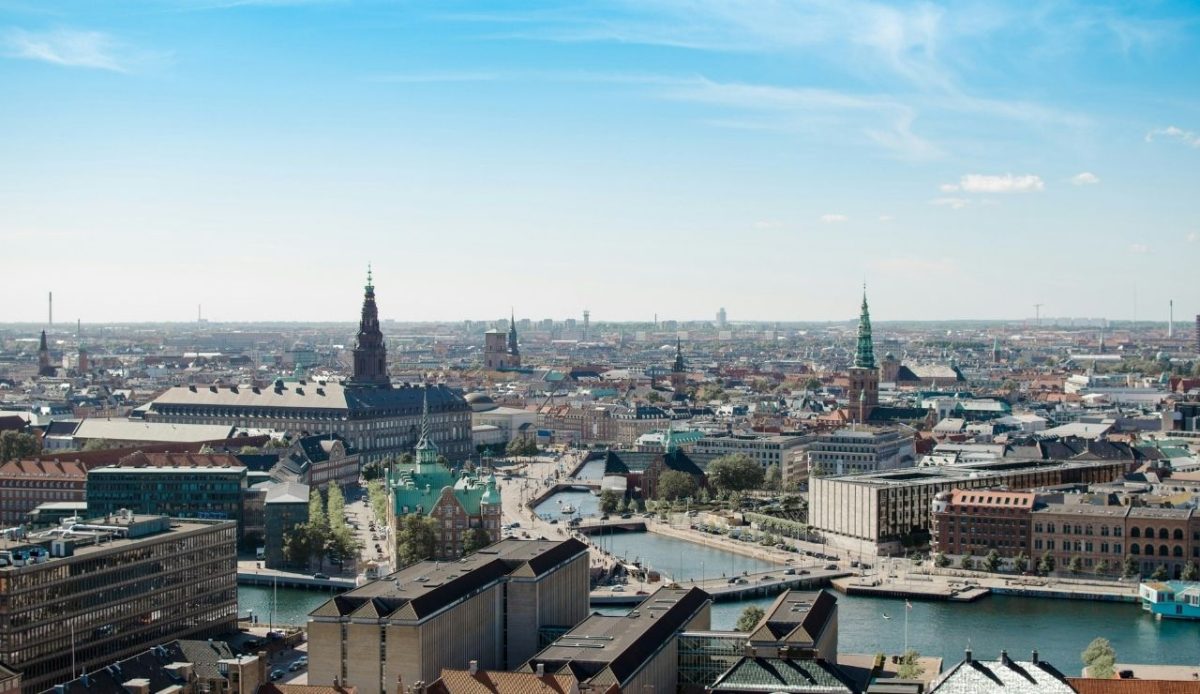
Copenhagen’s visitor costs reflect Denmark’s high-income economy and steady tourism demand. Central hotels are limited, so nightly rates remain firm even outside summer. Short stays are affected because two nights can take up much of the budget.
Dining is where budgets are often surprised. A casual lunch can carry a high price once tax is included, and table service is not cheap. Groceries help, yet takeaway snacks and bottled drinks can still be pricey. Waterfront blocks and famous streets tend to charge a clear premium.
Transit is efficient, yet multi-day passes add a predictable line item. Bike rentals may also be used, which adds fees. Major museums, Tivoli, and canal rides are priced for an international market, so totals rise fast.
3. Edinburgh
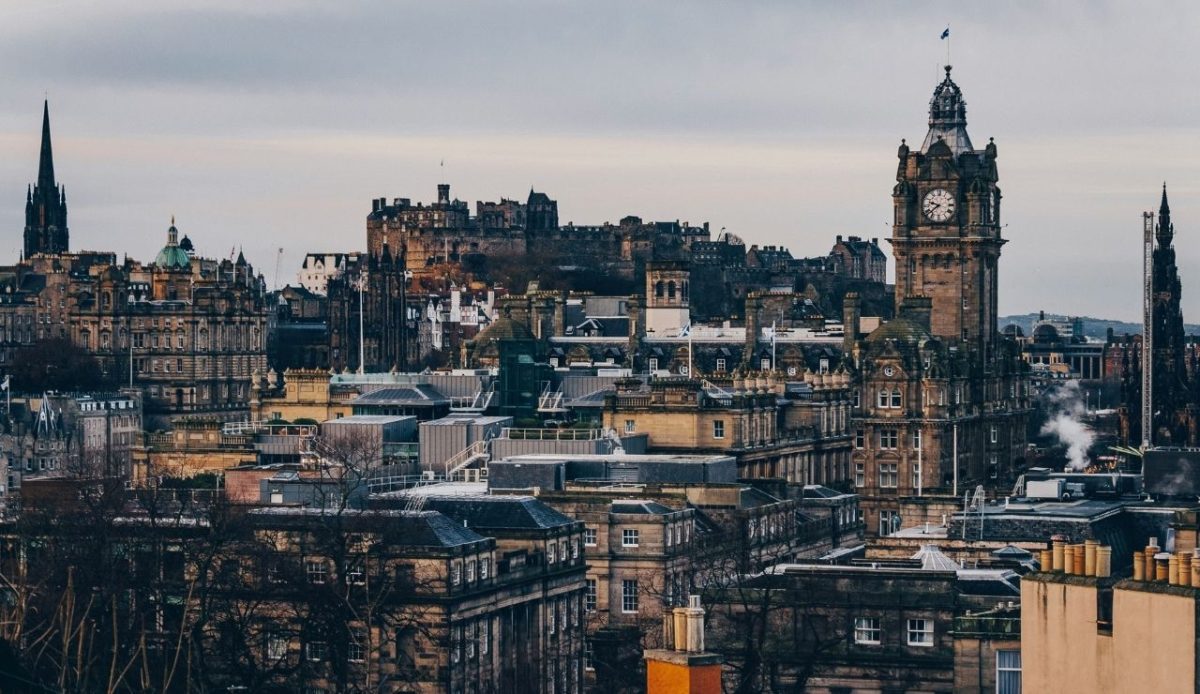
Edinburgh often feels costly since demand spikes around festivals and summer weekends. When rooms are scarce near the Old Town, prices jump, and longer commutes are forced. Nightly rates can change within days.
Meals and pub visits are not always extreme, but repeated small purchases add up in pounds. Service charges may be added, and attractions such as castle entry and guided tours are not cheap. If tickets are bought close to the visit date, fewer low-cost time slots remain.
Local buses are useful, yet taxis and ride services can take a big share of a short trip budget. Paid reservations for popular restaurants are common in peak months. Many Americans end up spending more than planned, even without luxury upgrades.
4. Venice
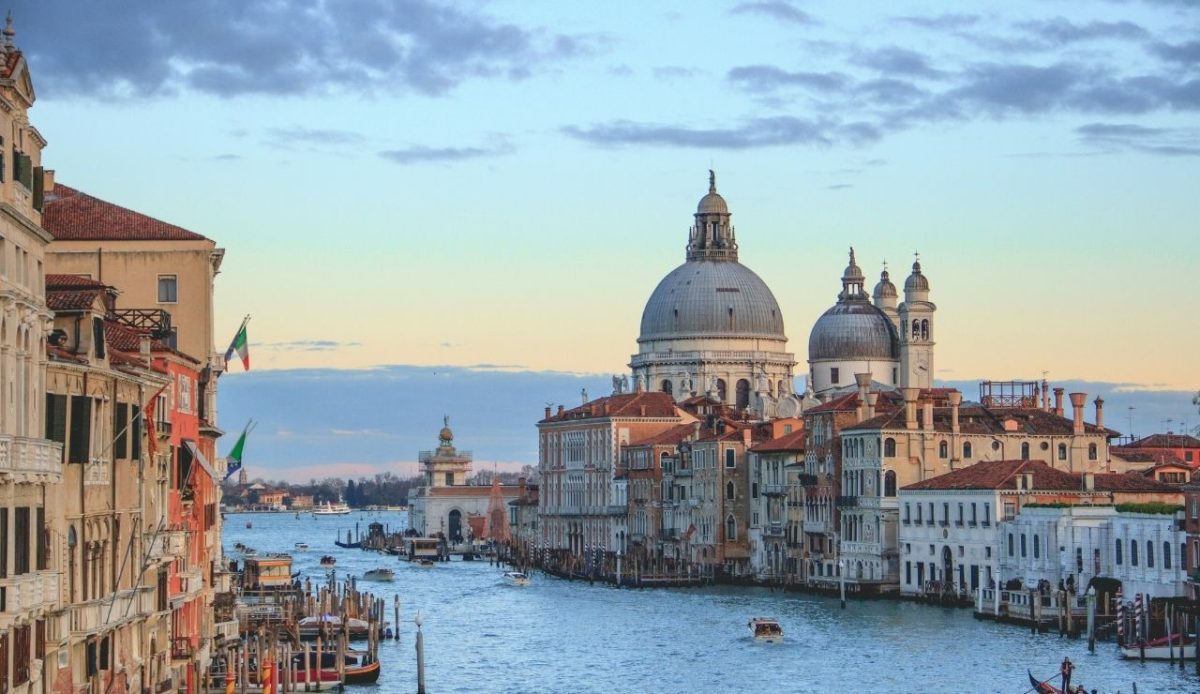
Venice is costly for Americans because the historic core has limited lodging and heavy demand. Hotels and short rentals inside the lagoon often carry premium rates for small rooms.
A visitor entry charge applies on selected high traffic days, adding a direct fee to the itinerary. Dining near major sights is priced for tourists, and cover charges can appear at the table. Even simple items like water and gelato can be marked up in crowded corridors.
Water transport is part of the experience, yet vaporetti passes, and private boats can strain budgets. Luggage handling and transfers from the station may be paid services. The trip often feels expensive since many costs are tied to moving around and managing crowds.
5. Amsterdam
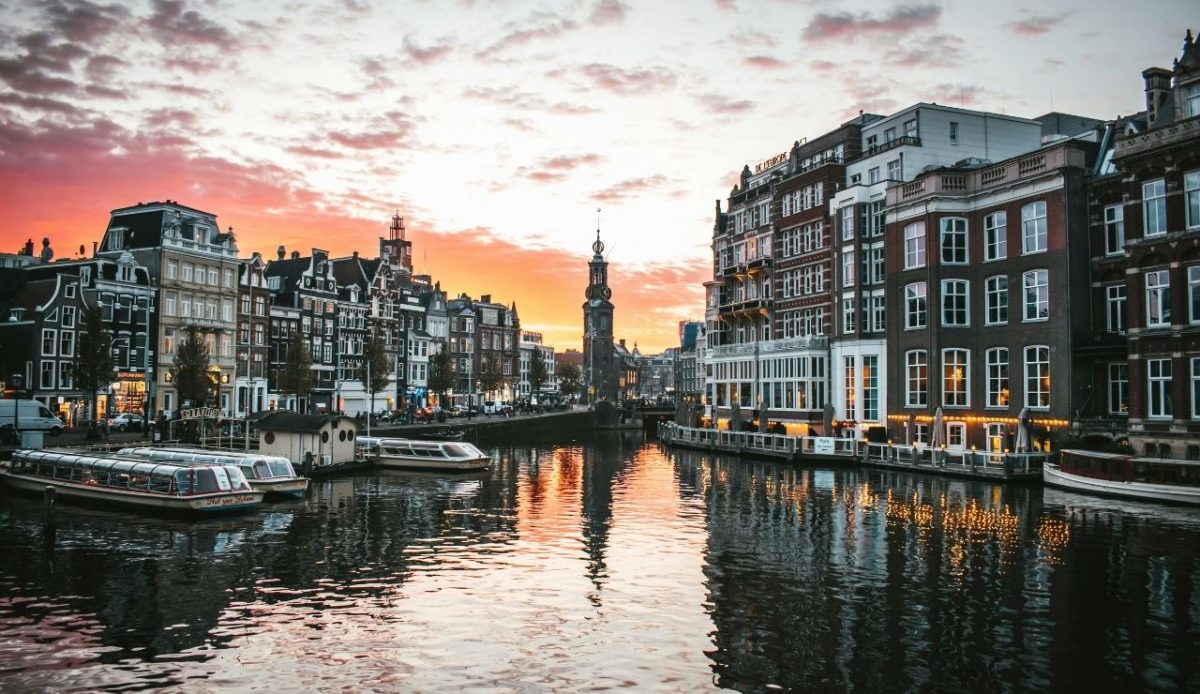
Amsterdam’s prices are pushed up by high demand and a large accommodation tax on overnight stays. Hotel bills can rise sharply once city fees are added at checkout, which surprises many Americans.
Top museums require timed tickets, and popular time slots can cost more or sell out early. Canal cruises, bike rentals, and excursions to nearby towns add planned expenses that pile up fast. Dining in the canal belt often reflects visitor volume rather than local neighborhood pricing.
Public transit is easy to use, but multi-day cards become a fixed cost on short trips. Paid lockers and baggage storage are common because early check-in is not guaranteed. By day three, the budget can be stretched even if the itinerary stays simple.
6. Geneva
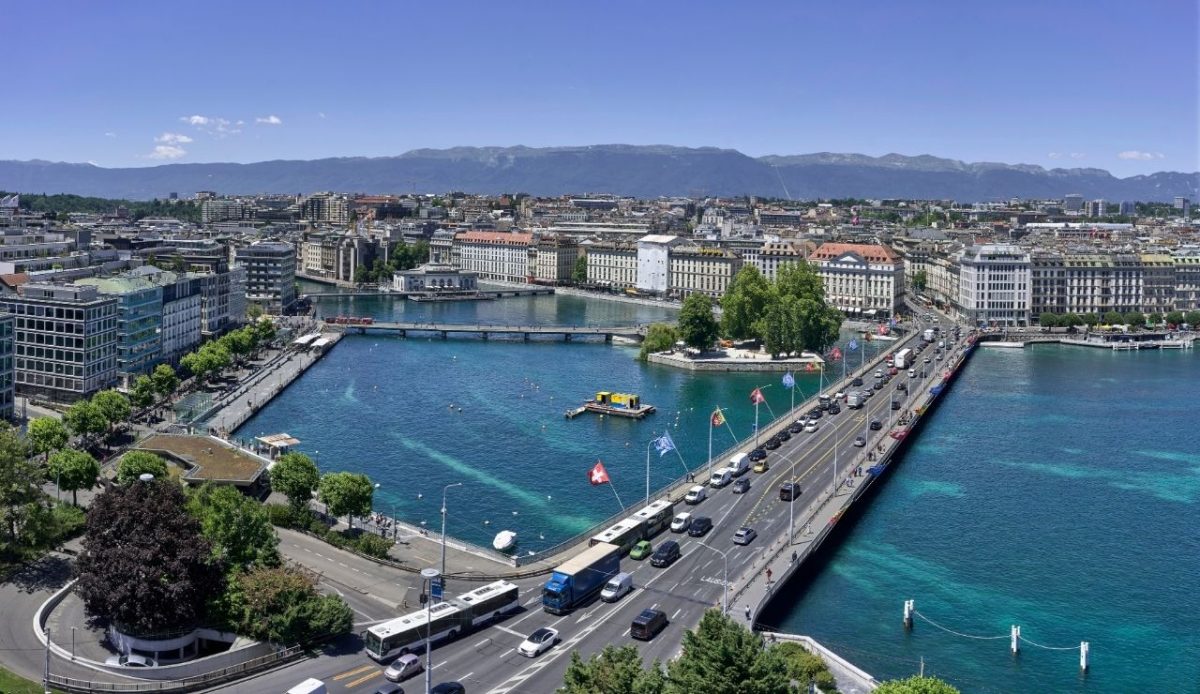
Geneva operates within Switzerland’s elevated price environment, where wages and retail costs rank near global highs. Hotel rates remain premium across most categories, including midrange properties.
Restaurant pricing regularly exceeds large U.S. metro averages, even for simple meals. A quick lunch, a bottled drink, and dessert can create a bill closer to fine dining elsewhere. Grocery shopping helps, but convenience stores still charge premium prices.
Transit is reliable, yet tickets and lake crossings add steady expenses. Museums may be affordable, though outings to close resorts can be costly once trains are added. It feels expensive because there are few low-cost substitutes for basics.
7. Dublin
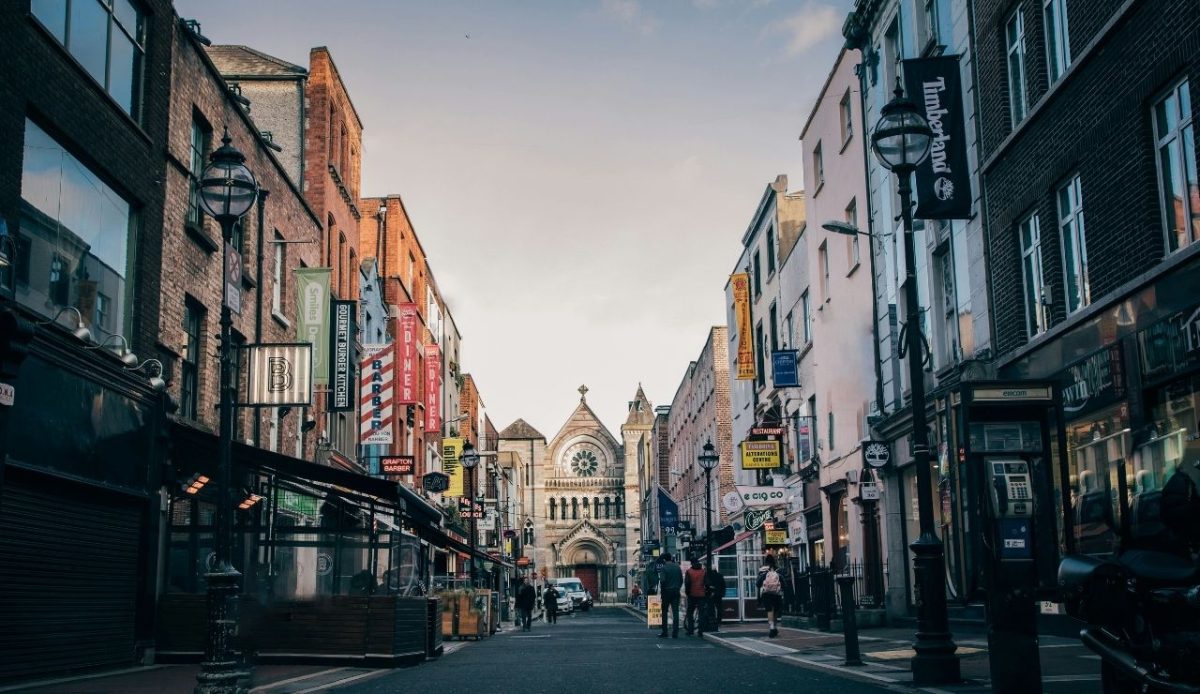
Dublin can feel pricey because hotel supply has lagged demand, keeping nightly rates elevated. Even modest rooms outside the center can be expensive on weekends and during major events. Last-minute deals are rare.
Food costs vary, but pub meals and casual dining in tourist zones are rarely cheap. Live music venues may charge a cover, and service fees can be added to card payments. Guided history walks and distillery visits are popular, which raises the daily total.
Buses and trams cover many routes, yet taxis are often used at night and can cost a lot. Americans also notice the price of simple items like coffee, breakfast, and bottled water. The result is a trip that runs over budget without feeling luxurious.
8. Barcelona
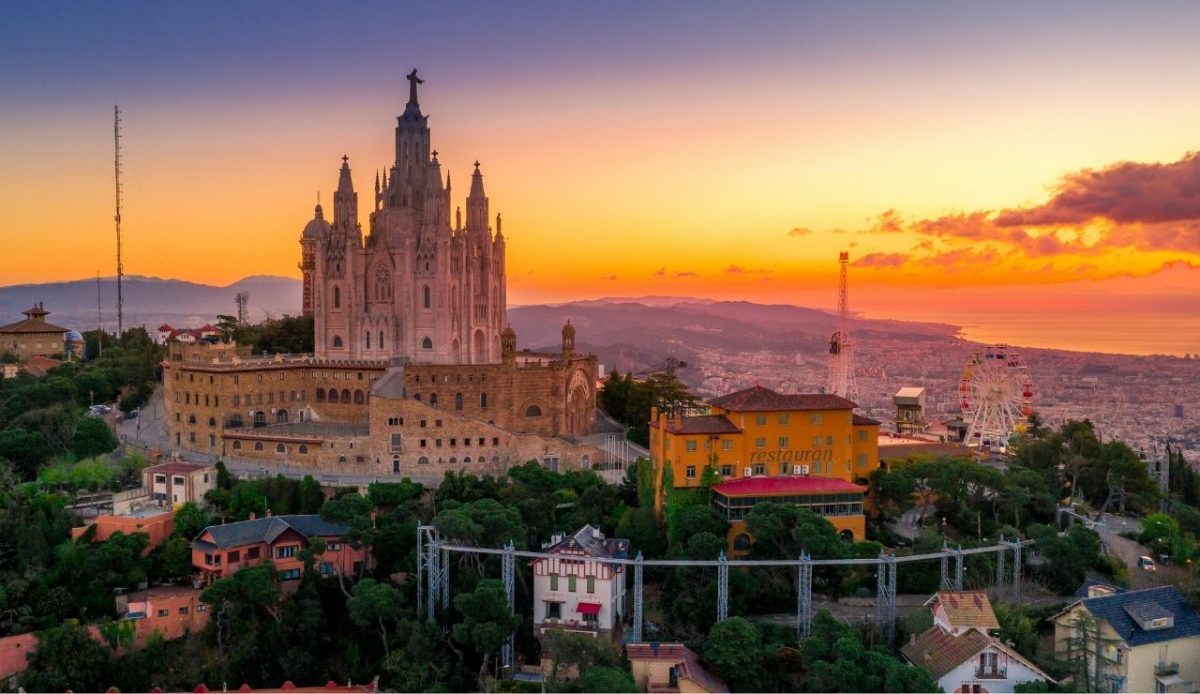
Barcelona used to be seen as a value city, but recent demand has lifted prices across peak seasons. Accommodation taxes raise the final room bill, and central options book out quickly. Rates rise on event weekends.
Major sites such as Sagrada Familia and Park Güell are ticketed with timed entry. Adding on audio guides and paid reservations can increase the per-person cost. Dining remains flexible, yet popular districts often charge more than outer neighborhoods.
Metro fares are reasonable, but airport transfers, late-night taxis, and day trips add extra spending. Beach services and waterfront drinks can be costly in summer. For Americans, many visitors find it costly as many small charges appear throughout the day.
9. Florence
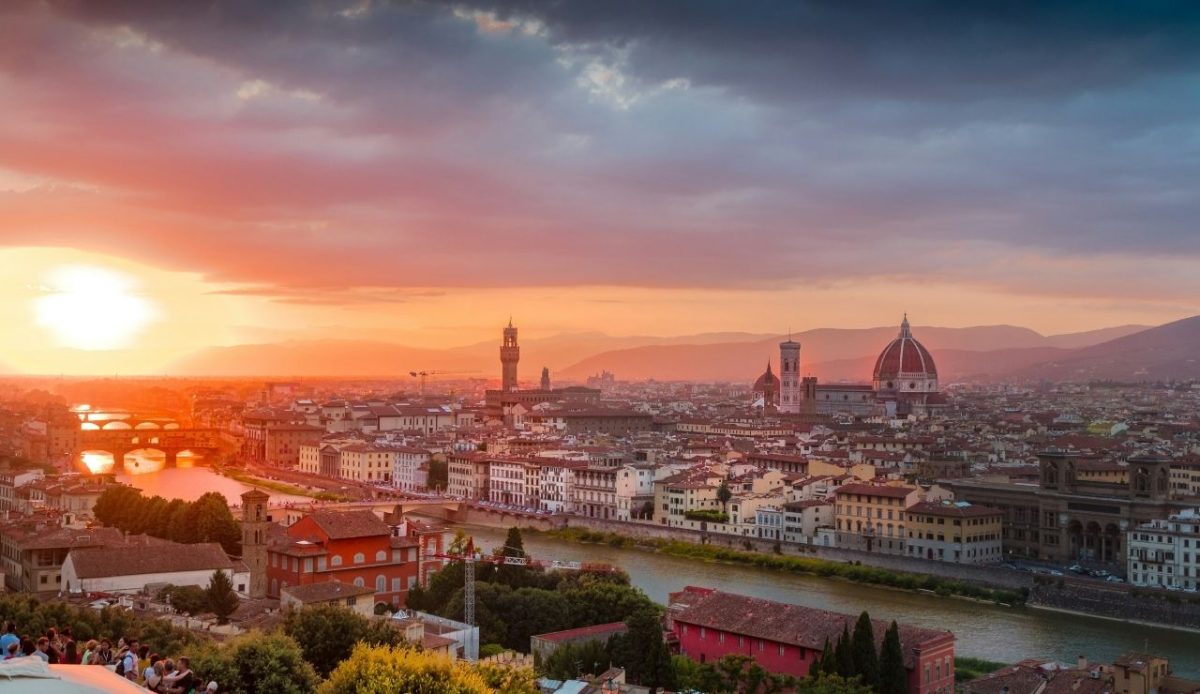
Florence draws steady global demand, and that demand keeps central lodging prices high. Rooms near the Duomo and major museums can cost far more than visitors expect for the size.
Top attractions rely on timed entry and bundled tickets, which raises costs for families. If reservations are made late, only higher-priced slots may be left. Dining can be affordable away from tourist streets, but set menus near landmarks are often premium.
Short trips are affected by add-ons such as guided gallery visits and day tours to Tuscany. Local transit is limited, so taxis may be used when walking is not practical. Many Americans leave feeling that the culture was worth it, but the bill was higher than planned.
10. Nice
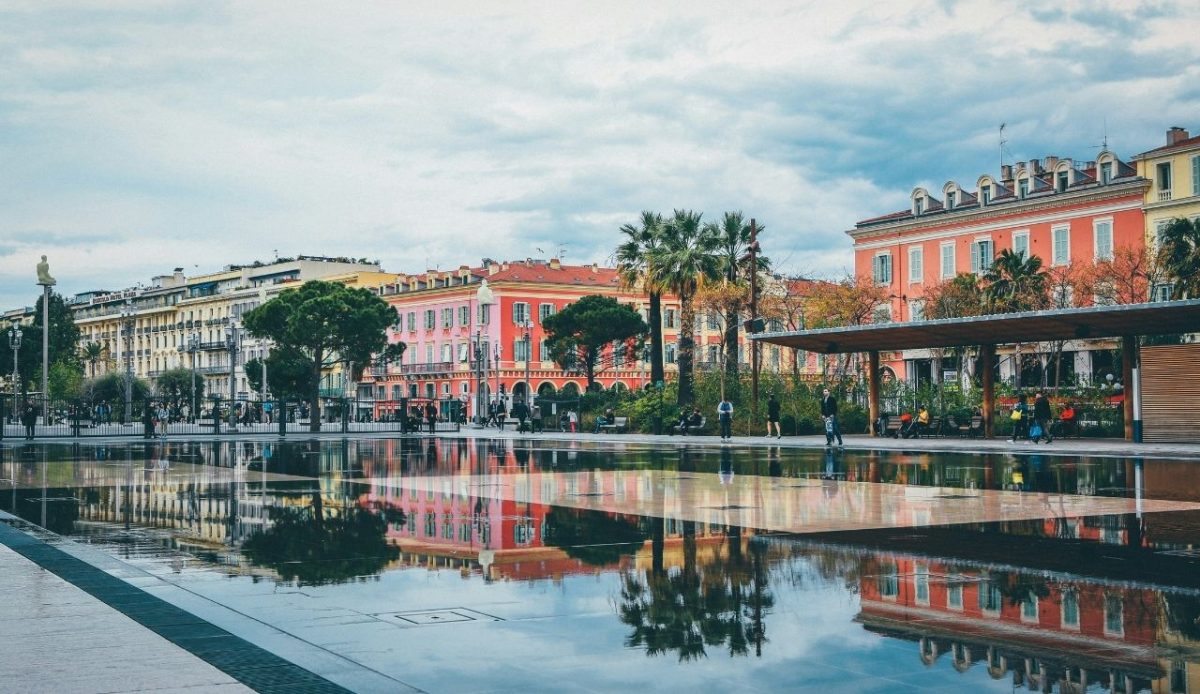
Nice is on the French Riviera, where seasonal demand pushes accommodation prices upward. Beachfront hotels and rentals can cost as much as luxury stays in other parts of Europe.
Meals near the Promenade des Anglais are commonly priced for visitors, not locals. Paid beach chairs, bottled drinks, and simple snacks can add up to repeated costs throughout the day. Museum tickets are not expensive, yet the overall spend is driven by where travelers spend time.
Regional rail makes day trips easy, but fares to Monaco or coastal towns can add up quickly. Airport transfers and late evening taxis also raise totals. For Americans, Nice often feels expensive because a relaxed itinerary still carries high baseline costs.
11. Zurich
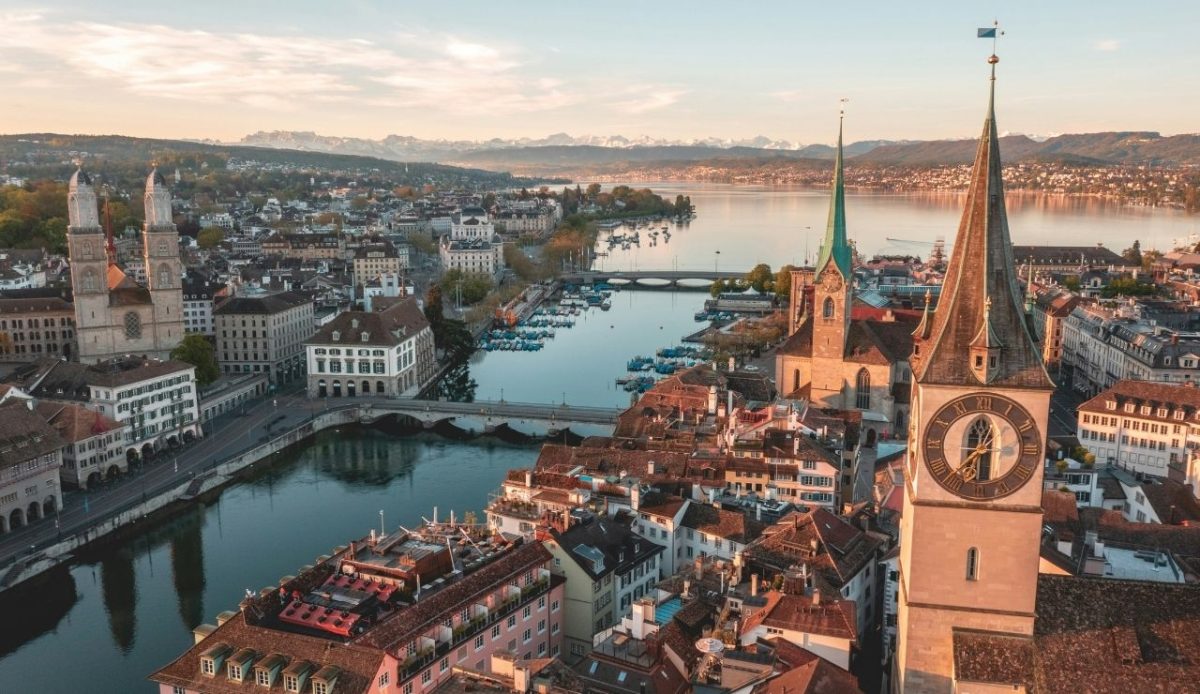
Zurich is widely viewed as one of Europe’s most expensive stops, and visitor budgets show why. Hotels, even outside the core, often run at premium rates due to business travel and limited supply.
Restaurant pricing is high across categories, so a simple dinner can approach the cost of a special meal elsewhere. Everyday items like coffee, sandwiches, and snacks are priced above many U.S. city norms. Grocery stores help, but prepared foods remain costly.
Transit is excellent, yet day passes and lake rides become steady line items. Popular rides to nearby peaks can add rail fares and lift tickets. The city feels expensive because saving money requires tradeoffs that reduce what most visitors came to do.
