
Facial recognition is moving from tests to routine boarding at several U.S. airports, mainly on international departures. At the gate, a camera captures a live image, and a match is requested against travel document photos already held by authorities.
Airports and airlines point to faster turn times, fewer manual checks, and better control of no-match events on outbound flights. Programs are usually tied to CBP biometric exit, so the boarding lane doubles as an identity confirmation step.
Privacy worries persist because consent can feel unclear at busy gates, and signage has not always explained opt-out steps. Federal reviews also cite uneven notice practices, even when agencies state U.S. citizen photos are deleted within hours.
1. Hartsfield-Jackson Atlanta International Airport
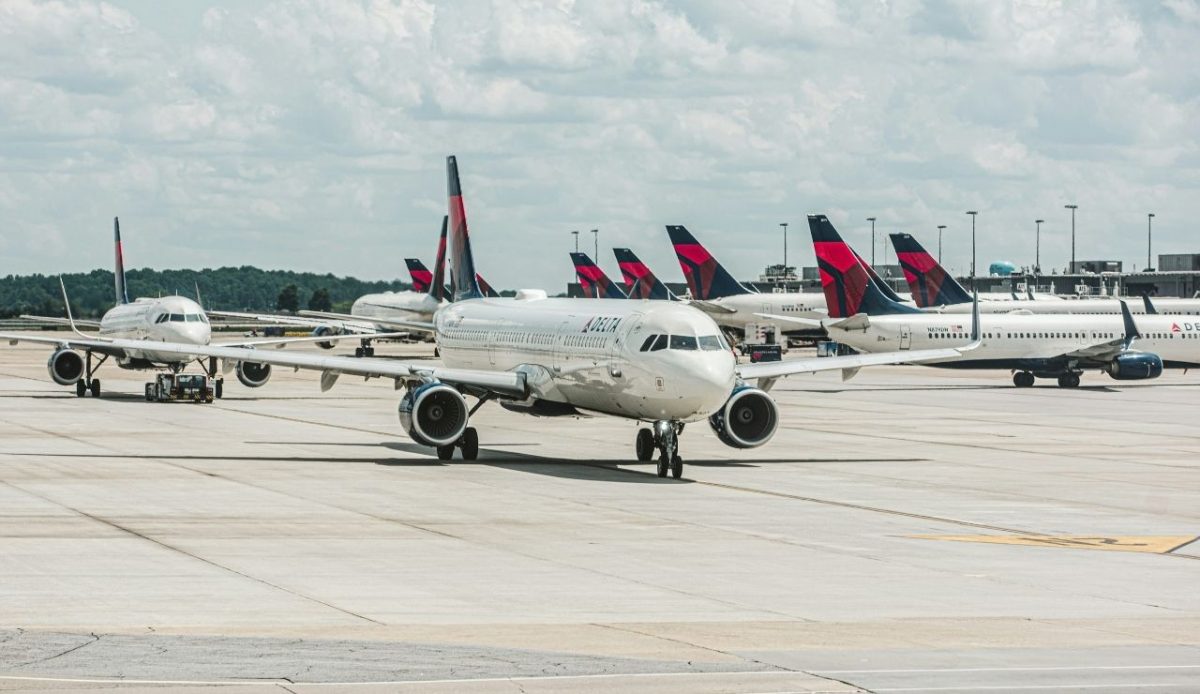
Hartsfield-Jackson Atlanta International Airport is expanding facial recognition boarding to all international flights departing the United States from ATL. The rollout is slated to start in July 2025 and reach full coverage by November.
At participating gates, a camera captures a traveler’s face and confirms identity against passport or visa photos already on file. When a match is returned, boarding proceeds without handing over documents, and agents can do a manual check on request.
Oversight reviews found CBP privacy signage was not consistently posted and often gave limited opt-out instructions. CBP says U.S. citizen photos are retained no longer than 12 hours, raising fresh pressure for plain, visible notice.
2. Denver International Airport
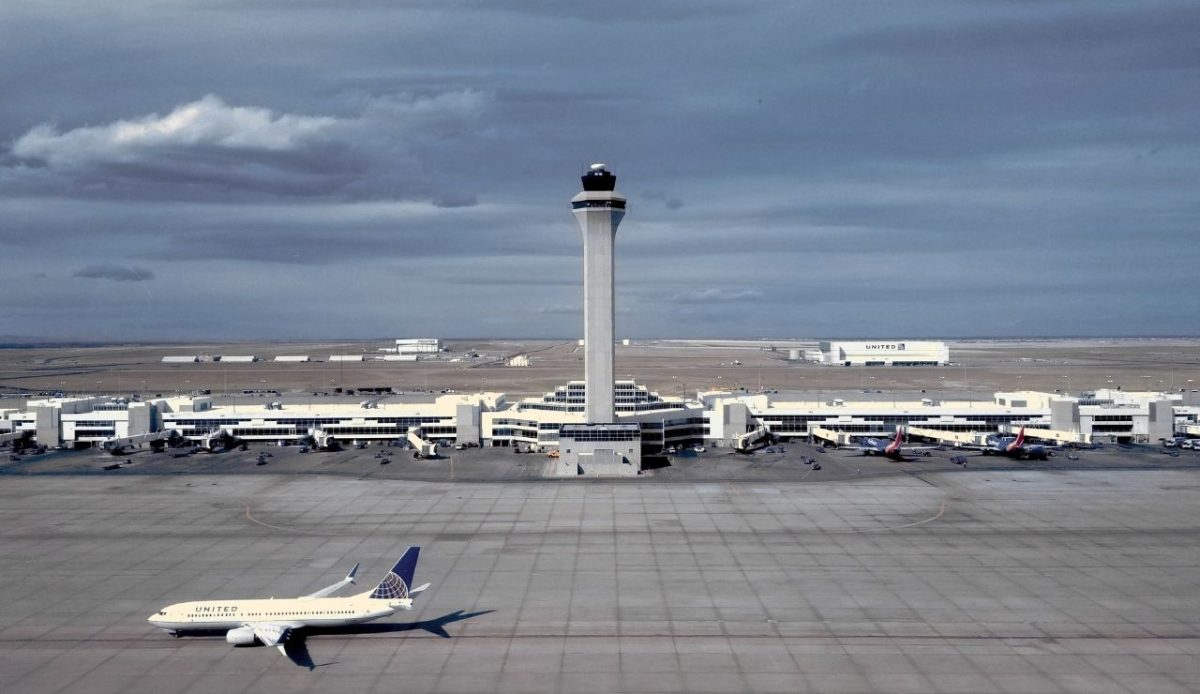
Denver International Airport installed biometric boarding devices at 15 gates on Concourses A and C for international departures, moving the program beyond a small trial. The airport said airline partners began using the equipment during a soft launch.
The devices support facial recognition at the boarding door. A live image is captured, then compared with government travel photos linked to the passenger’s documents, so identity is confirmed before entry to the aircraft.
The same convenience that speeds boarding also fuels concern about transparency. Government audits have flagged uneven notice about where facial recognition is used and how to opt out, so some travelers may miss the manual option.
3. Philadelphia International Airport
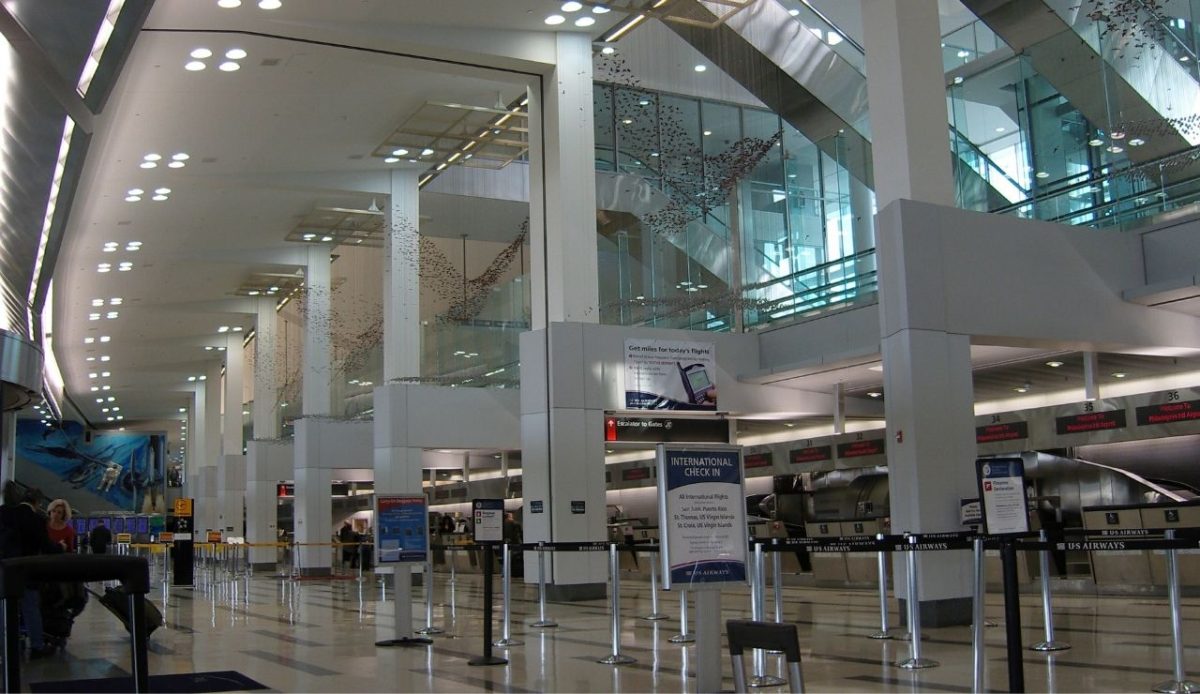
Philadelphia International Airport installed biometric screening technology at 25 boarding gates in Terminals A-East and A-West for international departures. The airport links the setup to CBP air exit processing and quicker boarding.
At the gate, a camera captures a live photo and compares it to images travelers already provided to the government, such as passport or visa photos. When a match is confirmed, boarding can continue without handing over documents.
Privacy concerns attach to notice at the point of use. GAO found CBP did not consistently tell travelers where facial recognition is used and that posted notices gave limited detail on opting out, even though opting out is permitted.
4. Miami International Airport
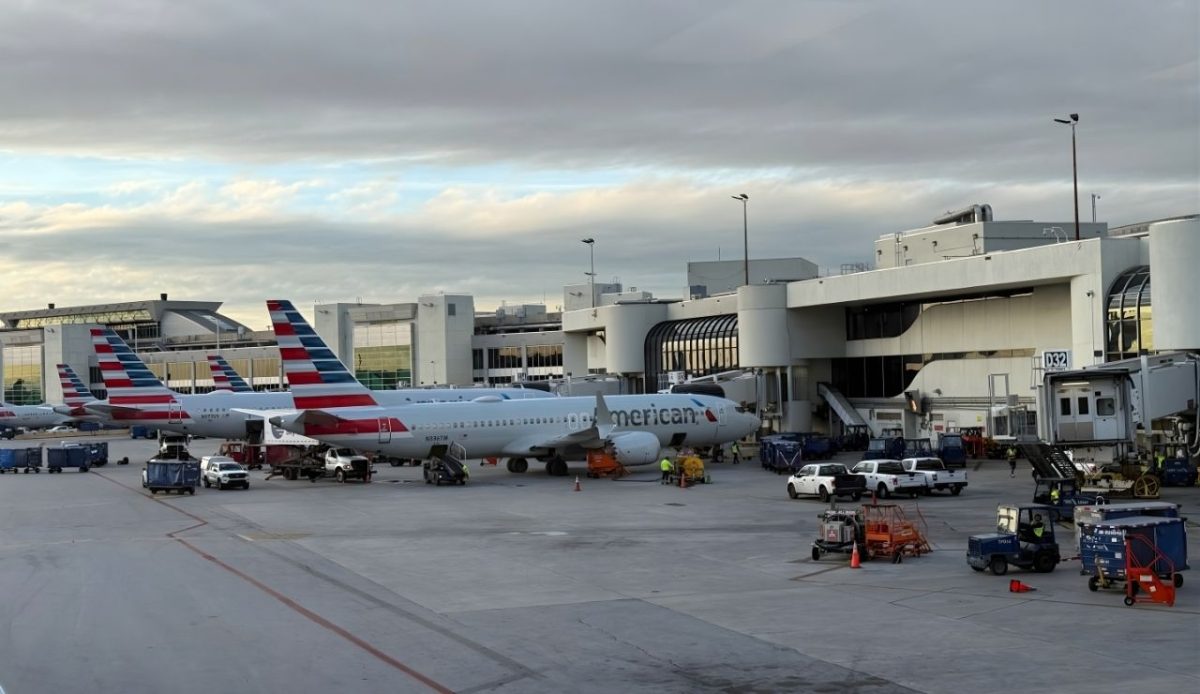
Miami International Airport approved a contract to implement biometric boarding at all 130-plus gates, a scale the airport called the largest planned deployment at any U.S. airport. The plan centered on international departures under CBP biometric exit.
Passengers step in front of a camera at the gate, and their identity is verified against photos already tied to travel documents. The aim is to cut passport handoffs while still confirming who is leaving the country.
Extensive coverage raises privacy stakes. GAO warned that opt-out instructions were limited and signage was not always posted, while CBP says U.S. citizen photos should be deleted within 12 hours, putting pressure on consistent notice and deletion.
5. Orlando International Airport
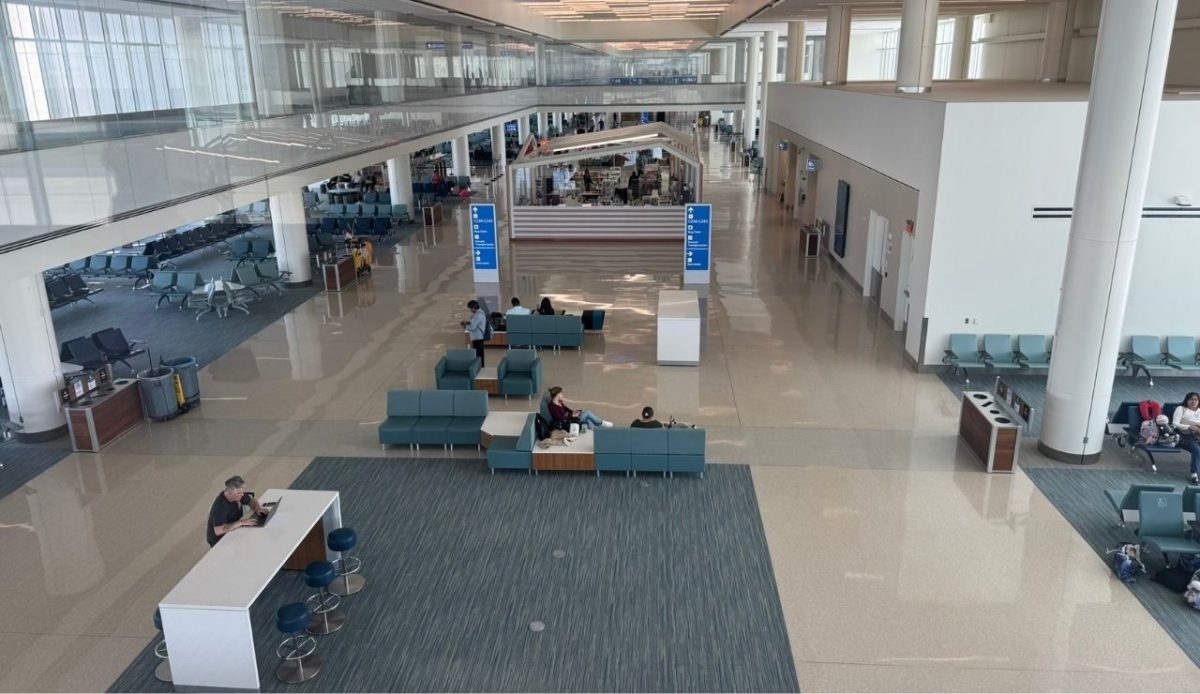
Orlando International Airport is expanding biometric boarding beyond limited trials. Late 2025 reporting said MCO had installed biometric boarding equipment at 65 of its 113 gates and planned more expansion if pilots met targets.
At participating gates, a facial scan is used for identity confirmation against government travel photos linked to the passenger’s documents. Airport planning links the effort to shorter processing times and wider automation.
Privacy concerns mirror those flagged in federal audits. GAO found uneven notice about where facial recognition operates and limited opt-out guidance, while CBP says U.S. citizen photos are kept no more than 12 hours, so notice and deletion matter as gate coverage grows.
6. Tampa International Airport
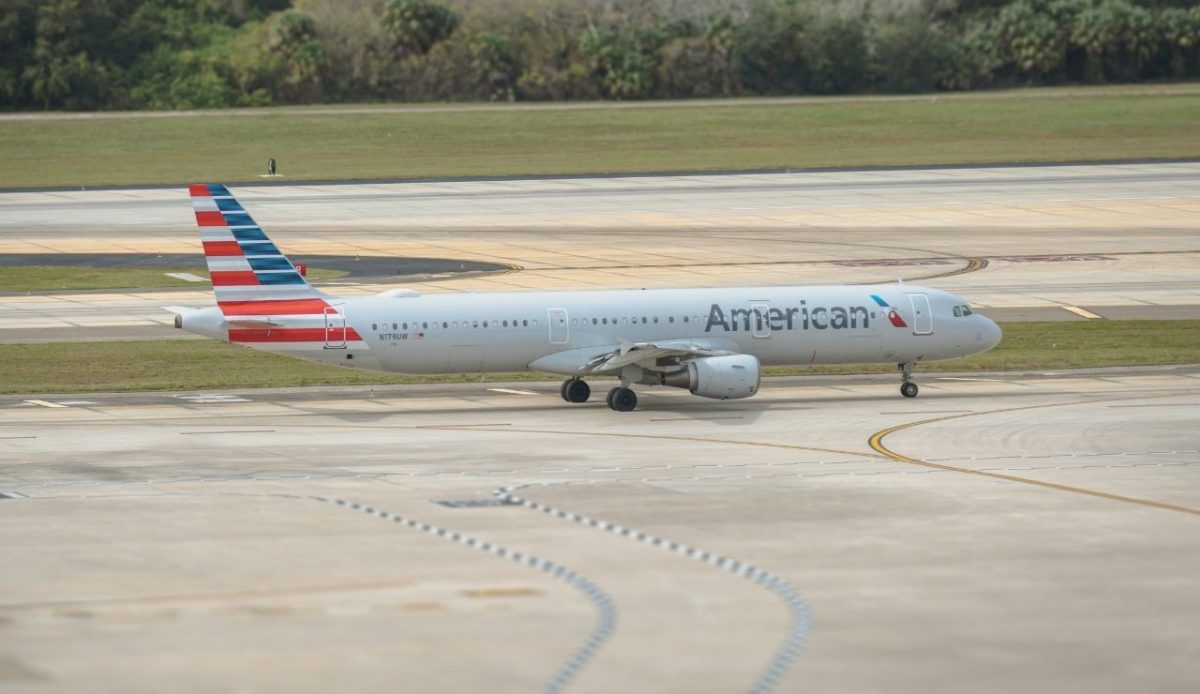
Tampa International Airport has shifted facial recognition from a long pilot into regular departures at international airline gates. The airport said it has eight biometric scanners installed at those gates and that more are planned.
The scanners are used during boarding for international flights. A live photo is compared with government travel images to confirm identity, reducing repeated handling of passports and boarding passes.
Privacy concerns remain because the scan occurs at a crowded gate where notice can be missed. GAO reported that CBP signage was not consistently posted and gave limited opt-out guidance. CBP says U.S. citizen photos are retained no more than 12 hours, so notice and deletion are central as equipment expands.
7. Harry Reid International Airport
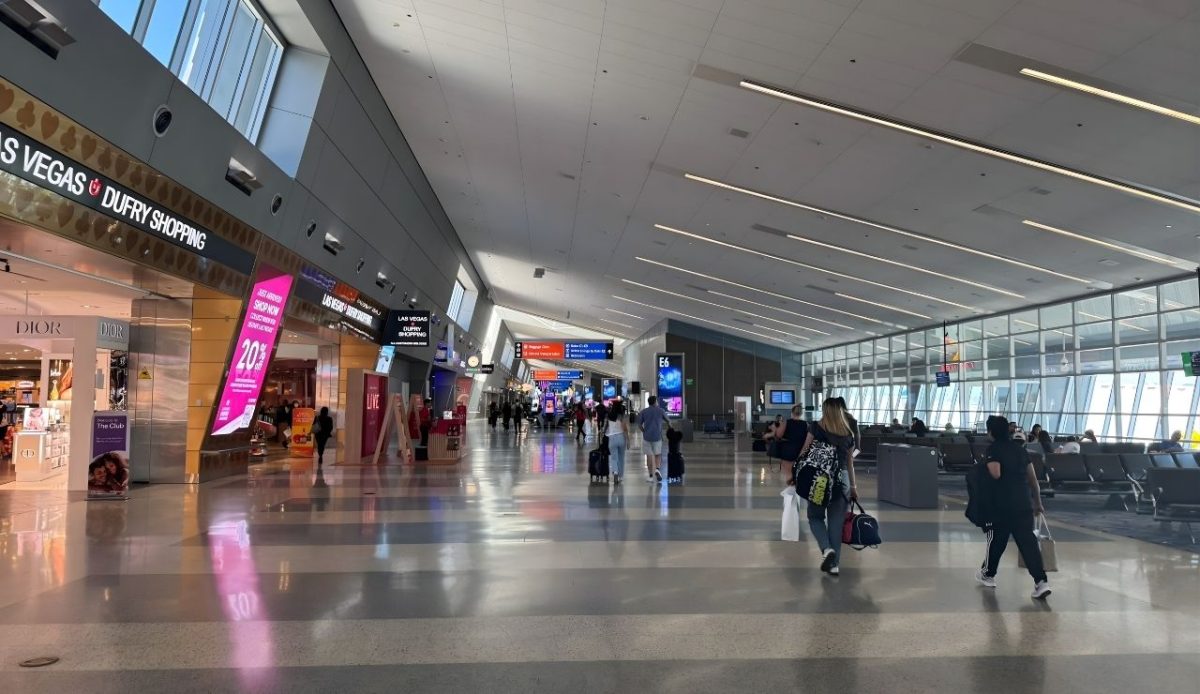
Harry Reid International Airport in Las Vegas has used biometric exit at departure gates. CBP announced a 2017 deployment on an international flight, and later reports described automated boarding gates using facial scans tied to the CBP Traveler Verification Service.
With systems such as Collins Aerospace SelfPass, passengers step to a camera at an auto gate. The face image is matched against government travel photos, so boarding proceeds without scanning a pass.
Privacy concerns follow facial comparison in air travel. GAO found the notice was not consistent, and the opt-out steps were not well-explained. CBP says U.S. citizen photos are retained no more than 12 hours, supporting the choice.
