
Trips booked in 2026 can cost more even when the listed room price looks steady. Some cities approved new surcharges or higher transient occupancy rates that appear on the final folio. Flat fees stack by night, while percent charges rise as the nightly rate climbs.
These charges are required by local or state rule and are collected by hotels and short-term rental hosts at payment. Booking screens highlight the base price first, then show taxes near the end. A realistic plan needs a tax estimate, not guesses.
The nine cities below each have a visitor charge that begins or changes during 2026 and is tied to lodging bills. Each entry notes the charge type and a quick check travelers can do before confirming a reservation.
1. Newark, New Jersey

Newark applies a hotel surcharge of three dollars for each occupied day starting Jan. 1, 2026. It is collected on qualifying stays within the city and sits alongside New Jersey sales tax plus other lodging charges. The amount is flat, so it does not track the room price.
Two nights add six dollars, while a seven-night stay adds twenty-one, and that number appears as its own line item. Travelers using Newark for airport access or Manhattan visits will see it on many receipts.
Budget math is straightforward. Multiply nights by three, then add the usual percentage taxes for the state and any local fees already shown. When totals look bundled, ask for itemization so the daily surcharge is not overlooked during comparisons.
2. Hanford, California
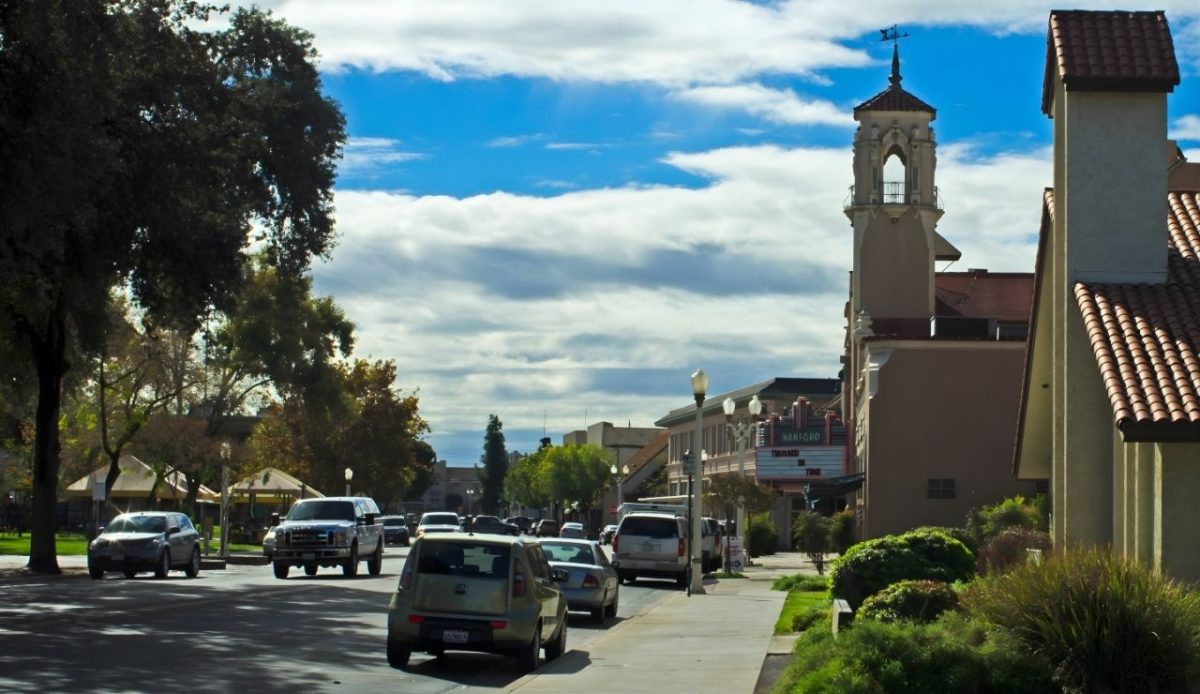
Hanford raised its transient occupancy tax to twelve percent for stays billed from 2026-01-01 onward. The prior city rate was eight percent, so the change is four points. This tax is applied to the room rent for hotels and similar short-term lodging.
On a $150 night, the city portion rises from $12 to $18. Across three nights, that is $18 more than before, before any state tax. Travelers attending tournaments, work trips, or family events in Kings County will notice the higher line total quickly.
Quick check. Multiply the nightly rate by 0.12 for the city tax, then compare with 0.08 to see the added dollars. If a site lists a single tax total, the rate helps confirm the 2026 figure is correct.
3. Ponderay, Idaho
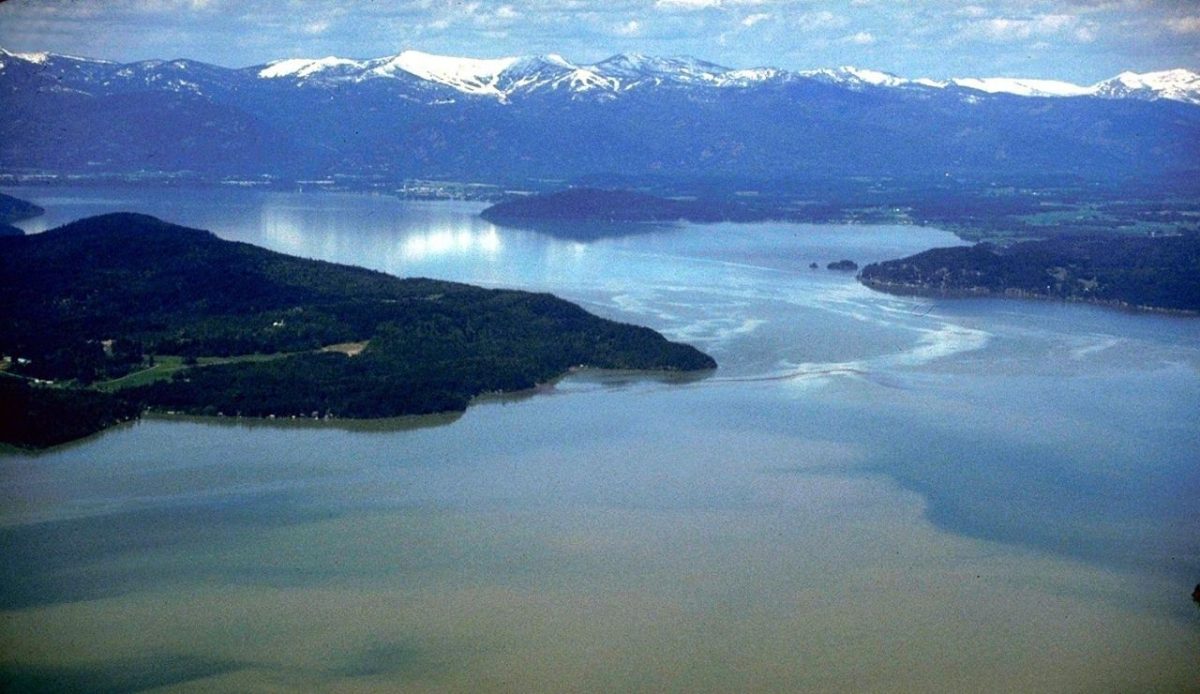
Ponderay begins a ten percent room occupancy tax for hotel and motel stays dated the first day of 2026 or later. The charge is based on lodging rent and is collected with Idaho sales tax. For travelers, the combined add-on percentage becomes clearly higher.
A $200 room carries $20 from the city tax alone. Longer visits near Lake Pend Oreille or the Sandpoint area add up fast because the charge scales with both price and nights. On invoices, it may appear under a city occupancy label.
Estimate by adding ten percent of the lodging total, then include the other taxes that apply in Idaho. For prepaid stays, confirm whether this city item was included at purchase or is due on arrival.
4. Vallejo, California
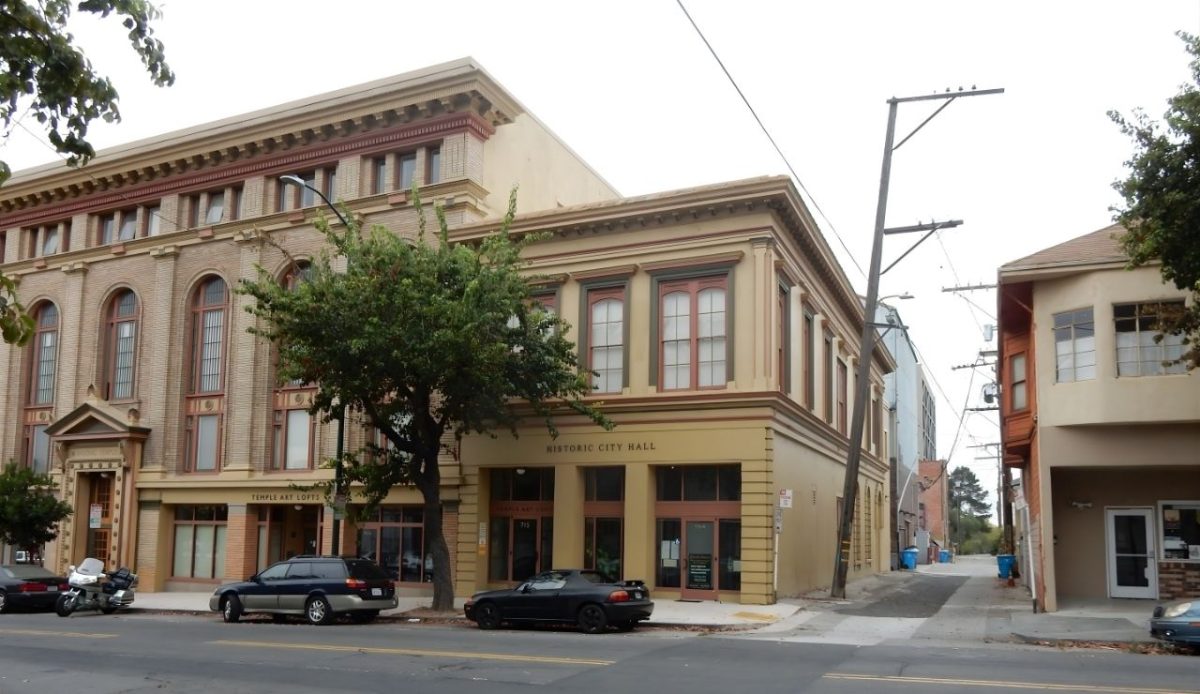
Vallejo raised its tourism district assessment by fifty cents for each sold room night starting 1 Jan 2026. This is a fixed nightly fee, and it is separate from the city’s transient occupancy tax, which is calculated as a percentage of room rent.
Because it is small per night, it can be missed, yet longer stays make it visible. Seven nights add $3.50 in added district cost compared with the prior schedule. In combination with other required charges, the final total can differ from the headline rate.
Planning is simple. Add $0.50 times nights to your lodging estimate, then apply the normal percentage taxes. If a hotel lists a district fee, verify the 2026 amount so you are not comparing an older quote with a newer receipt.
5. Santa Monica, California
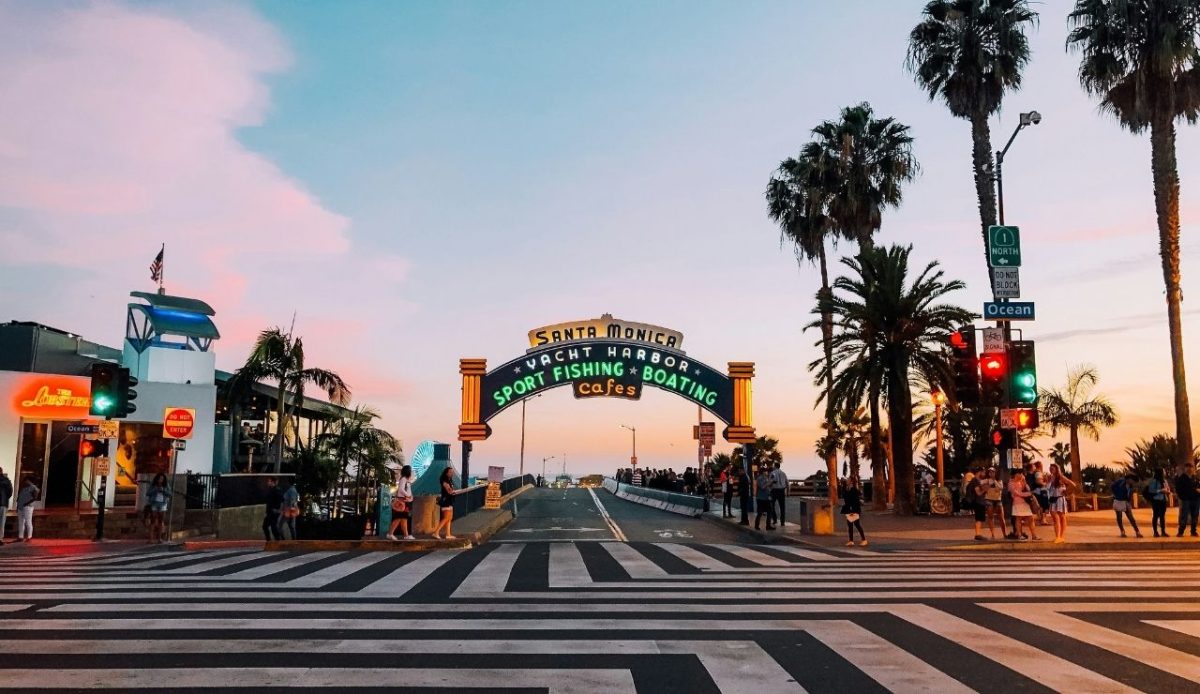
Santa Monica sets updated tourism district fee amounts for the 2026 calendar year. The charge is assessed per room night and varies by a hotel’s average daily rate tier, so different properties can show different fixed district fees.
Guests often notice a separate district line that is listed separately from the city lodging tax. Higher-priced hotels fall into higher tiers under the schedule, so the added amount is not uniform even within the same neighborhood.
Before booking, ask which tier applies and the per-night district figure for your dates. Add that amount to the room price prior to percentage taxes being applied. This prevents surprises when a platform shows only a combined tax total.
6. West Sacramento, California
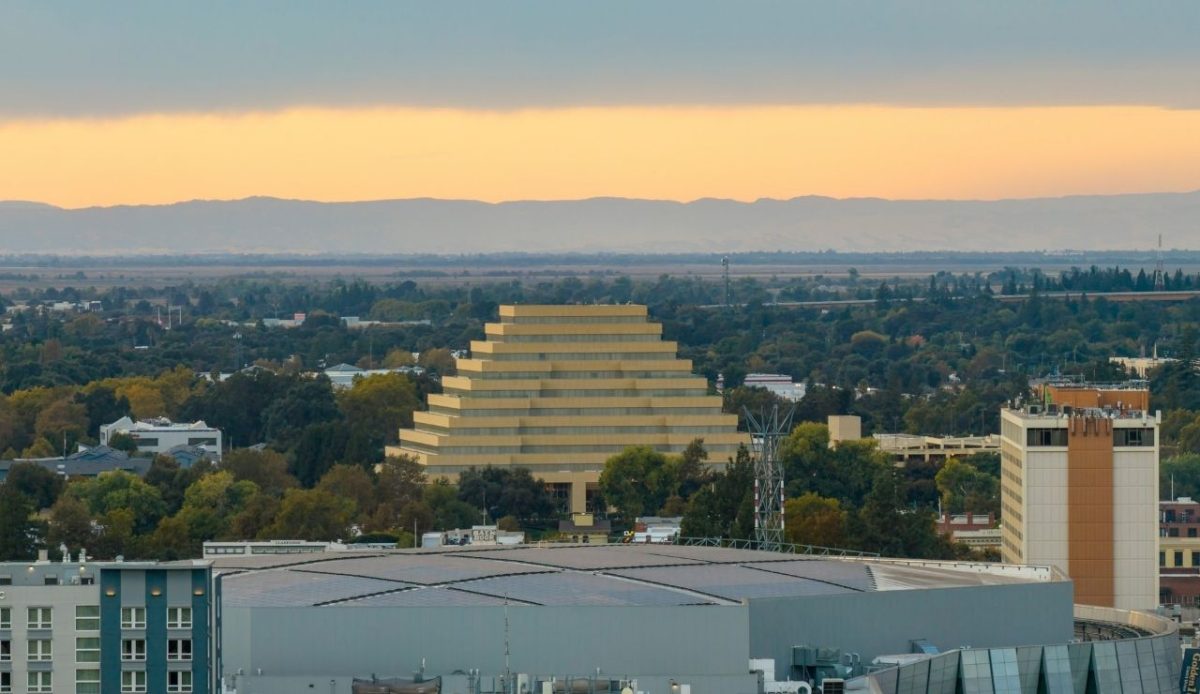
West Sacramento begins collecting a tourism district charge effective 2026-01-01. The base rate is two percent of gross short-term sleeping room revenue, calculated on the room charge before other taxes. Lodging businesses collect it from guests.
A $200 night adds $4 from the district assessment, while a $300 night adds $6. Over several nights, the added percentage becomes noticeable, especially for conference travel in the Sacramento region, where room rates can be high during peak weeks.
For budgeting, take the pre-tax room total and multiply by 0.02, then add the result to expected charges. If the statement calls it a district fee, check which base was used so your math matches the nightly amounts.
7. Fresno, California

Fresno renews a tourism funding district term that takes effect January 1, 2026, and the assessment continues on hotel room revenue within the district. Guests pay it through lodging bills collected at checkout, separate from standard transient occupancy tax lines.
Even when a district existed before, a renewed term can keep an added percentage that visitors may miss if they track only city and state taxes. The dollar amount rises with the room price, so higher nightly rates carry larger district costs.
To avoid surprises, ask whether the property is inside the district boundary and what percentage applies for 2026. Apply that rate to the room subtotal, then add usual taxes. Separating the district charge helps reconcile receipts later.
8. Redding, California
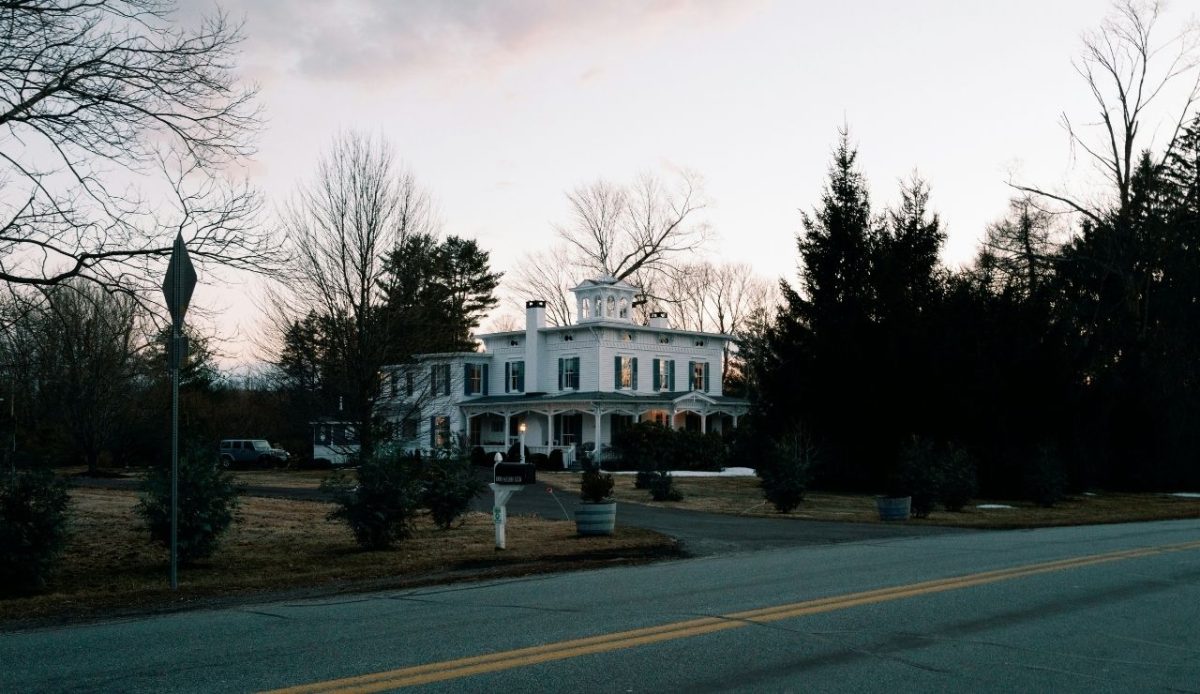
Redding starts a new term for its tourism marketing district as of January 1, 2026. Participating hotels collect the district assessment from guests based on room revenue, and it is typically shown as a dedicated fee line on folios and booking breakdowns.
This matters because the district fee sits apart from the local lodging tax and can change the total even when that tax rate stays stable. Visitors staying for outdoor trips or local events may see the fee at many properties.
To estimate, request the district percentage and apply it against the room price, then add the regular occupancy tax and other charges. Keeping the district fee separate makes it easier to compare Redding stays with nearby towns.
9. Clark, South Dakota
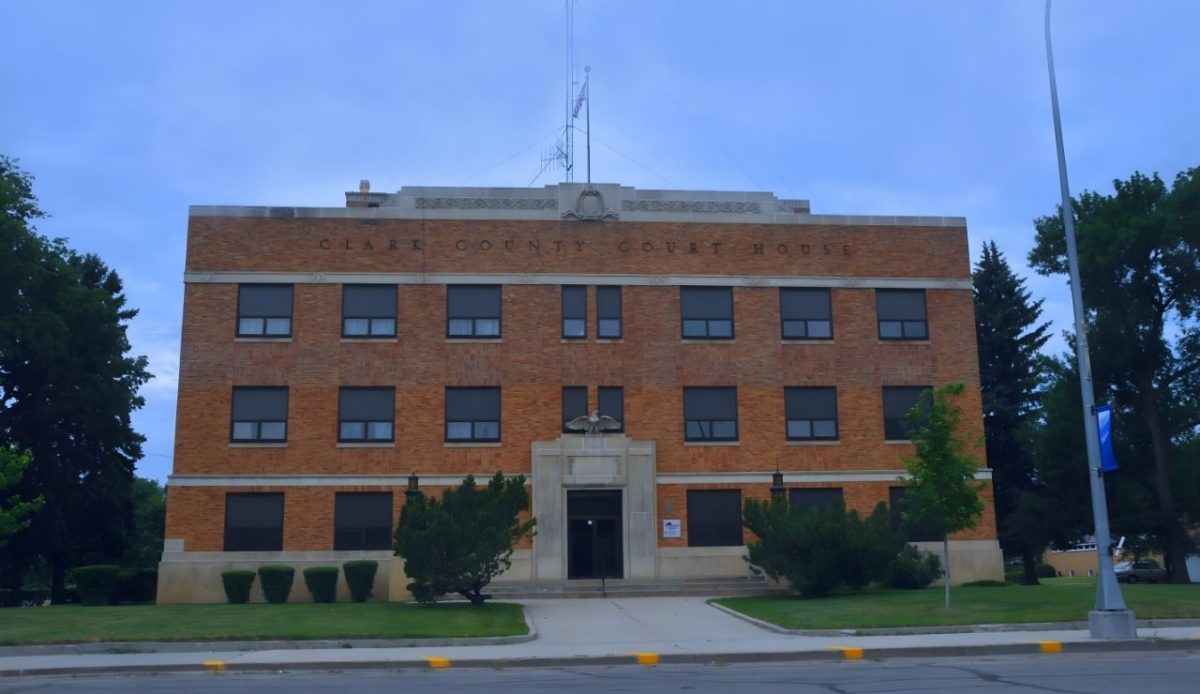
Clark begins collecting a one percent municipal gross receipts tax beginning in 2026, and lodging is one covered category. Hotels add the percentage to taxable charges, so travelers see the increase on the invoice rather than as a hidden rate change.
At one percent, the change is modest but broad. A $180 night adds $1.80, and five nights add $9, before other taxes. That can matter for group bookings, work travel reimbursements, or families tracking a tight lodging budget.
To plan, multiply the lodging total by 0.01 and add it to the usual state and local taxes. If the bill shows a single combined tax entry, request the municipal portion so the 2026 change is clear.
