
Americans often assume “tourist mistakes” are about etiquette, but plenty of destinations have actual laws that can trigger fines, confiscation, or worse. Some rules are aimed at protecting historic sites, others at public order, privacy, or border security.
This guide highlights 11 local laws that repeatedly surprise U.S. travelers. The details can vary by city and how strictly rules are enforced, so treat these as a heads-up.
Before you fly, double-check official government advisories and your airline’s guidance, especially for medicines and restricted items. Knowing the rule early is way cheaper than learning it at a police station. Seriously.
1. Singapore: Chewing gum import and disposal rules
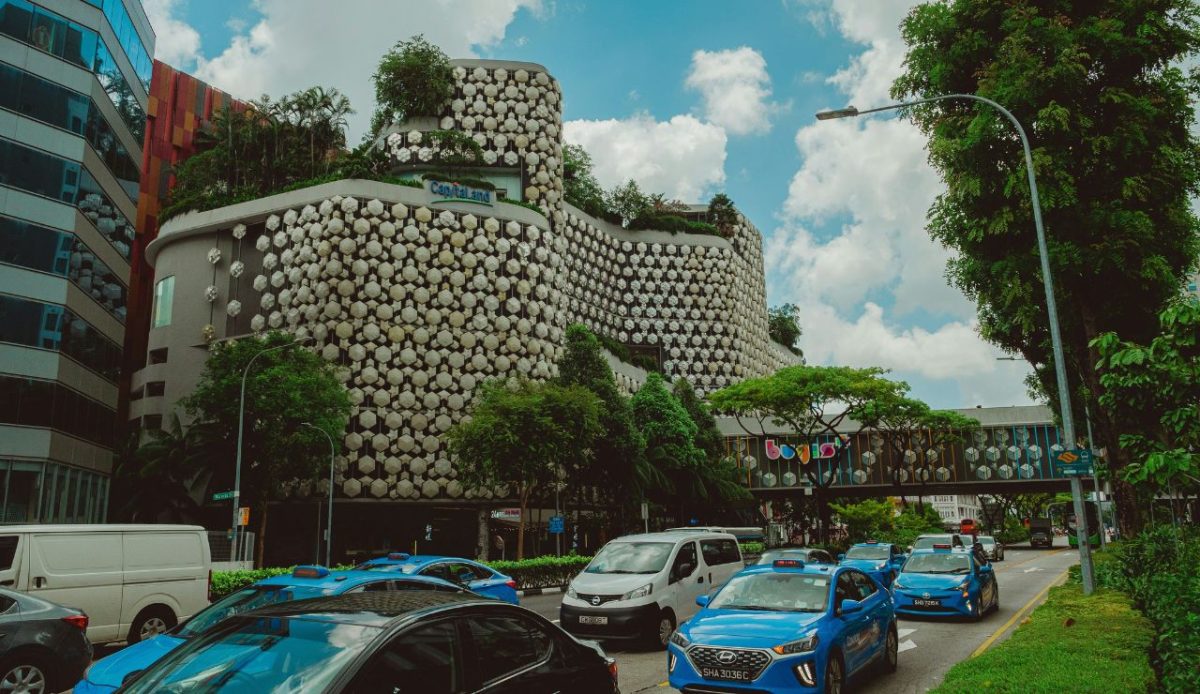
In Singapore, chewing gum itself isn’t the crime; the bigger issue is supply. The sale of most chewing gum has been banned for decades, with limited medical or nicotine exceptions.
Tourists get caught when they pack multiple packs, bring gum to hand out, or ignore disposal rules. Importing for resale is the real red flag, and littering is taken seriously on public streets and transit.
Practical move: don’t bring gum in bulk, don’t share it around, and never spit it out. If you need nicotine gum, buy it properly from a pharmacy, and keep it stored like normal medication instead of loose in your day bag.
2. Thailand: Vaping and e-cigarettes are illegal
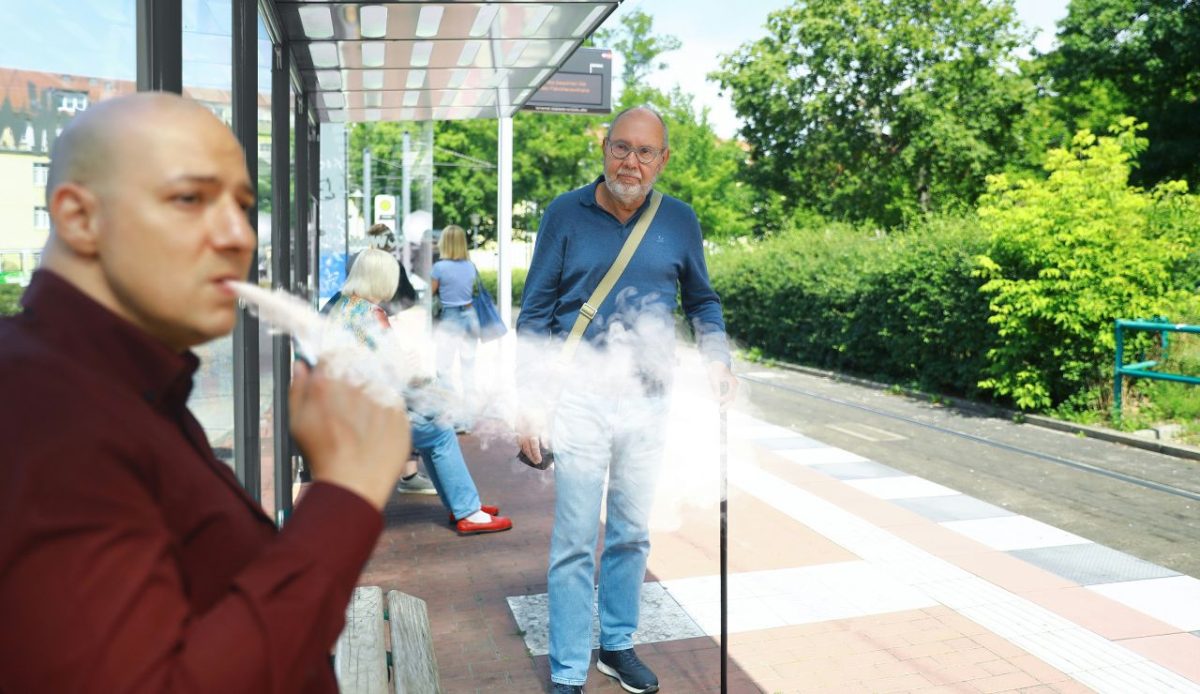
Thailand is a common “wait, that’s illegal?” moment for vapes. E-cigarettes and related products are banned, and official advisories warn that possession or vaping can lead to arrest or on-the-spot penalties.
Americans often assume vaping sits in the same legal bucket as smoking. In Thailand, it doesn’t, and enforcement can be unpredictable, people have reported devices being confiscated even without obvious public use.
Safest play is simple: don’t pack a vape, don’t buy one locally, and don’t use one in public. If you’re managing cravings, plan legal nicotine options ahead of time and keep them in original packaging.
3. United Arab Emirates: Public displays of affection can cause trouble
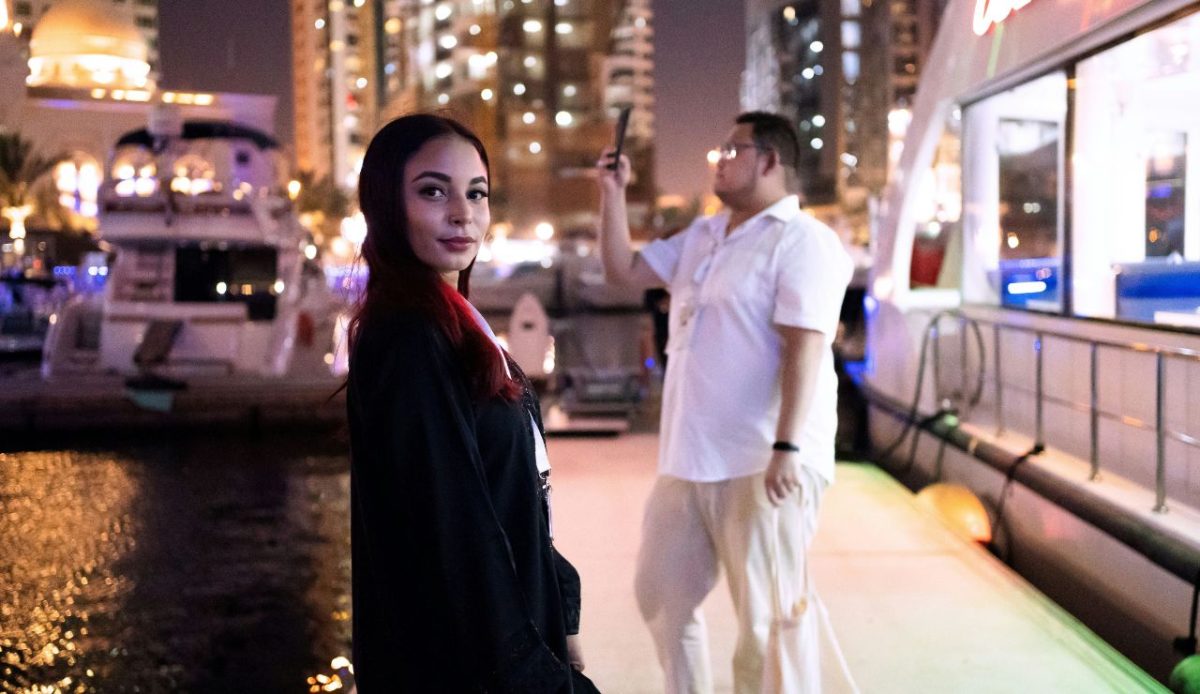
In the UAE, especially in Dubai and Abu Dhabi, public behavior rules are stricter than many Americans expect. Official guidance says public displays of affection should be minimal, with kissing and heavy hugging in public discouraged.
Most visitors won’t be bothered for normal couple behavior, but problems start when someone complains, alcohol is involved, or it escalates into public disturbance. What feels “normal” at home can be read differently.
Keep it low-key: save intimate moments for private spaces, be mindful in malls, beaches, and metros, and avoid arguments in public. It’s less about romance and more about public order expectations.
4. Japan: Some ADHD stimulants and common meds are restricted or banned
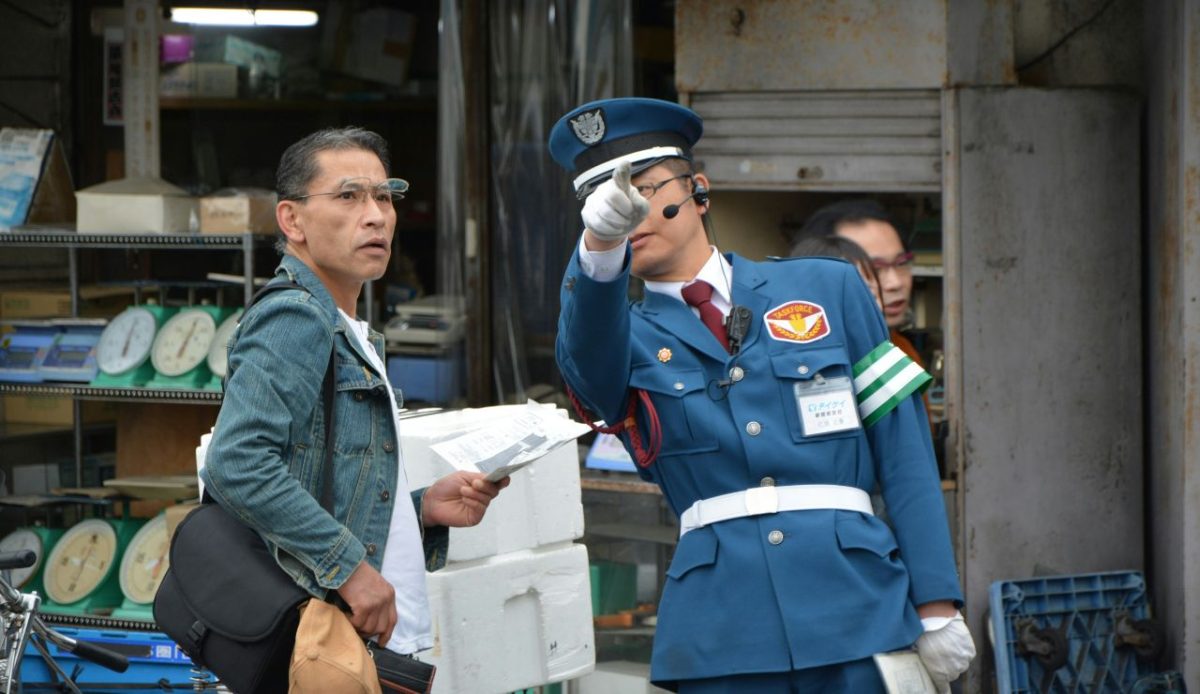
Japan’s medication rules catch Americans off guard because a valid U.S. prescription doesn’t automatically make a drug legal at the border. Some common ADHD stimulants, including amphetamine-based meds, can be prohibited, while others require advance permission.
Japanese authorities provide a formal process for bringing controlled medicines, and the paperwork depends on the ingredient category and quantity. A labeled pill bottle at customs is not the same as import approval.
Before flying, check the official guidance, confirm your medication’s active ingredient, and apply for any required certificate. If you can’t bring your usual prescription, ask your doctor about legal alternatives for the trip.
5. Greece: High heels can be restricted at ancient sites
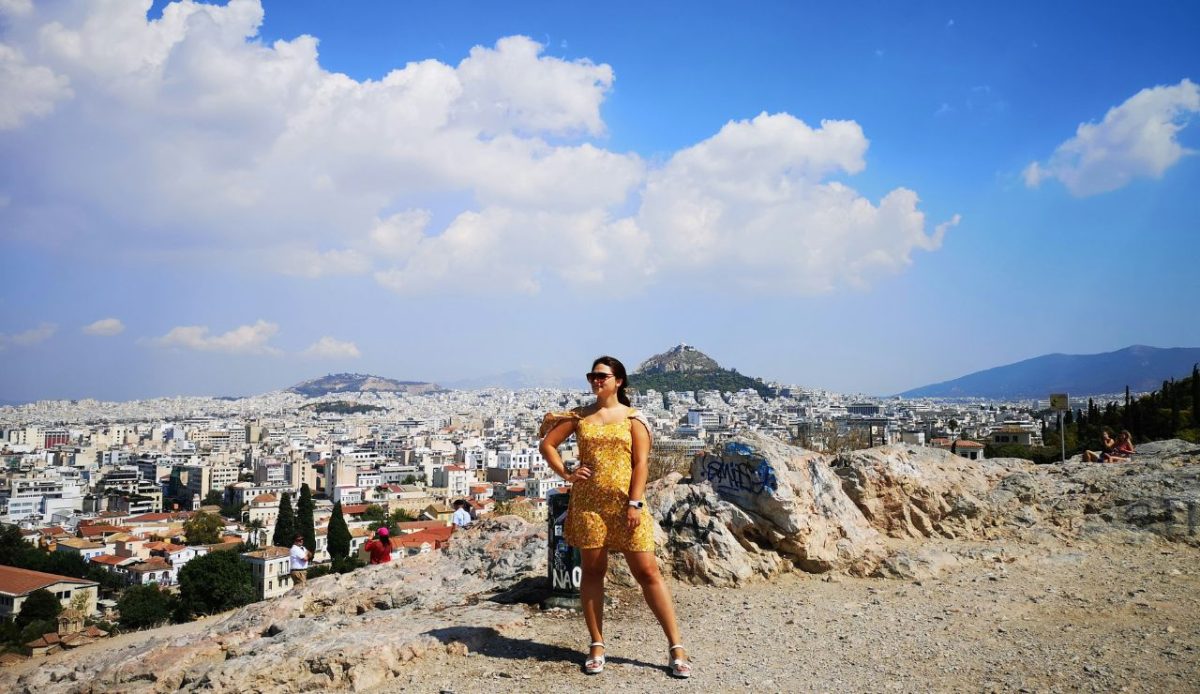
In Greece, some protected archaeological sites restrict footwear that can damage ancient stone. The rule that surprises visitors is the ban on high heels at major ruins, including areas around the Acropolis, because thin heels can chip surfaces.
Americans often treat “dressy shoes” as harmless, especially for quick photos. At heritage sites, preservation rules can be enforced at the gate, and staff may turn you away or require a change of shoes.
Pack flat, grippy footwear for sightseeing days, even if you plan outfits. You’ll be walking on uneven marble and steps anyway, so it’s safer, more comfortable, and avoids an awkward entrance denial.
6. Italy (Rome): Sitting on the Spanish Steps can mean fines
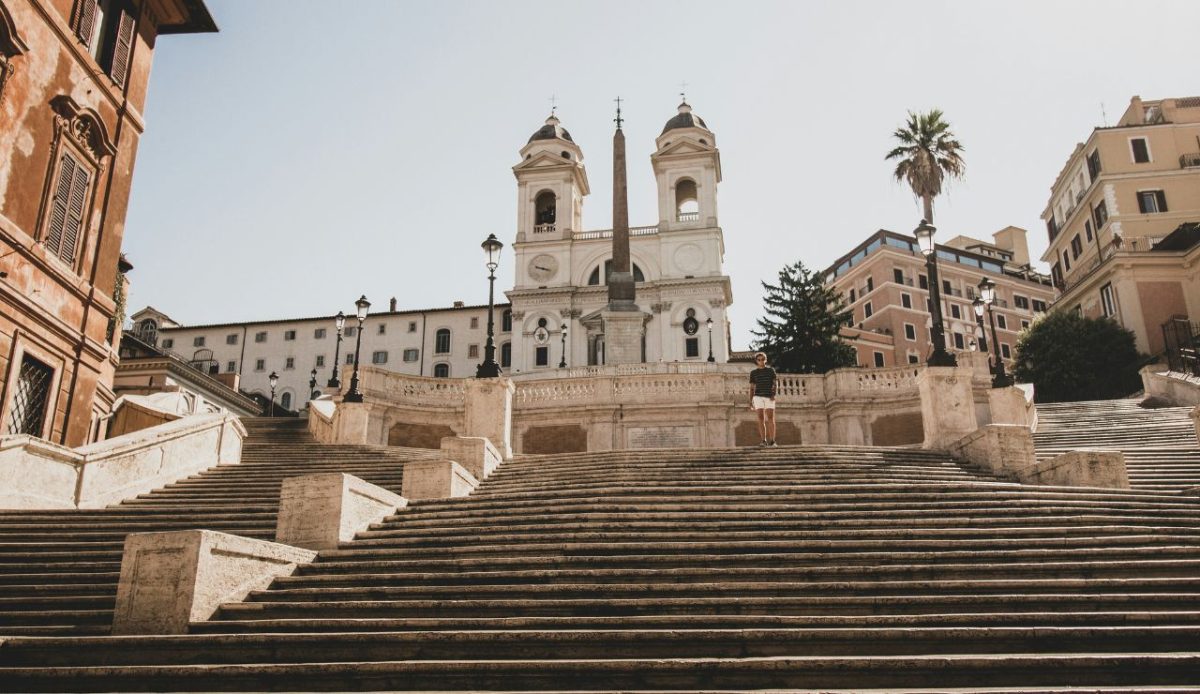
Rome has cracked down on behavior around high-traffic monuments, and the Spanish Steps are a famous example. Authorities have enforced rules that can fine people for sitting, eating, or drinking on the steps to protect the landmark.
That shocks Americans because the steps look like public seating. In peak season, the city treats them more like a fragile monument than a hangout spot, and enforcement tends to increase when crowds surge.
Do your snack and rest break elsewhere; nearby benches or cafés are the safer bet. If an officer asks you to move, do it immediately; arguing can escalate the situation, and your wallet won’t win that fight.
7. Italy (Venice): Feeding pigeons and “picnic” behavior gets penalized
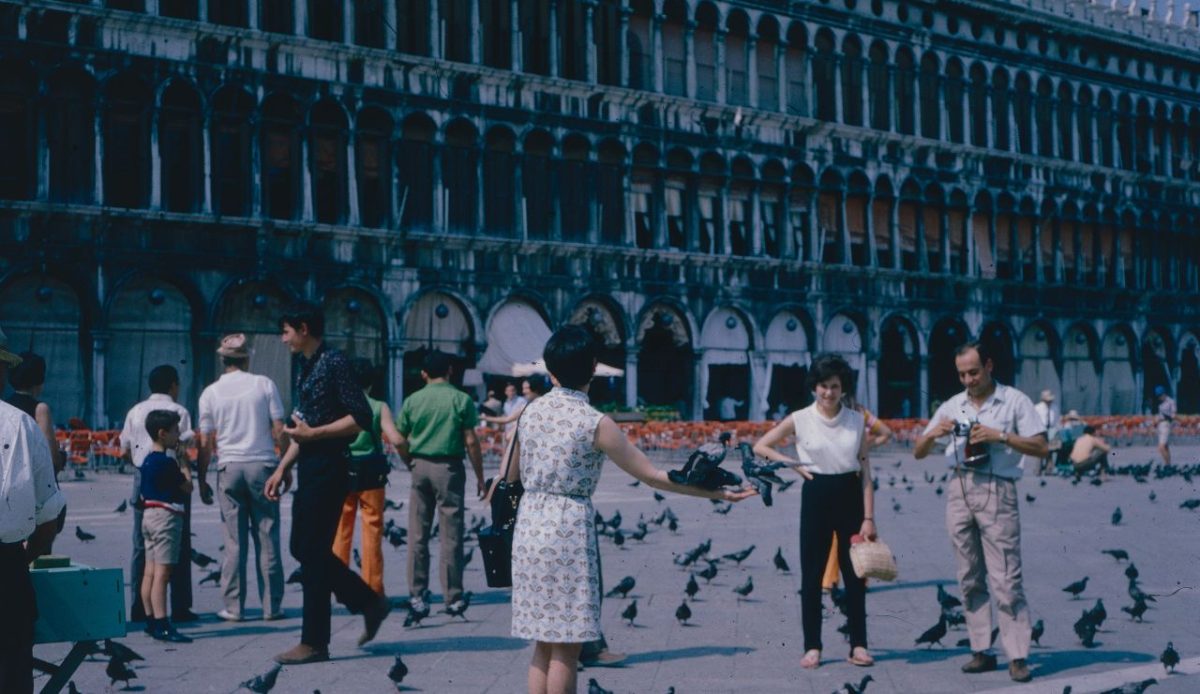
Venice has a stack of tourist rules aimed at keeping fragile public spaces usable. One that catches people is the ban on feeding pigeons in places like St. Mark’s Square, with fines for tossing crumbs that attract birds.
Visitors also get fined for other “I’m just chilling” moves, like swimming in canals or setting up picnics in restricted areas. The city treats these as preservation and crowd-control issues, not harmless fun.
Stick to designated eating spots, keep food away from plazas packed with birds, and never treat the canals like a pool. If signage is unclear, assume the strict option and ask before you do it.
8. Barbados: Camouflage clothing can be illegal for civilians
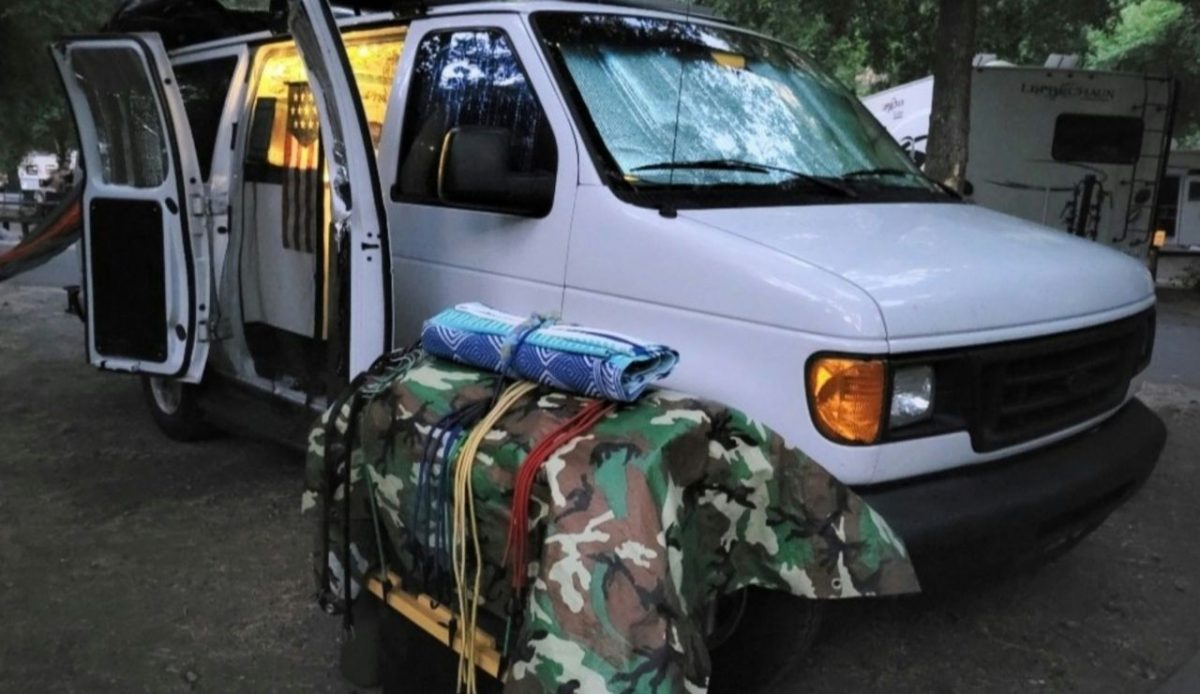
In Barbados, camouflage prints aren’t just a fashion choice; they’re illegal for civilians, including tourists. The rule covers typical camo clothing and can extend to accessories, depending on how it’s interpreted.
Americans get caught because camo is normal streetwear back home, especially on hats, shorts, or travel backpacks. In several Caribbean countries, the concern is military impersonation and public security, so the rule is treated seriously.
Before you pack, scan your beachwear and athleisure for camo patterns, even small panels. If you arrive with it, don’t wear it out, and consider replacing it locally. It’s an easy avoid.
9. Australia: Biosecurity declarations are mandatory, even for snacks and gear
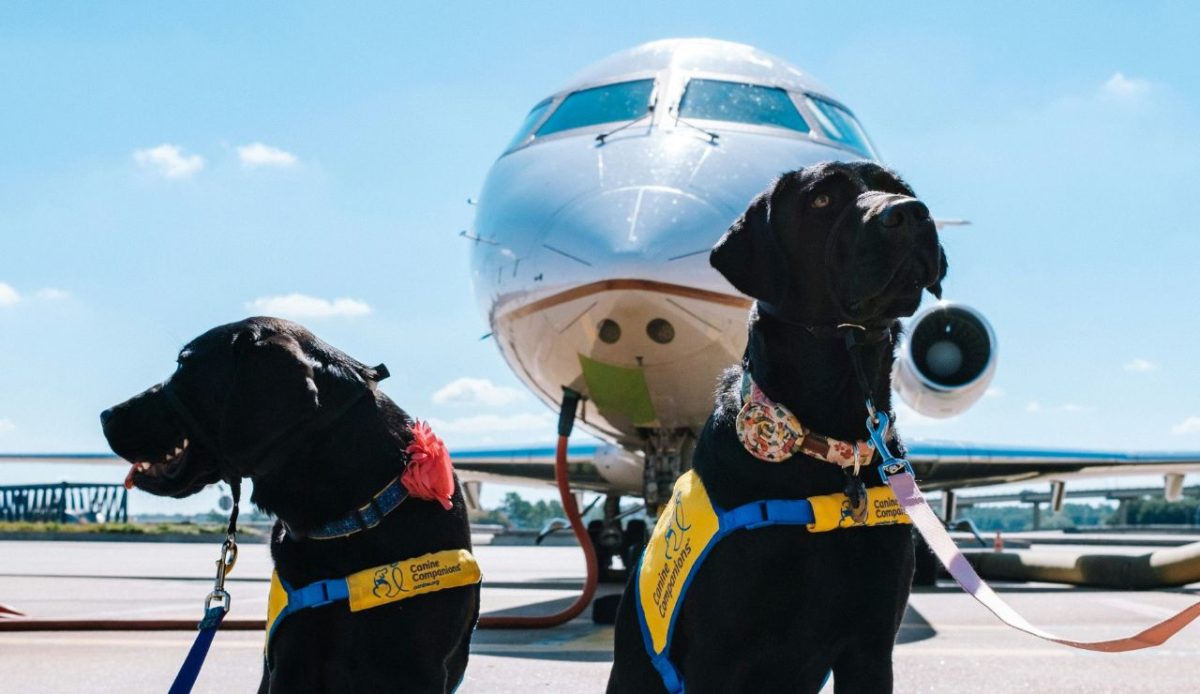
Australia’s border rules aren’t “customs vibes”, they’re biosecurity law, and travelers get fined for forgetting it. You must declare certain foods, plant materials, animal products, and even dirty outdoor gear like hiking boots.
Americans often assume sealed snacks or souvenirs are fine because they’re not fresh. Australia cares about pests, seeds, and soil that can harm agriculture and wildlife, so “I didn’t know” doesn’t help.
Clean your shoes and camping gear, don’t pack fruit or meat, and declare anything questionable on the passenger card. Declaring doesn’t automatically mean trouble; it usually means inspection and guidance.
10. Switzerland: Quiet-time rules (especially Sundays) can be enforced

Switzerland can feel ultra-relaxed, until you run into quiet-time rules. Many places observe “ruhezeiten” (quiet periods), including Sundays, when loud activities like drilling, lawn mowing, or even noisy housework may be restricted.
Tourists usually notice this in apartments and hotels, where neighbors expect calm hallways and minimal noise. Americans used to a 24/7 normal life can get complaints fast, and landlords take it seriously.
Play it safe: keep music low, avoid DIY projects, and schedule noisy tasks for weekdays and daytime hours. If you’re staying in a rental, read the house rules carefully; they often reflect local regulations.
11. Qatar: Filming or photographing people without consent can be penalized
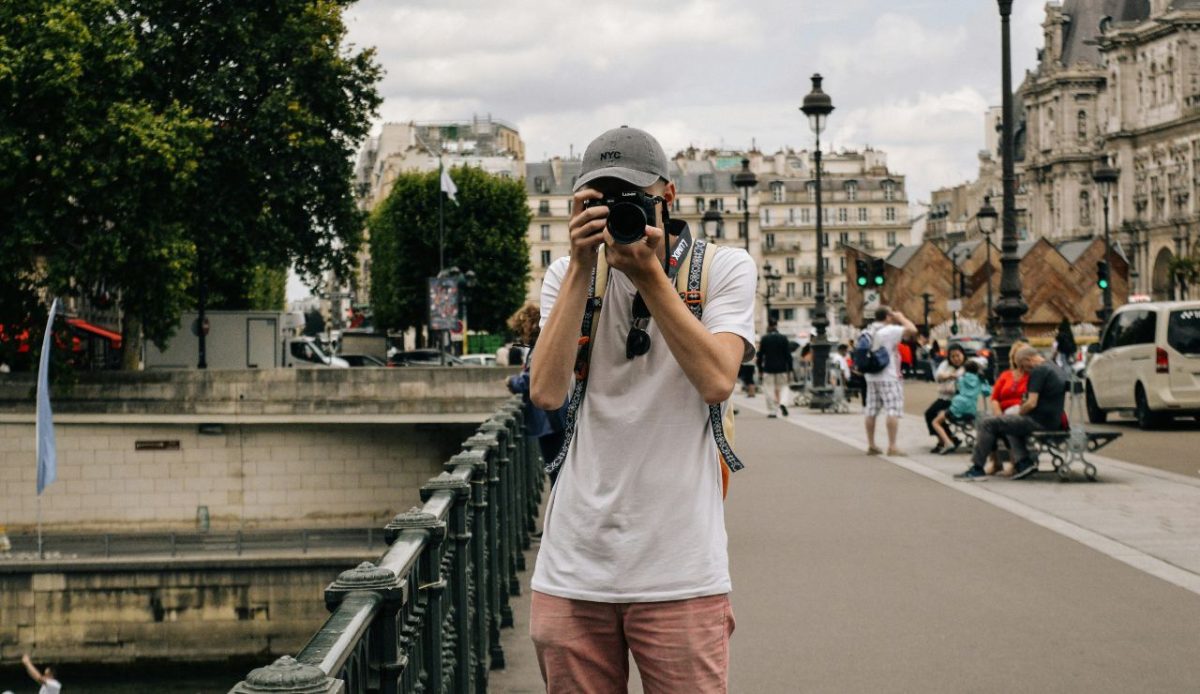
In Qatar, privacy rules around filming and photos can surprise visitors who treat street photography as harmless. Recent legal changes strengthened penalties for photographing or filming people without consent under cybercrime provisions.
That matters because tourist habits, quick snaps in markets, filming strangers in the background, posting clips online, can cross the line. Add security sensitivities around certain sites, and it’s easy to misstep.
Ask permission before photographing individuals, avoid filming conflicts or officials, and be cautious near government, military, and religious locations. When in doubt, put the phone down and enjoy the moment unrecorded.
