
Overhead bins used to feel like a shared closet. Now they’re a high-stakes puzzle: more flyers board with rollaboards, and gate agents watch bin space like it’s seat inventory.
Airlines aren’t always “shrinking” bins on purpose. They’re optimizing cabins for revenue, safety rules, faster turns, and new equipment that competes with luggage, from service carts to electronics and accessibility gear.
The result is a cabin where the same aircraft type can fit different amounts of baggage depending on how it’s configured. These seven common changes show why your carry-on may get checked more often, even if you pack the same way on every trip now.
1. Slimmer seats that reduce usable underseat space
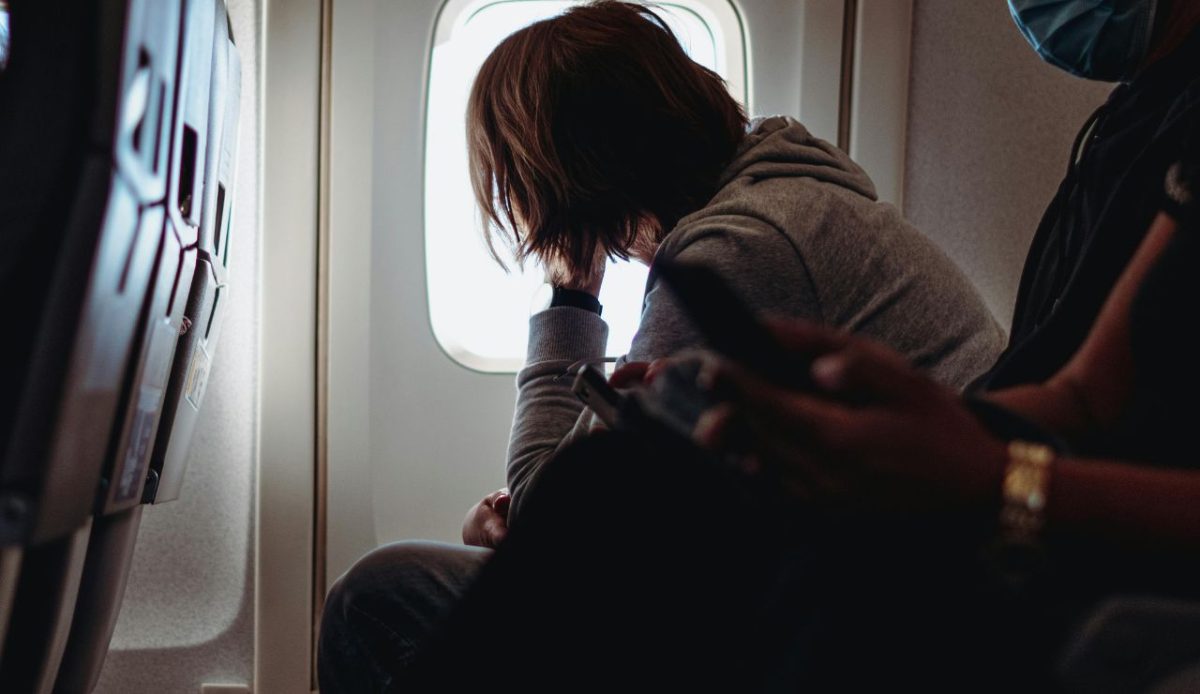
Cabin seats have gotten thinner, but the hardware around them often hasn’t. Slimline frames can change the shape of the space under the seat, and some layouts add crossbars or seat supports that block a standard backpack.
Add seat-back entertainment, tray redesigns, or bulkier literature pockets, and the “footwell” can shrink even if legroom looks similar on paper. On some aircraft, power units also take up the same area your bag would slide into.
When underseat space is less usable, passengers rely on the overhead bins for items that once fit below. The bins don’t expand for every seat added, so later boarding groups see more gate checks and more time spent reshuffling bags.
2. Higher seat counts that lower bin space per passenger
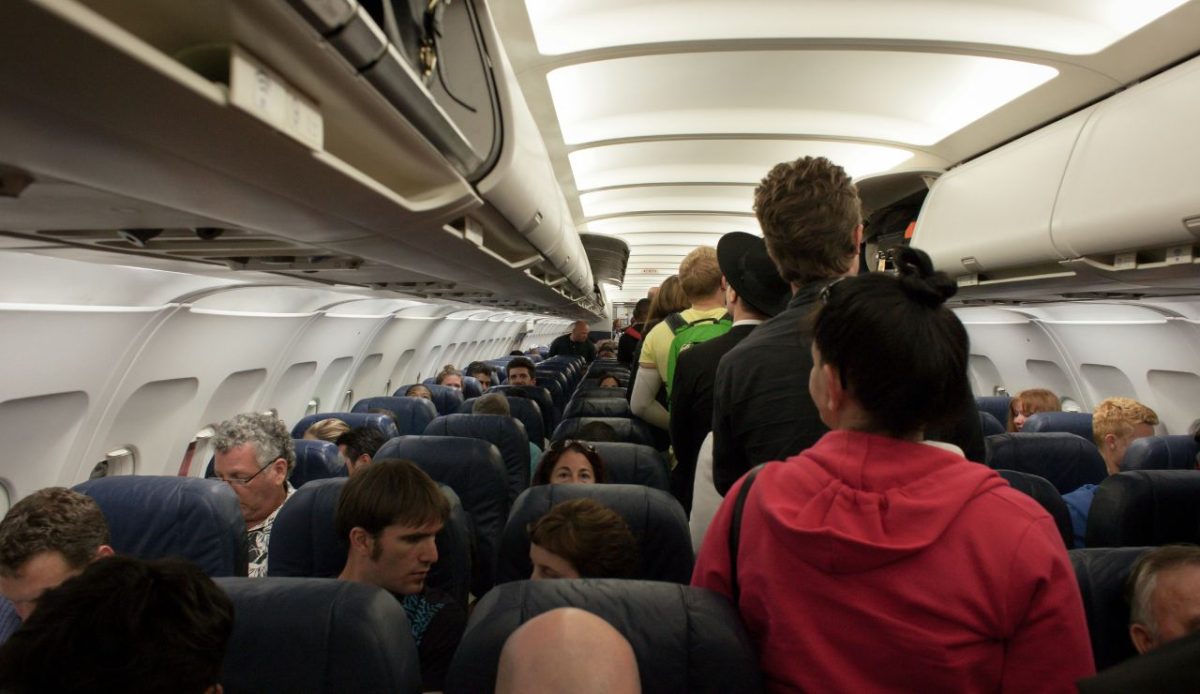
Airlines often reconfigure cabins to add seats or create new rows, especially on short-haul aircraft where demand is high. Even one extra row increases the number of carry-ons competing for the same bin volume.
More passengers also means more personal items that end up overhead when underseat spaces fill early. The effect can be sharper on flights with tight connections, where travelers avoid checking bags to save time.
Densification doesn’t have to change the bin itself to feel tighter. If the cabin gains seats faster than it gains stowage, overhead space per passenger drops, and boarding becomes a first-come, first-served race on busy days.
3. More premium layouts, bulkheads, and reserved bin zones
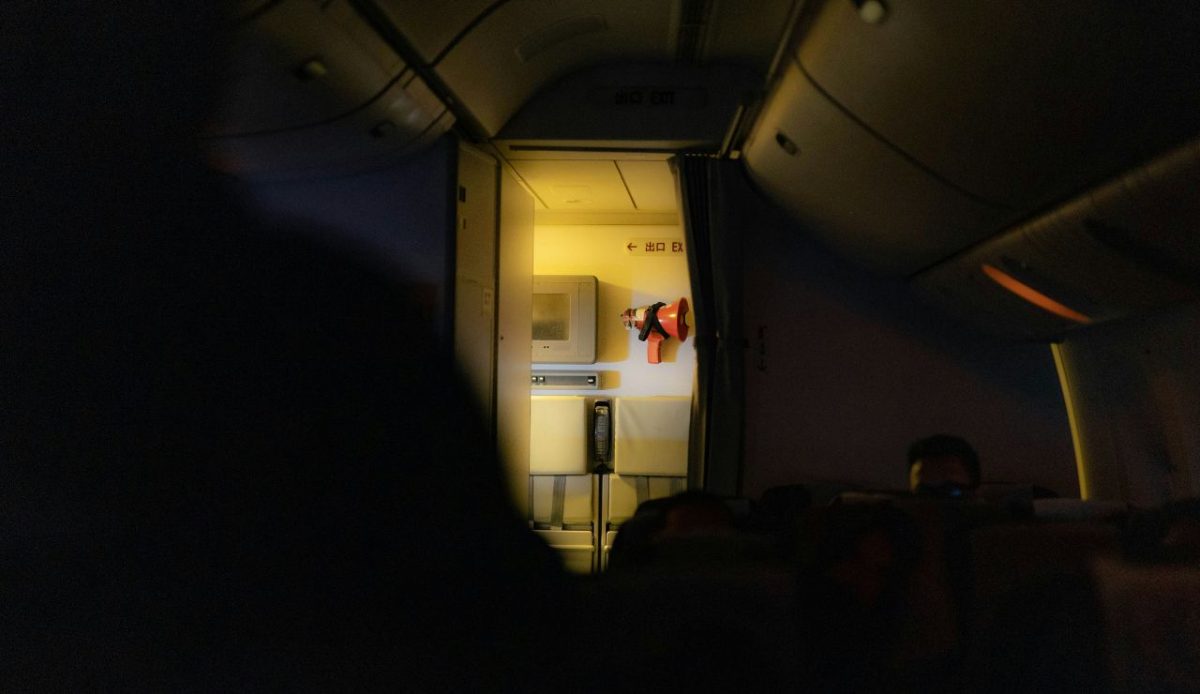
Premium-heavy layouts can reduce the “free-for-all” bin space in the main cabin. Larger business-class seats and extra dividers may require more fixed structures, and airlines often reserve nearby bins for specific rows or cabins.
Bulkheads and partitions also remove underseat storage for the first row of a section, sending more bags into the overhead. On some aircraft, a closet or crew storage area replaces what used to be shared bin space.
The change is subtle: the plane still has bins, but fewer passengers can use each one. If you’re seated near a partition, you may see earlier bin fill-up and longer walks to find open space during boarding.
4. Overhead bin redesigns that don’t always increase usable capacity
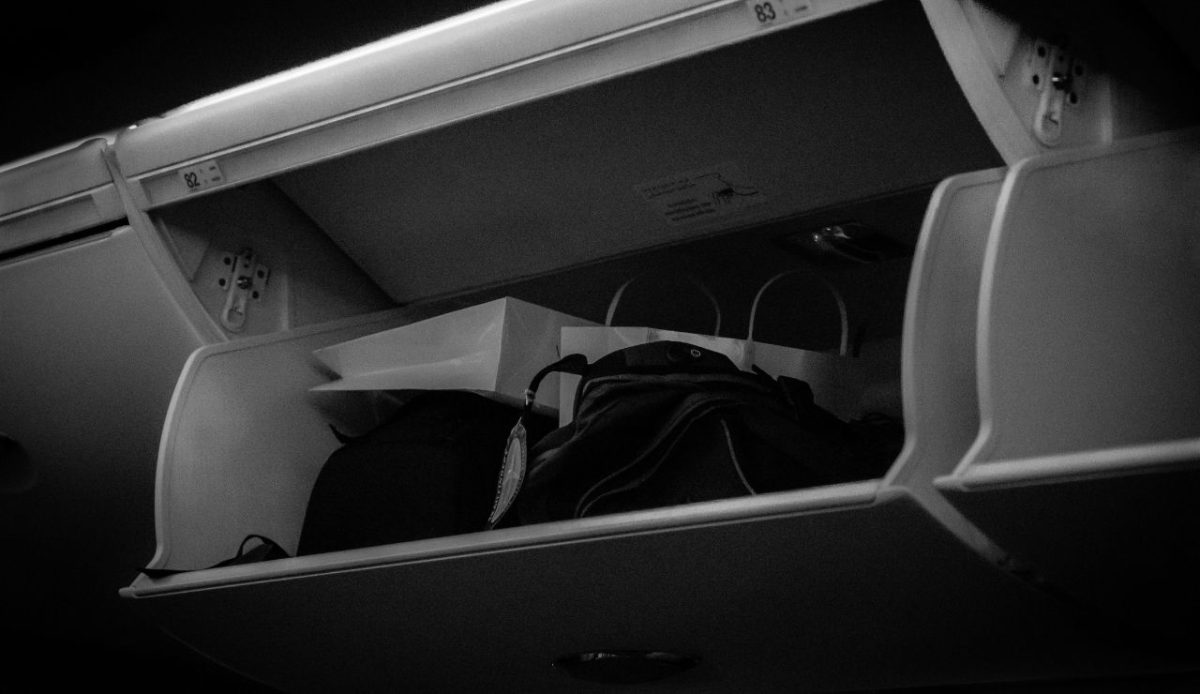
Newer “space” bins are designed to fit modern roller bags on their side, and on some aircraft, they genuinely increase capacity. But the upgrades aren’t uniform across fleets, and not every retrofit boosts usable space for every seat.
Bin doors, latches, lighting, and safety placards take up small amounts of volume, and some configurations add dividers that limit how bags can be stacked. If bins are segmented, a long item can also block a whole section.
The practical result is that bin space can feel tighter even on a newer interior. If the cabin encourages one “correct” way to stow bags, anything placed incorrectly wastes capacity and triggers more last-minute gate checks.
5. More safety and accessibility equipment stored in the cabin

Cabins now carry more equipment that has to be accessible in flight, and it often lives near the front or in overhead compartments. Items can include enhanced medical kits, automated external defibrillators, and other safety gear required by policy or regulation.
Accessibility needs add another layer. Wheelchairs, aisle chairs, and mobility aids may be stored in designated spaces, and crew may keep certain areas clear to meet evacuation and service requirements.
Most passengers never see these storage choices, but they can remove a few bin “slots” on a crowded flight. Losing even one or two compartments in a high-load cabin can cascade into earlier bin closures for the remaining rows.
6. Galley and service changes that reclaim nearby stowage
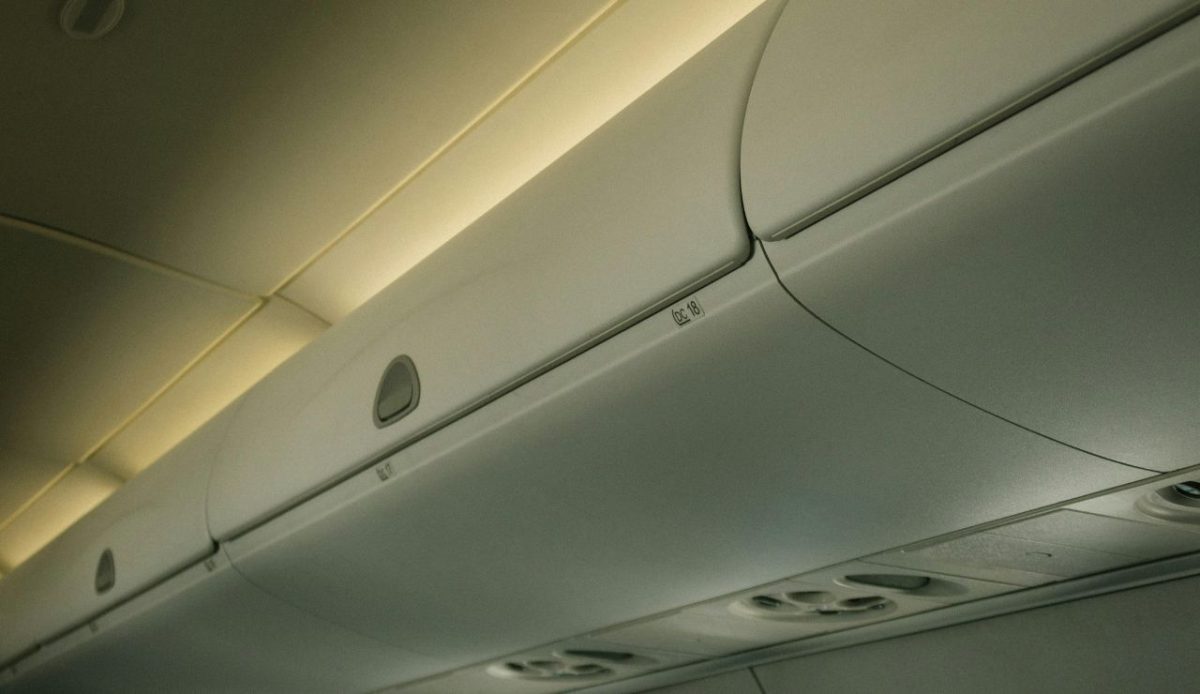
Service changes can quietly compete with carry-ons, especially on narrow-body jets. Airlines may add or rework galleys to support different catering models, extra beverage service, or buy-on-board sales.
That can mean more carts, more sealed supplies, and more packaging storage, all of which need a home during boarding and flight. Some aircraft also carry additional waste and recycling containers to speed cleaning between legs.
When galley areas expand, or storage rules tighten, crew may reserve nearby bins or keep certain compartments for service items. The space loss is small per bin, but it’s felt by passengers because it usually occurs in the busiest boarding zones near the doors.
7. Connected-cabin tech and power hardware that eats into bag space
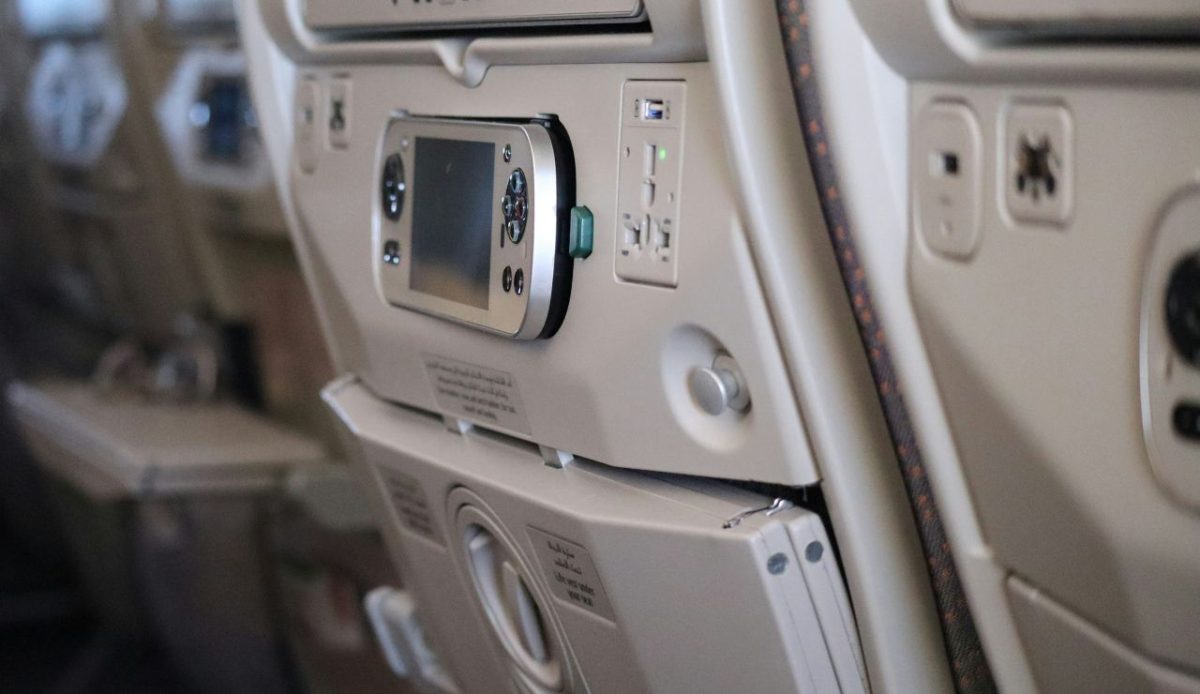
Modern cabins are packed with electronics: Wi-Fi systems, antennas, cabin routers, and power equipment to keep every seat charged. At the seat level, motors for recline, in-arm controls, and larger battery-backed systems can intrude into underseat areas.
More hardware also affects weight planning. Airlines may enforce carry-on limits more strictly when a route is weight-sensitive or when extra equipment reduces the margin available for bags in the cabin.
Even if the bins are the same size, tighter rules and smaller underseat spaces push more items into overheads at once. That’s why you may see earlier “bins full” calls, especially on flights with a full load and many connecting travelers.
