
Travel insurance sounds simple: pay a small fee, get protection if the trip goes sideways. In practice, many Americans only learn the fine print when they’re stressed, far from home, and already out of money. Cancellations, delays, lost bags, and medical bills all have different rules.
Coverage depends on definitions, timelines, and paperwork, not good intentions. Policies differ by provider, plan tier, destination, and even how you paid for flights, tours, or rentals. Exclusions and sub-limits can shrink what “up to” really means.
The goal here is prevention, not paranoia. These seven pitfalls show up repeatedly in real claims, and minutes of checking terms before purchase can save hours of arguing later. Treat the policy like a contract.
1. Buying Too Late for Pre-Existing Condition Protection
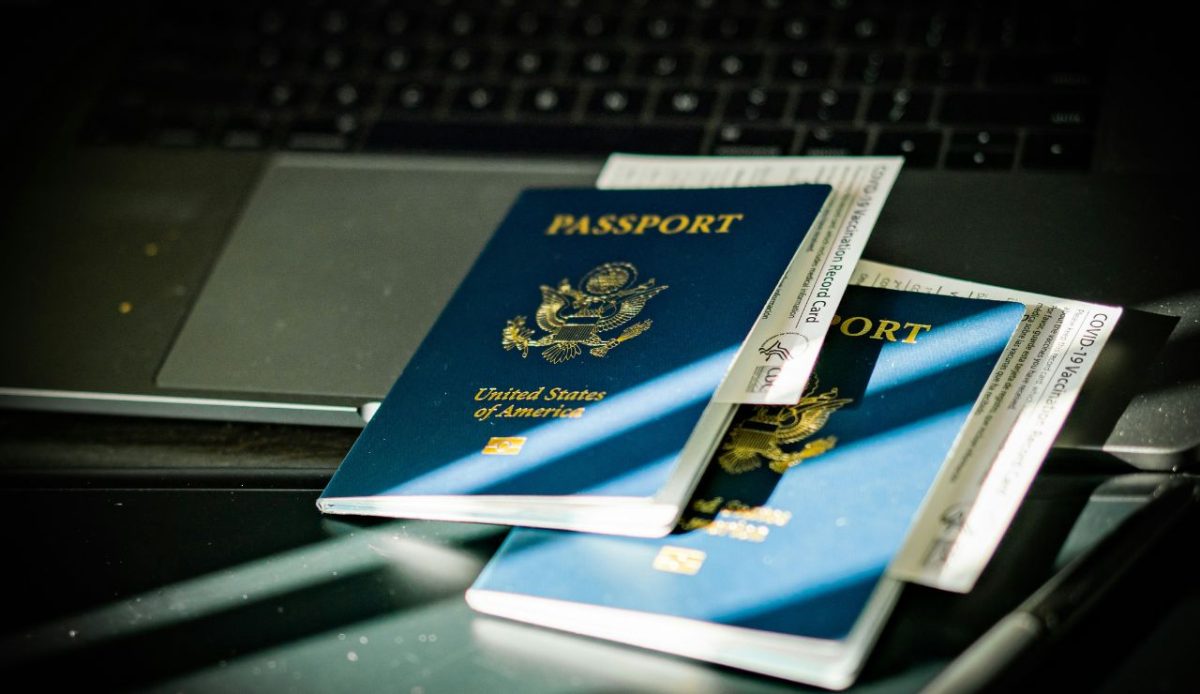
Many plans reward early buyers with perks like a pre-existing condition waiver. Americans often discover this after a flare-up forces a cancellation, only to learn the waiver requires purchasing within a short window after the first trip deposit. That window is commonly measured in days, not months.
Even without a waiver, insurers may define “pre-existing” broadly, including recent symptoms, medication changes, or doctor visits. What feels “managed” to you can still trigger the exclusion, especially if your condition wasn’t considered stable.
If you have chronic conditions, read the waiver rules before checkout. Buy promptly, keep proof of deposit dates, and confirm the waiver applies to everyone on the booking.
2. Assuming “Cancel for Any Reason” Is Included

“Cancel for any reason” sounds like the default, but it’s usually an add-on with strict conditions. Many travelers only learn this when they cancel for work, burnout, or a family situation that isn’t on the covered-reason list, and the claim gets denied. Standard plans don’t reimburse “I just can’t go.”
CFAR often reimburses only a percentage of costs, not 100%, and it may require canceling a certain number of days before departure. Some policies also require you to insure most or all of your prepaid trip costs to qualify.
If flexibility is the goal, look for CFAR explicitly, confirm the reimbursement rate, and double-check the timing rules. Otherwise, stick to covered reasons you can document.
3. Thinking Trip Cancellation Covers Every Problem

Trip cancellation and interruption coverage is not “anything went wrong.” It’s “anything on this list went wrong,” and the list can be narrower than people expect. Common surprises include fear of travel, a change of mind, a minor illness, or events affecting a friend rather than an immediate family member.
Even covered events usually require proof: physician notes, death certificates, or airline documentation. Verbal explanations don’t count, and missing paperwork can sink an otherwise valid claim.
Before buying, scan the covered reasons and match them to your real risks. If your biggest worry isn’t listed, upgrade or pick a different plan.
4. Underestimating Medical and Evacuation Fine Print

Medical coverage abroad can look large on the brochure, but feel tiny in a real emergency. Some plans have low sub-limits for dental, prescriptions, or evacuation, and Americans discover the gap when a hospital asks for payment up front. Clinics may also require cash or a card hold.
Another gotcha is “primary” versus “secondary” coverage. Secondary plans may require you to file with your U.S. health insurance first, which can slow reimbursement and create extra paperwork, especially if your insurer denies out-of-network care.
Check the medical limit, evacuation limit, deductibles, and whether coverage is primary. If you’re traveling somewhere remote, prioritize evacuation and confirm who coordinates transport, not just who reimburses it.
5. Getting Caught by “Adventure Activity” Exclusions

Adventure and “risky activity” exclusions are where many policies quietly say “nope.” Travelers discover this after a ski injury, a scooter crash, a guided hike above a certain altitude, or even snorkeling that’s categorized as scuba-related.
Definitions matter: one plan calls an activity “recreational,” another calls it “hazardous,” and coverage disappears. Equipment rentals and damage to gear may also sit outside the standard baggage benefit.
If your itinerary includes anything more exciting than museum-hopping, search the policy for the activity list. Buy an adventure rider if needed, and keep receipts for tours, rentals, and safety instruction.
6. Misreading What Rental Car Coverage Actually Means

Rental car coverage is a magnet for misunderstandings. Many Americans assume their travel insurance replaces the rental counter’s collision waiver, then learn the policy only covers theft and damage, not liability, injuries, towing, or administrative fees.
Coverage may also exclude certain vehicles, countries, or unpaved-road driving. If you rent a van, drive on the “wrong” road type, or violate the contract terms, the insurer can refuse the claim.
Confirm what the plan covers: collision, theft, and loss-of-use, and what it doesn’t: liability and medical. Compare it with your credit card benefits and the rental agreement before you decline anything.
7. Losing Claims to Paperwork and Deadlines

Claims often fail for boring reasons: deadlines and documentation. Travelers discover too late that they needed police reports for stolen items, written proof of delay from the airline, or receipts showing the original purchase and the replacement cost. Screenshots help, but originals matter.
Insurers also set tight reporting windows, sometimes days, not weeks. Waiting until you’re home to start paperwork can break the rules even if the loss was real and well documented in your own photos, emails, and timestamps.
Build a quick “claim kit” while traveling: photos, receipts, emails, and names of staff you spoke to. File promptly, follow the insurer’s checklist, and keep copies of everything you submit.
