
Short-term rentals used to feel like a cheat code for travel: more space, a kitchen, and a neighborhood vibe. Now, a growing number of U.S. towns are tightening the rules, pushing listings into permit systems, limiting who can host, and stepping up enforcement when complaints pile up.
In 2026, travelers may notice fewer options, higher prices, or stricter house rules in places that are trying to protect long-term housing and curb nuisance rentals.
These examples spotlight towns where officials have recently adopted or advanced tougher short-term rental policies, so you can plan ahead, read the fine print, and avoid booking surprises before you pay.
1. Saratoga, California

Saratoga, a small Bay Area city, moved to outlaw short-term rentals, including advertising them on platforms like Airbnb and Vrbo. The goal is to draw a clear line between residential housing and visitor lodging.
Council discussions included escalating fines and using third-party monitoring to identify listings, shifting enforcement from complaint-driven to proactive tracking. When a town monitors listings routinely, hosts often delist rather than risk repeat penalties.
For travelers, that usually means fewer whole-home options and more reliance on hotels or longer stays nearby. Expect tighter minimum stays around weekend events. Confirm refund terms and verify the address before you pay.
2. Sausalito, California

Sausalito has prohibited rentals under 30 days for years, but a newer ordinance sharpened the crackdown by targeting advertisements themselves. That avoids disputes about whether a stay actually occurred.
Under the policy, each day a short-term rental is advertised can count as a separate violation, so penalties can accumulate quickly. It’s designed to deter listings that stay “quietly live” until peak-demand weekends.
Visitors may see fewer short-stay listings and higher prices for what remains, especially in summer. If you’re staying in Marin, compare nearby towns and avoid bookings that lack clear compliance details, particularly on holidays.
3. Southold Town, New York
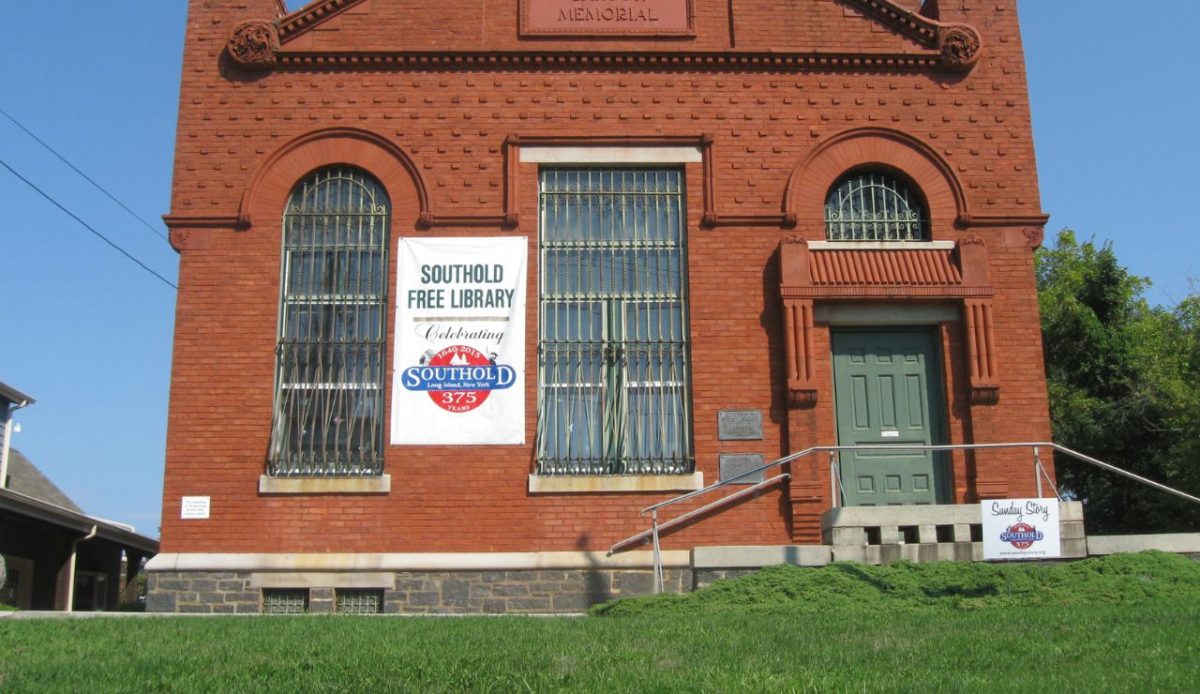
Southold Town on Long Island’s North Fork has treated very short stays as illegal for years and has continued working on how to enforce that reality. The focus is usually weekend disruption and housing availability.
Local reporting describes enforcement challenges and ongoing code work, with attention on permits, minimum stays, and required documentation. When definitions tighten, listings that used to slip through can become easier to cite and fine.
If you’re planning a wine-country trip, don’t assume every cottage is bookable for two nights. Check minimum stay rules, look for permit language in the listing, and expect stricter occupancy and parking standards.
4. Greenport Village, New York

Greenport Village adopted a short-term rental code built around hosted, owner-occupied, and resident categories rather than unlimited whole-home turnover. The framework is meant to keep a real resident connection to the property.
The code’s structure emphasizes who is on-site and how the home is used, which can reduce “entire place” inventory and favor room rentals or limited-use permits. It also limits permit stacking, discouraging investors from collecting multiple STR licenses.
For travelers, the lodging mix can tilt toward inns and small hotels, with fewer last-minute whole-house options. If you book a home, confirm whether it is hosted, because that changes privacy and quiet-hour expectations.
5. North Salem, New York
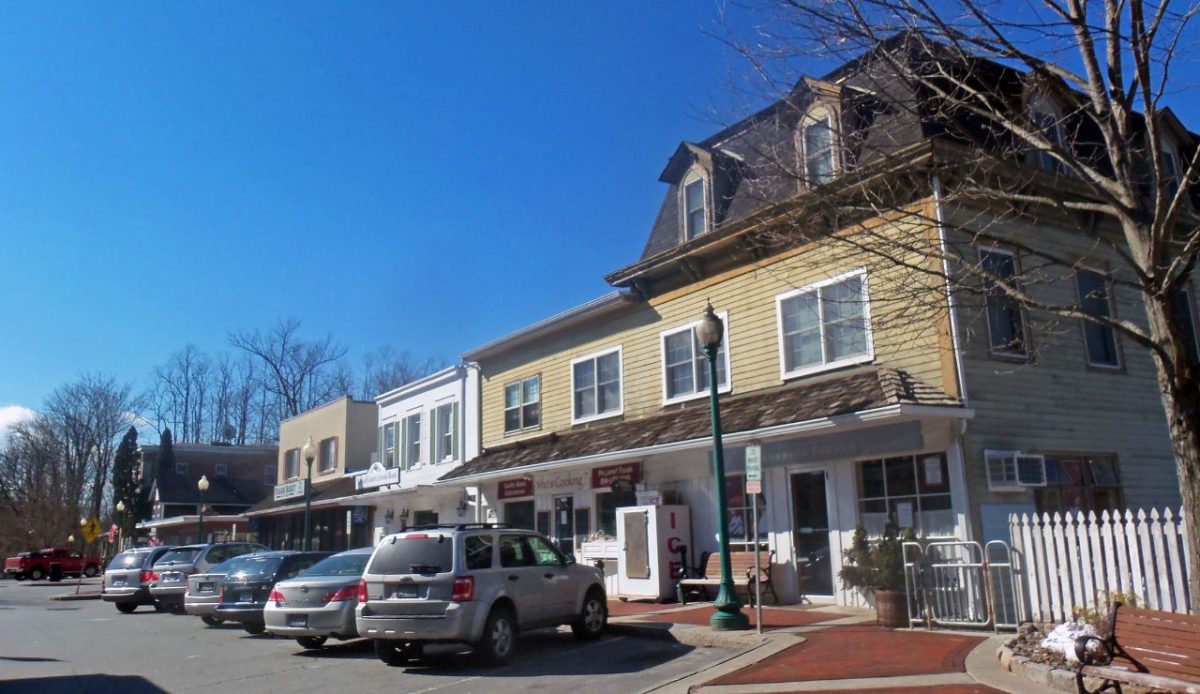
North Salem, New York, approved zoning amendments that route short-term rentals through conditional use permits and site plan review. That pushes STRs into a formal land-use process instead of informal platform hosting.
Conditional permits typically add documentation and compliance checks, and reporting notes the change was framed without grandfathering once it becomes effective. Reviews often cover parking, safety plans, and a local point of contact for complaints.
For guests, inventory can tighten fast when permits become mandatory and noncompliant listings disappear. Ask hosts how they meet local approvals, and keep a backup option if you’re traveling for a fixed-date event.
6. East Haven, Connecticut
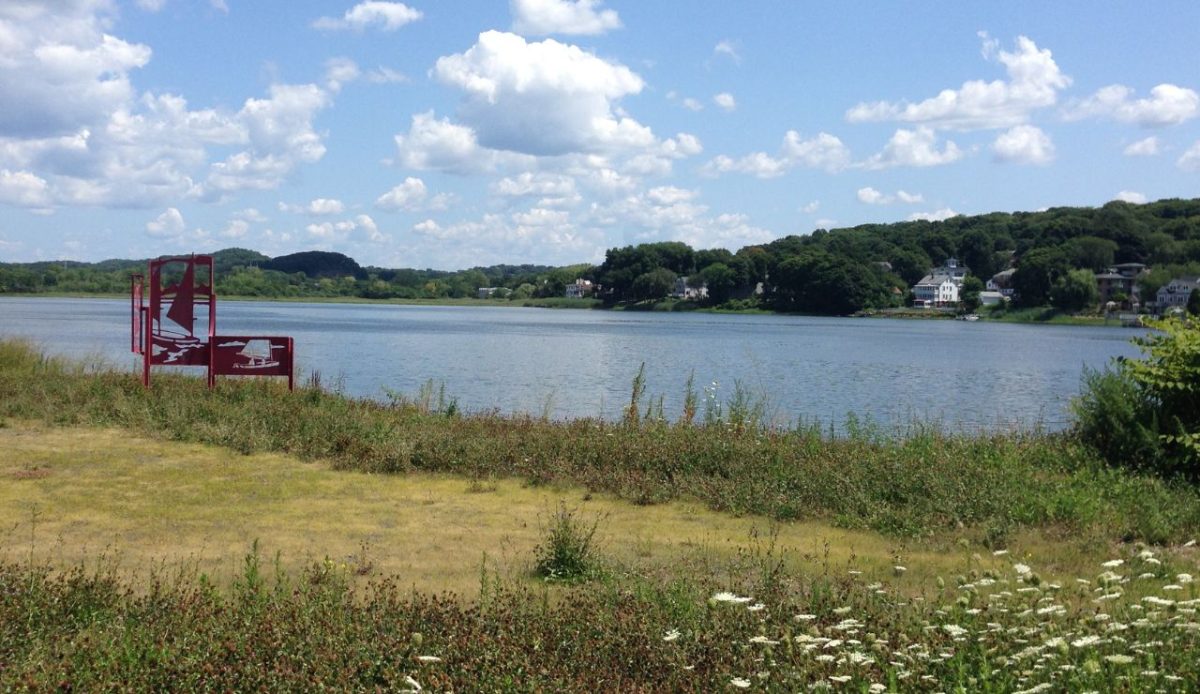
East Haven, Connecticut approved a short-term rental ordinance set to take effect January 1, 2026, after years of debate about shoreline impacts. Town rules often target weekend party patterns: noise, trash, and parking overflow.
Reported provisions include annual permits, caps on total rental days, and a residency requirement that can bar part-time residents from hosting. Violations can trigger daily fines and permit suspension, which pushes hosts to tighten screening and house rules.
Travelers may see fewer quick weekend rentals and more weeklong stays. Look for licensed properties, read quiet-hour policies, and don’t count on spontaneous one-night bookings in peak summer weeks.
7. West Hartford, Connecticut
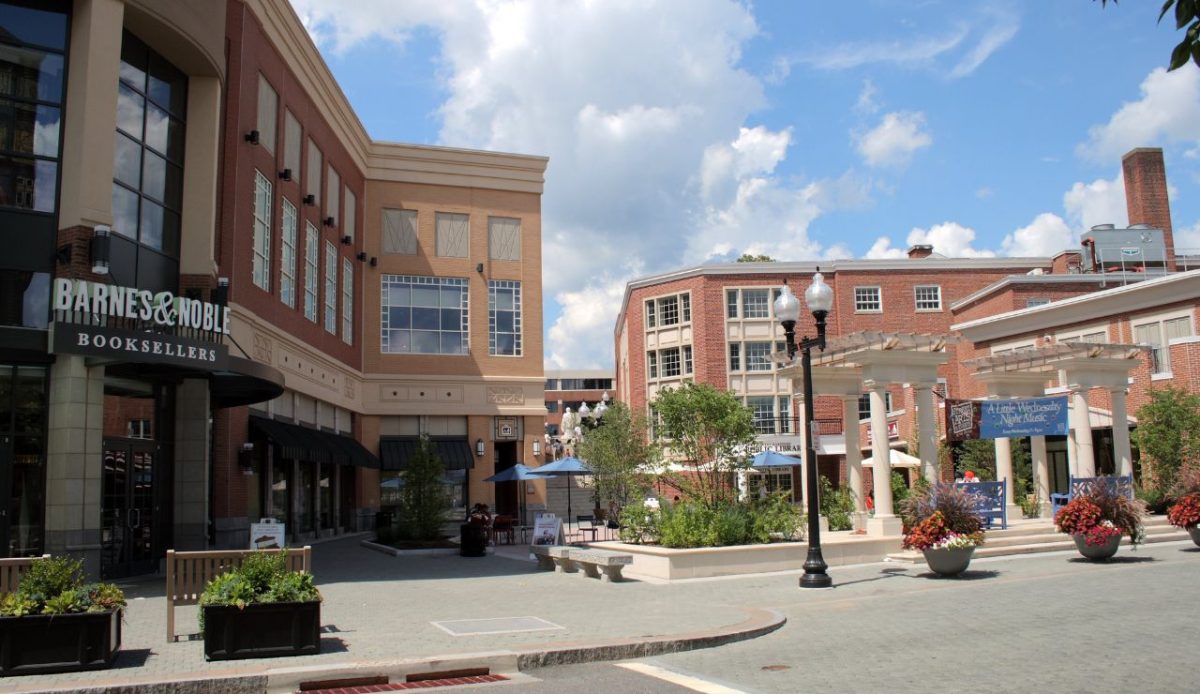
West Hartford, Connecticut shifted from an attempted ban toward regulation after a court fight exposed ambiguous zoning language. The town’s direction has been to define STRs clearly and limit where they operate.
Coverage of the proposal describes licensing, a clearer definition of short-term rentals, and zoning limits that confine STRs to specific districts. When the map narrows, listings tend to cluster in a few areas instead of spreading across single-family streets.
For visitors, the main effect is location: stays may sit closer to denser corridors and farther from quiet neighborhoods. Double-check neighborhood fit, parking rules, and whether the host can show proof of a current license.
8. Bar Harbor, Maine
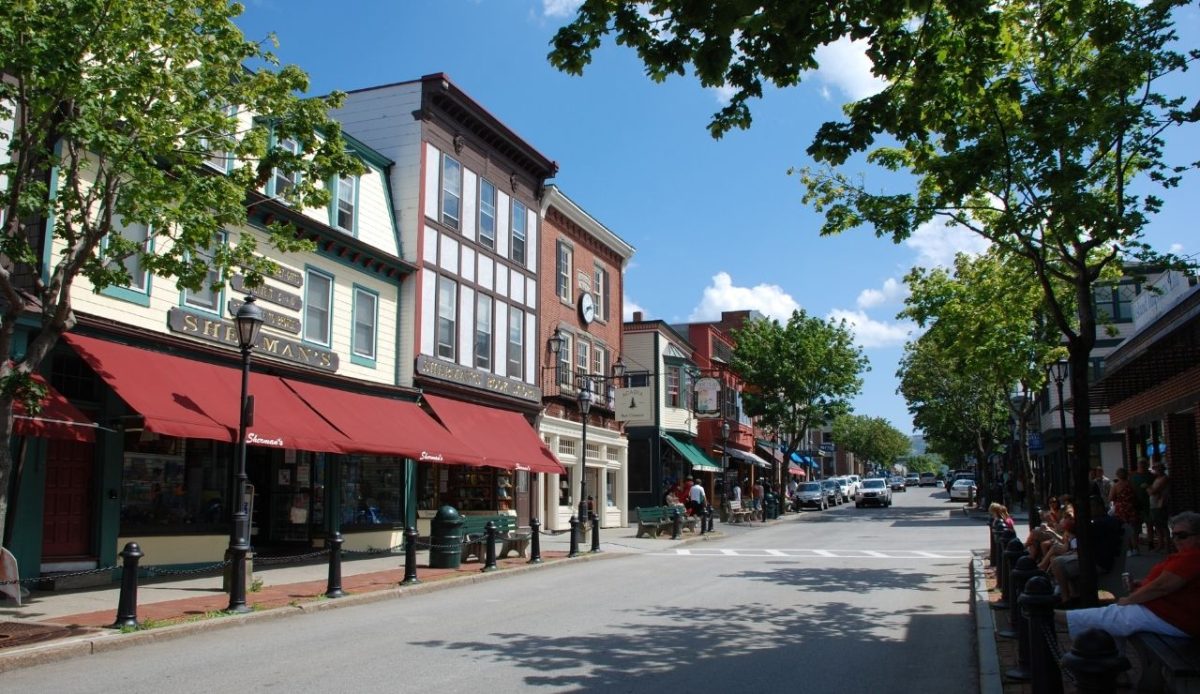
Bar Harbor, Maine, amended its short-term rental registration ordinance to tighten primary-residence verification, refine eligibility, and clarify enforcement. Public notices describe the changes as strengthening compliance and enforcement clarity.
More verification and clearer eligibility standards can reduce casual, unregistered rentals and make it riskier to operate through shell ownership or unclear residency claims. For a tourism-heavy town, the goal is to keep hosting tied to accountable local owners.
If you’re visiting Acadia, expect a split between licensed rentals and listings that vanish when enforcement ramps up. Book early for summer, confirm registration status, and treat vague compliance answers as a warning sign.
9. Provincetown, Massachusetts
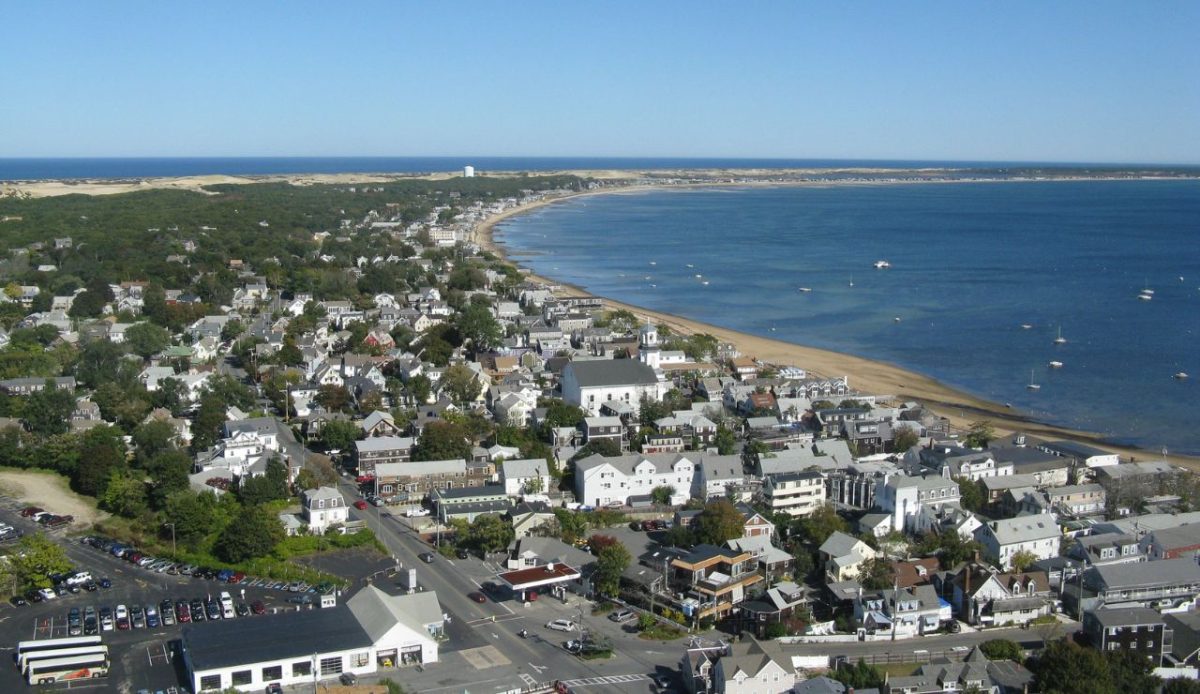
Provincetown, Massachusetts, notes that short-term rental inspections are required as of July 1, 2025, tied to the Massachusetts State Building Code process for short-term rental certificates. That changes how quickly rentals can be approved or renewed.
When inspections and certificates are part of the pipeline, it can slow new listings, increase compliance costs, and make renewals more formal during peak season. Even responsible owners may pause bookings while waiting on inspections or paperwork.
For travelers, the practical effect is fewer “brand-new” listings and more emphasis on established operators. Ask about certificate status, read occupancy limits, and expect clearer rules around safety equipment and emergency contacts.
10. Truro, Massachusetts

Truro, Massachusetts, uses a posted permit system for residential rentals and sets specific fees and renewal requirements for the short-term season. Permits help the town track inventory and enforce safety standards in a heavily seasonal market.
Treating short stays as a permitted activity can reduce informal rentals and give code enforcement leverage when a property operates without approvals. Annual renewals also create a checkpoint where compliance issues can remove a listing from the market.
If you’re planning Cape Cod, expect legal rentals to cluster among owners who keep permits current. Confirm permit details before booking a peak week, and take posted parking, septic, and quiet-hour rules seriously.
11. Manistee, Michigan

Manistee, Michigan, has been enforcing an ordinance that requires short-term rentals to register and sets a cap outside designated overlay districts. Caps aim to preserve housing while still allowing a controlled amount of tourism lodging.
Local reporting says the city used monitoring software to identify unregistered rentals and began contacting owners, signaling systematic enforcement rather than relying only on complaints. That often leads to either registration, delisting, or civil infractions.
For visitors, capped markets can mean fewer choices on popular weekends and higher rates for compliant listings. Book earlier for summer, and be cautious of hosts who can’t provide a registration number or local contact information.
12. Glen Carbon, Illinois
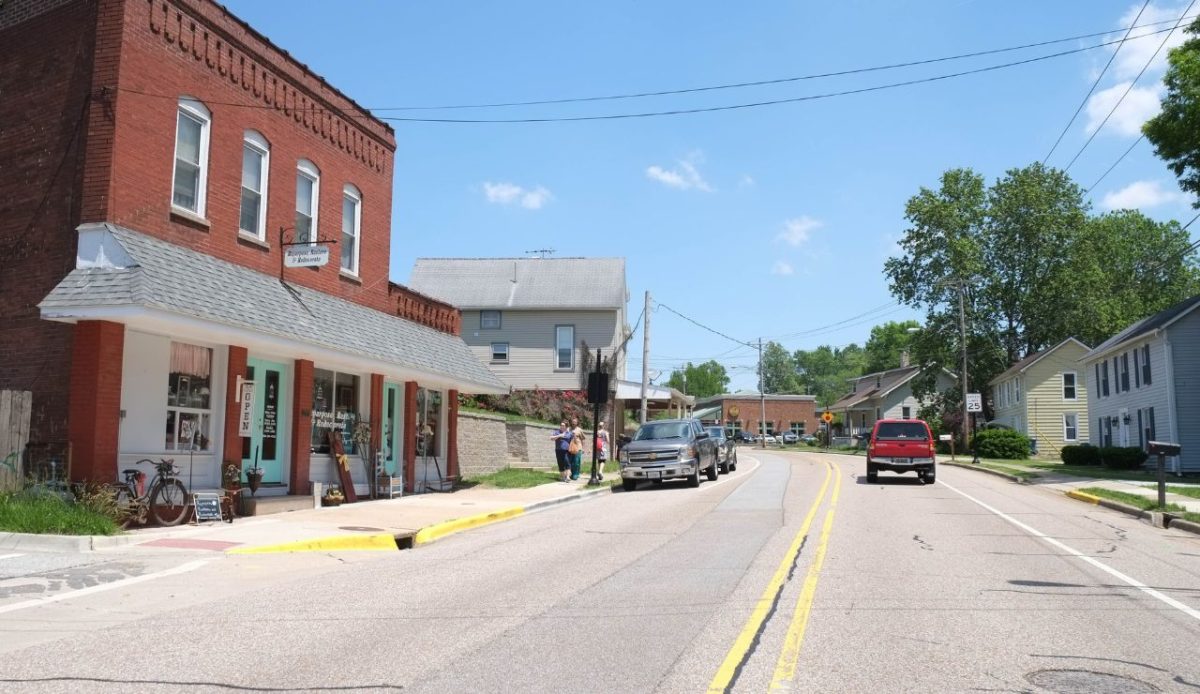
Glen Carbon, Illinois, approved an ordinance capping non-owner-occupied short-term rentals and pairing the cap with inspections tied to special-use permits. A hard number limit is an explicit choice to keep STRs small-scale.
Inspection requirements create a safety and compliance gate, and a cap means new permits can be denied once the limit is reached. Towns use this approach to prevent rapid growth while still allowing a few permitted units.
For travelers near St. Louis, the effect is simple: fewer entire-home options in the village and more competition for the legal ones. Consider nearby towns for inventory, and verify permits to avoid last-minute cancellations.
