
Europe’s biggest city-break hubs are seeing a louder debate about tourism’s costs. From housing pressure to crowded streets and strained services, residents in several places have taken to the streets or pushed councils to tighten rules.
This article looks at eight cities where anti-tourist protests, campaigns, or high-profile pushback have been growing since 2024. It’s not a guide to “avoid” places, but a snapshot of what locals are reacting to as visitor numbers rebound.
For travellers, the takeaway is simple: expect more regulation, more sensitivity around behaviour, and more scrutiny of short-stay rentals, nightlife, and cruise traffic.
1. Barcelona, Spain
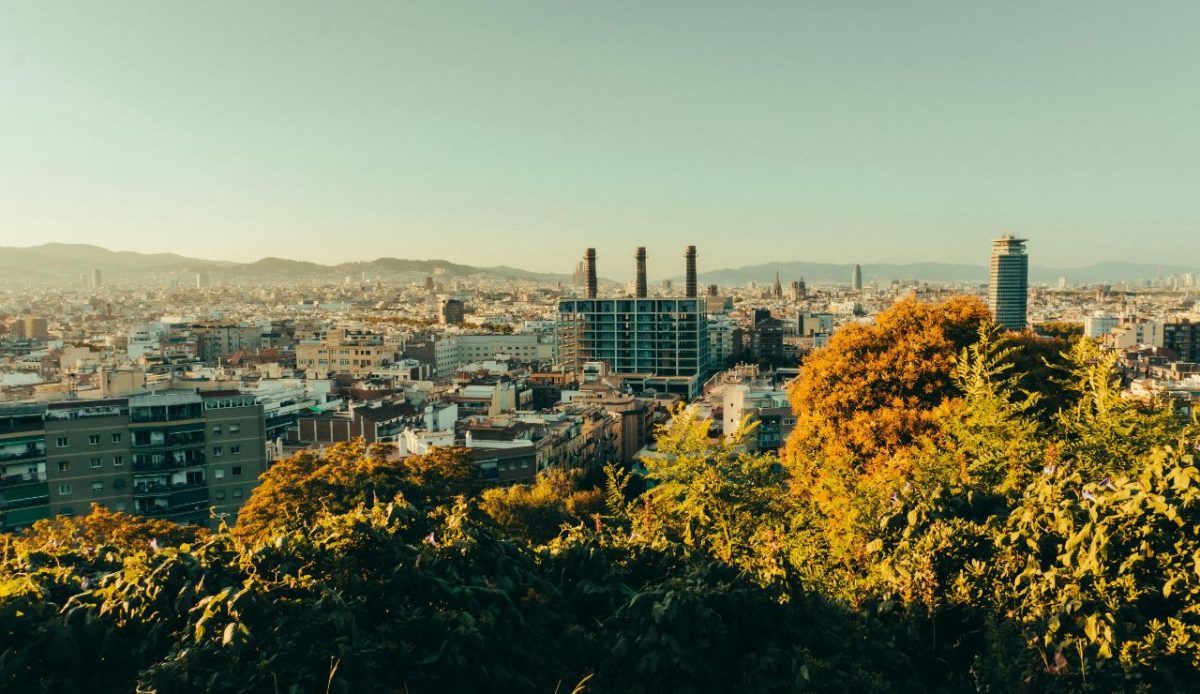
Barcelona’s long-running “overtourism” tension spiked again in 2024–2025, with marches and symbolic actions aimed at mass visitor flows and short-stay rentals. Protesters have linked tourism growth to rising rents, pressure on public space, and a city centre geared more to visitors than residents.
City policy has also shifted. The mayor has said Barcelona will end tourist apartment licences by 2028, and the city has discussed higher tourist taxes and limits tied to cruise and day-trip traffic.
For visitors, the mood can change quickly by neighbourhood. Staying in licensed accommodation, keeping group behaviour low-key, and avoiding crowding in sensitive areas is increasingly part of “doing Barcelona right.”
2. Palma de Mallorca, Spain
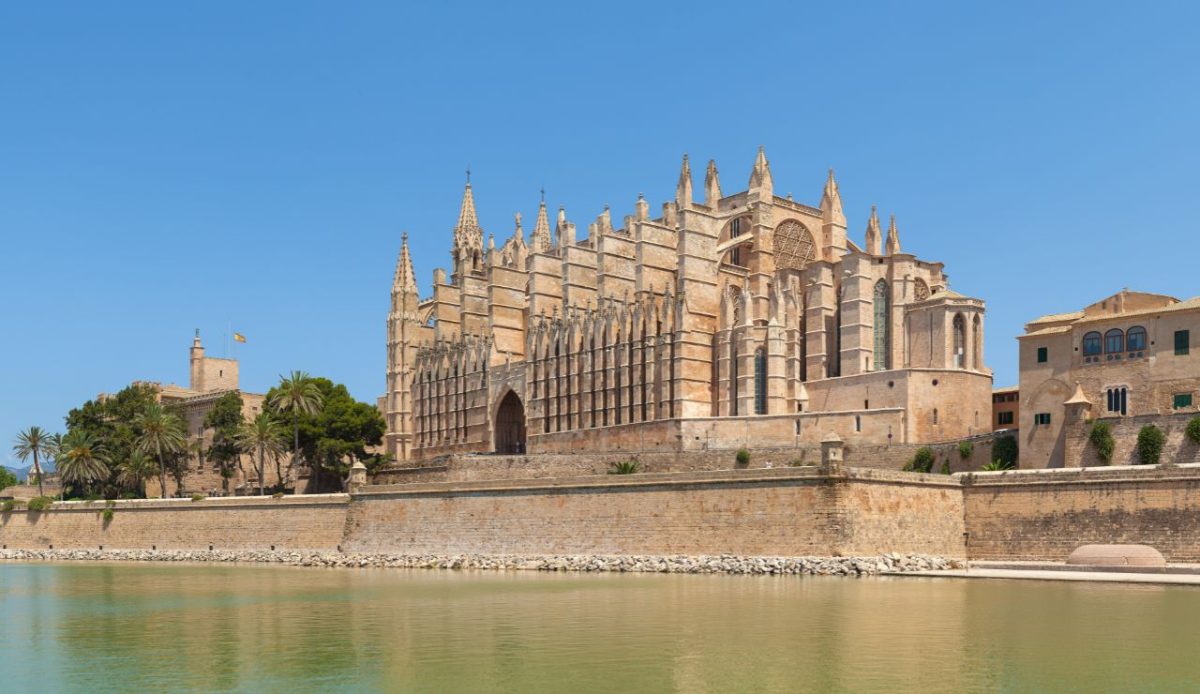
Palma, Mallorca’s capital, has become one of Europe’s clearest flashpoints for anti-tourism protest. Large demonstrations in 2024 drew attention to housing shortages, seasonal crowding, and the feeling that local wages and services are not keeping up with visitor volumes.
Campaign groups have criticised the expansion of accommodation and called for tighter controls on short-term lets, cruise arrivals, and resource use on an island with limited land and water.
Travellers are unlikely to face direct confrontation, but the message is visible: book responsibly, respect residential streets, and treat the old town as a lived-in neighbourhood, not an open-air theme park.
3. Venice, Italy
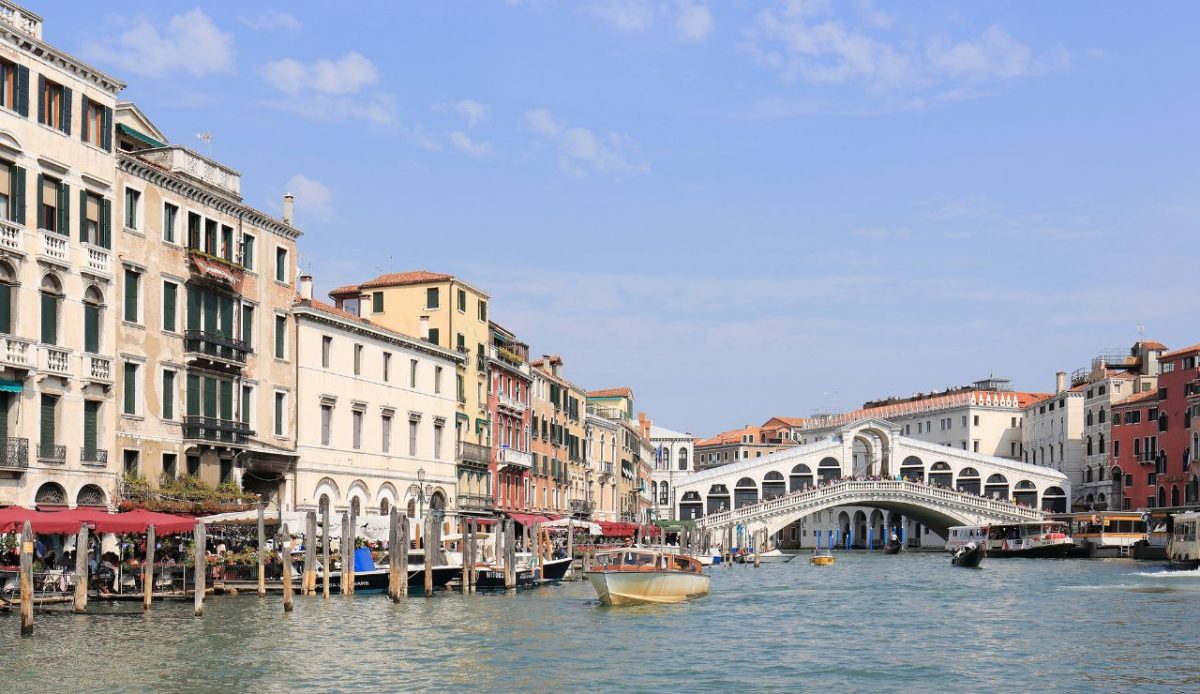
Venice has tried to manage crowds with rules rather than slogans, but public frustration hasn’t gone away. The city introduced a day-tripper access fee on certain dates and added restrictions like limits on tour-group size and bans on loudspeakers, aiming to ease pressure on a fragile historic centre.
Critics argue the steps are too small for the scale of daily visitor surges, especially around St Mark’s Square and the main transit routes. Activists have also used high-profile moments to underline the city’s dependence on tourism.
If you go, plan for checks and fees, travel outside peak hours, and follow crowd controls while respecting residential areas beyond the postcard zones.
4. Amsterdam, Netherlands
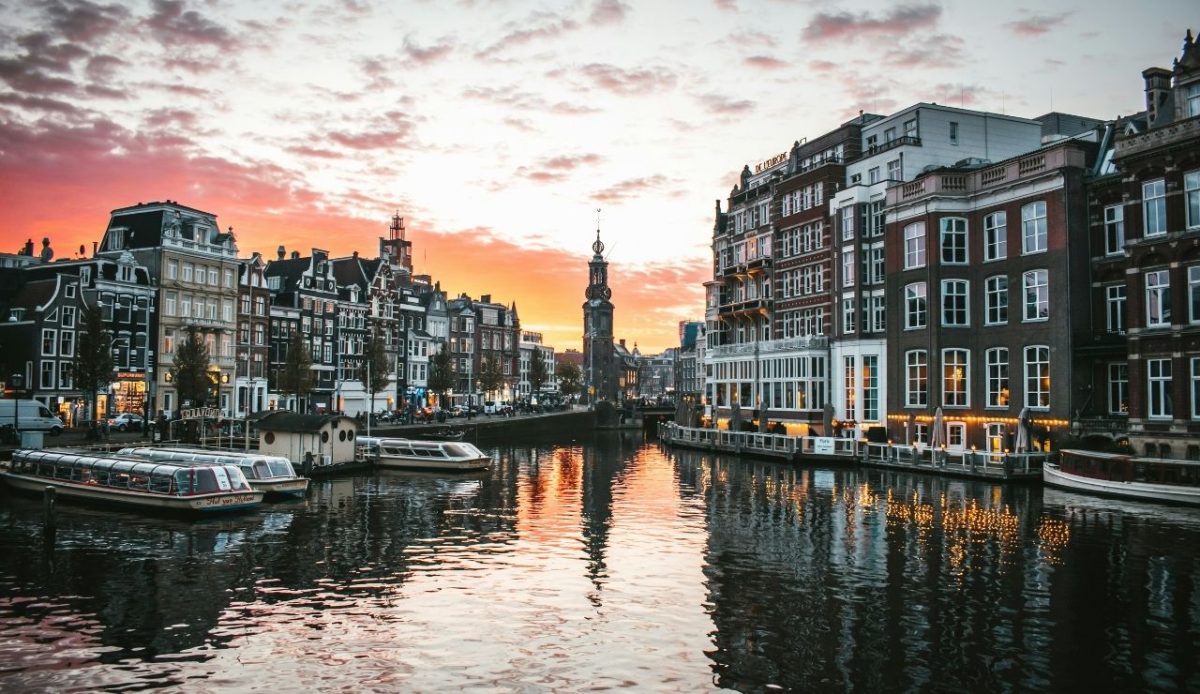
Amsterdam’s pushback is less about beach crowds and more about daily liveability in a compact canal city. Authorities have tightened rules on the party-tourism image, and in 2024 the city said it would stop allowing new hotel construction as part of a broader effort to cap pressure.
Even with controls, overnight stays have continued to rise, and residents’ groups argue the city is not moving fast enough. Legal action and public campaigning have kept overtourism in the headlines.
For visitors, expect stricter enforcement around noise, short stays, and guided groups. Pick quieter areas, use licensed operators, and keep nights out respectful.
5. Lisbon, Portugal
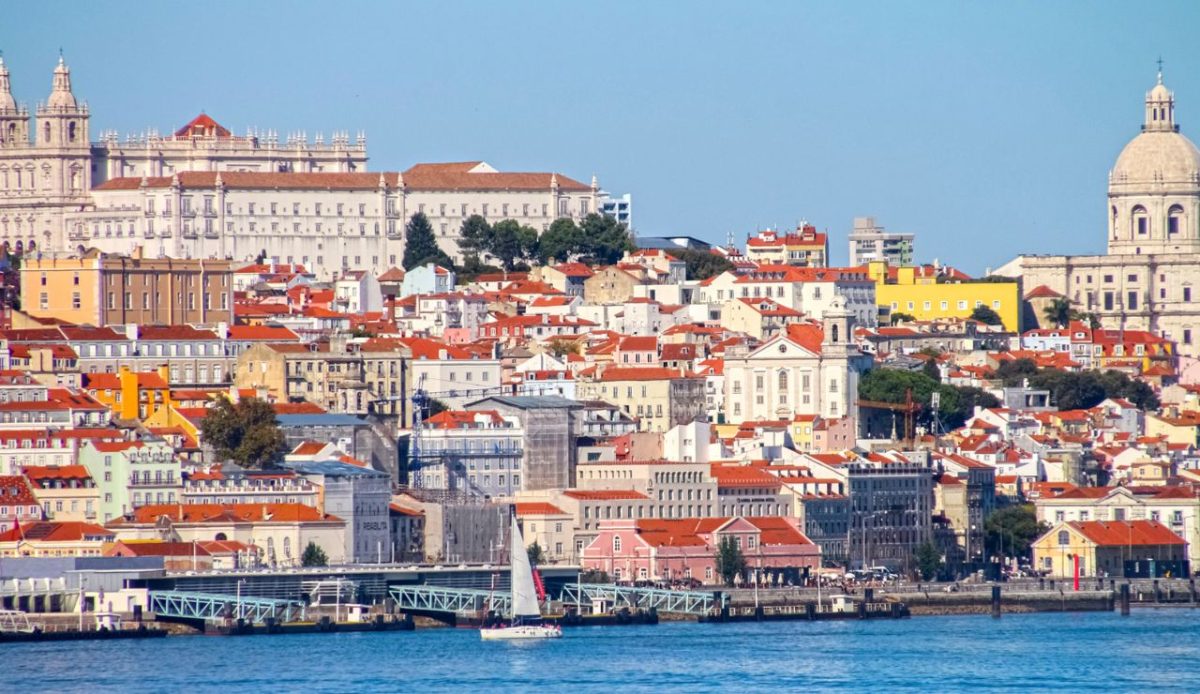
Lisbon’s tourism boom has collided with a housing crunch, and residents have pushed the short-term rental debate into formal politics. Neighbourhood campaigns demand tighter limits on “local lodging” lets, arguing that apartment blocks are being hollowed out as units shift from long-term homes to holiday stays.
In late 2024, a citizen initiative moved closer to a possible vote on restricting or banning tourist lets in residential buildings, increasing pressure on city leaders over affordability.
Visitors can still enjoy Lisbon without adding fuel: choose regulated hotels or licensed stays, respect quiet hours on steep residential streets, and remember many central areas are under housing stress.
6. Athens, Greece
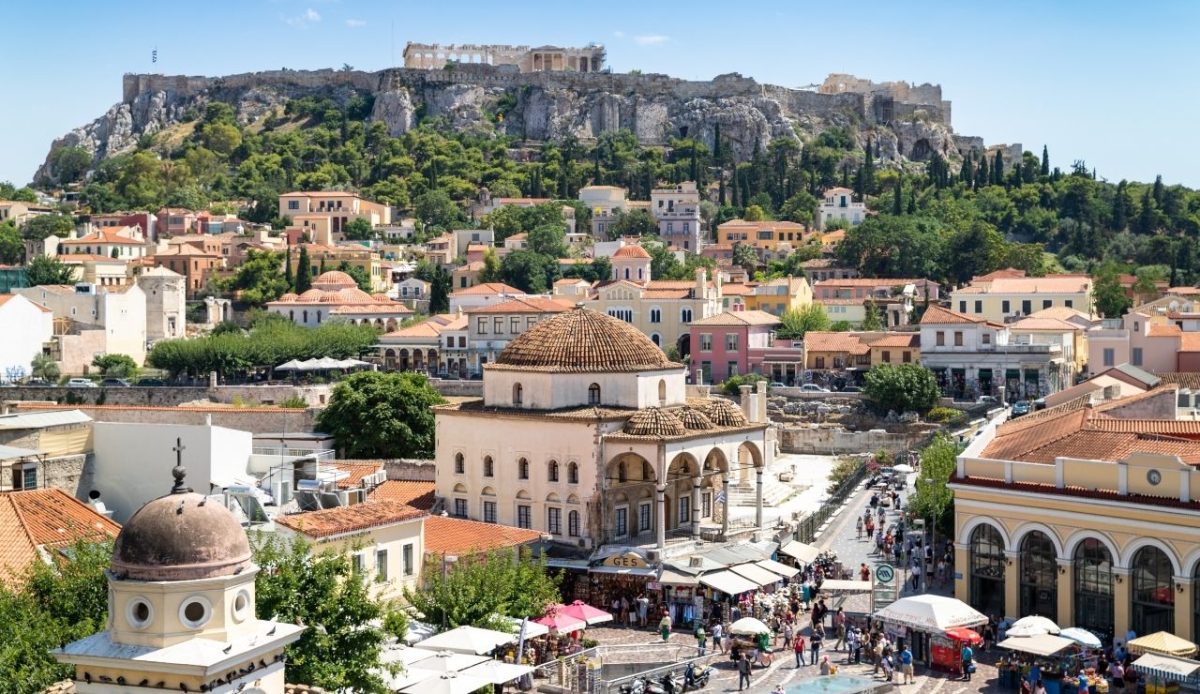
Athens is seeing growing resistance in historic neighbourhoods where tourism and investment have reshaped street life. In places like Plaka, residents’ groups warn that short-term rentals, souvenir retail, and visitor crowds are squeezing out everyday services and long-term tenants.
Pushback shows up through petitions, campaigns, and public debate over what the centre should be for, especially as visitor numbers climb and the Acropolis corridor stays packed in high season.
Tourists won’t usually see organised protests day to day, but the tension is real. Stay outside the most saturated lanes, support ordinary businesses, and keep noise down late in narrow residential streets.
7. Genoa, Italy
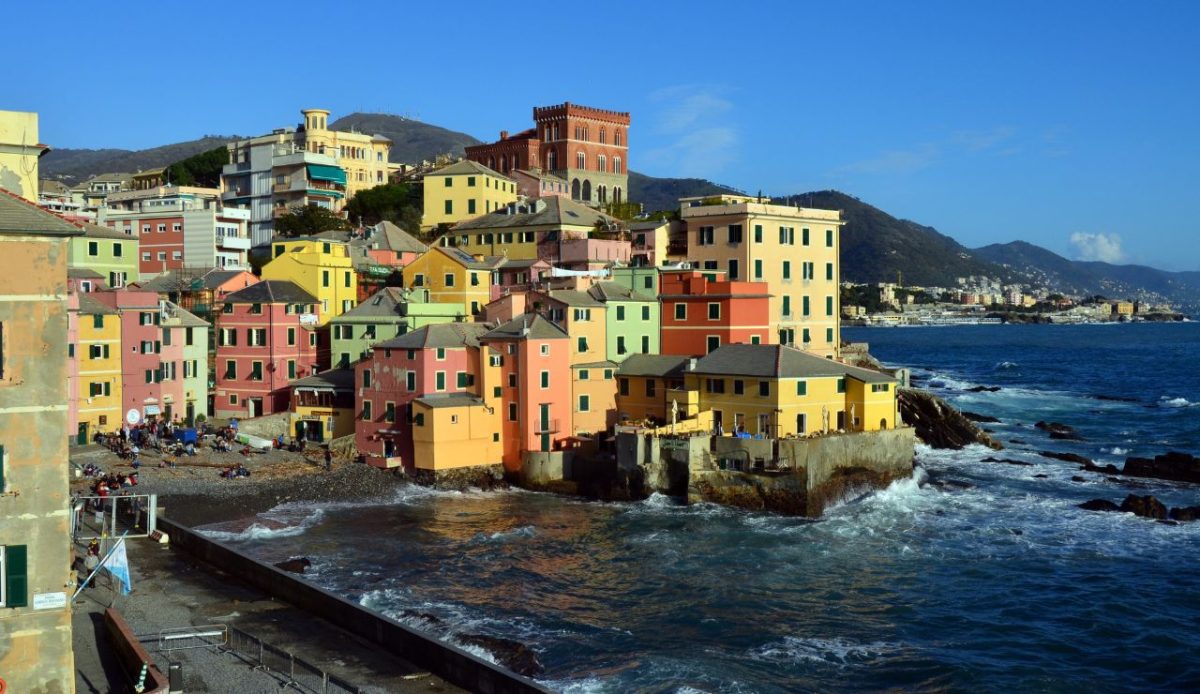
Genoa’s protests have focused on cruise tourism and the mismatch between huge visitor flows and a tight, lived-in old town. During coordinated actions in June 2025, residents staged a “noisy stroll” and dragged a cardboard cruise ship through narrow alleyways to show how mass tourism can overwhelm daily life.
The complaint is not that visitors exist, but that the economy can start to prioritise short-term extraction over housing, services, and public space for locals, particularly in peak season.
For travellers, Genoa is still a rewarding stop, but behaviour matters. Don’t block lanes on walks, follow port-area rules, and expect crowding when ships are in town.
8. San Sebastián, Spain
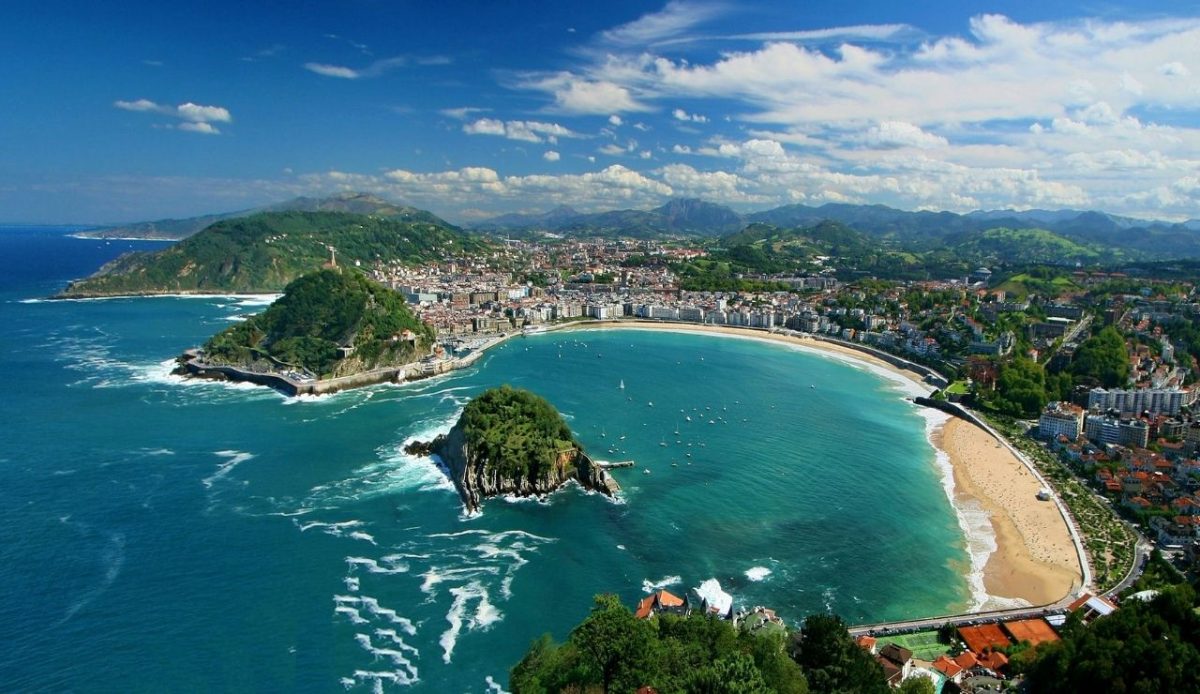
San Sebastián has joined Spain’s anti-tourism wave, with locals arguing that a compact, highly visited city is being priced beyond residents. Neighbourhood groups have protested and urged officials to avoid mega-events that could amplify visitor pressure, pointing to housing costs and reshaped public space.
The council has responded with “coexistence” measures, including tighter short-term rental regulation and plans to limit or spread out events in the Parte Vieja and central areas to cut saturation.
Travellers can help by keeping night-time noise low in the old town, choosing accommodation that follows local rules, and treating pintxo streets as neighbourhood spaces first.
