
America’s most famous sights can be genuinely memorable, but popularity also inflates expectations. Across review sites and travel forums, common complaints are less about a place being “bad” and more about the gap between a postcard image and the on-the-ground experience.
This list focuses on well-known destinations where visitors often mention crowds, cost, cleanliness, access, or scale as reasons the experience felt underwhelming compared with the hype.
None of these are automatic skips. They can be worth it with the right timing and realistic goals. Treating them as quick stops, pairing them with nearby neighborhoods, or choosing off-peak hours can change the outcome.
1. Times Square, New York City
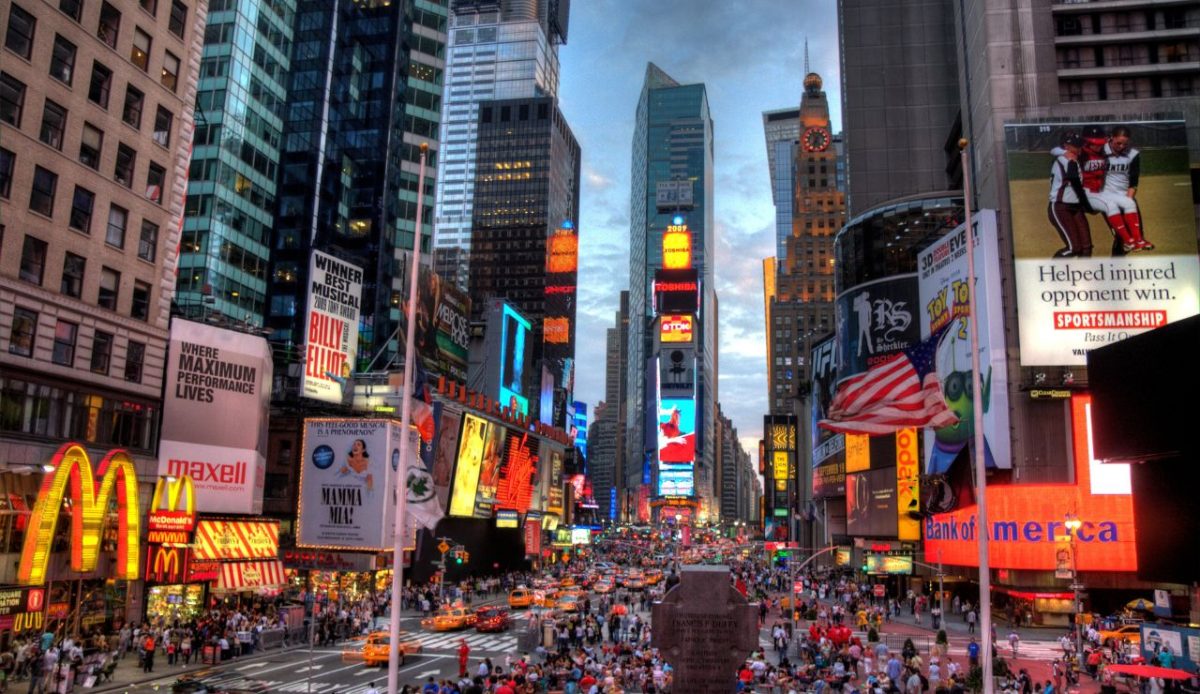
Times Square is marketed as the bright, buzzing heart of New York, but many visitors describe it as more stressful than iconic. Complaints frequently point to dense crowds, aggressive costumed solicitors, and a “tourist trap” feel rather than a true slice of city life.
Another common mismatch is how little there is to “do” beyond looking at screens, taking photos, and navigating sidewalks. Food options skew expensive and chain-heavy, which can feel anticlimactic after the build-up.
If you still want the spectacle, go early in the morning or later at night, then spend most of your time nearby in Bryant Park, Hell’s Kitchen, or along Broadway before or after a show.
2. Hollywood Walk of Fame, Los Angeles
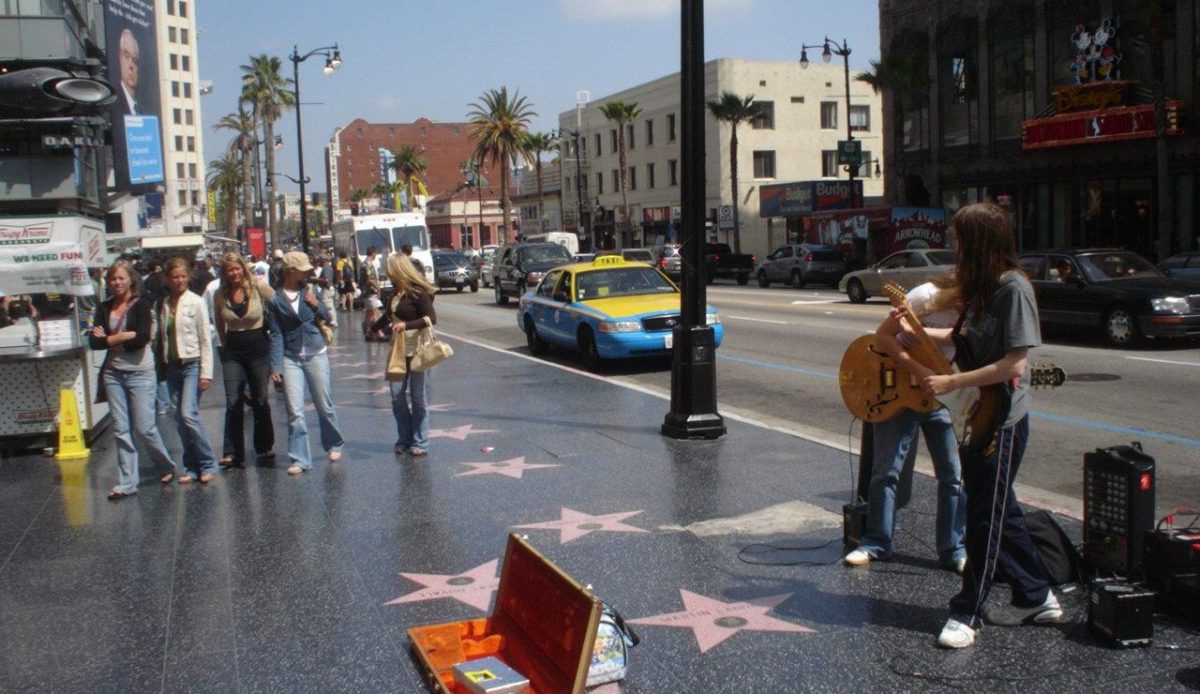
The Hollywood Walk of Fame sounds glamorous, yet visitors often report a basic reality: stars set into a busy sidewalk. Reviews commonly mention cracked pavement, crowds, street vendors, and concerns about cleanliness and safety in the immediate area.
The hype gap is partly structural. People expect celebrity sightings and studio sparkle, but the attraction is spread over blocks of normal city streets, so the experience can feel like a quick photo stop rather than a destination.
Plan it as a short visit, ideally in daylight, and pair it with higher-payoff nearby stops such as a studio tour, Griffith Observatory views, or a hike in Runyon Canyon when conditions are clear.
3. The Las Vegas Strip, Nevada
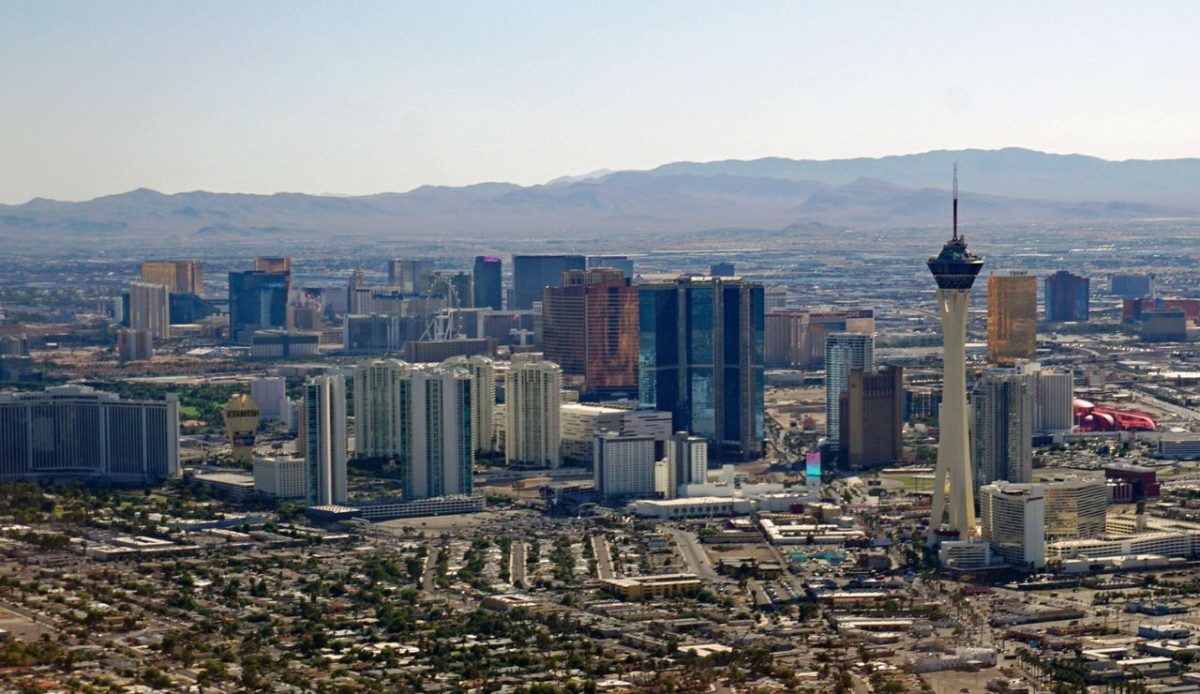
The Las Vegas Strip sells nonstop spectacle, fountains, mega-resorts, headline shows, but visitors increasingly complain about sticker shock. Common gripes include high resort fees, pricey food and drinks, paid parking, and constant add-ons that make a “quick weekend” cost more than expected.
Another reality check is scale. The Strip looks walkable on a map, yet distances between resorts are long, crowds are heavy, and smoke and noise can wear people down, especially in peak seasons or during big events.
If you go, budget for fees up front, use rideshares or the monorail strategically, and balance the Strip with downtown Fremont for a different vibe or a day trip to Red Rock Canyon for a break from crowds.
4. Mount Rushmore, South Dakota
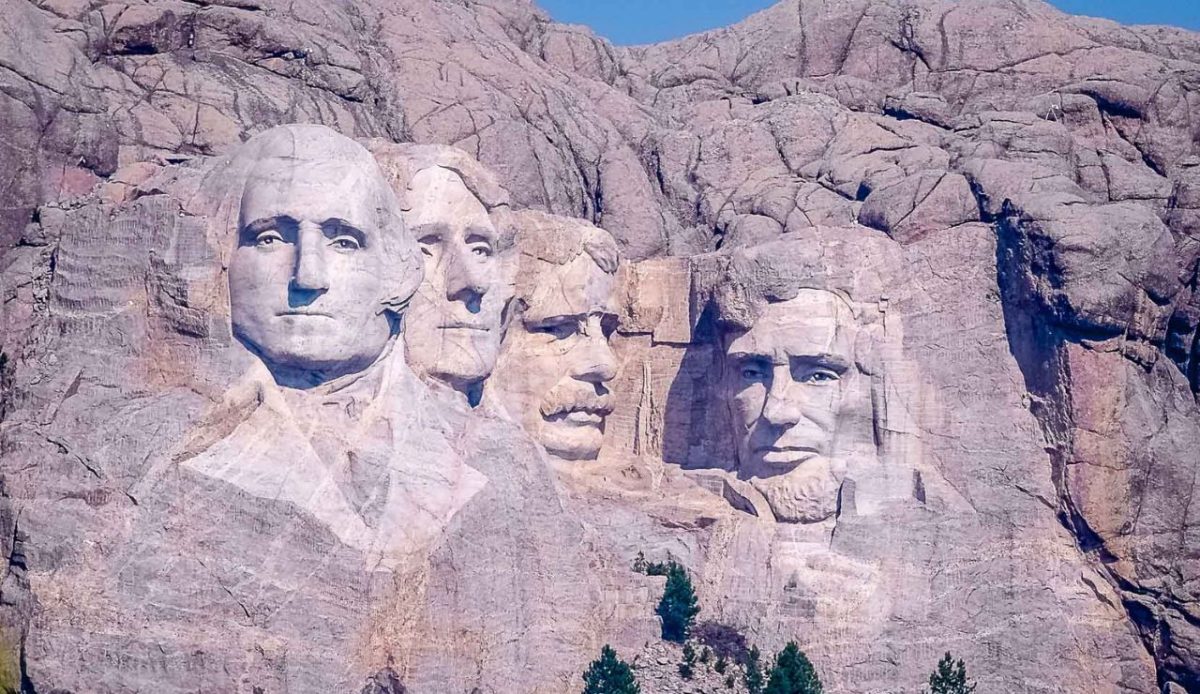
Mount Rushmore is an American icon, but a frequent visitor complaint is that the monument feels smaller and farther away than expected. Many people arrive imagining a close-up, immersive experience, then realize the main view is from designated overlooks with a fairly brief visit time.
The setting also surprises some travelers. It’s a managed site with parking, a visitor center, and structured pathways, which can clash with the “remote mountain” image created by photos and pop culture.
To make it feel worth the drive, combine it with the Black Hills: the scenic Iron Mountain Road, Custer State Park wildlife loops, or the Crazy Horse Memorial nearby. Arriving early can also reduce crowds and improve viewing conditions.
5. The Alamo in San Antonio, Texas, USA
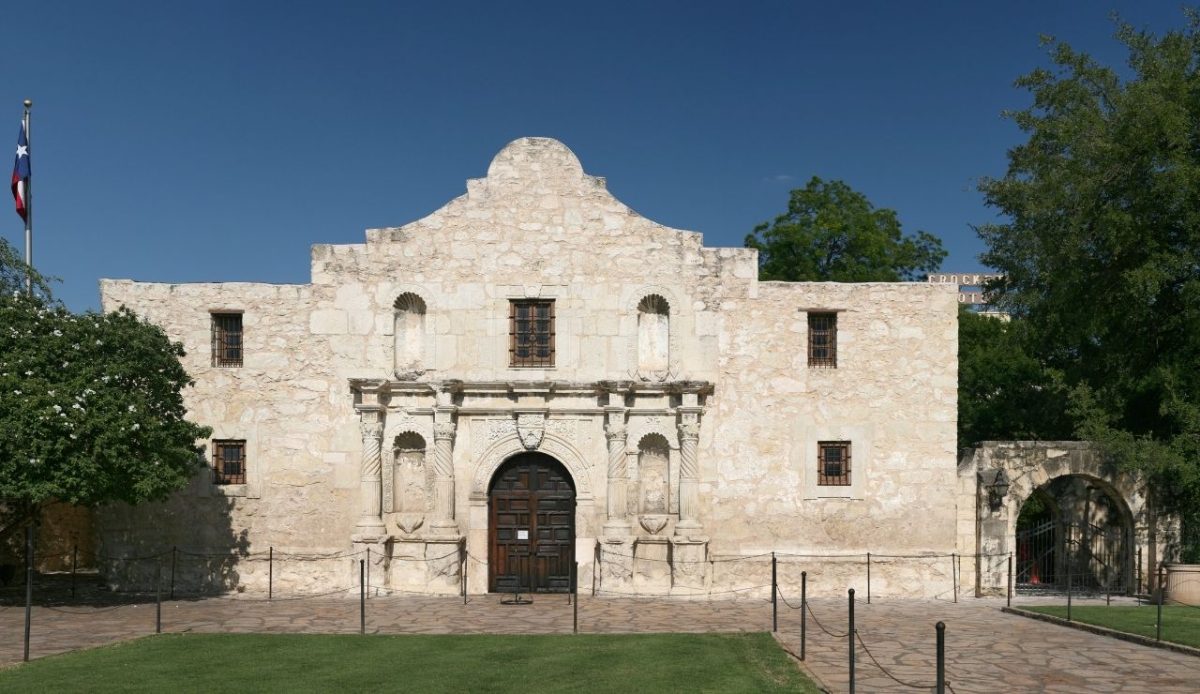
The Alamo carries huge historical weight, yet many first-timers say the physical site feels smaller and more urban than they pictured. Visitors often expect a standalone fort, then find it in downtown San Antonio, surrounded by streets, shops, and modern buildings.
Because the remaining structures are limited, some reviews describe the visit as quick, especially if you’re not already invested in Texas history. Crowd control and tour flow can also shape the experience on busy days.
Treat it as a starting point, not the whole day. Pair it with the River Walk, the San Antonio Missions National Historical Park, or a focused museum visit. Going early helps if you want a quieter look and better photos.
6. Plymouth Rock, Massachusetts
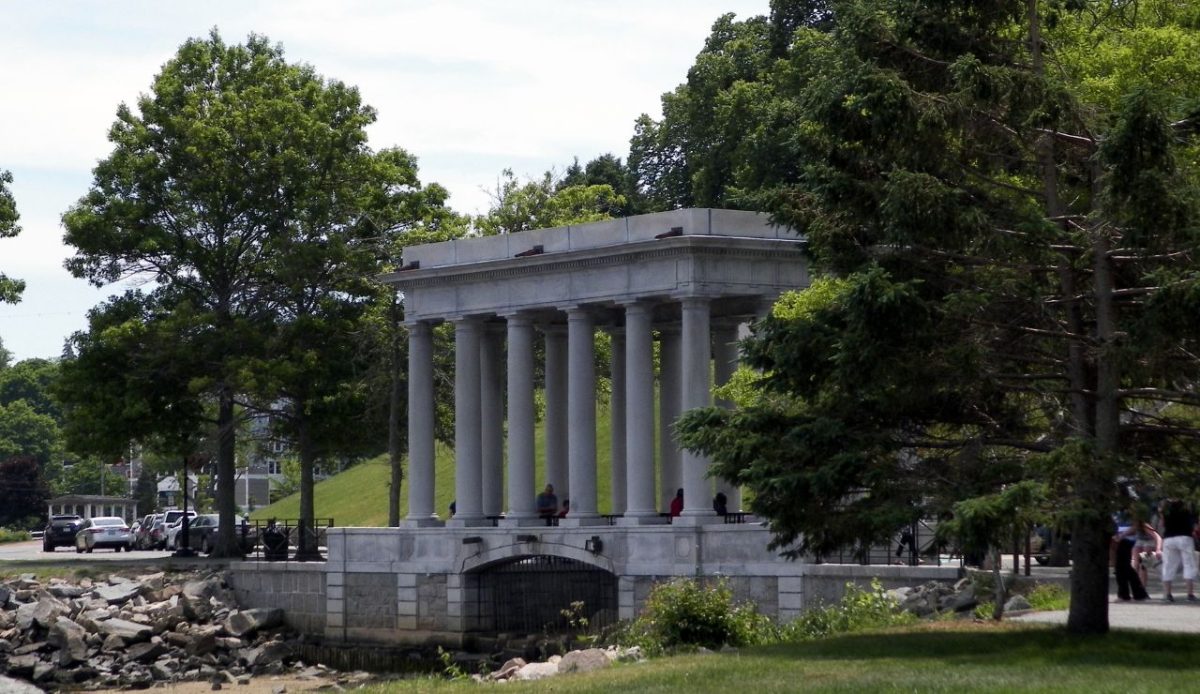
Plymouth Rock is famous in textbooks, but the most common reaction from visitors is simple surprise at its size. People show up expecting a dramatic landmark and instead find a small rock behind a protective structure, often viewed briefly and then done.
The disconnect is also about setting. It’s not a grand, isolated monument; it’s a modest historical marker in a developed waterfront area, so the “big moment” can feel more like a quick photo than an immersive stop.
If you’re in Plymouth, make the trip broader: tour Plimoth Patuxet Museums, walk the historic waterfront, or visit nearby coastal towns. Seen as one piece of a history day, the rock makes more sense.
7. Four Corners Monument, Southwest
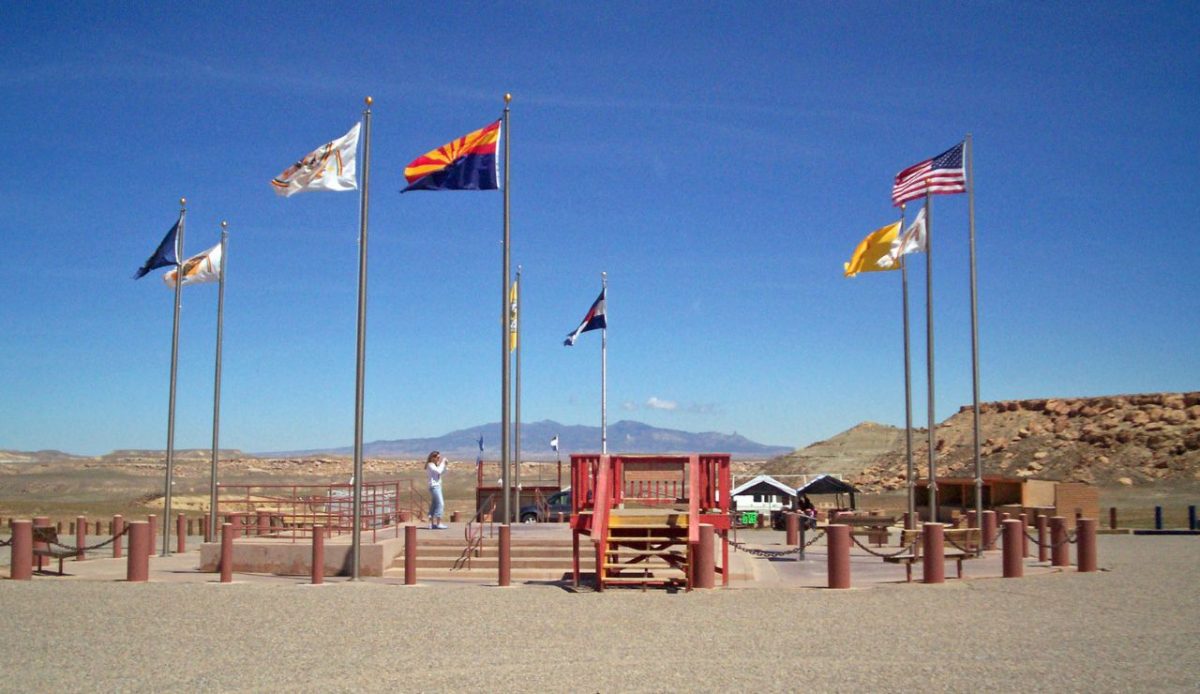
The Four Corners Monument has a fun premise, standing in four states at once, but visitors often call it underwhelming for the effort required. Complaints commonly mention the remote drive, lines for the photo spot, and paying an entrance fee for what amounts to a quick snapshot.
Facilities and services are another friction point in reviews, especially when expectations include a larger interpretive experience. When the weather is hot or the winds are up, waiting for a turn on the marker can feel like more work than reward.
It lands best as a detour during a broader Southwest loop. Combine it with Monument Valley, Mesa Verde, or canyon country, and treat the monument as a brief stop rather than the main event.
8. Bourbon Street, New Orleans
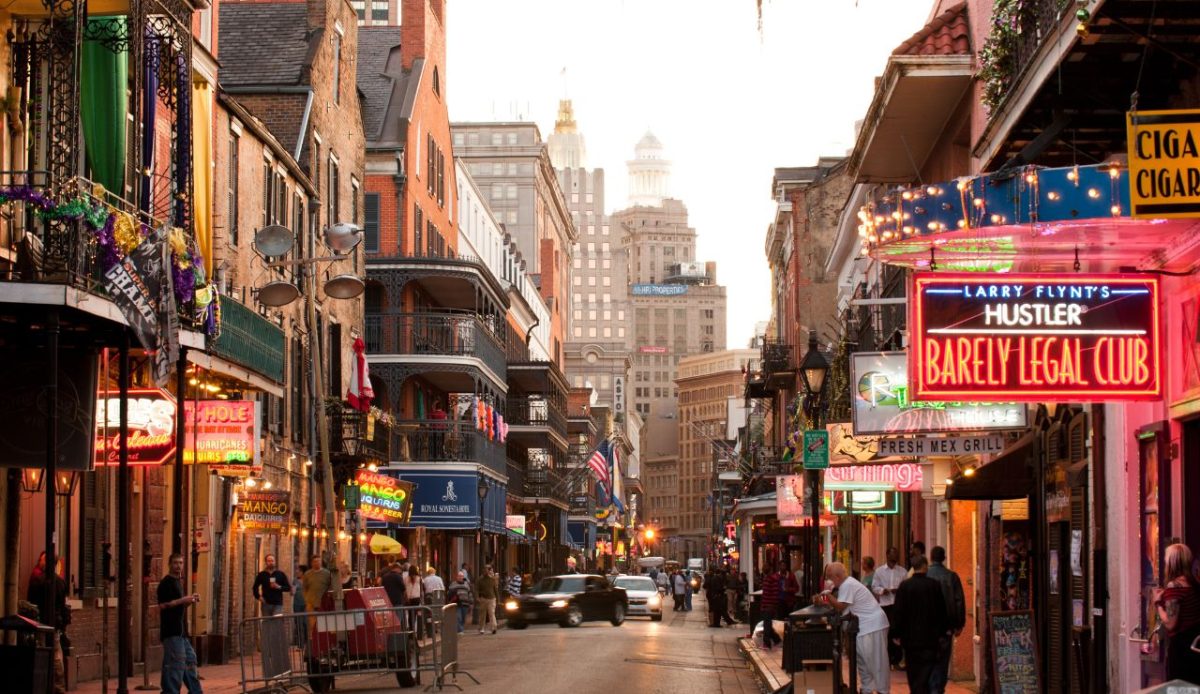
Bourbon Street is sold as the must-see party strip of New Orleans, but many visitors say the reality is messy and loud. Reviews often cite packed sidewalks, strong odors from spilled drinks and trash, and a rowdy atmosphere that can feel one-note outside bar hopping.
Another mismatch is timing. Daytime can look tired and gritty, while nights can feel overwhelming for travelers who expected “live music charm” rather than wall-to-wall crowds. Prices in the most touristy bars also draw complaints.
To experience the city’s strengths, use Bourbon as a short walk-through, then explore Frenchmen Street for music, the Garden District for architecture, or food spots away from the loudest blocks. Going earlier in the evening can also help.
