
Some U.S. vacation hubs don’t really have an “off-season.” Locals say the crowds just rotate: school breaks, conventions, cruise waves, weekenders, and day-trippers who keep sidewalks busy year-round.
That constant demand can be convenient, with more open restaurants, longer attraction hours, and frequent events, but it also means lines, traffic, and higher prices can feel like the default setting. Even weekdays can look like a Saturday in peak summer.
Here are 10 places where locals often describe the visitor flow as nonstop, plus what typically keeps the foot traffic steady so you can plan smarter, pick calmer times of day, and book ahead when it matters.
1. New York City, New York (Times Square & Midtown)
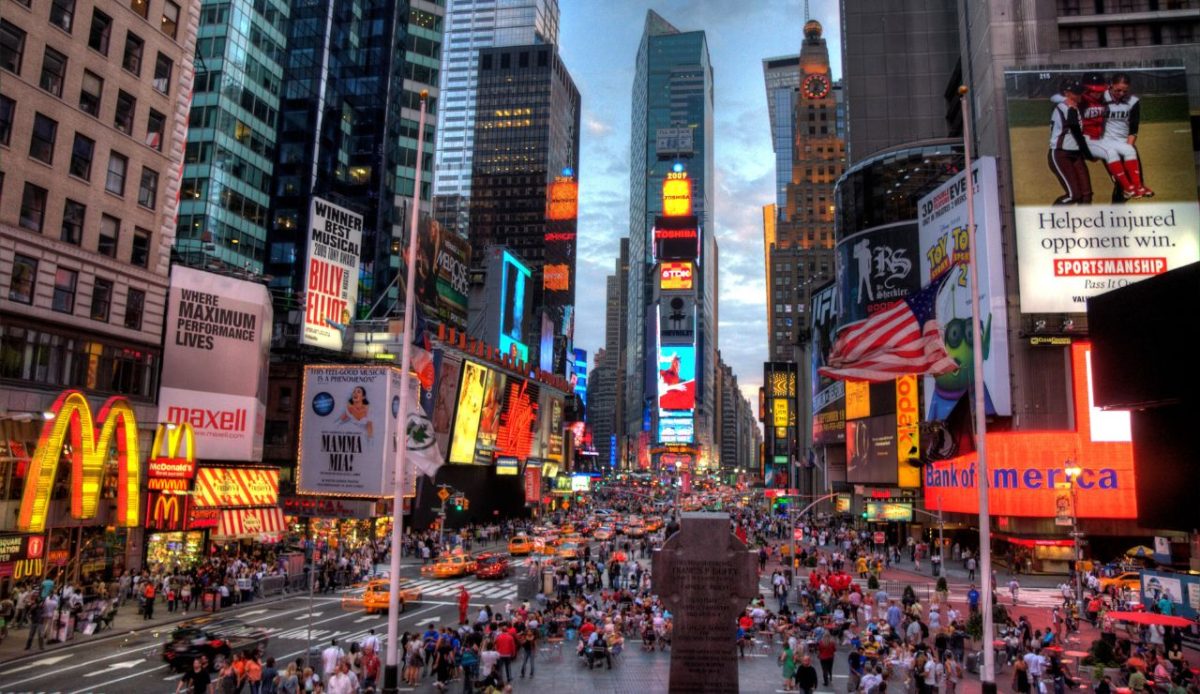
Midtown Manhattan is designed for constant movement, and Times Square is the loudest proof. Locals point to theater schedules, tour buses, and landmark shopping that keep the area crowded in every season.
Broadway runs year-round, and big draws like Rockefeller Center and nearby museums don’t “close for winter.” Add holiday windows, summer sightseeing, and frequent street events, and the sidewalks rarely thin out for long.
If you want the energy without the crush, aim for early mornings, late-night walks, or weekdays outside major holidays. For shows, buying tickets in advance can save you from last-minute line chaos. Midtown is easiest when you treat it like a timed visit, not an all-day stroll.
2. Honolulu, Hawaii (Waikīkī)
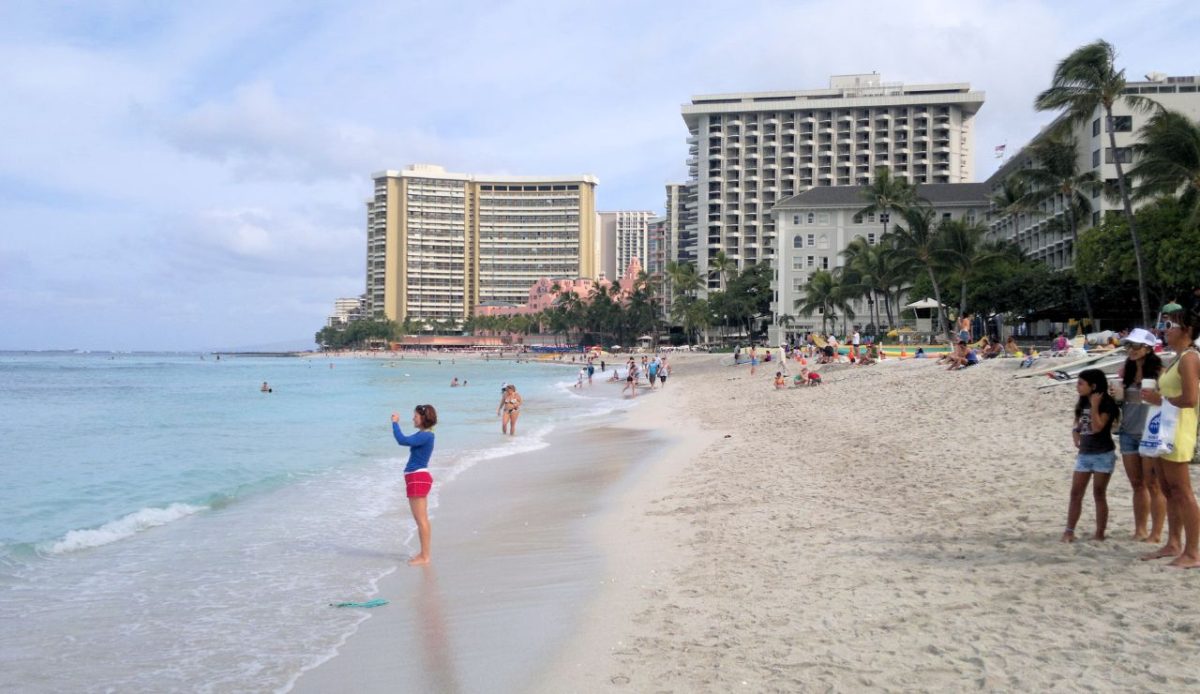
Waikīkī is one of those places where good weather is basically the business model. Residents often say the beach strip stays packed because flights arrive daily and hotel occupancy stays high across the year.
Unlike mainland destinations that depend on summer, Hawaii pulls visitors in winter, spring, and fall for surf, sun, and escapes from cold climates. Shopping centers, luaus, and ocean activities add steady demand beyond the sand.
To dodge the densest crowds, visit beaches earlier in the day and consider quieter stretches like Kaimana. Reservable activities, snorkel tours, dining, and parking are easier when you lock them in before you land.
3. Las Vegas, Nevada (The Strip)
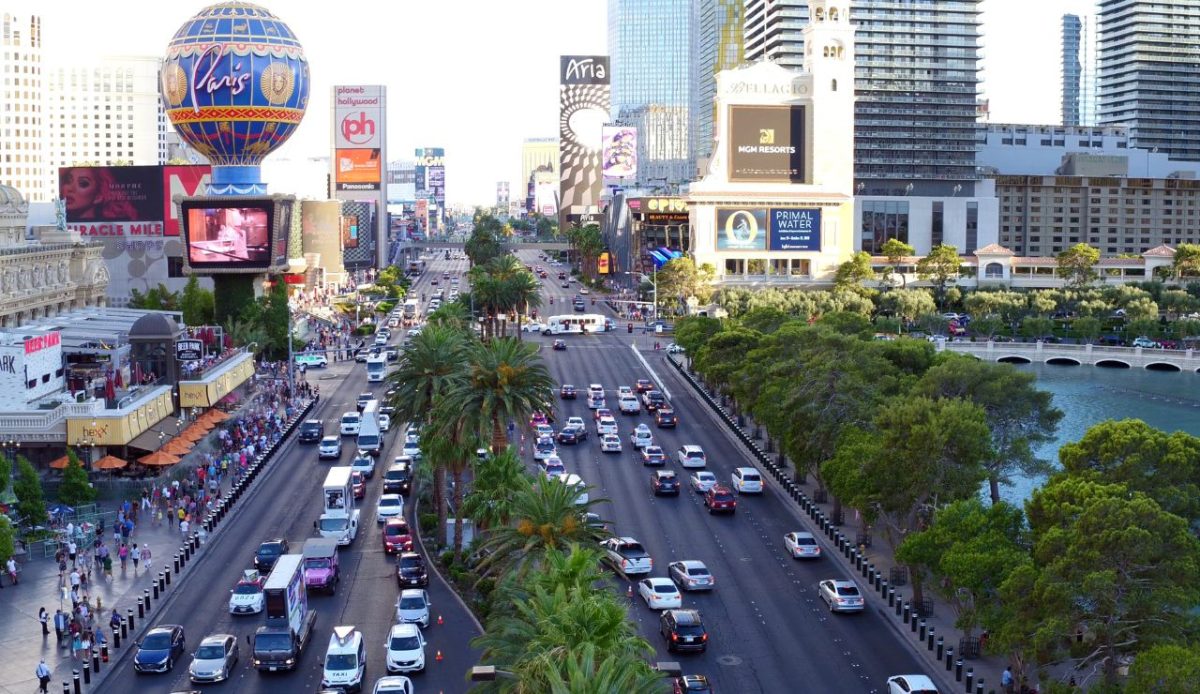
Locals in Las Vegas often describe the Strip as a 24/7 conveyor belt of visitors. Casinos, shows, sports, and nightlife keep people circulating at all hours, and weekends can feel busy even in slower months.
Conventions and large events fill hotels midweek, while concerts, residencies, and major sporting dates create spikes that stack on top of regular tourism. The climate helps too: winter is mild, and summer still draws pool crowds.
Plan around the calendar by checking convention and event weeks before booking. Early check-ins, mobile tickets, and off-Strip dining can reduce time lost in queues, especially on Friday and Saturday nights. Even small itinerary tweaks can shave off a lot of waiting.
4. San Francisco, California (Fisherman’s Wharf)
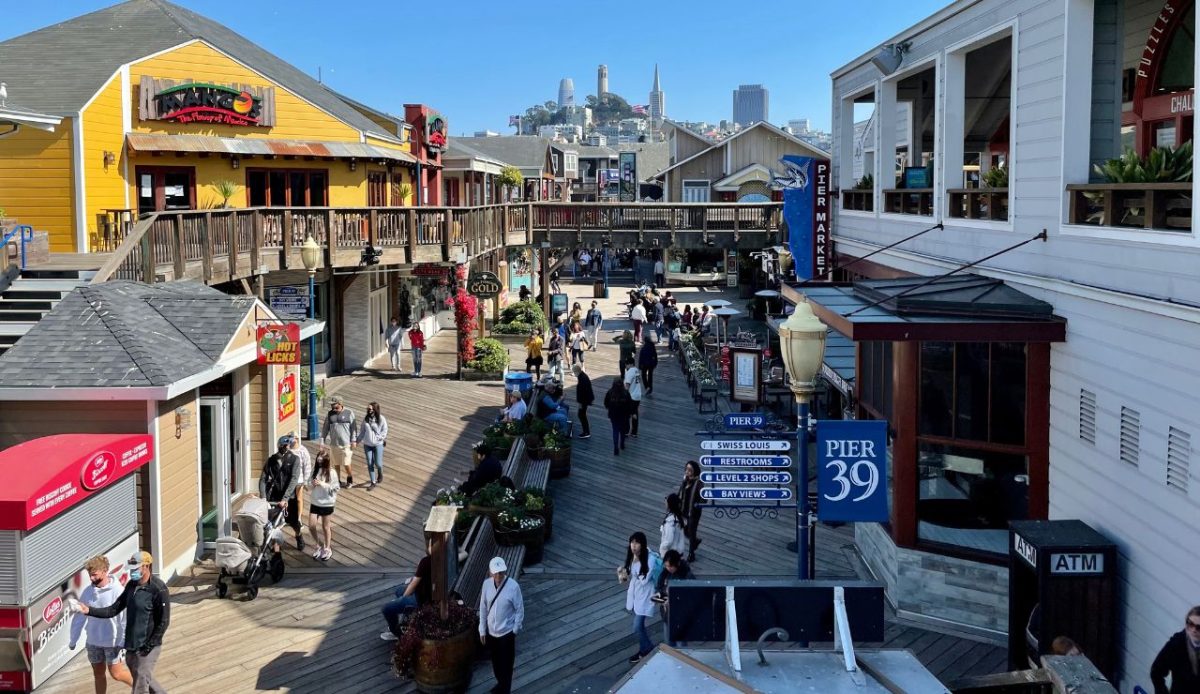
Fisherman’s Wharf stays busy because it concentrates classic “first time in SF” stops in a small area. Locals mention the constant flow of bus tours, cruise passengers, and day visitors coming for views and seafood.
Alcatraz departures, waterfront piers, and family attractions pull crowds beyond peak summer. Even when fog rolls in, the district remains a default itinerary item, so foot traffic tends to stay high most days of the year.
To make it smoother, book Alcatraz in advance and arrive earlier than you think you need. If you want similar bay scenery with fewer people, a walk toward Fort Mason or Crissy Field can feel calmer. Weekday mornings are usually the least chaotic.
5. Miami Beach, Florida (South Beach)
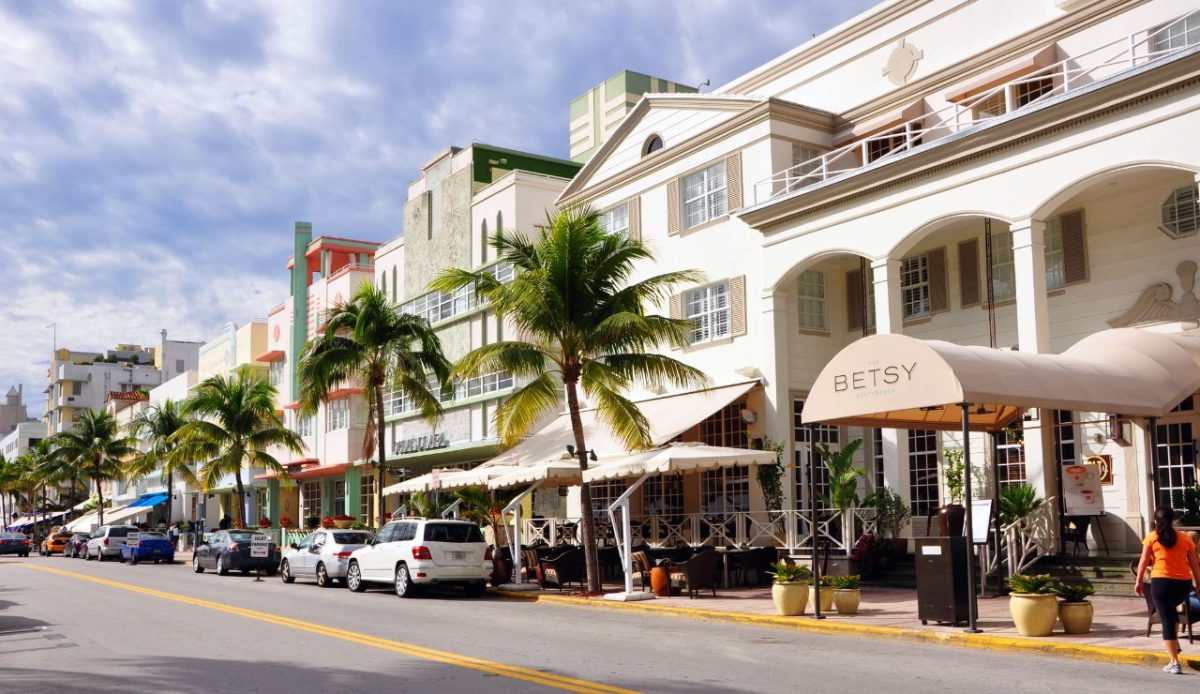
South Beach is built for year-round tourism, and locals often say it shows. Beaches, nightlife, and a steady stream of events keep Ocean Drive and the surrounding blocks crowded well beyond the traditional summer season.
Warm weather extends travel demand, and winter becomes especially busy as visitors chase sunshine. Festivals, art fairs, and weekend getaways stack on top of daily beach traffic, so restaurants and sidewalks stay in constant motion.
For a less hectic experience, go early for the beach and plan dinners before prime nightlife hours. Staying slightly north or using quieter access points can help, while pre-booking popular spots reduces waiting.
6. Gatlinburg, Tennessee (Great Smoky Mountains Gateway)
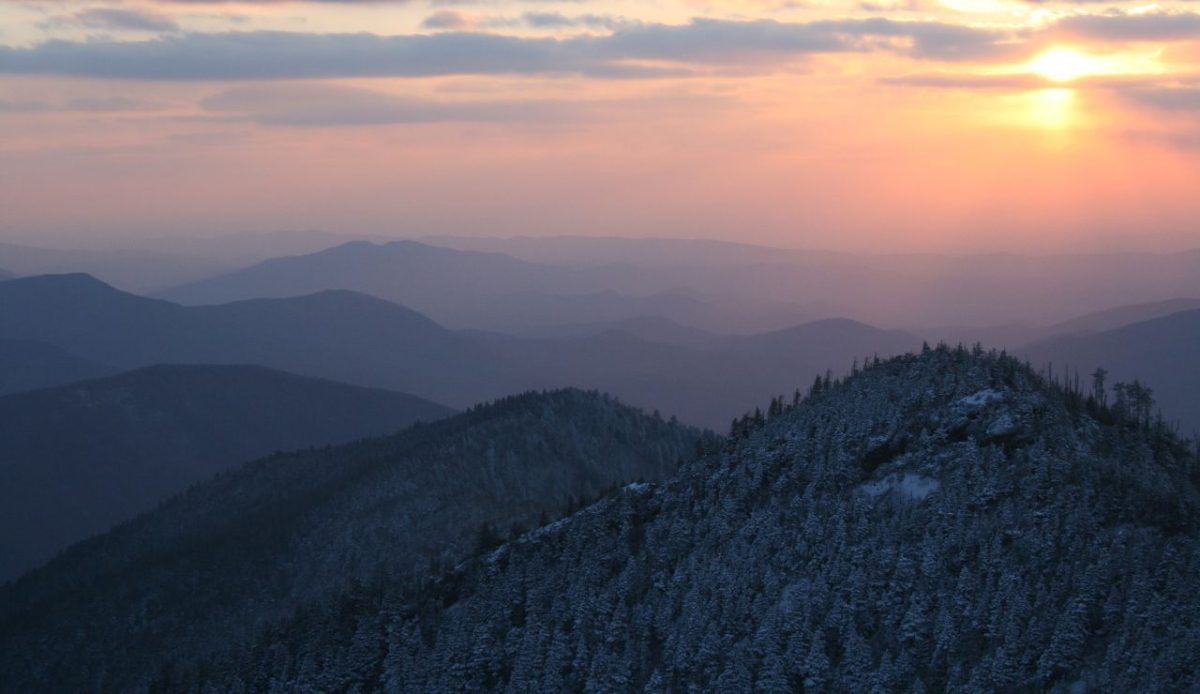
Gatlinburg can feel crowded almost any time because it’s the easiest launch point for Smokies trips. Locals often blame the constant mix of weekenders, family vacations, and seasonal leaf-peeping that keeps traffic steady.
Unlike a single-season destination, the area draws visitors for spring wildflowers, summer hikes, fall color, and winter cabin stays. Attractions in town add another layer, so the streets stay active even when the trails are quieter.
To reduce congestion, enter the park early and consider less-busy trailheads away from the main strip. Booking lodging and parking plans ahead of time can save you from slow, stop-and-go gridlock.
7. Myrtle Beach, South Carolina
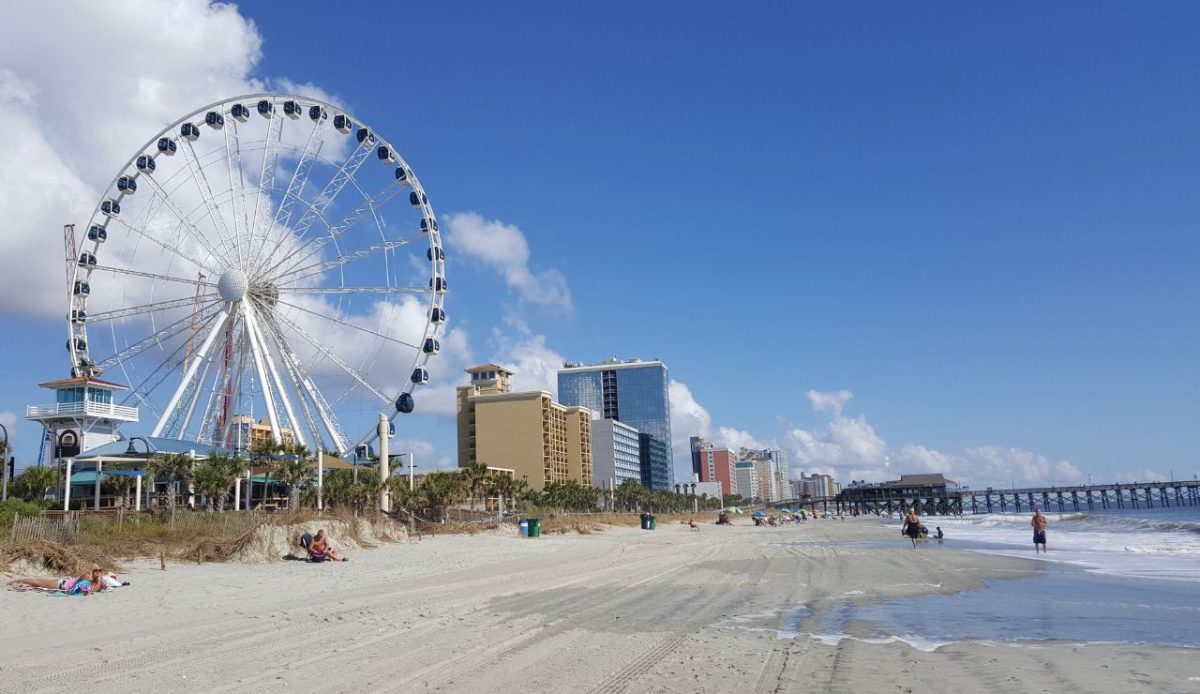
Myrtle Beach is a high-volume beach town, and locals often say the crowds feel endless because the attractions aren’t limited to the shoreline. The boardwalk, mini-golf, and entertainment districts stay active across much of the year.
Summer is the obvious peak, but spring break, golf trips, and long weekends keep hotel demand high outside July and August. Mild shoulder seasons mean visitors still come for walks, dining, and family-friendly shows.
For a calmer trip, choose weekdays and stay a bit away from the most central boardwalk zones. Early beach time and reservations for popular dinners can help you avoid the “everyone arrived at once” feeling.
8. New Orleans, Louisiana (French Quarter)
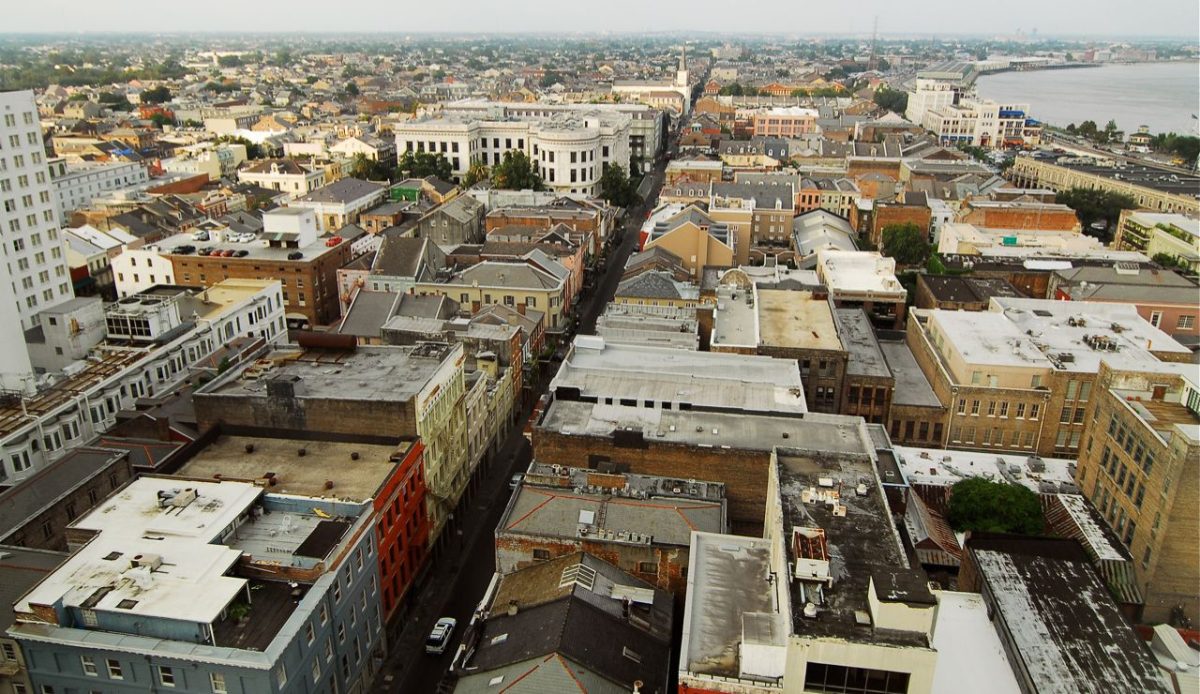
The French Quarter runs on a steady rhythm of music, food, and nightlife, and locals often say there’s rarely a true lull. Even without a major festival, the compact streets stay busy with tours, diners, and bar traffic.
Big events like Mardi Gras and Jazz Fest are obvious crowd magnets, but smaller weekends, sports travel, and conventions also fill hotels. The city’s cultural calendar keeps something happening across most months.
If you want the atmosphere with more breathing room, visit early in the day and pick live music venues outside peak late-night hours. Planning meals and tours ahead helps, especially during festival weeks. Weekday afternoons can be noticeably calmer than evenings.
9. Anaheim, California (Disneyland Resort Area)
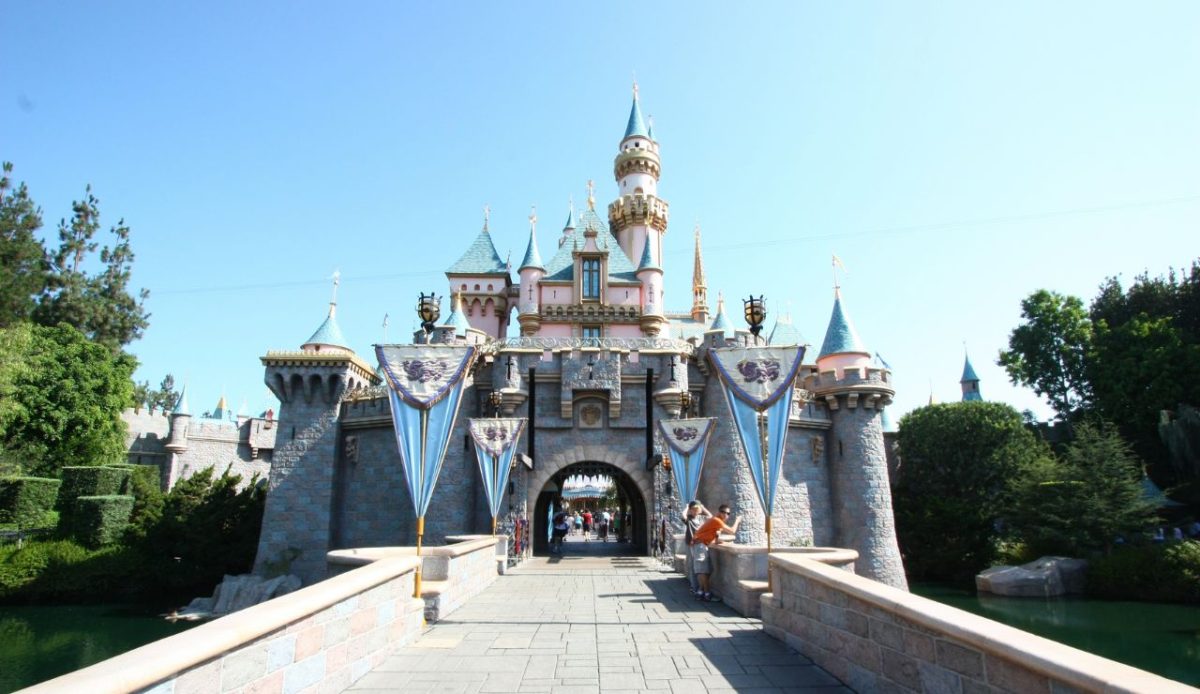
Anaheim’s resort zone can feel permanently crowded because Disneyland operates as a year-round demand machine. Locals point to school breaks, special events, and frequent ticket deals that keep visitor numbers high in every season.
Unlike parks that depend on summer weather, Southern California stays travel-friendly most months. Add nearby sports games, conventions, and a dense cluster of hotels, and you get constant traffic on streets around the resort.
To make it manageable, use reservation tools, arrive at rope drop, and take mid-day breaks when lines peak. Staying walkable to the gates and booking dining early can reduce time spent in security and transit bottlenecks.
10. Chicago, Illinois (Navy Pier & Magnificent Mile)
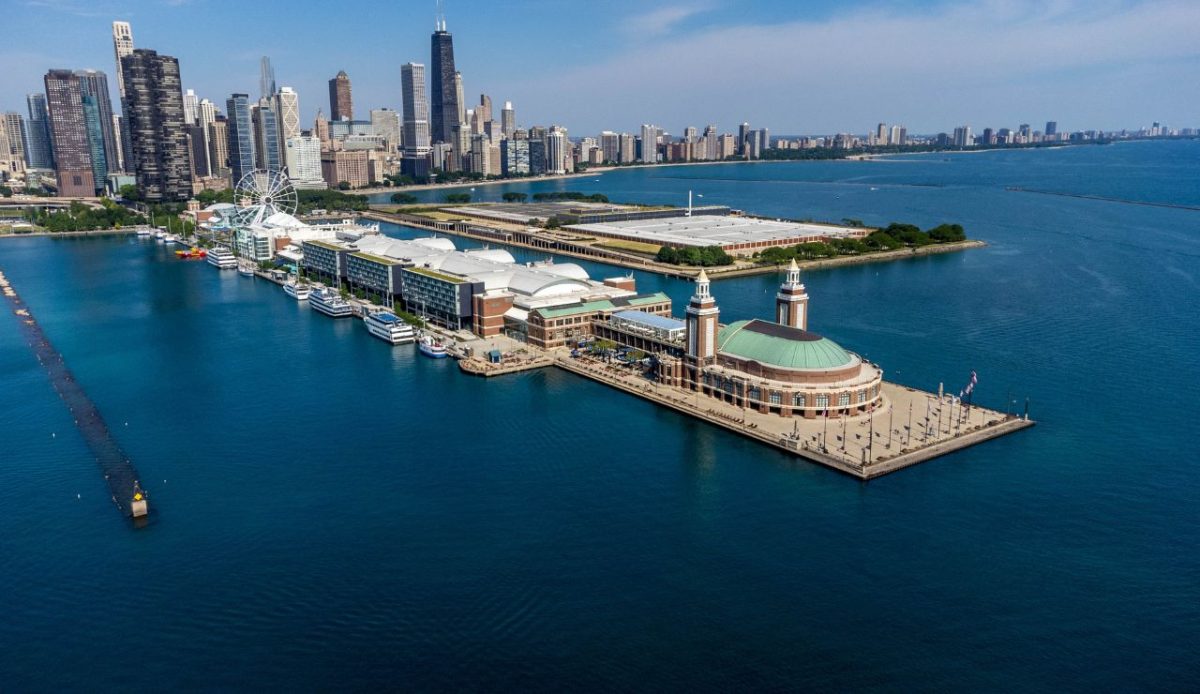
Chicago has strong seasonal tourism, but certain zones stay crowded far longer than visitors expect. Locals often point to Navy Pier and the Magnificent Mile, where shopping, attractions, and lakefront views keep foot traffic steady.
Summer is intense, yet conventions, sports, holiday lights, and indoor museums maintain demand in colder months. Navy Pier events and downtown hotels funnel visitors into the same corridors, so sidewalks can stay busy on many weekends.
For fewer crowds, go early and lean into neighborhoods instead of staying downtown all day. Planning museum tickets and dining times ahead can cut waits, especially during convention weeks or holiday travel surges.
