
Tourist services in U.S. cities are getting trimmed in ways travelers actually notice: shorter visitor-center hours, fewer staffed information desks, reduced wayfinding support, and more “self-service” expectations. The driver is usually plain budget math, labor costs, staffing gaps, and funding shifts.
This doesn’t mean a city is “closed.” It means the help layer around the trip is thinner, so planning matters more than it used to. Hours can change by season, and some services move online or into partner sites.
Below are 11 tourist-friendly places where official visitor services have recently been reduced, closed, or flagged for major cutbacks, and what that looks like on the ground for visitors.
1. Lynchburg, Virginia
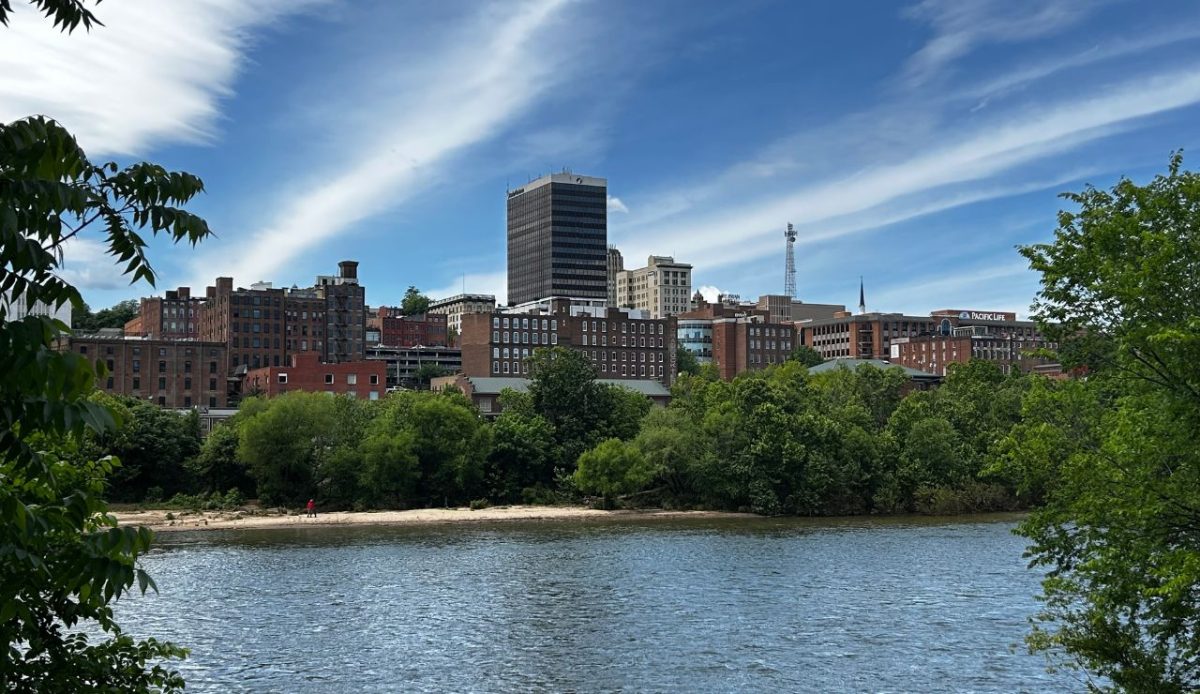
The Lynchburg Visitor Center and Museum has scaled back in-person availability after budget reductions, shifting to a tighter weekly schedule and fewer staffed days. That can affect weekday trip timing.
For travelers, that can mean fewer chances to ask staff about Monument Terrace, downtown parking, walking routes, or which exhibits are running if you arrive early in the week or outside the new window. It also reduces walk-in help for families trying to build a quick plan.
It’s still worth visiting, but treat the desk like a “nice-to-have.” Confirm hours before you go, and line up one backup info source, hotel front desks, a downtown museum, or a main attraction box office. Screenshot key info and addresses before you leave your hotel or car.
2. Staunton, Virginia
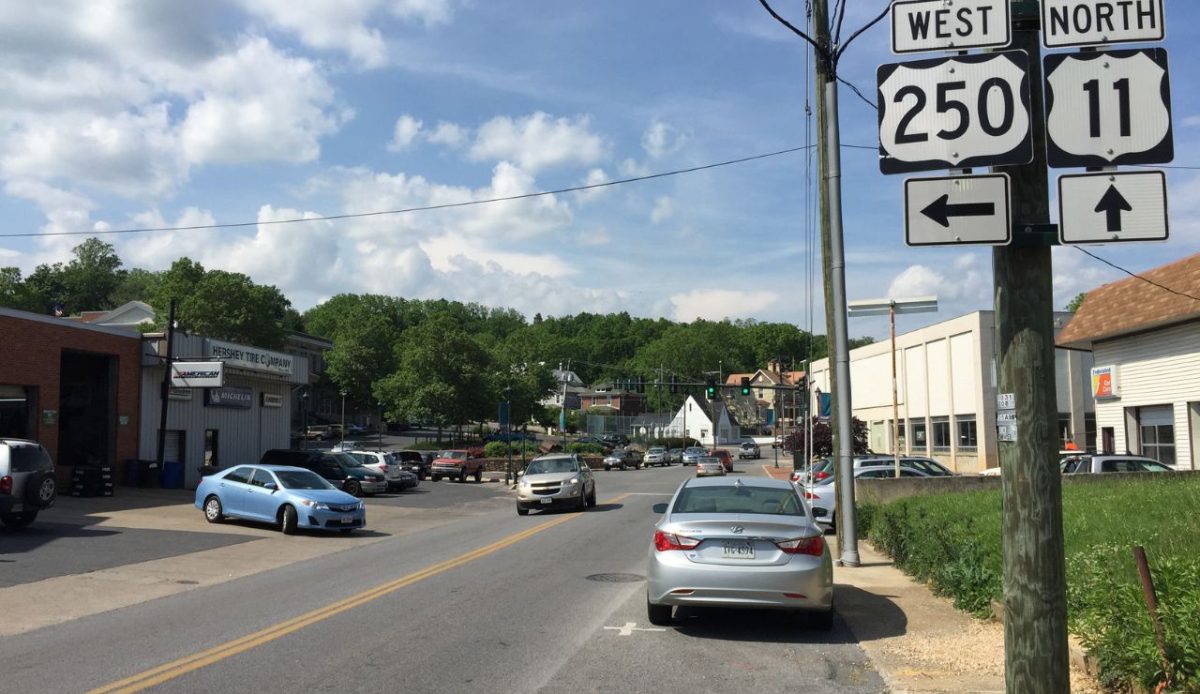
Staunton has had periods where the city’s visitor center was temporarily closed, which removes the classic “walk in, grab maps, and get oriented” start for first-time visitors. Closures are usually posted as date ranges.
When that happens, brochures, event calendars, and local recommendations can be harder to grab on arrival, especially if you rely on staff to point you toward open restaurants, parking options, or seasonal tours. That can be annoying if you built your day around that first stop.
To avoid dead ends, build your first hour around one fixed anchor, parking + a main street loop, or a booked attraction, then treat visitor info as a bonus layer you can pick up later if it’s open. A little pre-planning keeps the trip feeling easy instead of improvised.
3. Duluth, Minnesota
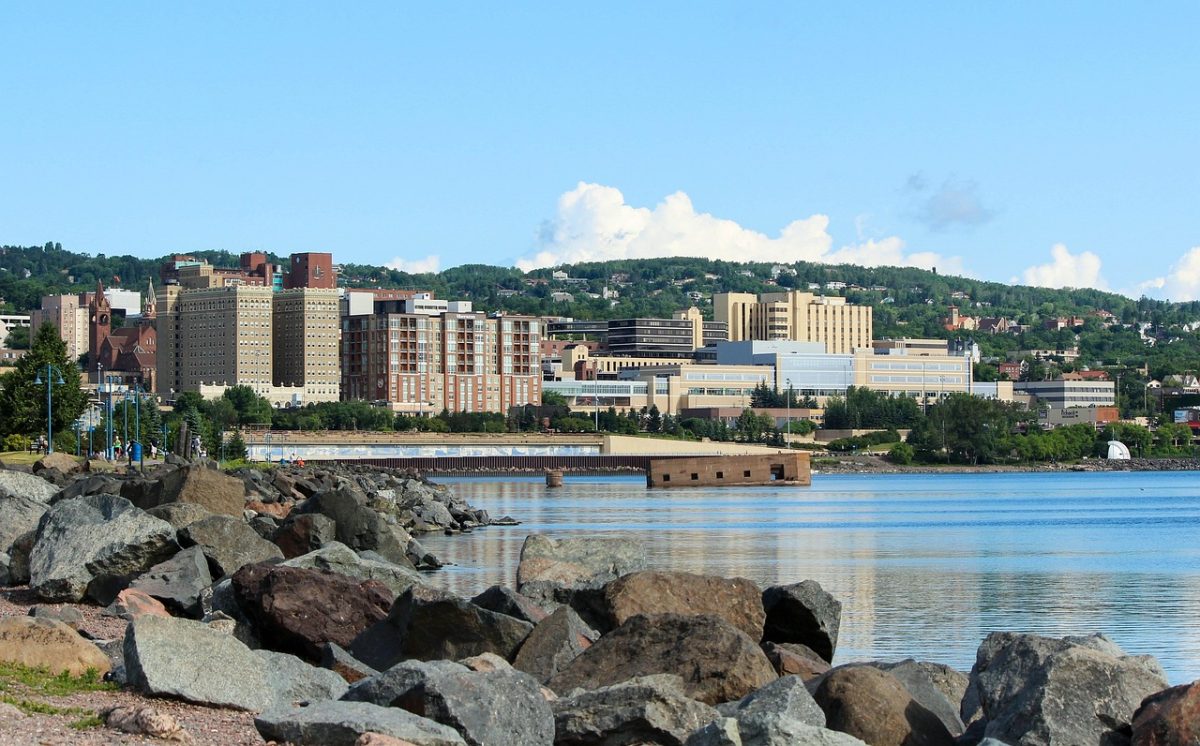
Duluth’s visitor center has operated with reduced summer hours in recent seasons, reflecting a leaner staffing model that limits how long the front desk is actively supported each day.
If your plan includes last-minute lodging calls, attraction tickets, or quick advice on Lake Superior viewpoints and trail access, the smaller window can push you into self-service mode fast. The biggest hit is losing quick, human confirmation on what’s worth the detour.
Go in with a two-plan mindset: save must-do stops offline, decide key scenic drives in advance, and use the visitor center for refinements, detours, weather shifts, and what’s actually open right now. You’ll get more value if you arrive with specific questions, not a blank slate.
4. Seattle, Washington
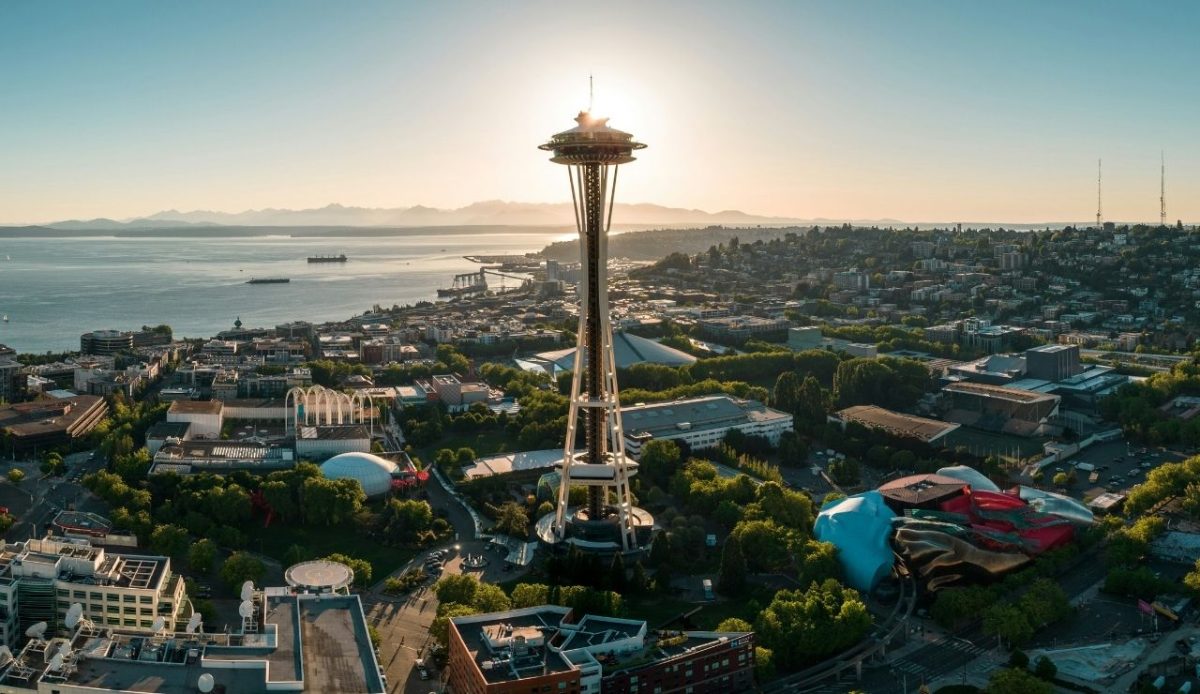
Seattle’s budget discussions have included the possibility of closing or turning over the Discovery Park Visitor Center, a reminder that even big destinations can trim on-the-ground help. It’s part of cost and staffing pressure.
For visitors, that kind of shift can show up as fewer staffed hours, fewer ranger-led or education programs, and less real-time guidance on trails, beaches, and viewpoint access inside the park. That matters most for visitors who depend on on-site interpretation rather than apps.
The workaround is simple: check updates before you go, arrive with a route in mind, and don’t assume there will be a staffed desk, maps, or a program schedule waiting. If you want programs, check schedules early and assume changes happen.
5. Gulf Shores, Alabama
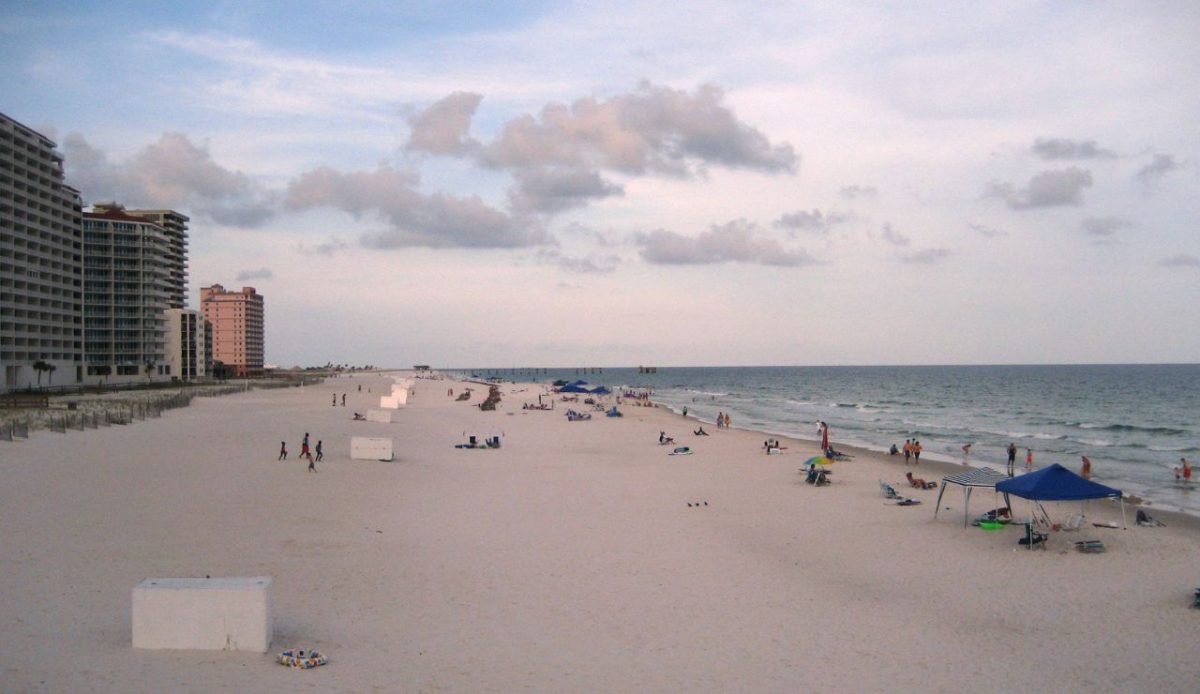
Gulf Shores & Orange Beach Tourism closed the Gulf Shores Welcome Center, saying it wanted to shift visitor engagement beyond a single building and meet travelers in other ways.
In practice, that’s a cut to the old-school service model: fewer walk-in moments for paper maps, local tips, beach access guidance, and the quick “what should we do today?” conversation. If you like starting trips with a physical info stop, you’ll feel the gap quickly.
Plan essentials, public beach entry points, parking rules, and bad-weather backups, before arrival, then lean on digital guides, hotel desks, and attraction staff for short, local nudges. For families, pre-picking one easy “first day” activity helps keep things calm.
6. Klamath Falls, Oregon
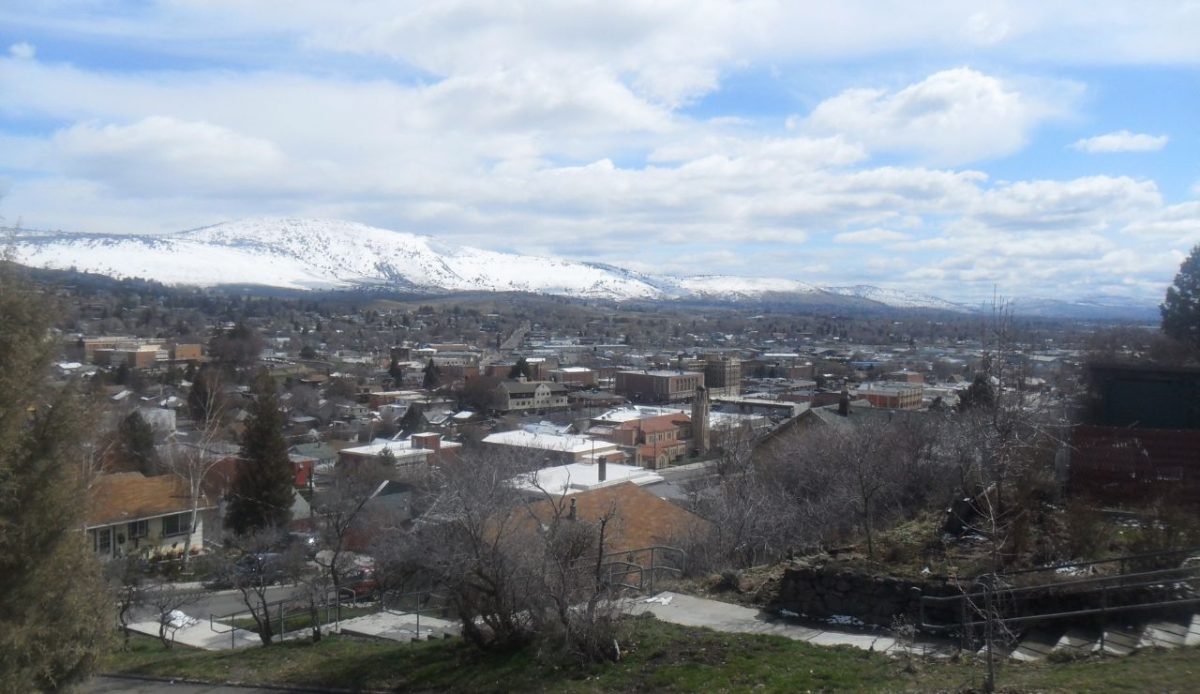
The Klamath Falls Oregon Welcome Center runs seasonally, and its visitor-center services are listed as closed until spring 2026, even while the rest area and restrooms stay open 24/7.
That’s a common split: you can still stop for facilities and a break, but you won’t get staffed trip-planning help, local brochures, or in-person recommendations in the off-season. For road-trippers, it’s less spontaneous help and more planning before you roll in.
If you’re routing to Crater Lake or the high desert, build your info plan around saved maps and notes, and treat the stop as logistics rather than a place to design your itinerary. Download maps ahead of time, cell coverage can be spotty once you’re out of town.
7. Rapid City, South Dakota
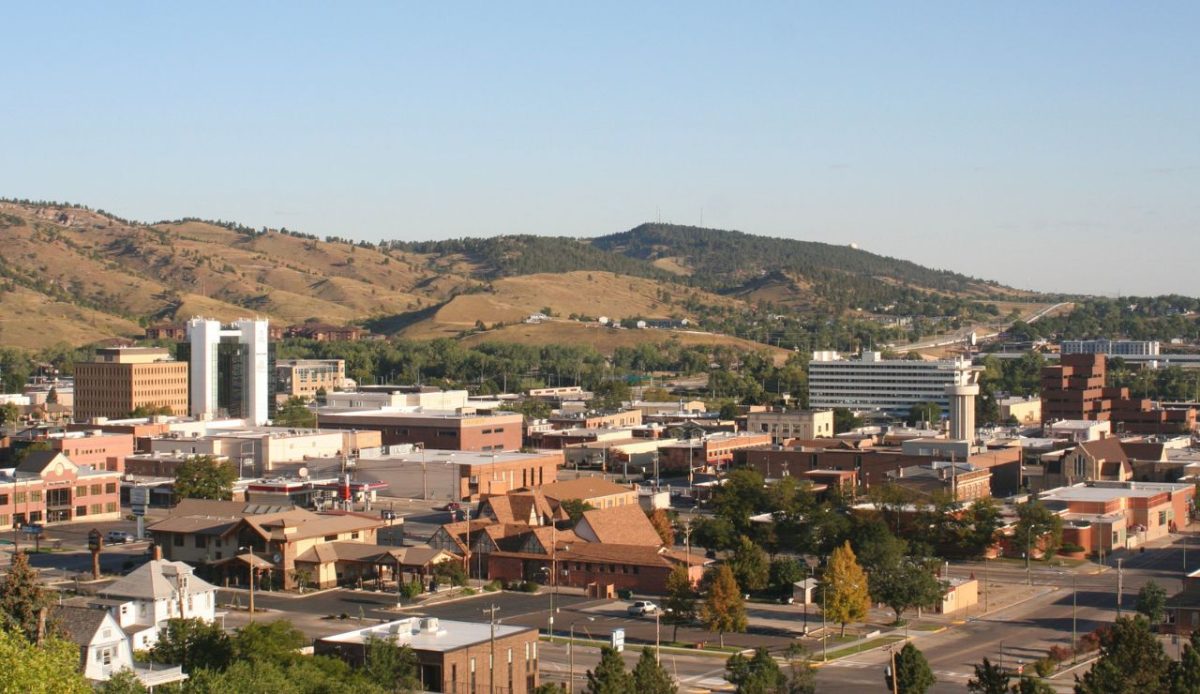
Visit Rapid City notes its downtown visitor center closes seasonally, with winter operations shifting to a temporary location inside its corporate office rather than the usual walk-in setup. It’s support, just not in the usual place.
For travelers, the change can be subtle but real: the obvious “drop in” address may be closed, hours can be tighter, and you may need to find the alternate spot to get brochures or guidance. This matters most in winter when daylight is short.
Confirm where the desk is operating before you park, especially if you’re using Rapid City as a base for the Black Hills and want live advice on road conditions and closures. A fast check-in before you arrive can save you a wasted loop around downtown.
8. Juneau, Alaska
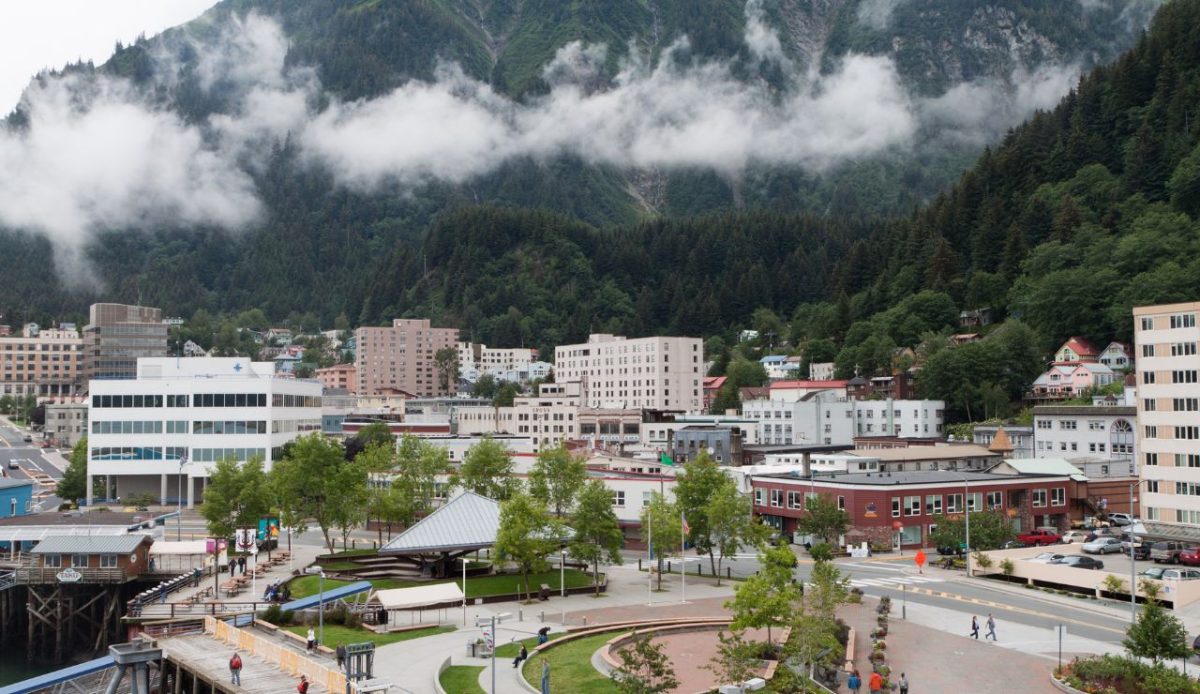
Juneau’s cruise-heavy season leans on the Mendenhall Glacier Visitor Center, but reporting has described limited staffing after major federal workforce reductions. The timing is tough because cruise days compress everything.
When staffing is thin, visitors can see shorter staffed hours, slower lines, and fewer people available to answer basic questions about trails, viewpoints, shuttle timing, and safety conditions.
If you’re visiting on a tight port schedule, pre-plan like it’s timed entry: pick your trail, set priorities, build buffer time for transport, and don’t count on long help windows. If you need certainty, keep the plan simple: fewer stops, more buffer, earlier departures.
9. Pickstown, South Dakota
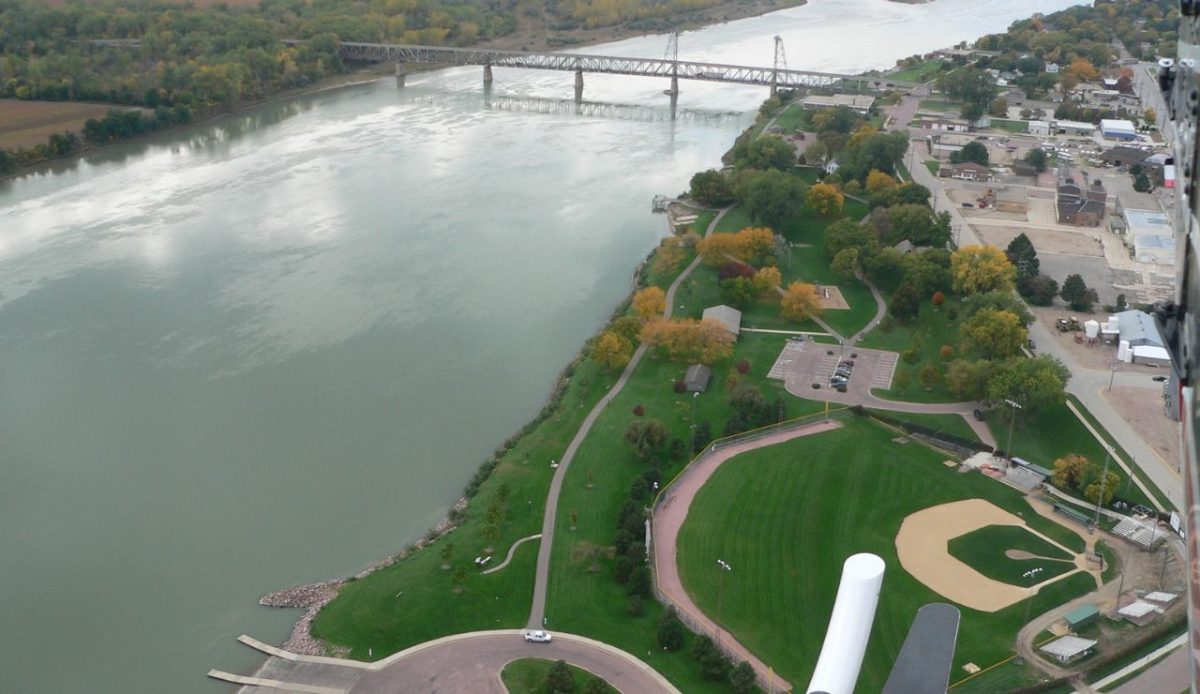
In Pickstown, the Fort Randall Dam visitor center has been among facilities slated for closure or curtailed access as federal budget and staffing constraints hit recreation sites at federal lakes. These are the kinds of cuts you notice only after you arrive.
Even if you’re not a dam history fan, losing that site-level desk removes tours, interpretation, and the “what else is nearby?” guidance that can turn a quick stop into a real half-day. It can also reduce staffed interpretation.
If your trip includes federal recreation areas, assume services can shift fast: check updates before driving out, pack basics, and be ready for self-service check-ins and limited staff. Bring water and sun protection, and expect self-service systems.
10. San Antonio, Texas
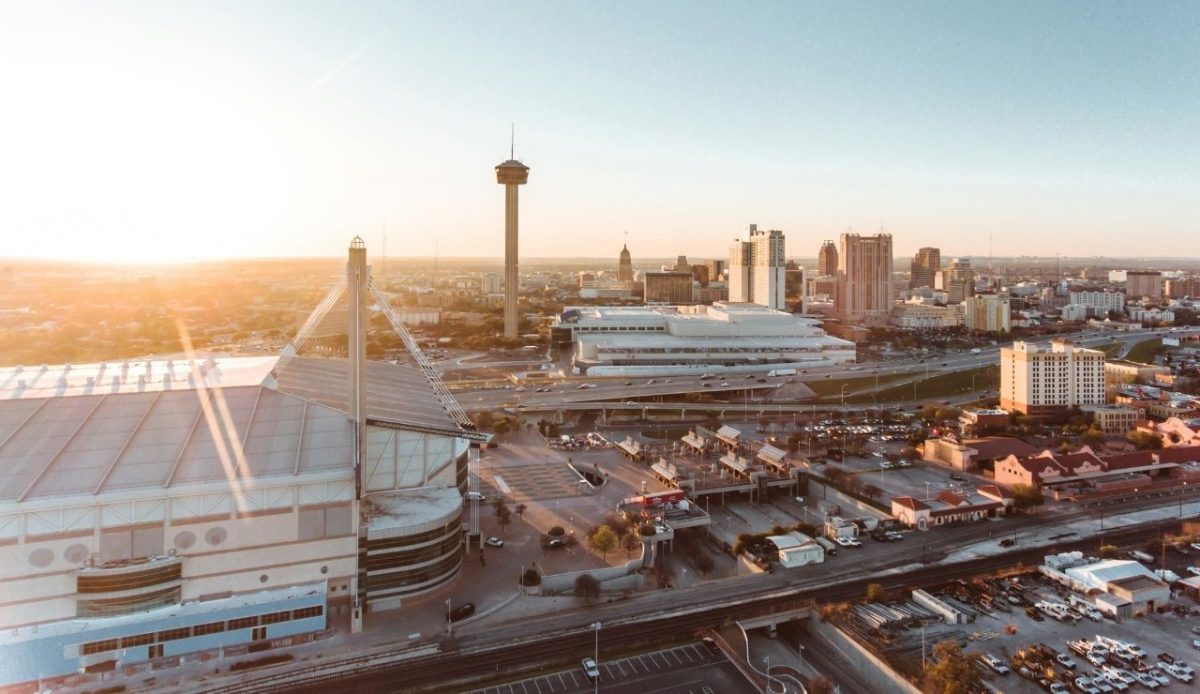
San Antonio’s visitor experience includes federally managed sites like the San Antonio Missions, and during federal funding disruptions the area has seen closures or limited staffing impacts.
For visitors, that can translate to fewer staffed services: canceled ranger programs, reduced facility support, and less predictable access to visitor centers, interpretive spaces, and some amenities. It also affects the “ask a ranger” layer that adds context.
Verify status the same day, plan the missions in a flexible order, and keep a backup stop ready, like a museum, market area, or riverfront walk, so the day still works. Flexible planning matters because sites are spread out and driving time adds up.
11. Richmond, California
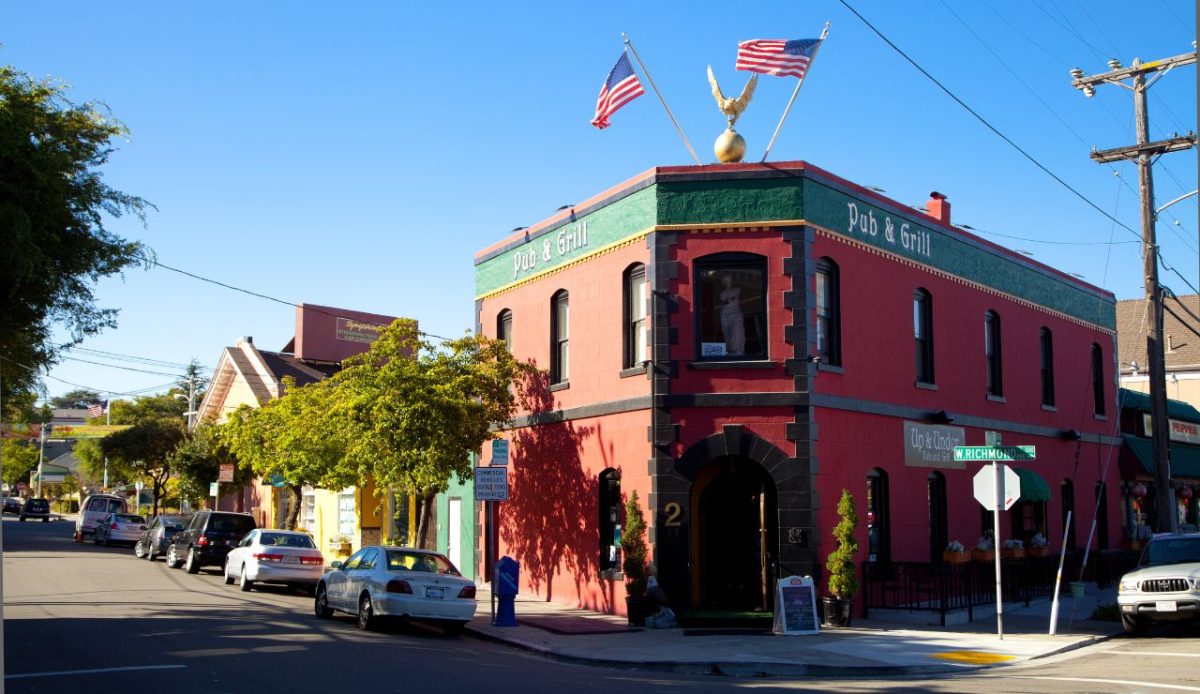
In Richmond, the Rosie the Riveter/World War II Home Front visitor center has been affected by federal shutdown conditions, including closures that change how the site works for visitors. It’s a reminder that city tourism can be tied to federal operations.
When the visitor center is closed, you lose the key layer for context, exhibits, orientation, and staff who can point you to what’s open, accessible, and worth limited time. That’s especially noticeable for school groups.
Plan around outdoor elements and nearby stops, then treat the visitor center as optional: great when open, but not guaranteed, so your visit still makes sense without it. If the center is open, great, if not, your pre-saved notes become the guide for the day.
