
In the last year, a mix of budget shocks, staffing cuts, and surprise schedule changes has shut the doors on well-known U.S. attractions with little notice. For travelers, it’s a reminder that “open daily” isn’t a promise, especially when public funding or seasonal economics change fast.
These closures weren’t all permanent. Some were temporary pauses, early season endings, or shutdown-related lockouts that still canceled trips and reservations overnight for many visitors.
The common thread is speed: announcements landed days or even hours before gates closed. Here are eight American attractions that went dark unexpectedly within the past 12 months.
1. John F. Kennedy Presidential Library and Museum (Boston)
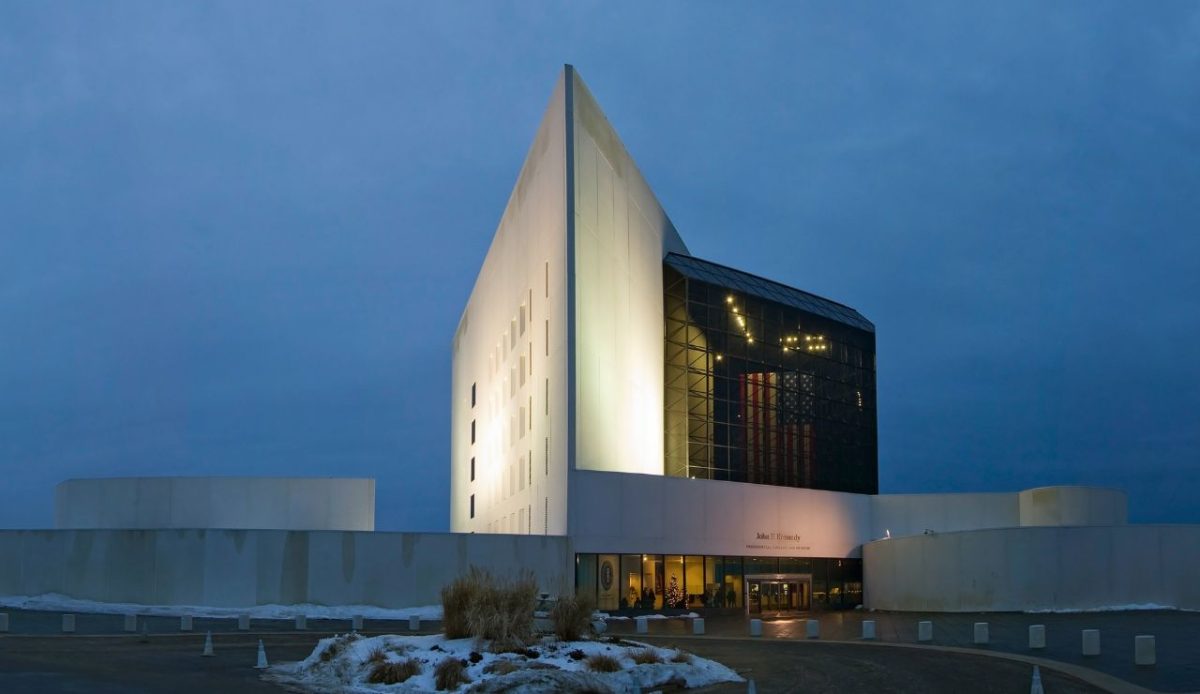
The John F. Kennedy Presidential Library and Museum in Boston abruptly closed on February 18, 2025, after sudden layoffs affected on-site operations. Visitors who expected a standard museum day instead found doors shut and programming paused.
Because it’s a major stop on many Boston itineraries, the closure rippled into school trips and out-of-town plans that tend to be booked weeks ahead, especially during winter breaks.
The episode highlights a less talked-about risk: even “institutional” attractions can go offline quickly when staffing levels change without warning, leaving travelers scrambling for same-day alternatives like other museums or harbor walks.
2. Sesame Place San Diego (California)
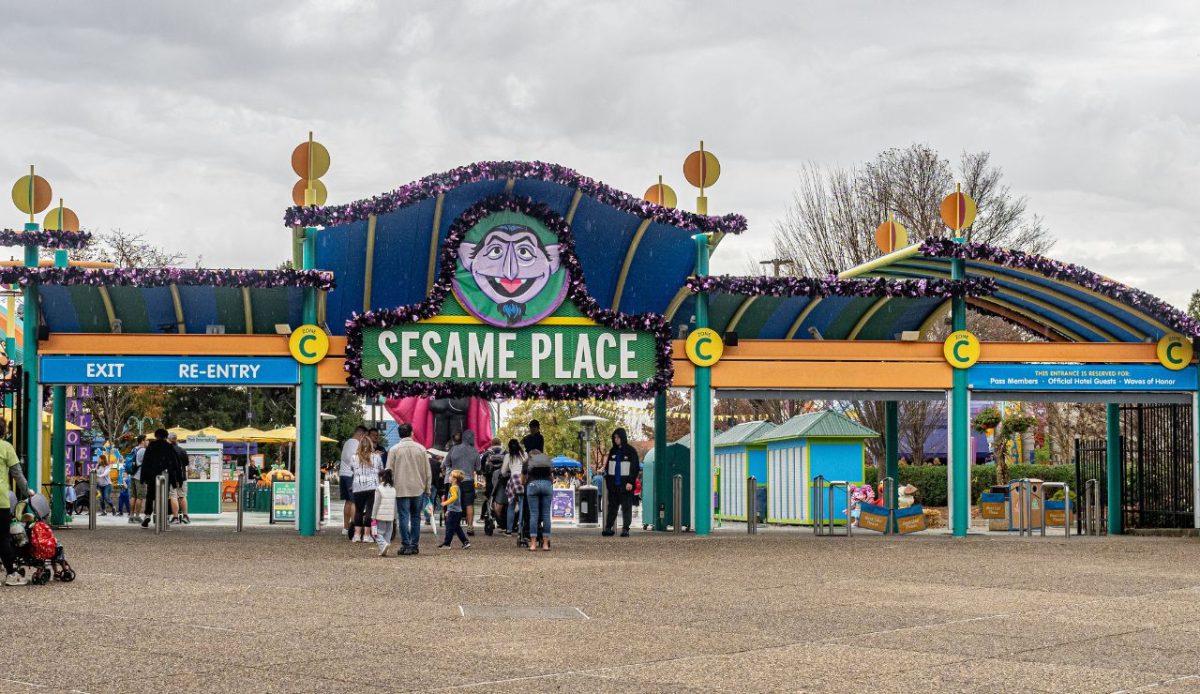
Sesame Place San Diego surprised passholders by announcing it would stop operating for the remainder of 2025 after September 20, then reopen in spring 2026 on a seasonal schedule. Families who had penciled in fall visits suddenly had to rethink plans.
Because the park is marketed to young kids, timing matters: closures around Halloween events and school calendars hit hard for parents trying to plan low-stress trips, especially visitors coming from outside Southern California.
The announcement also shows how “closed” can mean a structural change, not just a short maintenance break, and travelers need to read operating calendars before booking flights and hotels.
3. Smithsonian’s National Zoo (Washington, D.C.)
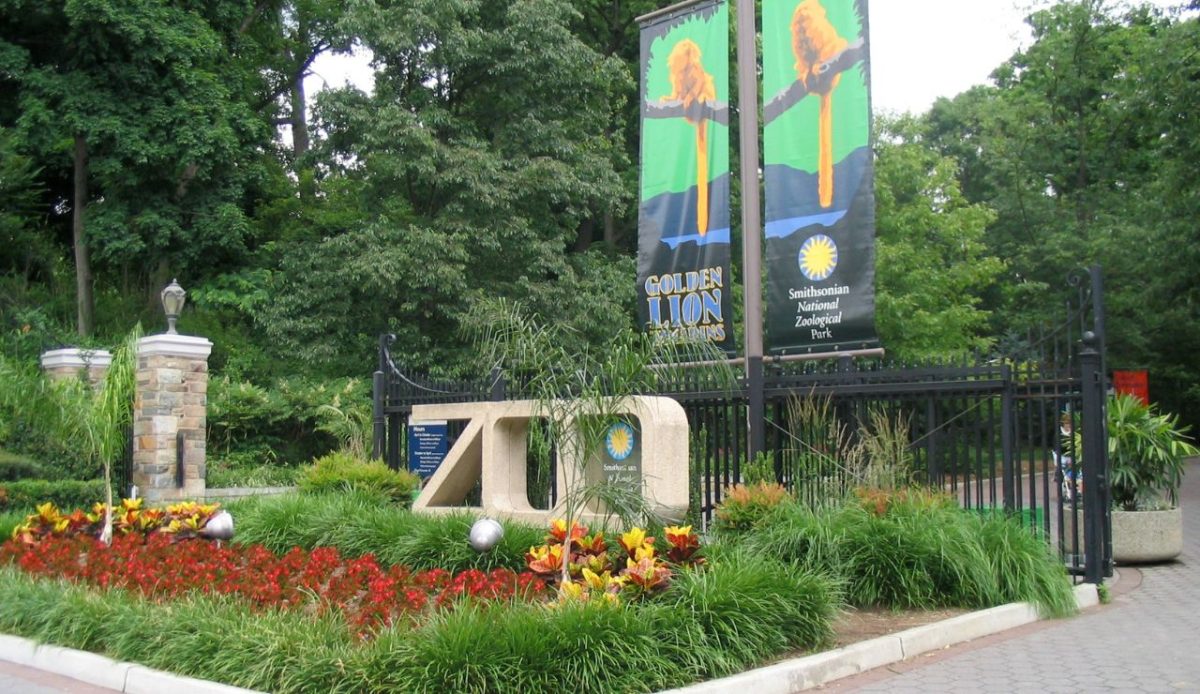
In October 2025, the Smithsonian’s National Zoo in Washington, D.C., closed temporarily as the federal government shutdown disrupted funding and operations. For tourists, it was the kind of surprise that turns a carefully planned National Mall day into an instant Plan B.
The Zoo is often a “free day” anchor for families, so the closure didn’t just affect tickets. It changed transportation plans, meal stops, and the pacing of a trip built around kid-friendly time blocks.
It’s a reminder that even top-tier attractions can be vulnerable to forces far outside tourism, and reopening timelines can depend on politics rather than maintenance entirely.
4. National Museum of American History (Washington, D.C.)
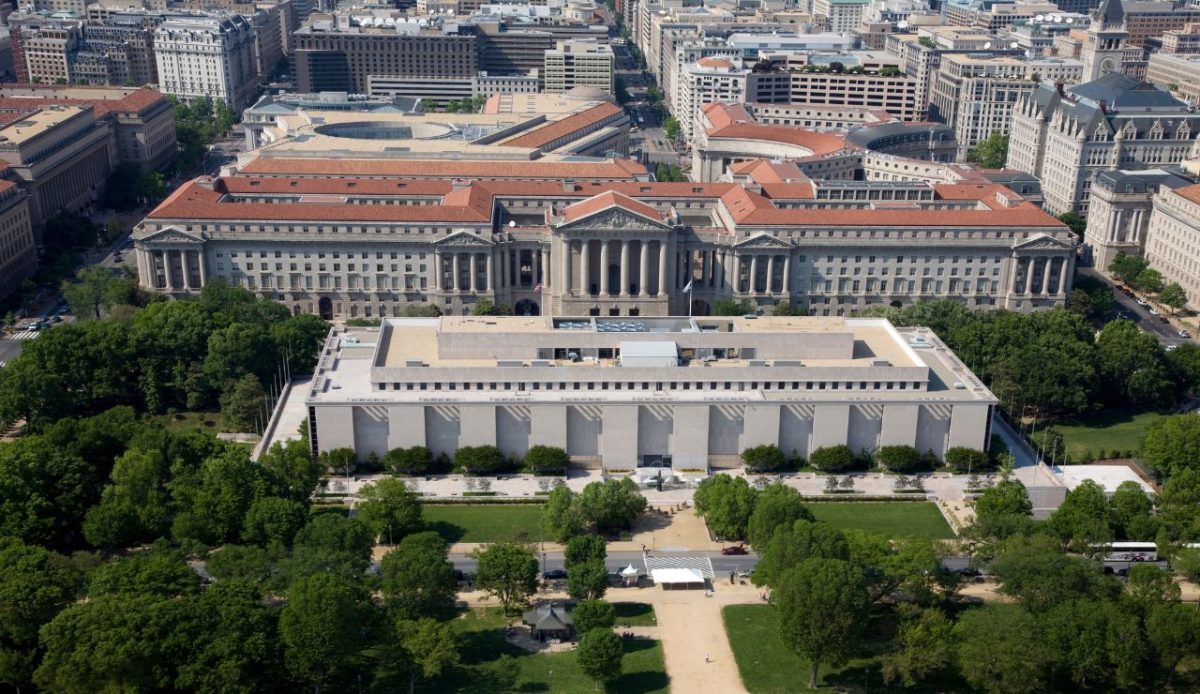
The National Museum of American History, one of the Smithsonian’s busiest museums, closed during the October 2025 government shutdown as the institution temporarily paused public access. Visitors who expected a classic D.C. museum day found entry blocked even though the building itself was fine.
Because Smithsonian museums are a core part of Washington travel planning, the closure stacked up quickly: families compressed their itineraries, and many swapped to crowded private museums or indoor attractions with admission fees.
It’s an example of an “unexpected closure” that isn’t about safety or construction at all, but about operational funding that can change overnight.
5. Washington Monument, Washington, D.C.
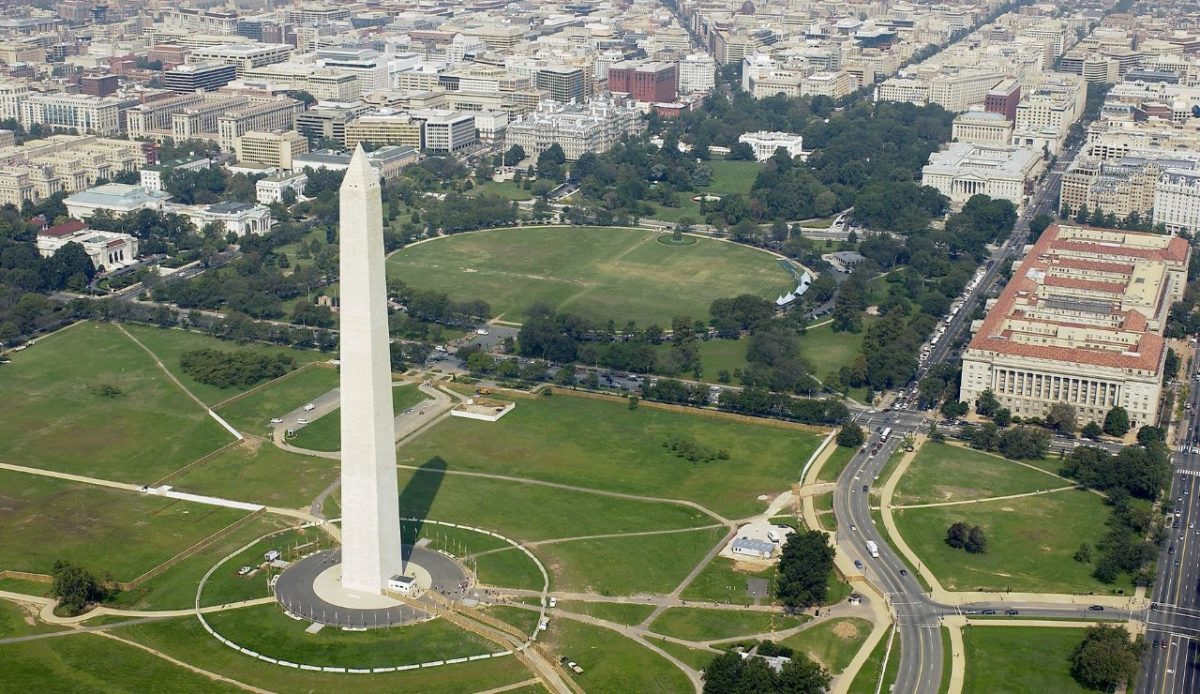
The Washington Monument closed to visitors when the 2025 government shutdown hit, halting access to one of the most time-sensitive experiences on the National Mall. Since timed entry and elevator capacity already limit visits, the sudden stop left many travelers with reservations that couldn’t be honored.
For first-timers, it’s a big deal: the monument is often the “center point” people use to map walking routes between memorials, museums, and lunch stops. When it’s closed, the day’s rhythm shifts.
It also shows why federally run sites can be uniquely fragile. A shutdown can flip a landmark from open to closed without any physical problem on-site.
6. National Archives Museum (Washington, D.C.)
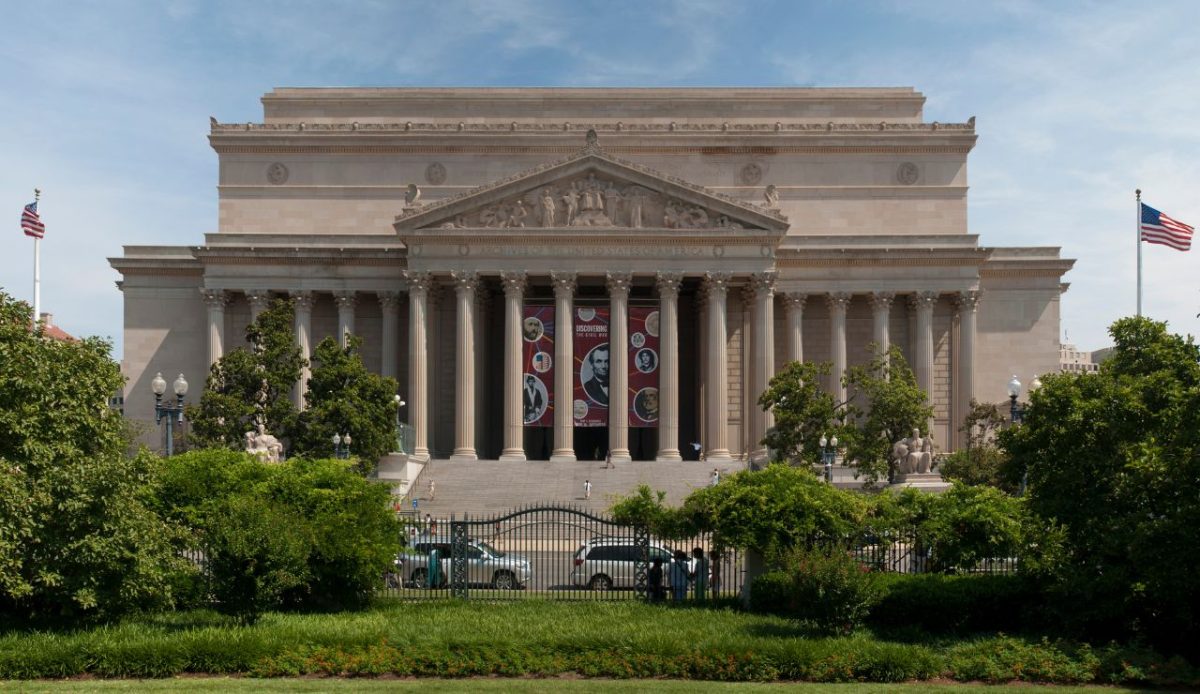
The National Archives Museum, where visitors line up to see the Declaration of Independence and Constitution, closed during the October 2025 shutdown, catching tourists by surprise. It’s one of those attractions people build a whole morning around, so the ripple effect is real.
Unlike outdoor monuments, the Archives is an indoor, timed-flow experience. When it closes, there isn’t an easy “walk by and still see something” fallback, and nearby options can be packed on short notice.
For travelers, the lesson is practical: when an attraction is federally funded, confirm its operating status on the day of your visit, not the week before, always.
7. Liberty Bell, Philadelphia
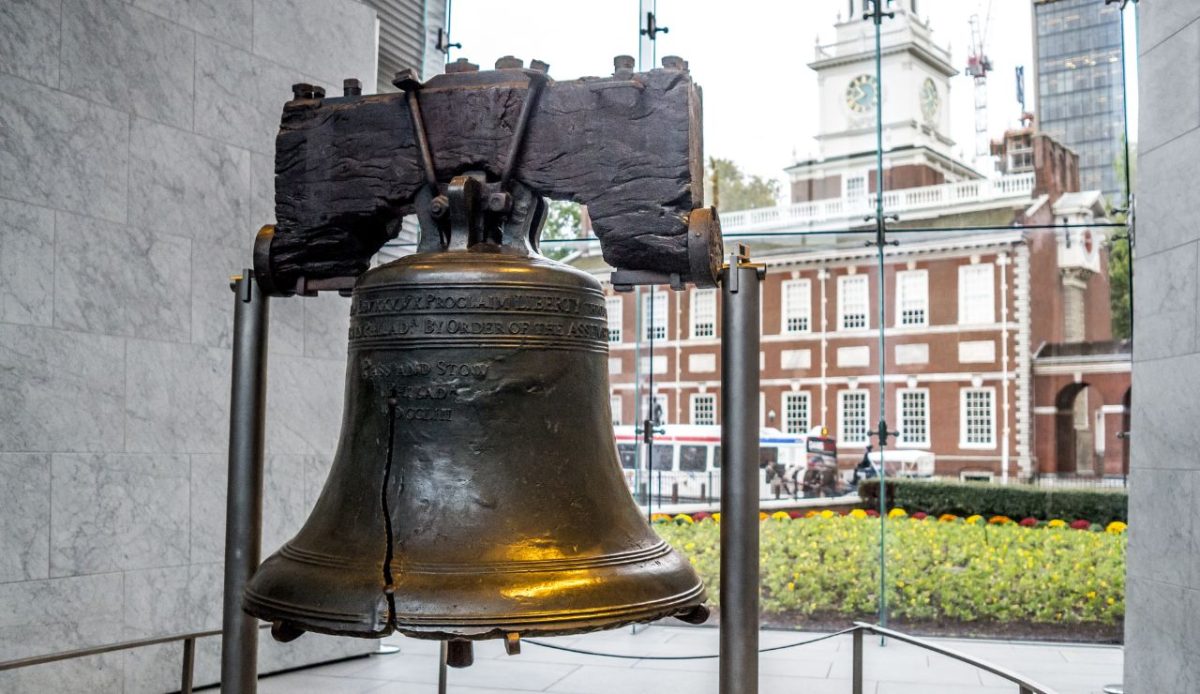
Philadelphia’s Liberty Bell Center closed during the October 2025 shutdown, an unexpected disruption for visitors who assume Independence National Historical Park sites operate like typical city museums. Many tourists arrive with tight schedules, so a locked building can throw off an entire day in Old City.
The Liberty Bell isn’t just a quick stop; security lines and timed flow mean people plan around it, pairing the visit with nearby attractions, tours, and restaurant reservations. When it’s closed, the surrounding itinerary collapses fast.
This kind of closure is especially frustrating because it’s invisible from the outside. You can be standing right there and still have no access, despite traveling across the country.
8. Independence Hall (Philadelphia)
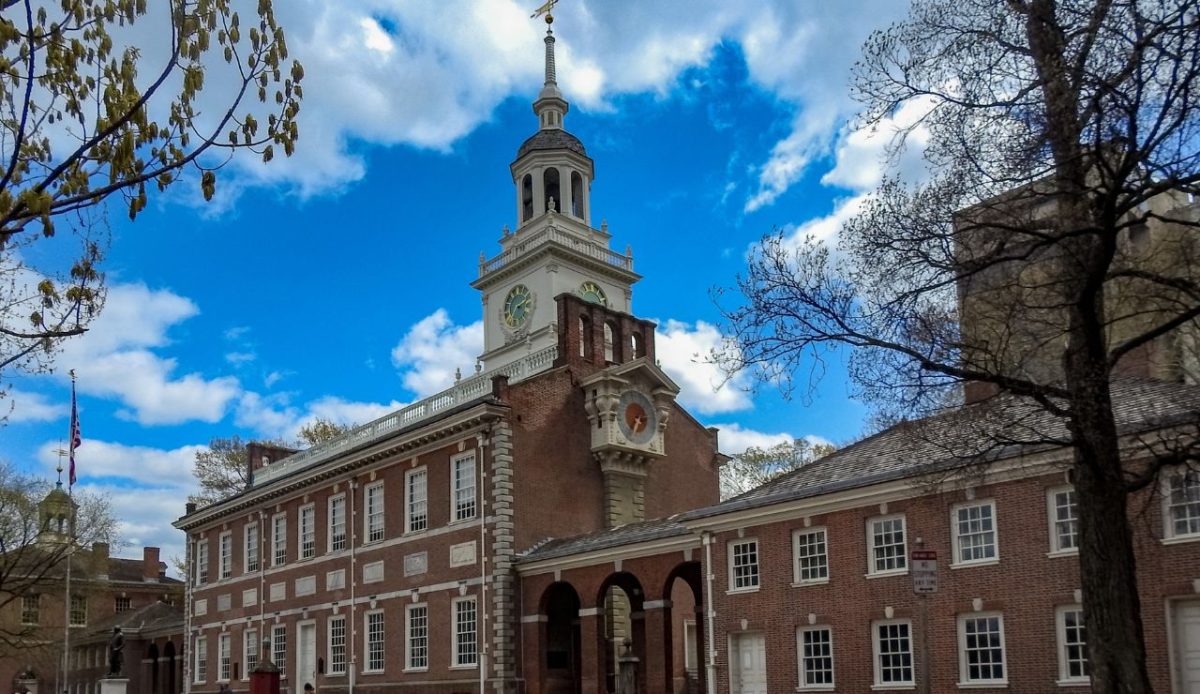
Independence Hall also shuttered during the October 2025 government shutdown, sidelining one of the most iconic guided-tour experiences in the U.S. Because entry is controlled and tour times are limited, even a short closure can wipe out the day’s available slots.
For travelers, it’s a high-impact loss: Independence Hall is often the “must-do” centerpiece of a Philadelphia history trip, and many visitors coordinate it with Liberty Bell timing, ranger talks, and pre-booked walking tours.
The shutdown-driven closure underscores a reality of modern travel planning: some attractions depend on staffing and federal operations more than on demand, so a full itinerary needs a backup plan nearby.
