
Prices at many “pay-to-enter” attractions have climbed faster than everyday inflation, and travelers feel it at the gate, not just at the hotel. That’s especially true where demand is predictable, capacity is limited, and operators use dynamic pricing.
This list focuses on U.S. spots where the entry fee, ticket, or required access pass has seen repeated upward pressure in recent years. Think: national parks, theme parks, and high-demand recreation areas.
Entry costs aren’t the whole trip budget, but they set the tone. Planning around shoulder seasons, multi-day passes, and early-bird windows can soften the hit without changing the destination.
1. Walt Disney World, Florida

Disney’s ticket pricing is built around demand, and high-demand dates keep creeping upward. For many visitors, the “entry” cost isn’t just a base ticket; it’s the date-based tier you land on, plus add-ons you feel pressured to buy to make the day work.
Because prices shift by season and park, repeat visitors often notice the jump even when they travel the same week each year. The result is a theme-park gate price that tends to outpace broad inflation over time.
To control costs, compare multiple parks and weekdays, price out multi-day tickets, and lock plans early. Waiting for the perfect date can be the most expensive move.
2. Disneyland Resort, California

In Anaheim, the entry price story is similar: limited capacity, heavy demand, and tiered tickets that charge more for peak days. Even when the lowest tiers stay put, the practical “tourist date” often lands in a higher band.
For families, the inflation squeeze is amplified because a single-day visit can require more than a basic ticket to feel smooth, from park-hopping options to time-saving upgrades. That turns small annual increases into a noticeable jump at checkout.
If you’re set on Disneyland, target off-peak weekdays, watch for resident promos if eligible, and price out two shorter days versus one peak day. Sometimes “less intense” is cheaper.
3. Yellowstone National Park
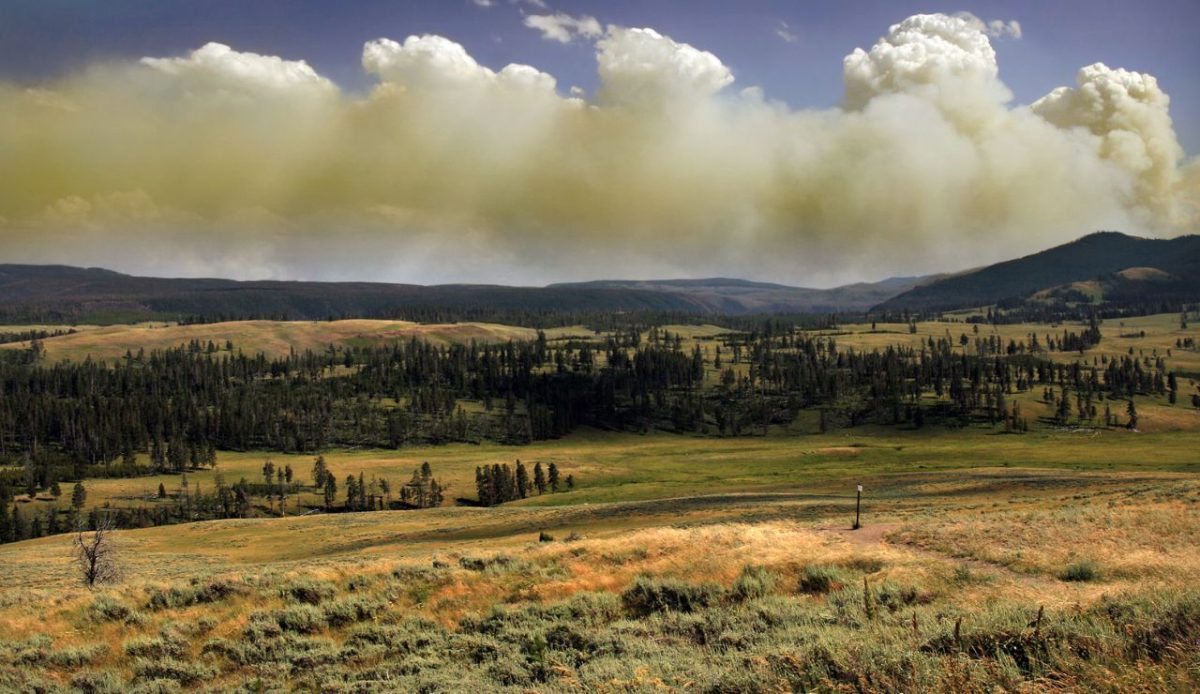
Yellowstone’s gate fee is still modest compared with many private attractions, but it’s become a flashpoint as visitation stays high and policies shift. The practical cost also includes the pass you choose: single-visit, annual, or bundled federal passes.
When fee structures change, the impact lands hardest on once-a-year travelers who can’t spread the cost across multiple park days. For international visitors, new surcharges and separate pass pricing can push the “entry” line item up sharply.
To keep it predictable, decide early whether you’re doing one park or a multi-park loop, and price the America the Beautiful pass against per-park fees. The math changes fast.
4. Yosemite National Park, California
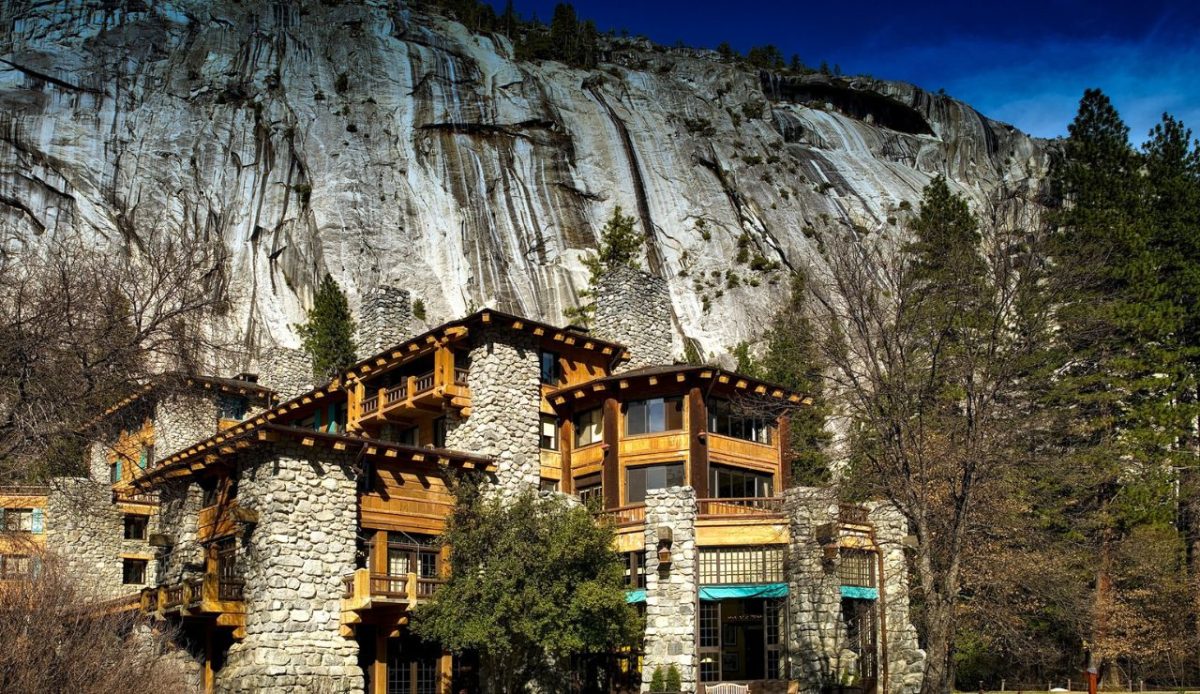
Yosemite has two entry pain points: the entrance fee itself and the growing role of reservations during high-demand periods. Even when the gate price doesn’t feel extreme, timing restrictions can force travelers into pricier dates, lodging, or third-party shuttles.
High demand also means more competition for limited slots, which can shift a “budget trip” into a premium one. For many visitors, the cost of access is now a mix of money and planning friction, and both have trended upward.
If Yosemite is on your list, aim for shoulder seasons, check reservation windows early, and consider longer stays to spread the entry cost across more hikes. Fewer transfers usually save cash.
5. Zion National Park, Utah
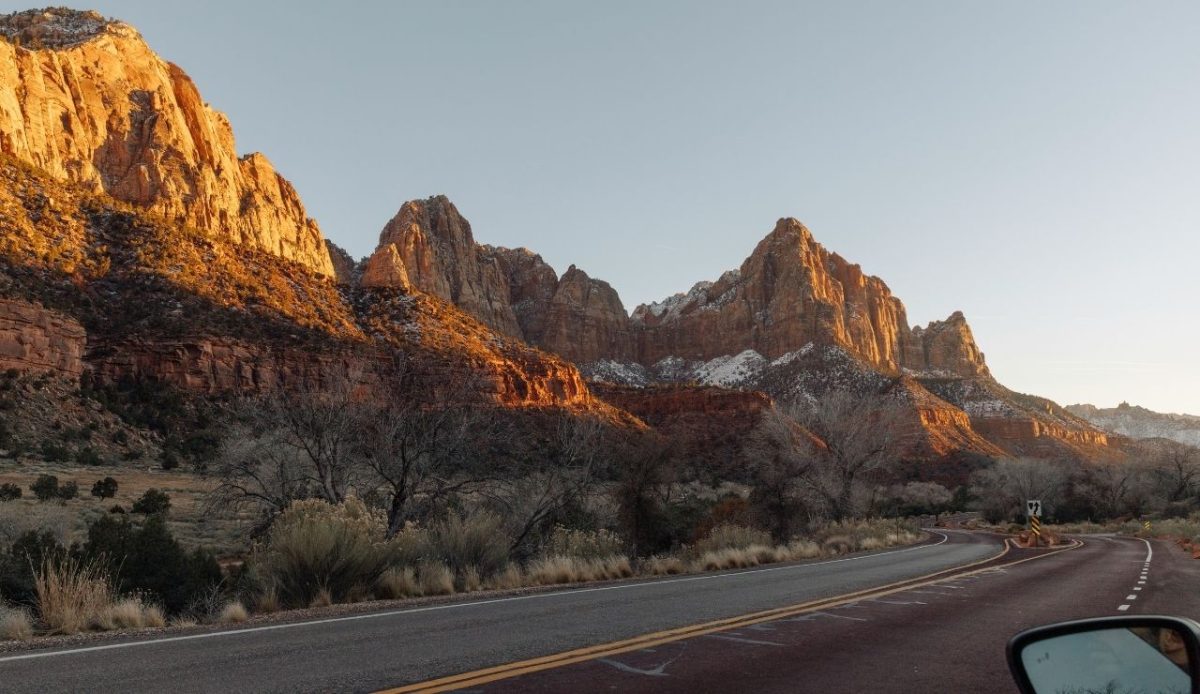
Zion’s popularity has turned “entry” into more than a gate fee. The park’s access experience often involves shuttle logistics, permit-style systems for certain hikes, and timed arrival strategies that can nudge travelers toward higher-cost travel days.
When demand stays elevated, even small price adjustments and required add-ons feel bigger, especially for groups arriving in a single vehicle. Visitors who used to treat Zion as a quick stop now budget for a more structured, and sometimes pricier, visit.
To keep costs in check, go early or late in the day, travel midweek, and bundle Zion with nearby parks so a federal pass makes sense. Planning your hikes before you arrive reduces last-minute paid “fixes.”
6. Grand Canyon National Park, Arizona
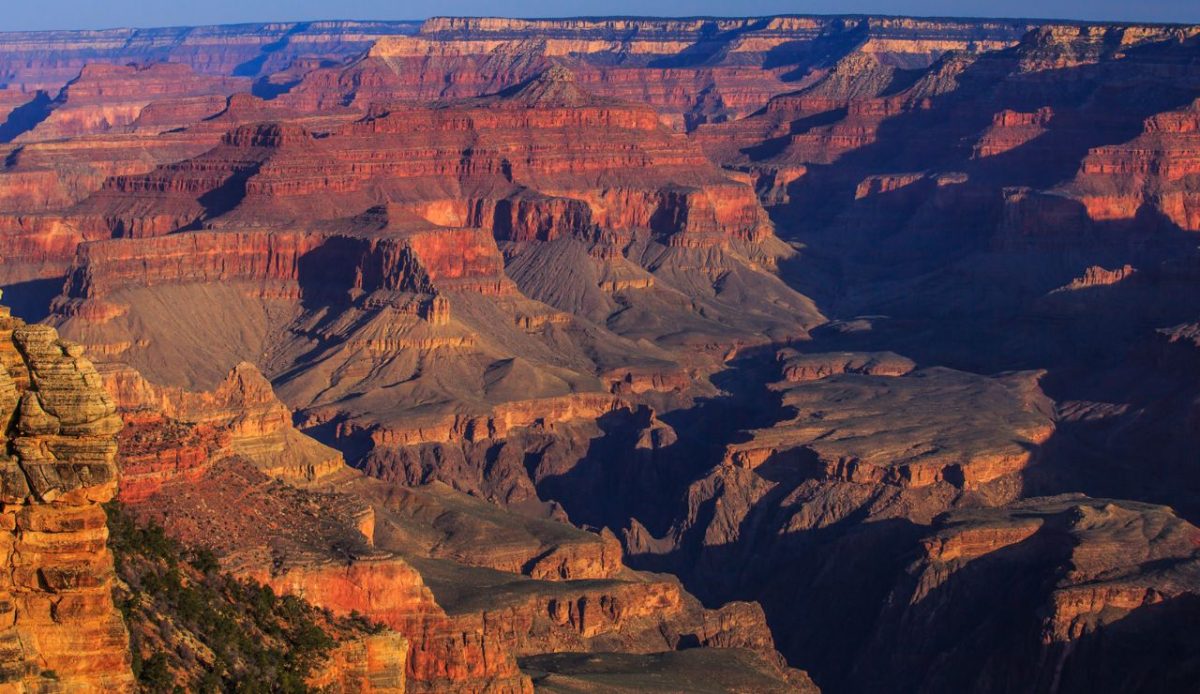
The Grand Canyon is a classic “everyone goes” destination, and that reliable demand keeps pressure on access costs. The entrance fee is just the start for many travelers, who also face parking constraints, shuttle planning, and premium pricing for guided viewpoints nearby.
Because it’s so iconic, visitors often accept higher gate costs as the price of admission, which makes it easier for fees and related access charges to rise faster than the average travel budget.
To stretch your budget, decide whether you’re focusing on the South Rim, North Rim, or both, and commit. Fewer hops save fuel and paid parking, and an annual pass can beat a one-off visit if you’re touring multiple parks.
7. Acadia National Park, Maine
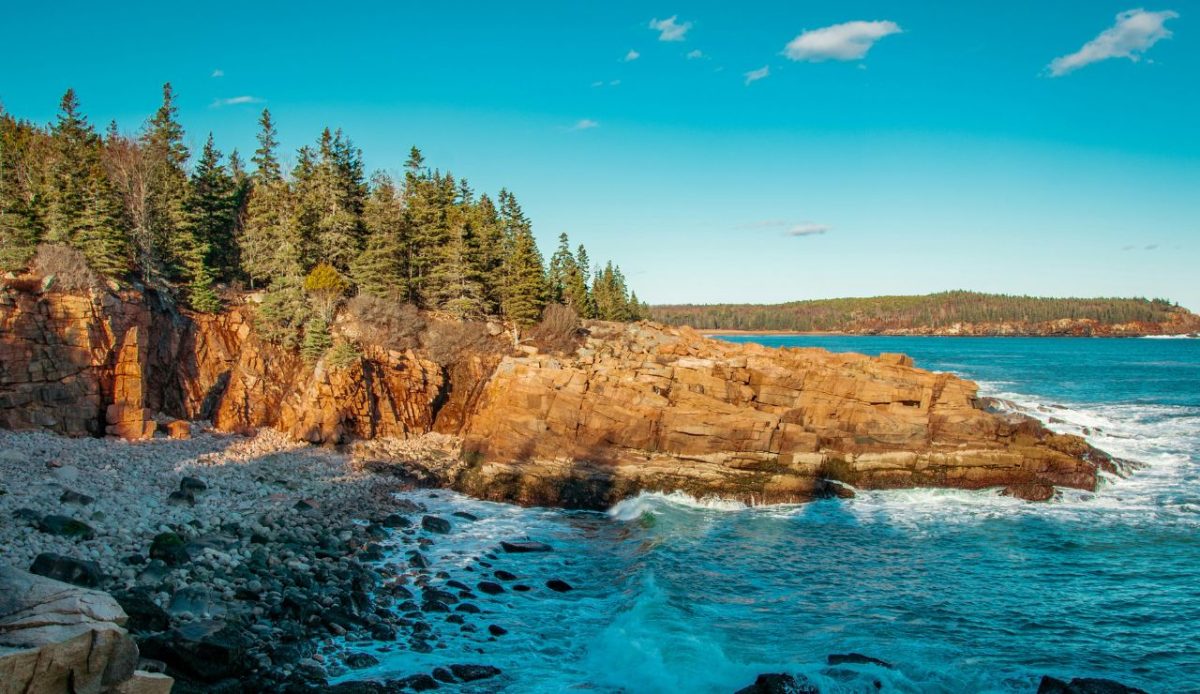
Acadia’s entry costs have become more noticeable as the park manages heavy summer demand and limited road capacity. Beyond the standard entrance fee, certain access points require vehicle reservations, turning “getting in” into a two-part expense.
That structure can make price changes feel larger than inflation, because travelers aren’t only paying more, they’re paying in more places. Visitors who arrive without a plan may end up buying alternative tours or paid transport to fill the gap.
If Acadia is your goal, book required reservations as soon as the windows open, and consider visiting in late spring or early fall. A longer stay with fewer drives can spread costs across more trails and viewpoints.
8. Glacier National Park, Montana
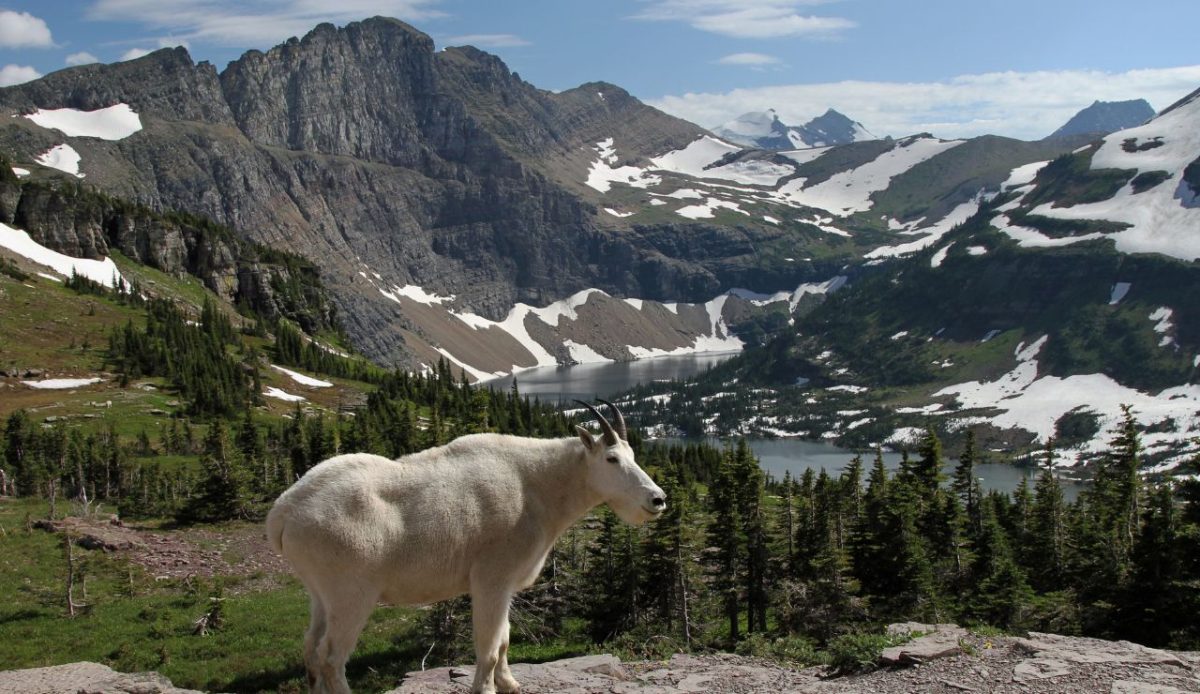
Glacier has seen access get more complex as crowds concentrate on a few must-do corridors. In addition to the entrance fee, vehicle reservations for key routes can become the real gatekeeper, and scarcity can push travelers toward pricier dates and lodging.
When access is limited, the value of “one day inside” goes up, which supports higher effective entry costs than inflation alone would explain. Miss the window, and you may pay extra for shuttles, tours, or last-minute alternatives.
To avoid paying a premium for chaos, map routes early, target shoulder season, and consider nearby public lands for overflow hikes. The best budget move is securing your access plan before you book everything else.
9. Vail Mountain, Colorado
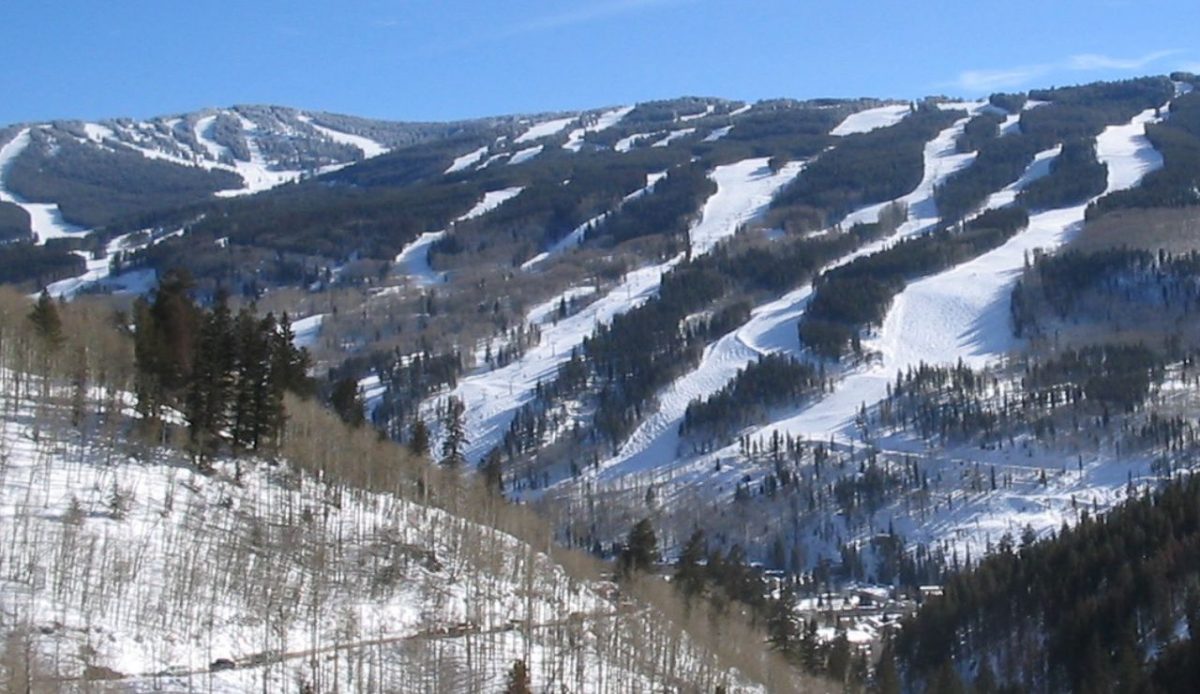
Big-name ski resorts have turned day access into a moving target, with windowed pricing, peak-date premiums, and pass products that reward early commitment. If you buy lift tickets close to your trip, the “entry” price can jump dramatically compared with typical inflation.
That’s partly because resorts price for scarcity: limited terrain capacity, high fixed costs, and predictable holiday surges. The result is a gate price that feels like airfare, buy late, pay more, only it’s for the slopes.
To keep it sane, buy early, compare multi-day options, and consider smaller nearby mountains if flexibility matters more than brand. Shifting away from holiday weeks can cut access costs more than any coupon.
