
Americans aren’t skipping travel, they’re reallocating it. As air routes expand and “bucket list” places get easier to reach, some classic U.S. stops are facing fresh competition from abroad.
Price gaps, exchange rates, and lodging supply matter, but so does novelty. When two places offer similar vibes, beach towns, wine regions, national park scenery, travelers often pick the one that feels newer or better value, even if the flight is longer.
Below are 10 U.S. destinations seeing more travelers, compare them against specific international alternatives, plus the kinds of experiences overseas that are pulling attention away right now for many travelers.
1. Maui, Hawaii

Maui still delivers iconic beaches and road-trip scenery, but travelers increasingly compare it with tropical trips where the same budget stretches further. Longer flights can feel worth it if the total trip cost drops.
In places like Bali or Thailand’s island regions, resort-style stays, spas, and guided day tours can cost less than a similar week in peak-season Hawaii, especially once rental cars, parking, and dining are added.
For value-focused visitors, the overseas draw is the “all-in” feeling: villa pools, abundant excursions, and walkable beach hubs with nightlife and street food, so you can plan less and still feel like you’re getting more.
2. Miami Beach, Florida
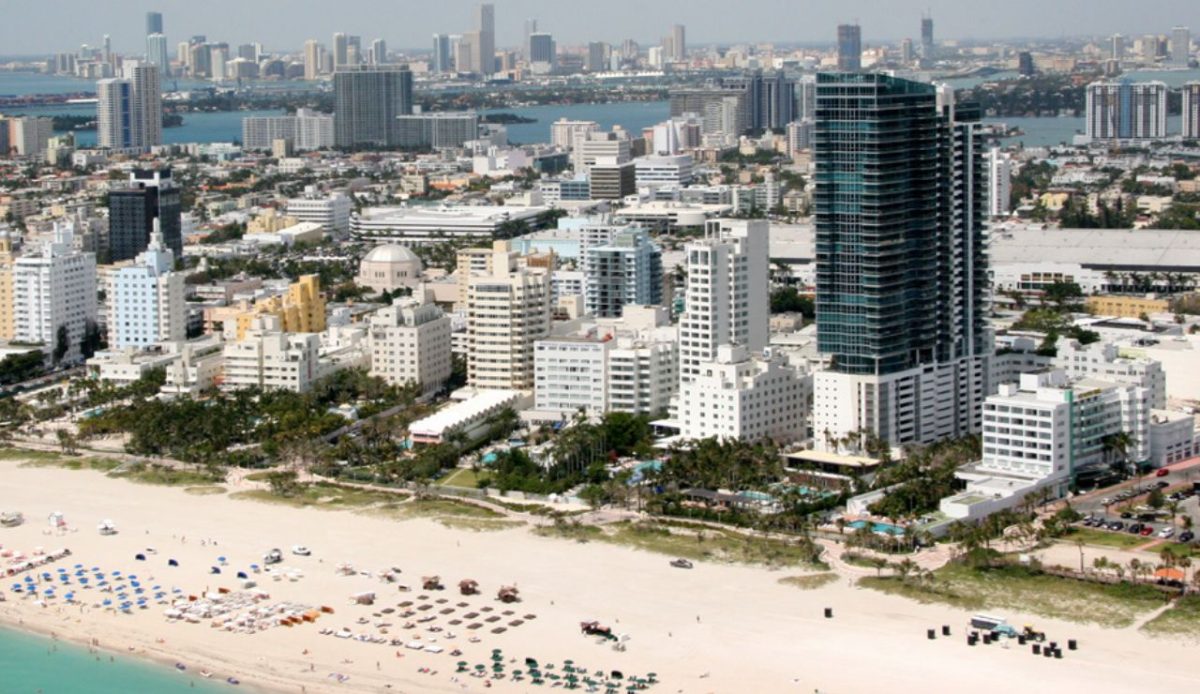
Miami’s beaches and nightlife remain a magnet, yet some visitors now weigh it against short-haul international trips that bundle sun, culture, and resorts in one price.
Mexico’s Caribbean coast and the Dominican Republic often compete on convenience: nonstop flights, all-inclusive hotels, and predictable costs that can undercut a similar Miami stay during event-heavy weekends. Many trips also add easy day excursions.
The differentiator overseas is packaging plus variety. Cenotes, reef snorkeling, and nearby historic sites can sit alongside beach time, while travelers avoid surprise spending on parking, service charges, and peak dining prices, making the math feel simpler.
3. Napa Valley, California

Napa Valley is still the benchmark for polished wine-country weekends, but it’s increasingly compared with European regions that offer tasting culture without the same price ceiling.
Portugal’s Douro Valley and parts of Spain and Italy can feel like better value: lower-cost tastings, village restaurants, and boutique stays where a multi-day itinerary doesn’t require constant reservations. Public transit and hired drivers can also be easier to coordinate.
Overseas, the appeal is broad. Travelers can mix vineyards with castles, river cruises, and city breaks in Porto, Florence, or Barcelona, turning “wine trip” into a broader vacation with less sticker shock.
4. New Orleans, Louisiana

New Orleans’ food, live music, and history are unmatched in the U.S., but some culture-first travelers now compare it with international cities that deliver a similar “all-day vibe” at a lower cost. Timing around big festivals can also push prices up fast.
Mexico City is a common rival for long weekends: strong museum scene, distinctive neighborhoods, late-night dining, and easy day trips to sites like Teotihuacán, often with more hotel choice across budgets.
The competition is about density. When a city is walkable, transit-friendly, and packed with markets and street life, travelers can do more without rideshares, so the trip feels fuller even if it’s the same length.
5. Aspen and Vail, Colorado

Aspen and Vail remain marquee ski names, yet winter travelers increasingly compare them with European resorts that feel more like complete mountain towns than gated vacation bubbles.
In the Alps, places such as France’s Chamonix or Austria’s Tirol often compete on scope: huge interconnected lift systems, varied terrain, and walkable villages where dining and après are part of the base-area fabric. Rail links also make car-free trips realistic.
Cost perceptions matter too. Even when flights are longer, multi-day lift access, lodging options, and transit between towns can make an Alps trip feel more flexible, especially for groups mixing skiers and non-skiers.
6. Key West and the Florida Keys
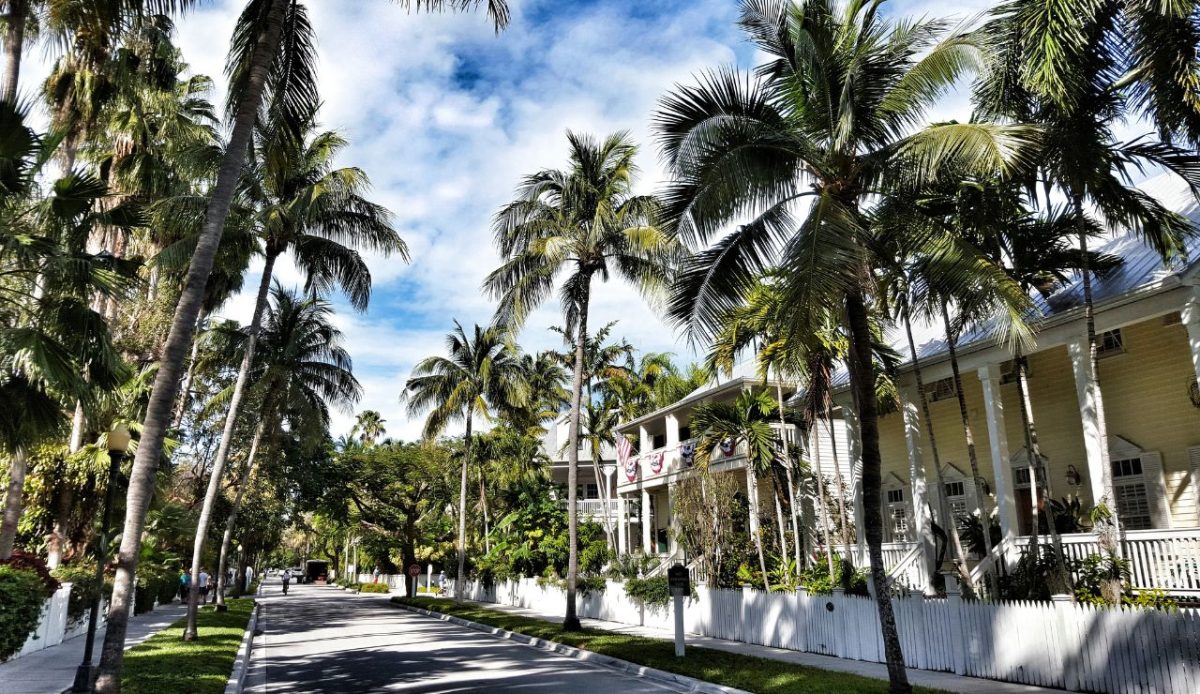
The Florida Keys offer a classic American road-trip-to-the-water experience, but they face competition from international island chains built around reef time and water sports.
Belize and parts of the Caribbean often lure divers and snorkelers with clearer reef access, marine reserves, and guided boat trips that run daily, plus resort zones designed for staying put rather than driving from stop to stop.
For some travelers, the choice comes down to logistics and variety. When a destination makes it easy to book a single base with boats, beaches, and dining within walking distance, the vacation can feel smoother than a multi-key itinerary overall.
7. Yellowstone National Park, Wyoming

Yellowstone’s geysers and wildlife are still a once-in-a-lifetime pull, but some travelers compare it with international “dramatic landscape” trips that feel easier to stitch together.
Iceland competes by putting headline sights, waterfalls, geothermal pools, and black-sand beaches on a single ring-road itinerary with strong tour infrastructure and plenty of small-town stops. Shoulder seasons also entice visitors chasing fewer crowds and, in winter, a chance at auroras.
The difference is how the trip flows. When lodging clusters and driving legs are predictable, visitors can plan a week without fighting for scarce rooms months ahead, which can be a hurdle around peak Yellowstone seasons.
8. Las Vegas, Nevada

Las Vegas remains the U.S. capital of big shows and casino resorts, but it now competes with newer global “spectacle cities” designed to feel like theme parks for adults.
Dubai and Singapore offer headline architecture, shopping, and curated attractions that bundle into resort districts, with frequent new openings that keep repeat travelers curious. Many itineraries also add beach time or day trips without changing hotels.
International rivals market convenience: integrated transport from airport to hotel zones, dining scenes that span street stalls to tasting menus, and experiences beyond gambling. For visitors who want a polished, all-in-one plan, that breadth can rival a Vegas weekend.
9. Charleston, South Carolina
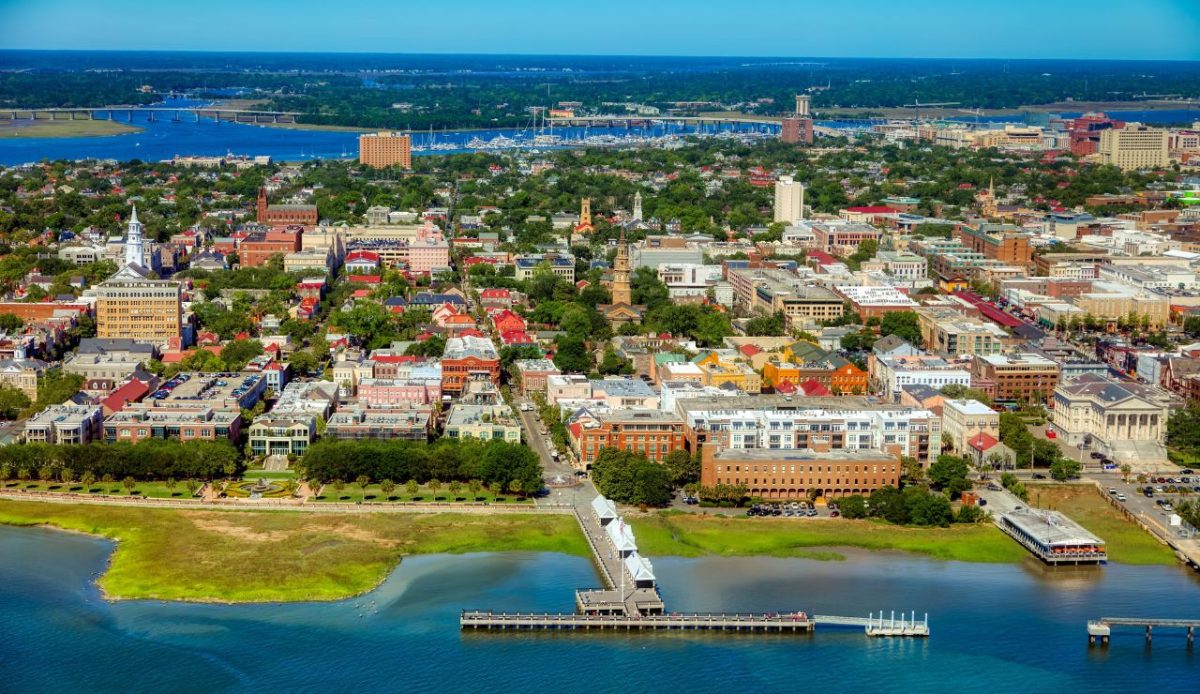
Charleston’s historic district, coastal scenery, and food culture keep it popular, but some travelers compare it with overseas cities where old-world streetscapes come with bigger scale.
Lisbon and Porto compete with riverfront walks, tiled architecture, viewpoints, and day trips to beaches or wine areas, often paired with hotels and transit that fit a wide range of budgets. Seafood-forward dining is also a shared draw.
The international pull is concentrated. When multiple UNESCO-style neighborhoods, markets, and museums sit close together, visitors can fill days without a car, while also adding a second city easily, turning one getaway into a two-stop trip.
10. San Diego, California

San Diego blends beaches, mild weather, and a laid-back food scene, yet it faces competition from international coasts where seaside towns stack up along a single route.
Portugal’s Algarve and Spain’s Costa del Sol offer cliff walks, historic centers, and beach-hopping by train or short drives, with plenty of midrange lodging that keeps longer stays attainable. Day trips to inland villages and markets add variety without extra planning.
Overseas, travelers often like the “string of stops” format: spend two nights in one town, then move on without a long reset. That creates a sense of progression that a single-base trip, however pleasant, doesn’t always match.
