
Tourist areas depend on water and waste rules that limit what can leave a site and reach beaches, lakes, or aquifers. When a permit condition is violated, regulators can issue penalties tied to the event, the statute, and the responsible operator.
Fines often follow sewage releases, untreated discharges, stormwater runoff with metals, or illegal cesspools at high-traffic facilities. Orders can also require new controls, sampling, and compliance reporting that change how utilities, marinas, and resorts operate.
The cases below list U.S. destinations where a specific monetary penalty was imposed. Each section centers on the pathway that triggered enforcement, helping readers separate a short failure from a broader maintenance gap.
1. Port of Galveston Pier 10
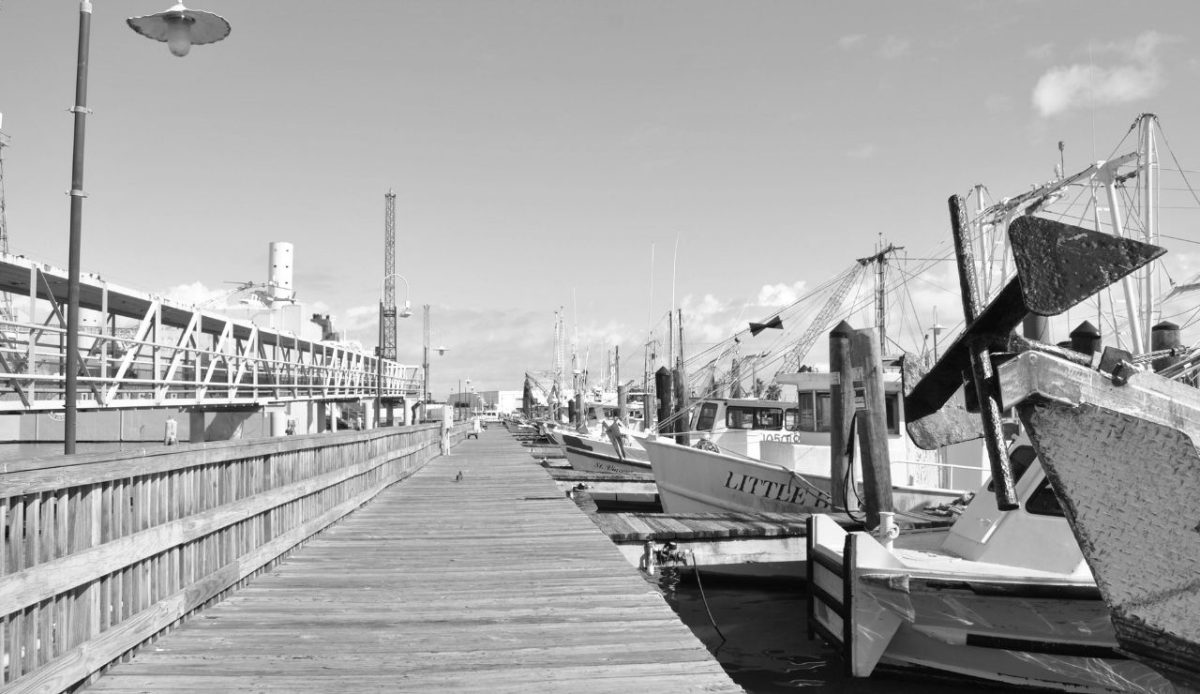
Port of Galveston is a major cruise gateway, so waste is moved from vessels to shore-side handling points under federal waste rules. RCRA requirements cover how hazardous waste is identified, stored, and tracked when it is offloaded into the United States.
EPA reported that an inspection at Pier 10 led to alleged compliance failures connected to notifications and waste management related to multiple ships over several years. The enforcement focused on paperwork and handling controls that are meant to prevent mismanaged materials from reaching the environment.
In October 2024, the EPA announced Royal Caribbean Cruises Ltd would pay a $473,685 civil penalty and implement compliance measures tied to the alleged violations.
2. Newport Bay Boat Yards
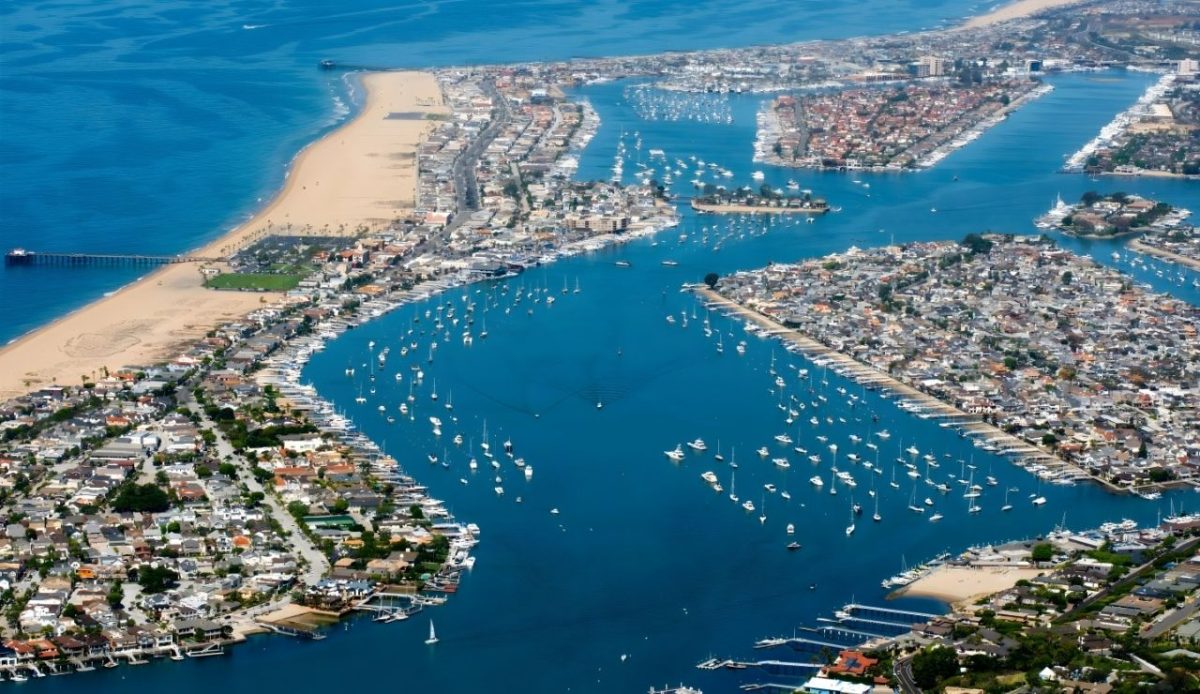
Newport Bay supports marinas, boat repair, and waterfront recreation in Newport Beach. Industrial stormwater permits under the Clean Water Act require pollution controls so that runoff from sanding, painting, and yard work does not carry metals and debris into tidal waters.
EPA inspections found permit and documentation problems at two boat yard facilities near the bay. The issue was not ordinary rain, but polluted runoff leaving an industrial site without required preventive measures, monitoring, and recordkeeping tied to the facility’s stormwater plan.
In February 2021, the EPA announced settlements requiring Basin Marine to pay $142,224 and Balboa Boatyard to pay $59,908, totaling $202,132.
3. Bogus Basin Ski Area

Bogus Basin is a ski area near Boise where grading and construction can mobilize sediment. Under Clean Water Act construction stormwater rules, operators must obtain permit coverage and install erosion and sediment controls that keep disturbed soil from reaching creeks.
EPA alleged that the required stormwater permit steps were not met during work at the resort. The enforcement centered on missing or incomplete controls and documentation that show how runoff is managed during storms, especially when snowmelt and rain can accelerate flows.
In July 2020, the EPA announced a settlement with Bogus Basin Recreational Association that included a $52,680 penalty under an expedited agreement process.
4. Carnelian Bay Lake Tahoe Beaches
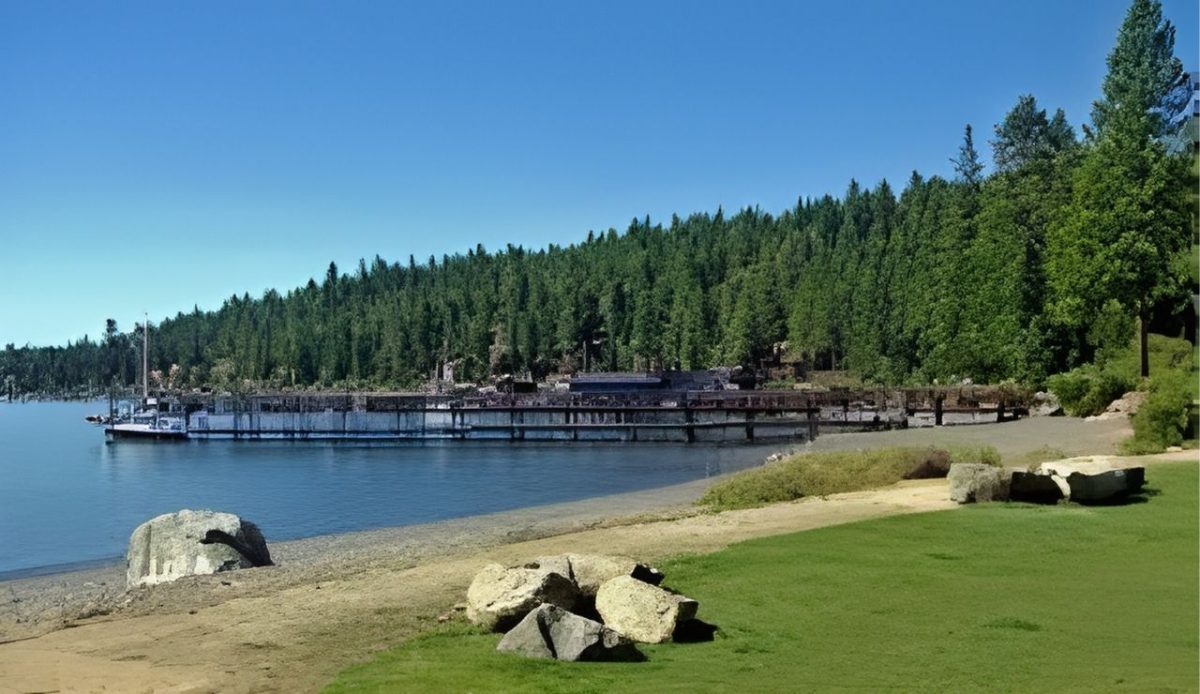
Carnelian Bay sits on Lake Tahoe’s north shore, where beaches draw summer visitors. A sewer force main rupture can move untreated sewage directly toward nearshore water used for swimming, which triggers water quality enforcement and public health advisories.
Lahontan Water Board described a July 2024 incident where a subcontractor punctured a sewer main during road work, leading to a large sewage release and beach closures. The penalty reflected volume, closure duration, and potential harm to beneficial uses of the lake.
In August 2025, the Lahontan Water Board announced a finalized $850,000 settlement involving Caltrans and the North Tahoe Public Utility District.
5. Monterey Bay Pacific Grove Outfalls
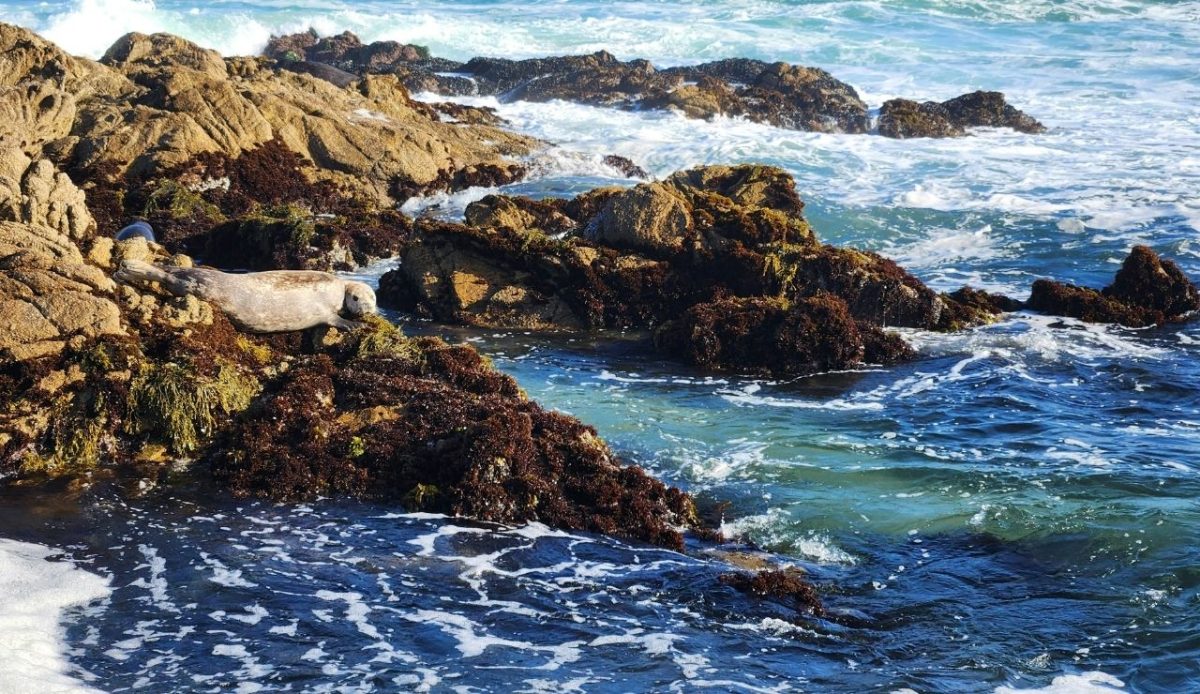
Monterey Bay tourism depends on clean coastal water near Pacific Grove and the Monterey Peninsula. Wastewater agencies operate under permits that prohibit unauthorized releases of untreated sewage to the bay or ocean, even when the cause is equipment failure at a plant or pump station.
The Central Coast Water Board lists an administrative civil liability order against Monterey One Water for three unauthorized discharges tied to incidents in 2017, 2018, and 2019. The order also relied on reporting and corrective actions designed to prevent repeat events.
The listed liability amount is $800,000, with most of it structured around a supplemental project to reduce future sewer failures.
6. Santa Cruz County Beach Sewer System
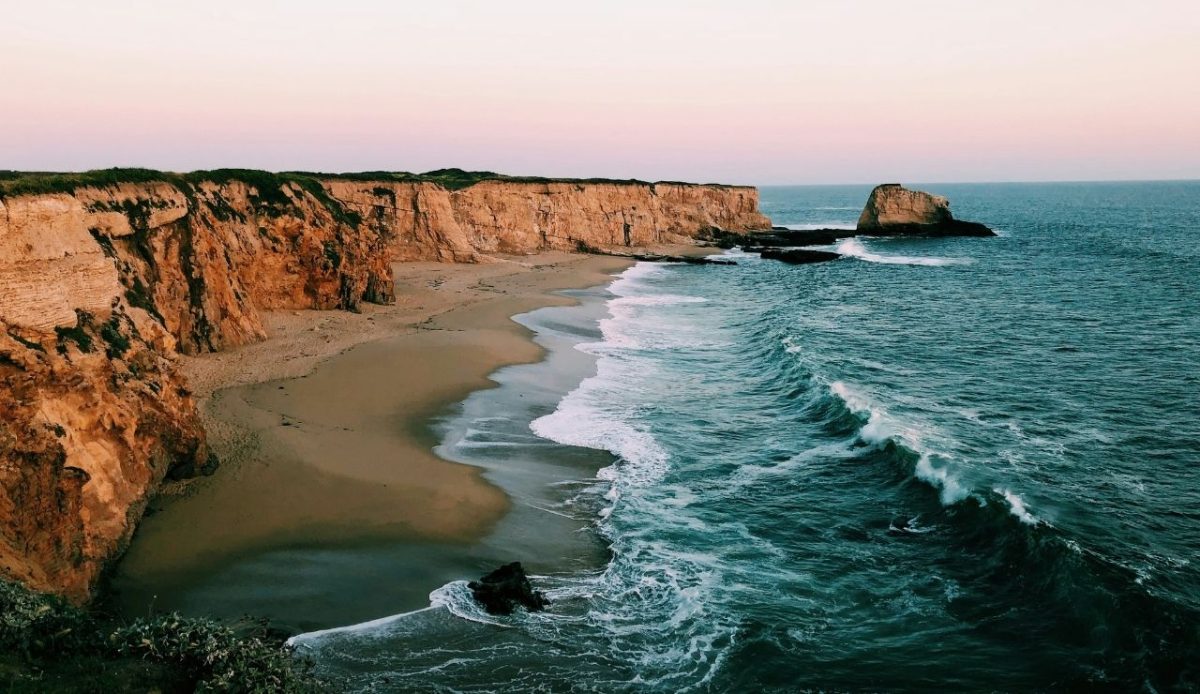
Santa Cruz County beaches are a core draw, and wastewater conveyance failures can close access quickly. Sanitary sewer systems are regulated under statewide requirements that prohibit overflows to streets, storm drains, or surface waters without immediate containment and reporting.
A Central Coast Water Board settlement document addressed multiple overflow events tied to the Santa Cruz County Sanitation District, including spills connected to wet weather conditions and system capacity limits. The enforcement set a monetary liability and an enhanced compliance action to reduce future risk.
The parties agreed to resolve the matter for $276,212.22 as an administrative civil liability order by settlement.
7. Cambria Santa Rosa Creek Outflow
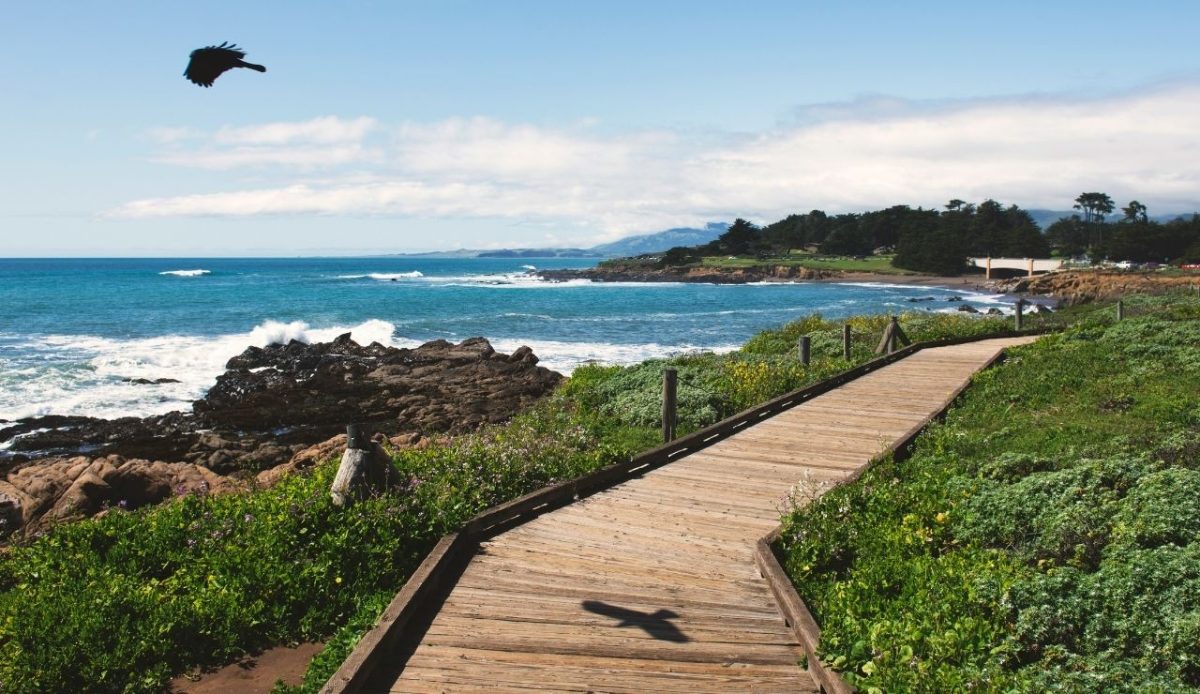
Cambria is a coastal visitor town where creek outlets and beach access can be affected by sewage spills. Overflows from manholes or lift stations can move through storm drains into Santa Rosa Creek and then the Pacific, which triggers enforcement under the state water quality authority.
An administrative civil liability case summary describes three illegal discharges of sewage in 2011 involving the Cambria Community Services District. The analysis weighed discharge volume, cleanup limits, response delays, and the threat to beneficial uses tied to nearshore recreation.
The document states a final settlement amount of $226,826.60, with part linked to an enhanced compliance action project.
8. Honolulu Keehi Lagoon Marine Center
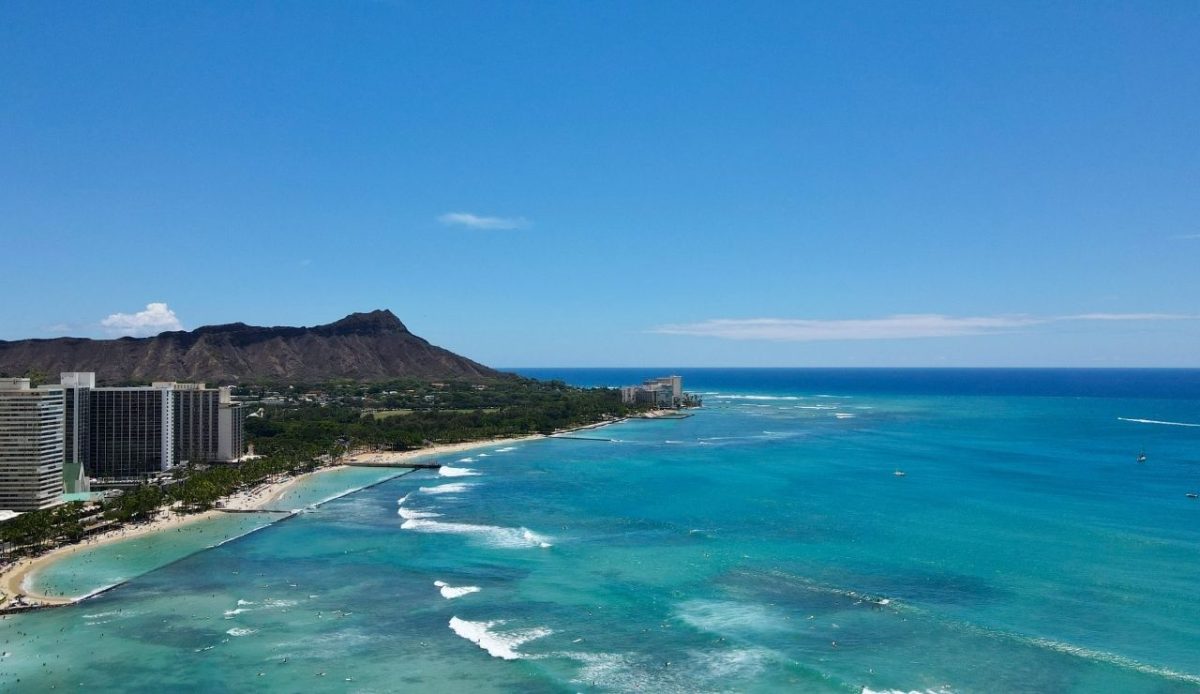
Honolulu’s Keehi Lagoon sits near busy marine service yards used by boaters and visitors. Industrial stormwater permits require controls so that runoff from metal work, storage areas, and vessel maintenance does not carry pollutants into a lagoon connected to sensitive reef ecosystems.
EPA said Keehi Marine discharged contaminants through stormwater runoff and failed to meet Clean Water Act obligations designed to reduce metals such as lead, zinc, and copper. The settlement focused on preventive measures and ongoing maintenance of a stormwater pollution control plan.
In January 2021, the EPA announced Keehi Marine would pay a $127,821 penalty and maintain measures to limit pollutant runoff to the lagoon.
9. Nukoliʻi Beach Park, Kauai
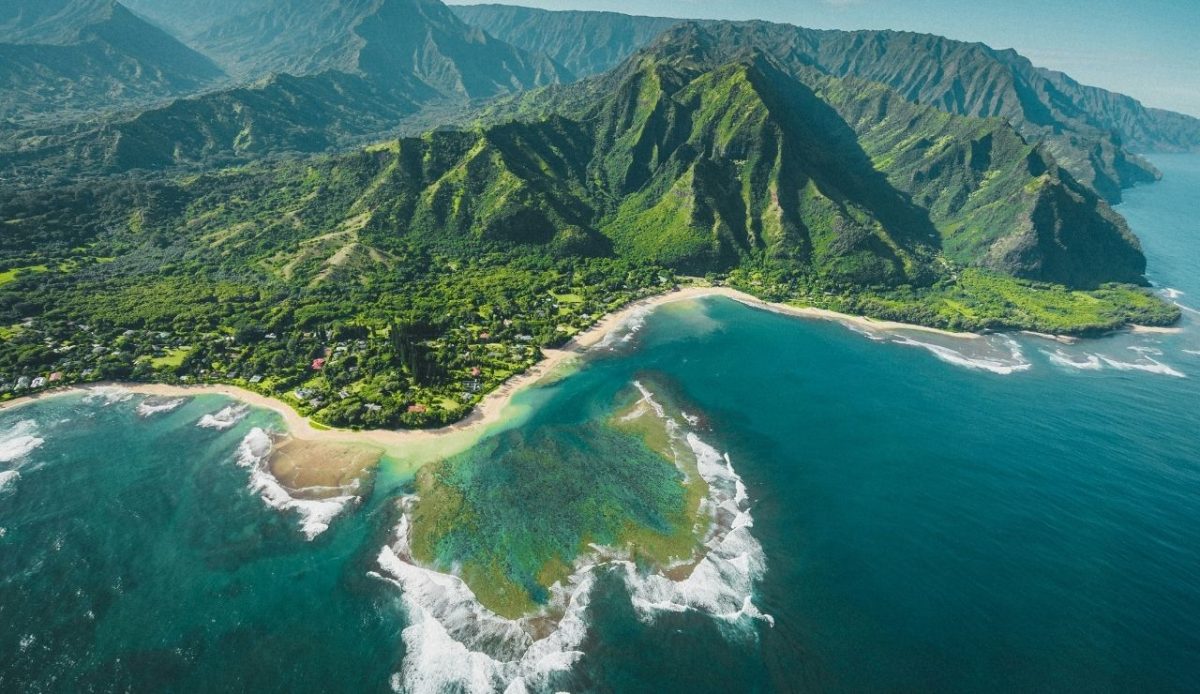
Nukoliʻi Beach Park is a public shoreline stop on Kauai that supports restrooms for day-use visitors. Large capacity cesspools are banned under federal underground injection control rules because untreated sewage can move into groundwater and then to nearshore waters.
EPA inspectors found restrooms at the comfort station discharged to a large-capacity cesspool. The enforcement addressed the risk pathway rather than a visible spill, since cesspools can pollute without obvious surface evidence. Closure and replacement with an approved system were required.
In June 2020, the EPA announced that the Kauai Beach Resort Association agreed to pay a $55,182 penalty and close the cesspool by a set deadline.
10. Miami Beach Government Cut Force Main
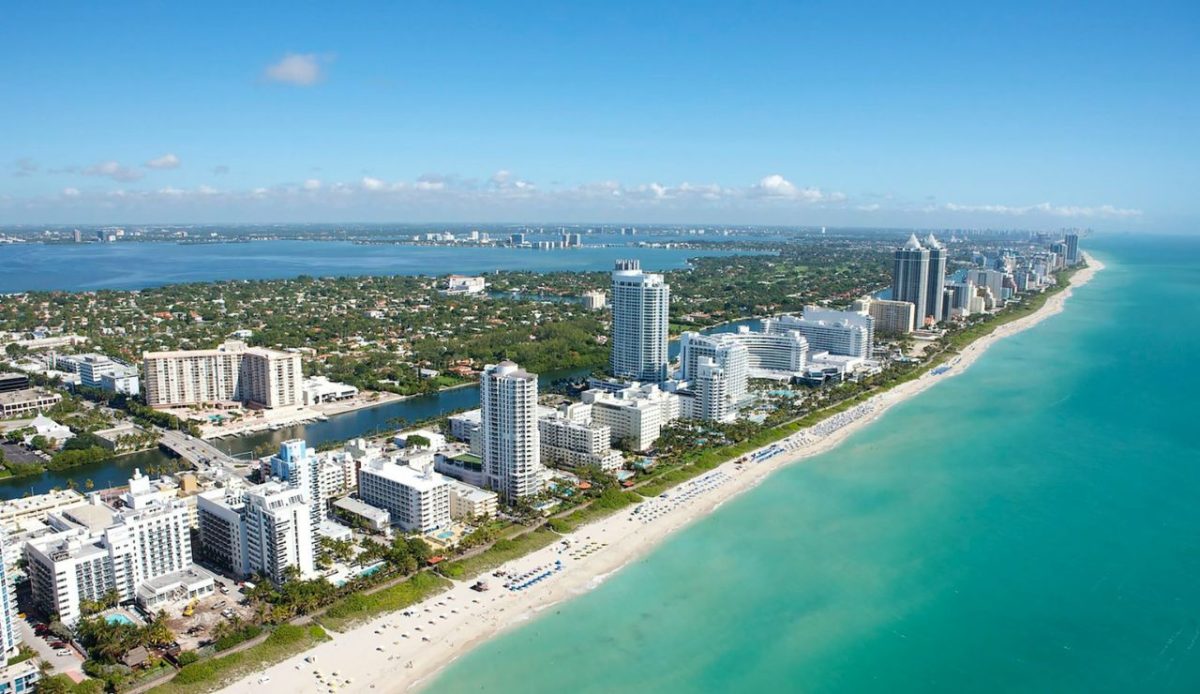
Miami Beach and Biscayne Bay tourism depend on reliable sewer collection and treatment. When sanitary sewer overflows reach navigable waters, they can violate the Clean Water Act because releases are not authorized by permits and can carry pathogens and oxygen-demanding waste.
EPA described widespread overflows reported between 2007 and 2012, plus permit limit and maintenance issues at Miami-Dade wastewater treatment works. The consent decree required major repairs to plants and sewer lines, including attention to a large force main under Government Cut.
In June 2013, the EPA stated Miami-Dade agreed to pay a $978,000 civil penalty as part of the settlement.
11. Hana Maui Resort Cesspools
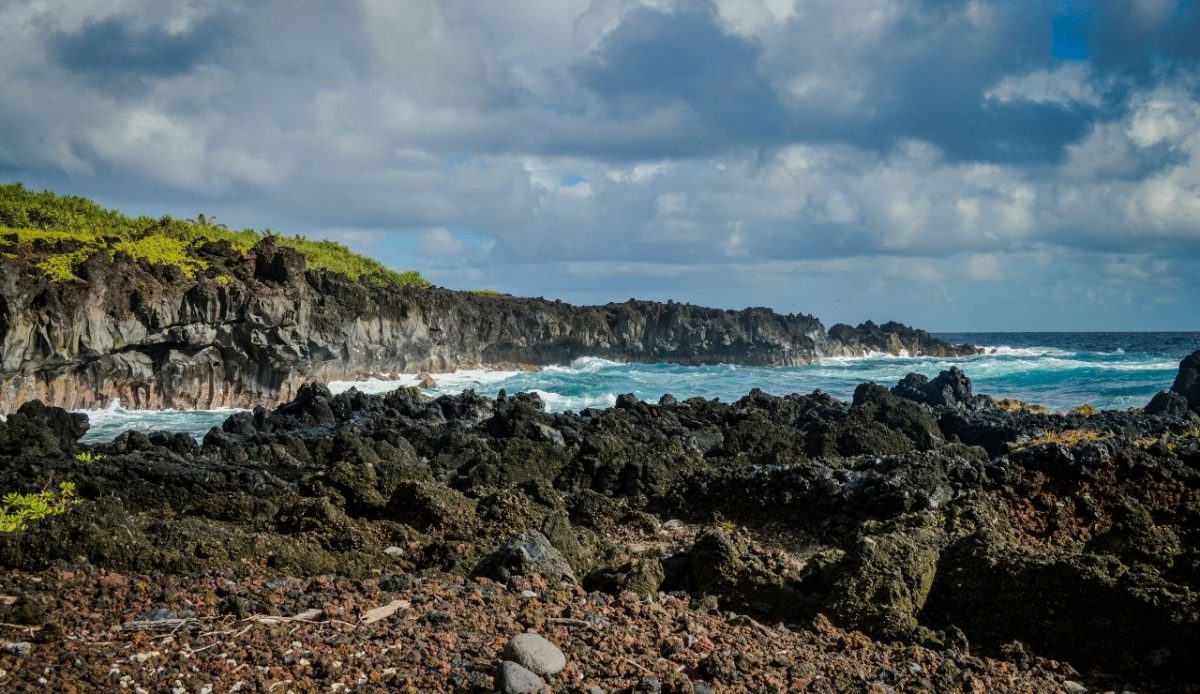
Hana on Maui is a destination where resorts rely on wastewater systems that protect groundwater and coastal waters. Large capacity cesspools serving lodging sites are prohibited because they inject untreated sewage underground, creating a pathway to aquifers and nearshore zones.
EPA completed enforcement actions against several Hawaii operators for failing to close large-capacity cesspools. For a resort, compliance includes documenting closure, installing approved replacements, and meeting deadlines set under underground injection control rules.
In October 2015, the EPA reported that Travaasa Hotel Hana Resort would pay a $187,500 penalty and close remaining large capacity cesspools within a defined timeframe.
12. Oahu North Shore Lodging Cesspools
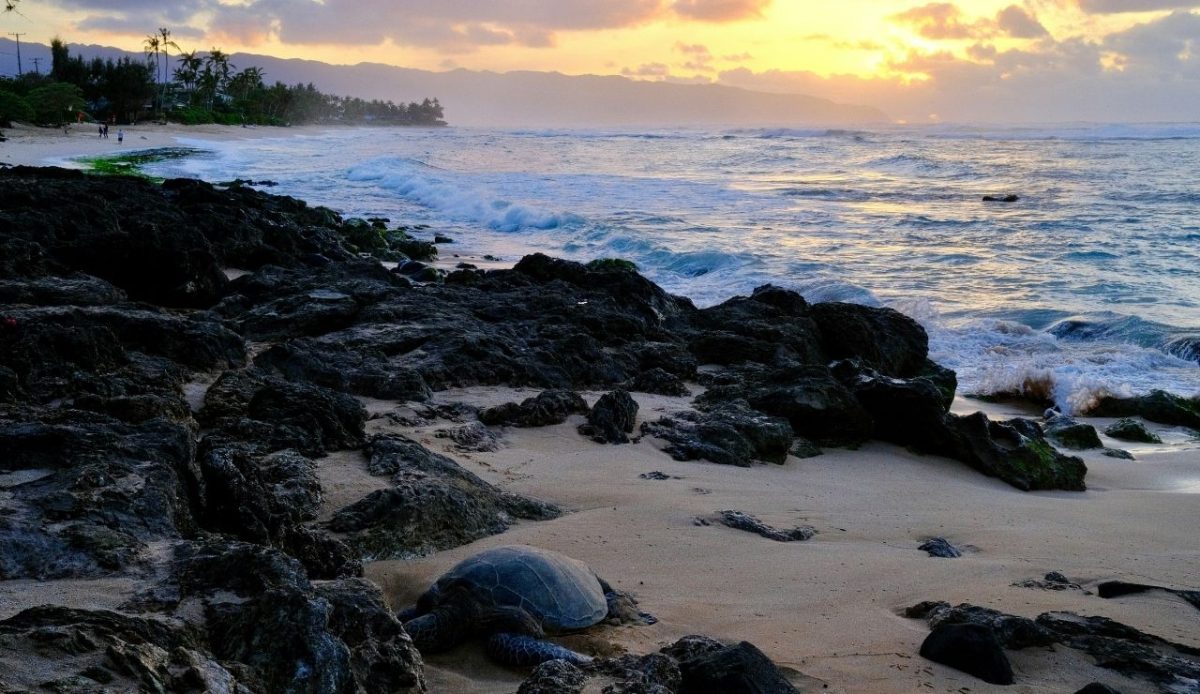
Oahu’s North Shore draws surfers and seasonal crowds, and visitor lodging can strain older wastewater setups. Large capacity cesspools at commercial properties are regulated because they can discharge untreated sewage below ground, where it can migrate toward streams and the ocean.
EPA noted that Vacation Inns International, also known as Backpackers Hawaii Vacation Inn, operated multiple cesspools that were required to be closed under the federal ban. The enforcement required replacement with state-approved systems and clear proof of closure to meet the rule.
In October 2015, the EPA stated Vacation Inns International would pay a $40,000 penalty tied to the cesspool closure action.
