
Property taxes shape vacation prices even when travelers never see the bill. In places built on second homes and short-term rentals, town budgets lean on property assessments to pay for roads, water systems, and emergency services.
When tax burdens rise on non-primary residences, owners often raise nightly rates or limit rental dates to protect cash flow. That reduces available beds during peak weeks and makes nearby alternatives look cheaper.
This article focuses on towns where recent policy changes shift more property tax costs onto seasonal housing. The common pathway is higher carrying costs that push up lodging prices and can deter repeat visitors.
1. West Tisbury, Massachusetts
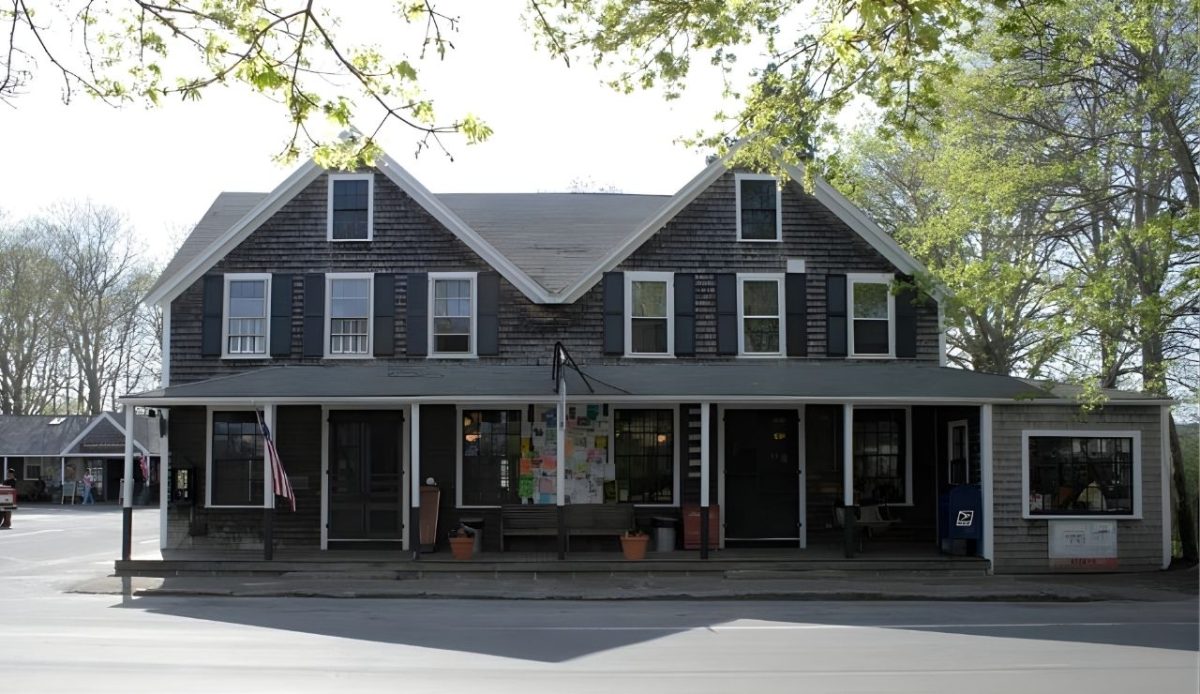
West Tisbury set a 30 percent residential tax exemption for fiscal 2026, lowering taxable value for principal residences and shifting more of the levy onto homes that do not qualify. The taxable base shrinks, so the rate rises for the remaining parcels.
Because many houses are seasonal, the shift concentrates higher bills on second homes that often provide weekly rentals. Owners may raise rates or cut open dates to keep net income stable during peak weeks.
Visitors experience the change as fewer midrange options and higher summer rates. When lodging rises faster than nearby Cape towns, some families shorten stays or switch to day trips more often.
2. Nantucket, Massachusetts
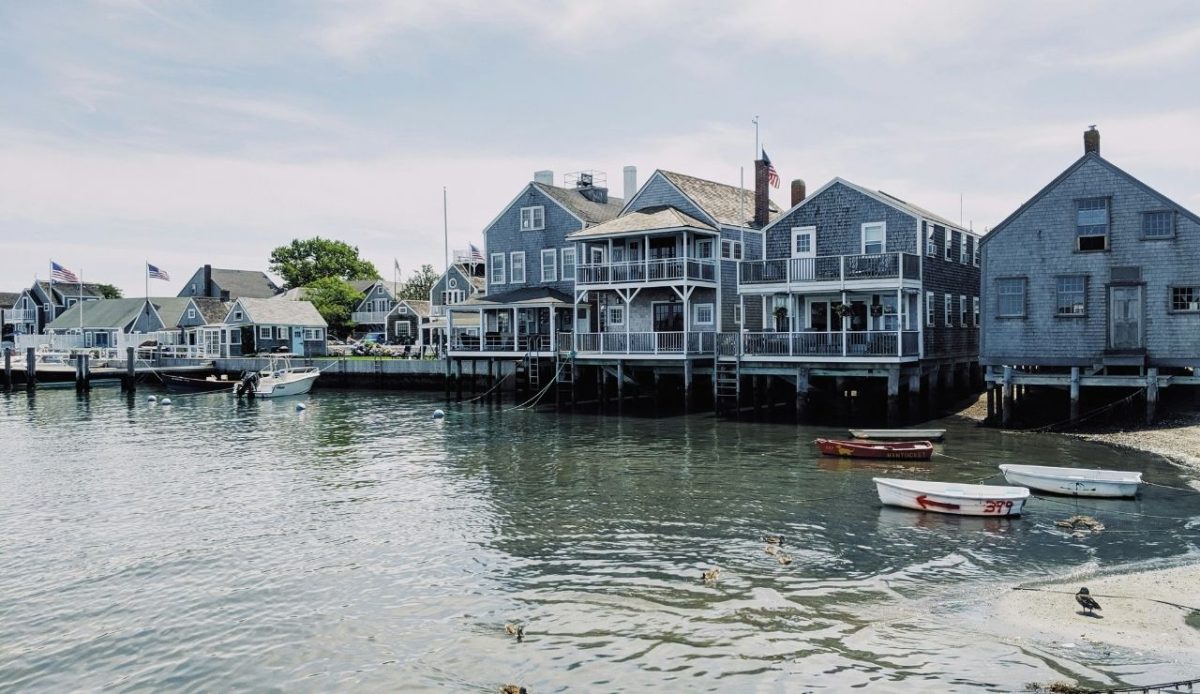
Nantucket uses a residential tax exemption that reduces taxable value for qualified year-round homes and shifts more of the residential levy onto non-qualifying properties, which include many vacation houses. The exemption is recalculated each fiscal year.
Even with a modest tax rate per thousand, very high assessed values, and the shifted burden, it can produce large annual bills. Owners who rent to visitors may increase weekly pricing to cover taxes and municipal services.
Travelers then see fewer discounts in shoulder season and higher minimum stay totals. When similar beaches exist nearby, price-sensitive visitors can choose Cape Cod or the North Shore instead.
3. Provincetown, Massachusetts

Provincetown applies a residential tax exemption that reduces taxable value for principal residences and increases the share carried by homes that do not qualify as a primary domicile. The exemption is based on the town’s average residential value.
In a market with heavy seasonal occupancy, that design raises annual costs on second homes and investor-held units that supply visitor beds. Operators may respond with higher nightly pricing or stricter minimum stay rules.
Visitors can feel it as higher weekend rates and fewer last-minute openings during events. When totals rise beyond nearby options, repeat travelers may shift to other Outer Cape towns.
4. Newport, Rhode Island
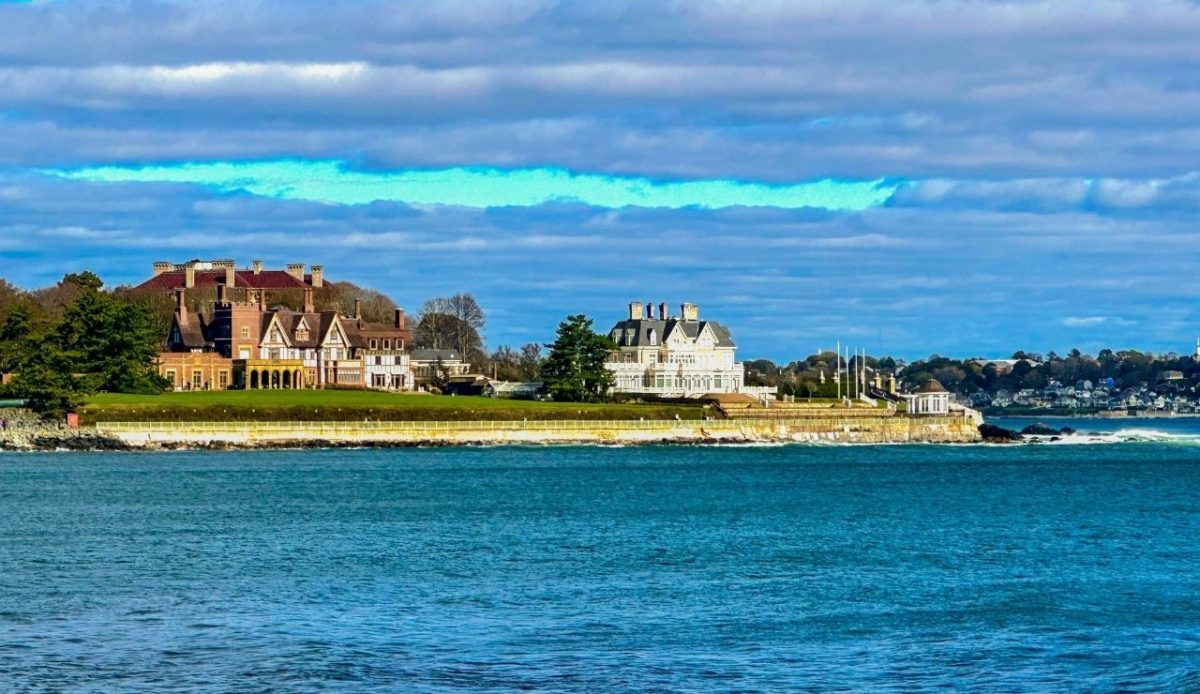
Newport is affected by Rhode Island’s non-owner-occupied property tax surcharge on homes assessed at one million dollars or more when the property is not used as a primary residence for at least 183 days. The surcharge begins July 1, 2026.
The rate is $2.50 per $500 of assessed value above the first million, creating a recurring annual cost for many high-value second homes. Owners who rent may price the surcharge into weekly rates and cleaning fees to offset added liability.
As top-end rentals climb, mid-market visitors can be pushed outward into cheaper lodging inland. More day trips follow, and overnight spending that supports local restaurants and shops can soften.
5. Jamestown, Rhode Island

Jamestown falls under the same Rhode Island surcharge on high-value non-owner-occupied homes that are not primary residences for at least 183 days. For qualifying properties above one million assessed value, the added charge starts July 1, 2026.
Seasonal waterfront homes and large cottages often drive the local rental market. A recurring surcharge changes the annual cost base, and owners may react by raising summer rates or limiting rentals to peak weeks.
Visitors still arrive, but the length of stay is sensitive to lodging totals. When weekly costs rise while fuel and food remain high, travelers may choose Narragansett Bay day trips without paying overnight rates.
6. New Shoreham Block Island, Rhode Island

New Shoreham on Block Island is also within the statewide surcharge on non-owner-occupied homes assessed at one million dollars or more when they are not used as a primary residence for at least 183 days. The charge begins July 1, 2026.
Block Island has a limited housing inventory, and many units are seasonal. When a high-value home qualifies for the surcharge, owners may recover the added cost through higher weekly rents or by concentrating bookings into fewer weeks.
That pattern can reduce affordable overnight options and increase day-only visits. Fewer room nights can weaken off-peak demand and make seasonal businesses more dependent on a short summer window.
7. Narragansett, Rhode Island
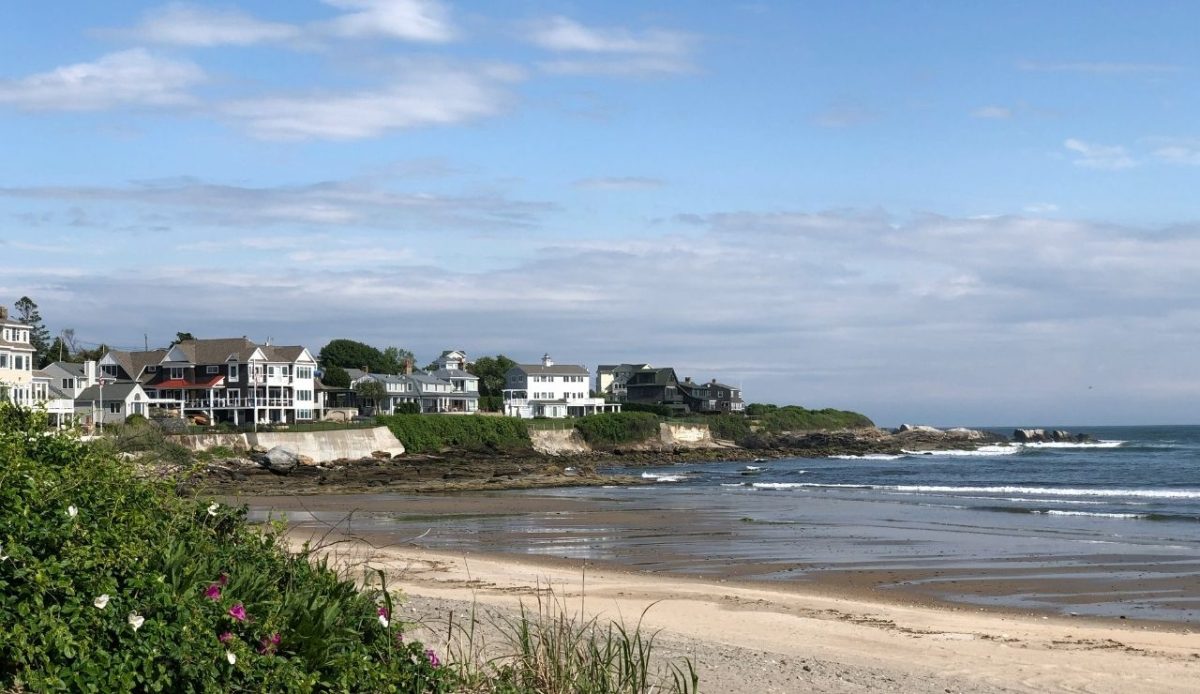
Narragansett is included in Rhode Island’s statewide surcharge on non-owner-occupied residences assessed at one million dollars or more when they are not primary residences for at least 183 days. It starts July 1, 2026, for each qualifying tax year.
Beach area homes that support weekly rentals face another fixed cost layered onto normal property taxes, insurance, and repairs. If owners pass it through, the price of a family week near the shore often rises.
Visitors compare total trip cost across New England beaches. When a week becomes unaffordable, travelers may pivot to the Connecticut shoreline or Cape rentals, where the lodging bill is lower.
8. Whitefish, Montana

Whitefish is impacted by Montana’s 2026 property tax changes that apply a higher flat rate category to second homes and short-term rentals than to primary residences and qualified long-term rentals. State guidance lists second homes and short-term rentals in that higher category.
In a resort market where many visitor beds are in privately owned condos and cabins, higher annual taxes change operating budgets. Owners may raise nightly rates or reduce shoulder season discounts to cover fixed costs.
Visitors then face higher base pricing during ski weeks and summer weekends. When comparable mountain towns offer similar recreation with lower lodging costs, some families change destinations and spend less locally.
9. Big Sky, Montana

Big Sky relies heavily on seasonal housing, and Montana’s 2026 framework places second homes and short-term rentals into a higher tax rate category than primary residences. The policy shifts more of the statewide residential tax load onto resort-style properties.
Because many visitors stay in privately held units, tax increases are treated as part of the cost of providing lodging. Management companies may adjust nightly pricing formulas, minimum stays, and peak season premiums.
Demand is strong, but price sensitivity still shows up for longer trips. When lodging rises alongside lift tickets and rentals, travelers can shorten stays or choose other Rocky Mountain destinations.
10. West Yellowstone, Montana
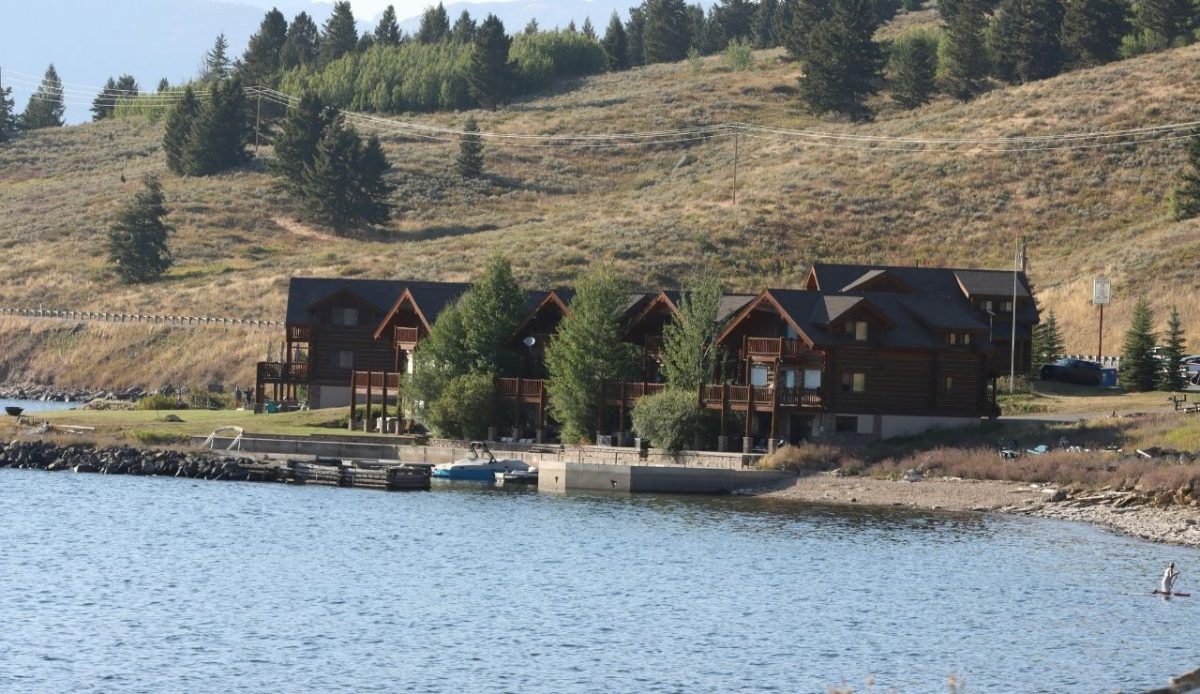
West Yellowstone serves as a gateway to Yellowstone National Park, and many visitor-oriented properties are second homes or short-term rentals. Under Montana’s 2026 rules, those uses fall into a higher property tax rate category than primary residences.
As annual tax bills rise, owners of cabins and rental homes may raise nightly charges or reduce discounting in spring and fall. Some may shift units to longer leases to qualify for long-term rental treatment.
Travelers can lodge in several nearby towns, so demand shifts quickly with price. If West Yellowstone becomes costlier, visitors may stay farther out and commute, reducing local lodging and dining revenue.
