
Some U.S. destinations in 2026 feel physically maxed out, not just busy. More lodging has been added, even though streets and public spaces were already tight. That shift can change how a trip works, from noise rules to curb access.
Overbuilt here means room growth, taller projects, or resort expansions that raise built intensity in the visitor core. The signal is strongest when it shows up in official approvals, market pipeline totals, or local limits on new hotels.
The places below are popular, yet the main issue is the addition of structures in constrained areas. Travelers may notice longer vehicle queues, fewer open lots, and more construction staging near attractions. Costs can rise when land is scarce, and services must be scaled up.
1. New York City, New York
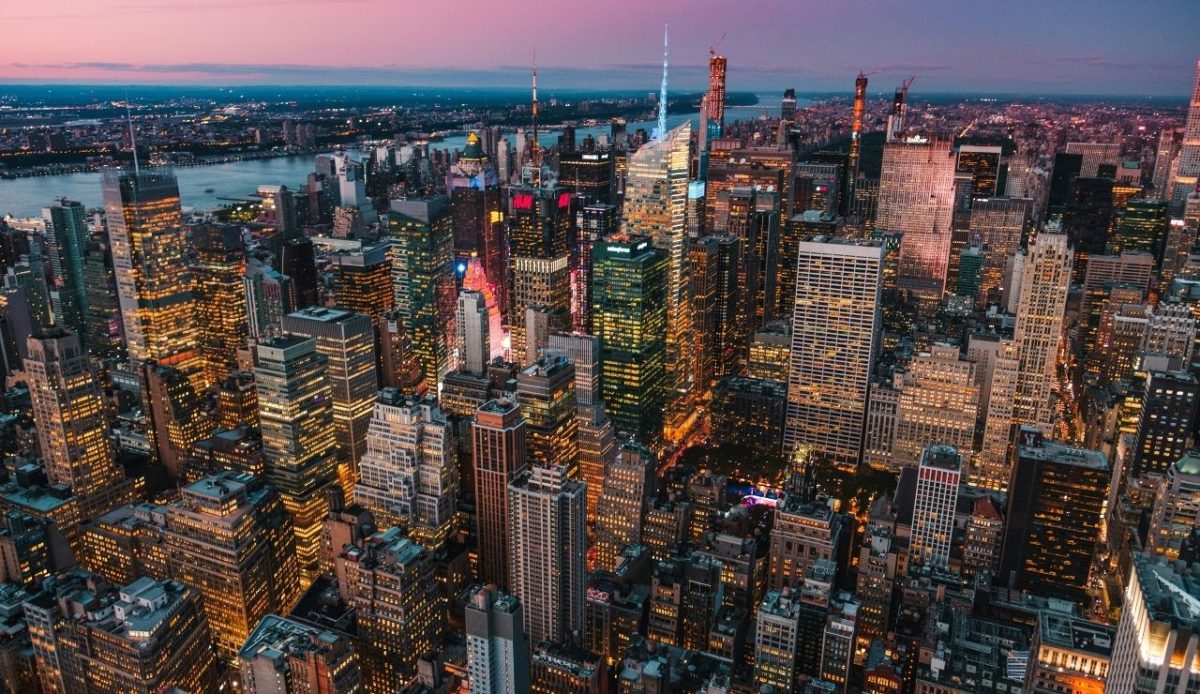
New York City is projected to open about 4,852 hotel rooms during 2026, the highest total among U.S. markets. Openings concentrate in Manhattan corridors where towers already dominate. When many projects finish in the same year, the lodging footprint rises at once.
Visitors feel it through tighter curb space and more back-of-house traffic. Bus staging, deliveries, and rideshare pickups compete with local loading needs. Sidewalk flow can be constrained near theaters and hubs.
This is not a story about crowding alone. Even on slower weeks, the city runs with more keys, more lobby frontages, and more service doors. That density can reduce breathing room for a typical stay.
2. Phoenix, Arizona
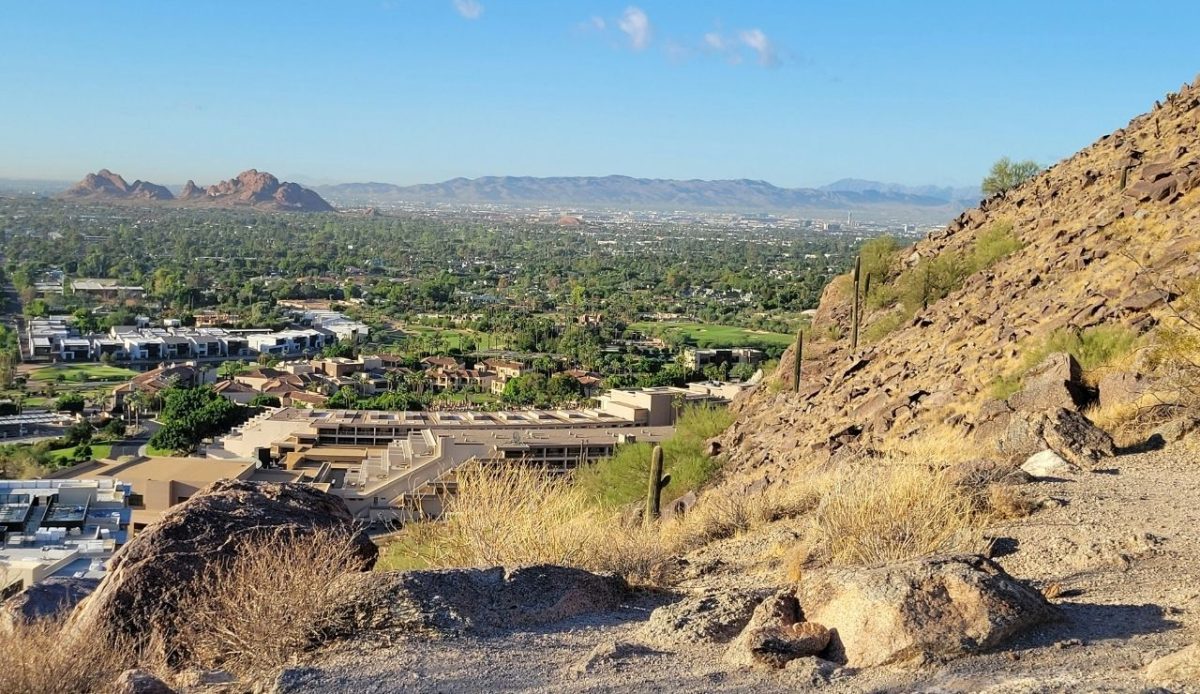
Phoenix is projected to add about 3,650 hotel rooms in 2026, placing it near the top for new supply. Much of the delivery is tied to downtown blocks near the convention center and sports venues. New mid-rise and high-rise buildings increase the built intensity of a small core.
For travelers, operations shift as more rooms come online. Valet lanes, shuttle zones, and service docks multiply, and traffic patterns get rerouted. Parking demand is pushed into garages that already serve events.
The city is often perceived as spread out, so the concentrated buildout stands out. More lodging within a few streets can make the area feel less flexible to navigate on foot or by car. A dense hospitality cluster is being locked in.
3. Dallas, Texas
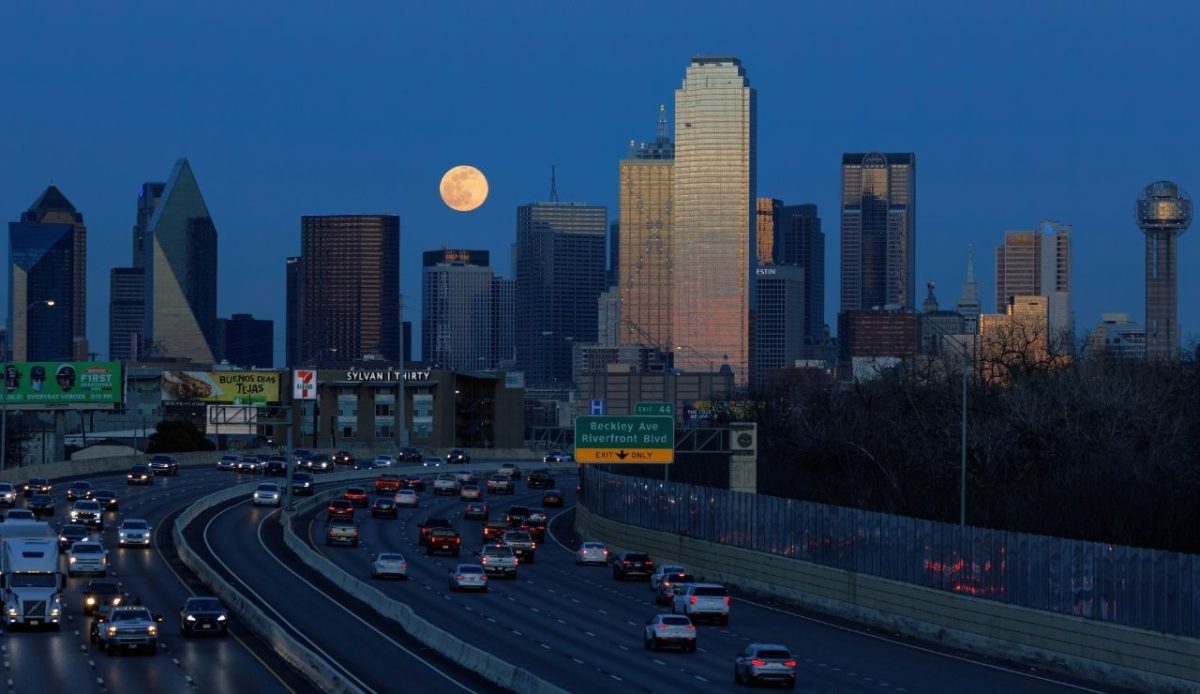
Dallas is projected to open about 3,558 hotel rooms in 2026, a large one-year increase for its visitor districts. New projects are not spread evenly across the metro. They cluster near downtown, the convention area, and major redevelopment nodes.
That clustering changes how a trip feels in the core. More towers bring more drop-offs, more delivery schedules, and more demand on limited curb frontage. Street-level retail is often pulled into hotel podium space.
Dallas will still offer wide highways and dispersed neighborhoods. Yet the zones that most visitors use can feel built up and tightly managed. Construction cycles add friction, and the built footprint remains after they end.
4. Orlando, Florida
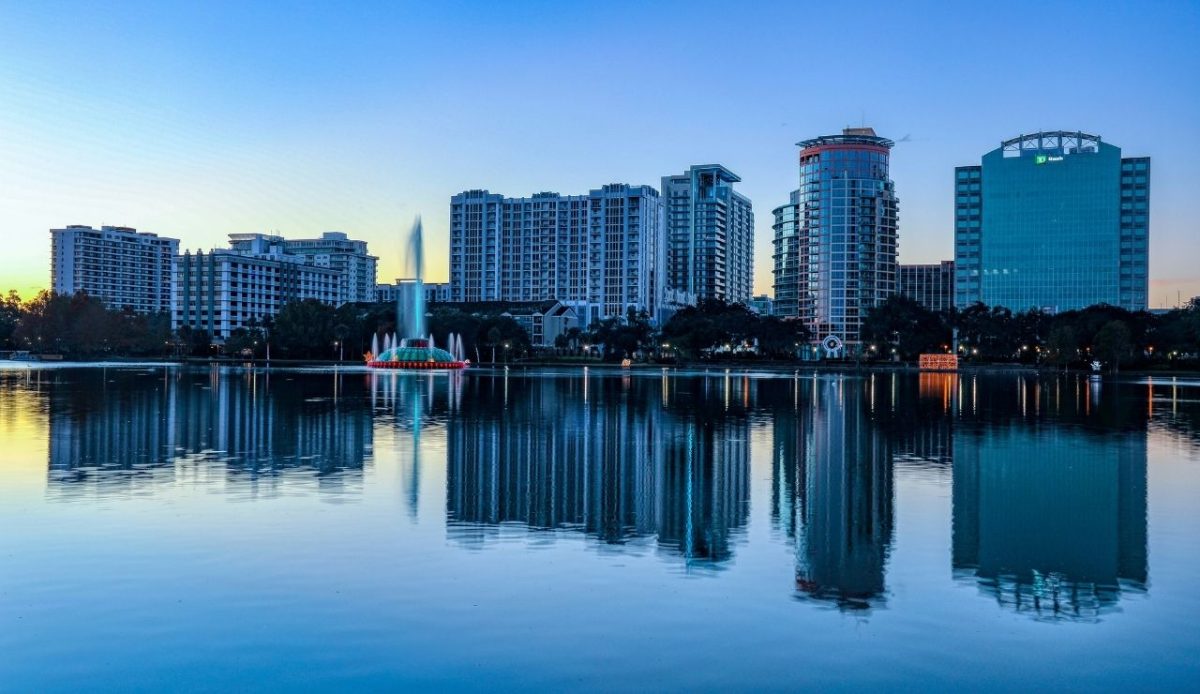
Orlando is projected to open about 1,988 hotel rooms in 2026, reinforcing a corridor already heavily developed for tourism. New supply tends to land near International Drive and theme park access routes. Large properties often arrive with parking decks and on-site retail.
For visitors, the built environment becomes more continuous. Hotel frontage replaces remaining low-use parcels, while access roads are re-striped. Service traffic grows because large resorts require constant restocking.
The result is a destination that can feel engineered rather than varied. Even short drives pass long runs of similar buildings and signage. It can be efficient, yet the open space between attractions is reduced.
5. Miami, Florida
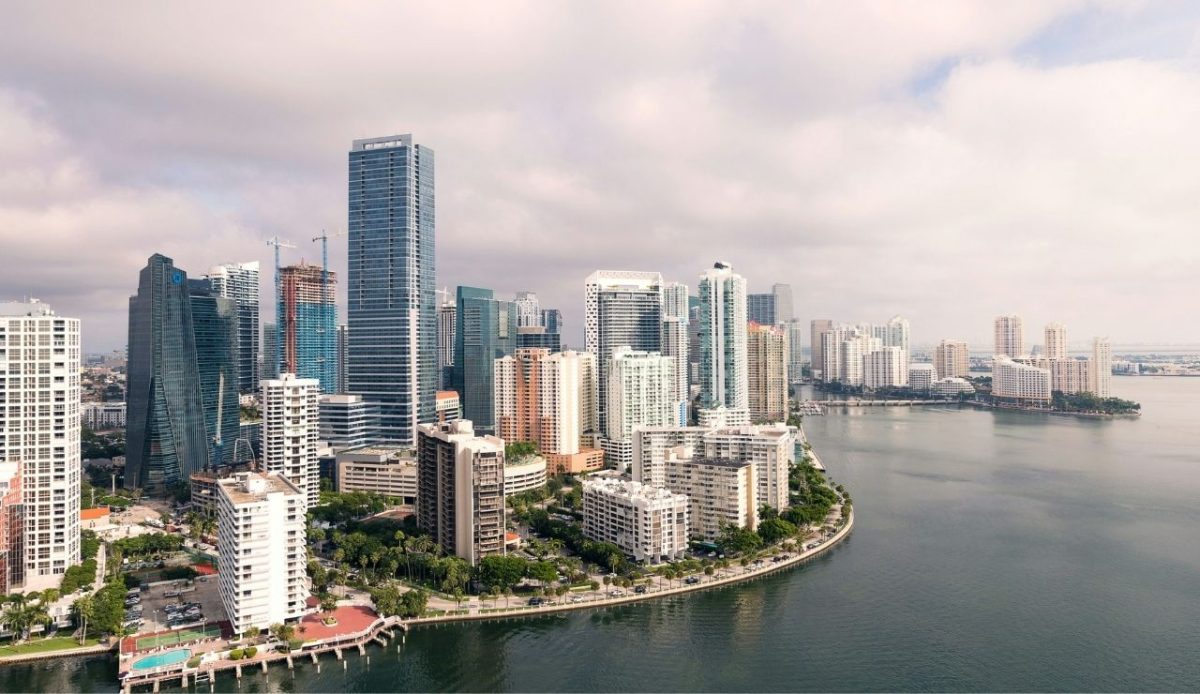
Miami is projected to open about 1,954 hotel rooms in 2026, adding capacity to a market where coastal land is limited. New lodging is often delivered as vertical projects in mixed-use districts. That pattern increases built intensity along key visitor routes.
Travelers can be affected by more construction edges and more managed access. Curb rules tighten as pickup demand rises, and service vehicles cycle through narrow streets. Noise controls may be enforced more strictly near hotel clusters.
Even if new rooms are split across neighborhoods, the footprint is cumulative. More towers mean less separation between buildings and fewer open lots. The city can feel more fully built in its main visitor zones.
6. Miami Beach, Florida
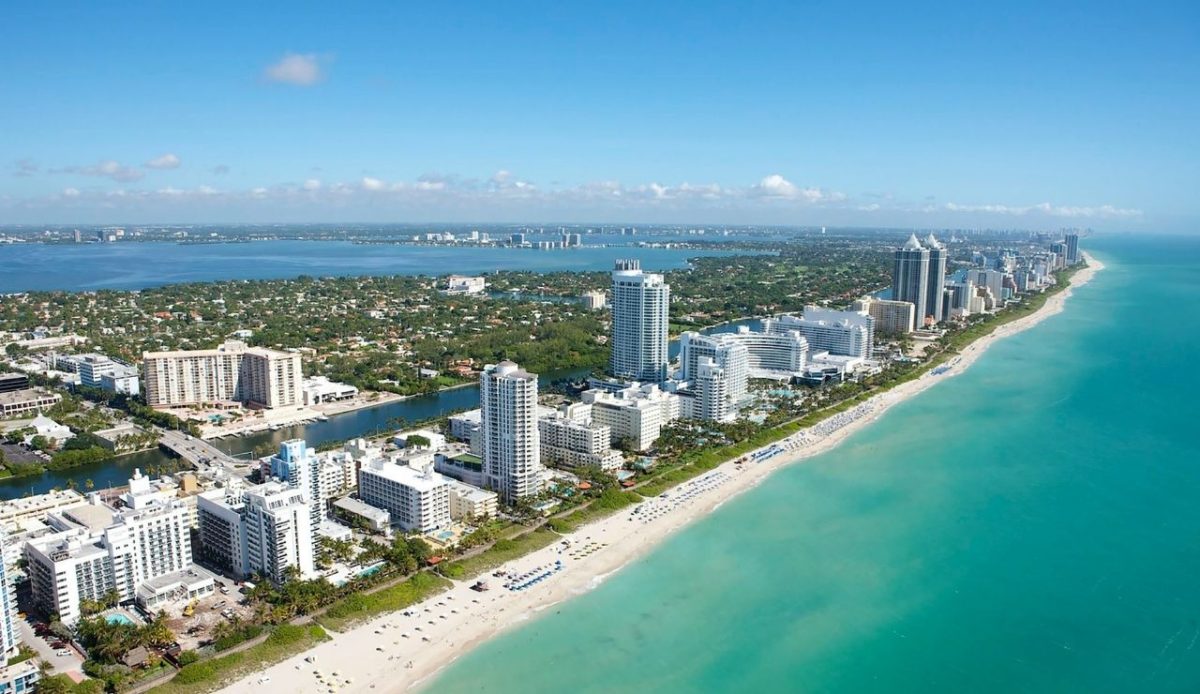
Miami Beach revised its hotel approval procedure so that many hotel uses require a City Commission warrant before moving forward. That extra step signals concern about adding more lodging within a small barrier island footprint.
For visitors, South Beach already runs on tight geometry. Hotels, dining, and nightlife share narrow streets, and deliveries are scheduled into short windows. Public access points are limited by adjacent private frontage.
It can feel overbuilt because structures sit close together, and there is little spare land. When more rooms are proposed, infrastructure and housing impacts are debated. A compressed layout shapes how people move and wait.
7. Waikiki, Honolulu, Hawaii
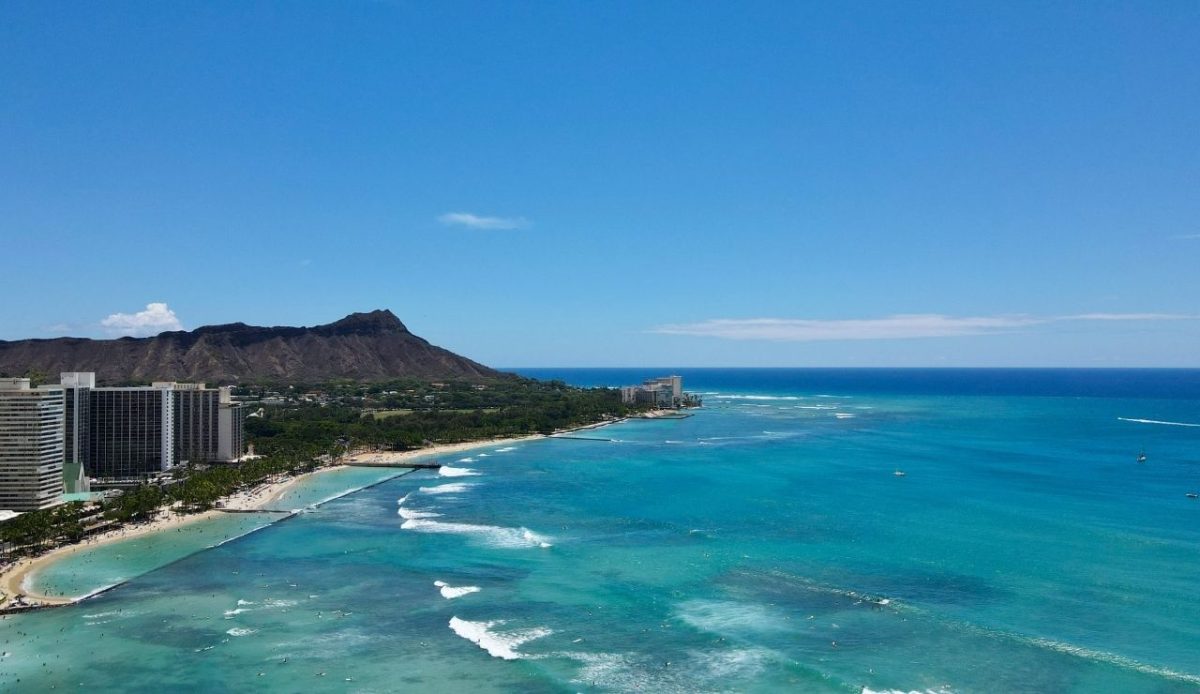
In Waikiki, Honolulu approved a 36-story Hilton Hawaiian Village tower that adds 515 rooms, with construction planned to start in 2026. Adding that many keys in a small beachfront district increases vertical lodging density.
During a build period, visitors are affected by lane closures, staging, and noise limits that are enforced unevenly. After opening, more rooms can raise demand for shuttles, tour pickups, and basic services on already busy blocks.
Waikiki already has intense hotel concentration, so each new high-rise shifts the balance further. Public space is fixed, yet visitor capacity grows. That mismatch can make the district feel structurally saturated.
8. Savannah, Georgia
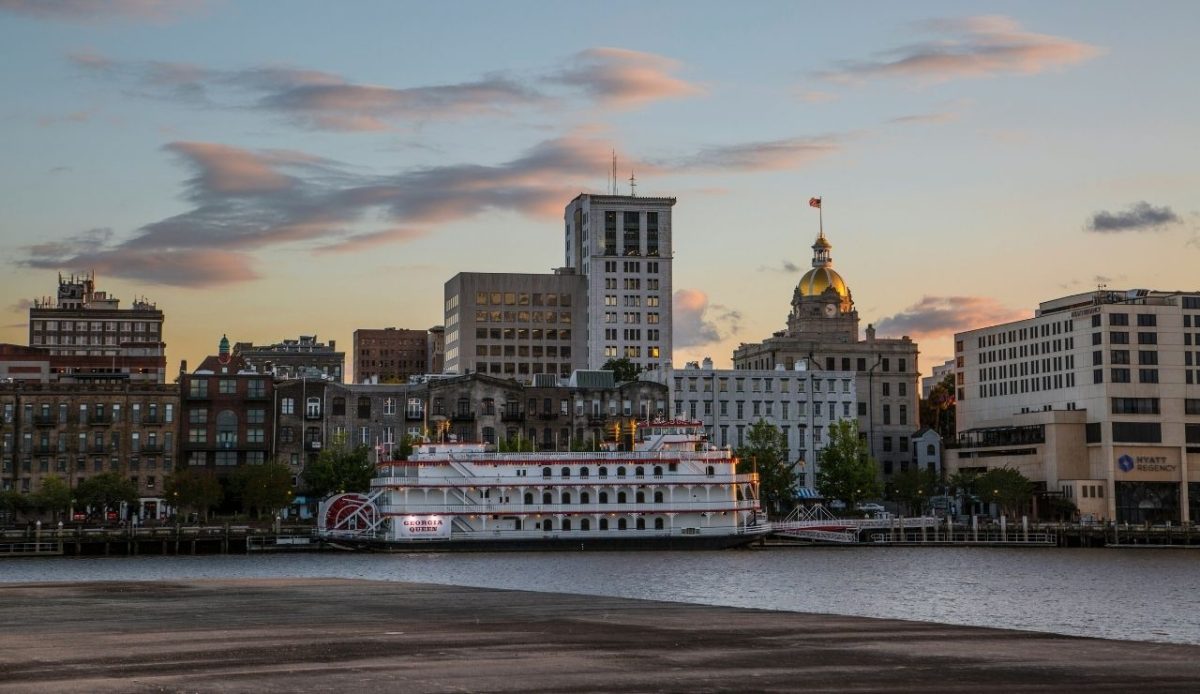
Savannah expanded work on its Hotel Development Overlay after neighborhood groups petitioned over the spread into residential areas. The overlay adds review friction for projects in targeted districts near downtown.
For travelers, the issue shows up as a high share of lodging within a compact grid. Adaptive reuse buildings become hotels, and small parcels are assembled for larger projects. That changes local services, including parking and late-night operations.
It can feel overbuilt when visitor functions replace long-term housing and daily retail. Even without tall towers, density can rise through room conversions and infill. The experience becomes more tourism-centered block by block.
9. Charleston, South Carolina
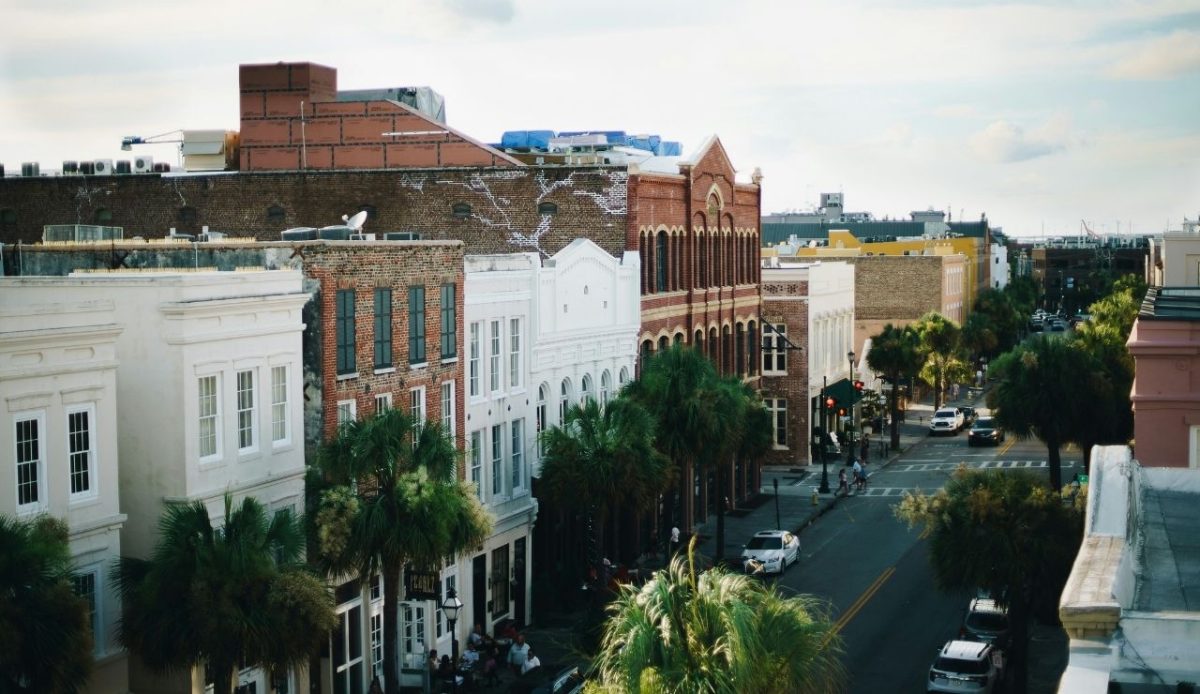
Historic Charleston Foundation reported that the peninsula had 5,167 hotel rooms operating, with 3,650 more already entitled without expanding the overlay. Those totals indicate strong hotel building pressure in a small historic area.
For visitors, the peninsula has limited street width and limited loading space. When more lodging is inserted, service vehicles and tour operations compete with residents. Noise rules and event permits become more common tools for managing impacts.
This can feel overbuilt because the historic fabric was not designed for high-capacity lodging. Room growth concentrates activity in a few corridors. Even when construction ends, the higher baseline volume remains.
10. Jackson, Wyoming
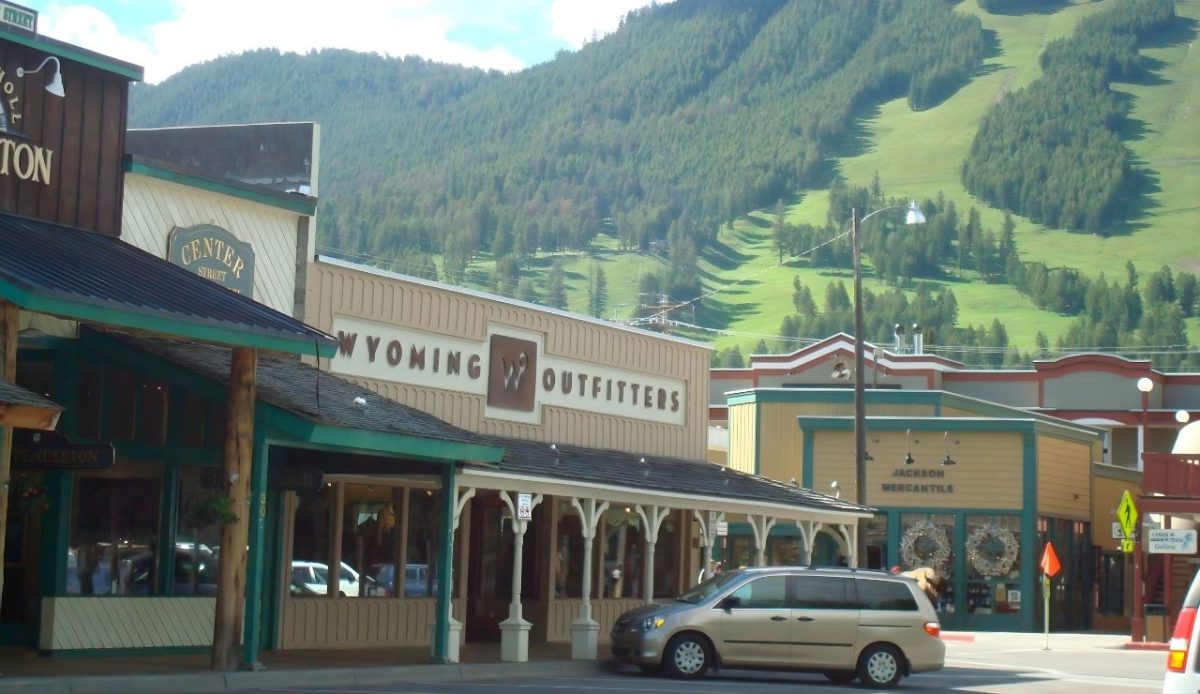
Jackson approved a 244,000 square foot hotel and condo complex, described as the largest ever for the town. Earlier, a temporary moratorium was placed on commercial buildings over 35,000 square feet.
In a small gateway town, a single block-scale project shifts the built pattern. Construction logistics take up scarce frontage, and parking and traffic impacts are felt quickly. Tourists share the same limited core streets as daily errands.
Jackson can feel overbuilt when lodging growth outpaces local capacity. The town is bounded by public lands, so expansion is constrained. New large projects can change the town center experience quickly and noticeably.
11. Olympic Valley, Palisades Tahoe, California
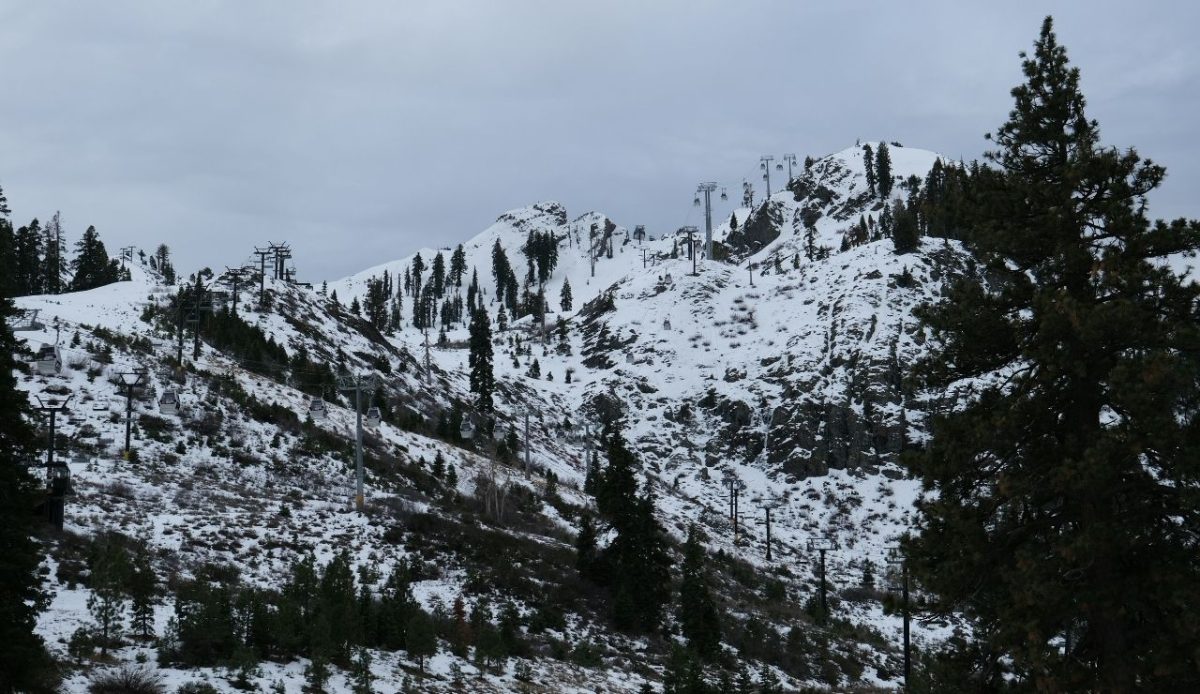
Olympic Valley at Palisades Tahoe is governed by a specific plan that allows a major resort buildout, including up to 850 hotel and condo hotel units. County materials also describe amendments that reduce bedrooms and some commercial space, but the long horizon remains.
Visitors feel growth through traffic peaks, construction staging, and higher demand on limited road access. Base services must scale, including parking, transit shuttles, and utilities. Even trimmed plans can add substantial built mass.
It can feel overbuilt because the valley is narrow and development concentrates at the base. Recreation space is fixed while lodging capacity rises. That increases friction during ski and summer weekends.
