
Tourist corridors are not single landmarks. They are long stretches where hotels, transit, and attractions cluster, keeping foot traffic high even on weekdays. In many cities, the area operates as an economic zone more than a lived-in district.
When daily needs collide with constant visitor throughput, residents adapt. Routes shift, errands get timed, and weekend plans move elsewhere. Friction usually comes from congestion, noise controls, and pricing that tracks tourist demand, not local budgets.
Eight U.S. corridors are covered below, where local avoidance has been documented through reporting, surveys, or municipal actions. Each section explains the trigger, the constraint locals face, and why the pattern persists across seasons.
1. Times Square Corridor, New York City
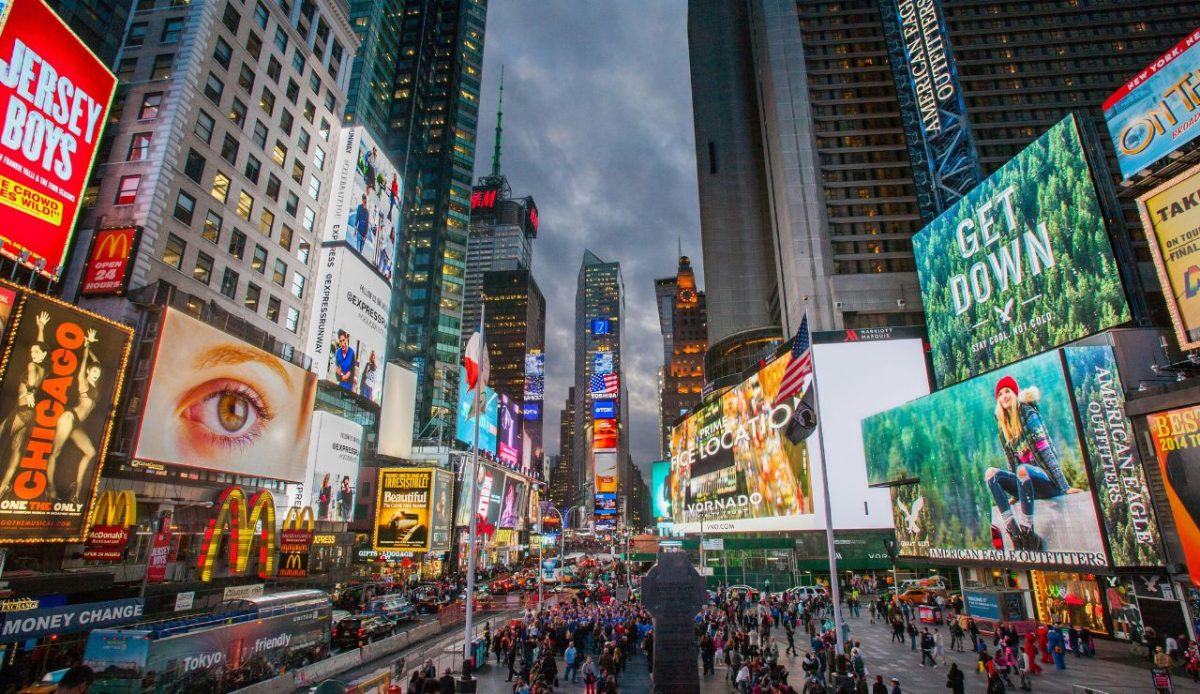
Times Square runs along Broadway and Seventh Avenue from about 42nd to 47th Streets. City pedestrian counts and field reporting describe persistent bottlenecks from tour groups, photo stops, and crowding at curbside loading zones.
Traffic rules and plazas were introduced to manage flow, but the corridor remains built around visitor entertainment and heavy solicitation. Local coverage often links the area to recurring safety and quality of life concerns, which discourages casual local use.
Many workers favor Sixth or Eighth Avenue, then cross by quieter blocks instead of entering the core. The alternate route is usually faster than waiting through packed crosswalk cycles, and it reduces unwanted interactions that occur during peak hours.
2. Bourbon Street, French Quarter, New Orleans
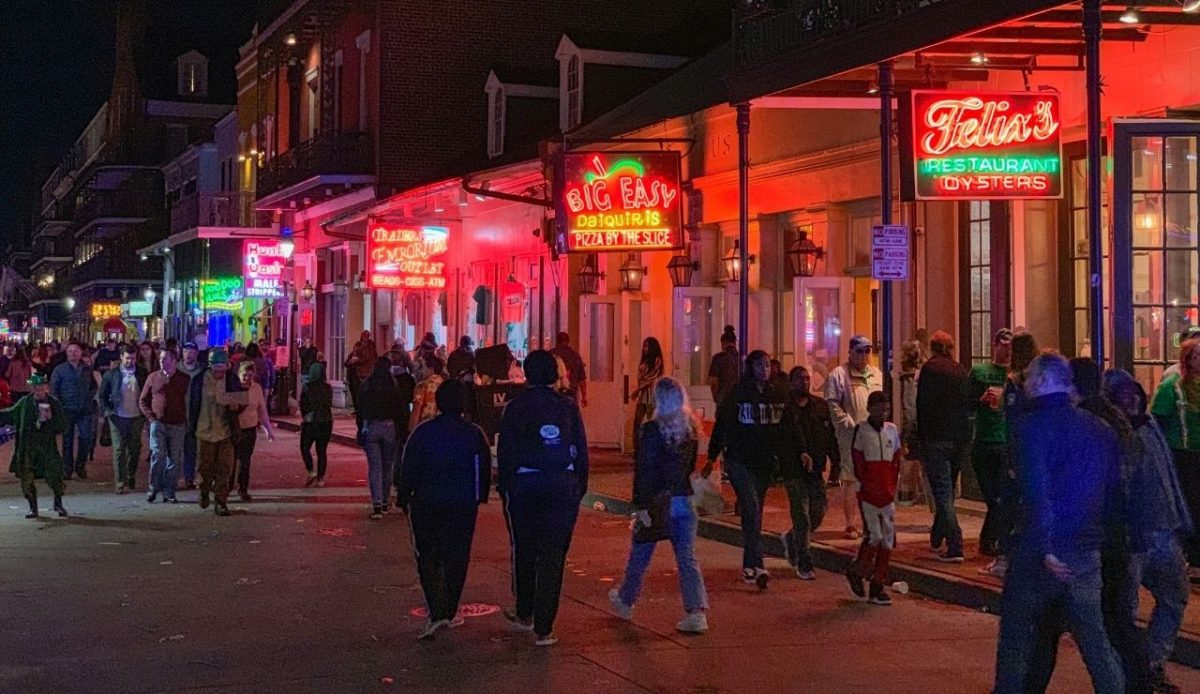
Bourbon Street in the French Quarter, roughly Canal to St. Peter, is a compact nightlife corridor with constant bar traffic. Local outlets often describe the blocks as crowded late into the night, with noise and disorder complaints clustered on that strip.
City services are often directed toward sanitation, police staffing, and street barriers during peak weekends and festivals. When operations are built around crowd control, the corridor stops working as a normal neighborhood commercial block for nearby residents.
Many locals limit trips to work shifts, parades, or out-of-town guests, then pick other Quarter streets for dinner. The choice is practical since routine trips get slowed by dense foot traffic and restricted vehicle access.
3. Ocean Drive South Beach Miami Beach
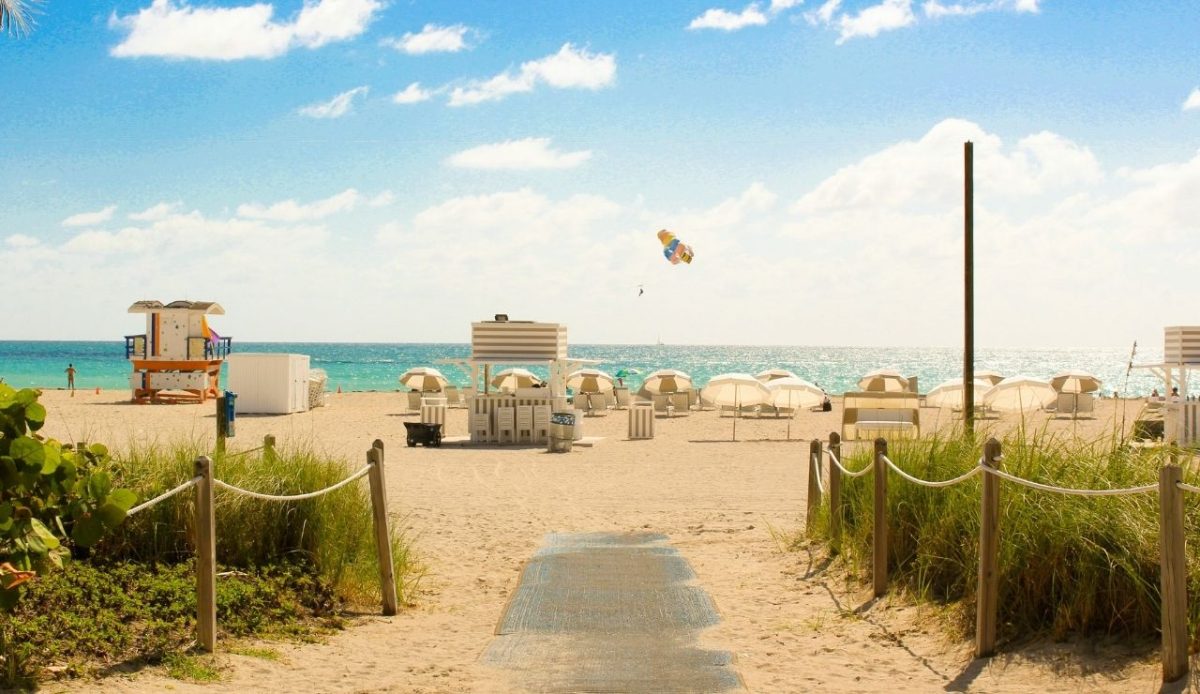
Ocean Drive from about Fifth to Fifteenth Street is a South Beach strip lined with hotels, bars, and outdoor dining. During spring break and holiday peaks, crowd size becomes so large that normal driving, walking, and parking patterns break down.
Miami Beach has used timed curfews, security checkpoints, bag rules, and parking limits during peak weekends. The controls were adopted after resident complaints and public safety incidents tied to concentrated nightlife on the corridor.
Many locals shift errands inland, avoid evening travel near the strip, or wait until restrictions end. Because entry and circulation are managed, residents choose alternate routes when they need predictable access and less conflict with visitor traffic.
4. Fisherman’s Wharf Pier 39, San Francisco
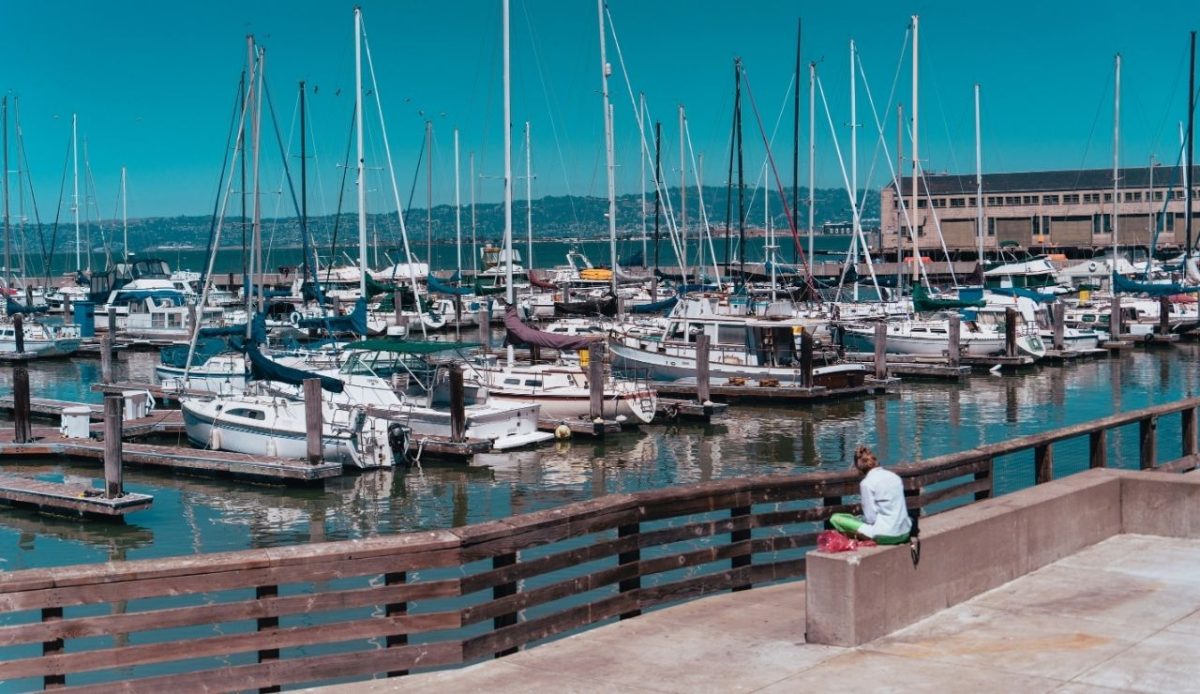
Fisherman’s Wharf and Pier 39 are on the San Francisco waterfront near Jefferson Street and The Embarcadero. Cruise arrivals, tour buses, and group excursions compress foot traffic into a small grid, so sidewalks and crosswalks slow for anyone passing through.
Local outlets often frame the district as visitor-centered, with souvenir retail and tourist pricing. That business model lowers repeat local use, since residents can reach comparable bayside views in nearby areas without the same crowd load.
Many residents go mainly to visit friends, then choose North Beach or the Marina for routine meals and walks. Avoidance is reinforced by garage congestion and limited room for cycling or quick errands during peak hours.
5. Las Vegas Strip Resort Corridor
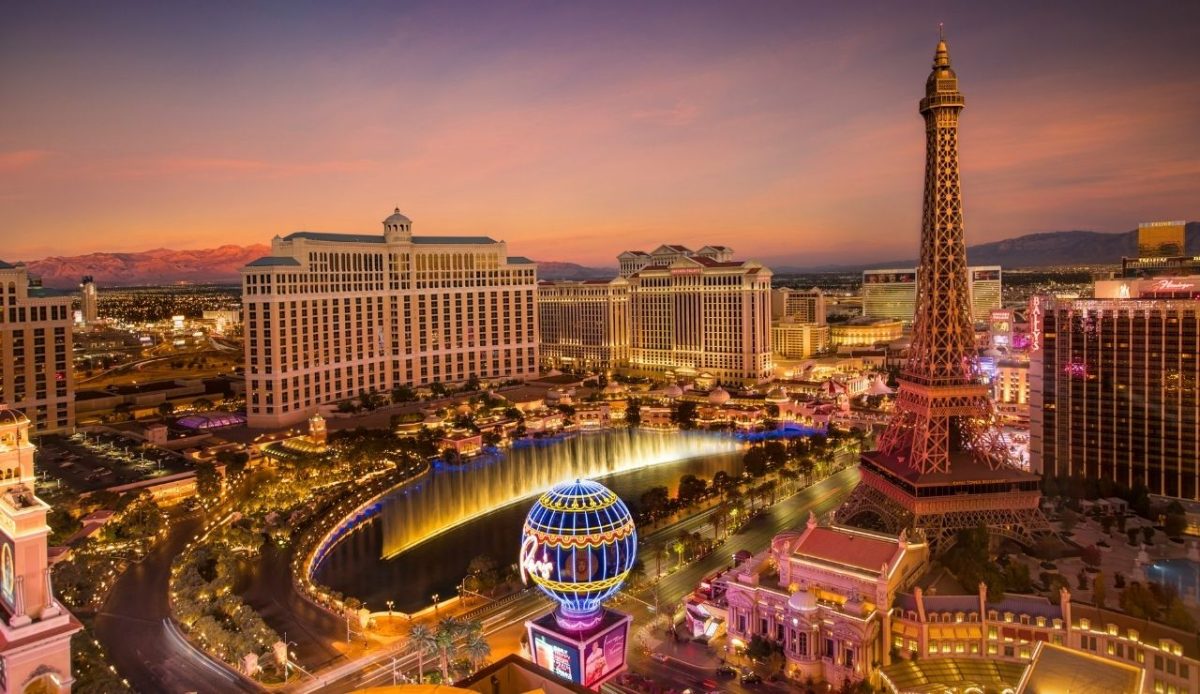
The Las Vegas Strip, from Mandalay Bay through the central resort zone, is built for high-throughput tourism. Pedestrian bridges, ride share queues, and major shows create stop-and-go movement that can turn short trips into long transfers for residents.
A local survey reported that many residents avoided Strip casinos after paid parking expanded across major properties. When a fee is added to basic access, discretionary trips drop, especially for meals or casual play that can be done off the Strip.
Locals often choose neighborhood casinos, arts district restaurants, or suburban centers where parking is simpler, and crowds are smaller. The Strip remains a worksite for many, but it is treated less as a default leisure area.
6. Kalakaua and Kuhio Avenue, Waikiki
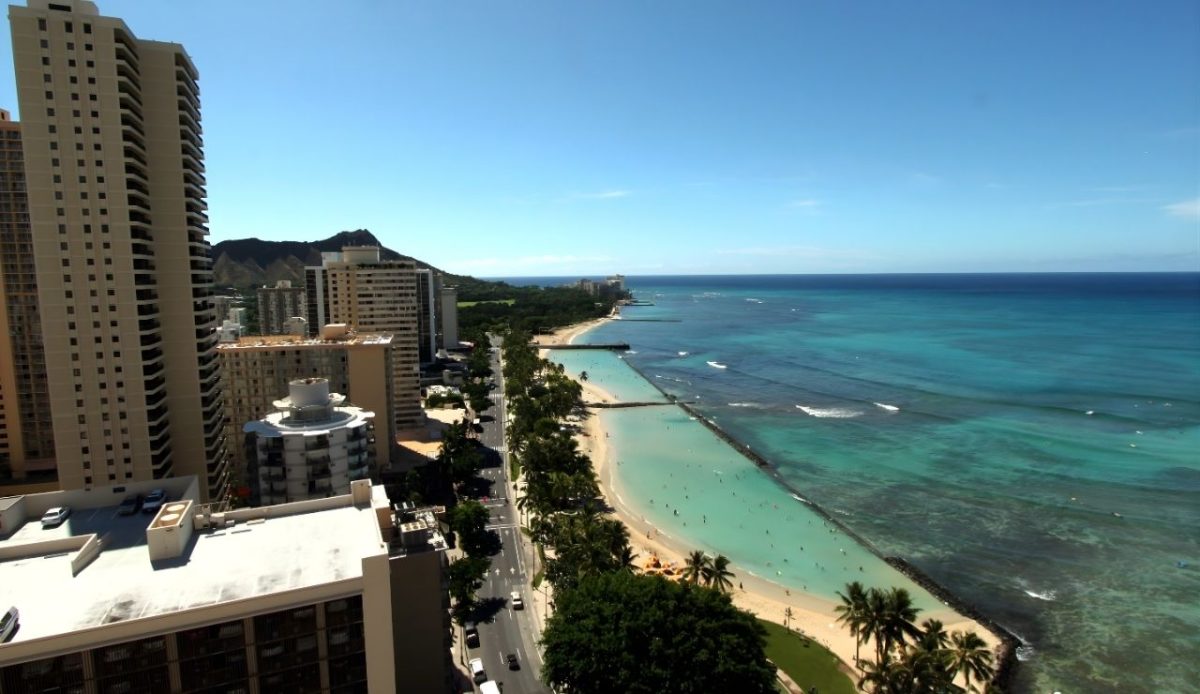
Kalakaua Avenue and Kuhio Avenue form Waikiki’s main visitor corridor, lined with hotels, retail, and beach access points. Heavy foot traffic is constant, and event scheduling can intensify congestion across a tight street network with limited curb space.
Honolulu reporting and city debate have highlighted resident frustration when festivals or closures disrupt access in Waikiki. When lanes close and parking is tight, nearby residents face delays that are not shared by visitors staying within the hotel district.
Many locals choose other beaches or shopping areas for routine outings, especially on weekends. The corridor is still used for work or appointments, but casual trips are often redirected to avoid traffic, noise, and crowd pressure.
7. Hollywood Boulevard Walk of Fame
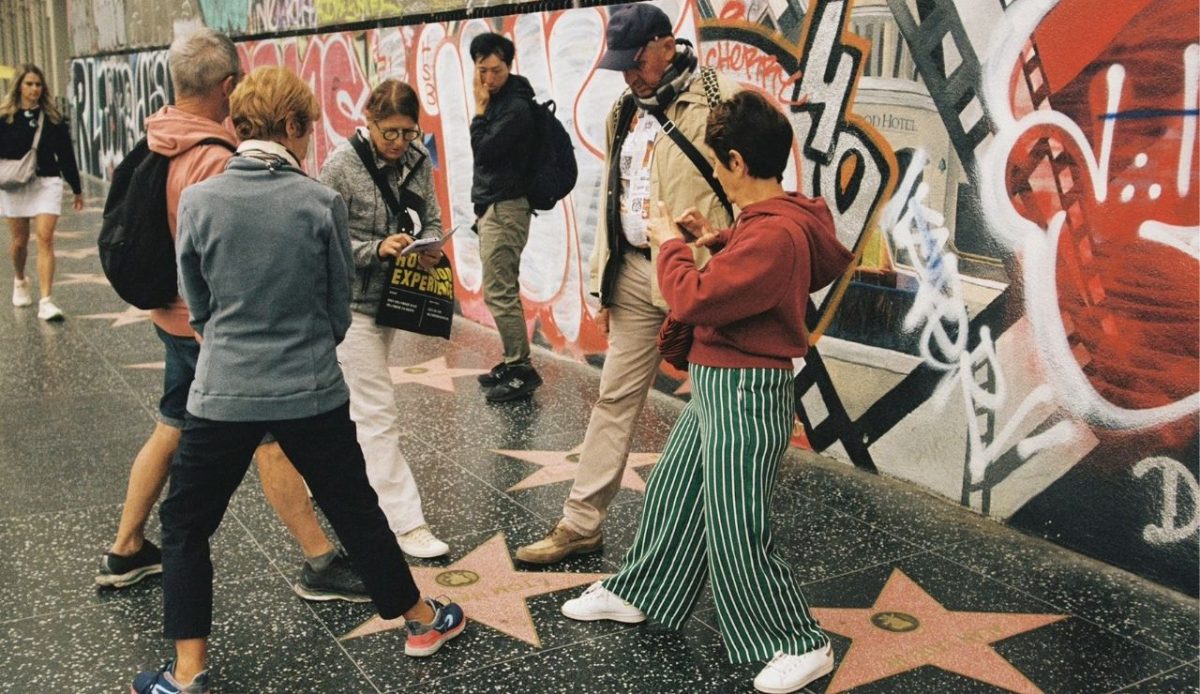
Hollywood Boulevard around the Walk of Fame is a defined tourist corridor with theaters, souvenir shops, and street performances. Sidewalk density can be high from late morning through evening, and solicitation is common near major intersections.
Local travel guidance often recommends that residents skip the core stretch unless they are escorting visitors. The corridor has been criticized for aggressive marketing, parking fees, and a visitor-oriented retail lineup that does not serve daily neighborhood needs.
Many Angelenos prefer nearby districts for dining or nightlife, then pass through Hollywood only for specific shows. The pattern is strengthened by traffic jams from tour buses and by limited curb space that slows pickups and deliveries.
8. Navy Pier Lakefront Chicago
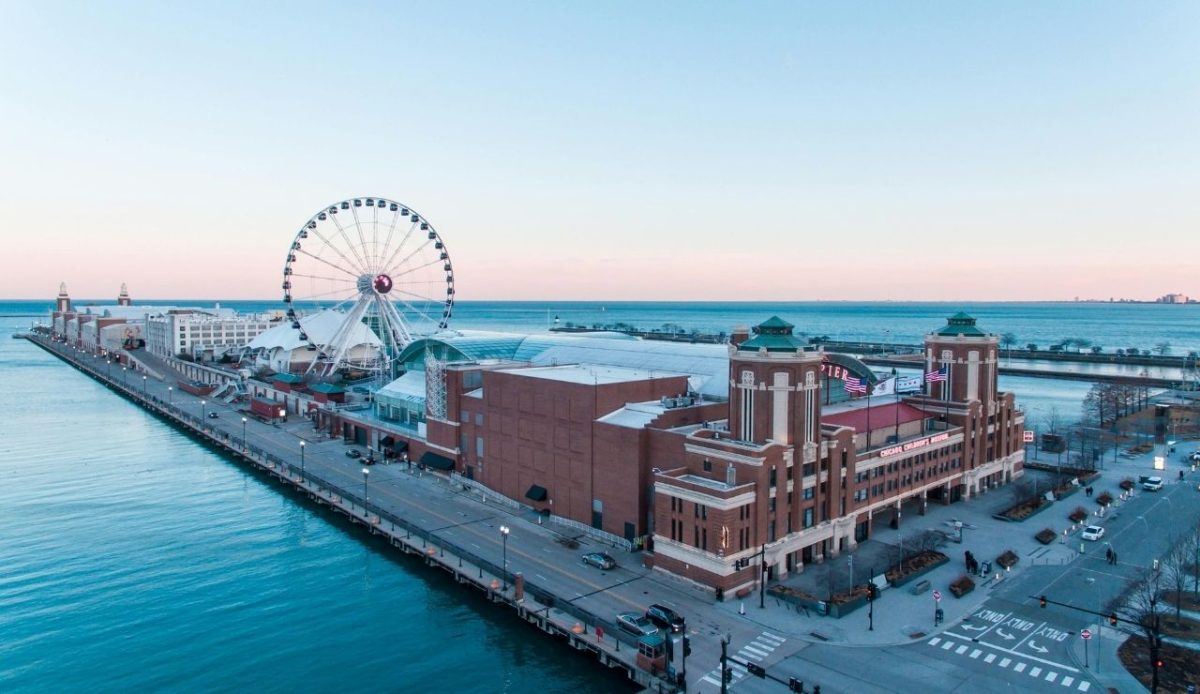
Navy Pier is a lakefront corridor with rides, retail, and seasonal events that draw large visitor volumes. Access funnels through limited entry points, so traffic backups and long walks from parking or transit are common on weekends and summer peaks.
Local coverage has described the pier as a place many Chicagoans skip unless hosting guests. Pricing is set for visitors, and the attraction set is oriented toward short-stay entertainment rather than regular neighborhood recreation.
Residents often choose other lakefront parks, trails, and museums that offer similar views with fewer crowds. The pier still matters for conventions and fireworks, but everyday leisure is usually shifted to calmer waterfront areas.
