
Major U.S. attractions increasingly rely on screening that feels like airport entry. Threat planning, dense crowds, and scarce space for storing seized items drive rules. Policies are public, yet many visitors say the tone is harsher than expected.
Federal landmarks follow standards set by the National Park Service, Capitol Police, Secret Service, and the Defense Department. Private venues add controls for liability and incident prevention. Bag limits, magnetometers, and secondary checks can turn oversights into denied entry.
Below are eight sites with visitor guidance and common complaints about strict enforcement. Each section explains the mechanism and the friction point. Details are tied to official policy pages and travel reporting.
1. Statue of Liberty National Monument
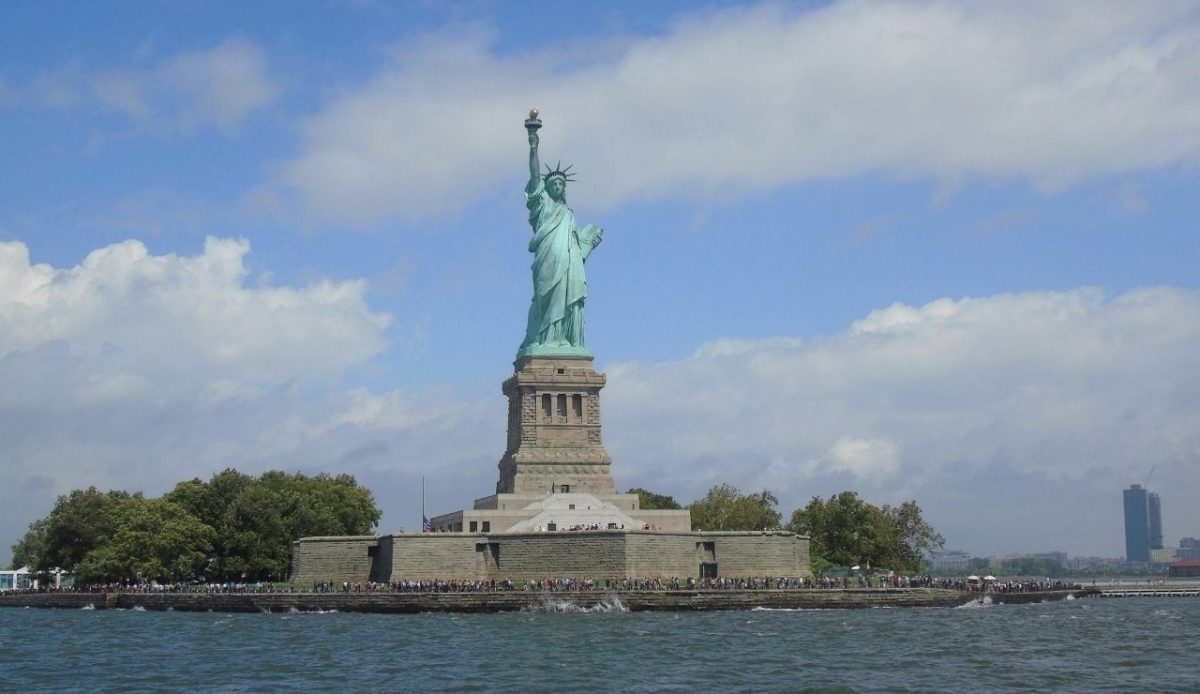
To reach Liberty Island, every passenger clears the magnetometer and X-ray screening before the ferry. Pedestal or crown access adds a second checkpoint at the monument entrance. The Park Service describes it as airport-style screening.
Interior routes are narrow, so staff rely on layered checks to reduce concealment risk. Because transport is controlled, visitors cannot bypass the screening line. When boats unload in waves, waits can climb fast.
Friction rises when everyday items must be stored, and storage is limited. Lockers near the pedestal use a 25-cent deposit in quarters. Many reviews focus on the repeat screening, not on the safety goal.
2. The White House
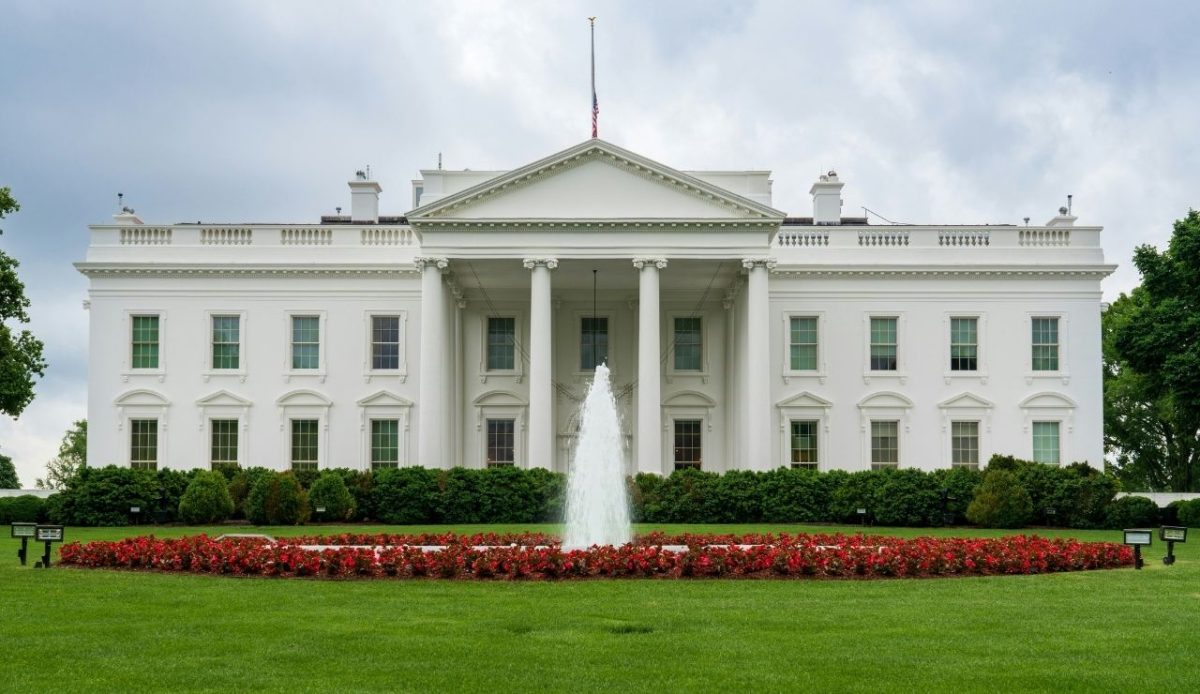
White House tours require prior approval and identity matching at the checkpoint. The official FAQ states that bags of any kind are prohibited, and no storage is provided. Arriving with a bag can mean being turned away.
The rule limits concealment and speeds screening inside a secure residence and office complex. With narrow corridors and fixed tour timing, delays disrupt group movement. A hard ban is simpler to enforce than case by case judgment.
Visitors call it excessive because it breaks normal sightseeing routines. A phone, wallet, and keys must be carried by hand, which affects families and commuters. Complaints focus on the lack of lockers more than the safety goal.
3. U.S. Capitol Visitor Center
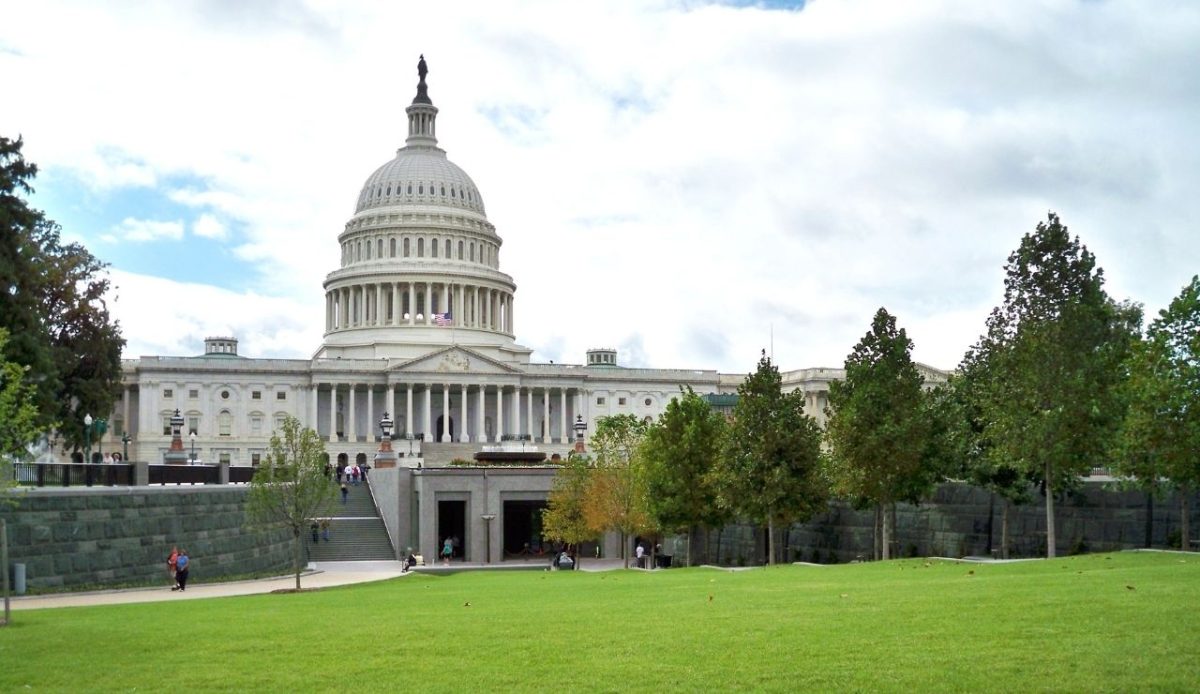
At the Capitol Visitor Center, guests pass a magnetometer and place items on an X-ray belt. The prohibited list is long and includes a bag cap of 18 inches wide by 14 inches high by 8.5 inches deep. Oversized bags are blocked at screening.
Because Congress is in session year-round, the building is treated as a protected workplace. Fixed limits reduce judgment calls and help officers move lines faster. When volume spikes, this structure prevents backups from spreading inside.
Rules feel excessive when visitors arrive with day packs or snacks and must pivot on the spot. The chart format can also confuse first-timers about which electronics are allowed where. Forum advice often boils down to bringing only essentials.
4. National September 11 Memorial and Museum
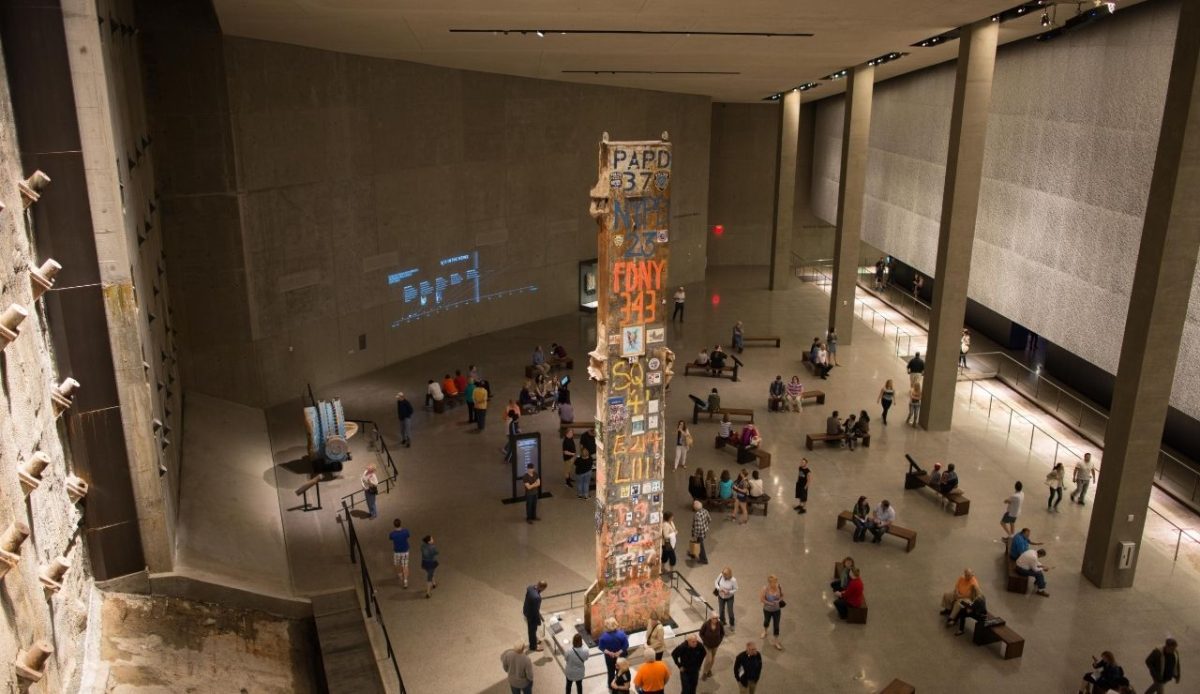
Visitors to the 9 11 Memorial and Museum pass through security screening before entry. Guidelines state that baggage larger than 19 inches by 17 inches by 8 inches deep is not permitted onto the Memorial. That rule shapes packing choices.
The location is threat-sensitive and handles large crowds in a limited space. Bag caps cut concealment options and keep routes clear for emergency response. Screening also protects exhibits and reduces disruption.
Friction shows up when travelers arrive from airports or tours carrying luggage. Many reviews describe the checkpoint as airport-like and more intense than expected for a memorial stop. Strictness hits hardest when there is no easy place to store a bag.
5. Empire State Building
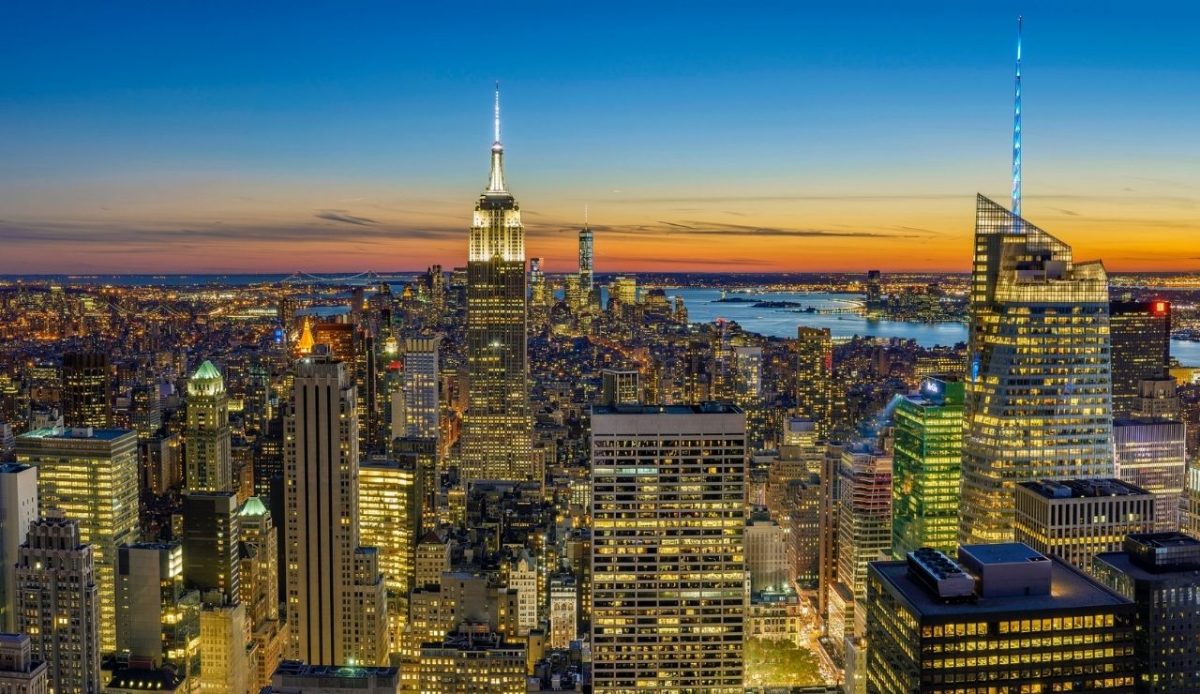
The Empire State Building screens visitors before they reach the elevators. Its FAQ warns not to carry prohibited items into the screening area and says confiscated items may not be returned. The list is not exhaustive, so officers rule on edge cases.
Crowds concentrate in lobbies and elevator banks, so risk control is placed at the front door. Officer discretion allows quick response to conditions without frequent policy updates. That flexibility can feel unpredictable to tourists.
Visitors call it excessive when a small error leads to the loss of property. Forum advice is to leave anything questionable at the hotel, including large parcels. During long waits, secondary checks can feel like a penalty.
6. Pearl Harbor National Memorial
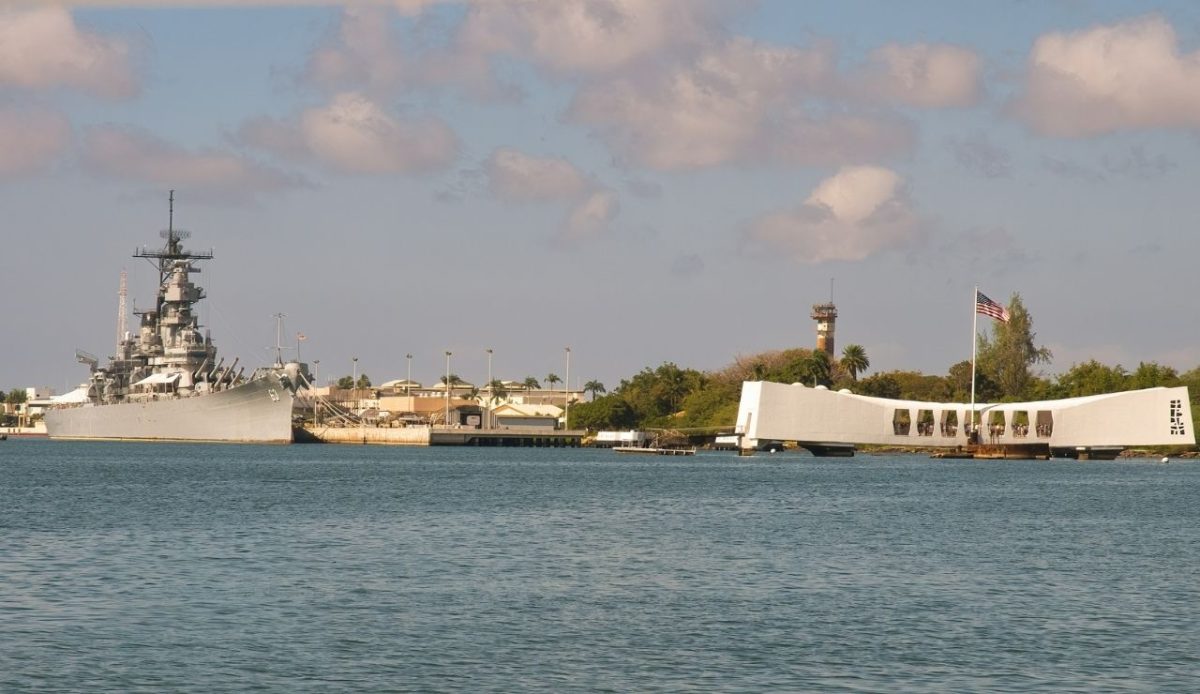
Pearl Harbor National Memorial enforces tight bag rules before entry to the secure zone. NPS allows only clutches or wallets up to 1.25 by 2.25 by 5.5 inches, plus clear bags with visible contents. Most purses, packs, and camera bags are barred.
The site operates beside active military functions, so concealment risk is treated as a primary concern. A fixed-size rule speeds screening and reduces disputes at the gate. It also forces visitors to plan pockets and clothing.
The rule is labeled excessive because it can require paid storage or a return trip to the car. Families feel it when diaper bags are rejected. Travel guidance warns that a failed bag check can derail timed boat programs.
7. National Archives Museum

The National Archives Museum screens every visitor upon entry with magnetometers and bag inspection. Official tips state that only one bag is allowed per person, and it cannot exceed 17 by 26 inches. Items must remain with the visitor at all times.
The system protects original records, including the Constitution and Bill of Rights. Limiting bag count reduces damage risk and cuts crowding near cases. It also helps staff spot unattended objects faster.
Visitors call it excessive because day touring often requires water, layers, and camera gear. Travel guides suggest avoiding metal accessories to speed through the detector line, which hints at strictness. When a bag is rejected, quick storage options are limited.
8. The Pentagon Tour
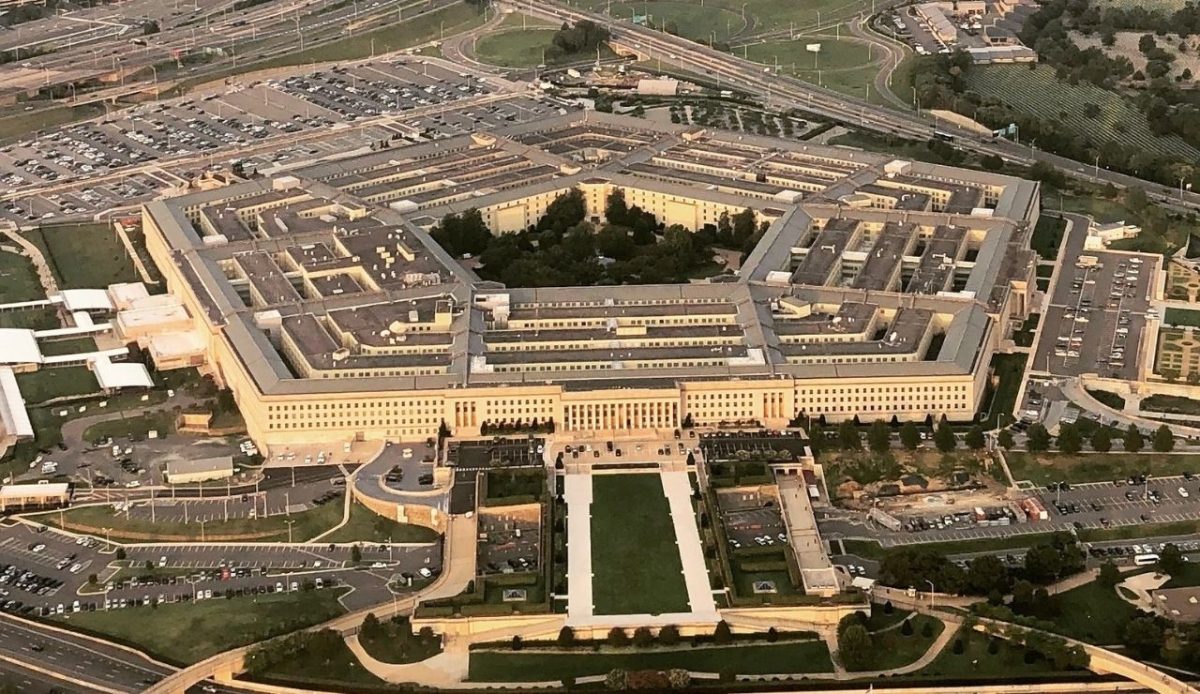
Pentagon tours follow Defense Department rules that exceed typical tourist screening. The official security page says personal electronic devices are not permitted, including phones, smartwatches, tablets, cameras, and storage drives. Visitors must arrive without them.
The goal is to limit recording and transmission risk inside a military headquarters. A blanket ban is easier to enforce than checking settings. It also keeps groups moving through controlled corridors.
Visitors call it excessive because phones serve as tickets, maps, and support tools. Guidance warns there is no place to store barred devices, so a mistake can end the visit. Travelers coming from airports or other sights feel it most.
