
Weather extremes now reshape when popular places feel visitable. Longer heat seasons, smoke events, and flood damage change comfort and access, so the old peak calendar no longer matches reality.
Tourism systems react fast. Airlines shift capacity, parks restrict entry, and hotels reprice around hazard windows. Decisions are now guided by heat index advisories, air quality index spikes, and road closure notices. Trip insurance and refund rules also influence when people book.
This list focuses on destinations where a specific extreme is documented and where timing is changing. Each section explains the mechanism that pushes travelers into new peak months.
1. Phoenix, Arizona
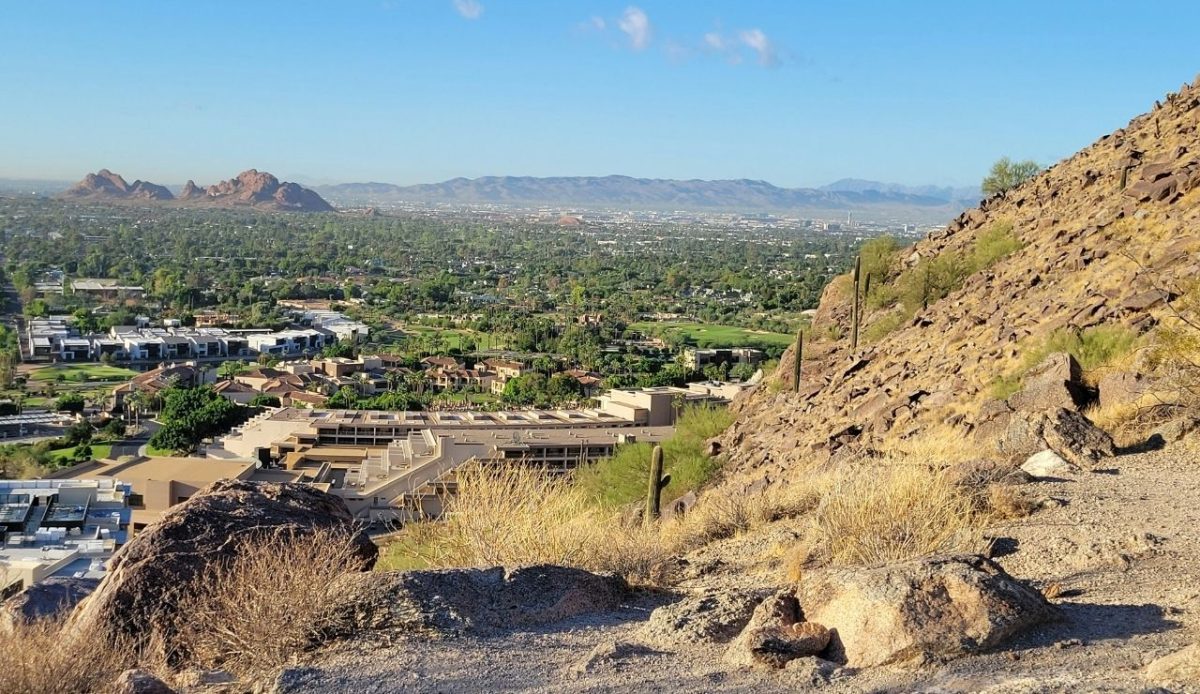
Phoenix has seen extreme heat stretch beyond summer. More days are clear 110 degrees Fahrenheit and hot nights persist, raising dehydration risk and limiting safe hours for outdoor plans. Urban heat island effects keep temperatures elevated after sunset.
As autumn stays hotter, the former shoulder season loses appeal. Resorts and tour operators lean harder on December through early March, when daytime highs are lower and evening cooling is reliable. Outdoor festivals are being rescheduled or shortened to avoid heat stress.
This shift is driven by a longer warm season and more frequent heat advisories. Demand has been pulled away from spring weeks that once carried peak occupancy, and pricing now favors the cooler midwinter window.
2. Maui, Hawaii
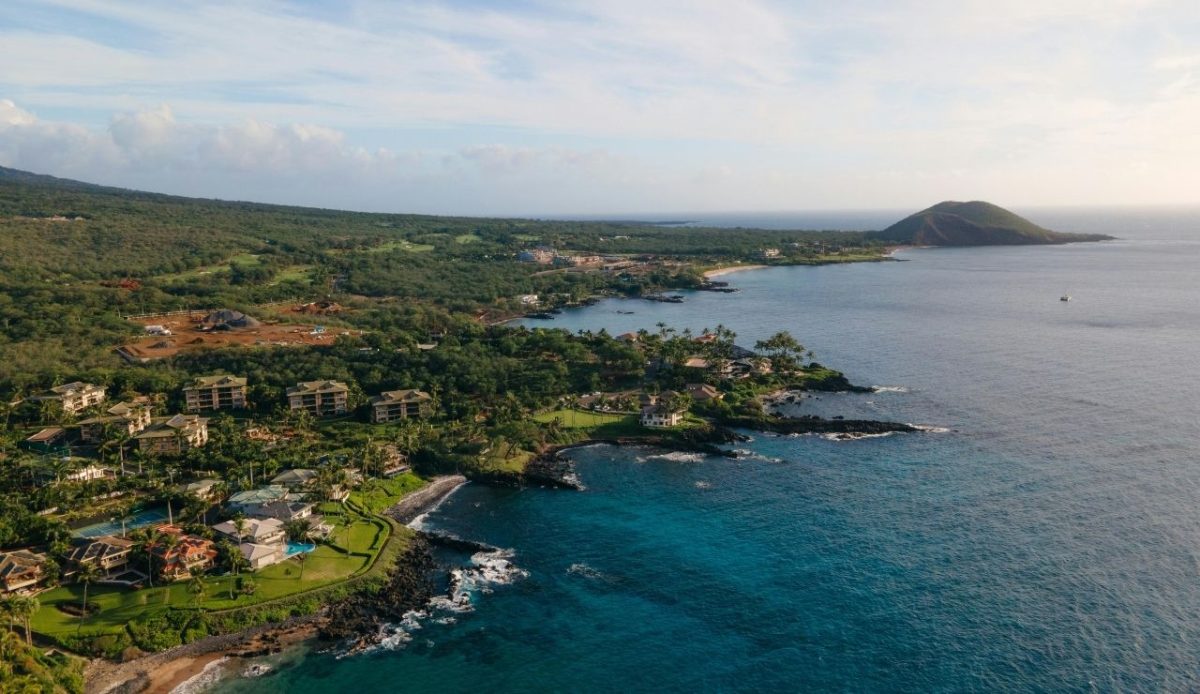
Maui tourism has been disrupted by wildfire conditions linked to drought and high winds. When smoke spreads, flights can be canceled, and outdoor activity becomes unsafe, especially for older travelers. Visibility also drops on key scenic routes.
Late summer demand is now less dependable. Many visitors choose winter and early summer, when rainfall is higher, and vegetation is less flammable. Hotel revenue management has adapted with deeper discounts in higher-risk weeks.
Fire risk is shaped by fuel dryness, ignition sources, and wind-driven spread. As these factors align more often, peak season has been redistributed toward months with a lower probability of smoke and closures.
3. Venice, Italy
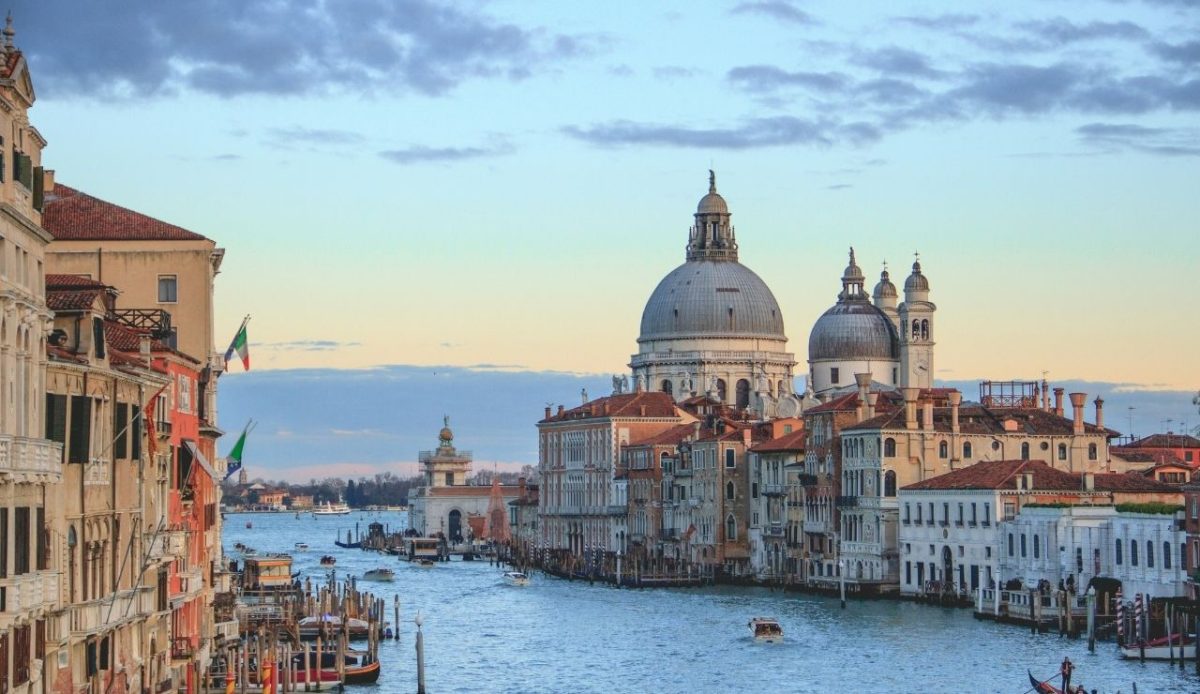
Venice faces more disruptive flooding as sea level rises and storms intensify in the Adriatic. High water can block walkways and damage ground-floor businesses, changing what visitors can do on short trips.
Acqua alta planning is no longer limited to late fall expectations. Hotels and tour groups watch tide forecasts across a wider span of months, and some travelers shift to late spring or early fall to reduce flood disruption.
Mobile barrier operations help, yet residual flooding still occurs. Because access is uncertain, peak demand is being steered toward periods with lower surge probability and fewer weather-related transport delays overall.
4. Banff, Alberta
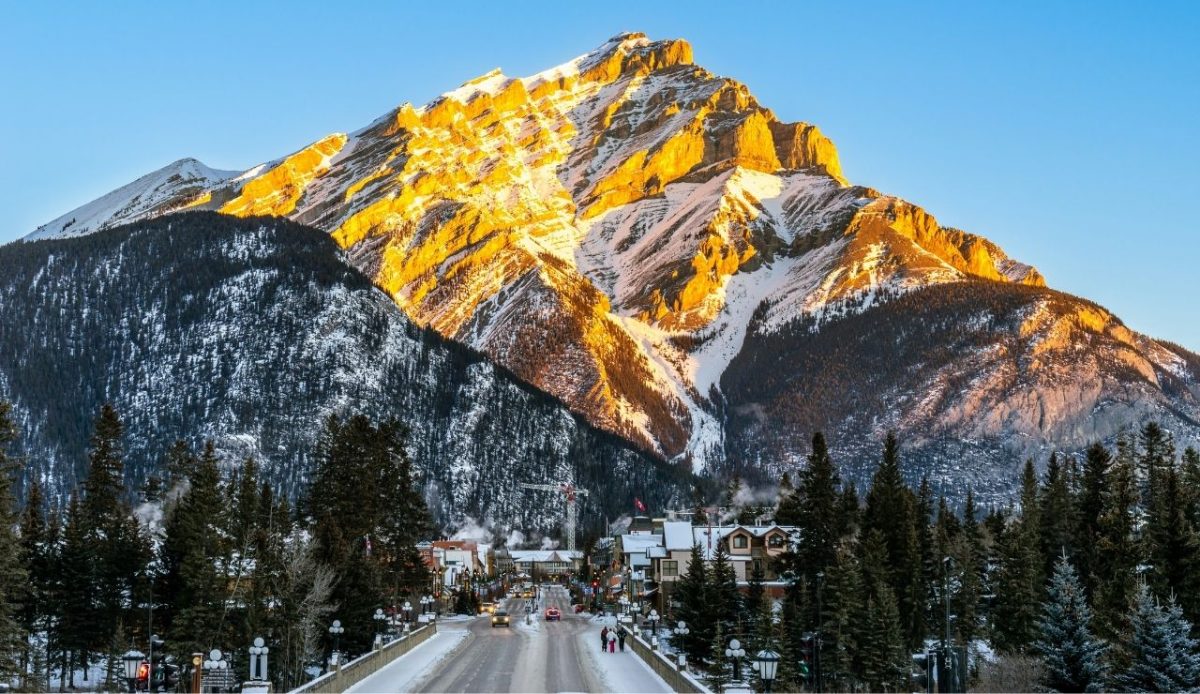
Banff summer visits depend on clear air for hiking and lake views. Wildfire smoke now reaches the Canadian Rockies more often during July and August, cutting visibility and raising health concerns during peak weeks. Fine particle pollution can climb fast.
When smoke advisories rise, cancellations spike, and guided outings are reduced. Travelers increasingly book early June or selected September dates, when fire activity is often lower, and daylight still supports long trail days.
This change is linked to longer fire seasons and higher burn severity in western forests. As a result, the reliable peak has been compressed into fewer weeks with better air quality.
5. Dubai, United Arab Emirates
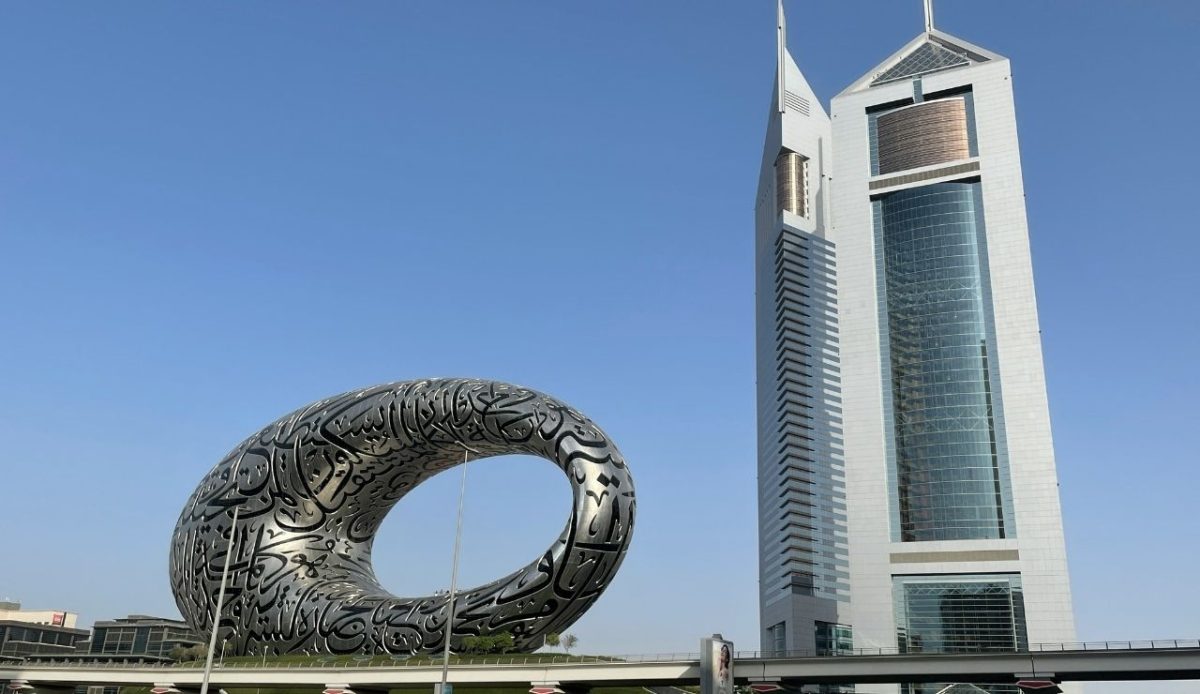
Dubai has always leaned on cooler months, but extreme heat is expanding into the shoulder season. High humidity can push heat index values into dangerous ranges, limiting outdoor attractions and desert tours. Heat illness risk rises quickly.
May and October used to offer workable conditions for beaches and walking districts. As hotter days arrive earlier and linger later, visitor volume concentrates from November through March, and rates rise during that narrower window.
Operational limits reinforce the shift. Outdoor event permits, worker safety rules, and midday closures are more common during heat alerts, so the peak calendar is being reset around thermal safety.
6. Chamonix, France
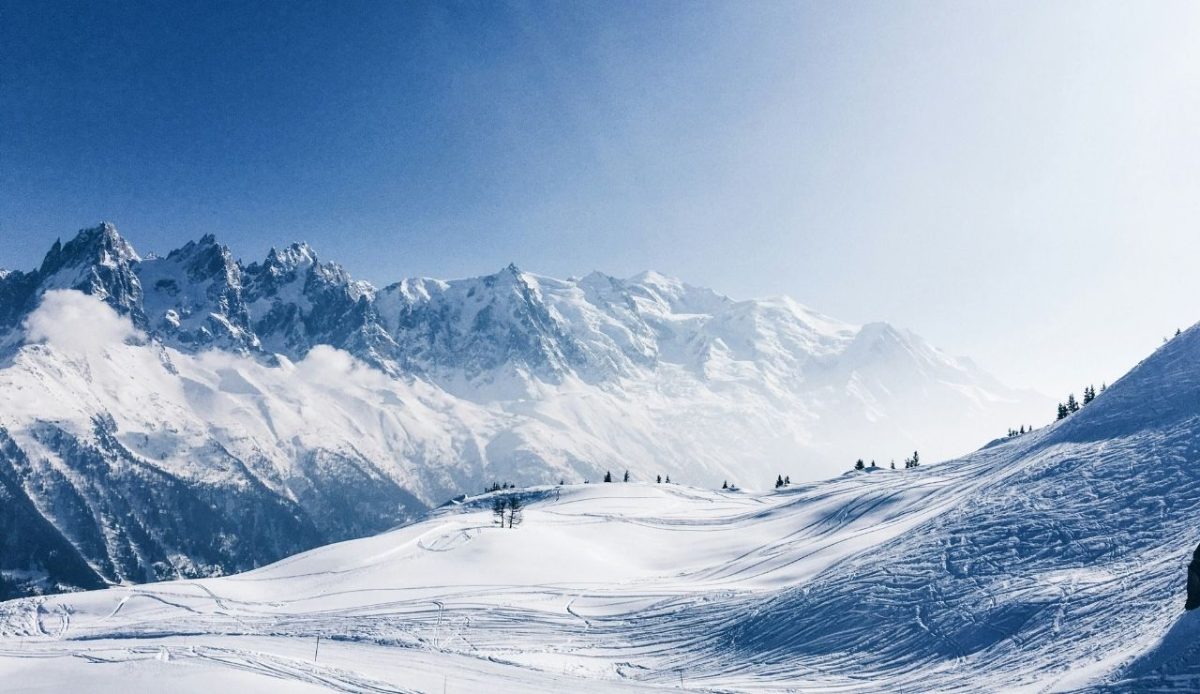
Chamonix winter tourism relies on dependable snowpack, yet warming has reduced snowfall reliability at lower elevations. Freeze-thaw cycles weaken surface quality and can raise avalanche control needs. Lift access may be limited by poor cover.
Ski weeks are becoming less predictable at season edges. Visitors now target midwinter dates when temperatures stay colder overnight, while early December and late March carry a higher risk of rain or thin cover. Bookings have shifted toward higher altitude terrain.
Snowmaking can buffer some slopes, but it depends on sustained cold and water supply. As these constraints tighten, the peak is being pulled toward shorter periods with consistent natural snow.
7. Yellowstone National Park, United States
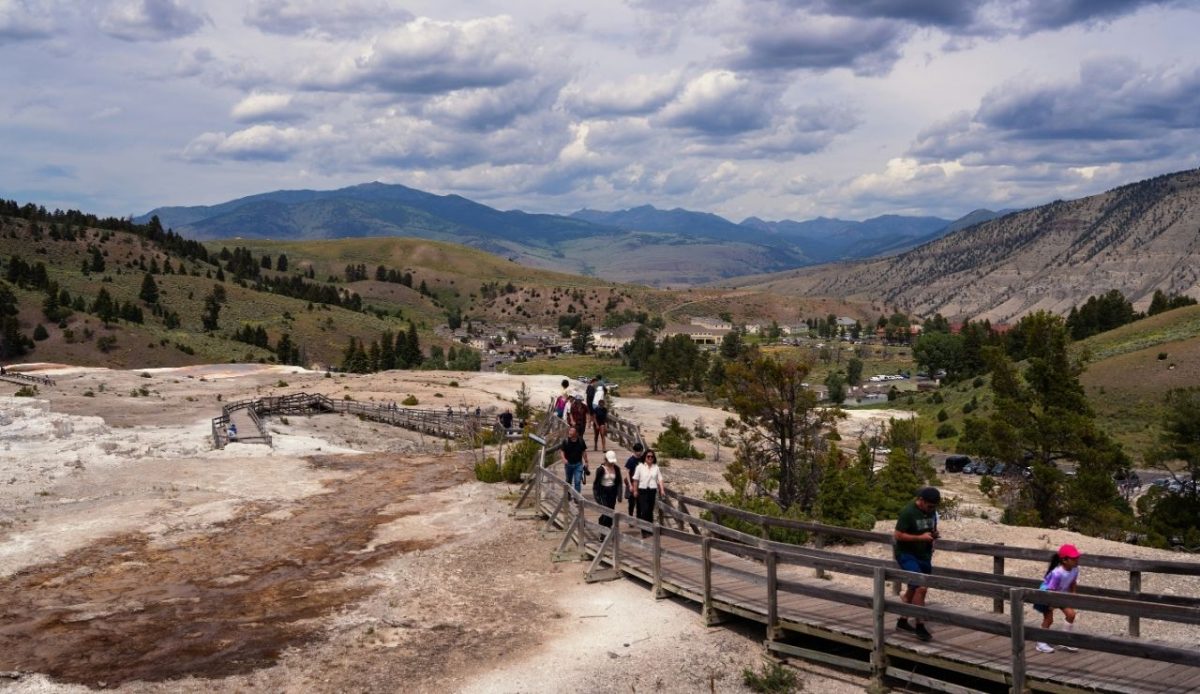
Yellowstone peak visitation is summer, but extreme events now interrupt access. Major flooding has damaged roads and bridges, and repairs can restrict entry during the busiest travel weeks. Detours lengthen drives between core sites.
Wildfire smoke is another recurring limiter. When air quality drops, camping demand falls and ranger programs are reduced, so visitors shift toward earlier summer or select fall dates that avoid the worst smoke periods. Some lodges adjust cancellation terms.
These patterns reflect higher variability in heavy rain events and longer fire seasons across the region. As closures become more likely, the park’s peak is being reorganized around infrastructure resilience.
8. Napa Valley, California
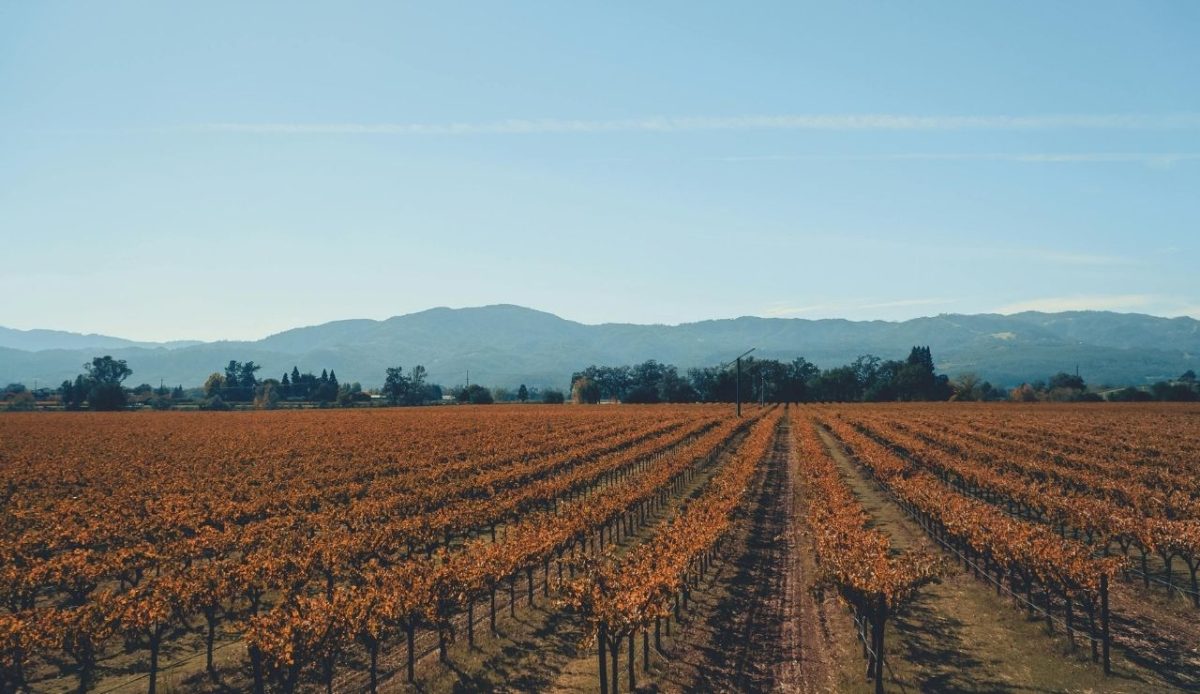
Napa Valley’s classic peak aligns with harvest in late summer and early fall. Wildfire smoke now threatens that window, and fine particles can make outdoor tastings unsafe while visibility drops across vineyards. Some wineries move experiences indoors.
When smoke arrives, events are postponed, and reservations are canceled with little notice. Many travelers choose spring, when temperatures are milder and regional fire danger is usually lower than in the late dry season. Power shutoff risk can also disrupt stays.
The shift follows longer drought periods and expanded fire seasons in California. Because the signature harvest weeks are less reliable, demand is shifting into earlier months and shorter weekend bursts.
9. Lake Tahoe, California and Nevada
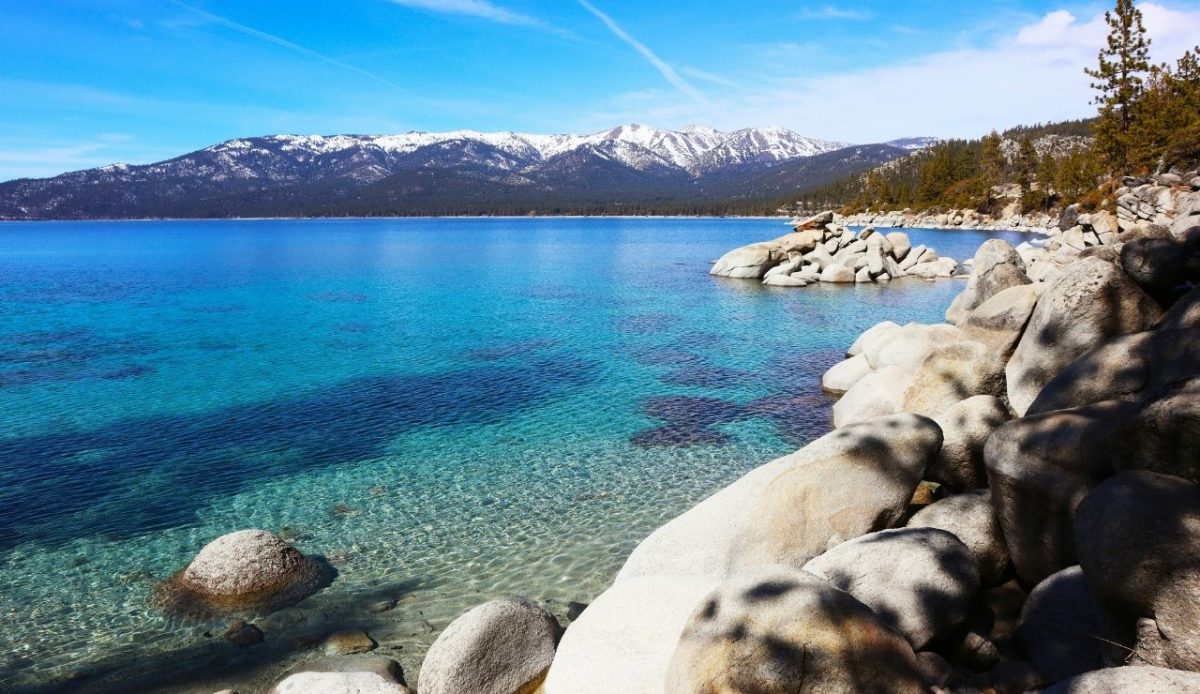
Lake Tahoe summer crowds come for clear water and mountain air. Wildfires and dense smoke now disrupt late-season travel, turning August days into poor visibility conditions and raising respiratory risk for families. Air quality index alerts can last for days.
Evacuation warnings and highway closures can change plans within hours. As a result, many visitors book earlier in June and July or shift to early fall when temperatures are cooler, and fire activity may be lower. Marina operations are sometimes paused.
The driver is a longer, drier season across the Sierra Nevada. With smoke intrusions more common near the traditional peak, the busiest period is being redistributed toward safer weeks.
