
Across the United States, historic sites rely on admissions, concessions, and donors to fund conservation and staffing. Critics argue that some places now design visitor flow and messaging around spending, not memory, which can change what people notice first.
Commercial pressure shows up as larger gift shops, branded experiences, premium access tiers, and corporate naming within interpretive areas. When these elements sit inside commemorative space, a site can feel like a venue rather than a public trust.
This article reviews ten locations where journalists, historians, or preservation groups have raised commercialization concerns. Each section explains the mechanism critics cite and why it can affect credibility and meaning.
1. National September 11 Memorial and Museum
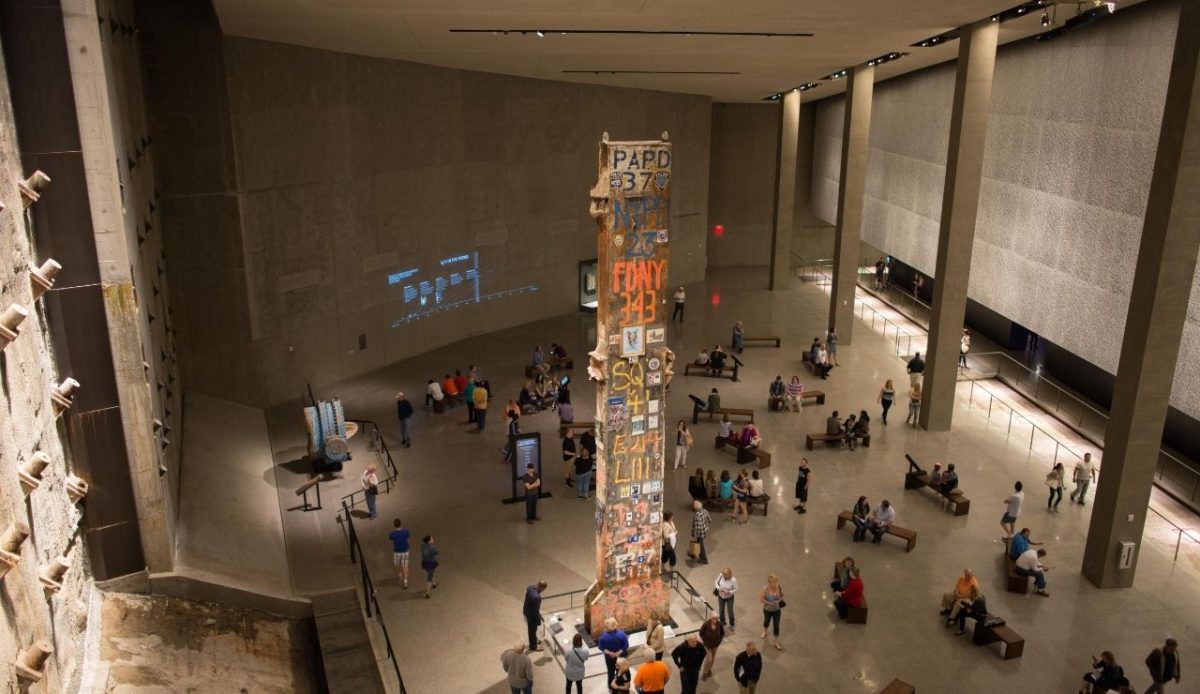
At the National September 11 Memorial and Museum, critics focused on retail placed within a space tied to human remains. Early coverage highlighted families objecting to souvenirs and novelty items sold on site, arguing the setting demands restraint.
Supporters note that museum stores are a standard revenue source and that proceeds fund operations, security, and education. The dispute is less about selling books and more about what products appear and where they are positioned in the visitor path.
When a transaction happens, steps after viewing personal artifacts, critics say the emotional frame can flip from mourning to consumption. That shift may weaken trust in the institution’s promise to prioritize remembrance over receipts.
2. Pearl Harbor National Memorial
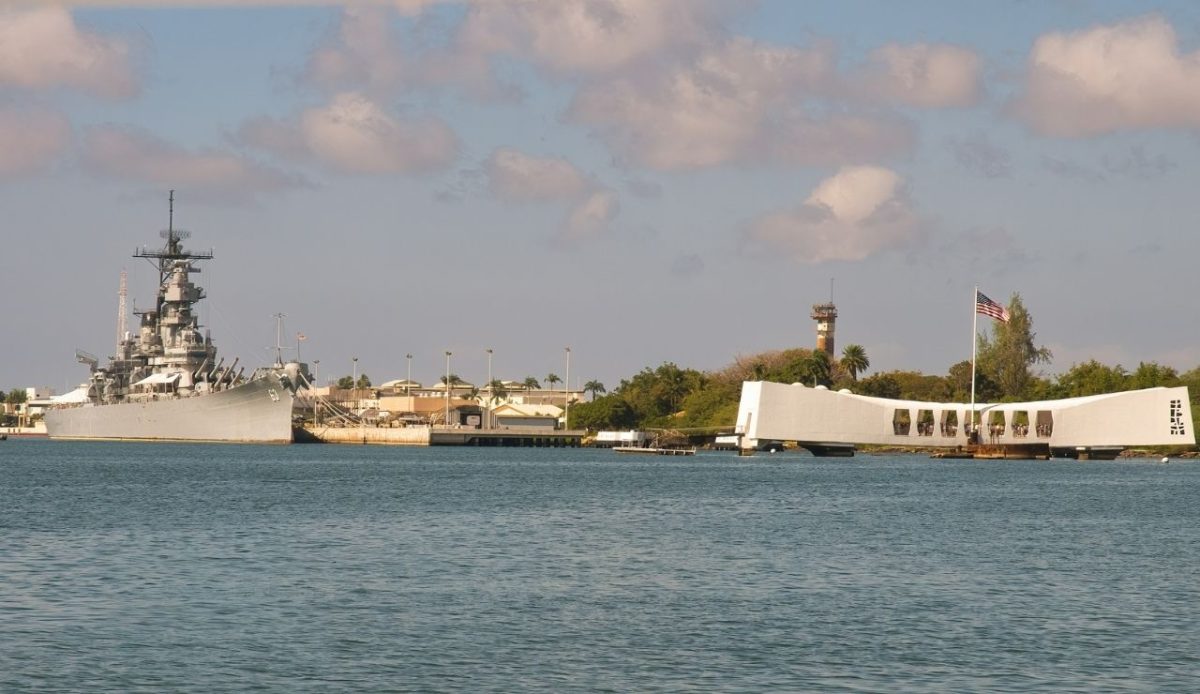
At Pearl Harbor, commercialization critiques often target how visitor services are structured through partner entities. Reporting has examined concessions, ticketing arrangements, and governance disputes that can make a memorial feel managed like a tourist business.
Defenders argue the site must handle heavy demand while maintaining docks, exhibits, and safety systems. Revenue from retail and services helps pay for upkeep and interpretation, especially as costs rise in a marine environment.
Critics worry that financial incentives can shape decisions about crowd flow and programming. When marketing language and sales touchpoints multiply, the memorial’s solemn tone can be dulled even if the historical message stays accurate.
3. Gettysburg National Military Park
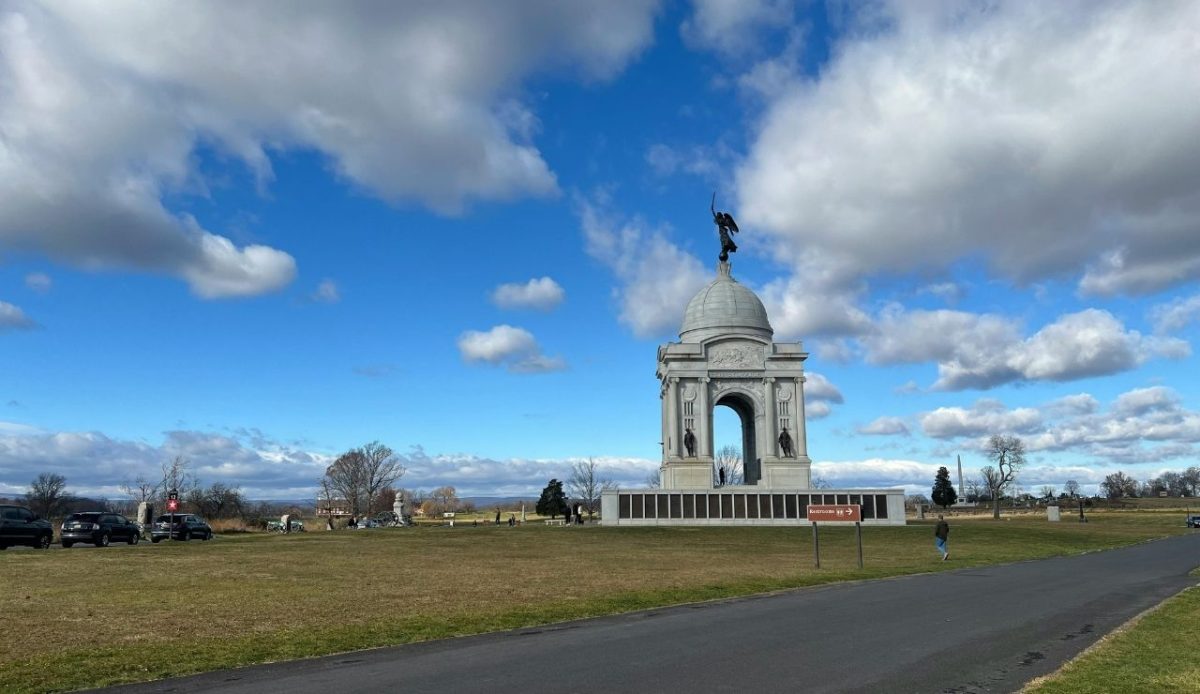
Gettysburg draws criticism when commercial development is proposed near battlefield viewsheds. Preservation groups have fought projects such as casinos or large complexes, warning that new lighting, traffic, and skyline changes distort the landscape that tells the story.
Because the park boundary cannot control every adjacent parcel, local zoning and private sales become key pressure points. Even off-site ventures can alter how visitors read distances, terrain, and line of sight that mattered during the 1863 fighting.
Critics argue that once a commercial footprint expands, it rarely contracts. Incremental changes can turn a commemorative setting into entertainment zones, making context harder to grasp without interpretive correction.
4. The Alamo
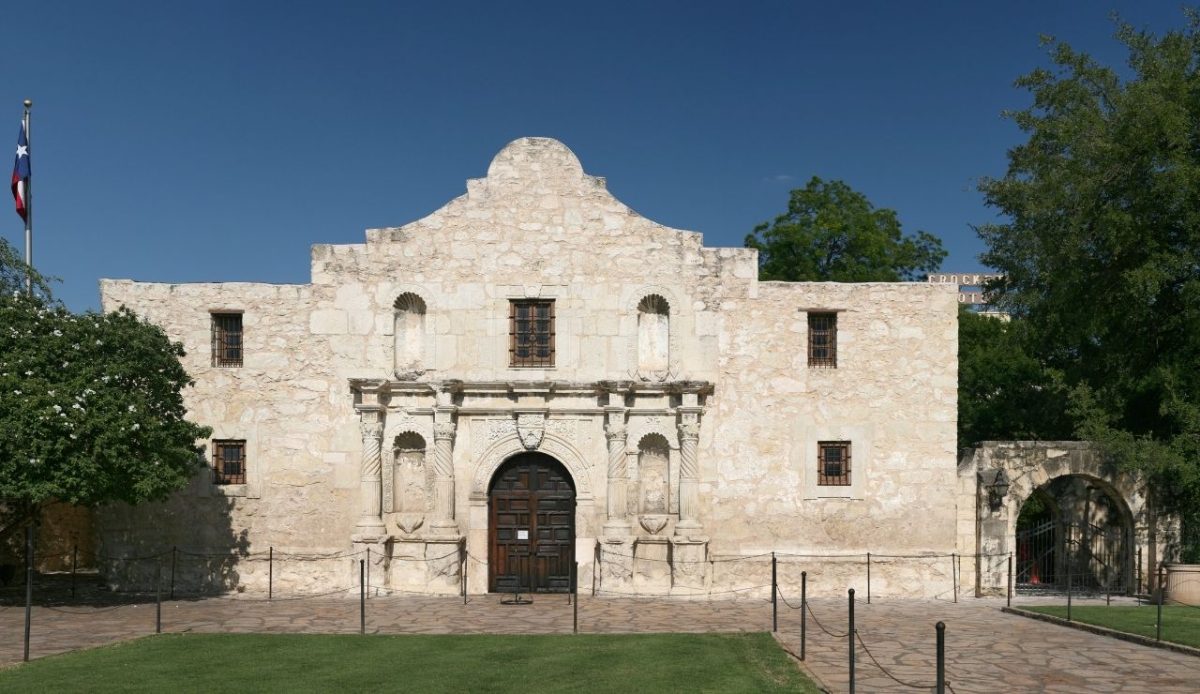
At the Alamo and its plaza, commercialization concerns center on redevelopment that adds new visitor facilities alongside retail and event functions. Public debate has included fears that tourism revenue targets will drive design choices more than historical clarity.
Project leaders say upgrades are needed to manage crowds and present a fuller account, including the wider battle context and the lives of Indigenous and Tejano communities. Modern museums also require climate control, security, and accessible circulation.
Critics respond that when retail zones and ticketed attractions expand inside the core footprint, the site’s civic meaning can narrow. They argue that a place of memory should not be planned as a spend-driven experience.
5. Colonial Williamsburg
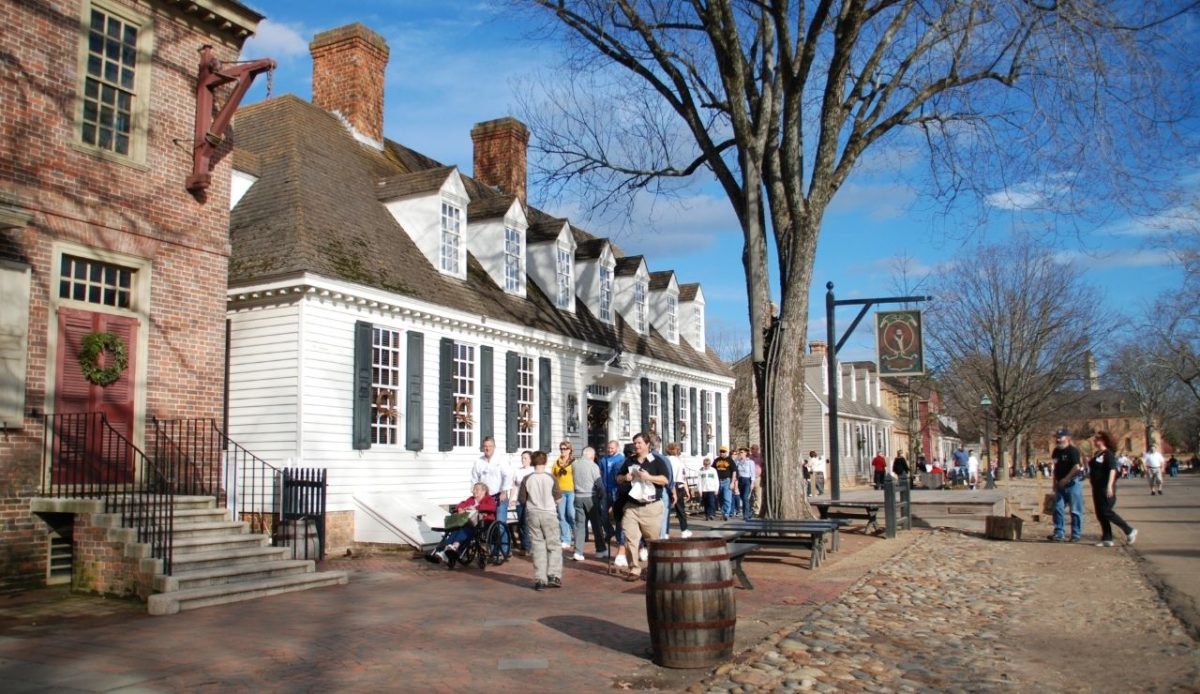
Colonial Williamsburg is frequently cited in scholarship on commodified heritage because it blends interpretation with shopping and staged experiences. Critics argue that curated streets, performers, and branded goods can tilt the past toward a pleasant narrative.
The foundation maintains that earned revenue supports conservation, research, and trades training, and that immersion helps visitors learn. Yet the economic model rewards longer stays and higher per-visitor spending, which can influence program selection.
When commercial appeal becomes a metric of success, critics say difficult history may receive less time or weaker framing. Even with strong scholarship, the environment can signal that entertainment is the primary product.
6. Monticello
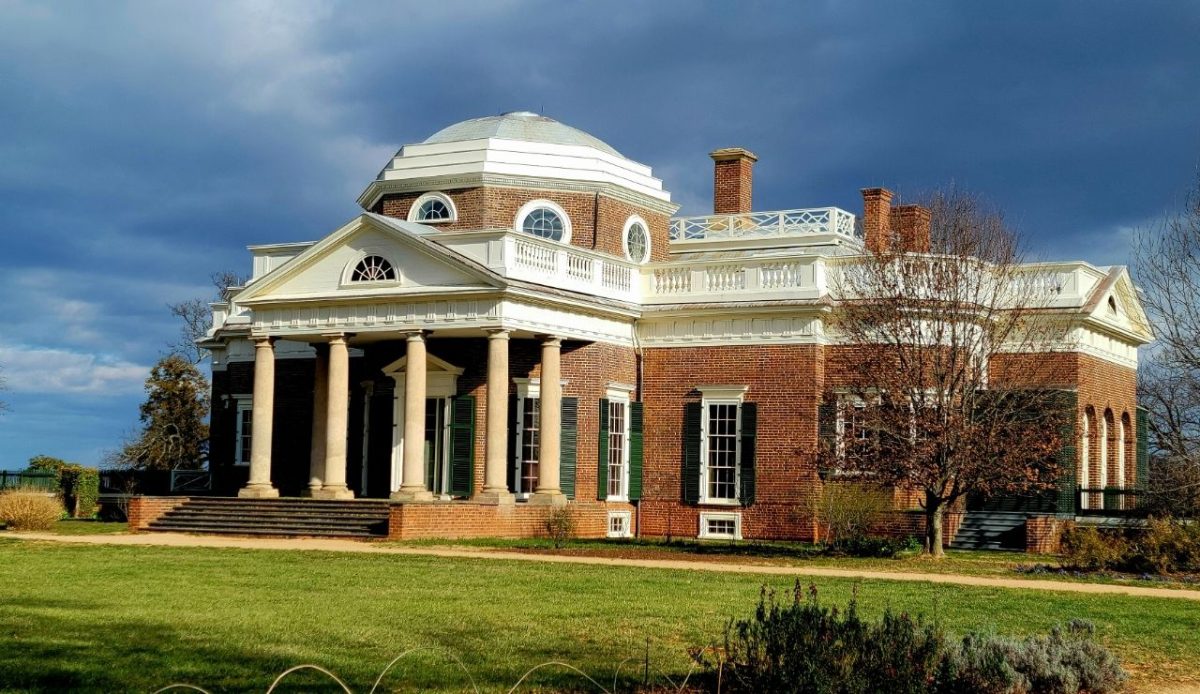
At Monticello, critics focus on how a ticketed plantation site balances education about slavery with a polished visitor economy. Admissions, tours, and retail help fund archaeology and exhibits, but they also set expectations for comfort and pacing.
In recent years, interpretation has expanded to highlight enslaved families, labor systems, and the contradictions in Jefferson’s life. That work is praised, yet scholars still question how pricing, scheduling, and branding shape what most visitors absorb.
Critics argue that if commercial success depends on positive sentiment, sharper truths can be softened through tone or placement. They stress that revenue tools should support interpretation, not steer it, at sites tied to coerced labor.
7. Faneuil Hall And Quincy Market
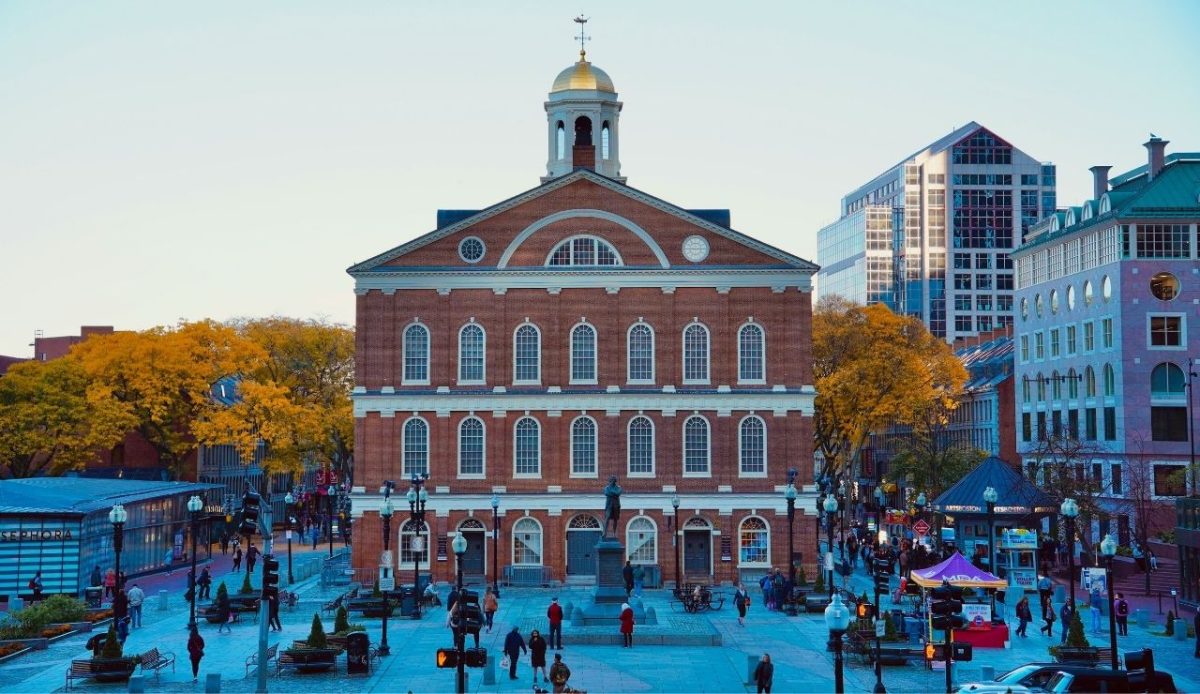
Faneuil Hall and Quincy Market illustrate a classic shift from civic landmark to retail destination. Critics say the festival marketplace model surrounds historic space with food courts and chain stores that encourage spending more than reflection on politics.
Supporters point to jobs, tax base, and the ability to keep buildings active rather than decaying. Still, the commercial environment can dominate what visitors remember, especially when signage and tenant turnover outpace interpretive information.
Critics argue that when a democratic symbol is experienced mainly as a shopping stop, meaning is flattened. The building remains historic, but its role as a learning site can be reduced to a backdrop for transactions.
8. Graceland
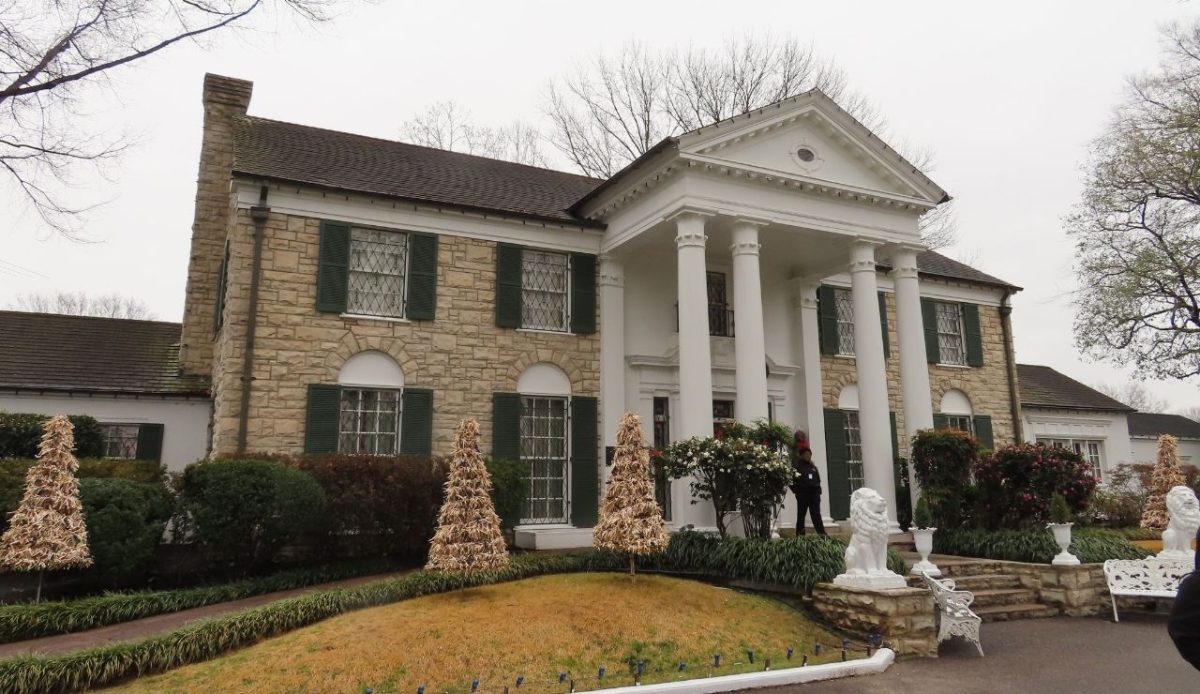
Graceland is criticized less for preservation failure and more for the scale of monetization around a historic home. Expanded complexes, premium ticket packages, and extensive merchandise can make the estate feel like an entertainment campus.
Operators argue that high demand funds conservation of the mansion, archives, and security without public subsidy. A strong revenue stream also supports staffing and exhibitions that keep collections visible rather than stored and deteriorating.
Critics respond that expansion changes the core story from cultural history to brand experience. When the business model depends on continual add-ons, historical context can become secondary to selling the next attraction.
9. Statue Of Liberty
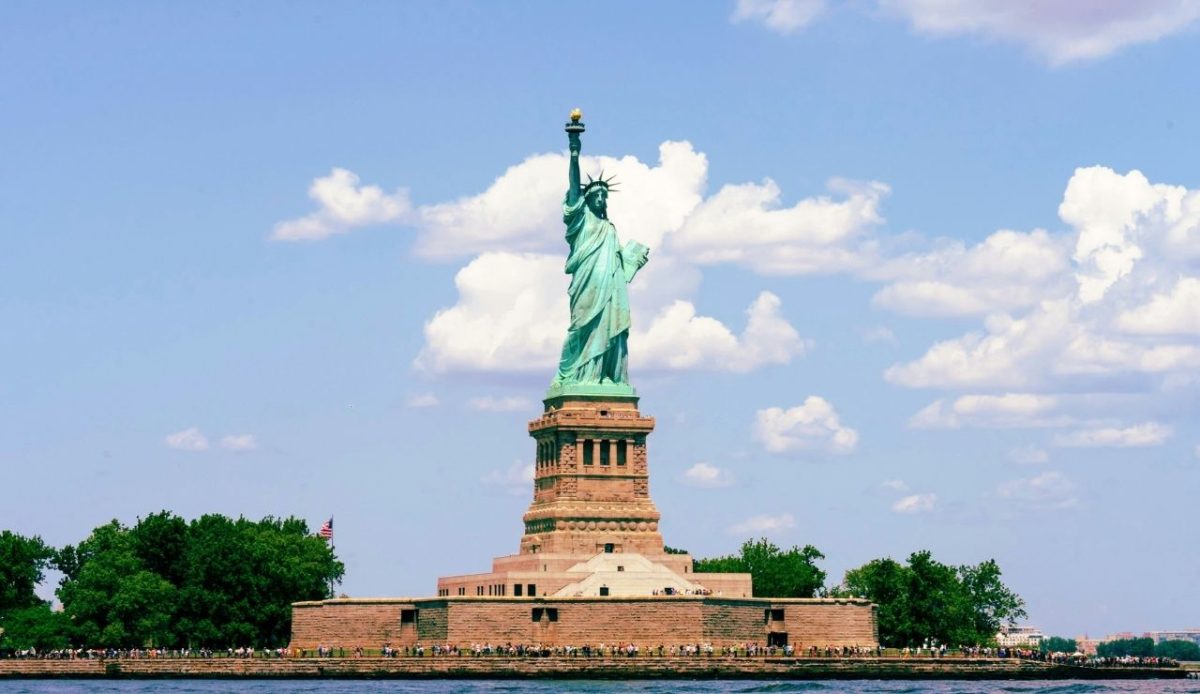
Commercialization concerns around the Statue of Liberty often focus on licensing and branding of its image. Critics argue that when a national symbol is used broadly in marketing, the meaning can be diluted and reduced to a generic logo.
On-site retail exists at many national park units, and sales can fund visitor services. The sharper debate is about visibility and volume of commercial uses, including campaigns that link the monument to products unrelated to civic history.
Critics say overuse can shift the statue from a public emblem to a private asset. That shift matters because symbolism is part of the resource, and monetizing it can erode the shared civic value the site is meant to represent.
10. Mount Vernon
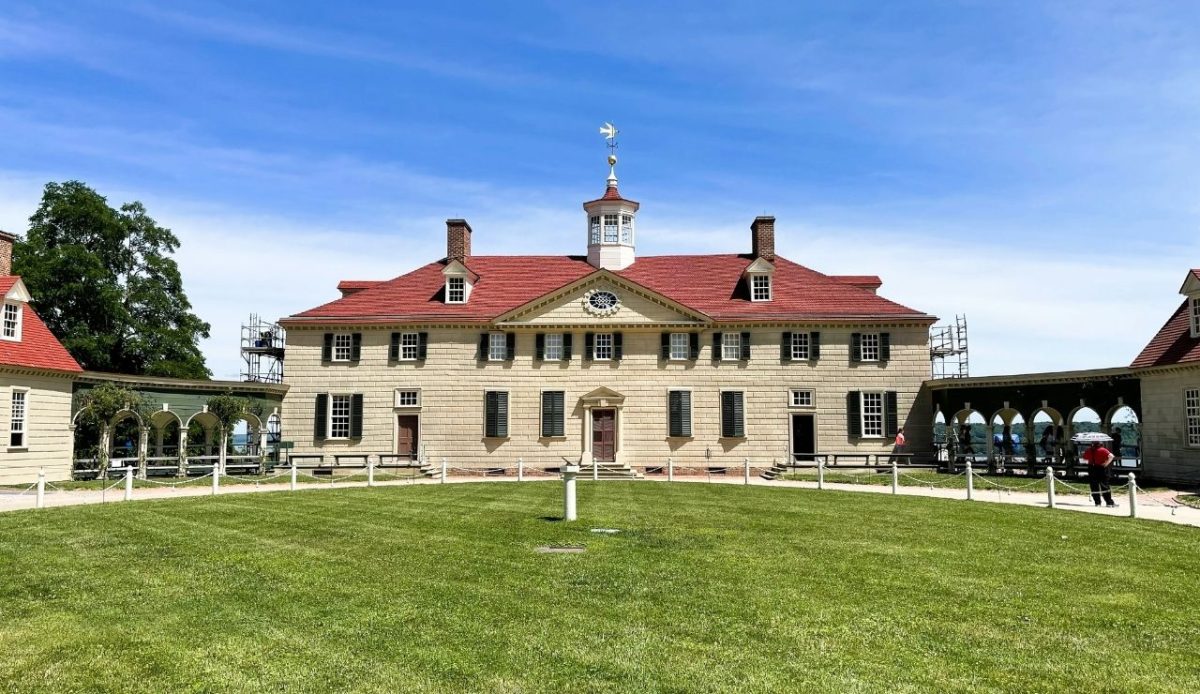
At Mount Vernon, critics point to corporate sponsorships, branded events, and a large retail operation tied to a presidential estate. The nonprofit model depends on earned income and donations, which can increase pressure to market experiences.
Supporters argue that private stewardship has protected the property for generations and funds research, conservation labs, and new interpretation. Sponsorship can also pay for exhibits that would otherwise be delayed or scaled down.
Critics worry that visible branding can affect perceived neutrality and priorities. When funders and sales are prominent, visitors may question whether interpretation is shaped to protect revenue streams rather than to present the fullest record.
