
Tourist shopping zones used to be the safest bet for storefronts: steady foot traffic, predictable spending, and rents priced for peak season. Lately, more of these districts are showing empty windows, “for lease” signs, and pop-ups that disappear as fast as they arrive.
Vacancy can spike when visitor patterns change, big tenants downsize, or construction drags on longer than planned. Remote work also matters in downtowns where weekday office crowds used to prop up souvenir shops and casual retail.
Below are 11 well-known U.S. tourist districts where storefront churn is a visible storyline right now, along with the mix of costs, demand, and redevelopment pressures that help explain it.
1. Union Square (San Francisco, California)
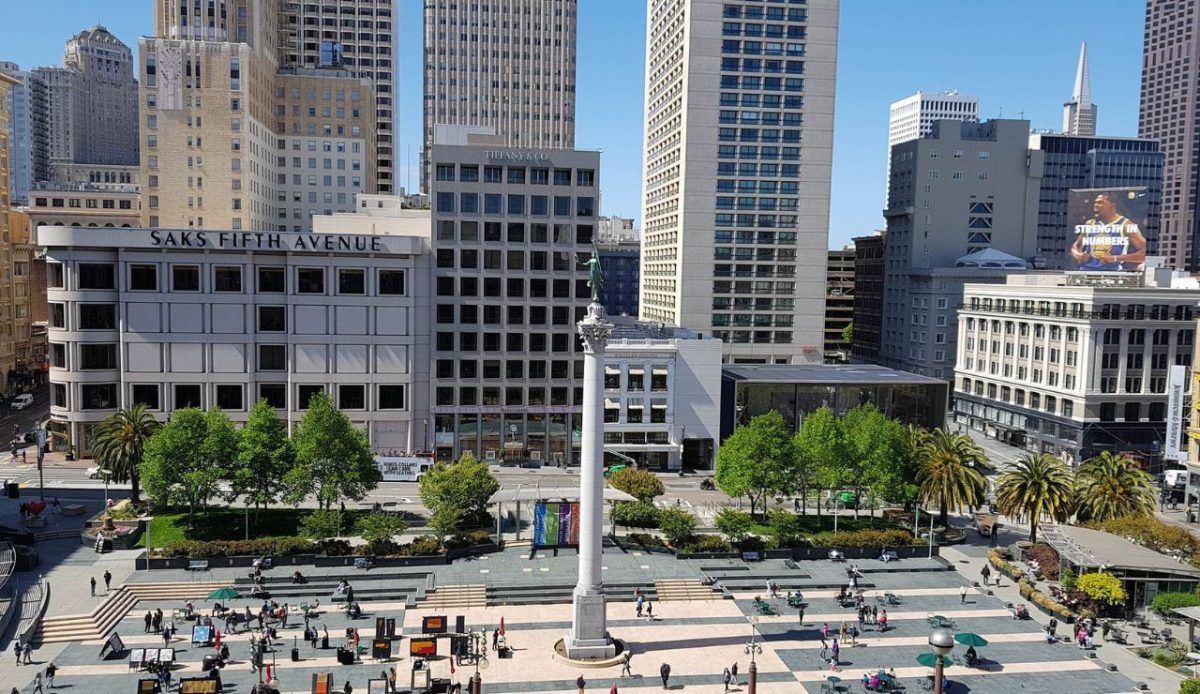
Union Square is one of San Francisco’s most visited shopping hubs, but it has carried an unusually high share of dark storefronts compared with pre-pandemic years. Even as foot traffic returns in bursts, many blocks still feel like they’re between eras.
A recent market report put Union Square’s retail vacancy at about 22.7% in Q3 2025, illustrating how large the hole has been. Luxury downsizing, weaker weekday demand, and cautious leasing all feed the churn.
The district is leaning on shorter leases, pop-ups, and events to keep windows lit while landlords reset rents and refurbish older spaces for smaller, experience-led tenants as tourism rebounds.
2. Magnificent Mile (Chicago, Illinois)
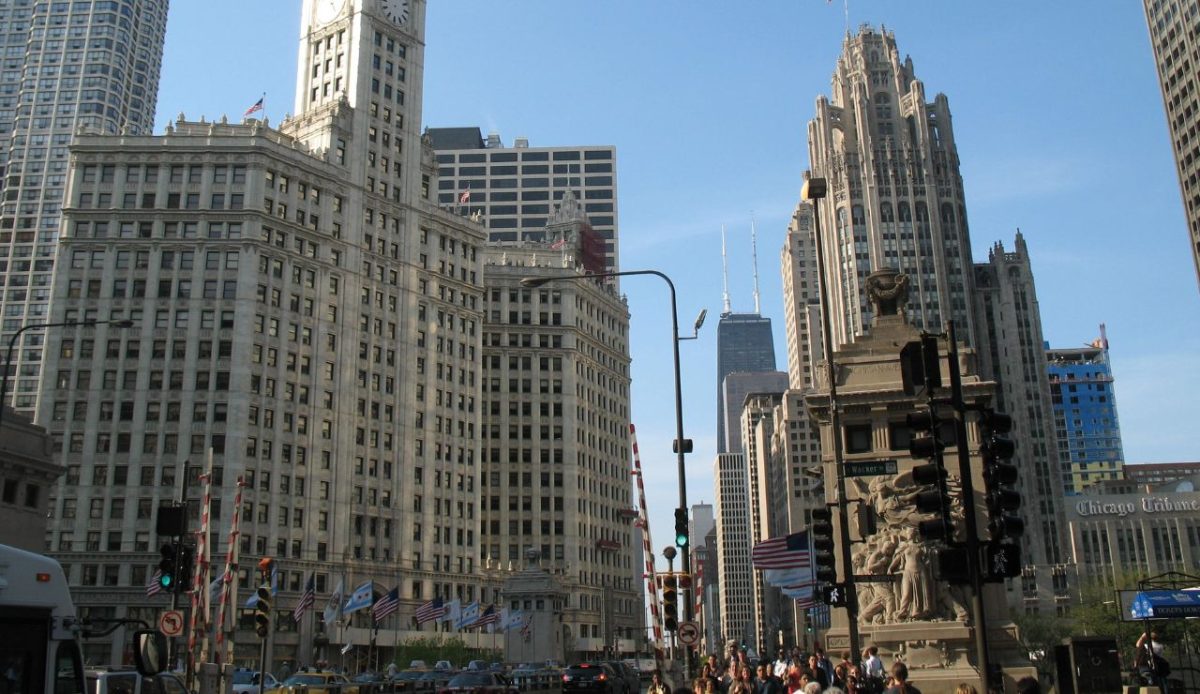
Chicago’s Magnificent Mile remains a postcard corridor, but long runs of vacancies have been hard to ignore for visitors who remember the old lineup of flagships. When big boxes leave, the empty shells can take years to re-tenant.
Local reporting has tracked vacancy levels that climbed into the 20% range before easing, reflecting both closures and slow backfilling. Higher borrowing costs also make it tougher to finance major build-outs that national brands prefer.
Landlords have been experimenting with subdividing oversized spaces, offering flexible terms, and recruiting food, entertainment, and “try it in person” concepts that benefit from tourist traffic rather than weekday office crowds.
3. Hollywood Boulevard (Los Angeles, California)
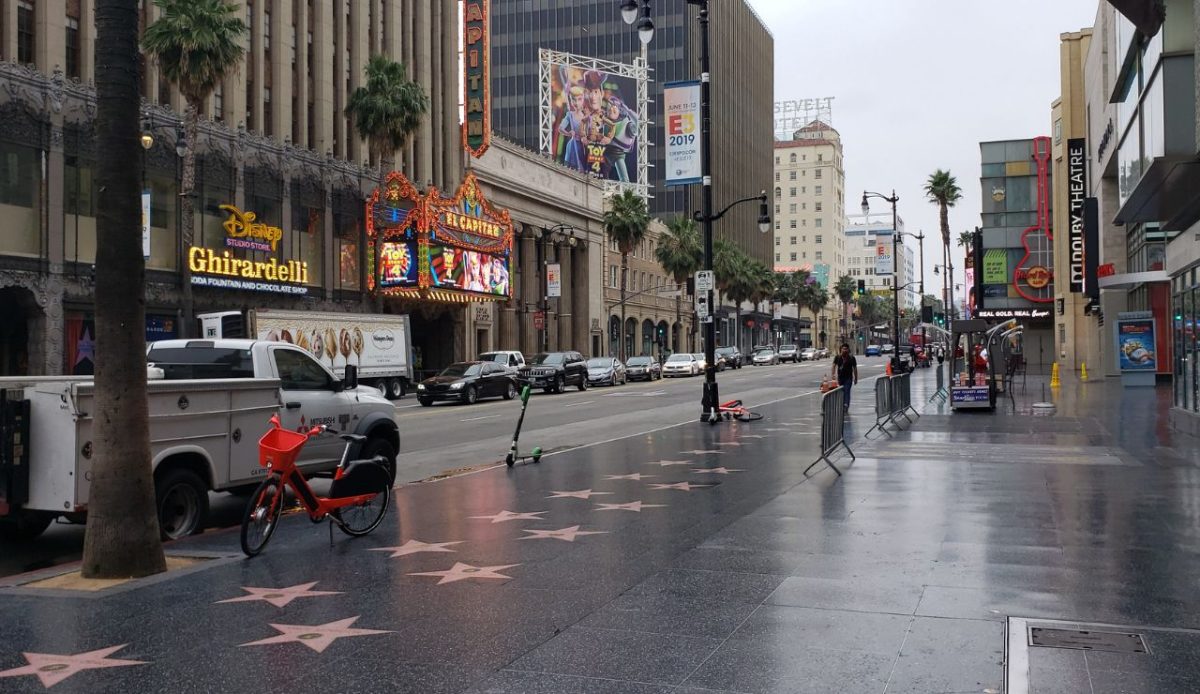
Hollywood Boulevard’s Walk of Fame pulls constant crowds, yet the retail mix has become patchier, with more short-term tenants and more roll-down gates in between them. Tourists still show up, but that doesn’t always translate into stable leases.
Retailers weigh high rent against revenue that can be seasonal and heavily weekend-driven. Security costs, storefront theft concerns, and aging building layouts can add friction for mainstream brands.
As a result, the corridor often cycles through souvenir shops, novelty experiences, and discount concepts. Vacancies tend to surge when a few larger tenants exit at once, because replacing big footprints is slower than filling small bays.
4. Downtown Core (Portland, Oregon)
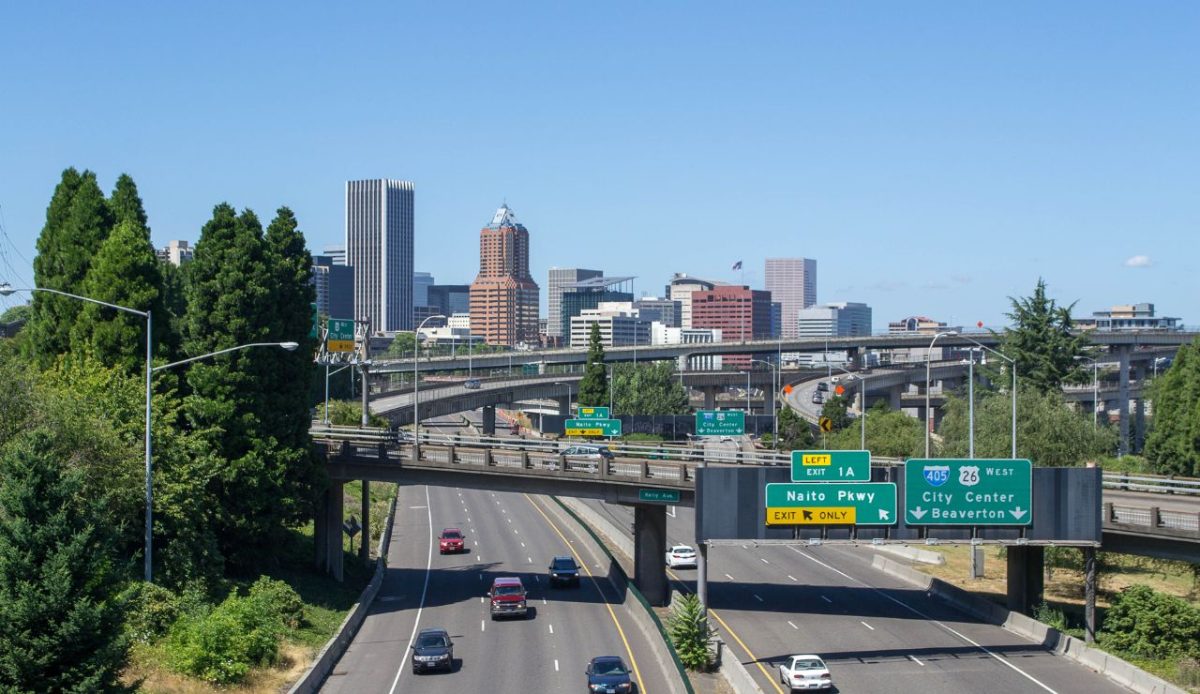
Downtown Portland’s core shopping streets around Pioneer Courthouse Square have faced a visible reset, with more empty storefronts and more “coming soon” signs than visitors expect. The district’s appeal used to blend retail, dining, and transit access.
When office attendance dropped, weekday sales softened, and some national chains re-evaluated multi-level stores that depend on steady daily flow. Construction impacts can also discourage impulse browsing.
Owners are shifting toward smaller-format tenants, service retail, and local brands that can operate on tighter footprints. Until foot traffic returns across the full week, vacancy spikes can linger even on blocks that still draw tourists for events and festivals.
5. Pike/Pine Corridor (Seattle, Washington)
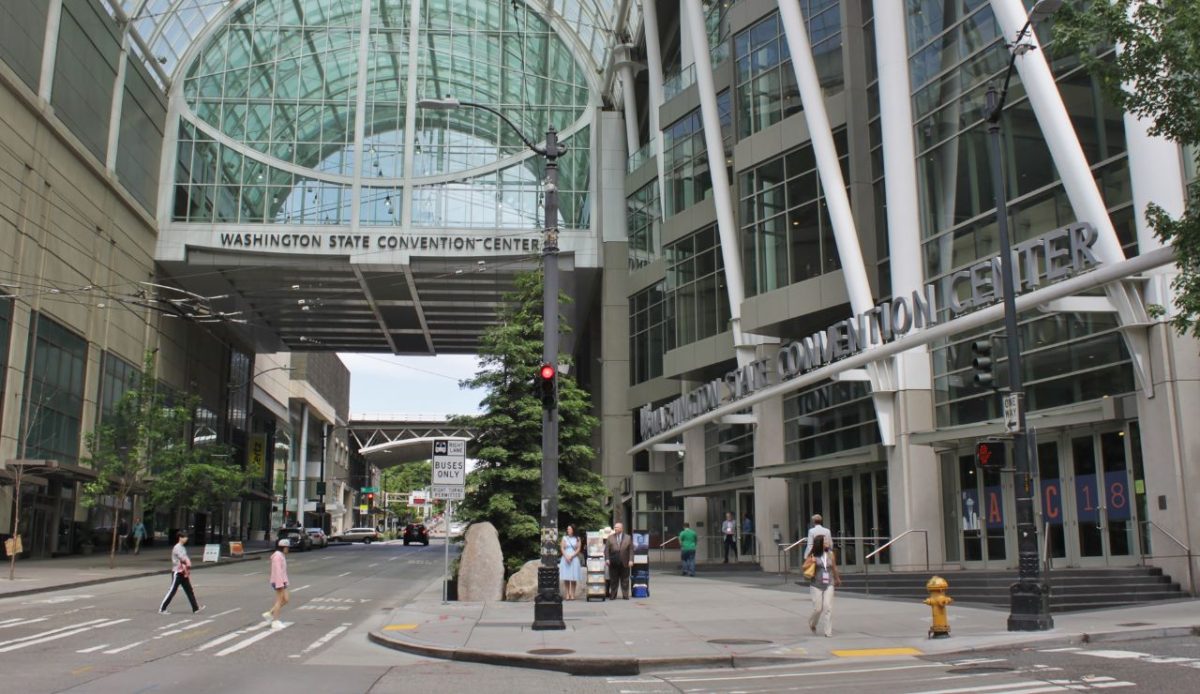
Seattle’s Pike/Pine corridor sits near major visitor magnets, but it has also dealt with uneven retail occupancy as brands reassess downtown storefronts. For travelers, the contrast can be sharp: busy corners followed by stretches with fewer open doors.
Retailers follow reliable patterns, and when foot traffic shifts toward specific blocks, vacancies can cluster quickly elsewhere. High operating costs and the need for security staffing can raise the break-even point.
Some landlords are courting restaurants, entertainment venues, and local boutiques that can monetize evening demand. Others are splitting large spaces into smaller units, so the corridor can look “in transition” until the lineup stabilizes.
6. Downtown Crossing (Boston, Massachusetts)
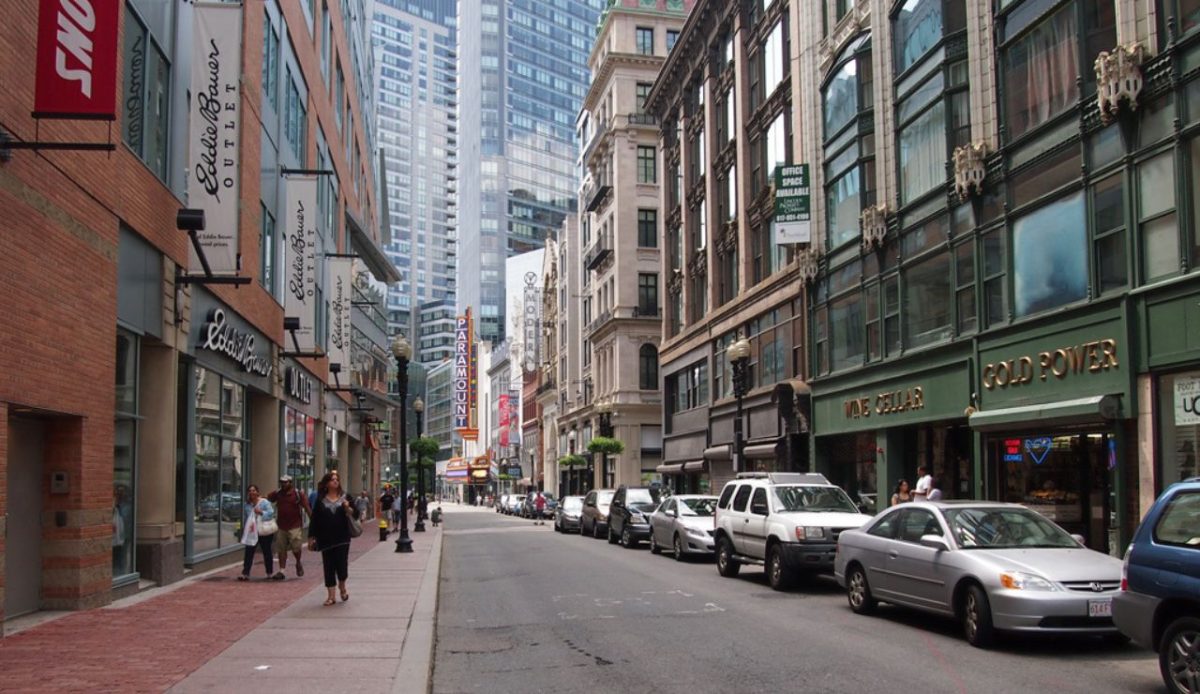
Boston’s Downtown Crossing has long been a commuter and visitor shopping zone, but recent years have brought more turnover and more gaps along key pedestrian stretches. Tourist foot traffic helps, yet many shops relied on weekday crowds.
As office schedules changed, some mid-priced apparel and department-style tenants pulled back, leaving spaces that are costly to remodel. Older buildings can also limit loading access and signage.
The district is seeing smaller concepts, temporary activations, and service-oriented tenants that can operate without huge inventories. Vacancy can feel “soaring” when multiple large storefronts go dark at once, even if nearby corners stay busy around transit entrances.
7. Canal Street (New Orleans, Louisiana)
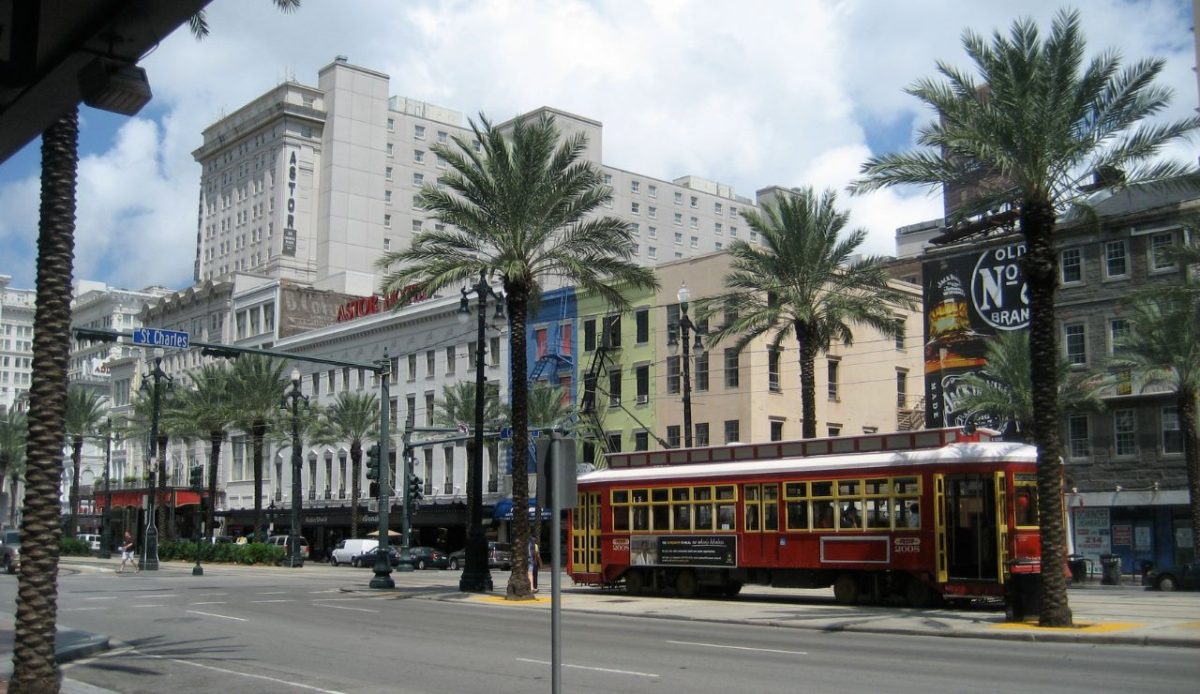
Canal Street links New Orleans’ French Quarter with downtown, so it stays on the tourist path even when retail occupancy is uneven. In recent years, more storefronts have rotated through short leases or sat empty.
Large-format retail on older corridors can struggle when shopping shifts to newer centers or online, and when renovations require major capital. Tourism demand is real, but it often favors food and experiences over traditional shopping.
Owners have leaned into hospitality-adjacent tenants, cafés, attractions, and local makers, while trying to right-size spaces for modern retailers. Until a stable mix returns, vacancy spikes are most obvious on long blocks where one closure can darken an entire stretch.
8. Inner Harbor (Baltimore, Maryland)
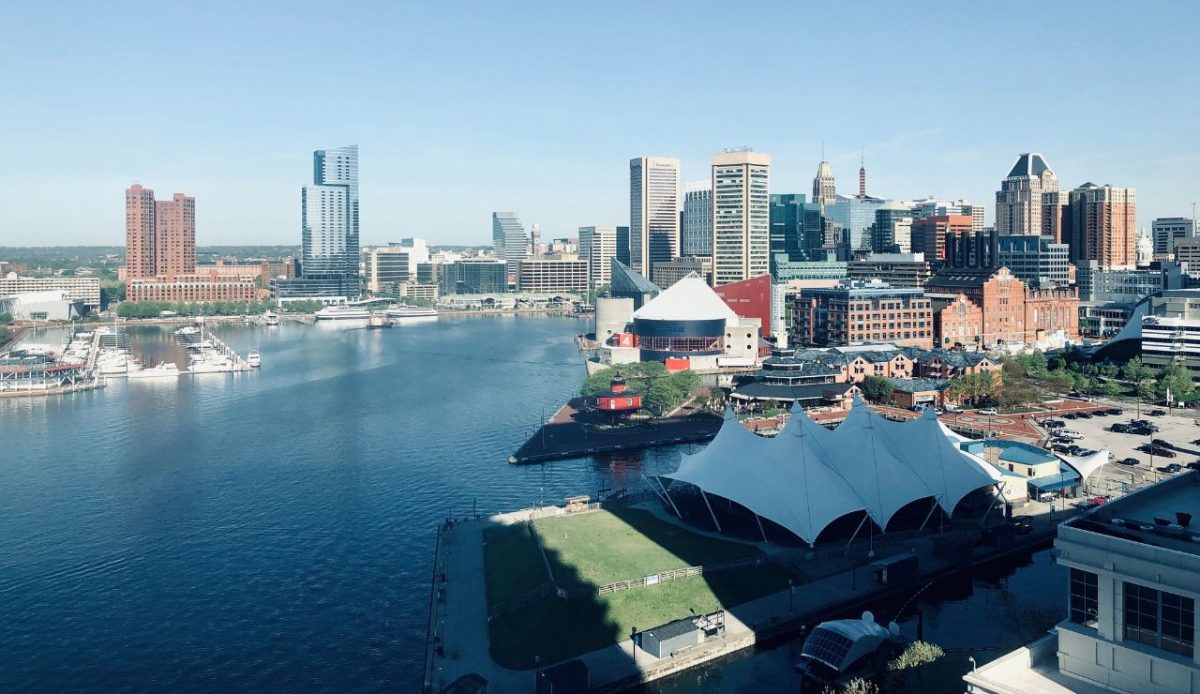
Baltimore’s Inner Harbor is built for visitors, yet parts of its retail and dining lineup have thinned, leaving noticeable gaps around promenades and enclosed shopping areas. When recognizable chains leave, the emptiness reads louder than in a typical neighborhood strip.
The area’s economics are tied to conventions, seasonal tourism, and nearby office activity. As major employers relocate within the city, daytime demand can shift away from older harbor blocks.
Redevelopment plans can freeze leasing while owners wait for repositioning, which temporarily inflates vacancy. For travelers, that means more “in transition” retail, pop-ups, kiosks, and short-term tenants, until long-term projects reset the mix.
9. Fremont Street (Las Vegas, Nevada)
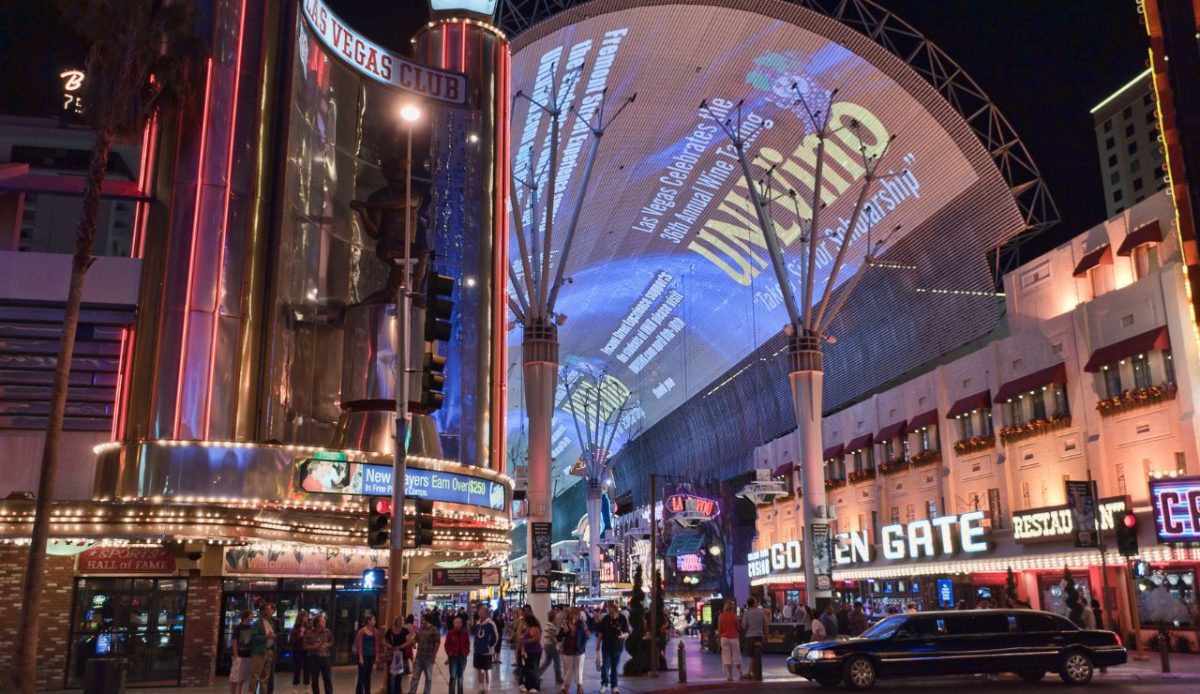
Fremont Street is packed at night, but its retail vacancy can still jump because the district’s spending is concentrated in entertainment, bars, and gaming-adjacent experiences. Shops that depend on daytime browsing can be less resilient.
Tourist districts in Vegas also face fast turnover as concepts chase trends and then burn out. When leases reset at higher rates or operating costs climb, marginal souvenir and apparel stores are often the first to exit.
The corridor tends to refill with experience retail, arcades, themed attractions, quick-service food, and branded pop-ups, rather than traditional storefront shopping. That shift can make vacancy feel “soaring” during the gaps between tenants, even when the sidewalks are busy.
10. Kalākaua Avenue (Waikīkī, Hawaii)
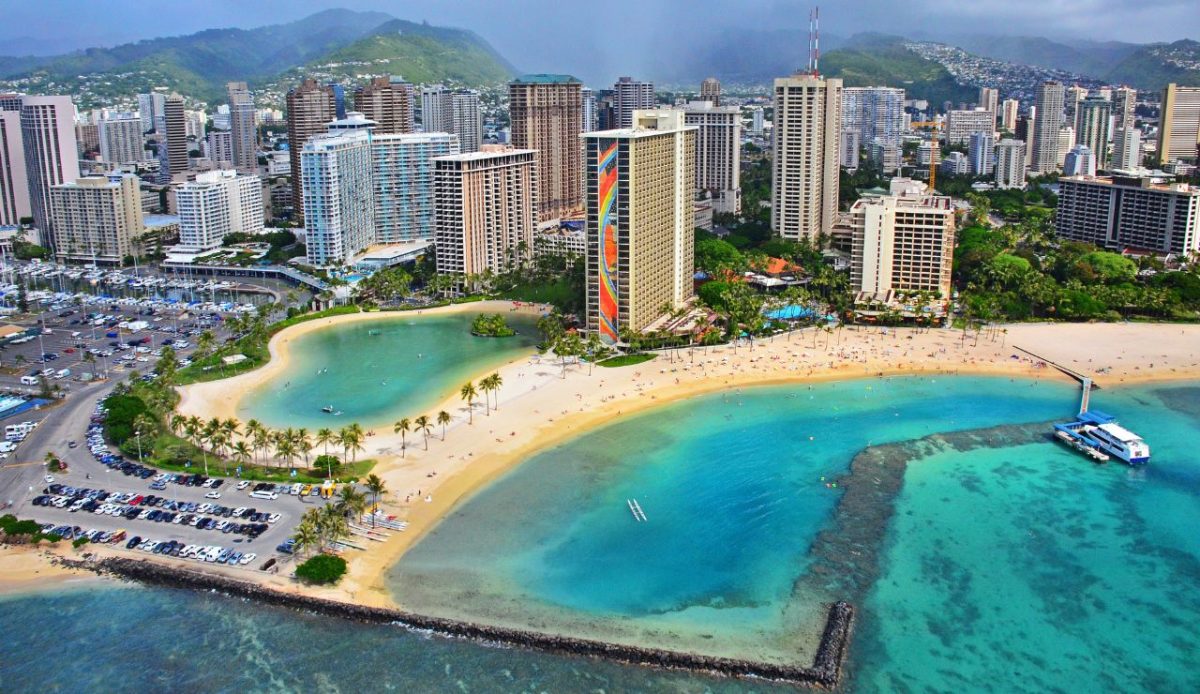
Waikīkī’s Kalākaua Avenue is one of the most tourist-heavy retail strips in the country, yet vacancies can spike when visitor spending shifts or when large tenants consolidate. High rents mean stores need steady volume, not just peak-season bursts.
Many spaces are built for luxury or big brands, and fit-out costs narrow the pool of replacements when a tenant leaves. If international tourism patterns soften, the sales math changes quickly for high-priced retail.
Owners often respond by bringing in food halls, wellness services, and experiential concepts that visitors book on vacation. Even then, one large vacancy can dominate the streetscape, making the district look more hollow than foot traffic alone suggests.
11. Lincoln Road (Miami Beach, Florida)
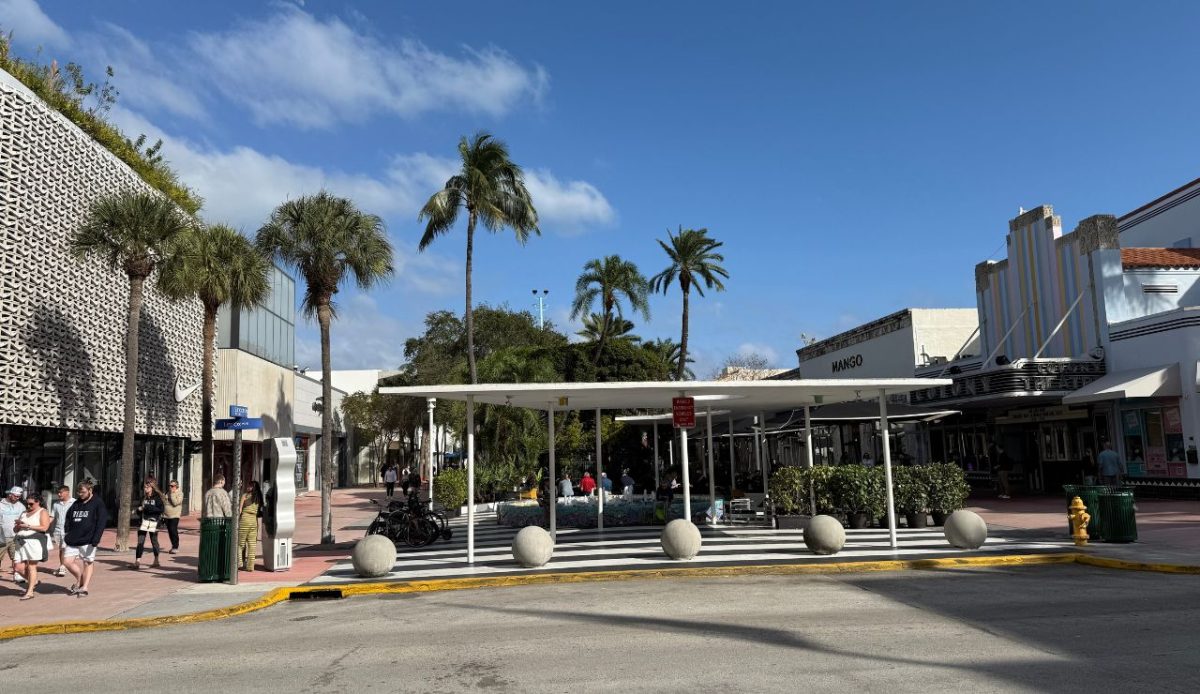
Lincoln Road in Miami Beach is a famous pedestrian shopping promenade, but it has seen storefront churn as retail shifts toward dining and services. Empty bays stand out because the street is designed as a continuous shop window.
Rents and build-out costs can be steep, while demand is seasonal and weather-dependent. If a few national tenants leave together, the lineup can feel fragmented, reducing the “stroll and browse” effect.
The corridor leans on restaurants, beauty and fitness brands, and entertainment concepts that monetize foot traffic differently than apparel stores. Vacancy spikes are often a transition phase, but they can linger when spaces are oversized or priced for a retail era that’s fading.
