
Festivals start as community rituals: a harvest celebration, an arts showcase, a faith tradition, or a local fundraiser. Over time, big crowds, sponsorships, and social media can shift the focus from “why it started” to “how it sells.”
This list looks at eight U.S. festivals that longtime attendees and nearby residents often describe as changed by scale, pricing, or branding. That doesn’t mean they’re “bad,” but the original mission can feel harder to find.
If you’re planning a trip, these snapshots explain what the festivals were built to celebrate, what locals say has drifted, and how to visit with realistic expectations and fewer surprises when you arrive.
1. Mardi Gras (New Orleans, Louisiana)
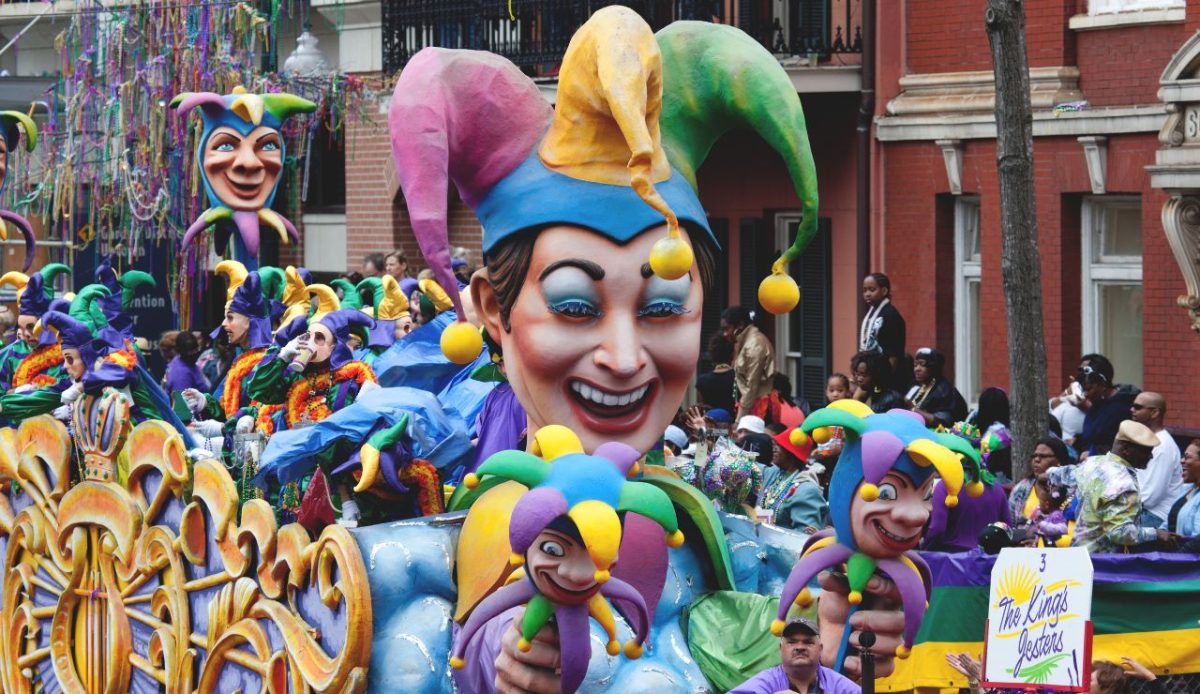
Mardi Gras began as the lead-up to Lent, with parades and krewes building neighborhood pride across New Orleans. For many locals, the best parts are still the community traditions: handmade throws, marching bands, and family routes.
The complaint you’ll hear most is that commercial tourism now dominates the story. Ticketed parties and influencer-style “must do” lists can push attention toward the French Quarter while other areas do the cultural work. Crowd behavior and trash are also frequent gripes.
If you go, aim for smaller neighborhood parades, learn basic parade rules, and treat it as a citywide tradition, not a nonstop street bar. You’ll see more locals, more bands, and more meaning.
2. South by Southwest (Austin, Texas)
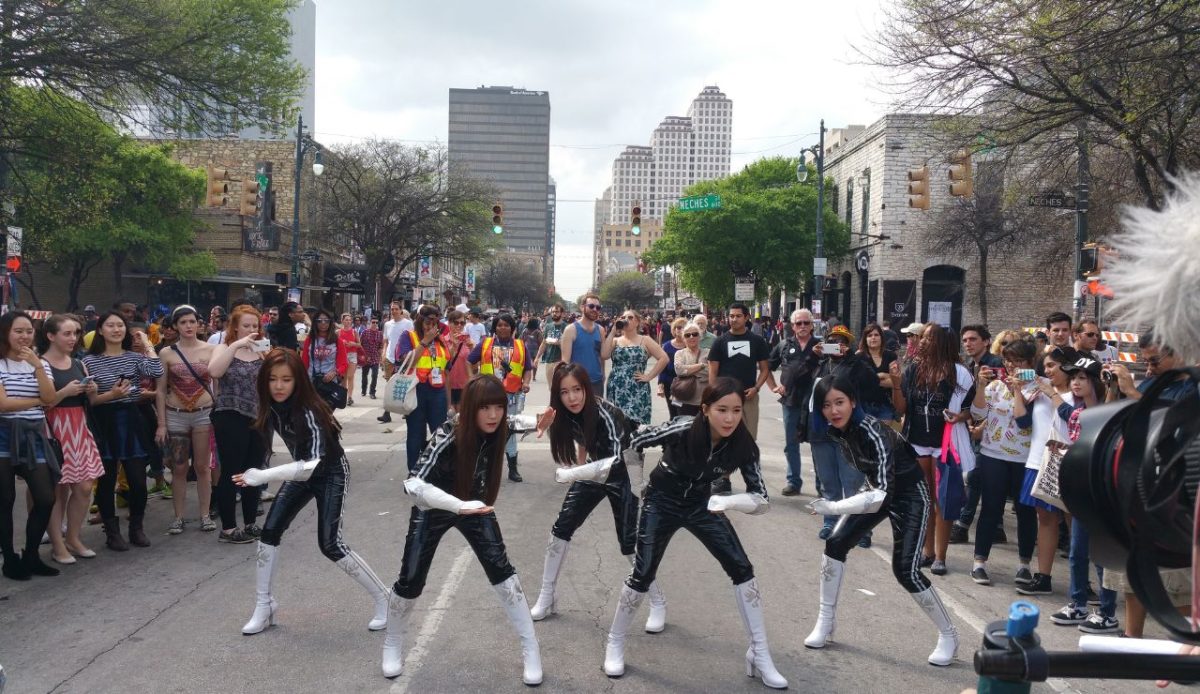
South by Southwest started as a music festival designed to put Austin artists in front of industry people and curious fans. In its early reputation, you could bounce from small venues to unexpected sets and actually feel the city’s creative scene.
Locals often say the balance has shifted toward corporate activations, expensive badges, and long lines for branded experiences. As tech and marketing budgets grew, many smaller musicians and locals felt priced out of the center of their own festival.
To catch the original spirit, skip the hype zones and focus on smaller shows, day parties with local lineups, and venues outside the busiest corridors.
3. Burning Man (Black Rock Desert, Nevada)
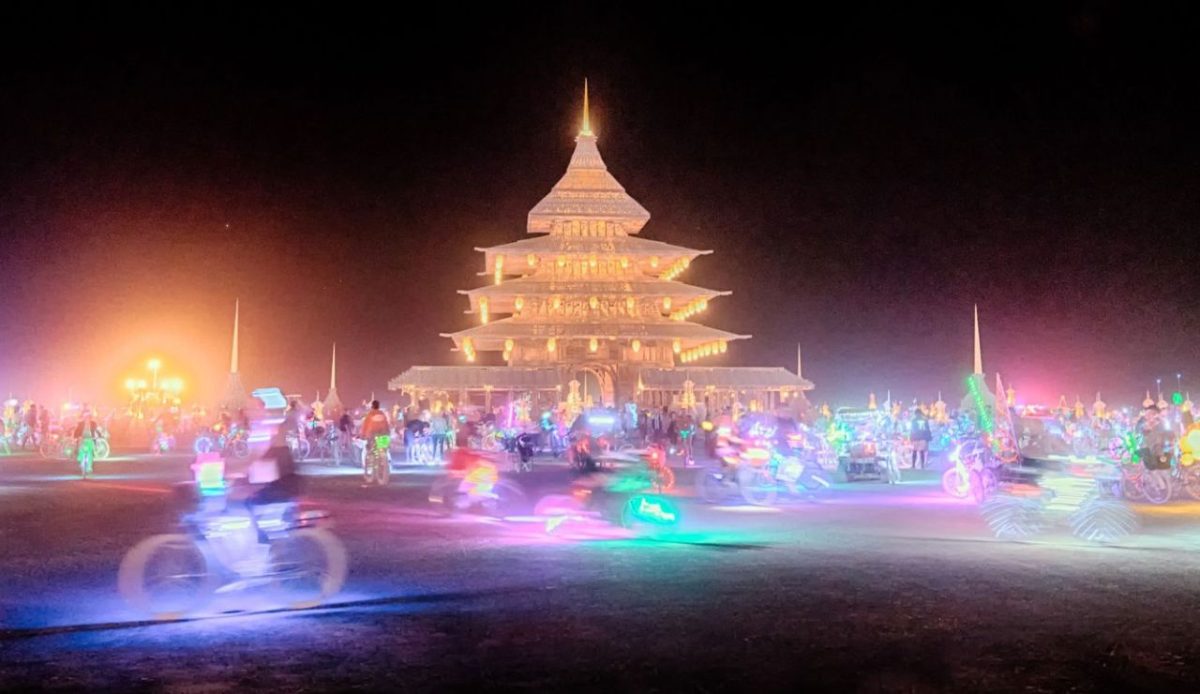
Burning Man began as an experiment in temporary community and large-scale art, built around participation and a “leave no trace” ethic. The idea wasn’t to be a spectator; it was to contribute, collaborate, and build something strange in the desert.
Longtime Burners frequently argue that prestige camps, private staffing, and status signaling have diluted the anti-commercial message. Even without traditional ads, money can still shape comfort levels, access, and who gets attention on the playa.
If you’re curious, go with a contributing camp, bring skills or supplies to share, and plan to work. The more you participate, the more the original purpose shows up.
4. Coachella Valley Music and Arts Festival (Indio, California)
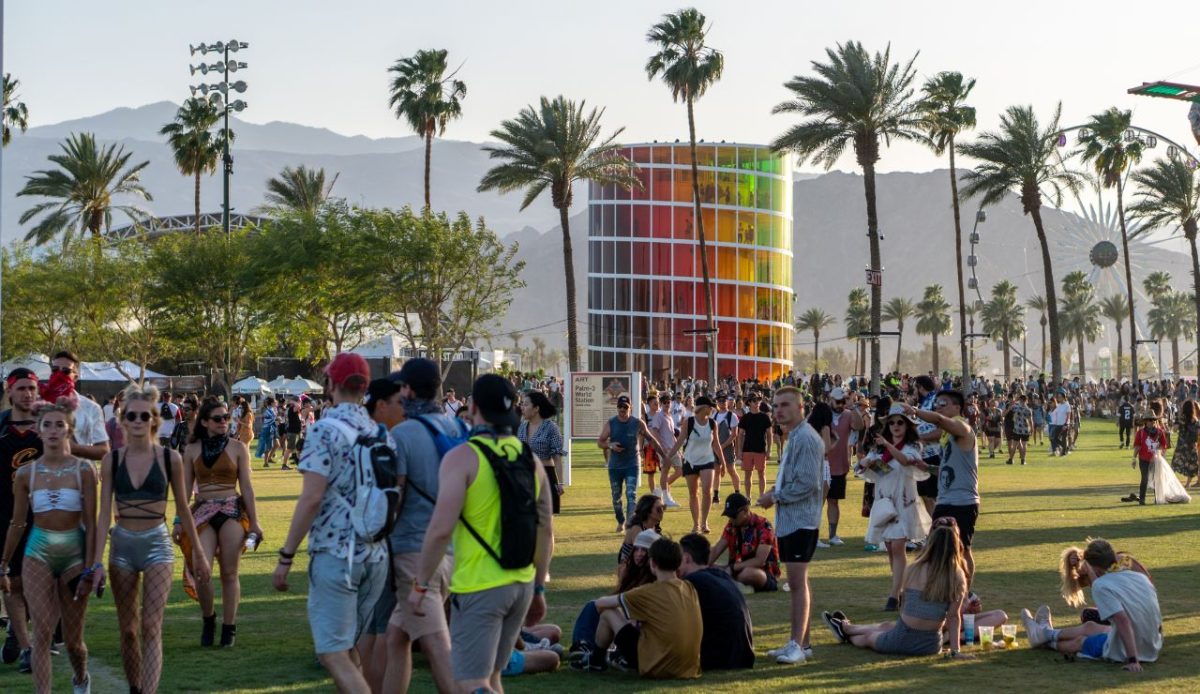
Coachella grew from a desert music gathering into one of America’s most influential festival brands, with big bookings and polished production. It still delivers major performances, and many locals working the event treat it as a crucial seasonal paycheck.
The “lost purpose” criticism is usually about culture, not sound. Outfits, VIP zones, and sponsored photo moments can feel like the main attraction, while discovery and community get pushed to the edges. Prices for passes, parking, and nearby stays add to the distance.
To make it feel less like a billboard, build your schedule around smaller acts, art installations, and daytime sets, and ignore the social-media checklist.
5. Sundance Film Festival (Park City, Utah)
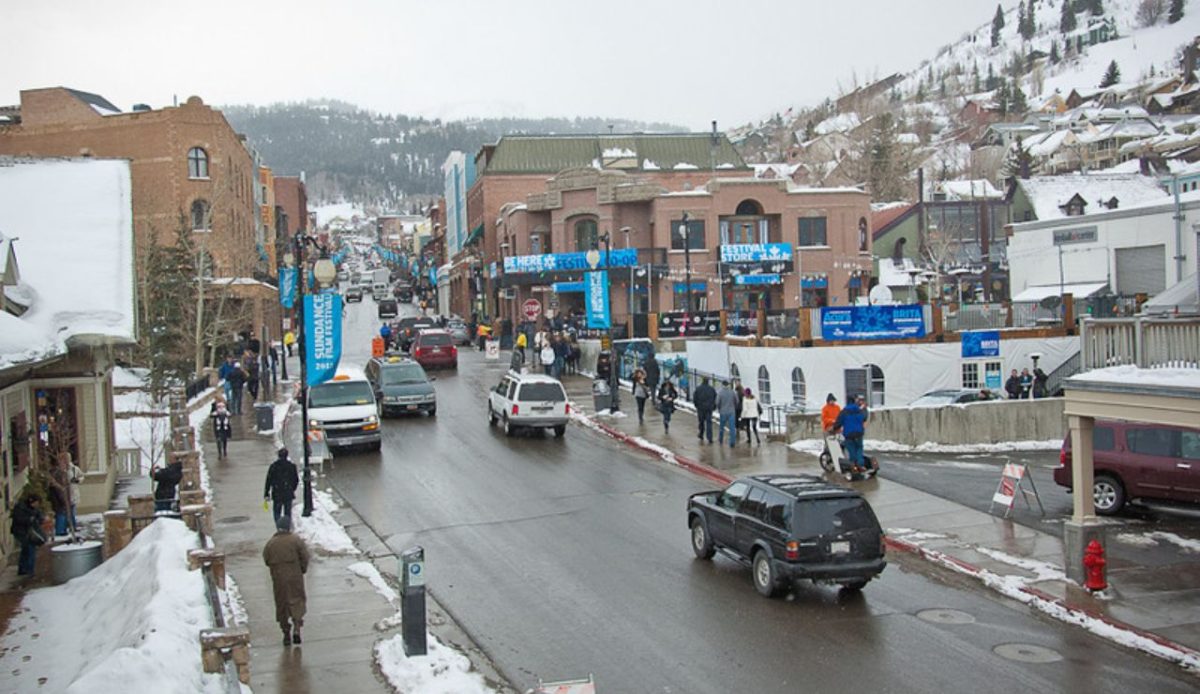
Sundance started as a platform for independent filmmakers, a place where small-budget stories could get seen, discussed, and supported. For Park City, it also became a winter economic engine that fills hotels, restaurants, and shuttle routes.
Locals and repeat visitors often say the vibe has drifted toward celebrity spotting and exclusive access. When brand lounges and invite-only events expand, it can feel less like a film-first festival and more like a high-end media week.
If you want the indie heart, prioritize midweek screenings, Q&As, and smaller venues. Pick films you’ve never heard of, not just the ones with famous names attached. That’s where the surprises live.
6. Sturgis Motorcycle Rally (Sturgis, South Dakota)
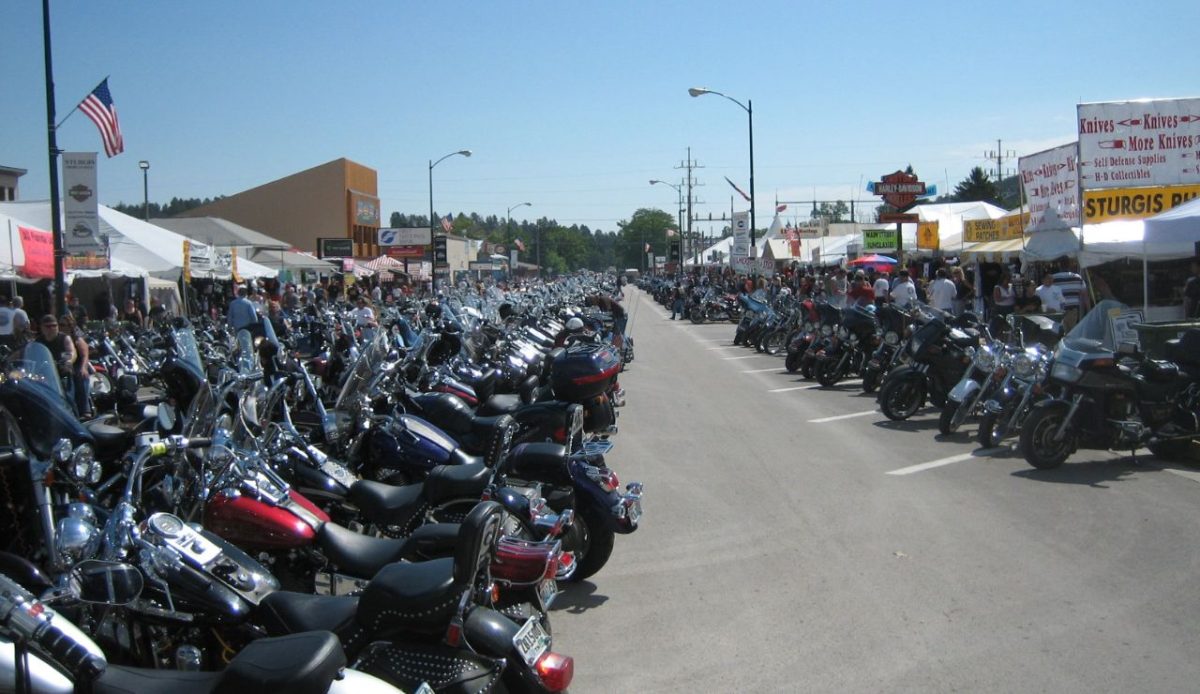
The Sturgis Motorcycle Rally began as a ride-and-race meet-up, rooted in motorcycling culture and the Black Hills’ open-road appeal. For many riders, the purpose was simple: community, custom bikes, and a shared love of the road. It still draws cross-country road trips.
Residents often say the rally now feels like a massive party machine with heavy branding, loud late nights, and crowd spillover. The scale brings traffic, higher prices, and a focus on spectacle that can overwhelm the ride culture that drew people in.
If you go, plan rides outside peak hours, support local businesses off the main strip, and treat the area like someone’s hometown, not a theme park.
7. Albuquerque International Balloon Fiesta (Albuquerque, New Mexico)
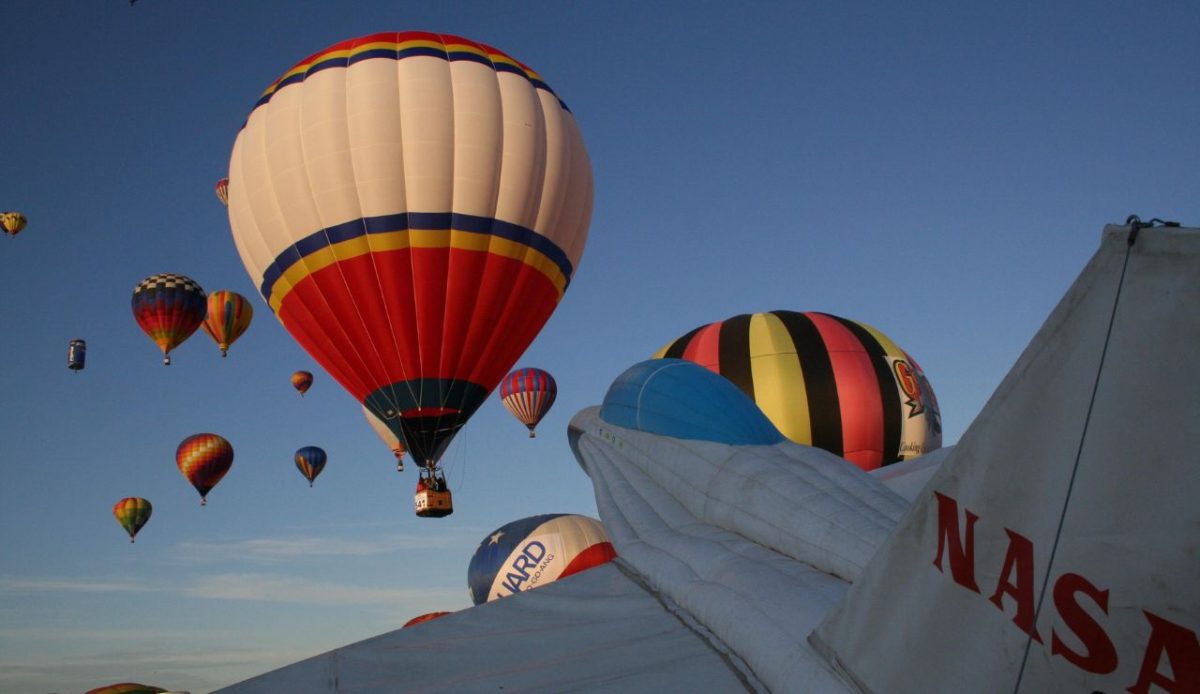
The Albuquerque International Balloon Fiesta started as a ballooning event that showcased pilots, craftsmanship, and New Mexico’s crisp autumn mornings. Dawn launches and “glow” nights can still feel magical, especially when you focus on the balloons themselves.
Locals sometimes say the experience has shifted toward crowd management and paid upgrades. Traffic bottlenecks, packed fields, and premium viewing options can make it feel less like a community celebration and more like a major attraction you navigate.
To keep it close to the original point, arrive before sunrise, use park-and-ride options, and watch pilots prep and launch. That behind-the-scenes rhythm is the real show.
8. National Cherry Blossom Festival (Washington, D.C.)
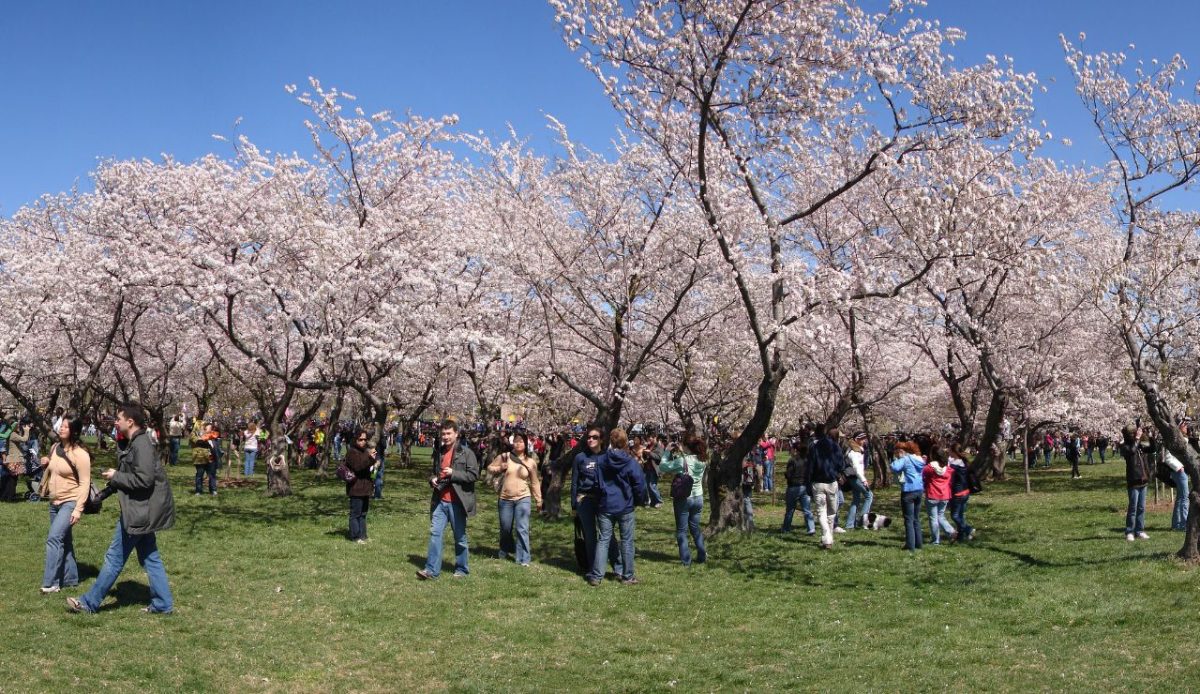
The National Cherry Blossom Festival in Washington, D.C., began to honor Japan’s gift of cherry trees and the friendship it represents. At its best, it’s a seasonal marker that pulls locals outside to walk, picnic, and appreciate a brief natural event.
The common local gripe is that the bloom has become an event brand with packed peak days, merch, and crowded photo spots. When the focus turns into “content” and traffic control, the quiet symbolism of the trees can get lost.
For a calmer, more purpose-first visit, go on a weekday morning, explore less central viewing areas, and treat it like a nature walk with history, not a parade you must conquer.
