
Renting a car can feel like freedom until you meet the curb. In busy tourist cities, parking rules are designed for turnover and safety, but visitors often read them as a puzzle with a tow truck as the answer.
The traps usually aren’t dramatic: a permit window you didn’t notice, a street-sweeping slot, a meter app you didn’t set up, or a zone where rules change block by block. A “quick stop” can turn into a citation in minutes.
These 12 destinations aren’t anti-tourist, but they do reward locals who know the system. If you’re driving in, budget extra time, double-check the full sign stack, and assume enforcement is routine, not rare at all.
1. San Francisco, California

San Francisco’s signs often stack rules like layers: meters, time limits, street sweeping, and residential permit areas. Visitors who focus on one line can miss the detail that actually matters for that hour.
A common surprise is the “move your car” requirement in time-limit zones. Simply pulling forward a few feet may not count as a reset; the city advises relocating at least one block away or a tenth of a mile to avoid repeat tickets.
Street sweeping schedules and neighborhood permit blocks turn harmless-looking curbs into ticket magnets, especially near popular districts. Treat the entire sign pole as one rule set, not separate suggestions, and assume enforcement is consistent.
2. Boston, Massachusetts
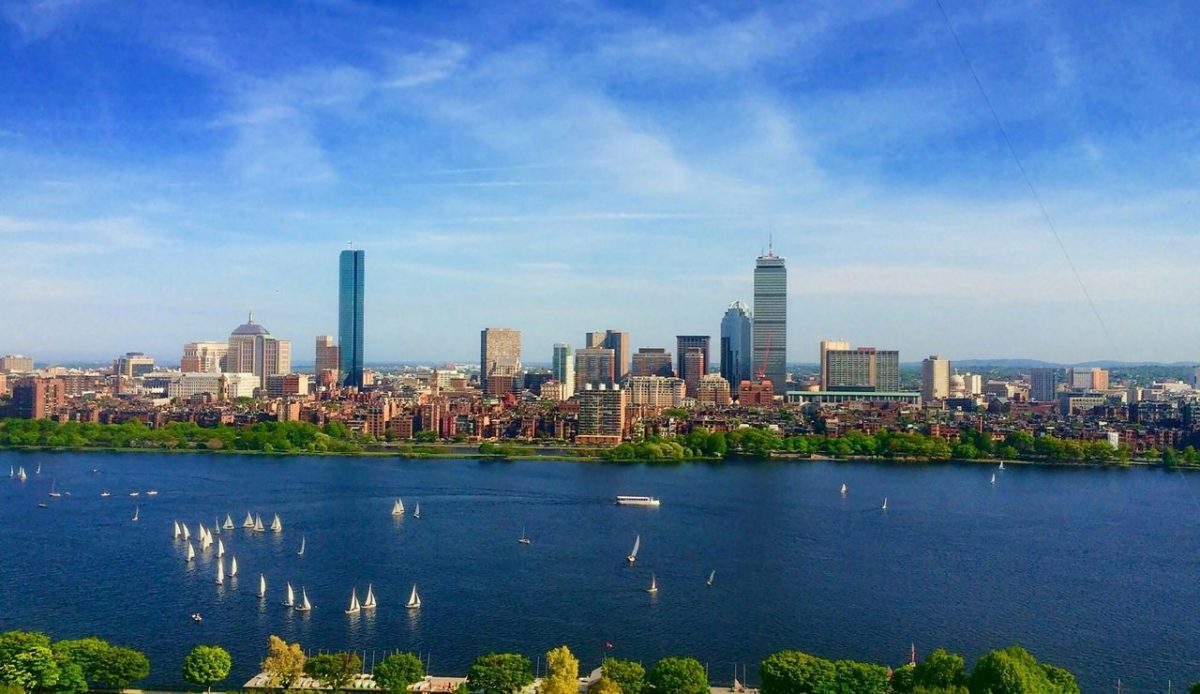
Boston’s historic streets weren’t built for modern parking demand, so neighborhoods protect curb space with resident permit rules. The catch for visitors is that a block can look normal until you notice the small neighborhood label at the top of the sign.
The city’s permit program is aimed at locals, and it’s blunt about visitor expectations: if a street is permit-restricted, guests generally need off-street options rather than relying on temporary neighborhood passes.
Add street cleaning, snow-related restrictions in winter, and tight lanes where towing is easy, and out-of-towners can rack up fees fast. If you’re staying overnight, confirm your hotel’s parking plan before you arrive.
3. Chicago, Illinois
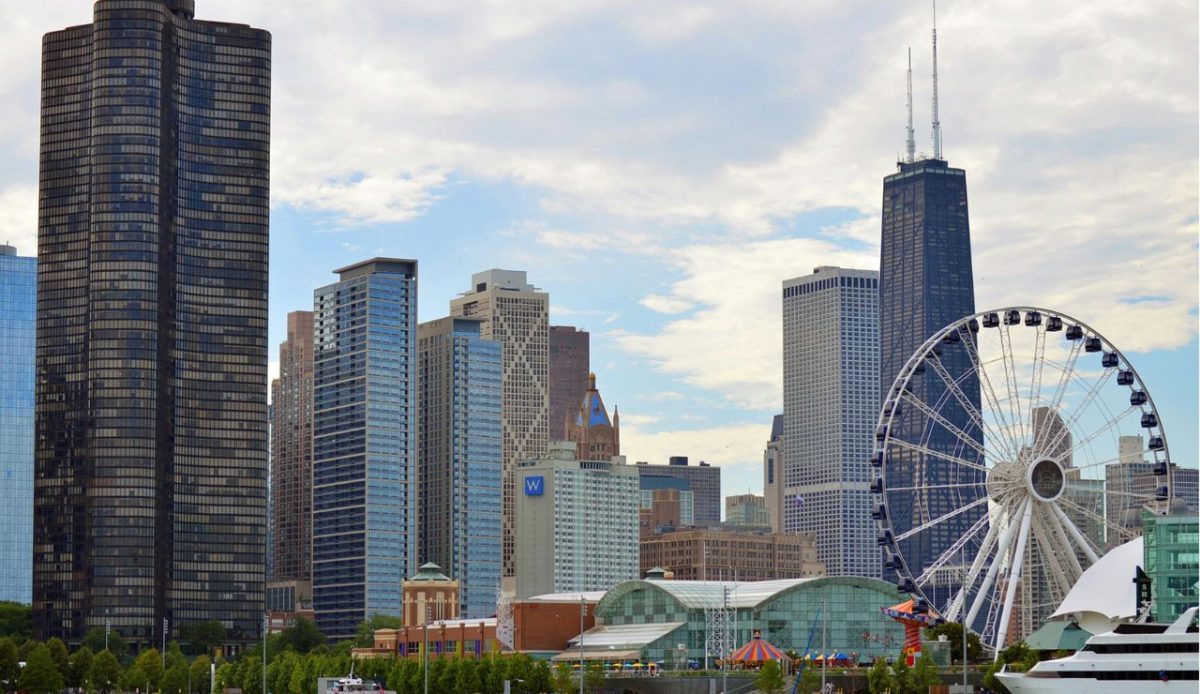
Chicago is a grid until parking rules bend it into a maze. Between residential permit zones, rush-hour clearways, and seasonal restrictions, the “easy” spot you found can flip from legal to ticketable depending on the clock.
Street sweeping is one of the classic visitor traps because it’s routine and time-bound. The city’s violation schedule lists street cleaning as a citable offense, and some neighborhoods post temporary restrictions ahead of sweeping windows.
Tourist-heavy areas add event-day controls and special permit zones, especially near stadiums and nightlife corridors. If the sign mentions a zone number, assume locals already know it, and you should verify before leaving the car.
4. New York City, New York
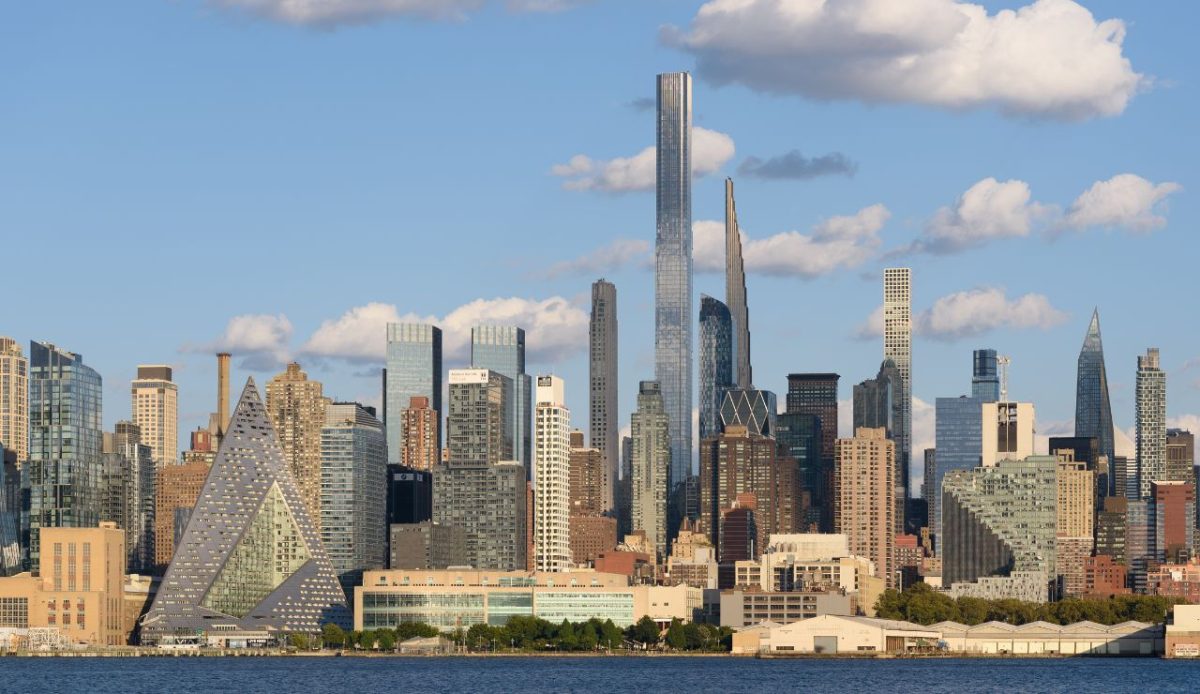
New York City’s parking stress isn’t just scarcity; it’s rule density. Alternate-side parking, changing meter hours, and block-by-block exceptions mean two spaces on the same street can operate under totally different schedules.
For visitors, the biggest risk is assuming the meter time tells the whole story. A paid session won’t protect you if the curb is reserved for cleaning, construction, deliveries, or a temporary no-parking order.
Add aggressive towing near hydrants, corners, and bus stops, plus signage that can be hidden by scaffolding or snow, and it becomes a city where “I was only gone 10 minutes” is rarely a winning argument. Plan for garages near your main stops.
5. Washington, D.C.
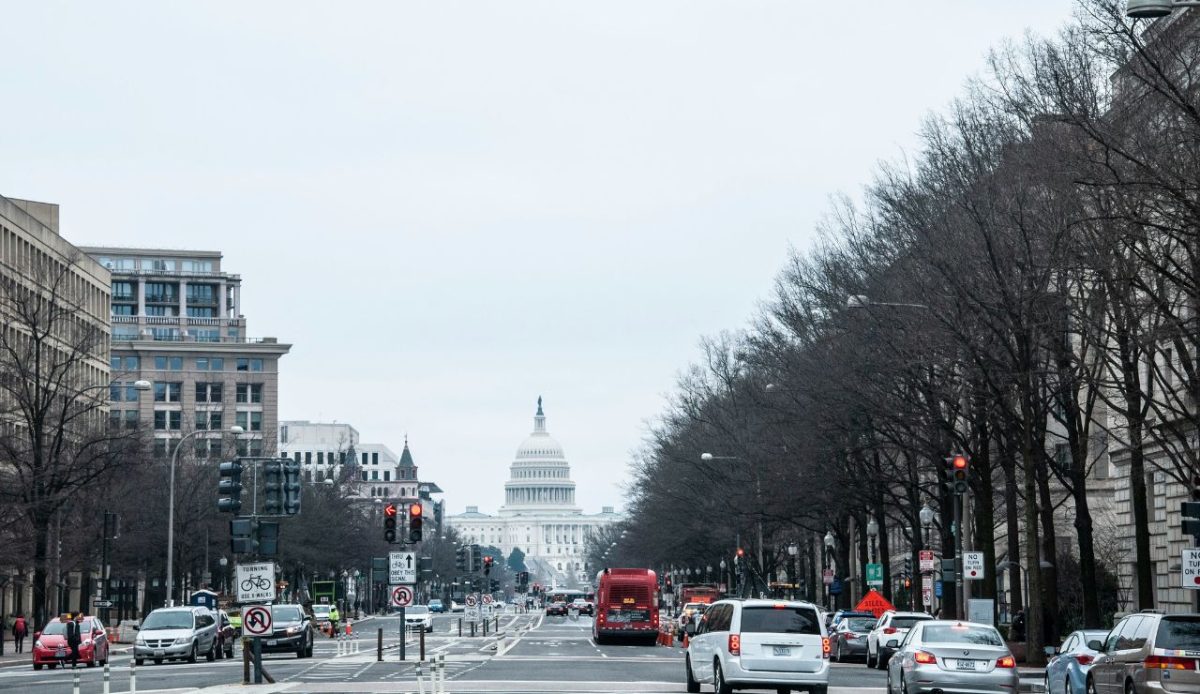
Washington, D.C., mixes tourist traffic with neighborhood permit systems and commuter controls. Around monuments and museums, you’ll see time limits, metered zones, and bus-lane restrictions packed into a few blocks.
The out-of-towner trap is a misunderstanding of what a permit zone implies. Many streets are effectively resident-first during key hours, even if the sign still allows short stays or paid parking for others.
D.C. also uses loading zones and peak-hour “no stopping” rules that look harmless when the curb is empty. If you’re visiting for a day, park once in a garage and use transit or walking, rather than trying to hop between sites by car.
6. Philadelphia, Pennsylvania
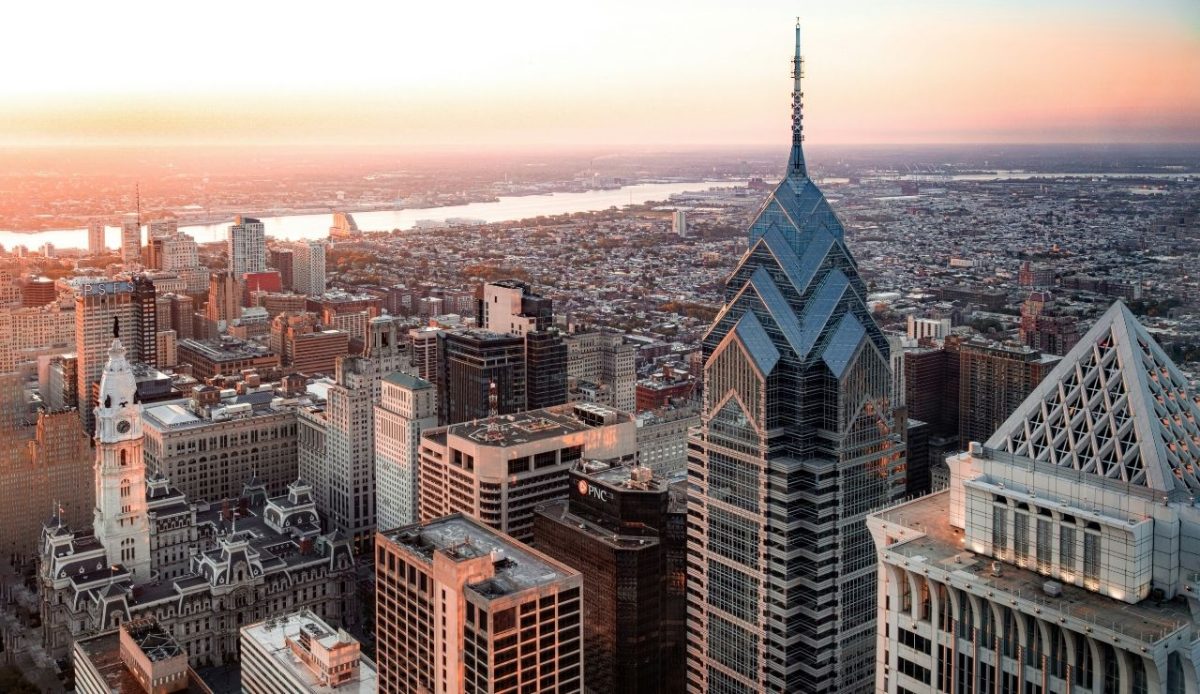
Philadelphia’s rowhouse neighborhoods depend on permit parking to protect limited curb space, and visitors can wander from a tourist corridor into permit-only blocks without realizing the rules changed.
Meters and kiosks don’t always make it obvious which side of the street you’re paying for, and time limits can be short near busy commercial strips. If you pay at a kiosk, keep the location in mind, not just the receipt.
Add street cleaning, temporary “no parking” signs for events, and narrow streets where a tow is the fastest solution, and citations pile up. When in doubt, choose a paid lot and treat street parking as a bonus, not the plan.
7. Seattle, Washington
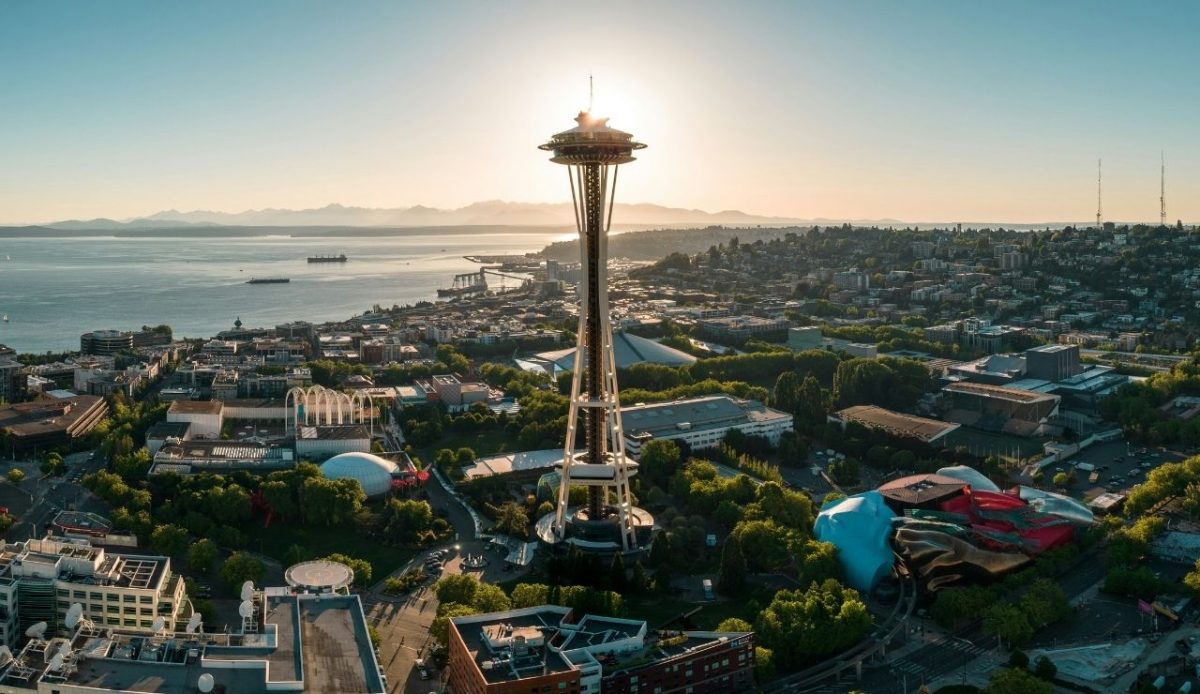
Seattle’s parking rules are shaped by steep hills, dense neighborhoods, and busy waterfront attractions. Visitors often get caught by time limits that are stricter than expected, especially near popular viewpoints and shopping districts.
A common issue is relying on a meter app or kiosk but missing the posted restrictions above it. Some areas combine paid parking with short maximum stays, and the limit matters even if you keep feeding the meter.
Add peak-hour clearways, loading zones, and frequent construction detours, and a legal space can become restricted without much warning. If you’re exploring multiple neighborhoods, park in a garage near transit and avoid repeated curbside gambles.
8. Denver, Colorado
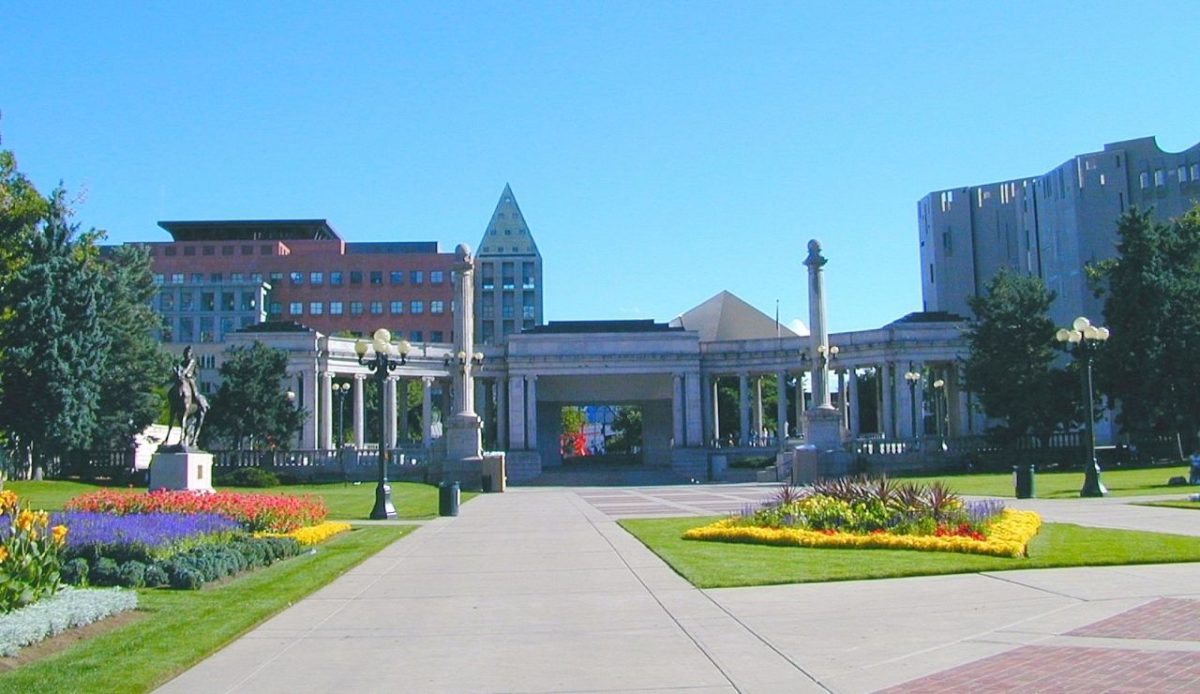
Denver’s downtown and adjacent neighborhoods draw drivers year-round, but one of the most reliable ticket generators is street sweeping. It’s easy to forget when you’re focused on a hike, a game, or a brewery crawl.
A parking-industry roundup noted that in Denver, about one in three tickets issued in 2024 were for street sweeping violations, which shows how routine enforcement can be even when the street looks quiet on a weekday.
Because schedules vary by area, treat posted sweeping times as non-negotiable and set a phone reminder. If you’re staying overnight, confirm whether your block is cleaned early morning or mid-day before you commit.
9. Miami Beach, Florida
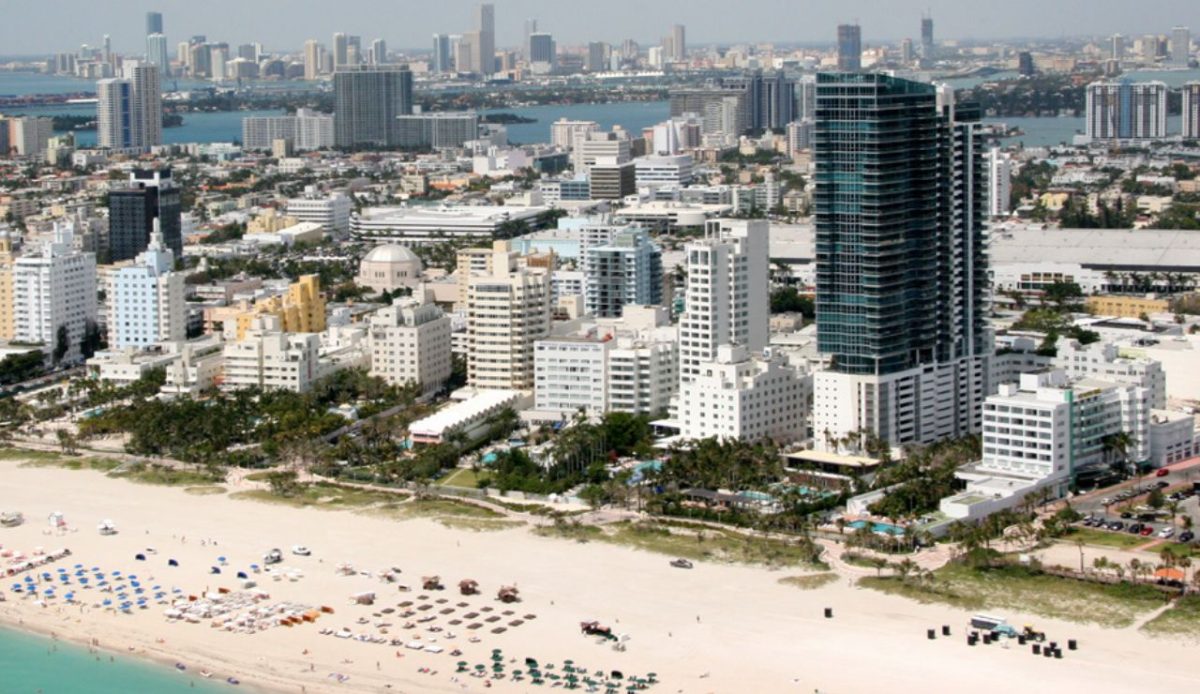
Miami Beach is designed for turnover: beach access, dining, and nightlife all compete for the same curb space. That pressure leads to strict time limits and rapid enforcement in high-demand areas.
Visitors often get trapped by mixing up zones and payment methods. A receipt or app session might cover one area while the car is actually parked in a different zone with different hours, rates, or maximum stays.
Add loading zones for hotels, frequent special events, and nighttime restrictions near entertainment strips, and citations can feel automatic. If you’re planning to stay out late, use a garage near your destination and treat curbside spots as short-term only.
10. New Orleans, Louisiana
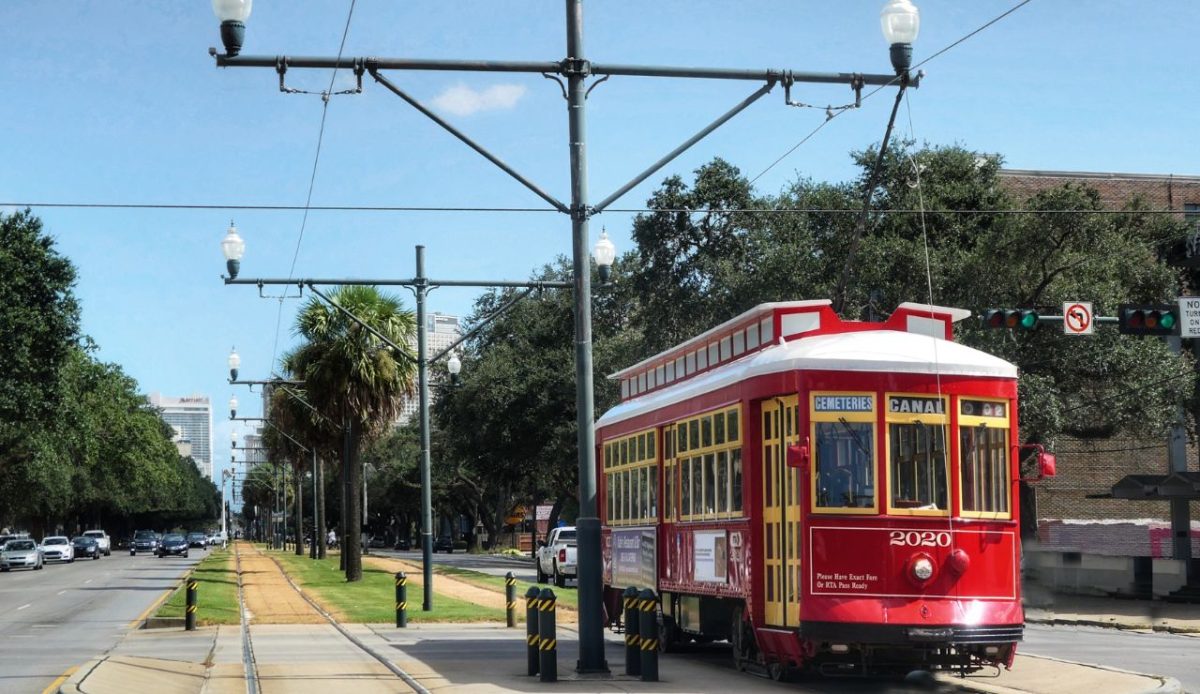
New Orleans draws drivers into tight, older streets where visibility is limited and curb rules change quickly. In the French Quarter and nearby areas, parking is less about finding a space and more about avoiding a restricted curb.
The trap for out-of-towners is assuming weekends are relaxed. Event calendars, parades, and temporary closures can trigger no-parking zones that appear with little lead time, and enforcement prioritizes keeping routes clear.
Meters, loading zones, and tow-away corners near intersections add to the risk, especially if you’re unfamiliar with local street patterns. If you’re visiting during festival season, park outside the core and use rideshare or streetcars to move around.
11. London, England
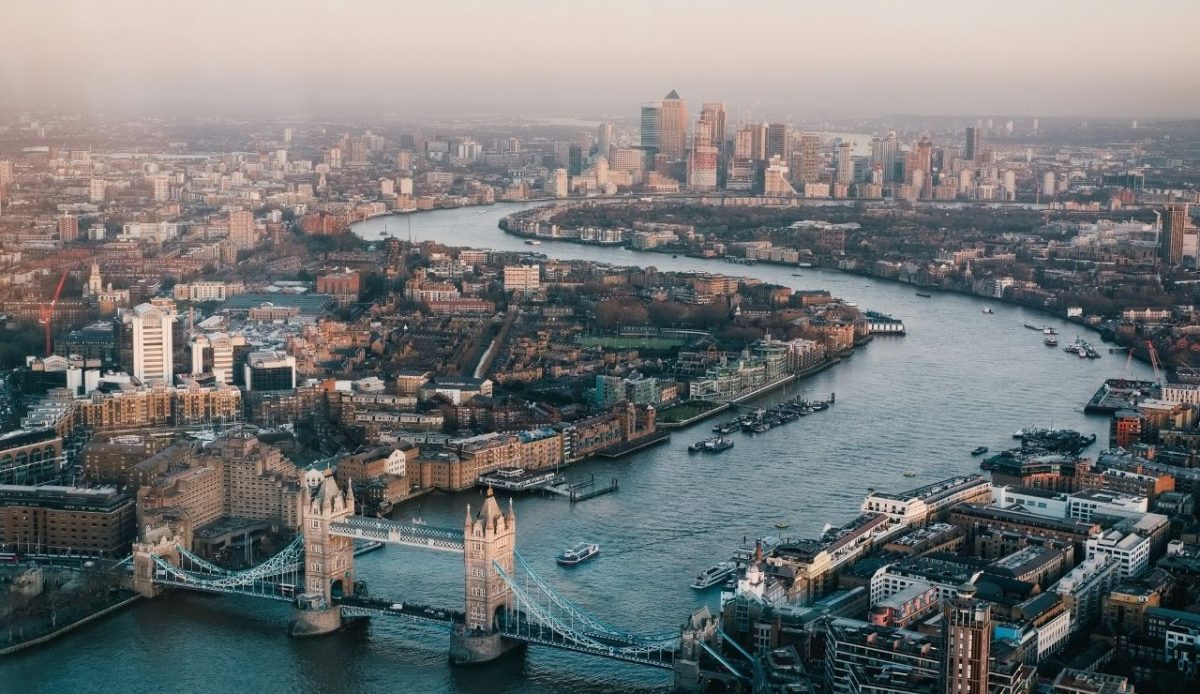
London’s controlled parking zones (CPZs. can catch visitors because the restriction may be set at the zone entrance, not repeated on every single bay. You can park, walk away, and only later realize the entire area shares the same controlled hours.
Councils post CPZ entry signs that show the days and hours restrictions apply, and those hours vary widely by neighborhood. That means a street that was free yesterday evening might be ticketed mid-day today.
Layer in pay-by-phone apps, resident permit bays, and event-day controls near stadiums, and you get a city where “it looked fine” isn’t enough. When driving in, check the zone entry sign before you even start hunting for a space.
12. Paris, France
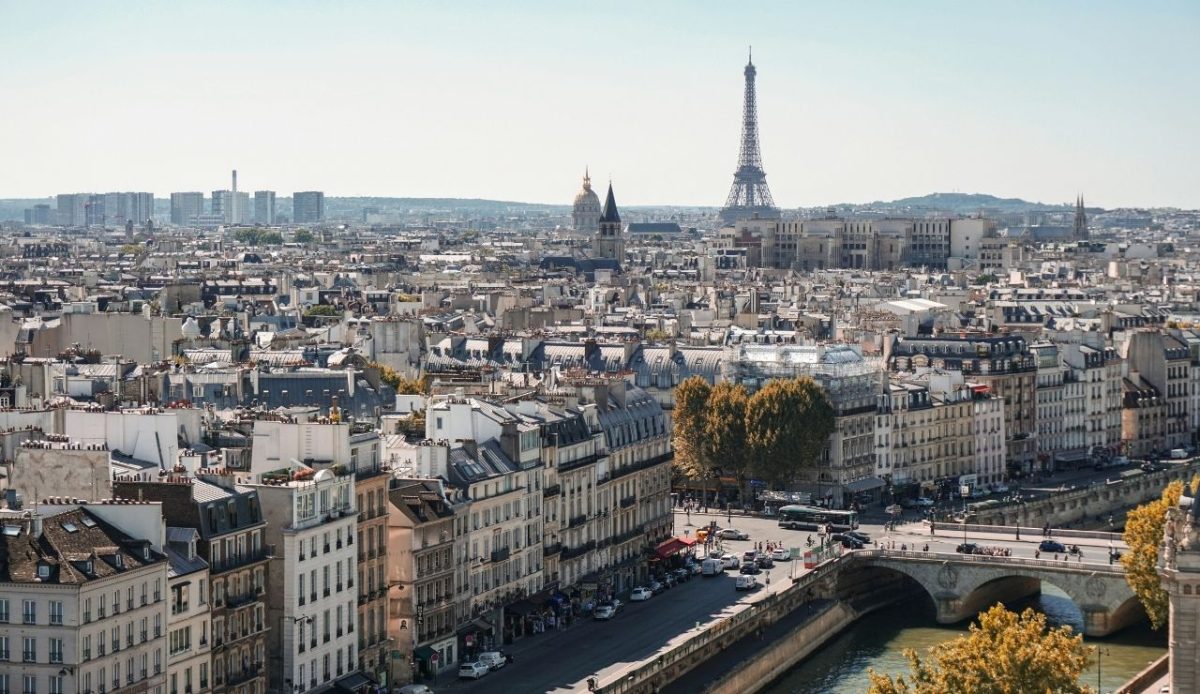
Paris treats curb parking as a premium service, and most on-street spaces require payment during the day. For visitors, the trap is assuming you can park casually near major sights without understanding the citywide hours and zone pricing.
Local guidance notes that on-street parking is generally payable Monday to Saturday from 9 a.m. to 8 p.m., with tariffs that depend on the zone. Some sources note hourly rates can reach around €10 in the highest-priced areas.
Residents may access preferential rates through a resident card, but tourists don’t get that buffer. If you must drive, plan for a garage and treat street parking as short, paid, and closely monitored, especially in central arrondissements.
